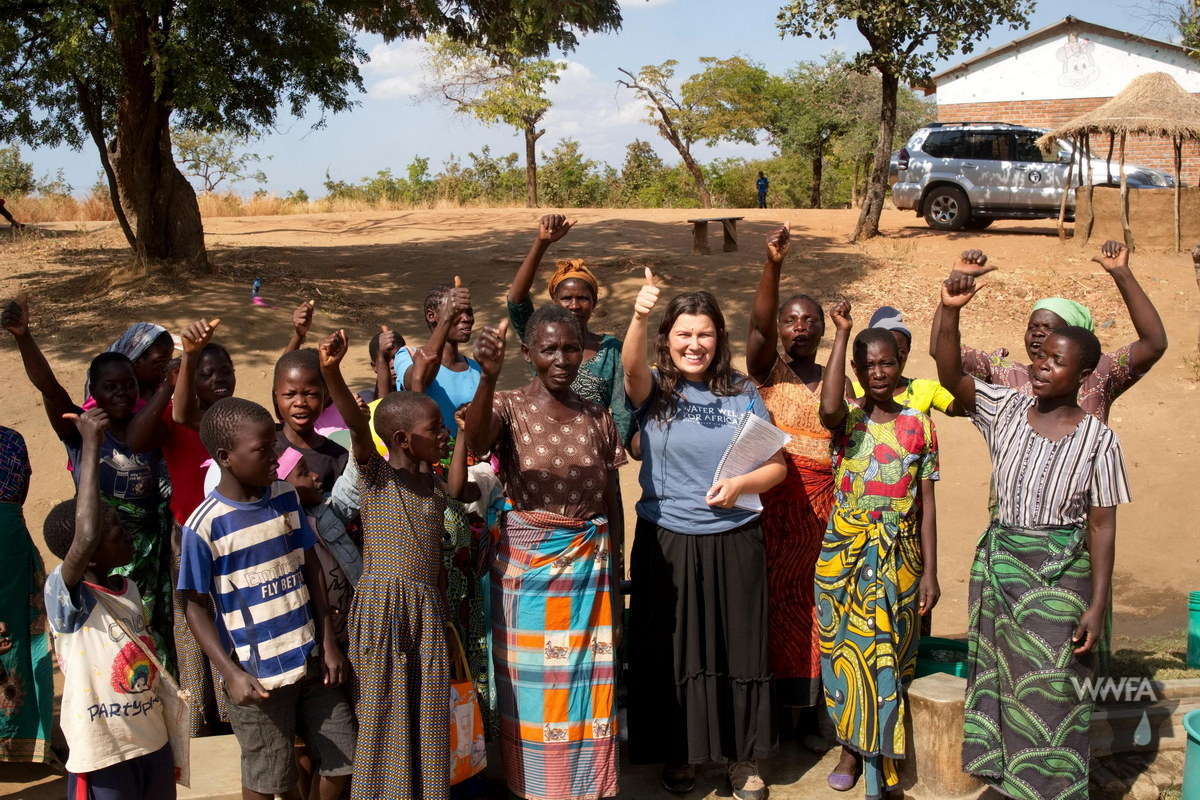
Families: 30+ across 4 villages
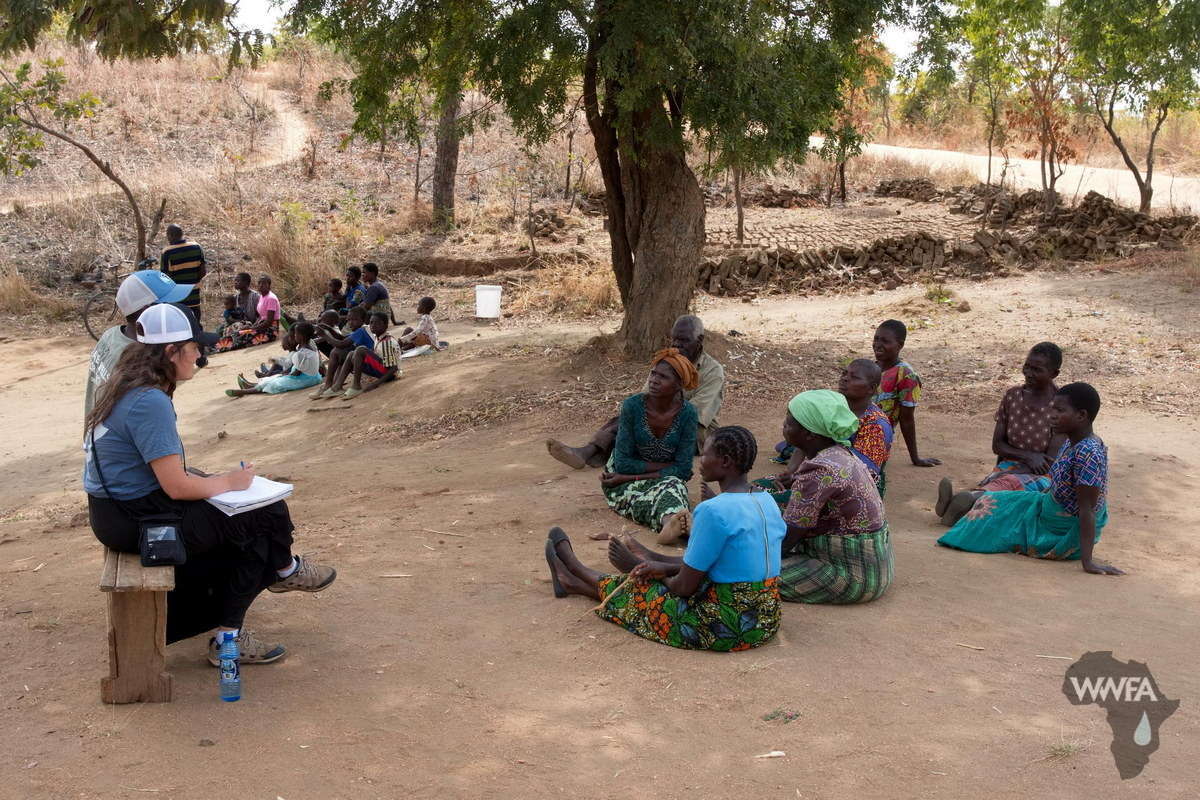
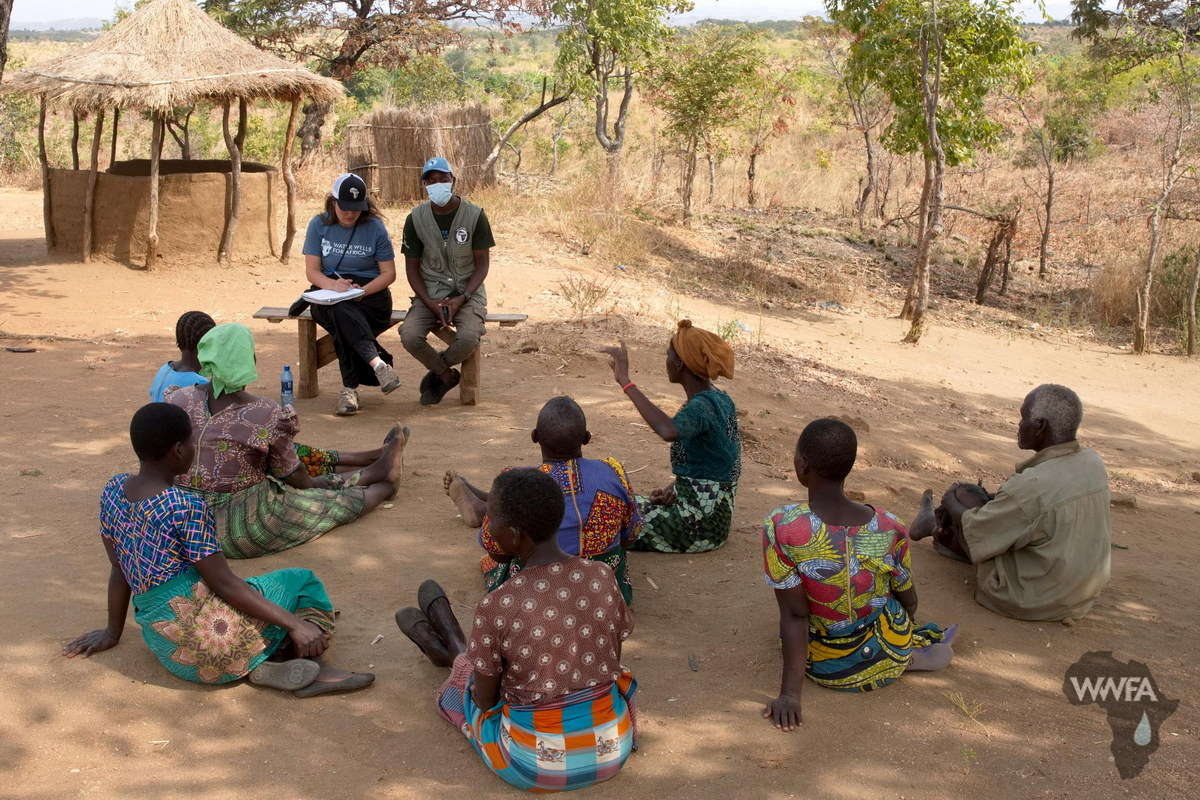
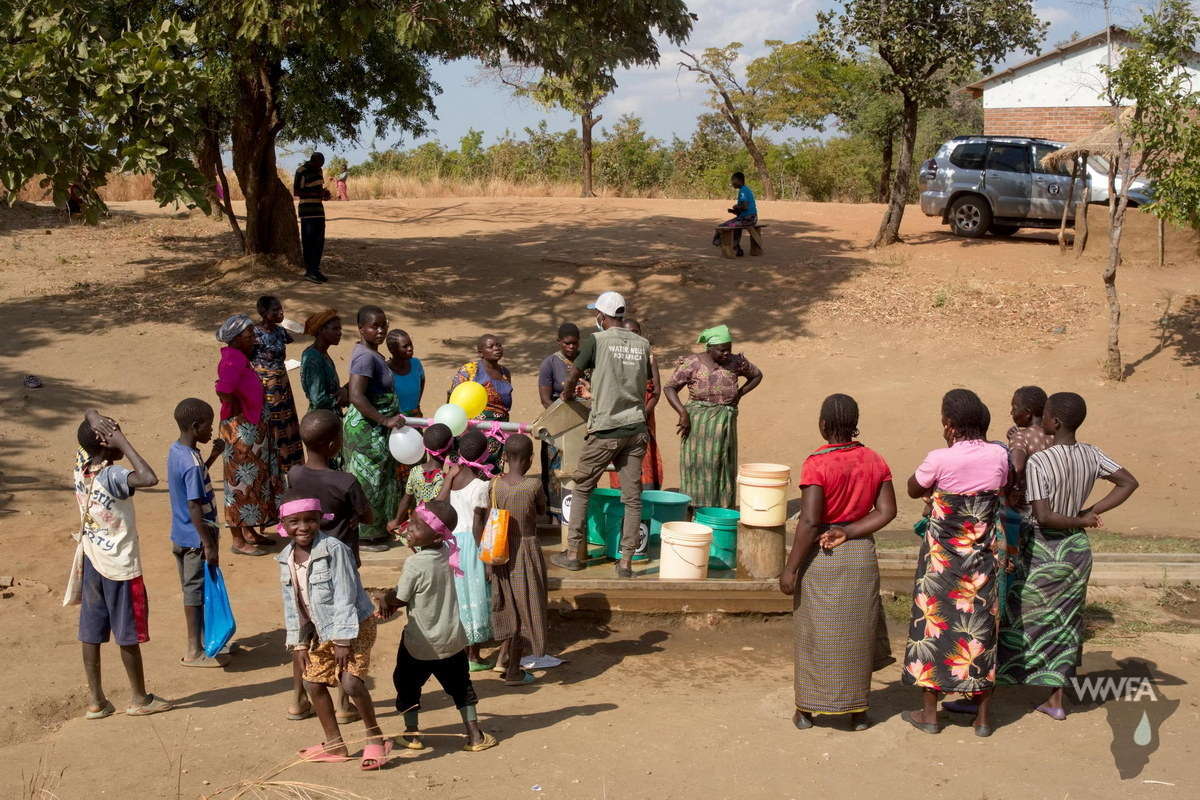
Water Committee: 4 men and 6 women
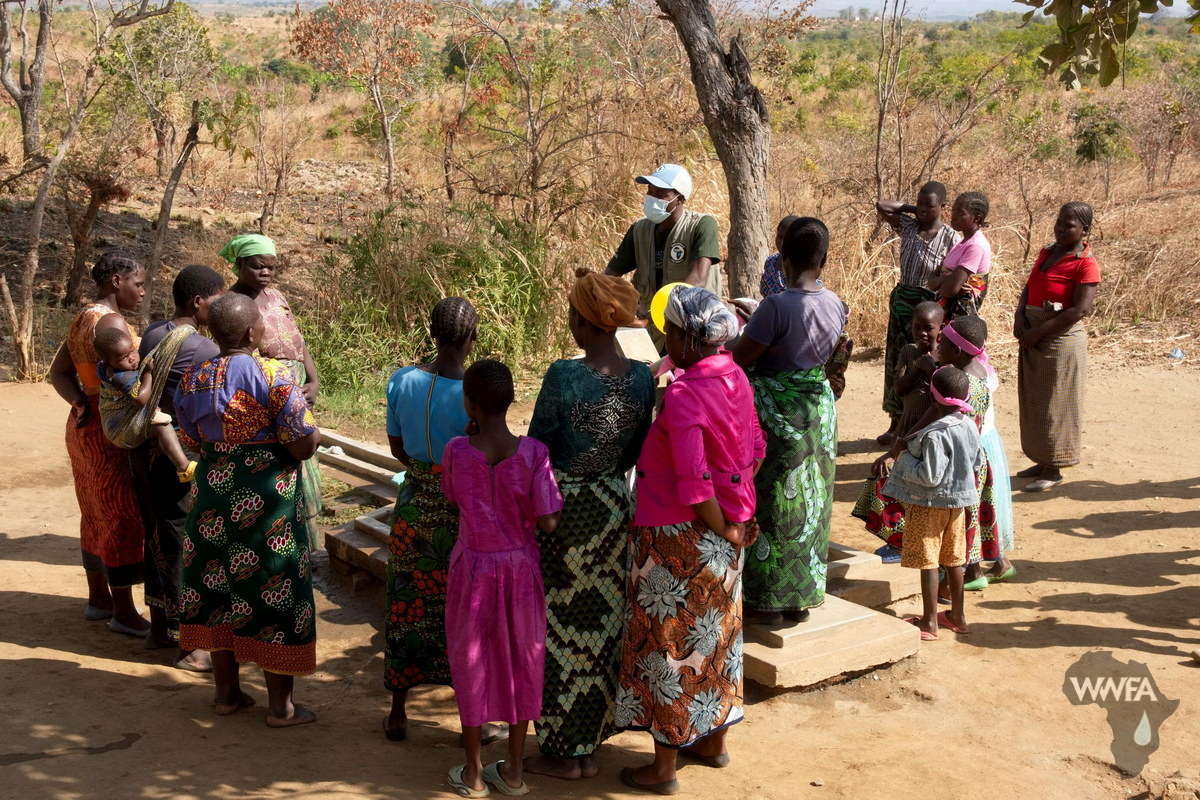
For generations, families in Madyakale had no clean water source. They collected water from a stream that flooded during the rainy season, causing everything to mix together and making people sick. During the dry season, families would leave at 8 a.m. and return around noon with just one bucket of water.
The lack of clean water led to frequent diarrhea, dysentery, cholera, and bilharzia. In 2023, five people in the community died from cholera, and many others became sick. Families traveled 15 kilometers to Thavite Health Center three or four times a month, paying about 8,000 kwacha for transportation and 18,000 kwacha for care. Some borrowed money or took piece work to afford treatment.
Water shortages also affected family life and education. Men sometimes doubted their wives were spending so much time away only to collect water. Children were often late to school, and nursery school children could not attend if their parents had not prepared water for them.
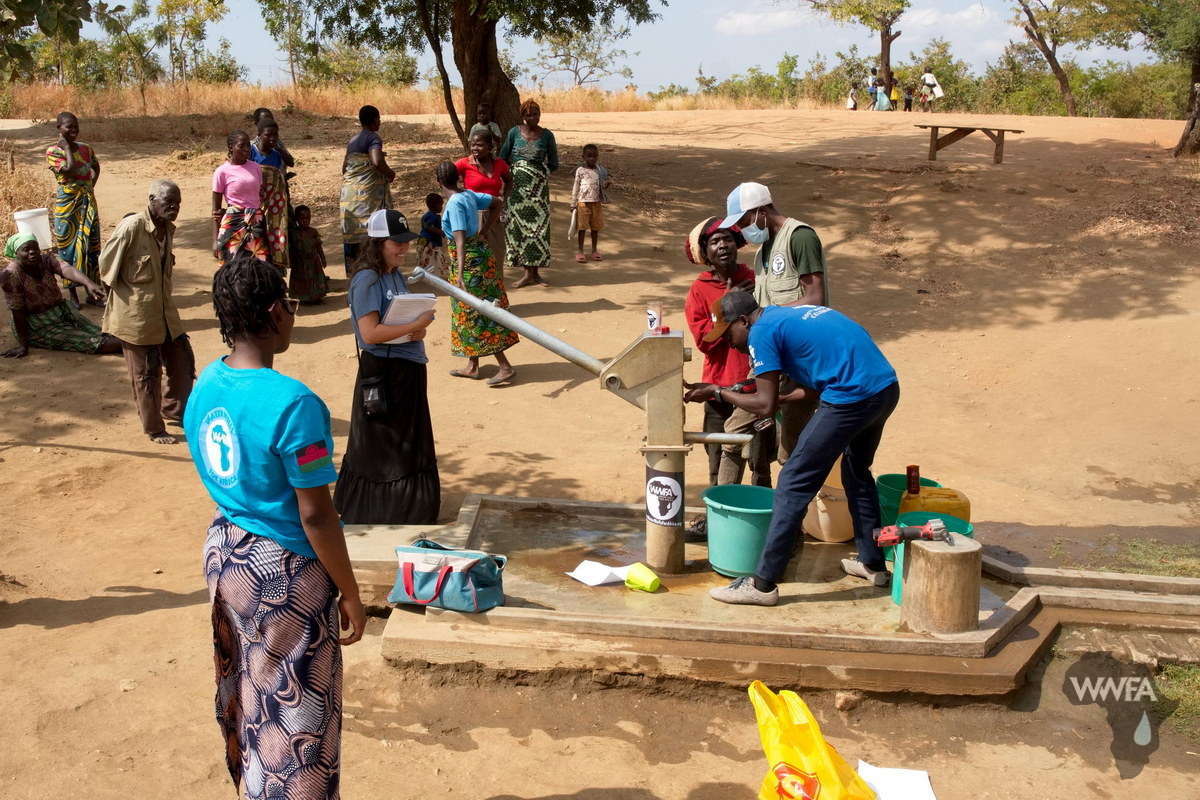
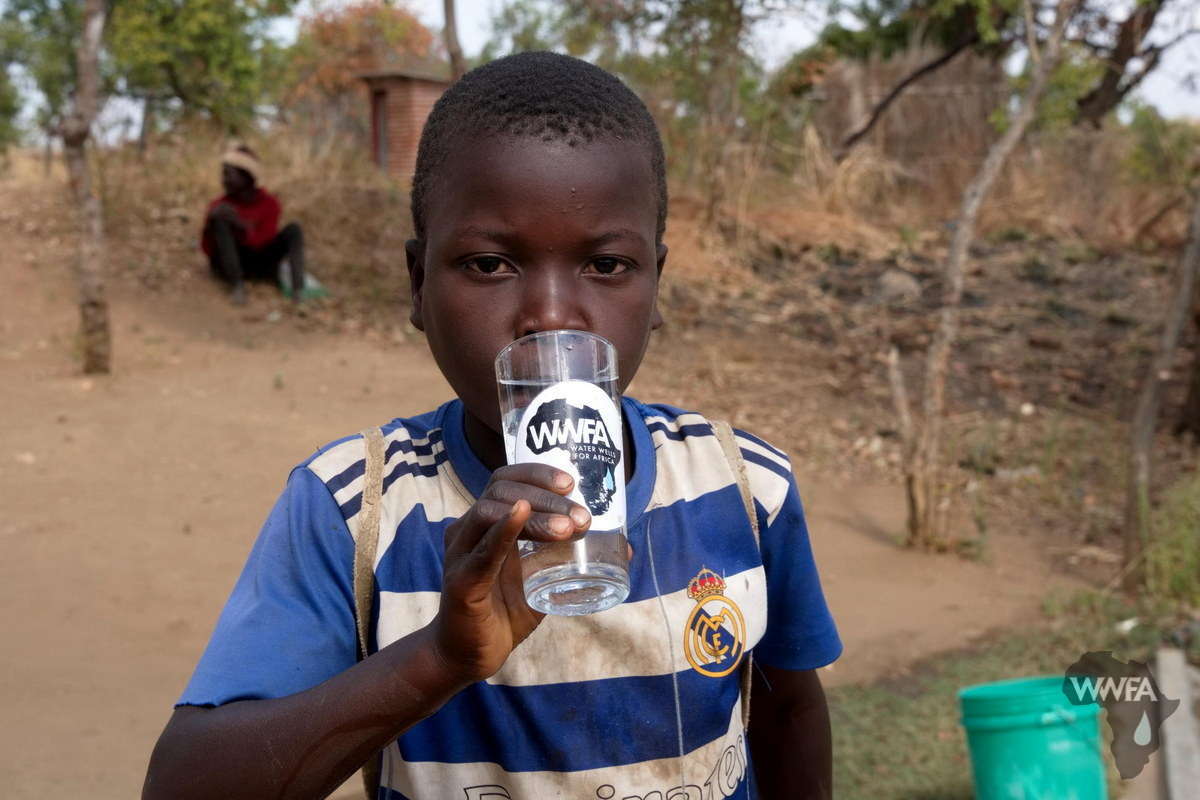
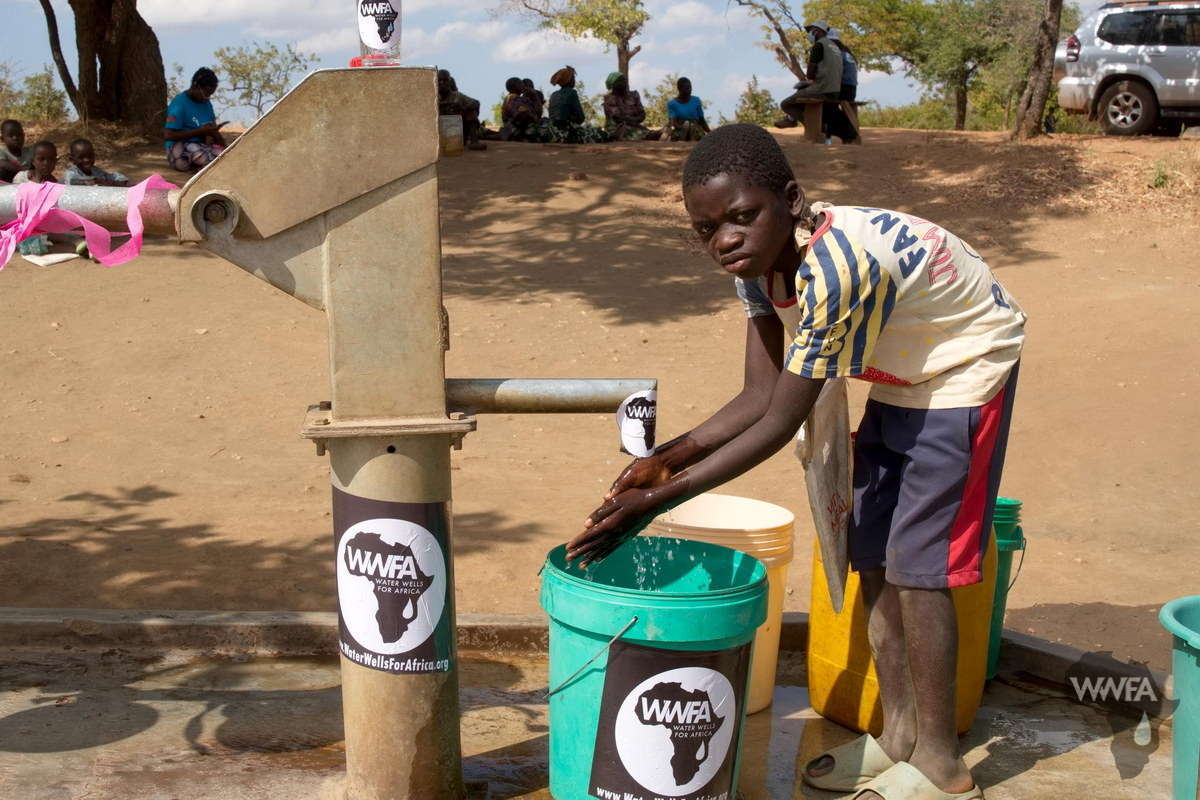
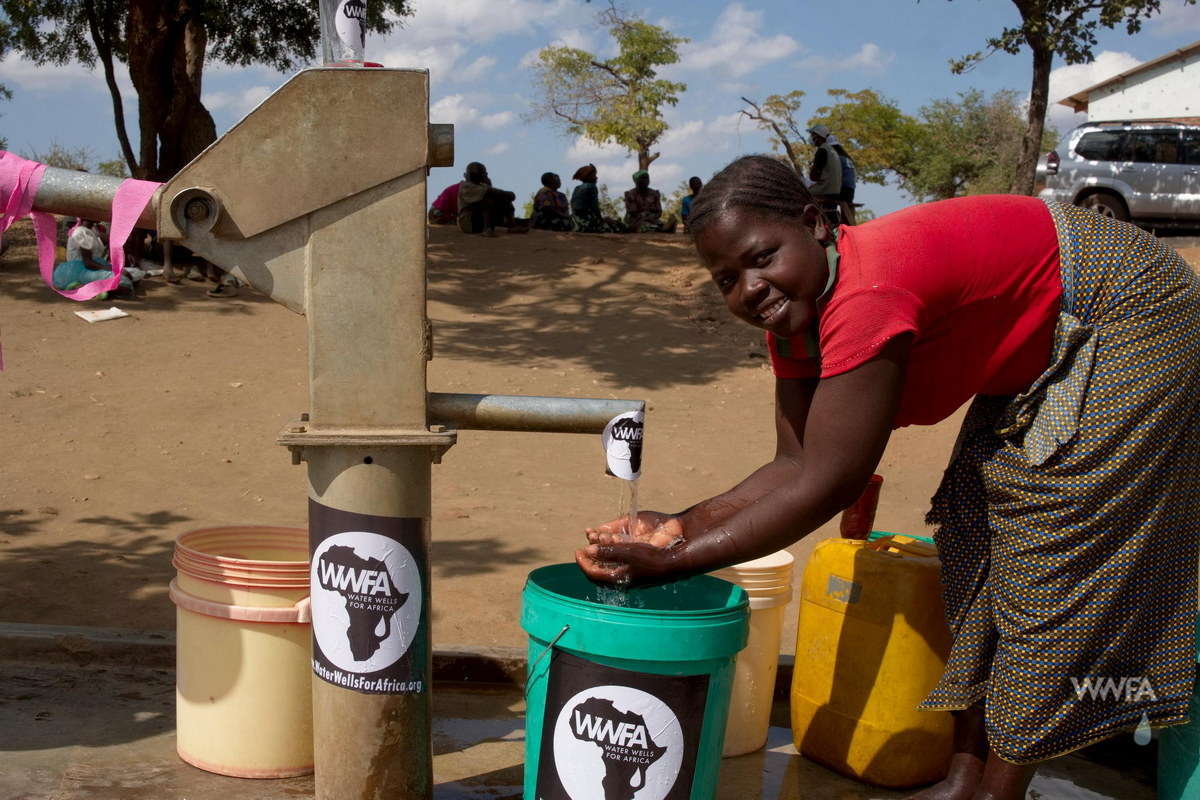
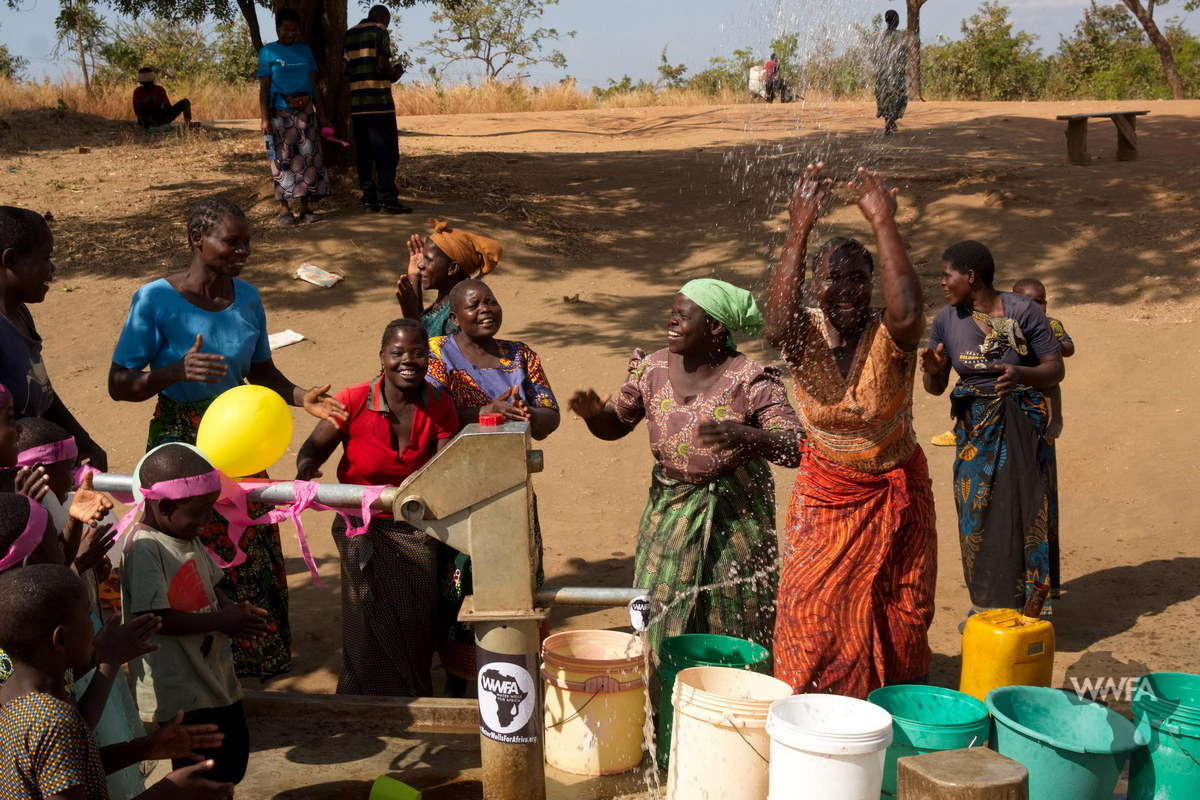
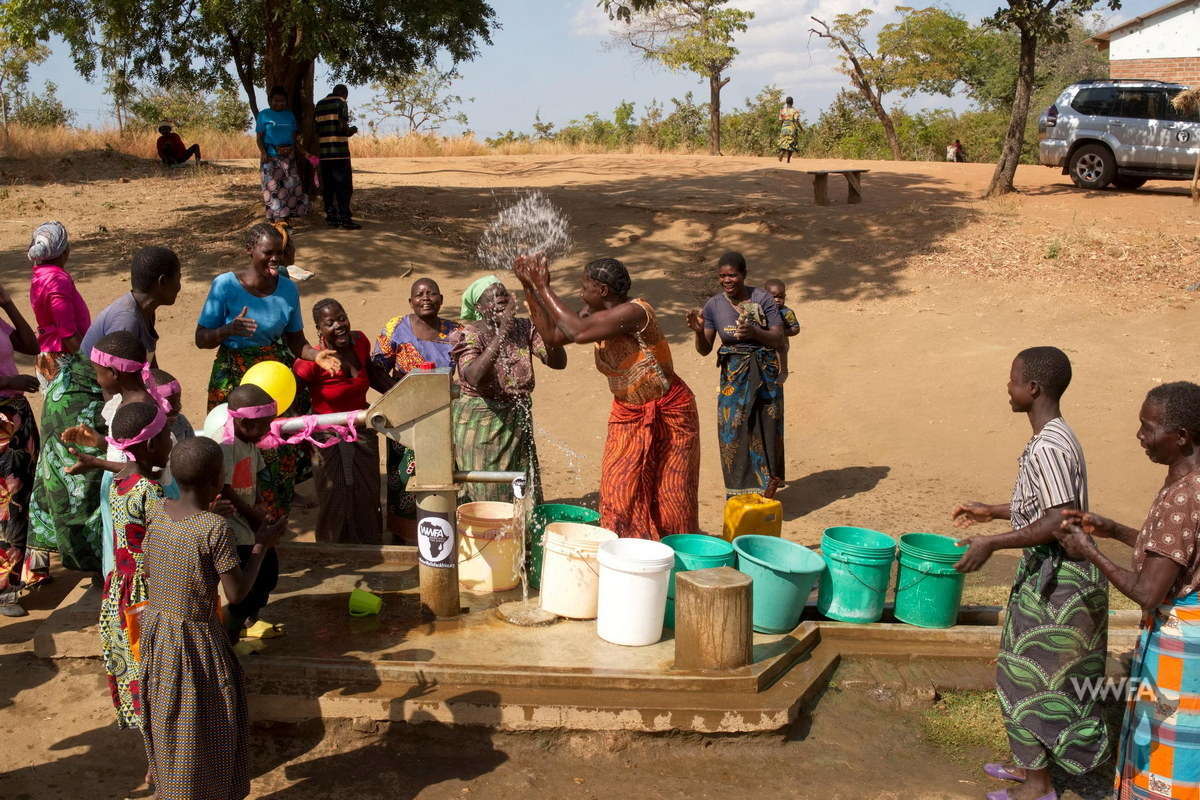
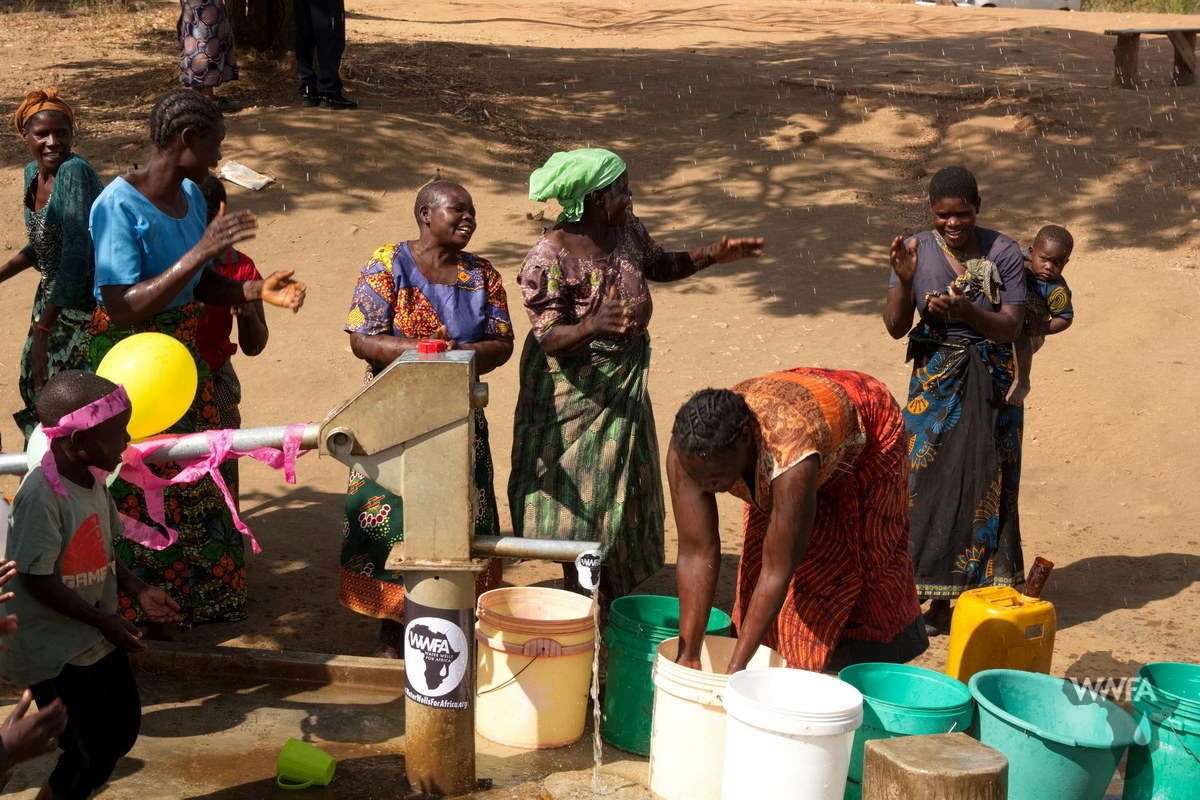
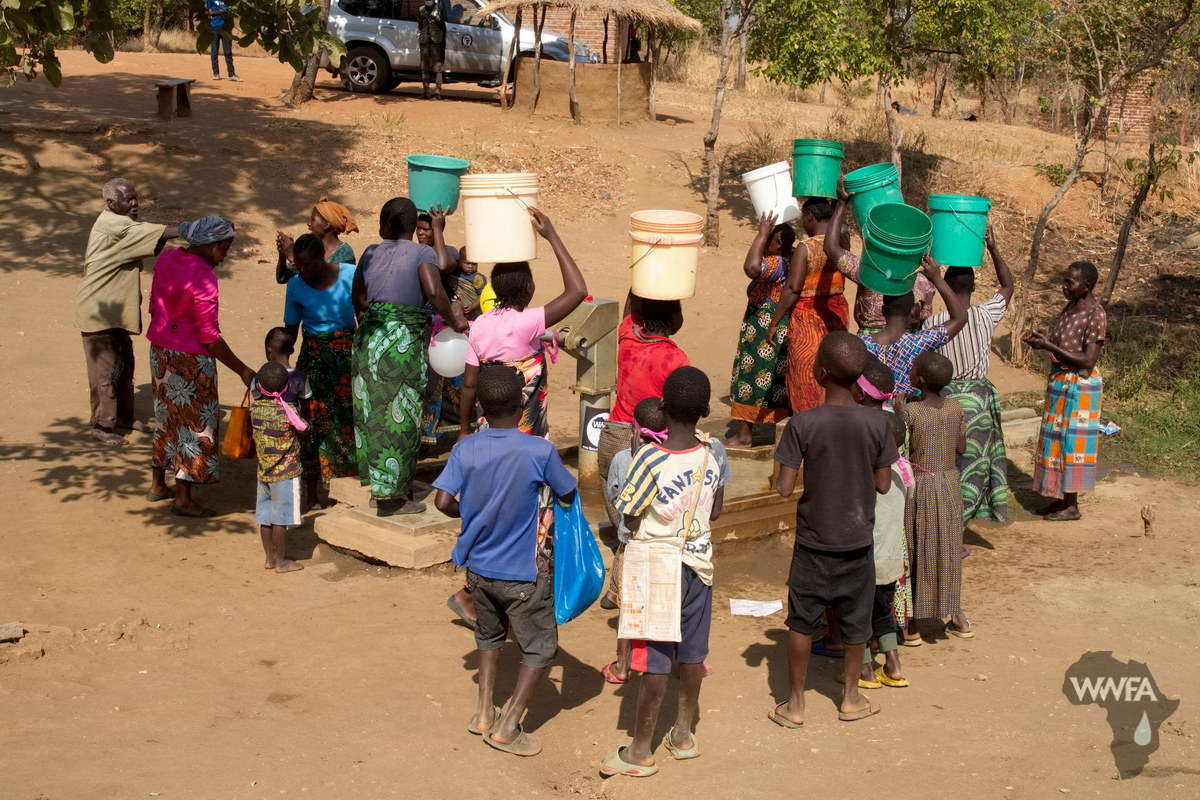
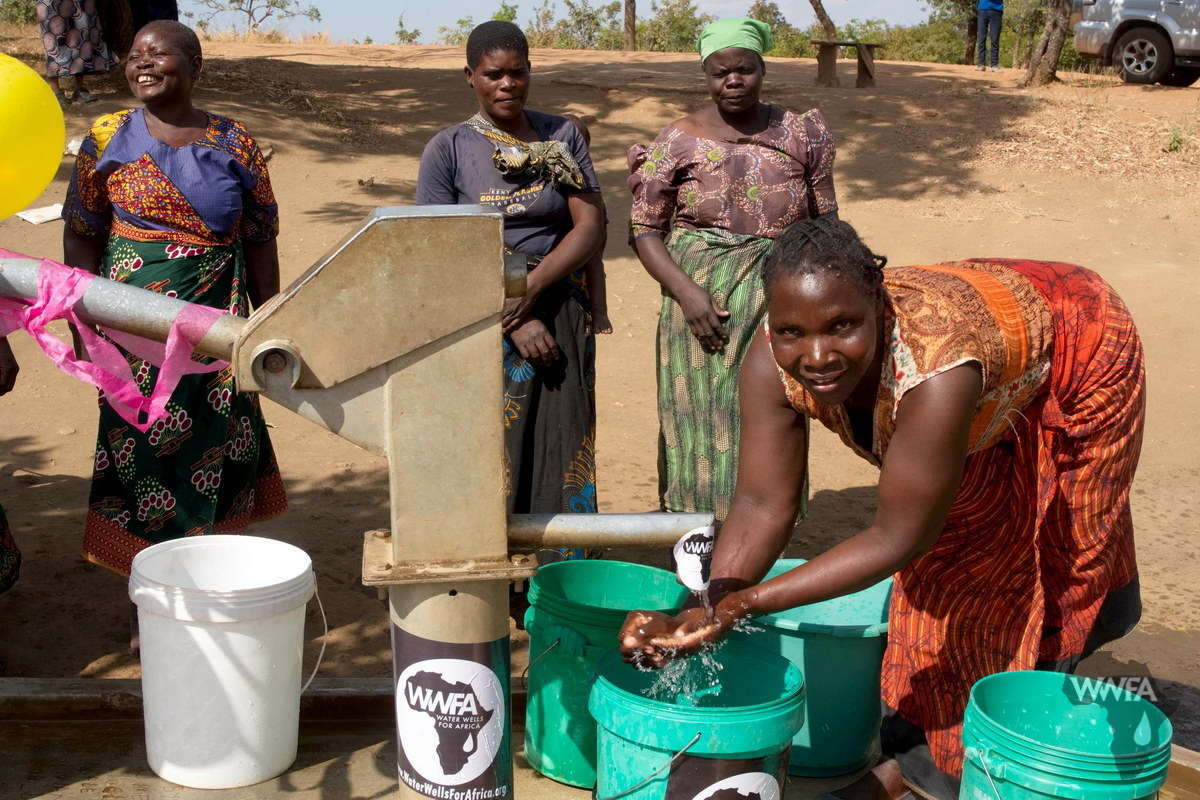
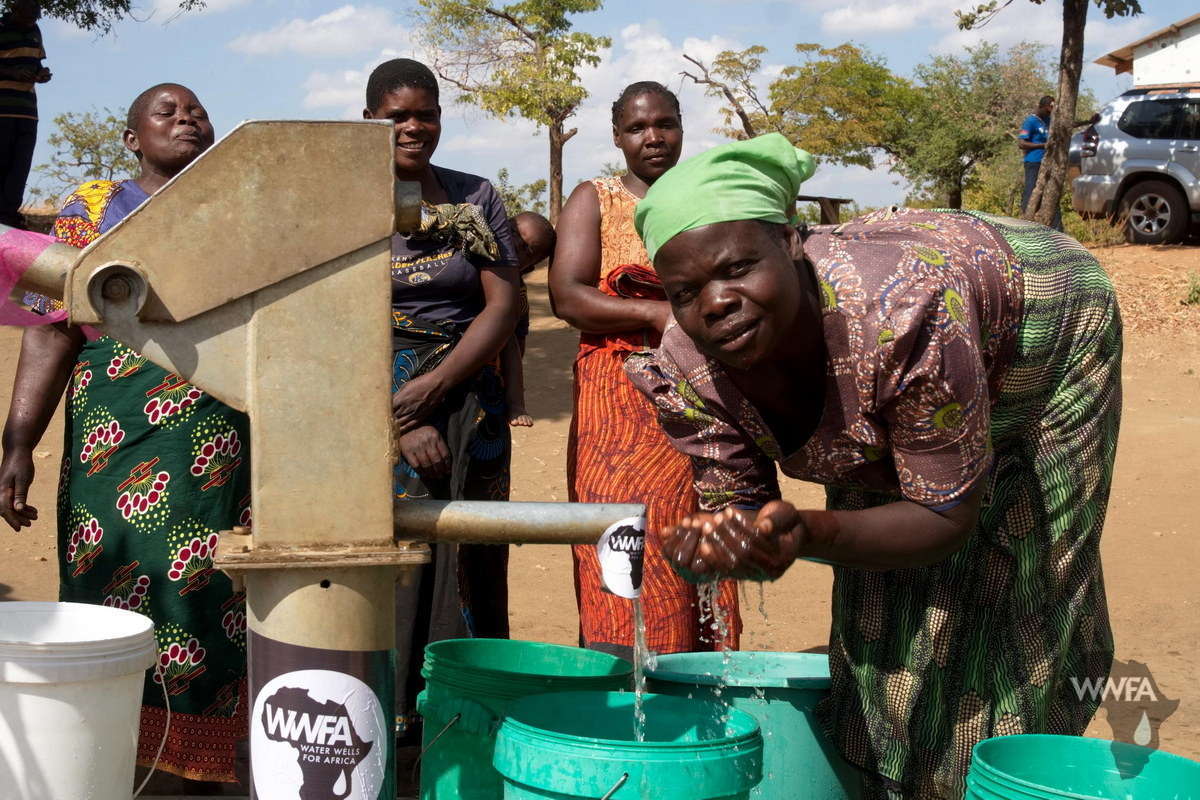
Today, families can collect five to seven buckets of water a day and bathe three times daily. They report no longer experiencing waterborne illnesses, and home hygiene has improved. “We can be cooking food and go get water and not worry,” one resident said. “Peace is restored in the household.”
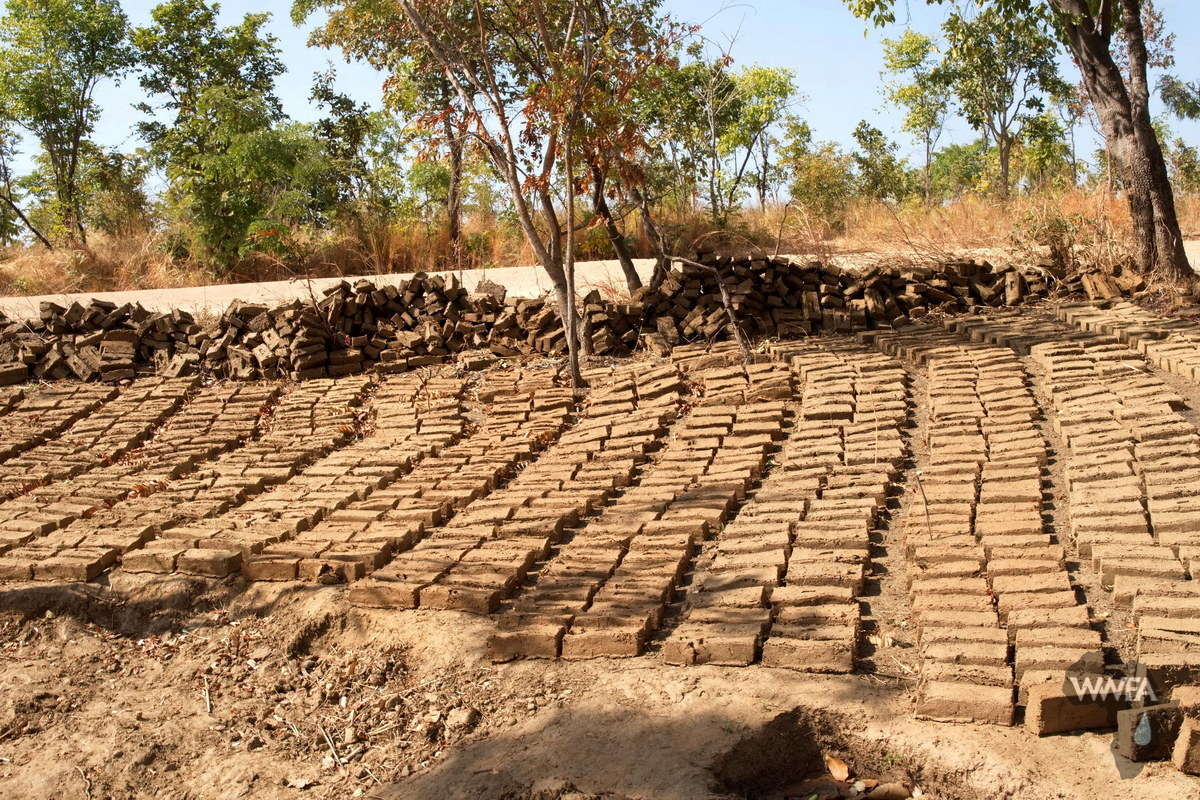
The time and water saved are creating new opportunities. Families have gardens growing pumpkin leaves, sweet potato leaves, mustard, and beans, while others have started small businesses selling mustard and doughnuts. The community is also molding bricks to build toilets, kitchens, an under-five clinic, and a maternity clinic. They have even started a community bank.
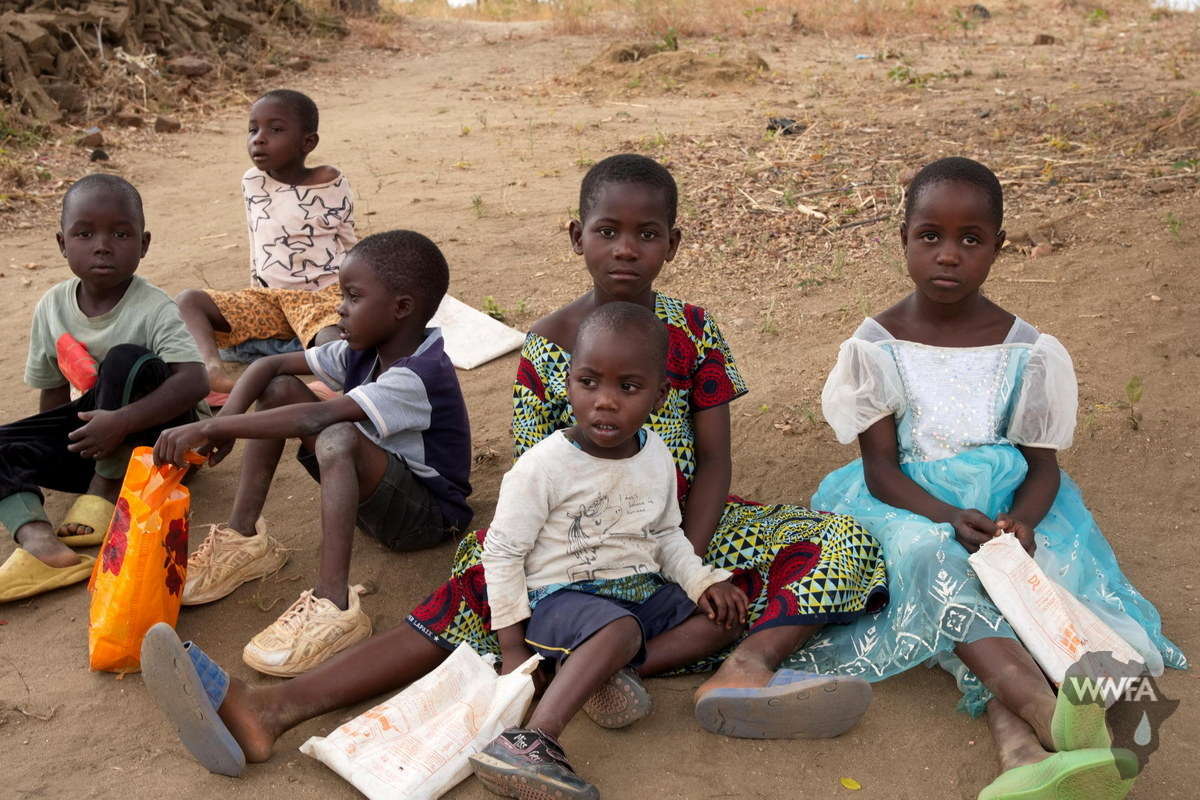
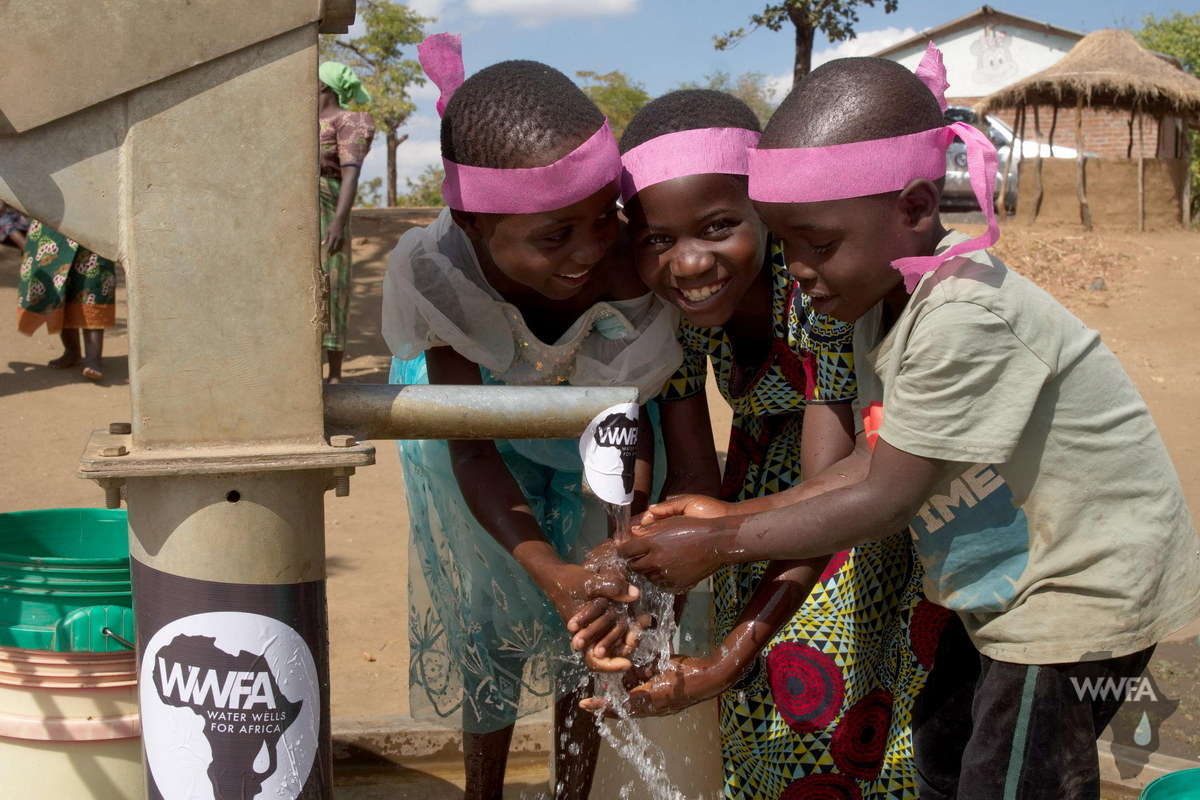
Children are seeing a major difference, too. Before the well, only 40% of children could attend school regularly. Now, attendance has reached 100%. Children can wake up early, prepare for school, and arrive clean and on time. Some are even continuing their education at national secondary schools.
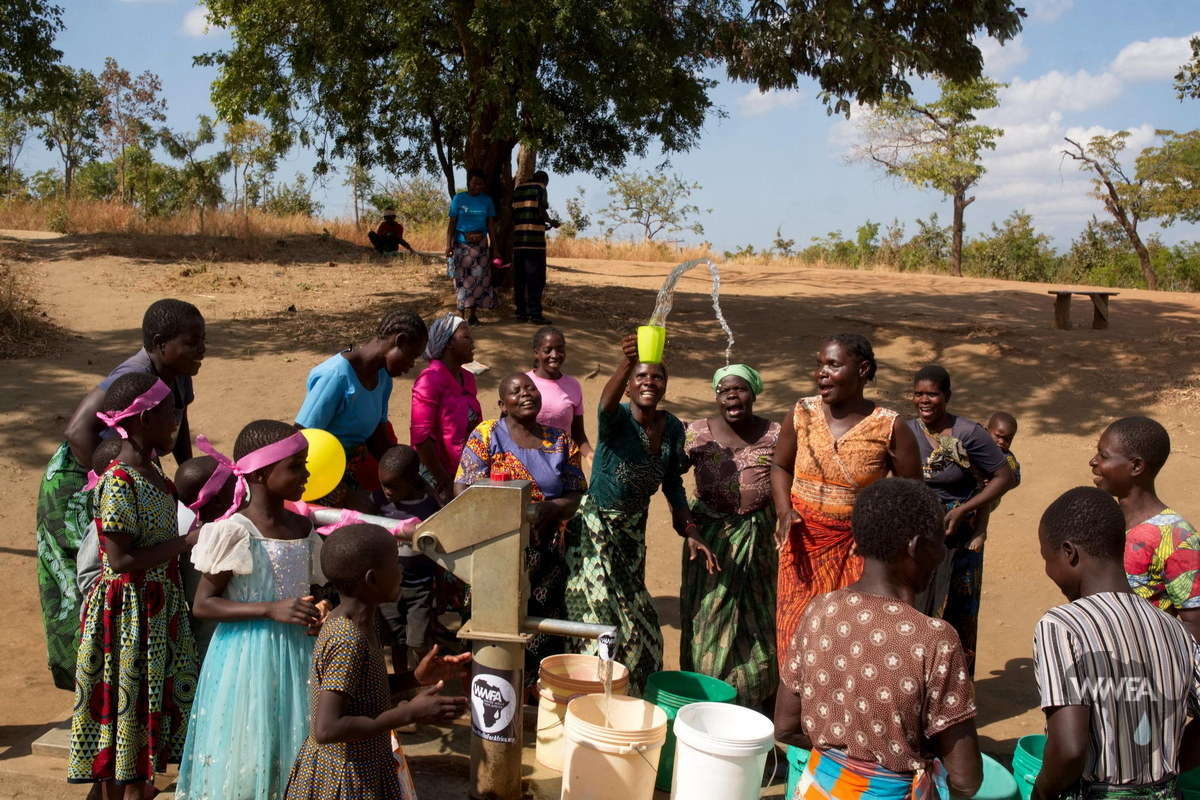
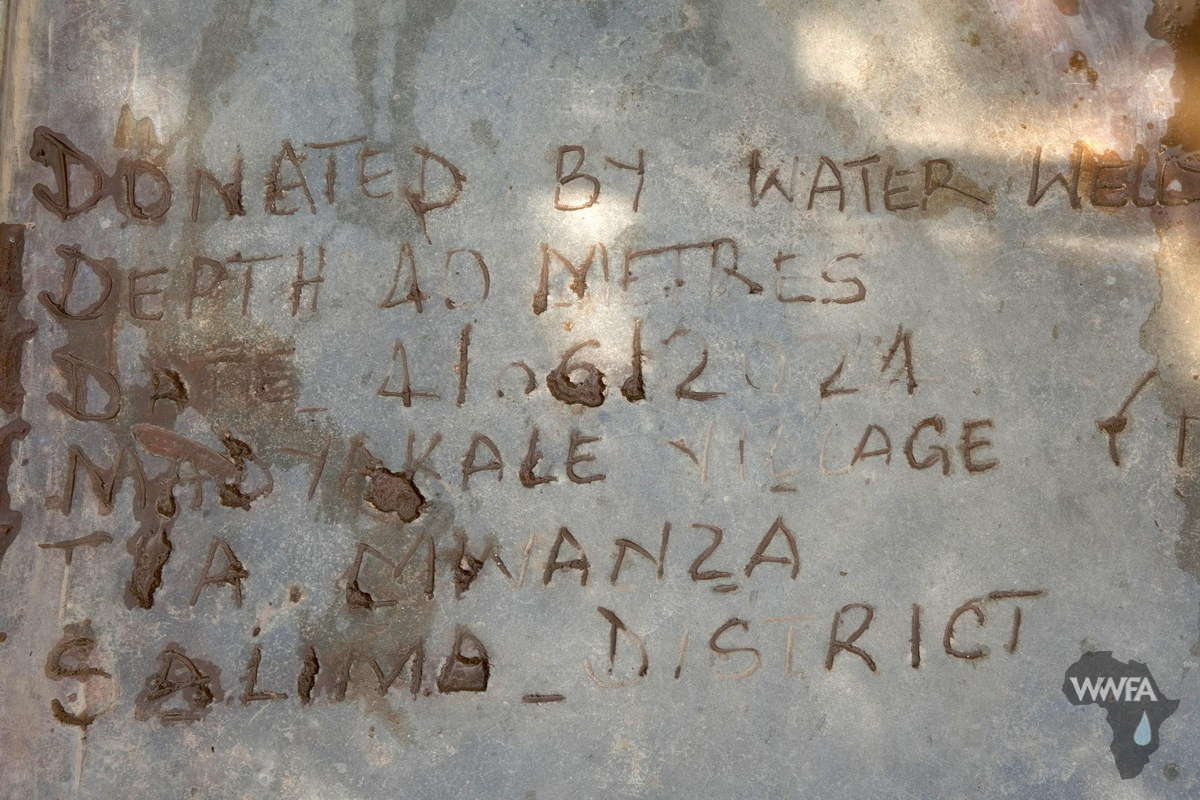
Since the well was installed in June 2024, it has not needed a repair. With reliable water in place, the community says they are now able to look beyond simply finding water each day and focus on developing their future.
“We are happy because there is freedom.”