
Key Takeaways
- Unsafe water, poor sanitation, and inadequate hygiene are responsible for roughly 88% of diarrhea-related deaths in children under five, making clean water access one of the most powerful tools for reducing child mortality.
- Waterborne diseases — including cholera, typhoid fever, dysentery, and diarrheal illness — kill hundreds of thousands of children every year, nearly all in low- and middle-income countries.
- Sub-Saharan Africa bears a disproportionate share of the global water crisis, with over 190 million children at high risk from inadequate water, sanitation, and hygiene (WASH) access.
- Improving access to safe drinking water can prevent approximately 1,000 child deaths per day.
- Water Wells For Africa has been drilling sustainable water wells in rural African communities since 1996, based on the belief that clean water is the first and most essential step out of poverty.
- Supporting organizations like Water Wells For Africa is a direct, proven way for donors to reduce child mortality and break cycles of disease.
The Most Preventable Crisis in the World
A child is dying right now from drinking contaminated water. And then another. And another.
In fact, better water, sanitation, and hygiene (WASH) could prevent around 1,000 deaths among children under five every single day. Unlike many causes of child mortality, waterborne disease is largely preventable. The solution is known. What’s missing is sustained investment to get safe drinking water to the people who need it most.
How Contaminated Water Increases Child Mortality
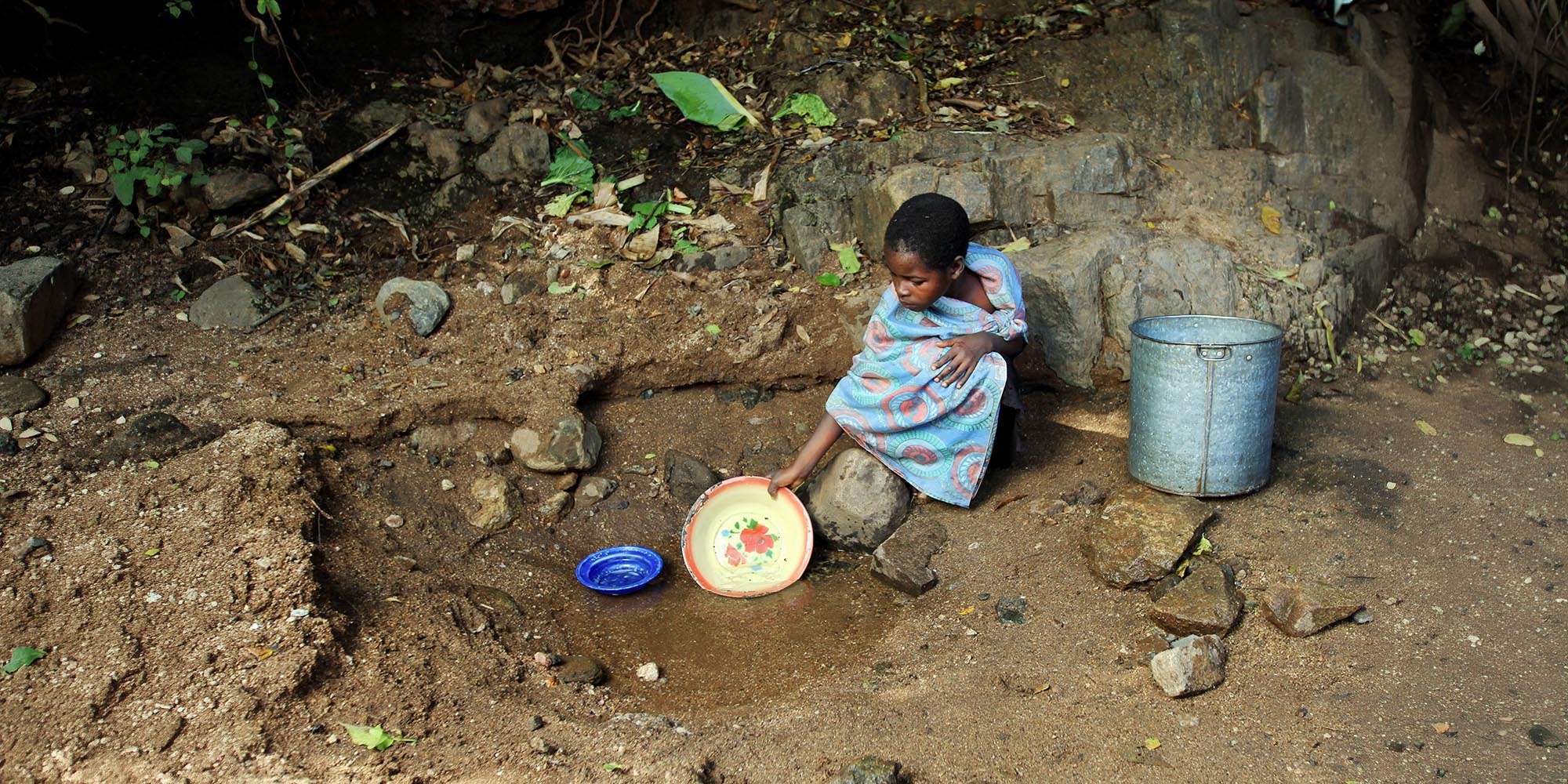
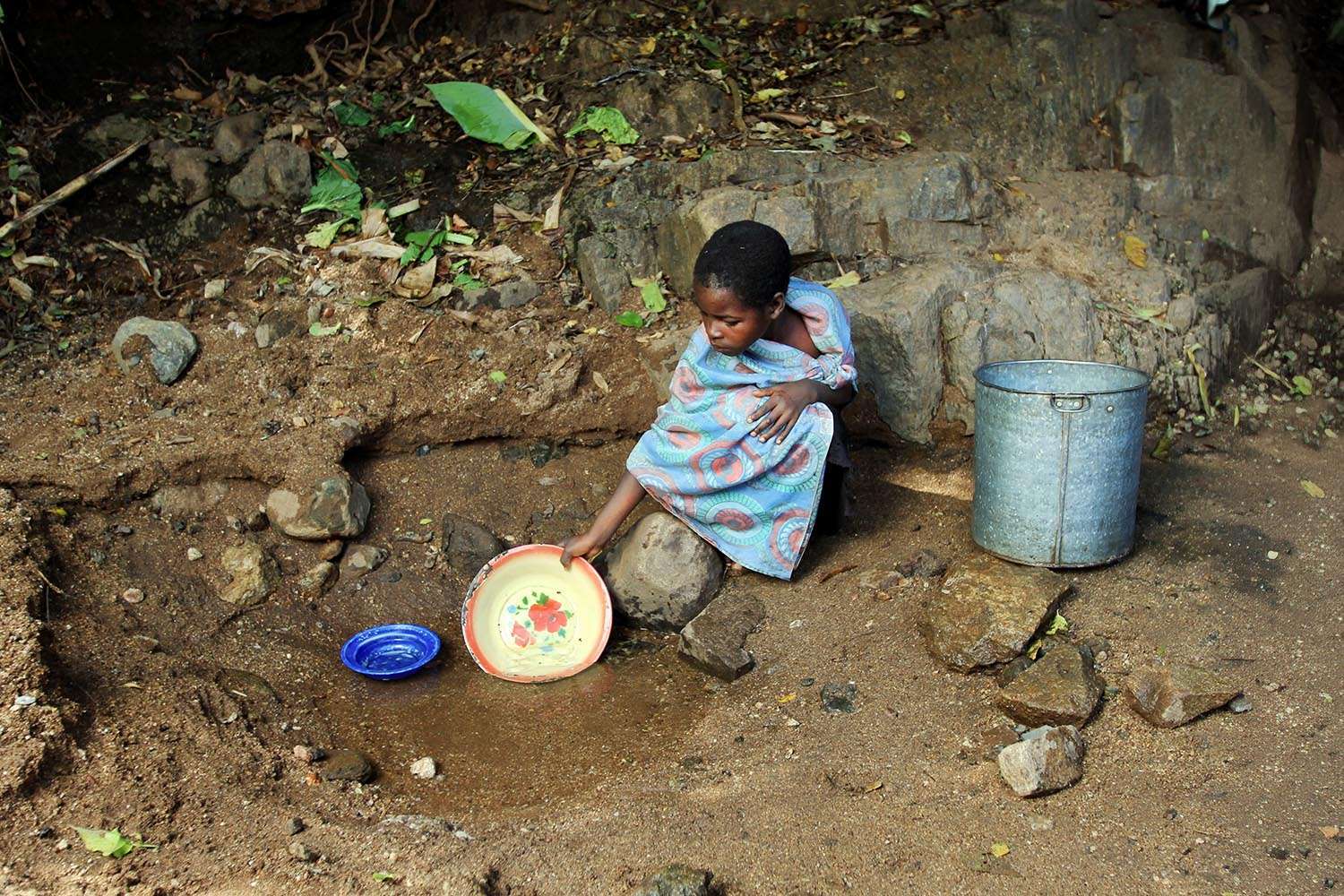
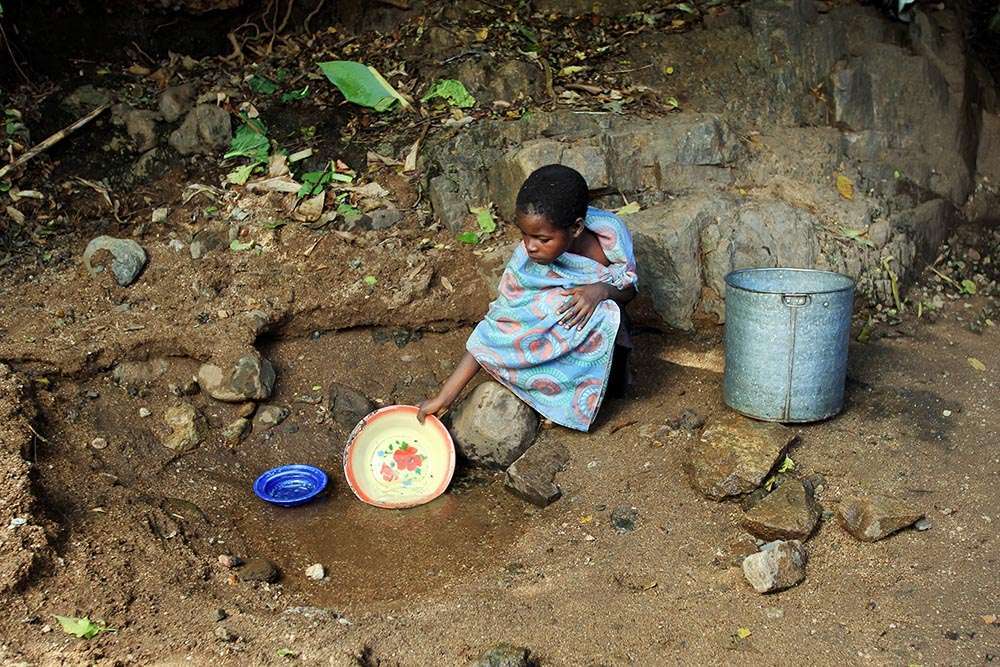
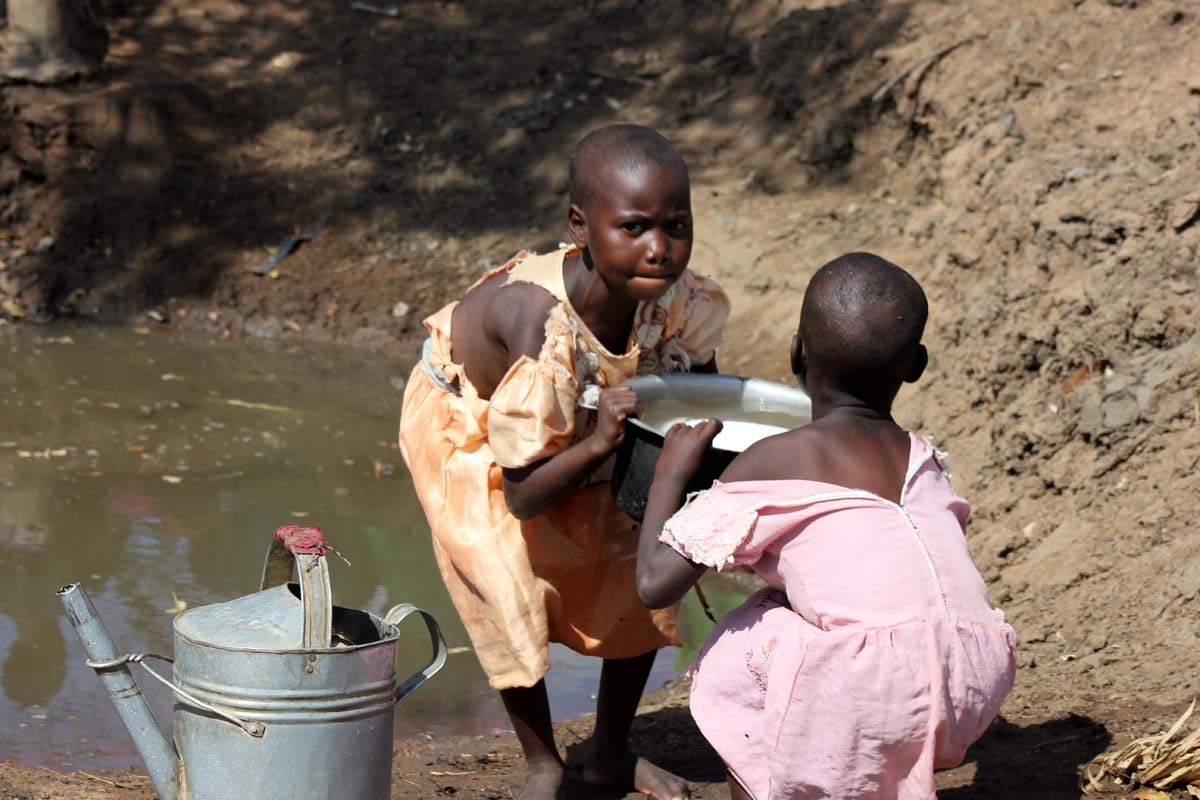
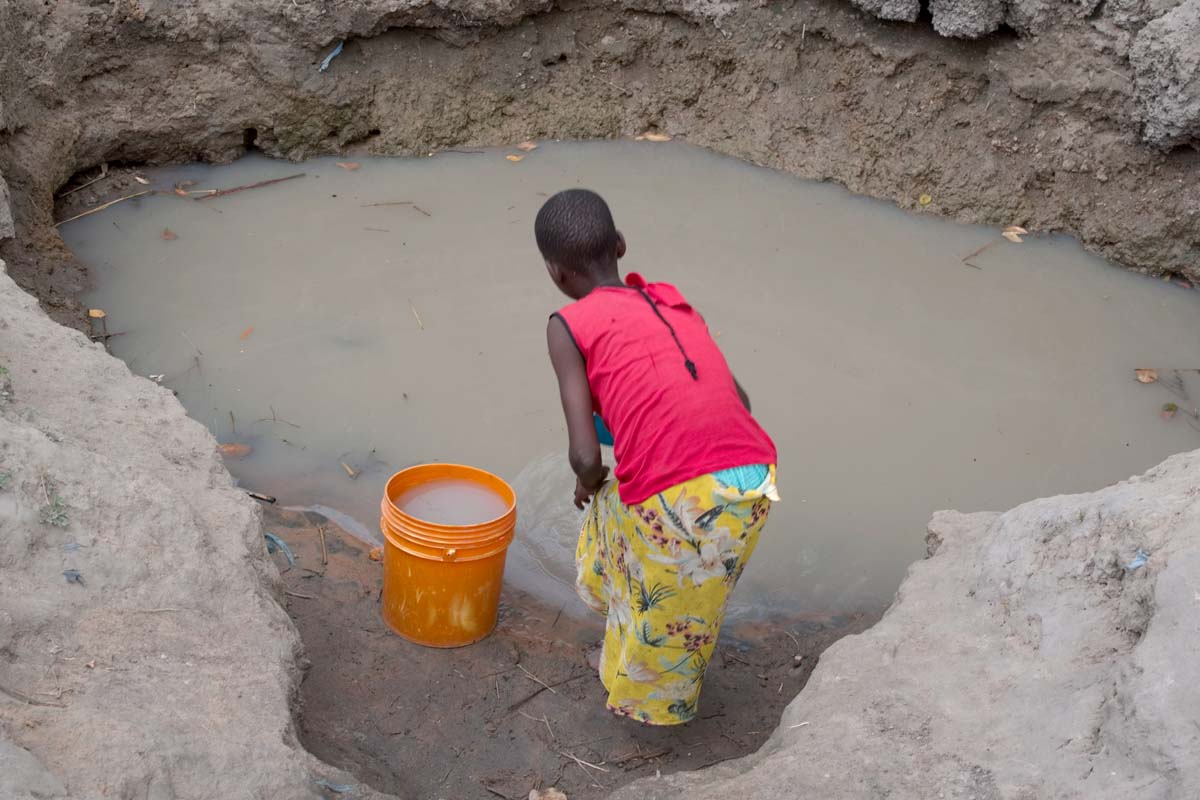
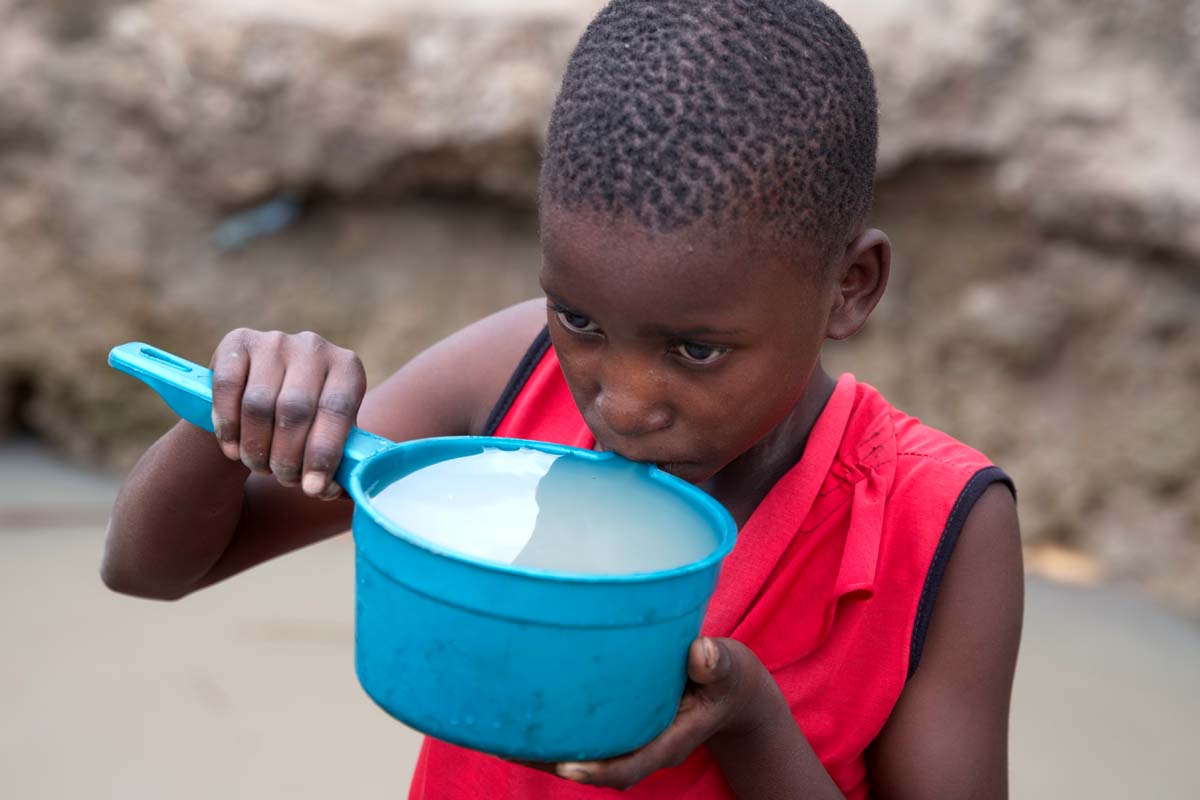
Water is life-giving, but when contaminated, this essential resource can become deadly. Invisible pathogens — bacteria, viruses, and parasites — thrive in surface water, unprotected wells, and improperly stored household water, causing cascading illness in young children whose immune systems are still developing.
Diarrheal disease is one of the leading killers of children under five, with roughly 88% of those deaths attributable to inadequate WASH. But the types of waterborne disease linked to unsafe water go well beyond diarrhea:
- Cholera: a waterborne bacterial infection causing severe dehydration that can kill within hours.
- Typhoid fever: a waterborne bacterial infection causing high fever, including increasingly drug-resistant strains.
- Dysentery: a waterborne intestinal infection causing severe, often bloody diarrhea.
- Polio: a viral disease spread through contaminated water that can cause paralysis.
- Trachoma: a bacterial eye infection linked to poor hygiene that can lead to blindness.
The compounding effect of repeated infections also leads to chronic malnutrition, stunted development, and weakened immune function, further raising a child’s risk of dying from other illnesses.
I replaced the bullets by making the phrasing structure consistent.
Why Africa Bears the Heaviest Burden
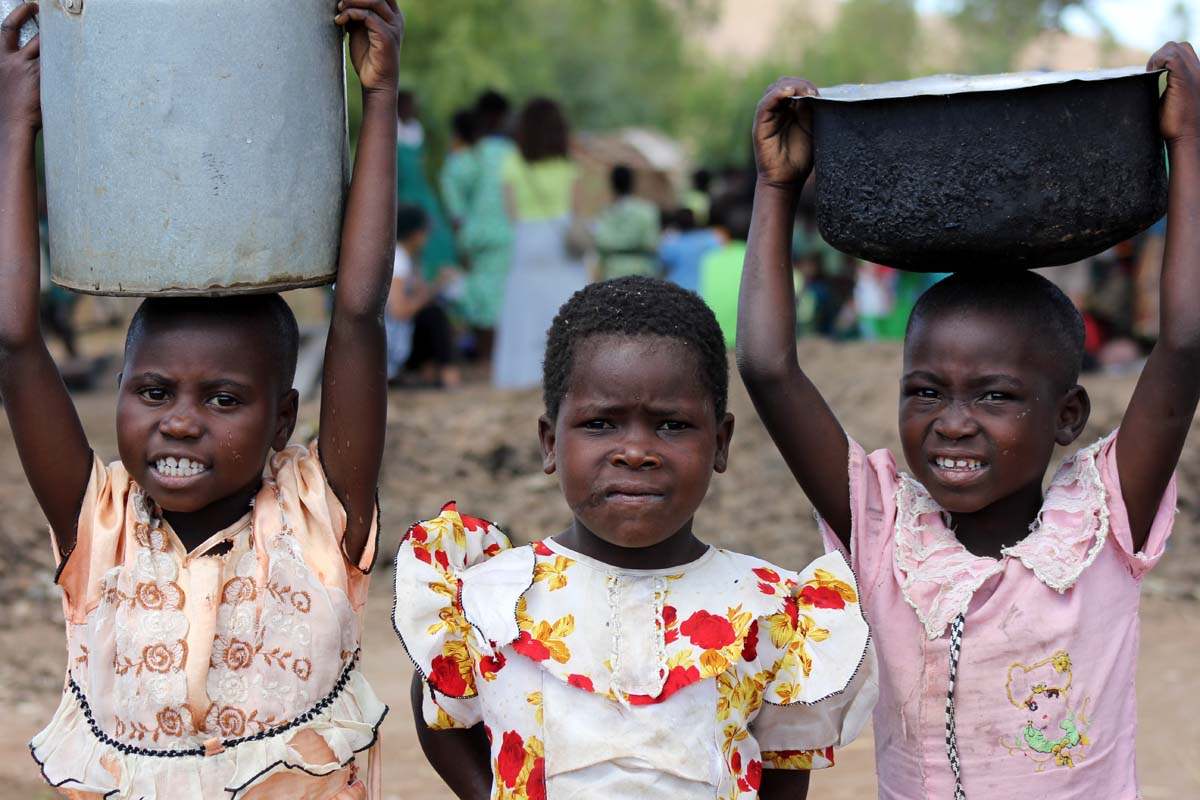
Sub-Saharan Africa is ground zero for the global water crisis. A UNICEF analysis found that over 190 million children across 10 African countries face the greatest risk from the triple threat of inadequate WASH services, waterborne diseases, and climate-related hazards. Across Africa, millions of people in countries such as Niger, Chad, Somalia, Ethiopia, Sudan, and Malawi are living with the daily consequences of water scarcity, extreme poverty, and limited access to safe, reliable water.
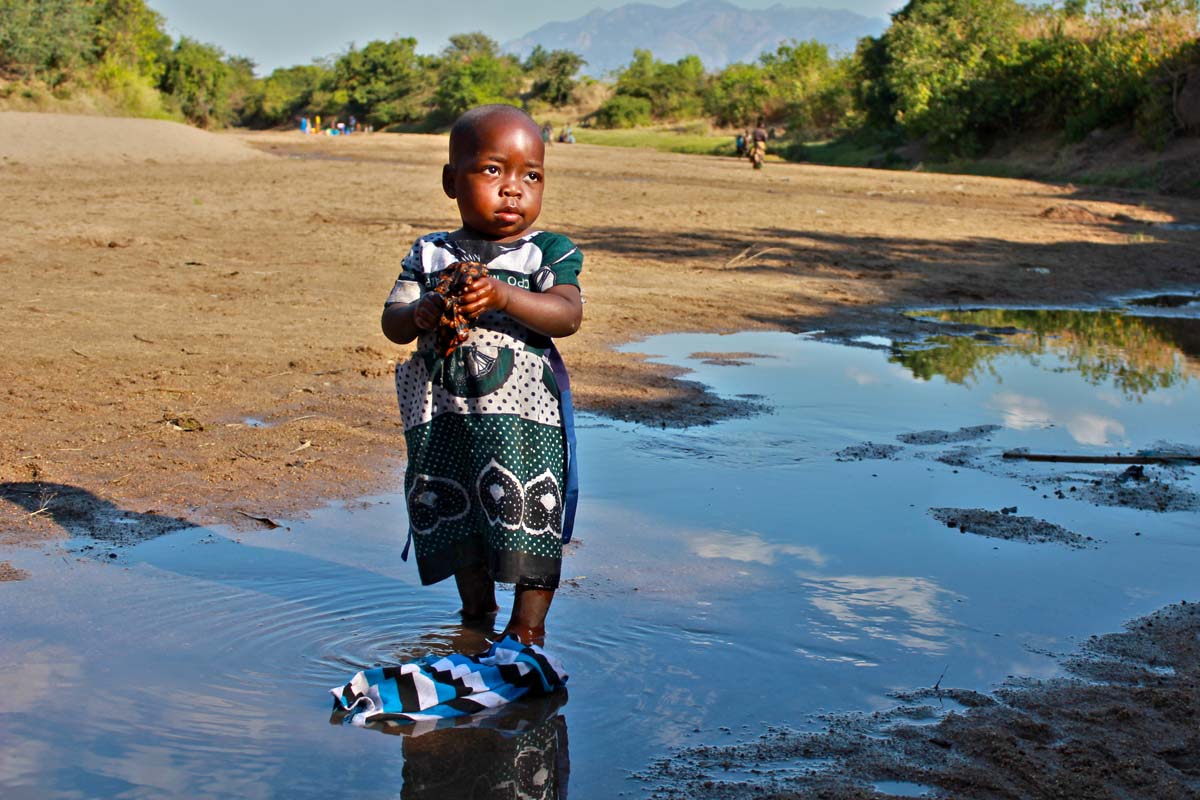
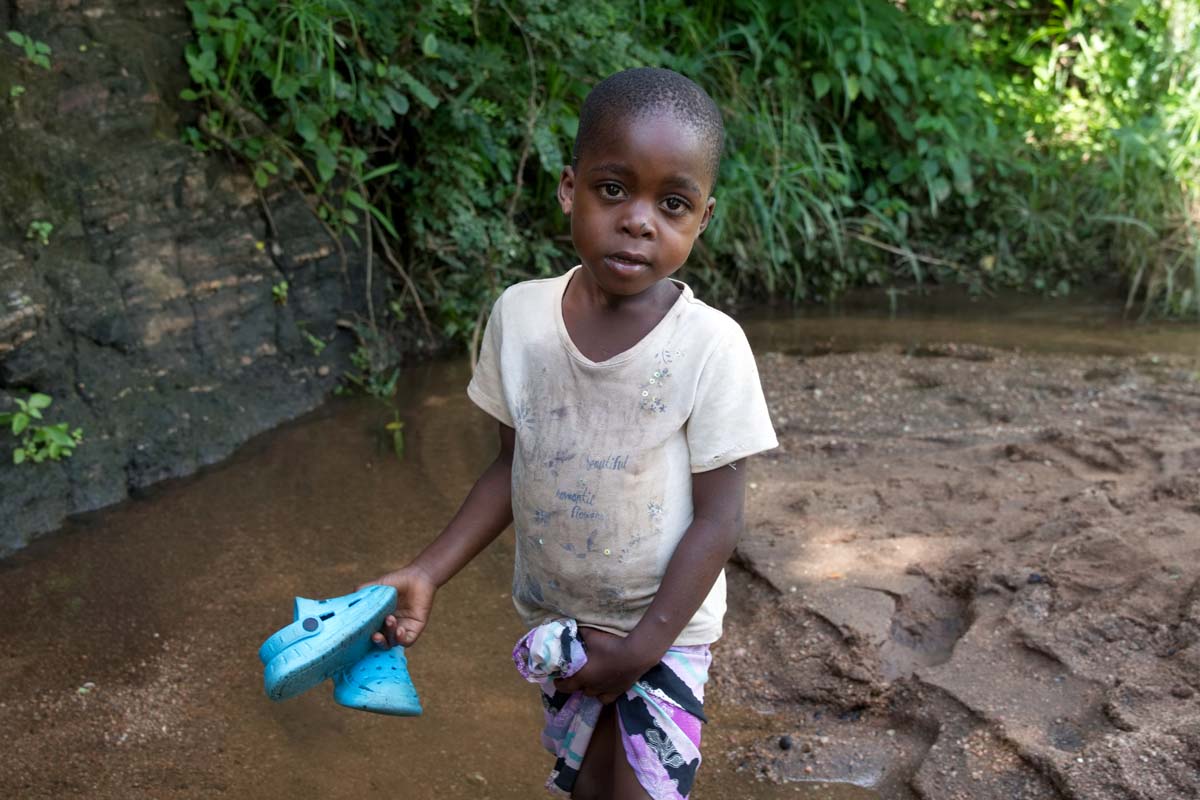
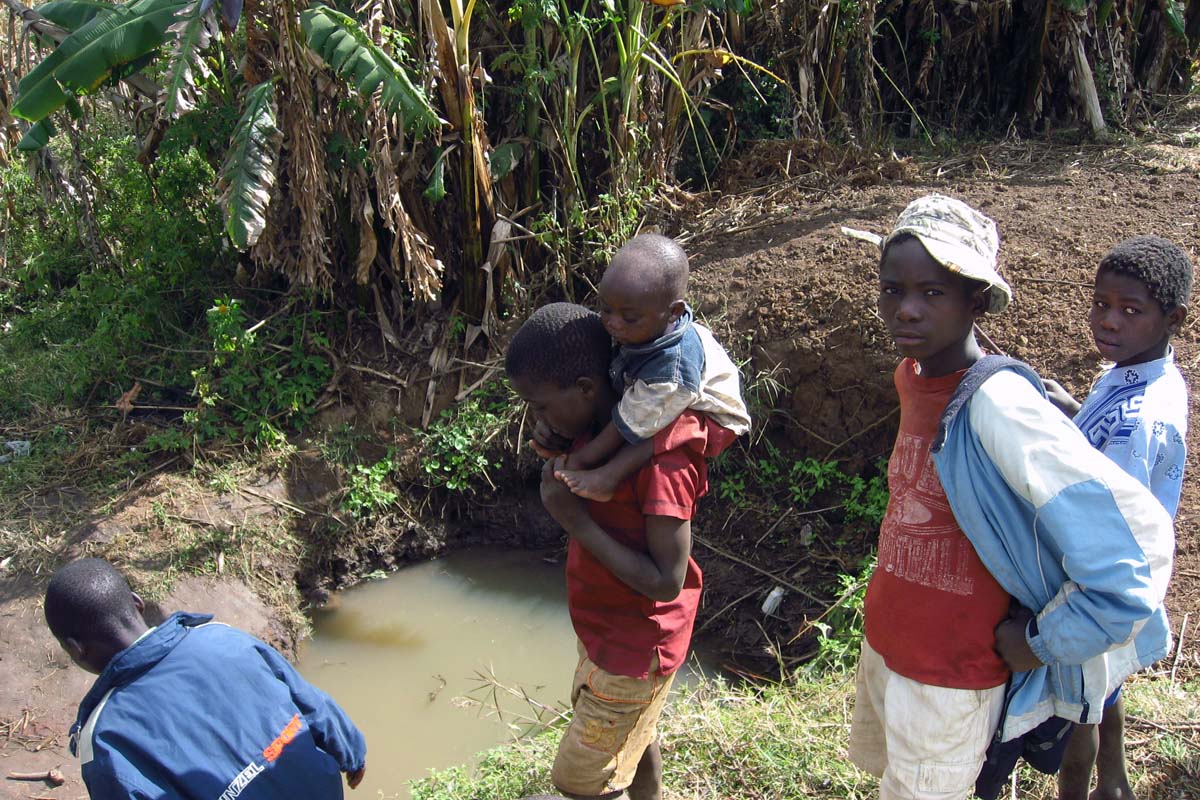
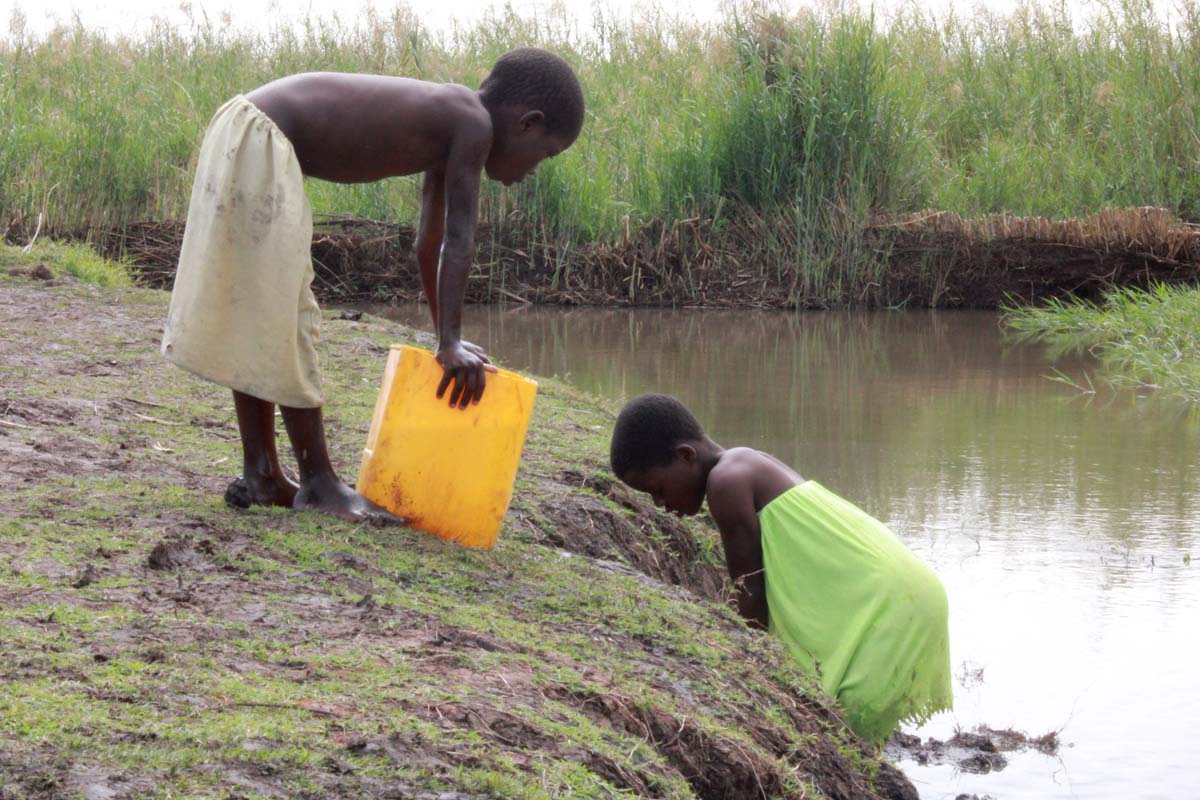
All told, over a billion Africans must deal with water insecurity. Families in communities without protected wells often rely on rivers and shallow ponds contaminated with human and animal waste.
This is precisely the problem that Water Wells For Africa has been working to solve since 1996. We promote rural African community development by providing sustainable water sources that reduce health risks, create economic opportunities, and keep students in school.
The Measurable Impact of Clean Water Access
When a village gains access to a protected well, the results are immediate. Diarrheal illness drops. Children stop missing school. Mothers and daughters reclaim hours once spent walking to collect water.
A World Health Organization (WHO) study found that every dollar invested in improved water access returns an average of $5.50 in global economic value, with the greatest benefits going to poor children and disadvantaged communities.
The benefits of clean water go well beyond survival:
- Education: Girls gain time to attend school when they no longer spend hours fetching water.
- Nutrition: Reduced illness means better nutrient absorption and healthier development.
- Economic growth: Families freed from chronic illness can work, farm, and build livelihoods.
Progress Made — and the Road Ahead
There is reason for hope. UNICEF data shows global access to safely managed drinking water rose from 68% in 2015 to 74% in 2024. Yet 2.1 billion people worldwide still lack access to clean water.
Closing that gap requires on-the-ground organizations with the infrastructure and community relationships to drill wells where governments and large aid agencies often can’t reach. Water Wells For Africa has been doing exactly that for three decades: building wells and providing hygiene education to maximize long-term health outcomes.
How You Can Help
Each well drilled is a concrete act that changes everything for the families who depend on it. A child with clean water near her home doesn’t spend the morning walking to a river; she goes to school, stays healthy, and has the opportunity to thrive.
Water Wells For Africa makes it possible for individuals, families, churches, and companies to fund water wells in rural African communities, with donors able to see exactly where their contribution goes.
Donate today to help us reduce child mortality from waterborne disease and create brighter futures for families in Africa.