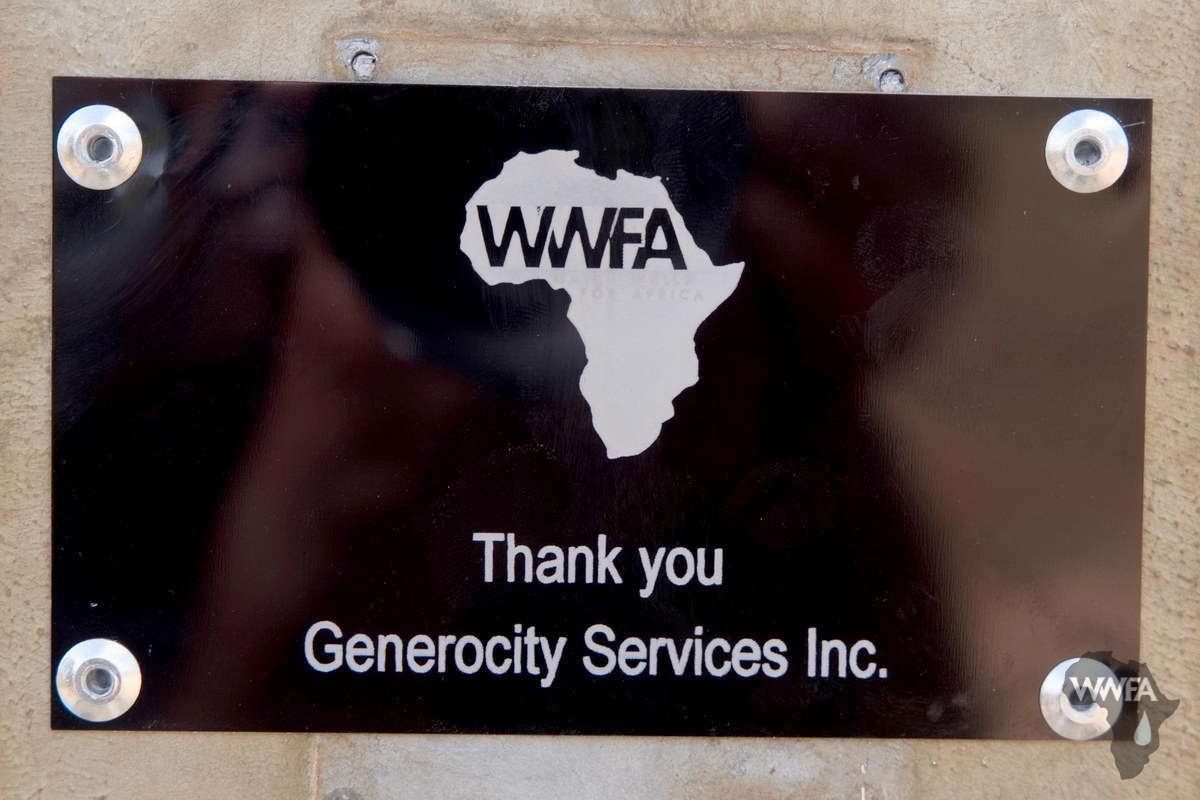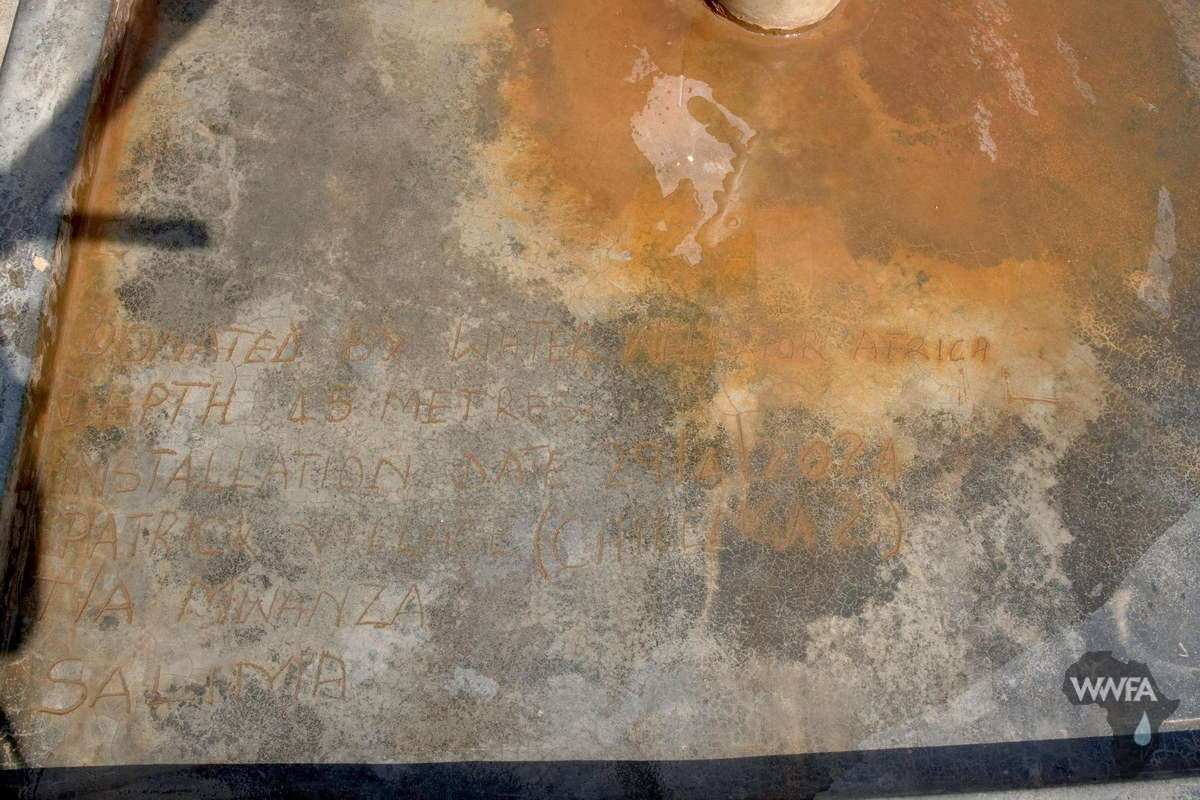

Dedication: Generocity Services Inc.
Installation Date: April 29, 2024
Location:
Village: Patrick
District: Salima
Country: Malawi
GPS Location: See bottom of page.
Stories / Quotes:
Families: 63 across 3 villages
Water Committee: 5 men and 5 women
Before the water well was installed in Patrick, families had to collect water from the Njize River. During the rainy season, flooding carried waste into the water source, making it heavily contaminated. Children also risked being swept away when they went to collect water. During the dry season, families had to travel even farther as water became scarce.
Getting water could take the entire day. Families might leave in the morning and return in the evening with just one bucket. With so little water available, drinking and cooking came first, while bathing was often left behind. Families bathed in the river, sometimes only once a day, and getting water was especially difficult for grandmothers.
The community frequently experienced diarrhea, cholera, dysentery, scabies, and bilharzia. Families visited Thavite Health Clinic, 6 kilometers away, about four times a month. Each visit could cost 25,000 kwacha for care and another 15,000 for transportation, meaning families had to find ways to earn money just to pay for treatment.
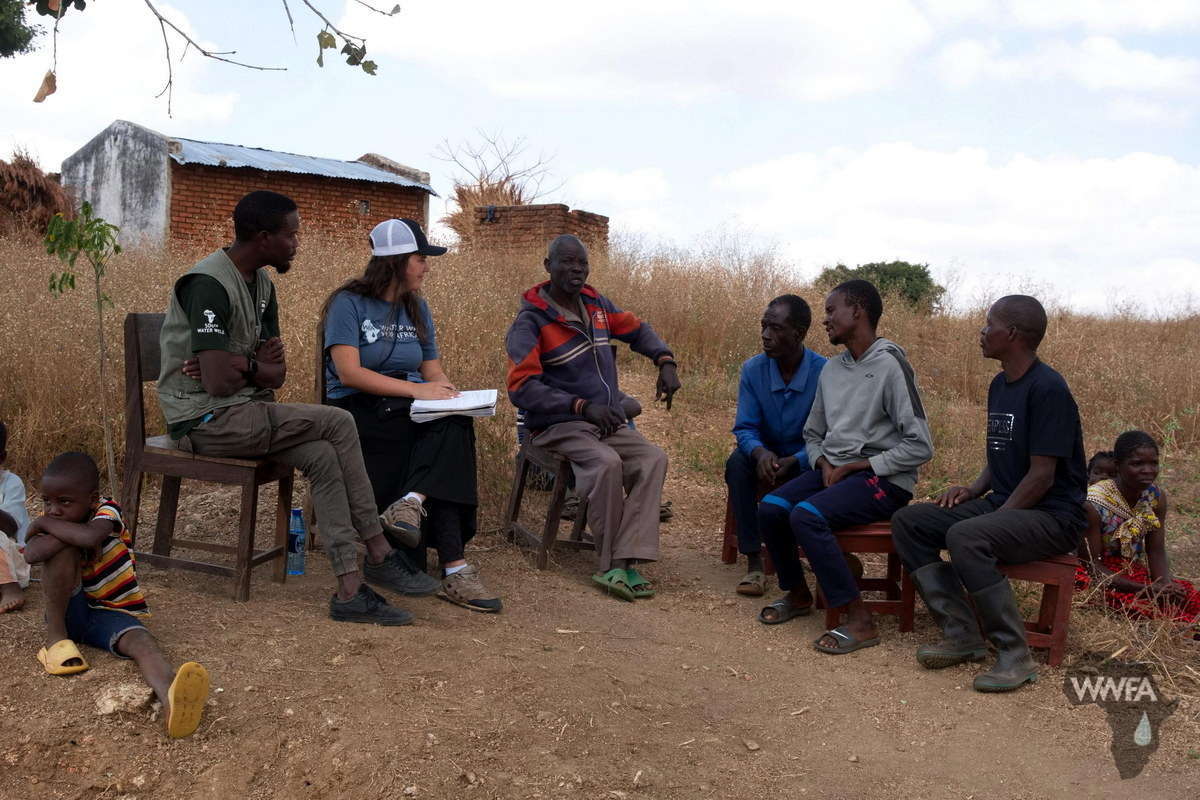
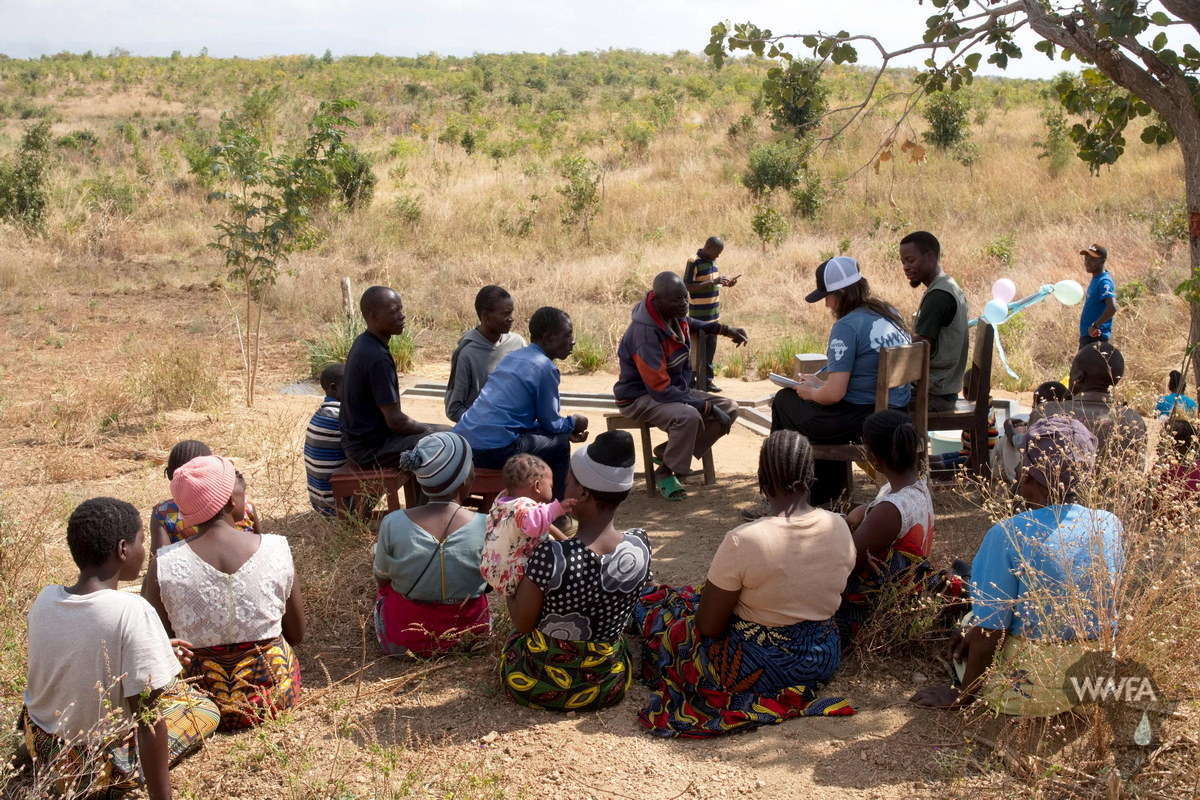
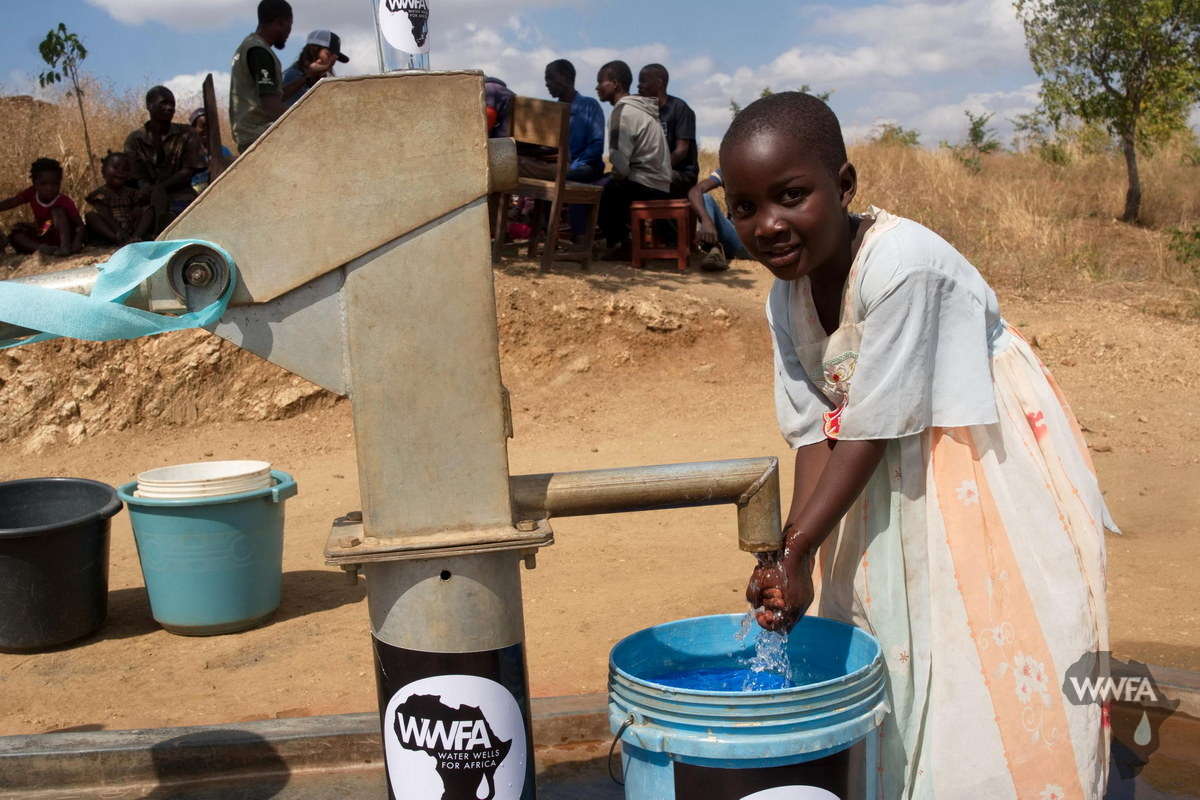
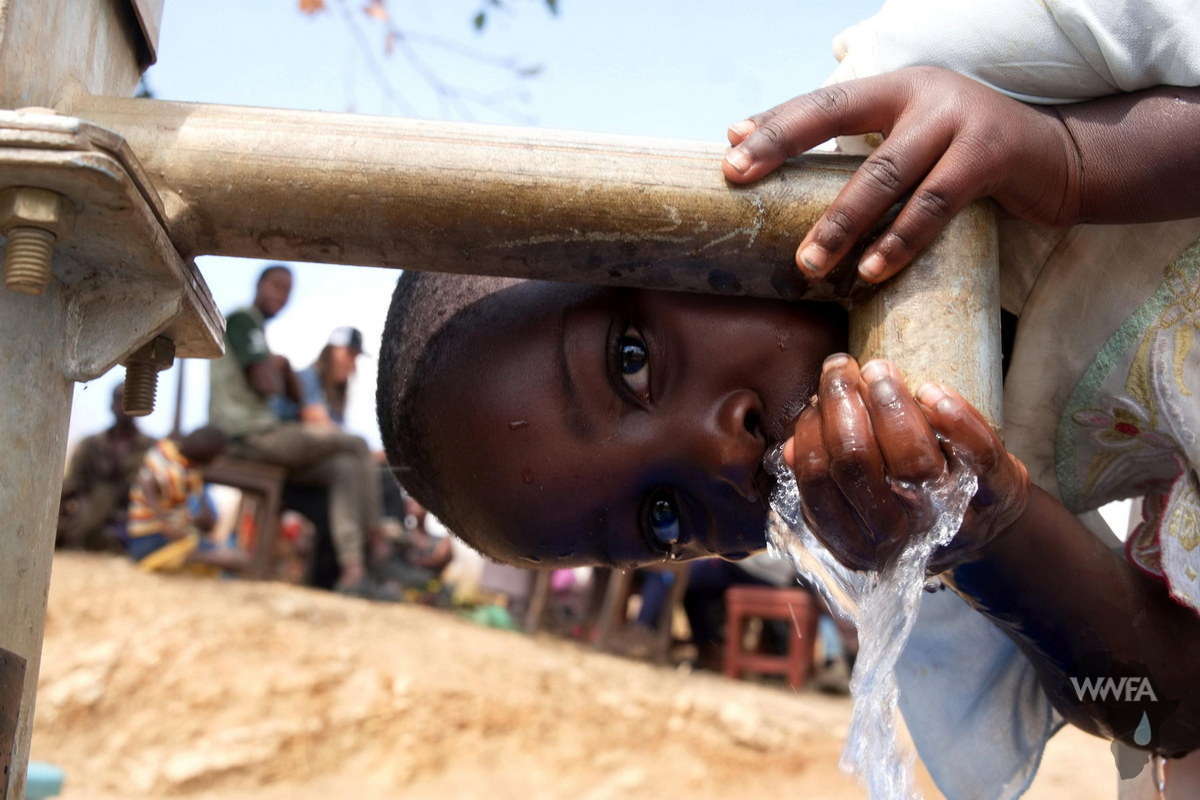
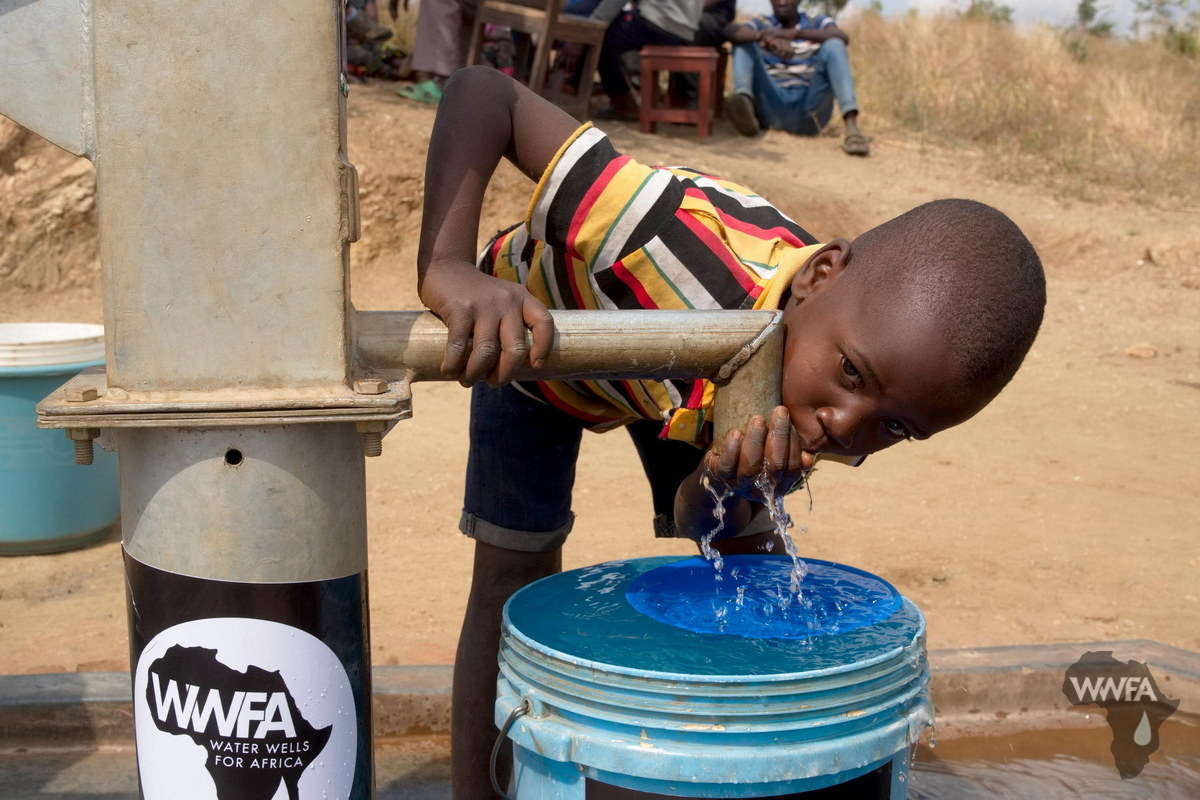
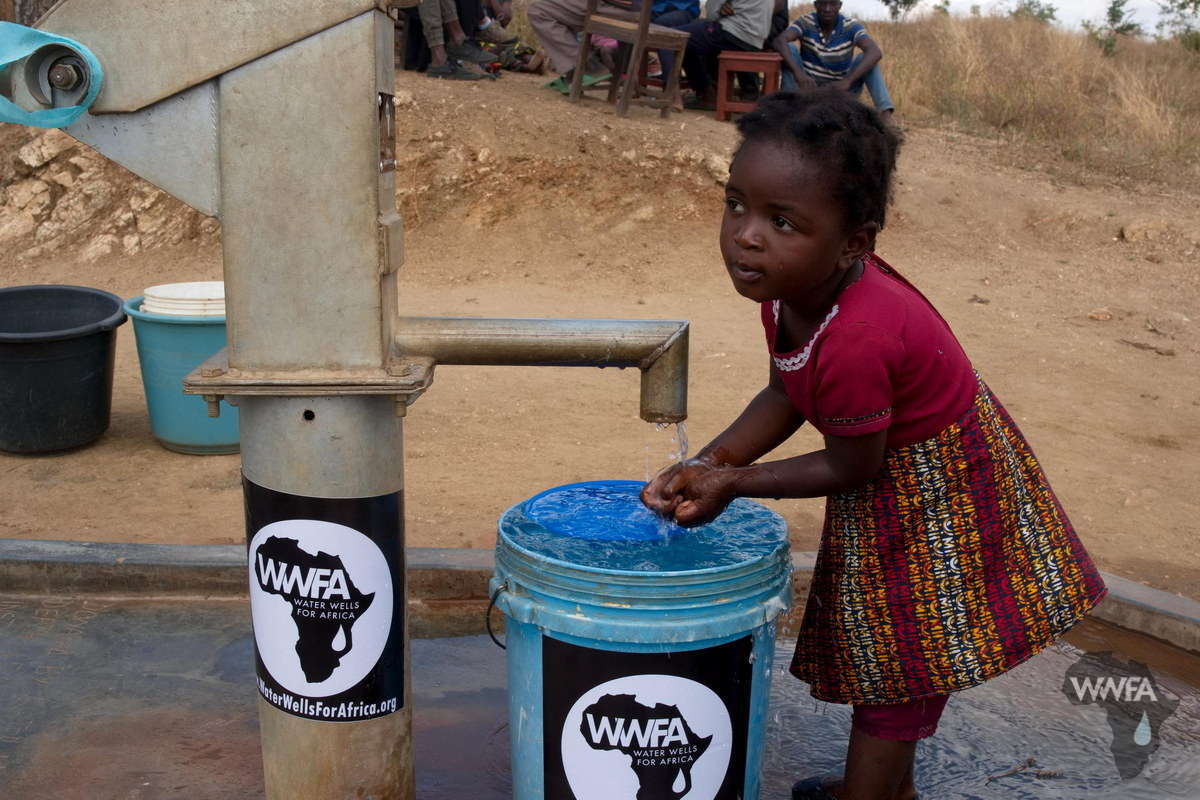
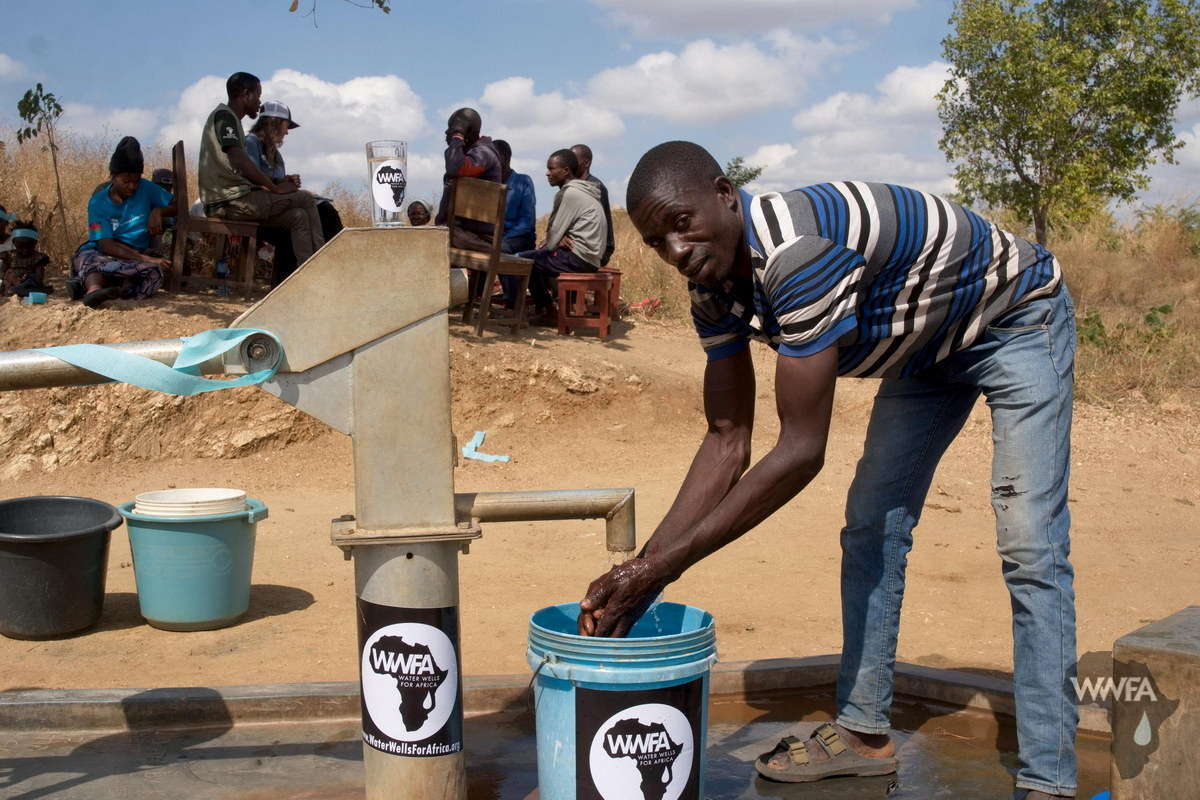
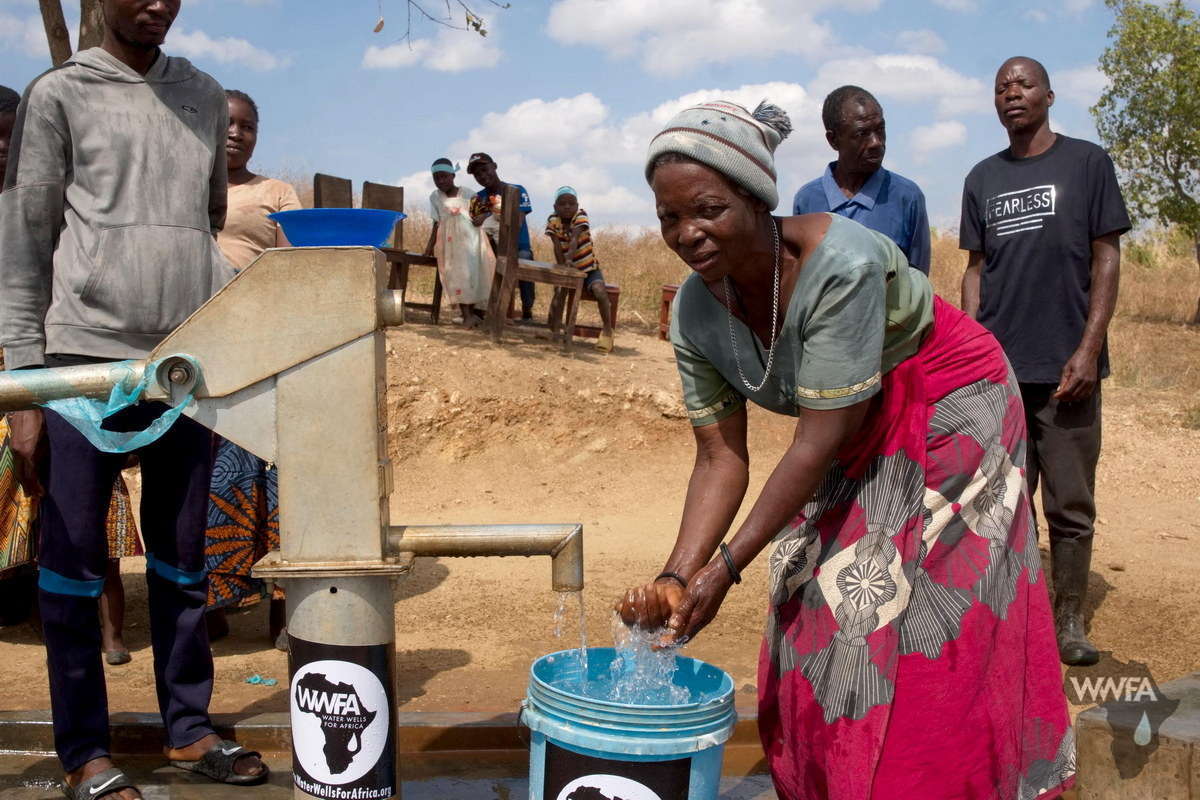
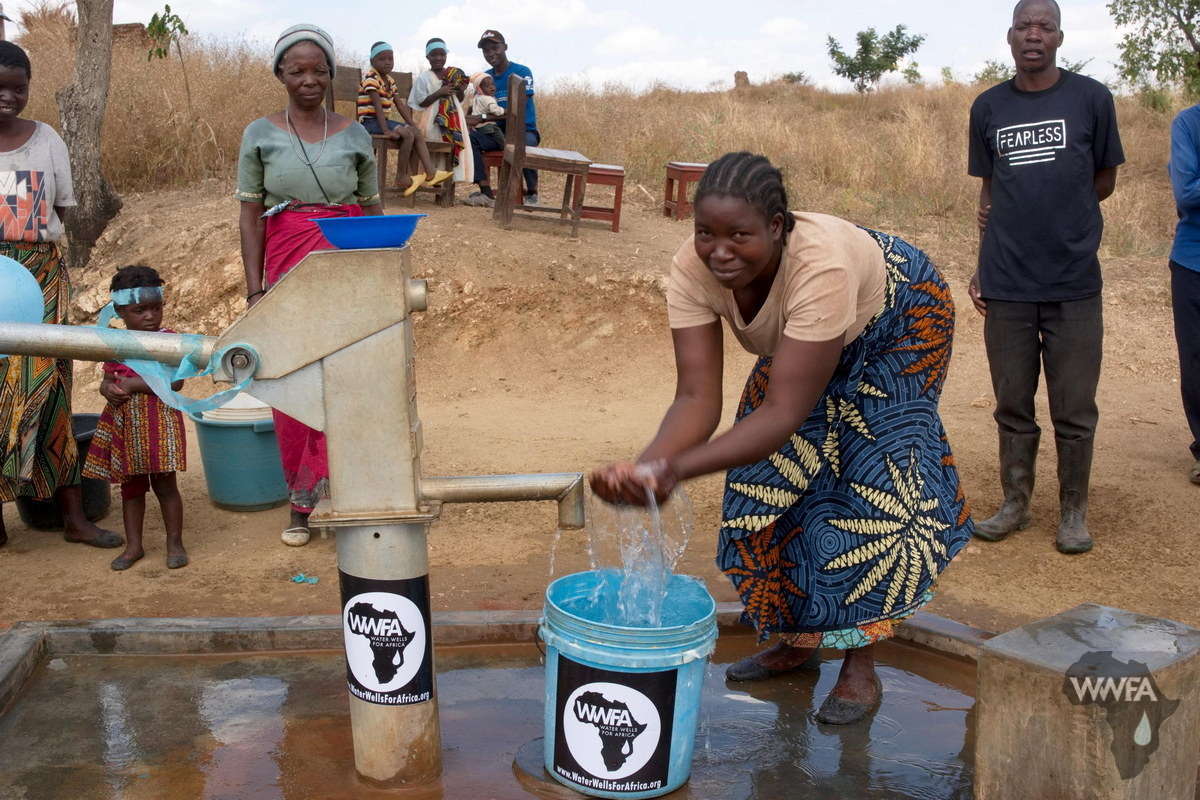
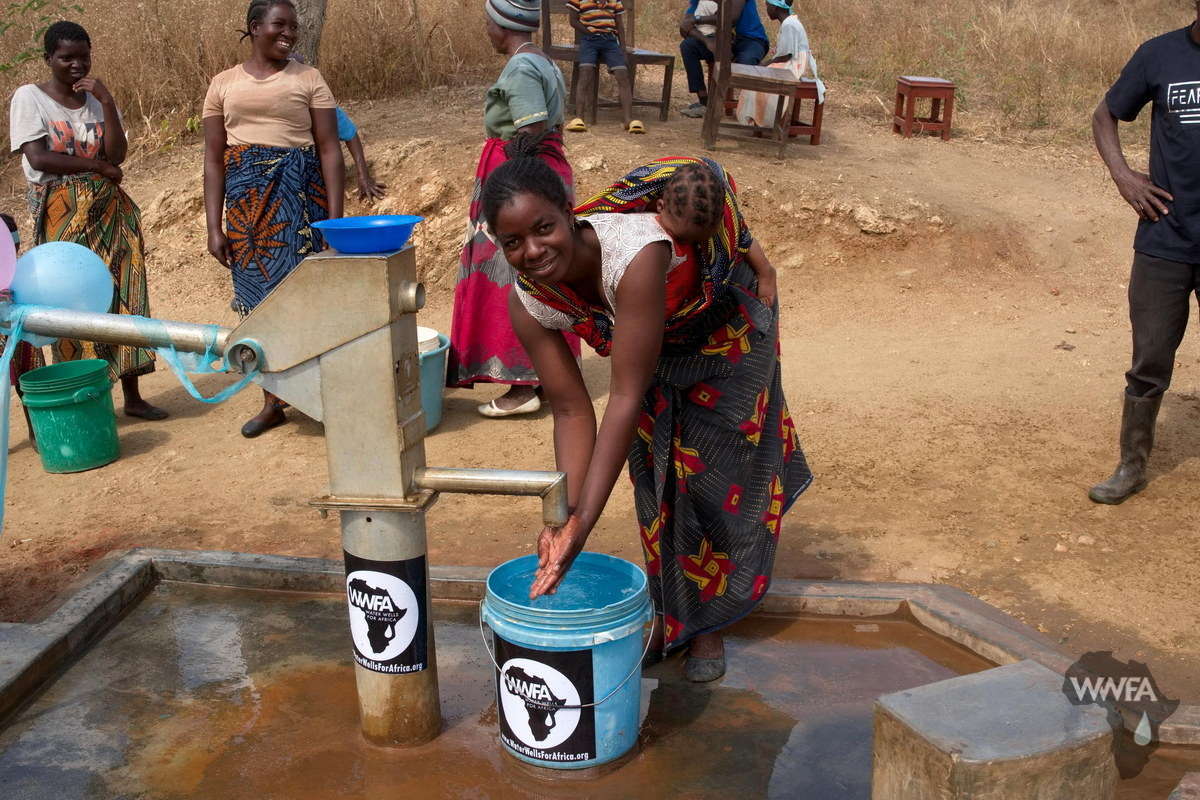
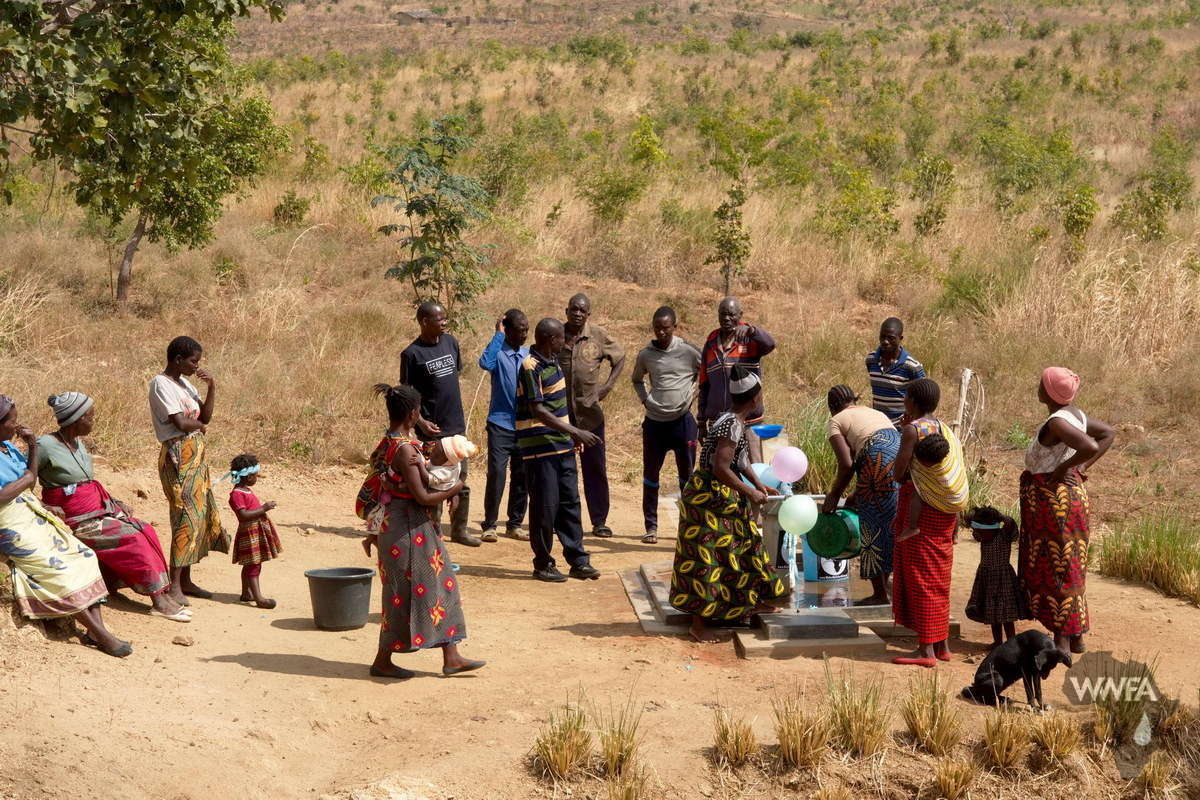
Today, families can collect more than 10 buckets of water a day and bathe three to five times daily, especially during the hot season. They report no longer experiencing waterborne illnesses, and improved hygiene has become part of everyday life. “We are so clean and looking so smart,” one community member said.
The extra water and time are also creating opportunities. Families have planted gardens of pumpkin leaves and mustard, planted trees, and even built a house using bricks molded with water from the well. Women have started small businesses selling doughnuts and running a tea room. With water close by, women can also sleep without worrying about the next day’s water collection.
Reliable water has changed how families manage their money, too. Instead of constantly spending on illness and water-related emergencies, they can plan their budgets for school fees and other needs. As one resident explained, “We are being strategic with our money now.”
Children are seeing one of the biggest changes. Before the well, only about 40% of children were going to school because their mothers were away collecting water. Now, attendance has reached 100%. Children can eat before school, arrive clean and ready to learn, and the community reports major improvements in school performance. They are also beginning to dream about becoming doctors, soldiers, and police officers.
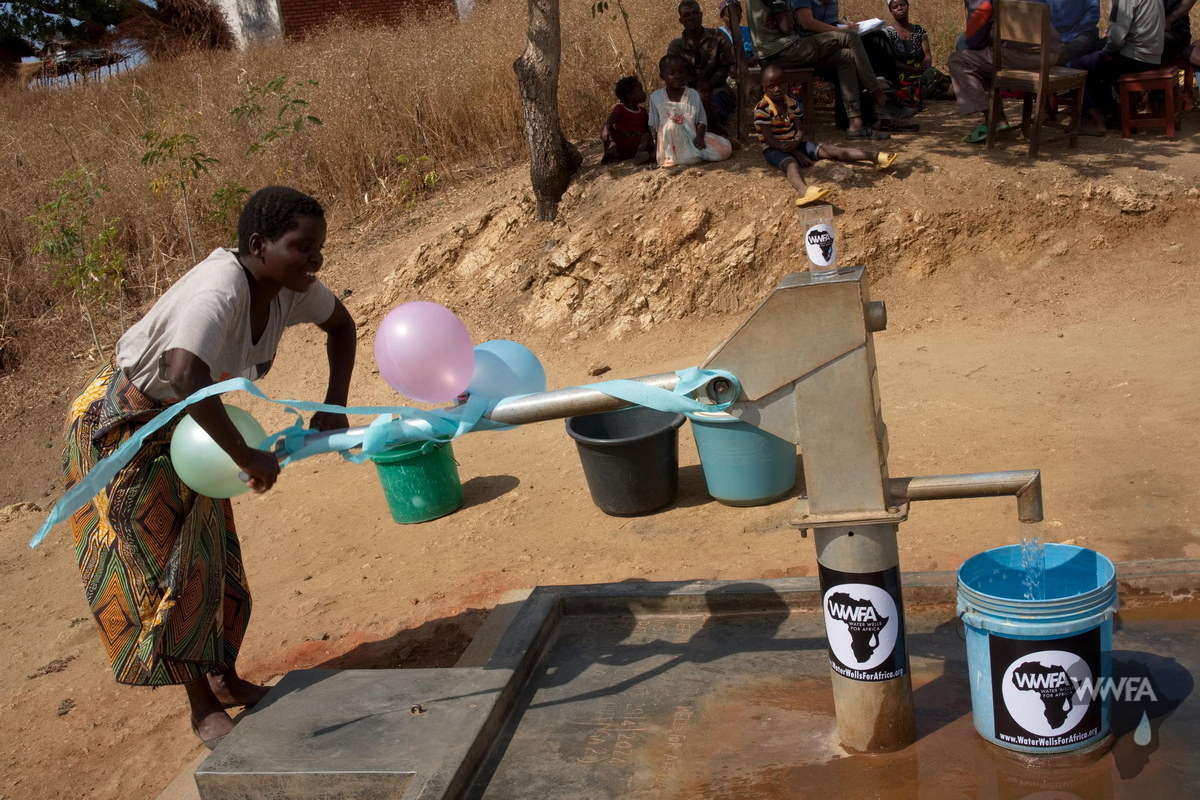
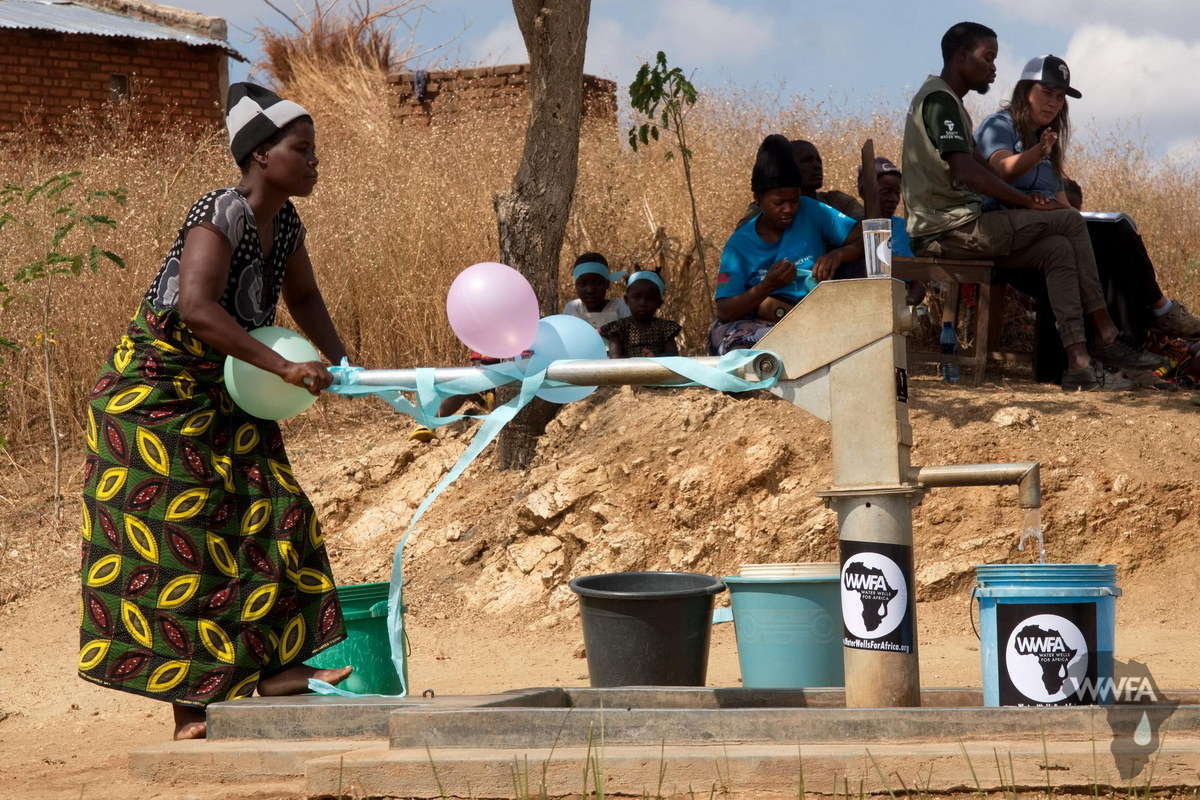
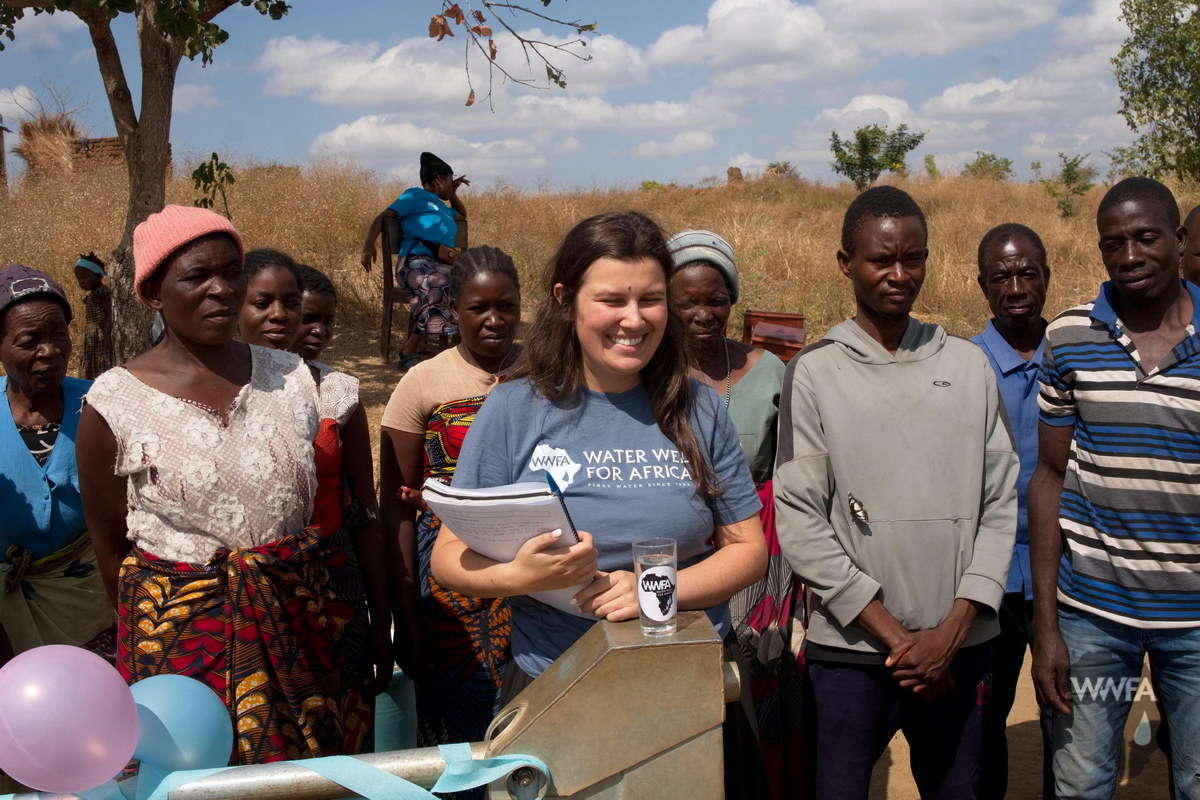
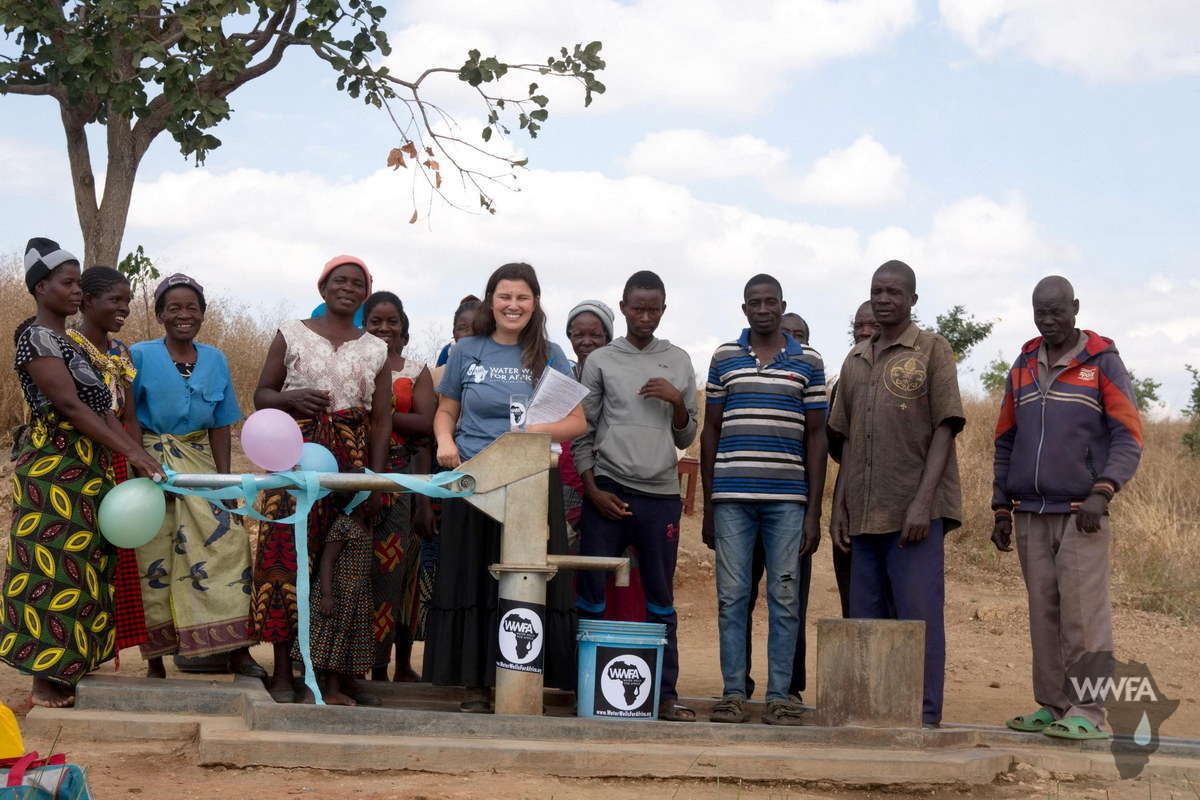
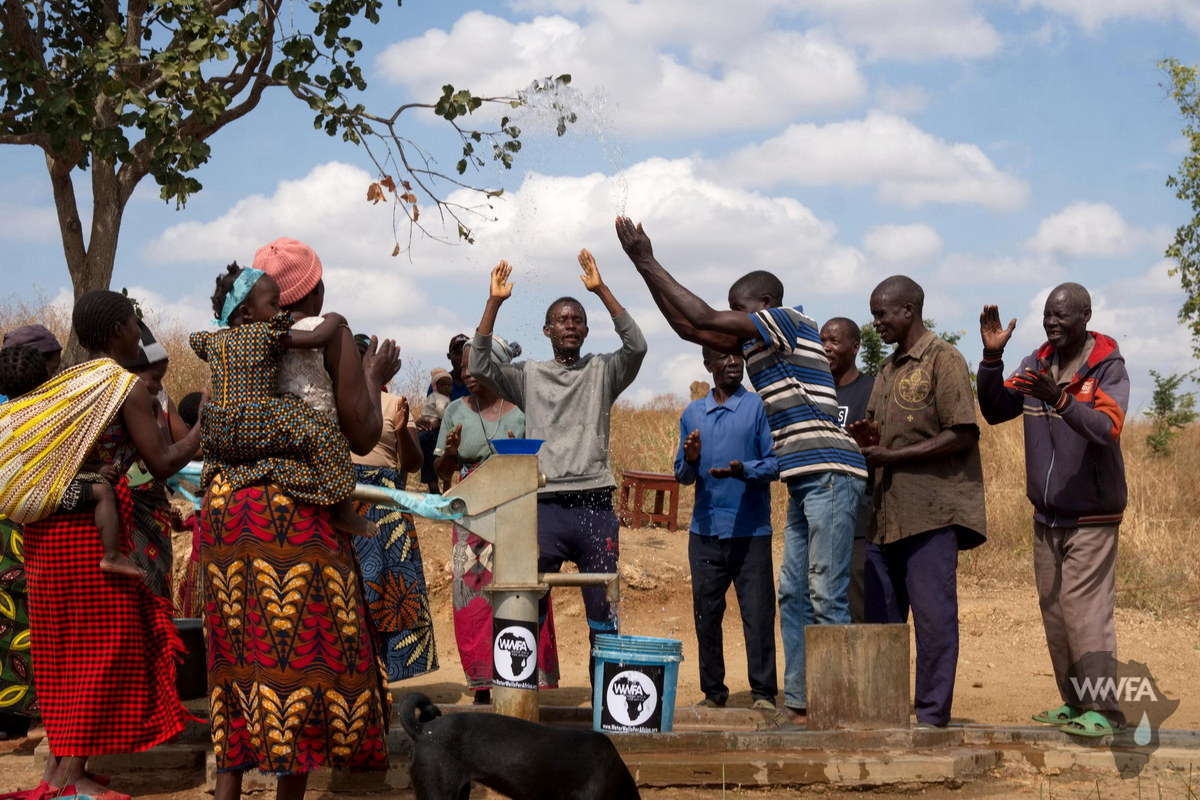
When the drillers finally arrived, the community could hardly believe it. After years of politicians promising a well in exchange for votes, residents said, “We were so excited. It was like we were dreaming when the drillers came.”
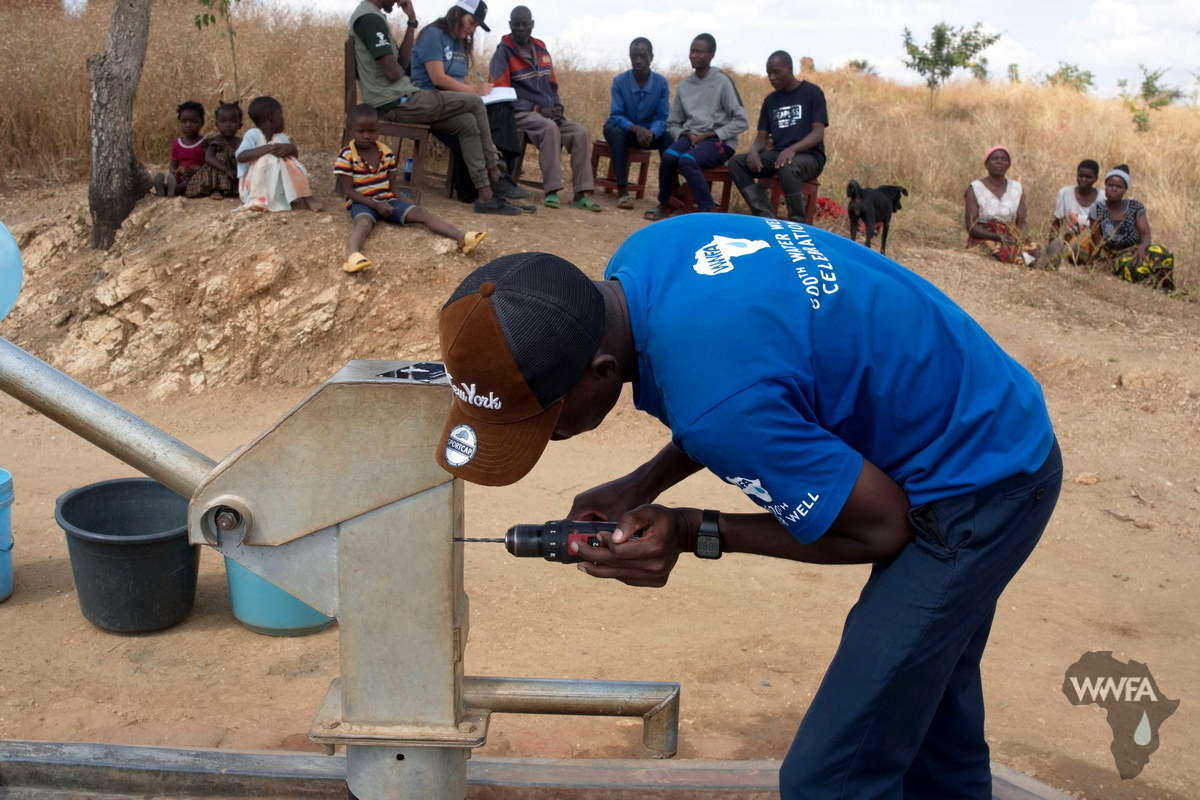
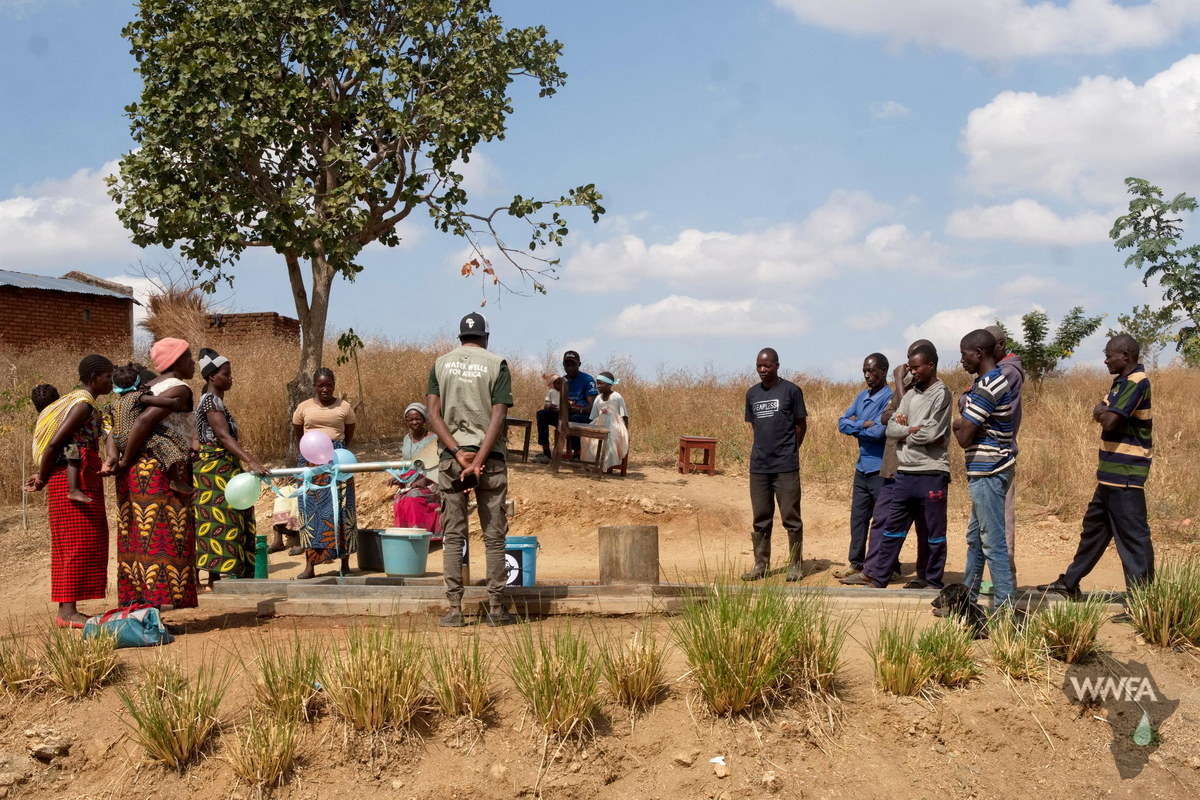
Installed in April 2024, the well continues to serve Patrick and the three villages around it. The community has already repaired the well once and received training to help care for it—another part of making sure this source of clean water continues to serve families for years to come.
Video
Photos