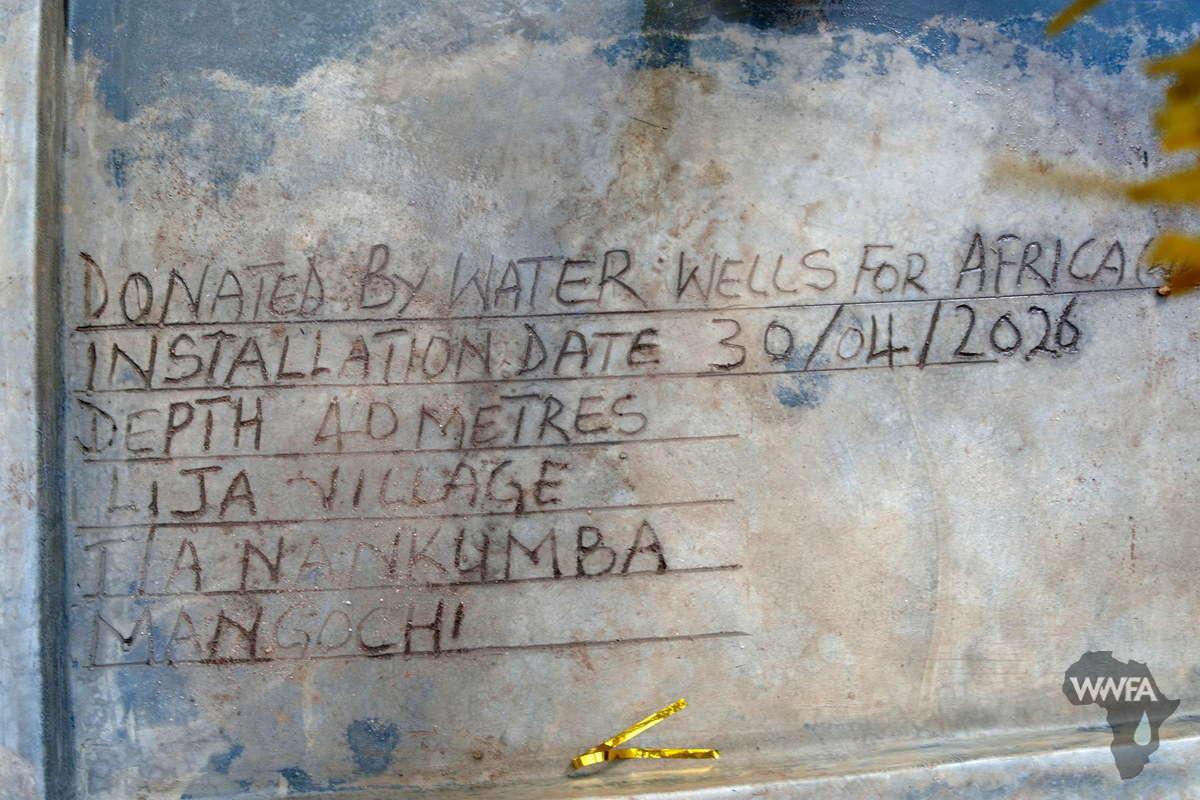
Families: 50 + 2 villages
Water Committee: 5 men and 5 women
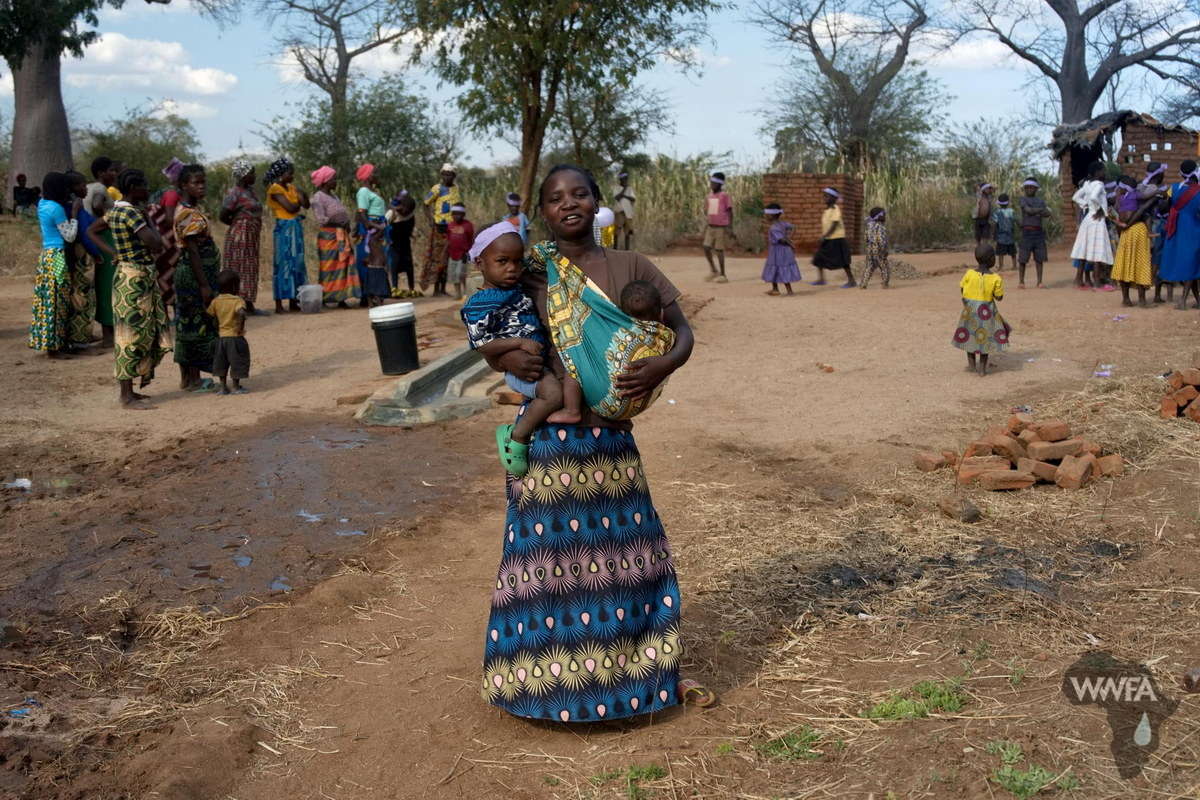
For the people of Lija, the new well represents something they had heard promised many times but never expected to see. They arrived in the area in the 1990s and repeatedly requested a water well from the district. Instead, they relied on the Mua River, even though it could become dangerous during the rainy season and had to be dug by hand during the dry months.
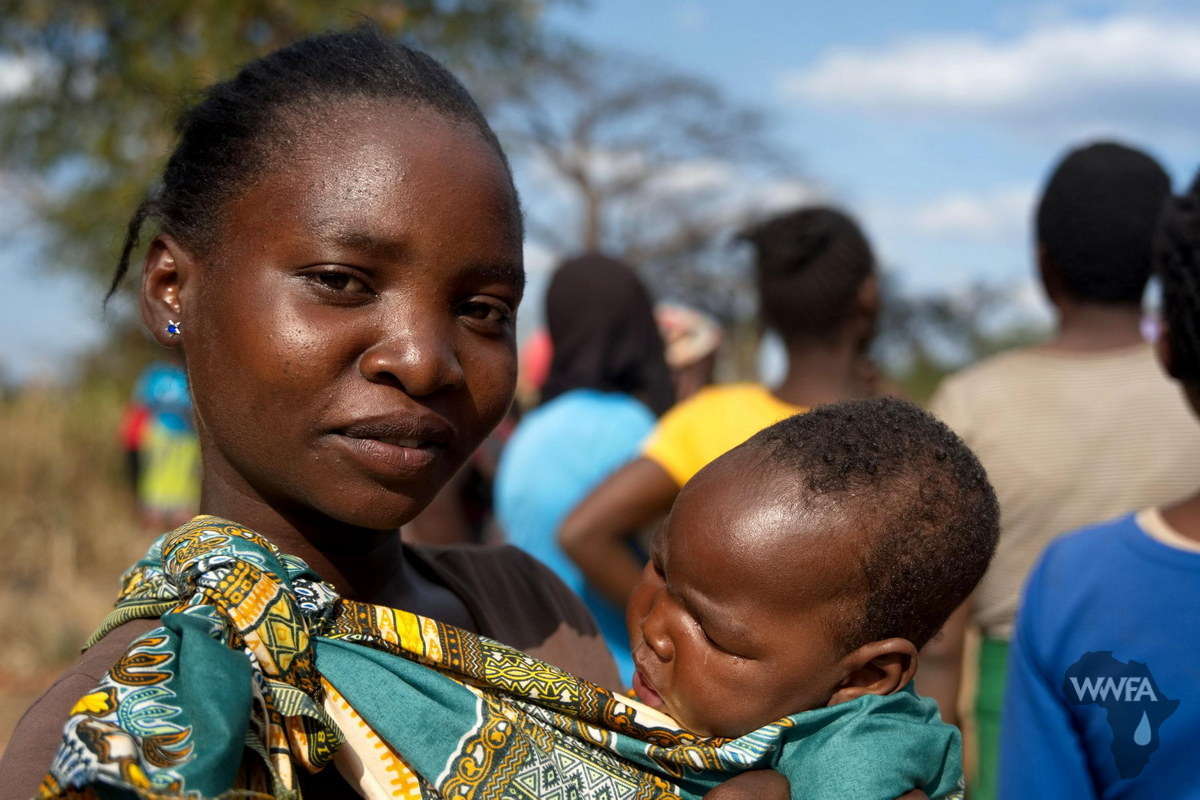
The work of collecting water was consuming entire mornings. Women would leave around 4 a.m. and return at 9 a.m., sometimes with only one bucket after five hours of waiting and digging. During the dry season, people climbed down into four-meter-deep pits in the riverbed, using steps carved into the earth to reach the water. The river water contained worms and brought frequent diarrhea. In 2023, cholera swept through the community; about 65 people became sick and 10 died.
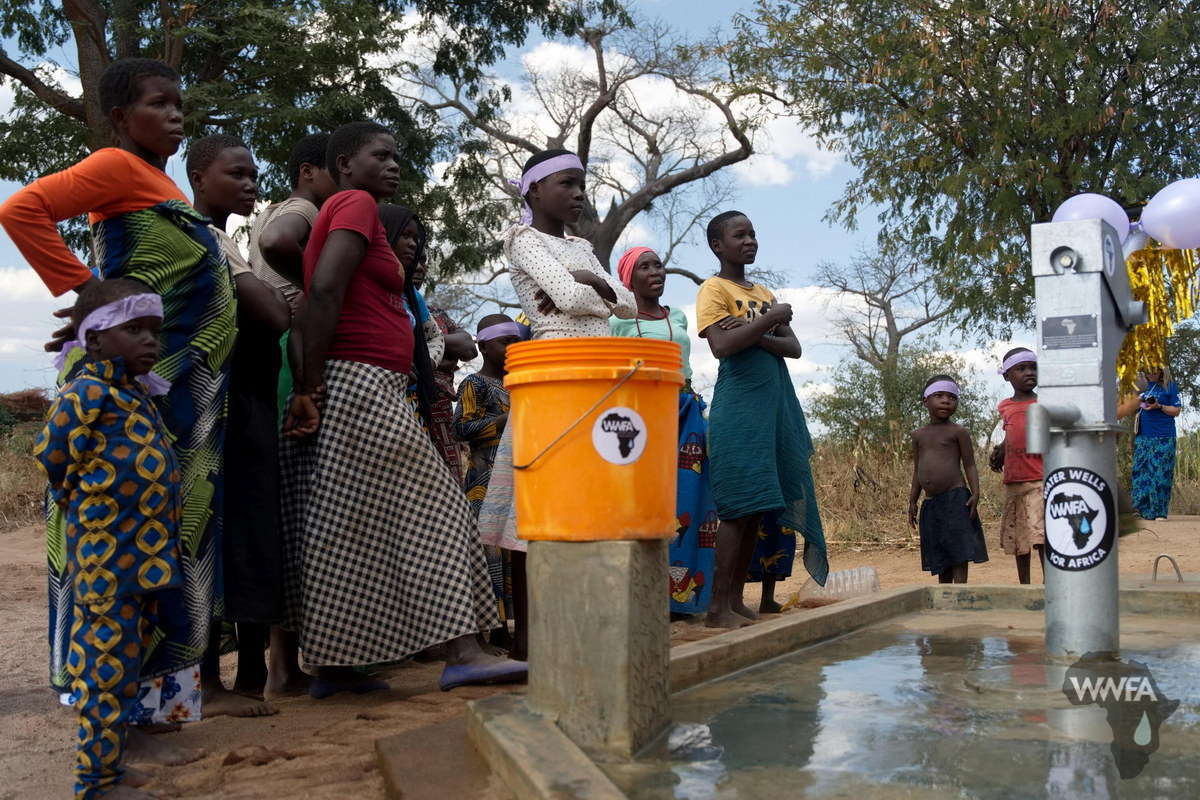
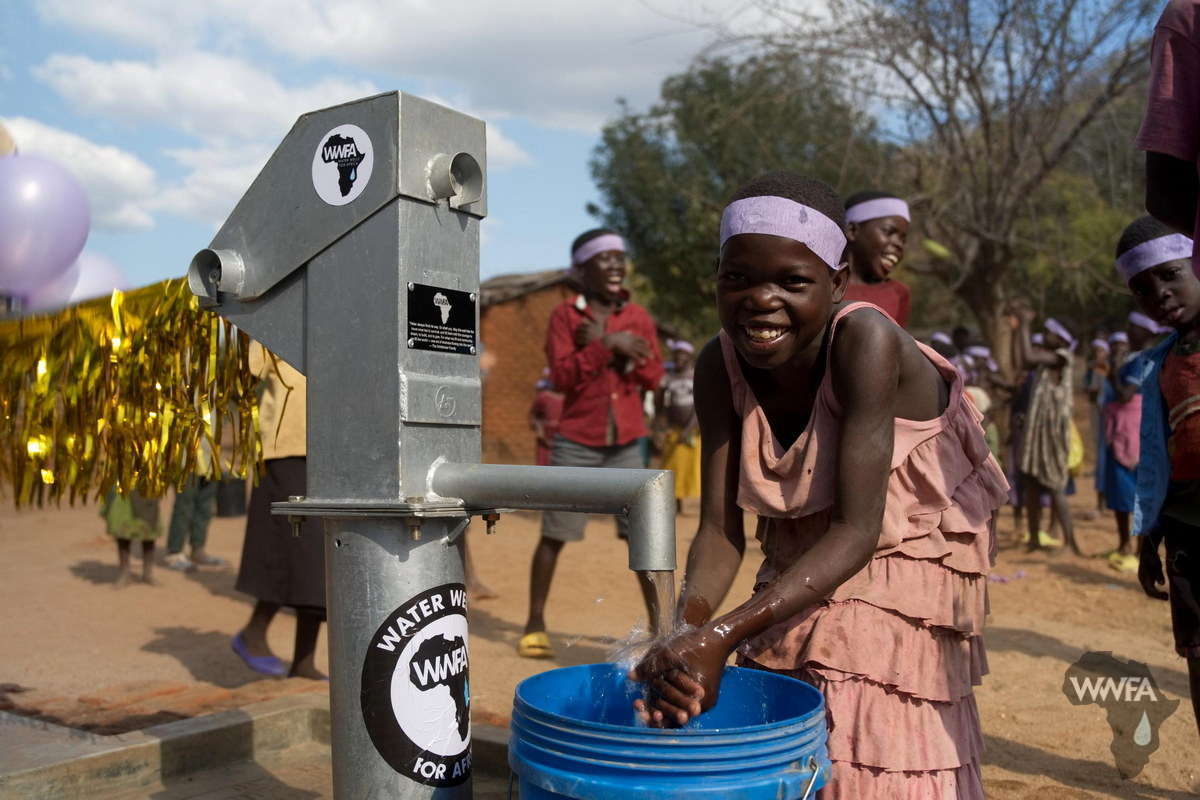
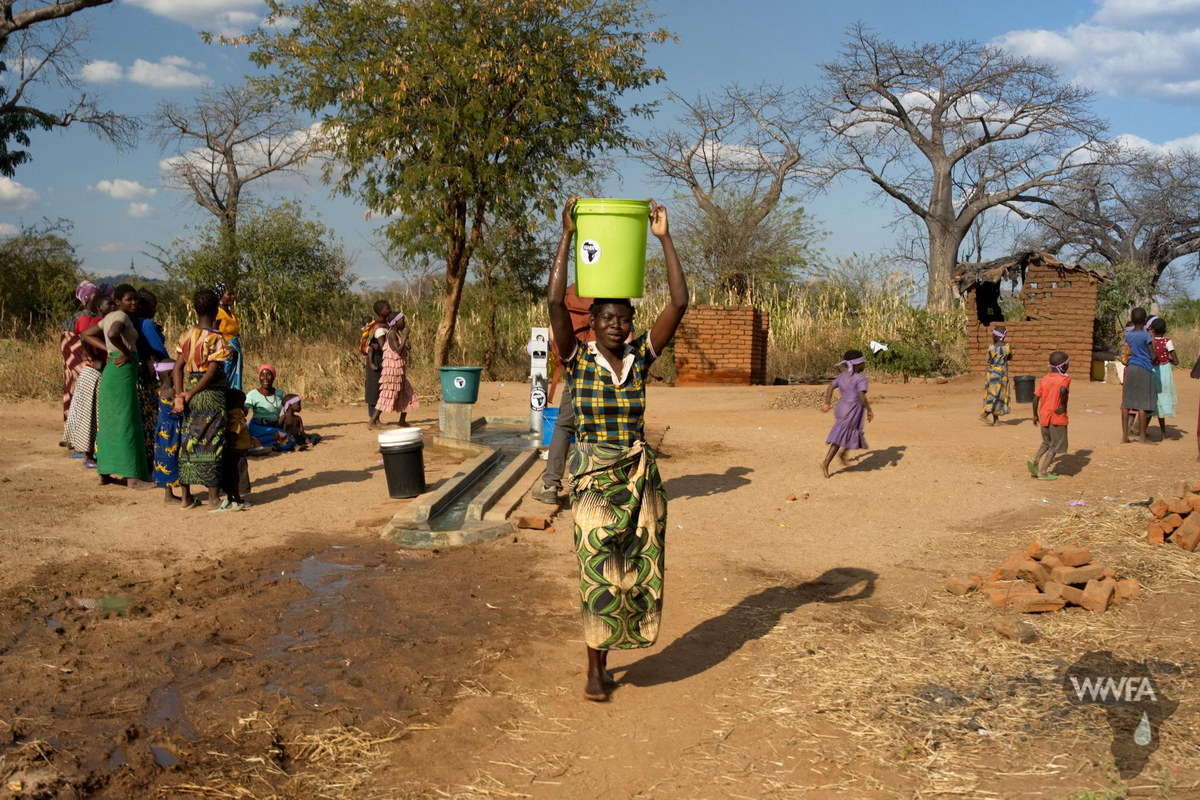
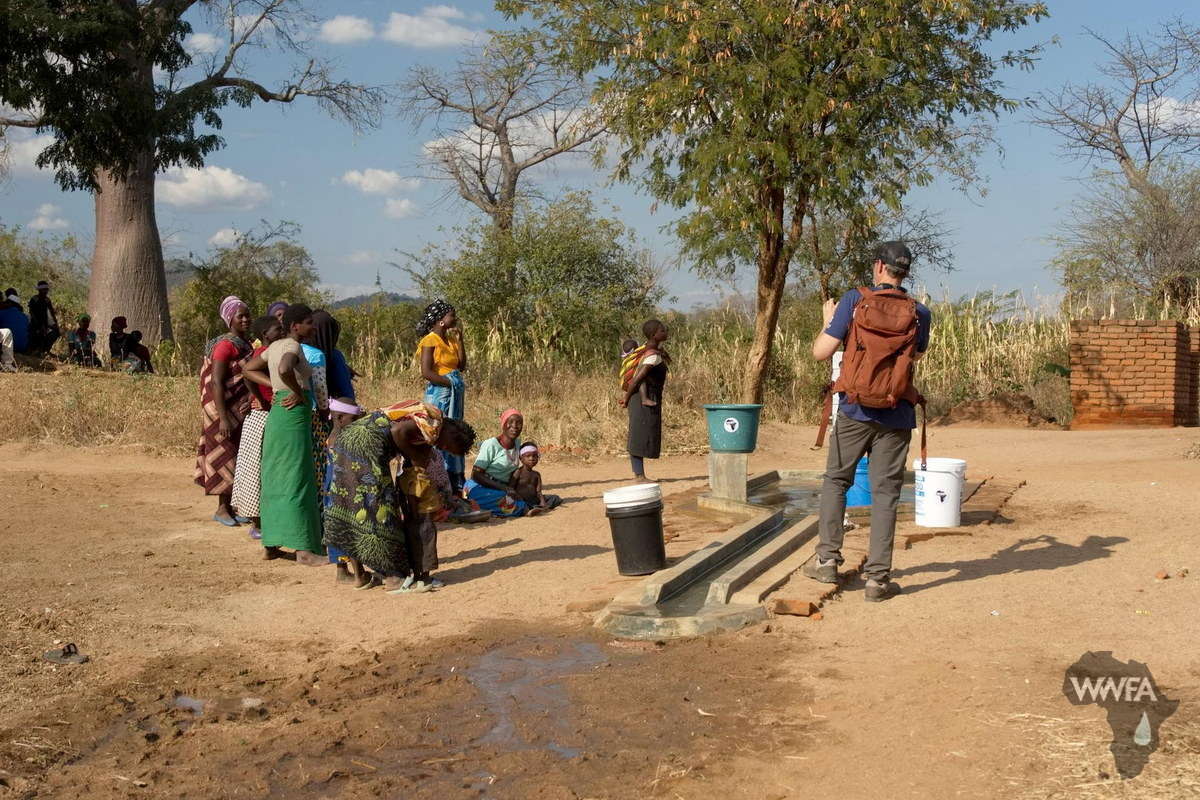
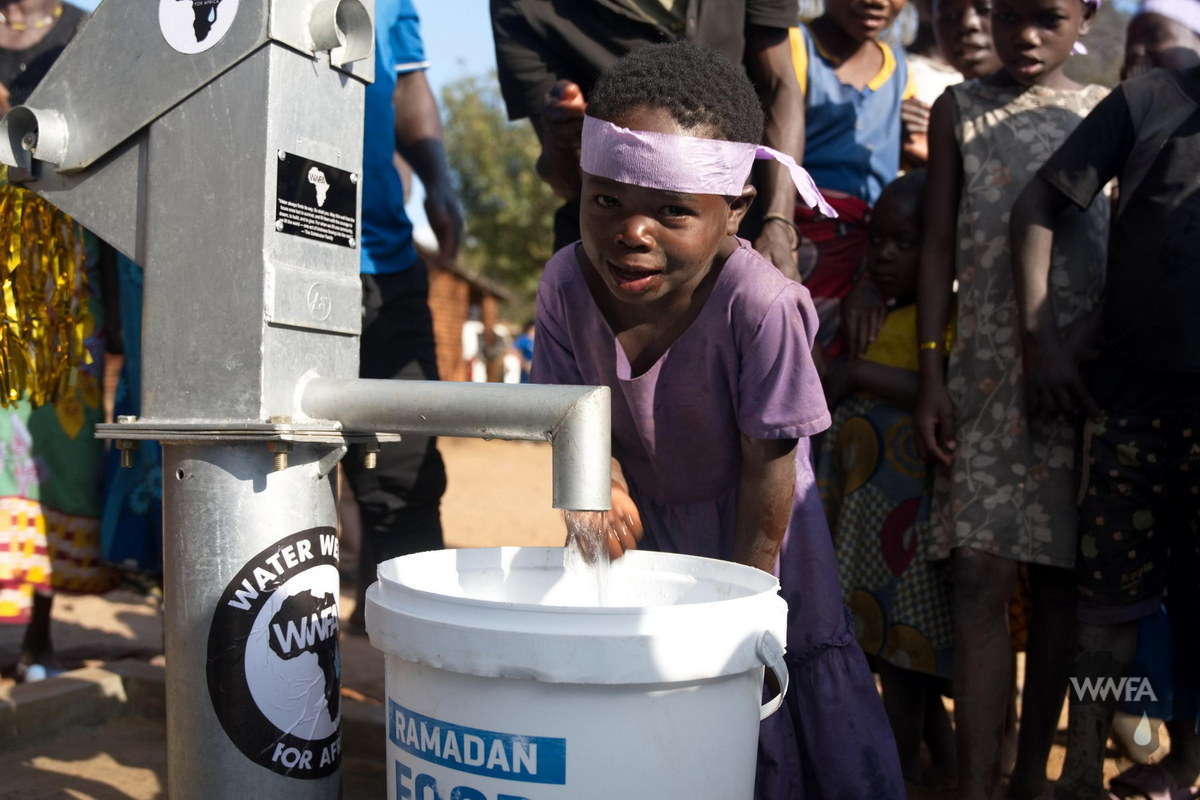
Now, families are drawing five, six, seven, or even 12 buckets a day. The change is apparent at the Chilonga Health Center, where one resident said, “I never thought of living that life,” when describing how they now rarely need to visit the clinic except for illnesses such as malaria.
Alima has turned the extra time and water into a small business. She grows tomatoes and sells them to help pay her children’s school fees. Others are beginning to mold bricks, with one family already starting construction on a new home. Families can bathe properly twice a day instead of making do with the limited water they once had.
But perhaps the most striking change is happening at school. Before the well, roughly 80% of children were not attending regularly. Older children often spent their mornings collecting water, and by the time they returned, the school day was already underway. When asked why their children weren’t attending, parents had one answer: there was no water.
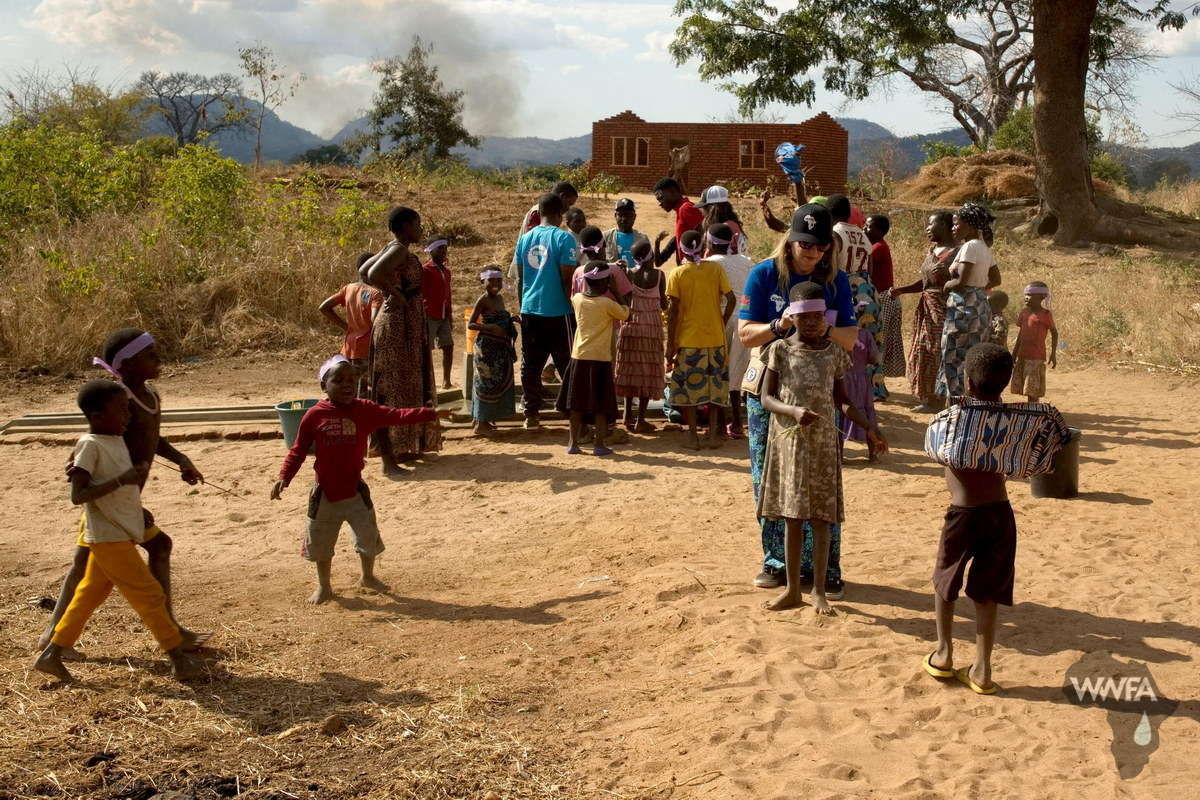
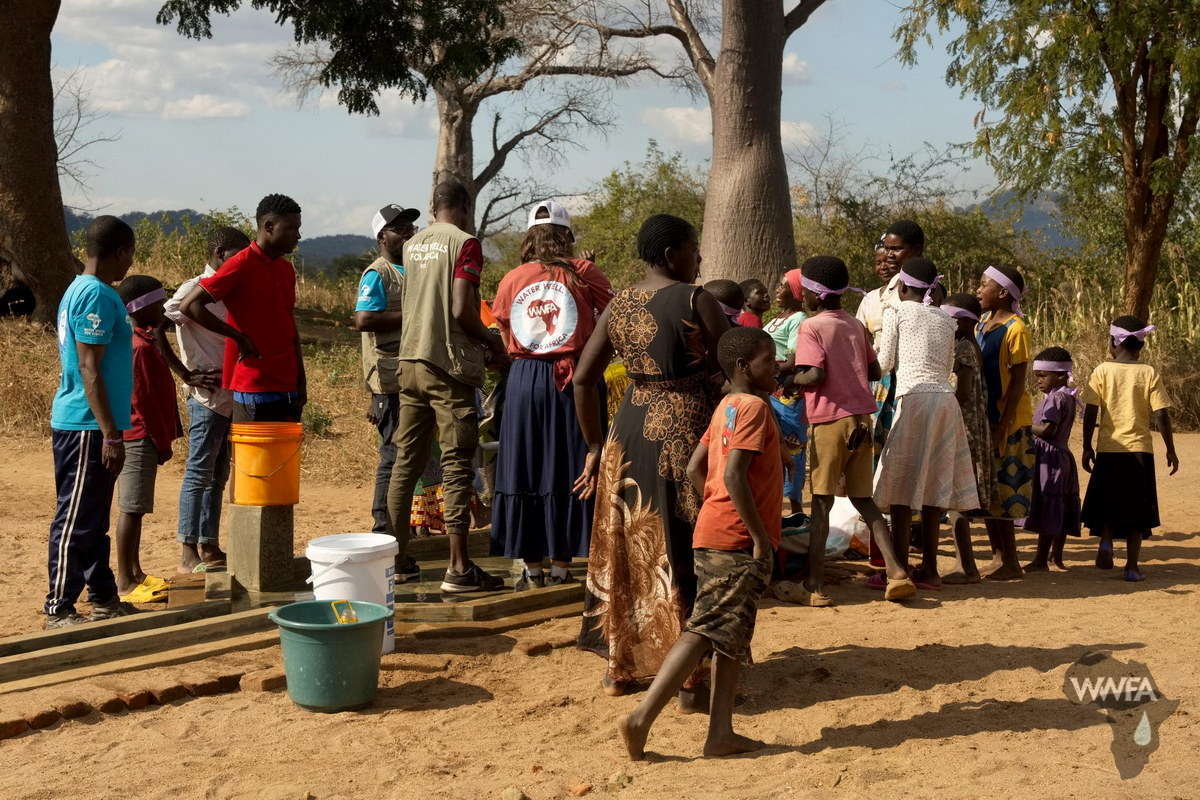
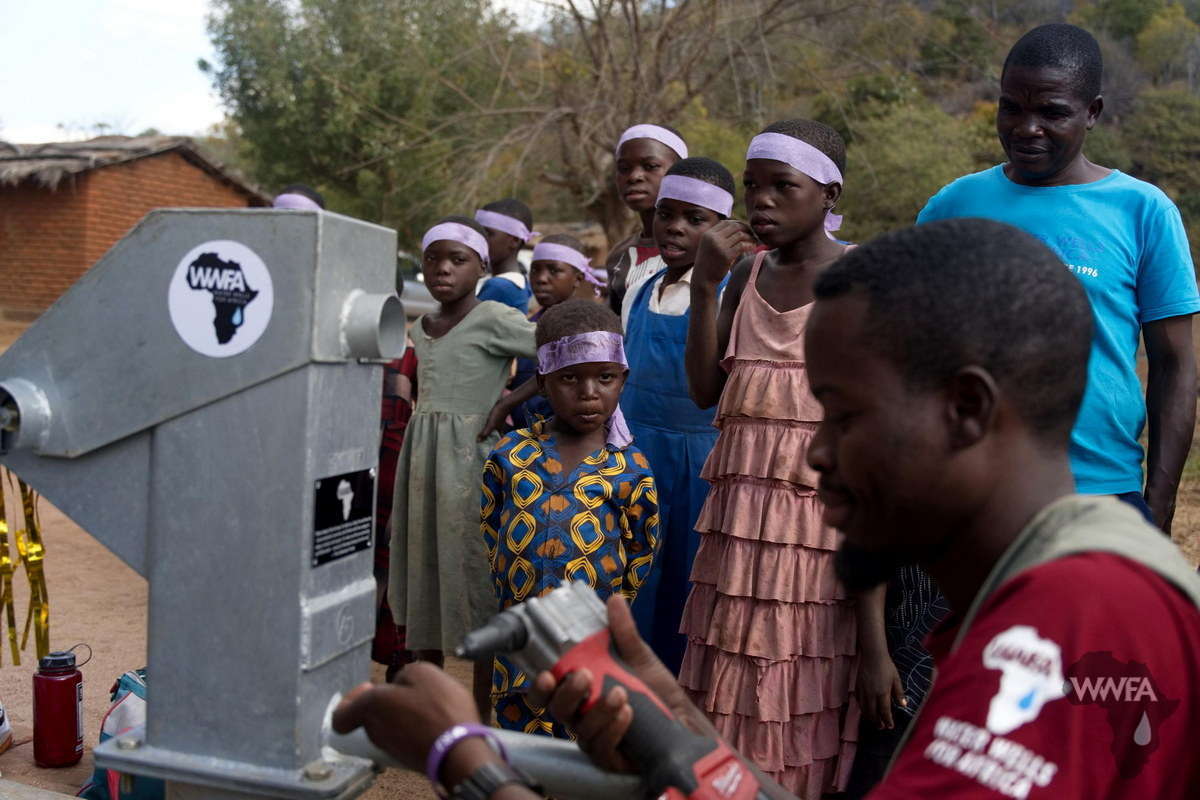
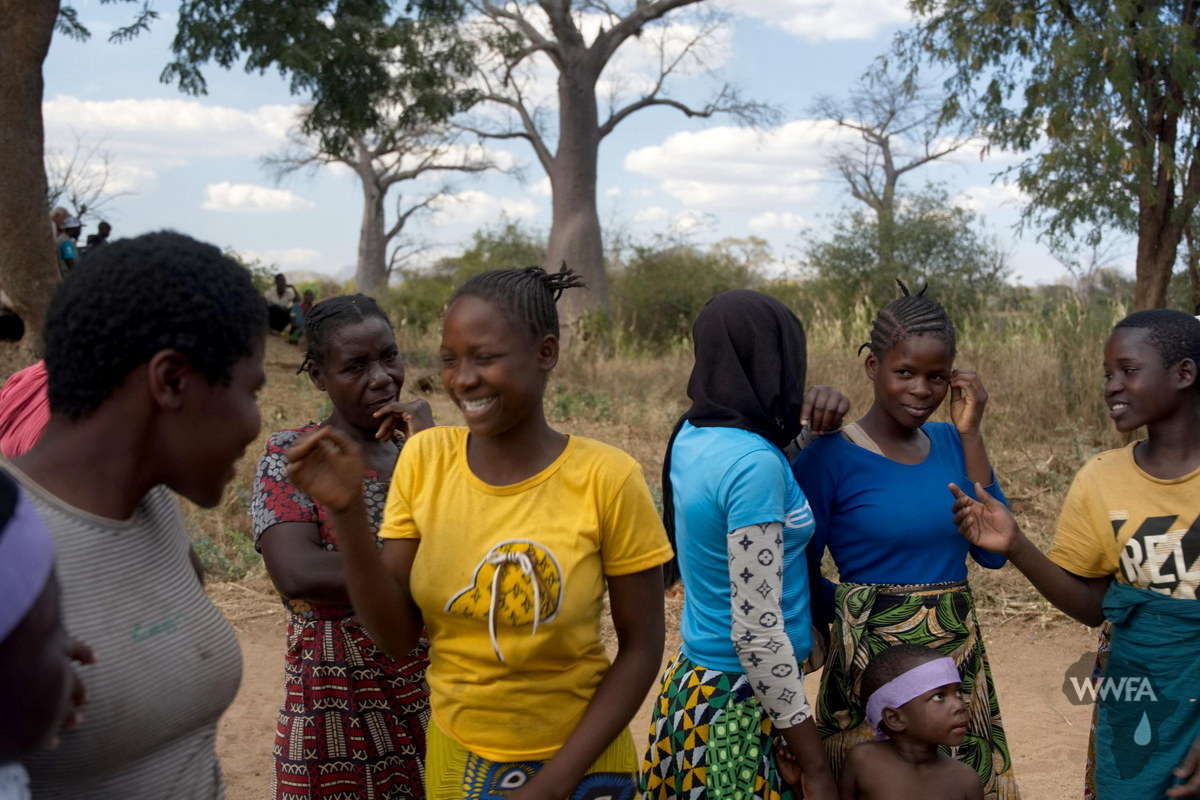
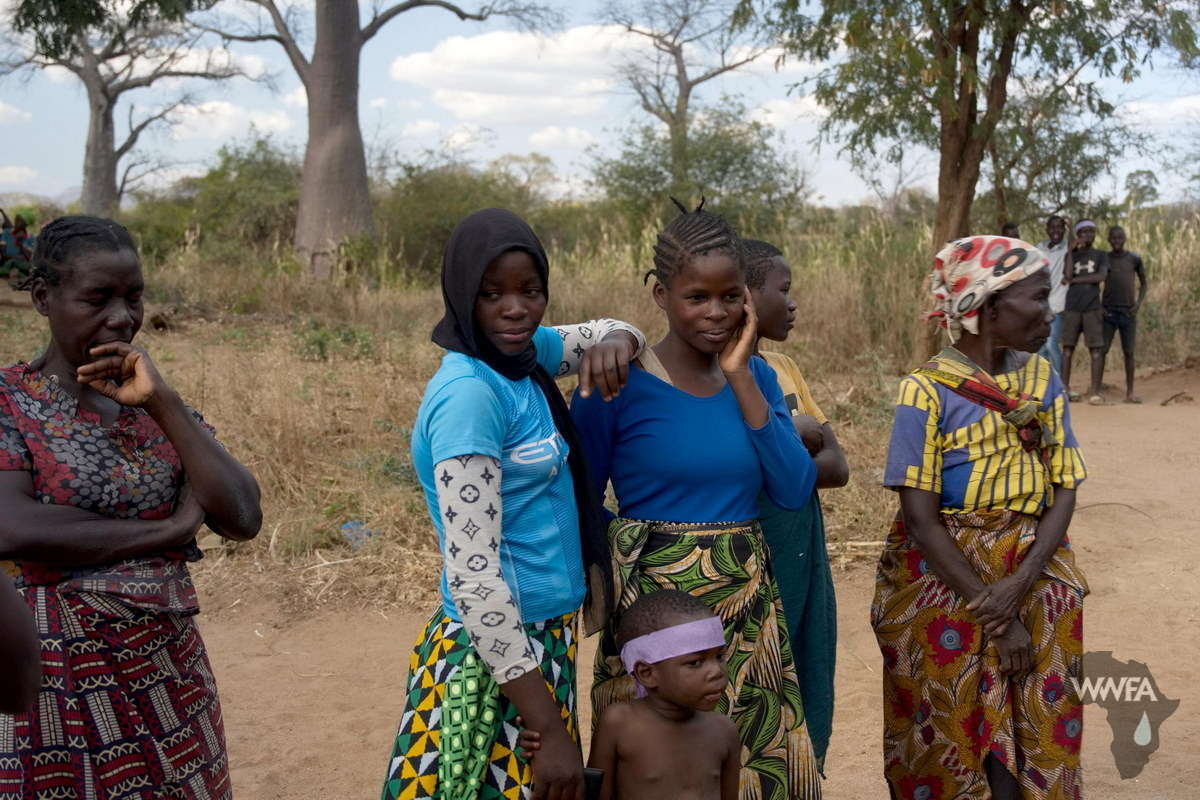
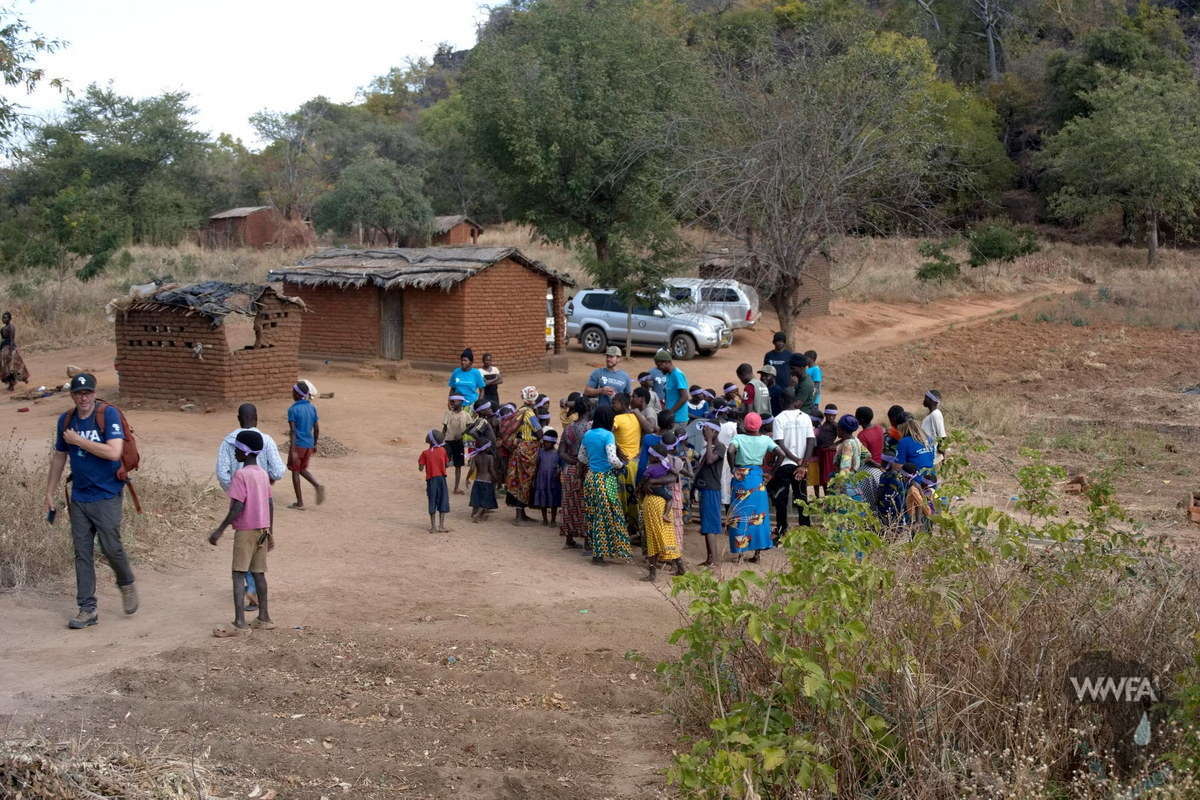
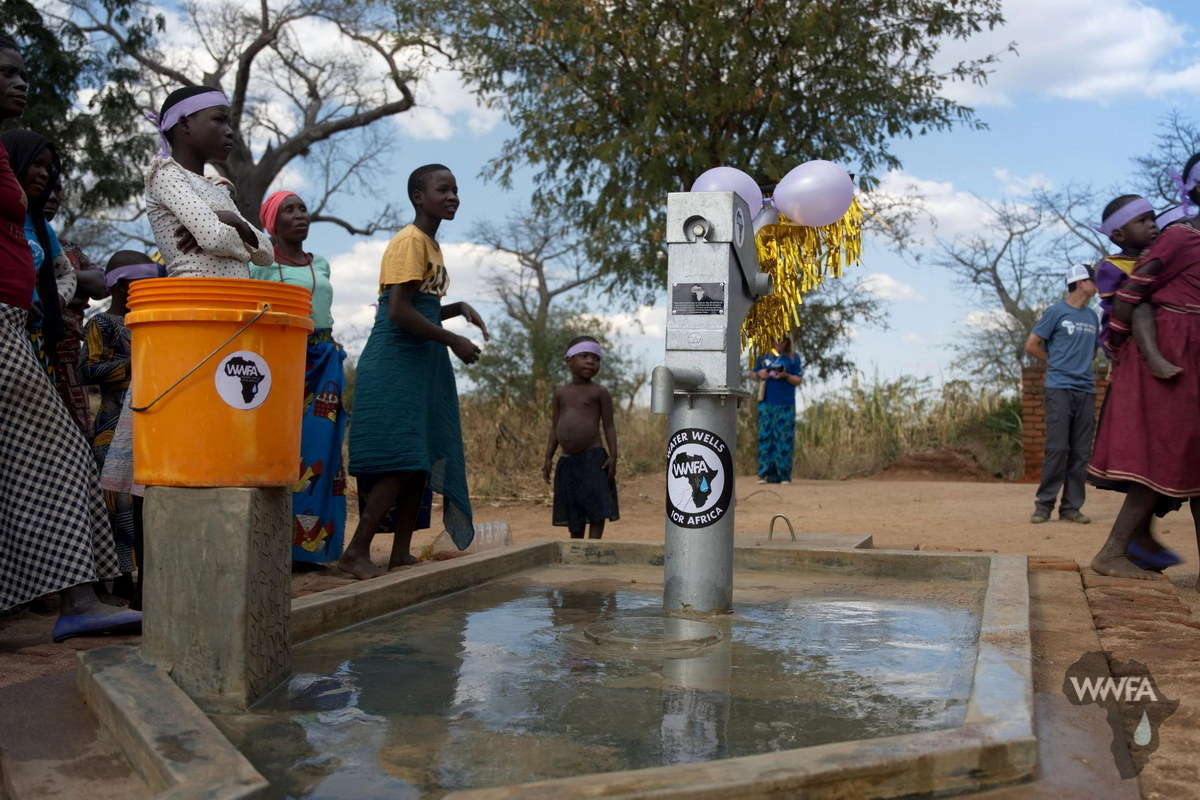
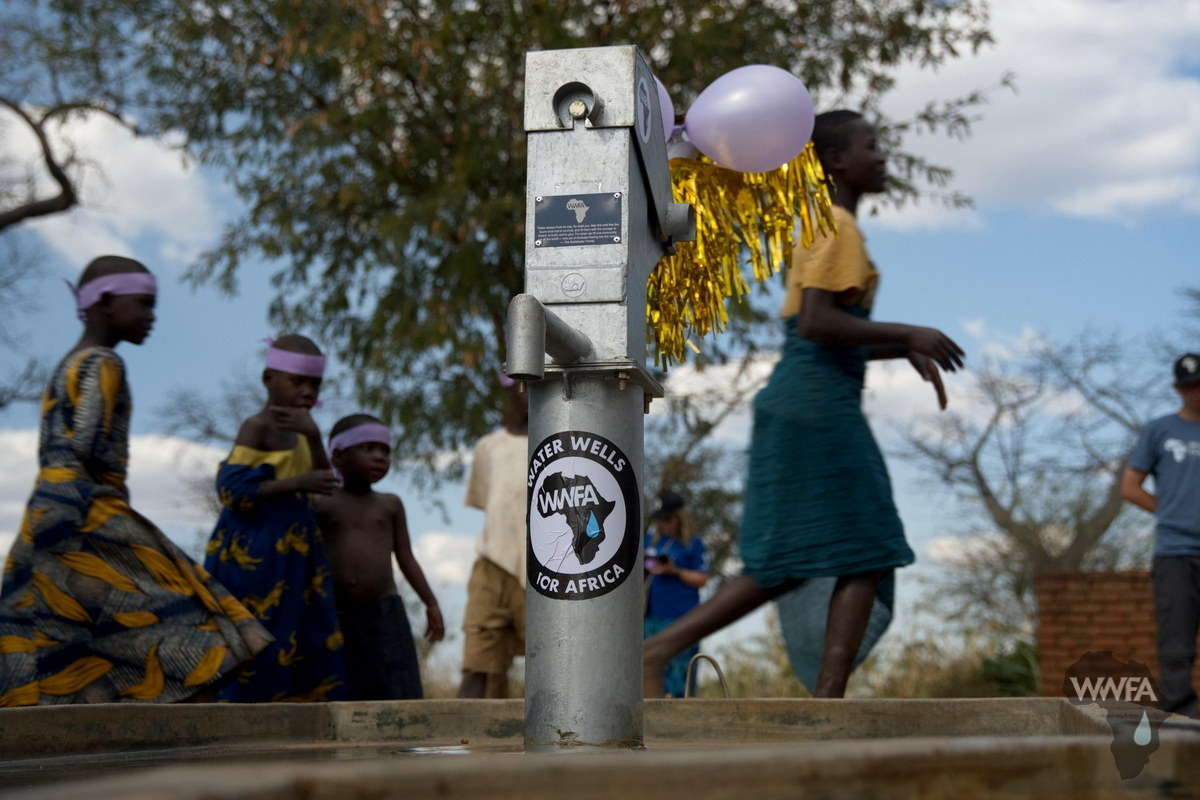
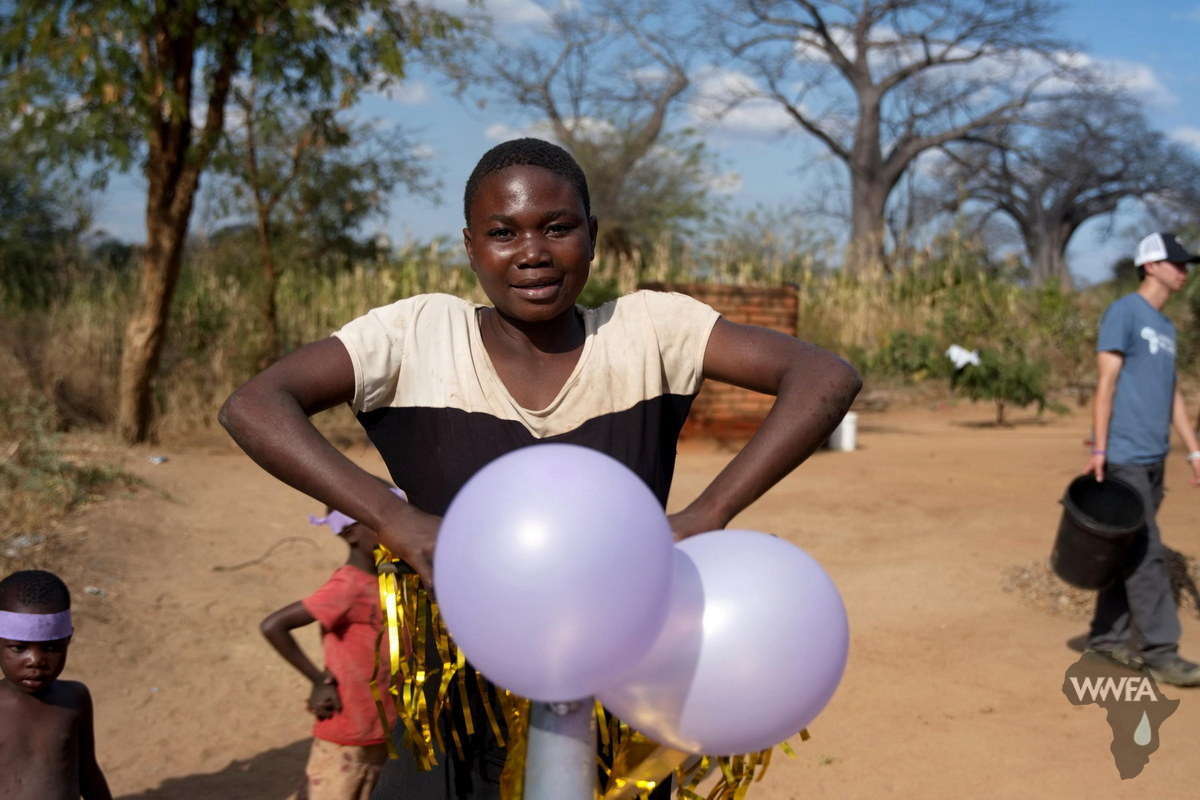
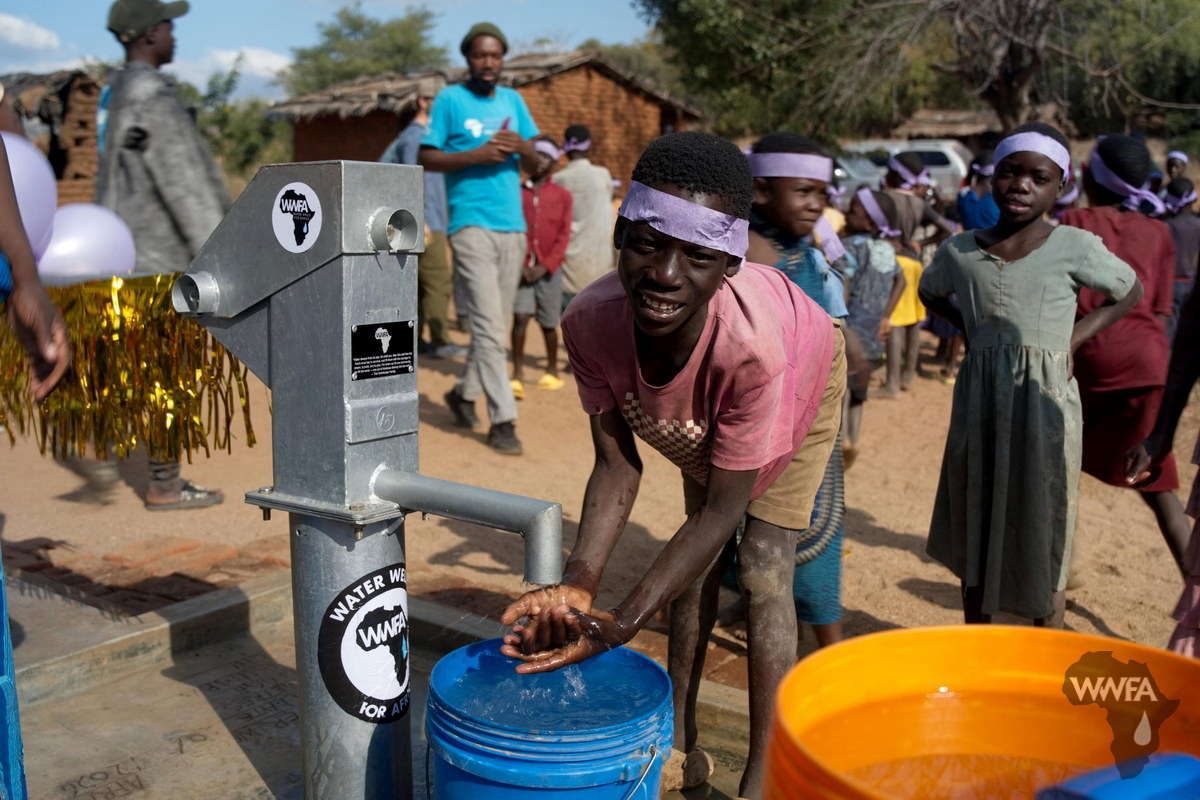
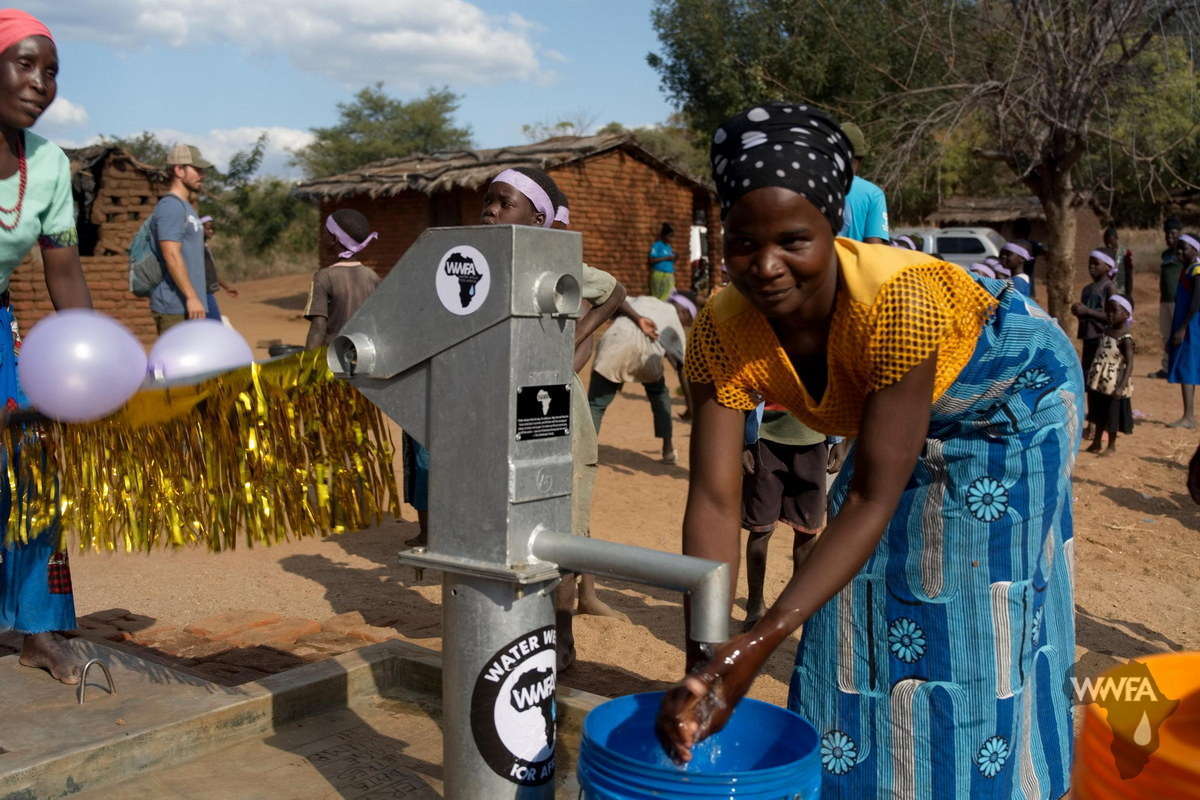
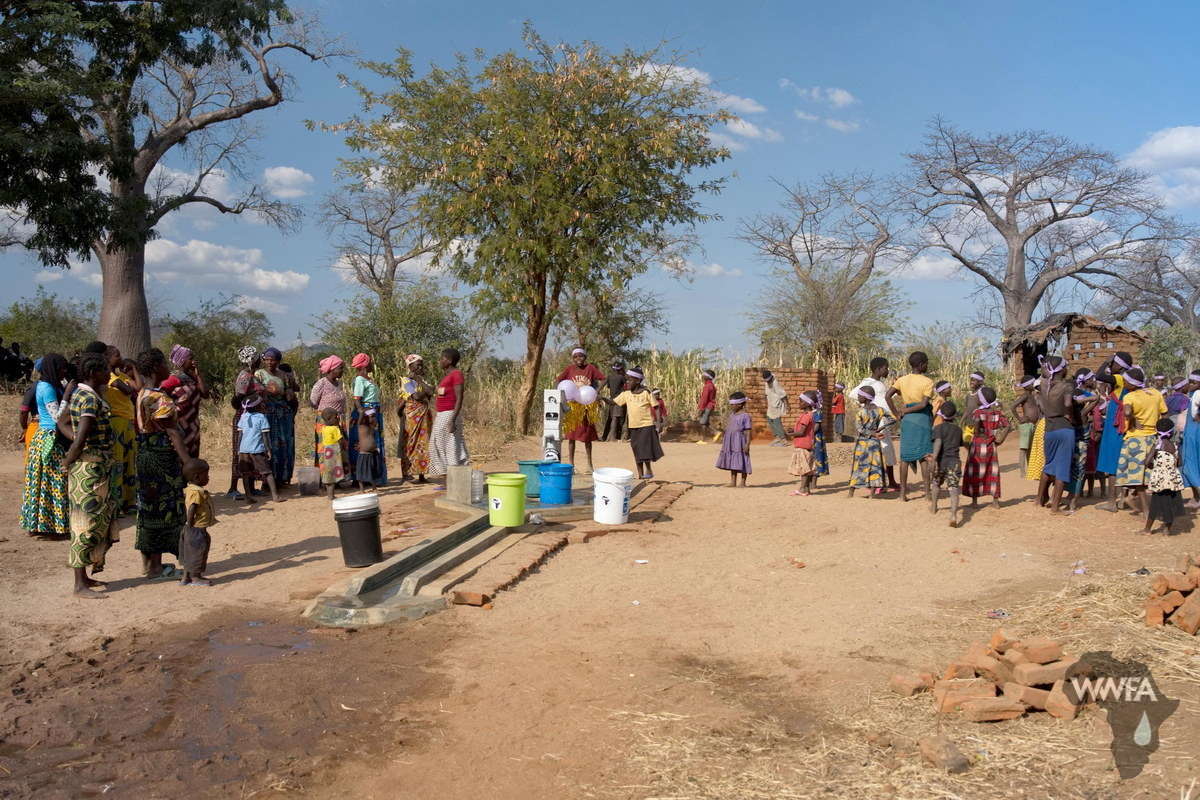
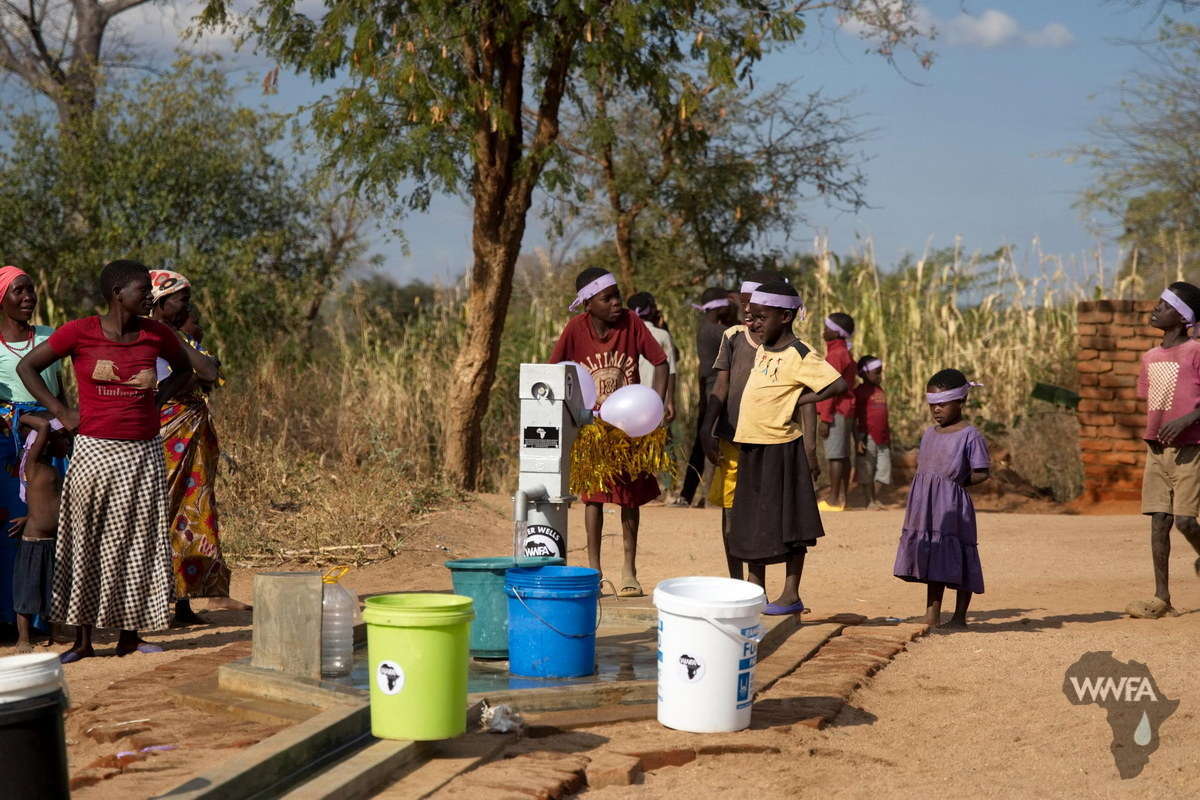
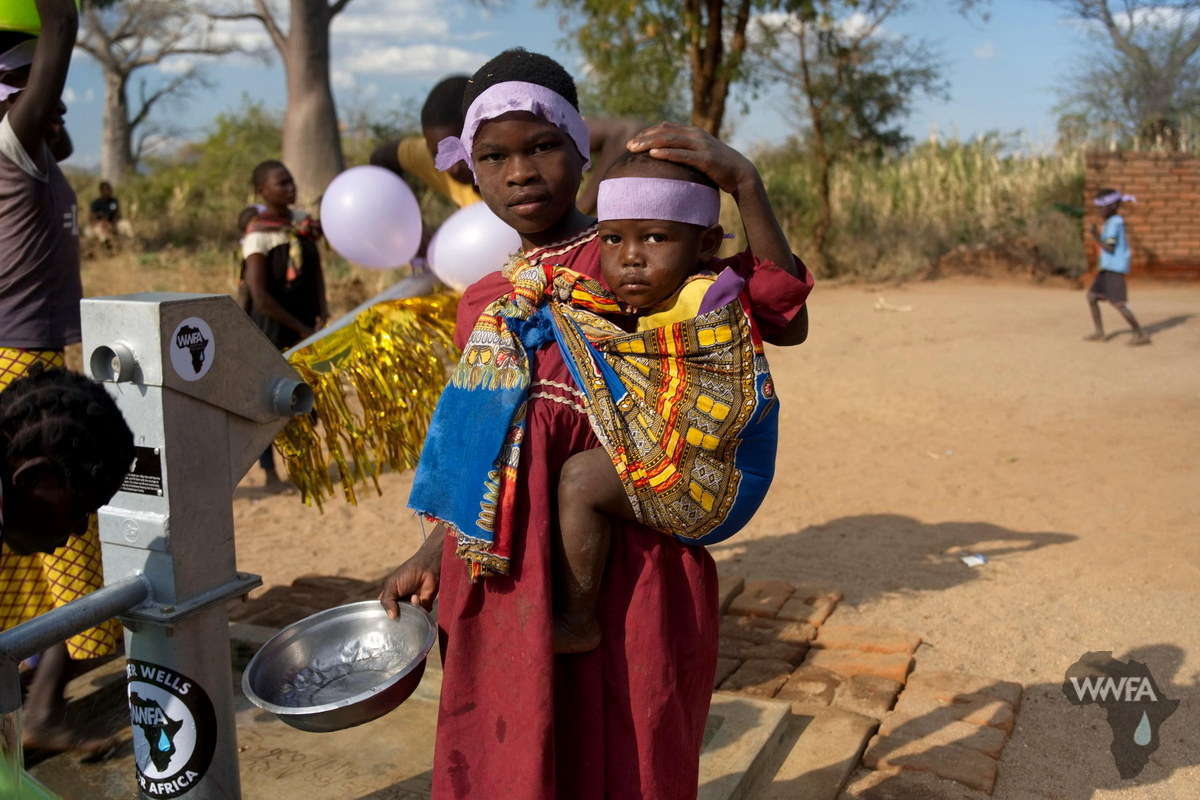
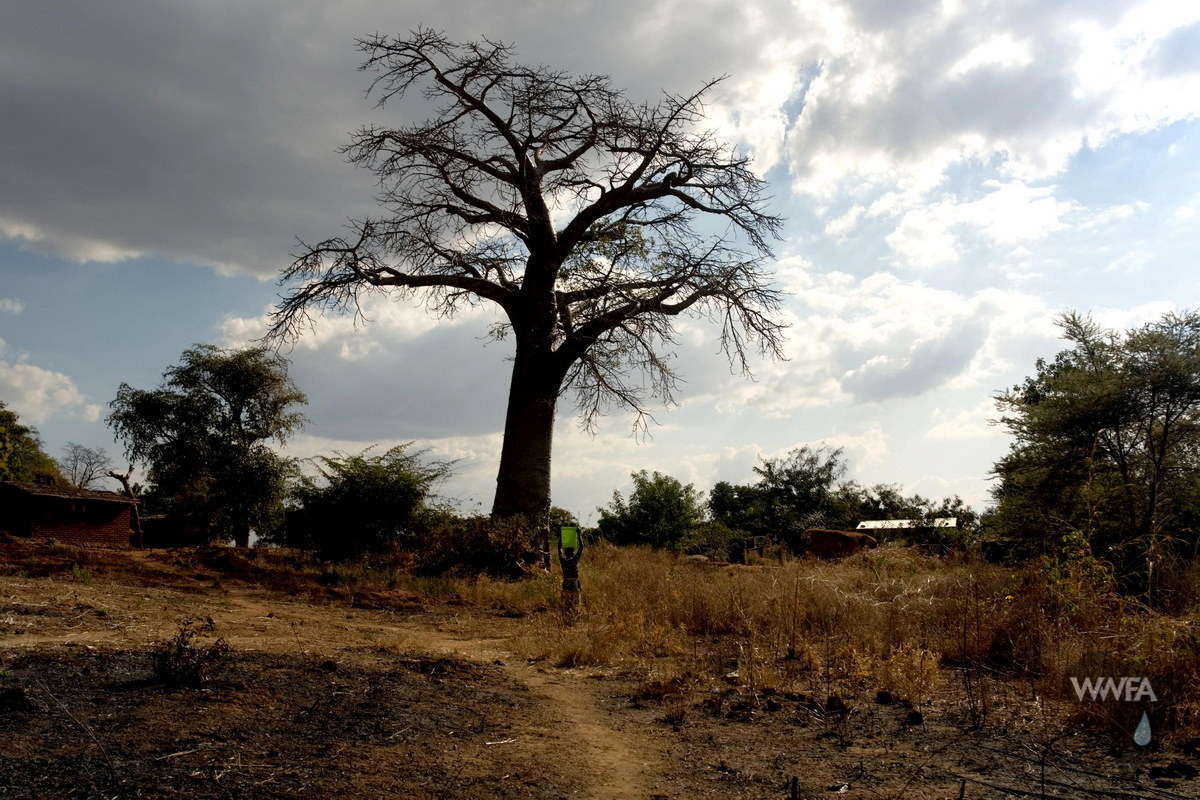
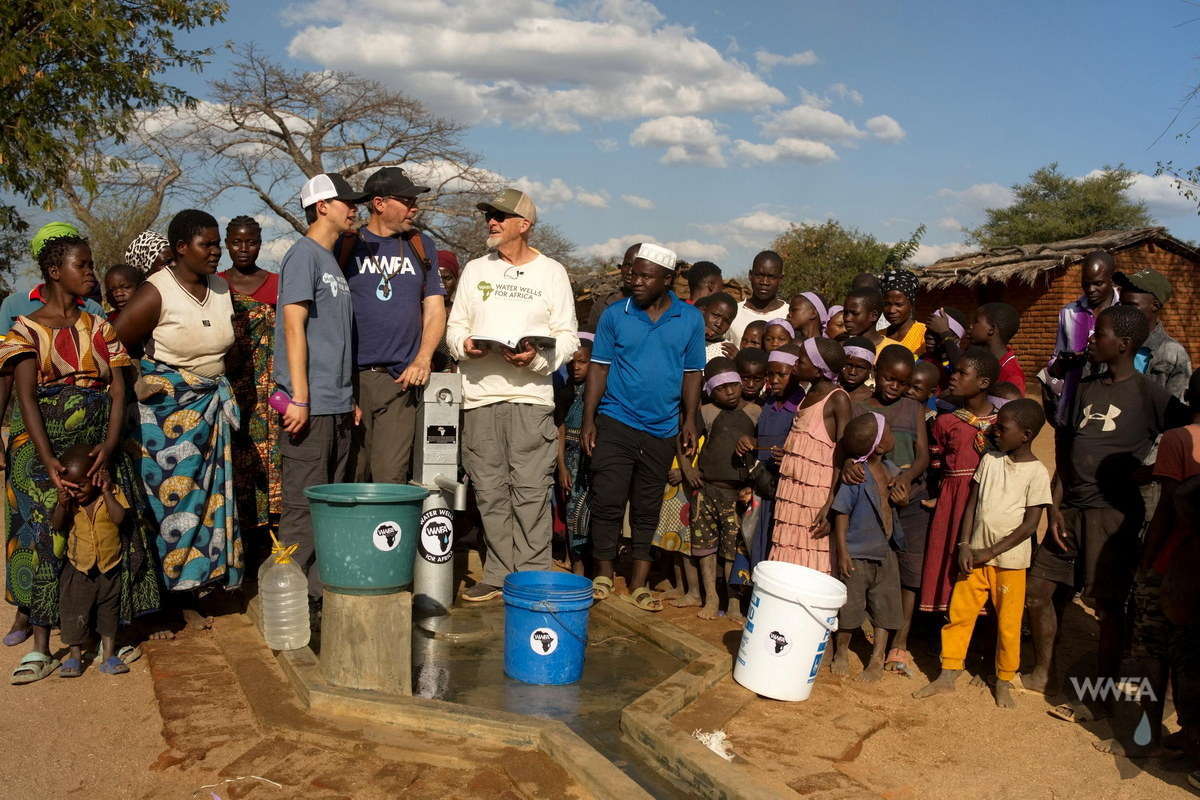
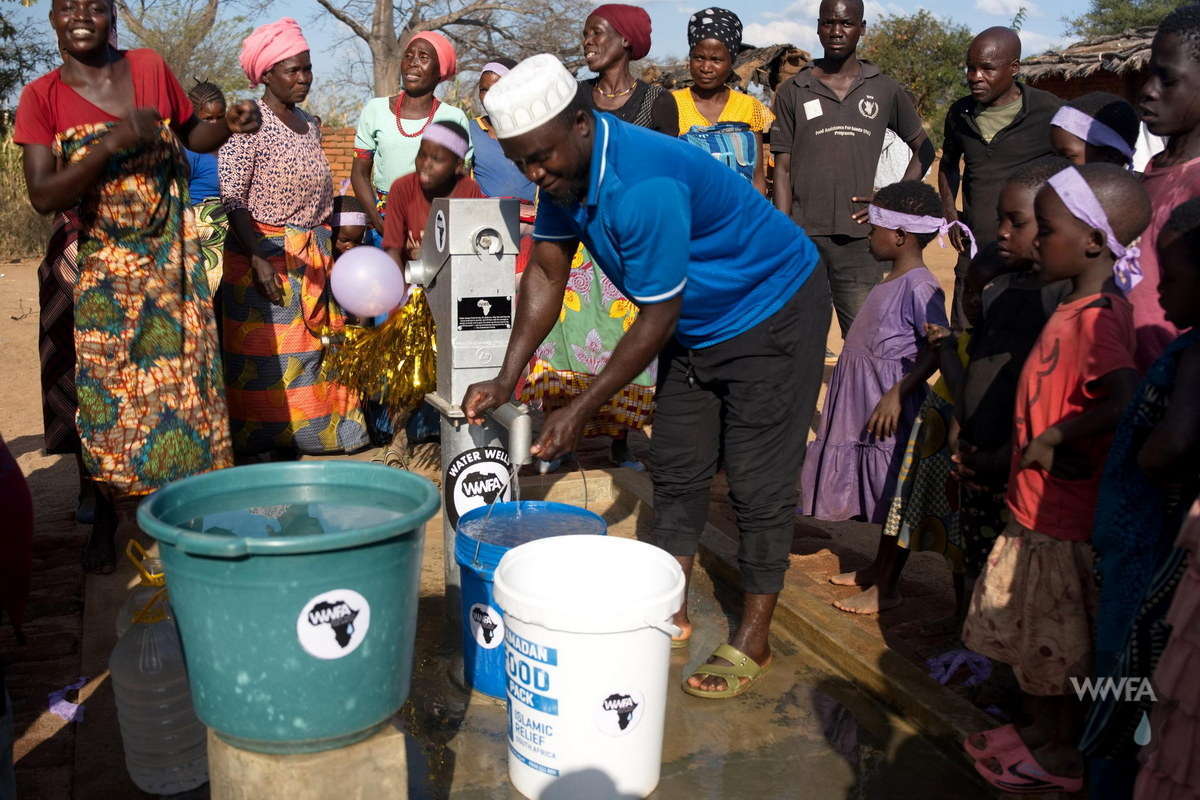
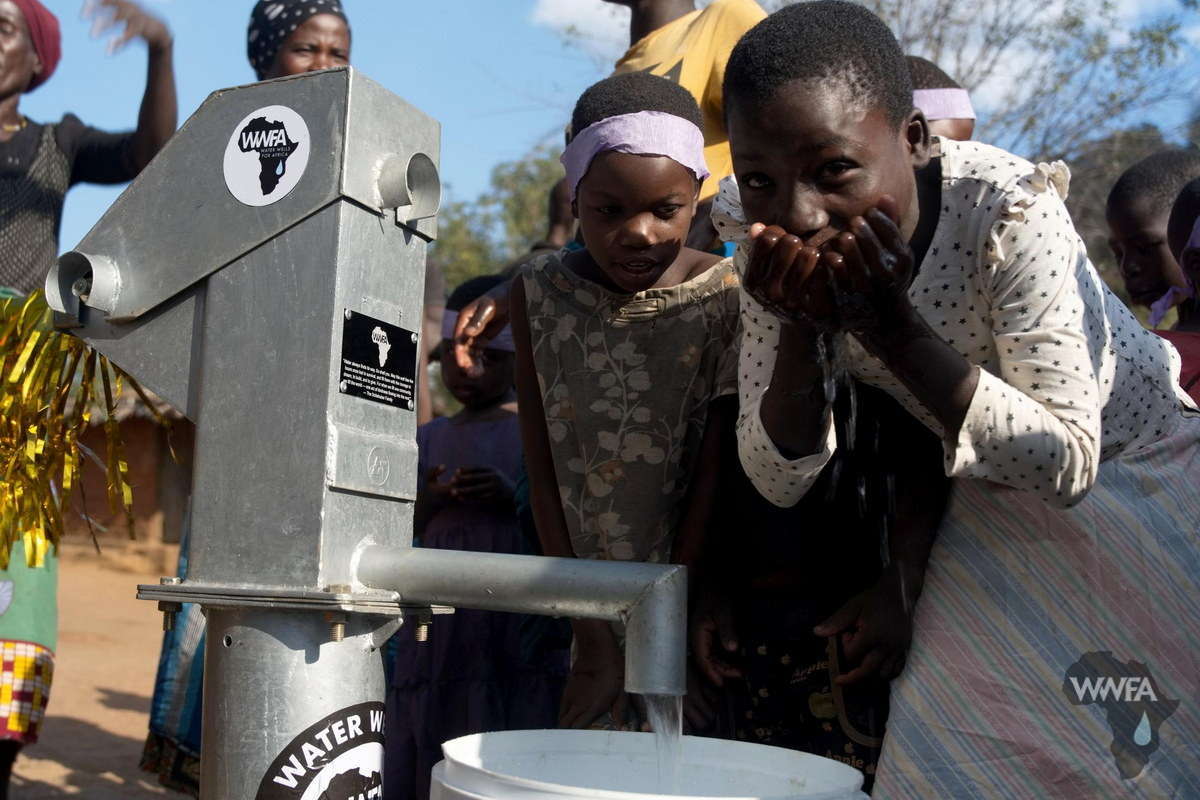
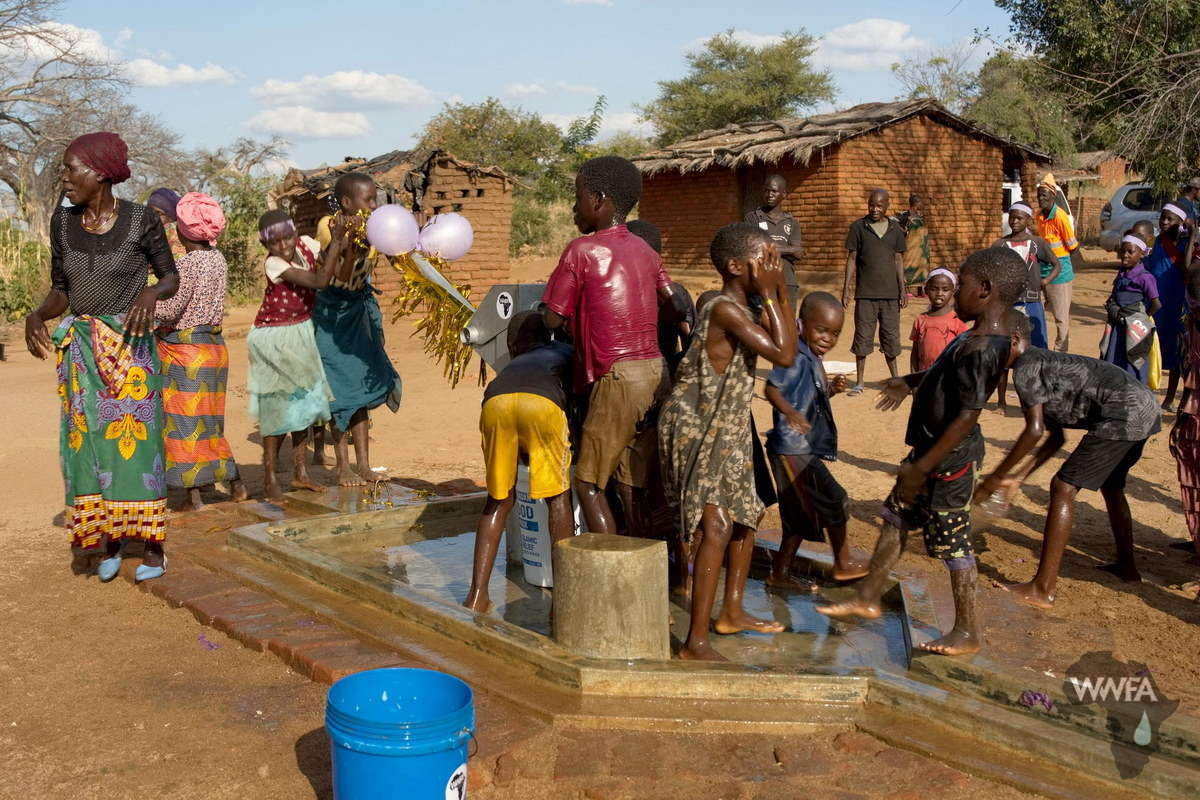
Now, all of the children are going to school. The school itself noticed the difference and wondered what had changed. The parents knew exactly what to tell them: water. And when the community gathered to celebrate the new well, they did it with a party beneath the trees, with the Baobab Forest in view—a celebration of something they had waited years to see.