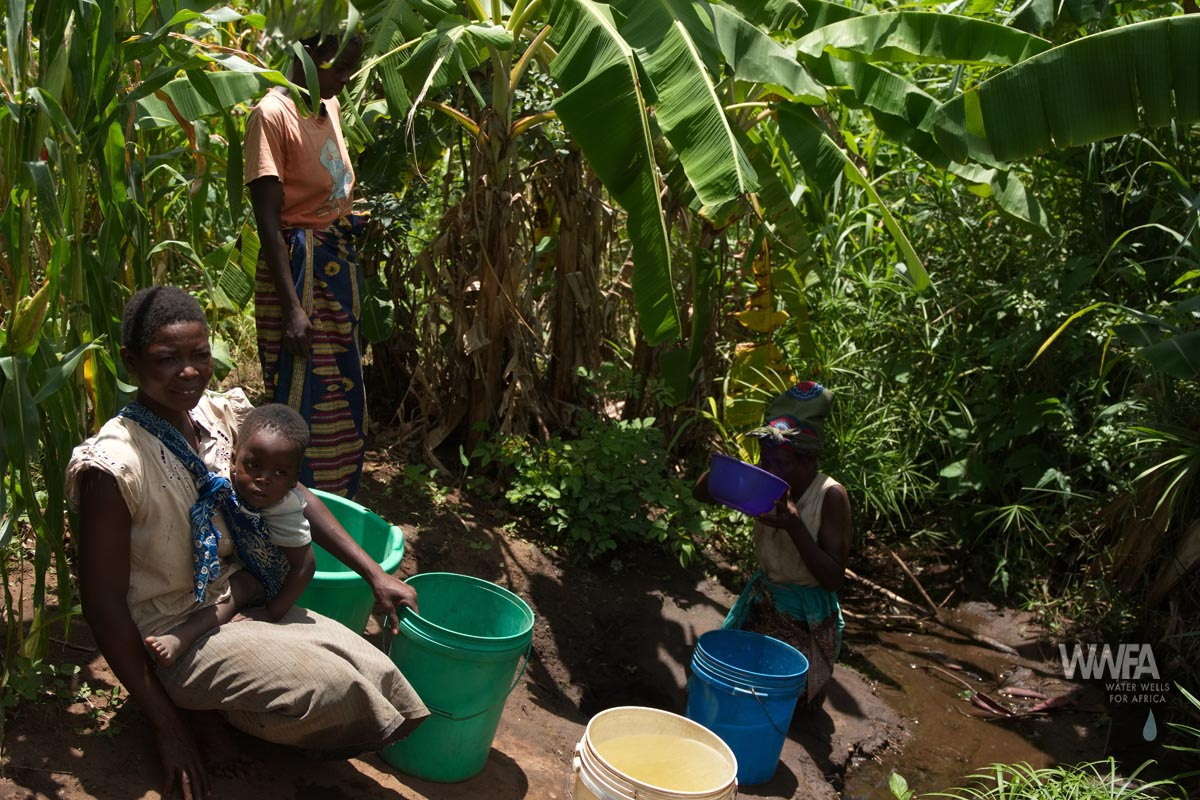
When our U.S. team first climbed down the steep, narrow path to Zabiri Village in February 2026, the destination wasn’t a water well. It was a small hole dug beside a creek.
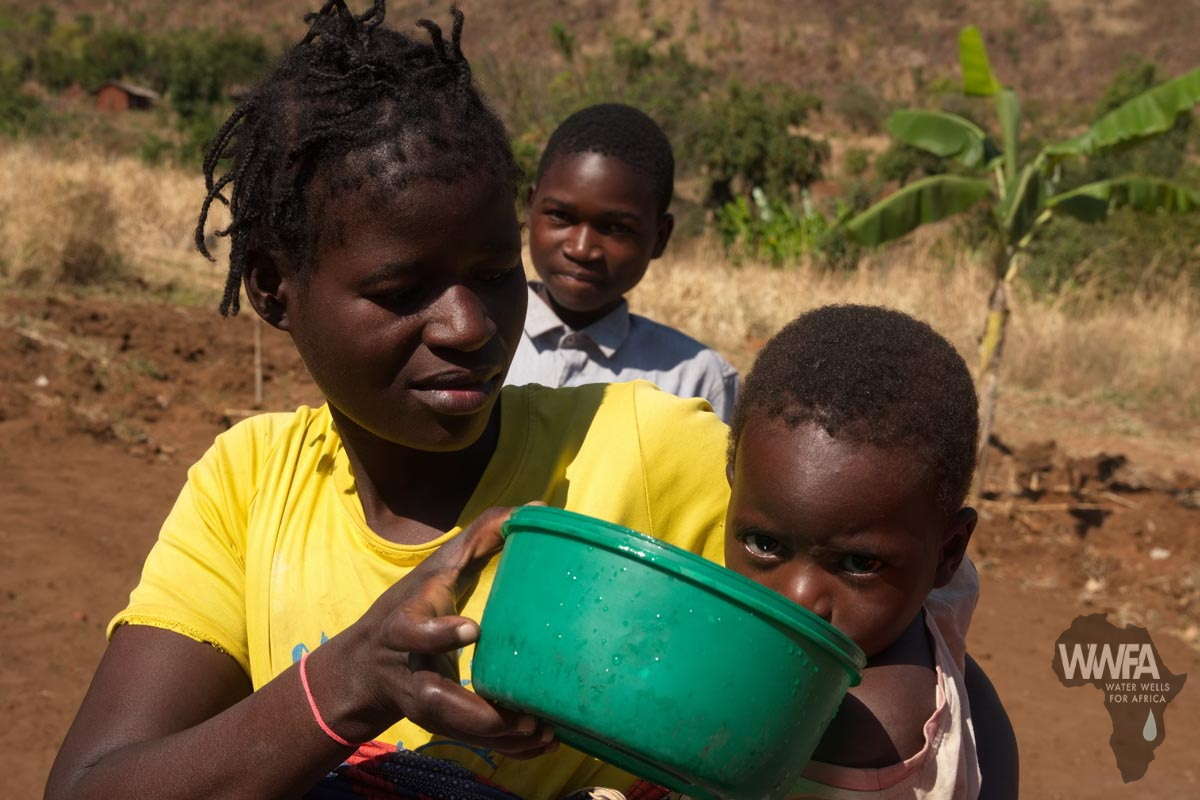
This shallow pit was the only source of water for the village’s families. During the rainy season, floodwater contaminated it. During the dry season, residents dug deeper into the earth, waiting hours for just enough water to survive. The same water was shared with monkeys, snakes, hyenas, and other wildlife.
The consequences were heartbreaking. Bilharzia, diarrhea, dysentery, scabies, and cholera were all familiar illnesses. Girls woke up at 2:00 a.m. to fetch water before school, often arriving too late to attend class. Families spent precious income traveling to health clinics because of diseases caused by unsafe water.
Just four months later, in June, we returned.
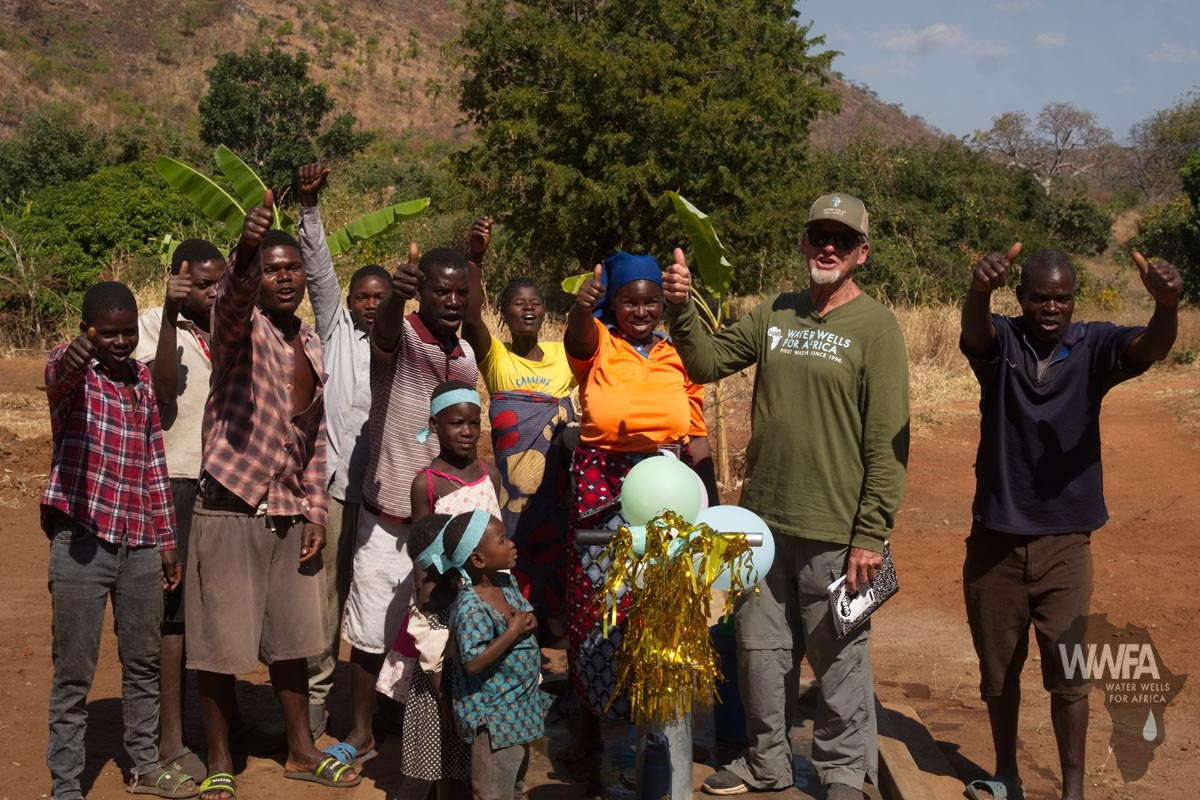
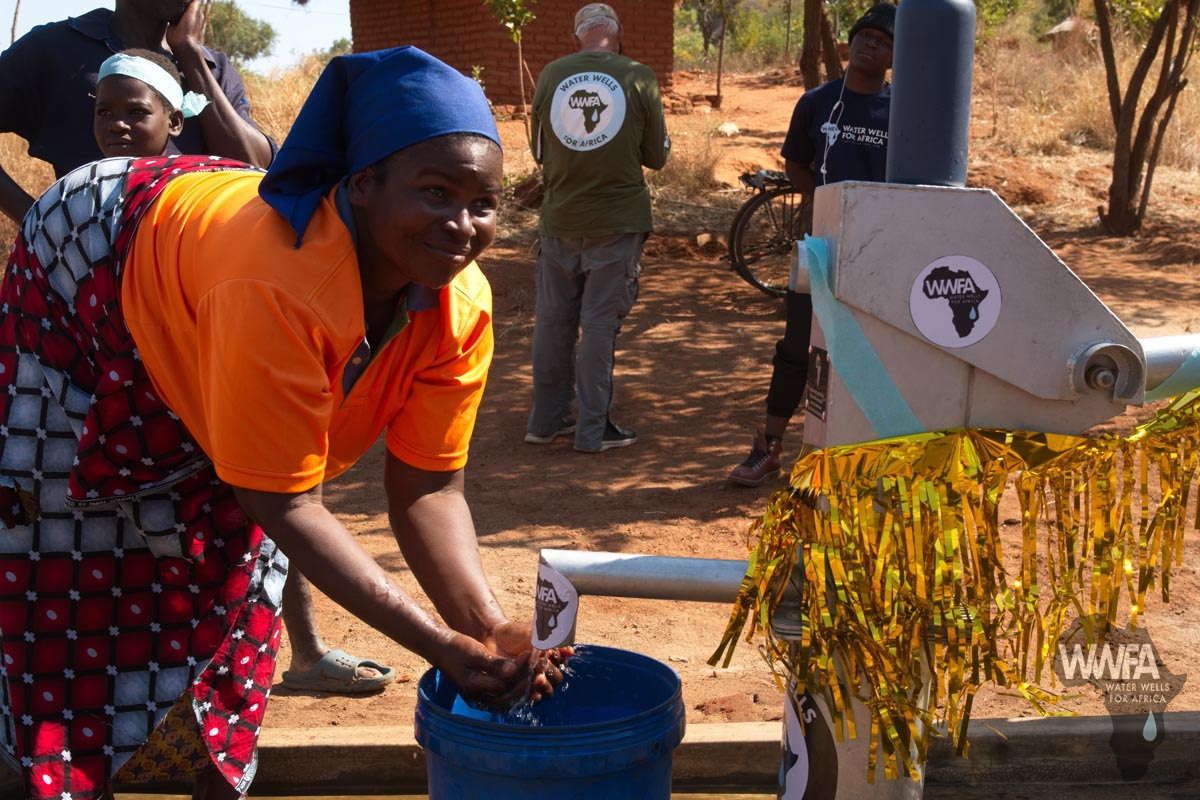
This time, instead of walking to a muddy hole in the ground, we gathered around a brand-new Water Wells for Africa (WWFA) well sponsored by generous WWFA donors Michael and Kristy Robison.
The difference was striking and immediate.
“We have stopped drinking with monkeys, snakes, hyenas,” Agnes, chair of the village Water Committee, told us with a smile.
In only three weeks, the community had already begun to experience the impact of clean water. Families told us they had not been getting sick from the water anymore. Women no longer spent their mornings searching for water, instead using that precious time to mold bricks for new homes, plant banana trees and vegetable gardens, and care for their families. Children, especially girls, could finally get to school on time.
“There is good water,” one resident said. “So sweet. Not salty.”
Perhaps the most moving part of our return was hearing the hope in people’s voices. During our first visit, conversations centered on sickness, long walks, and survival. This time, they spoke about the future.