Families: 61 households across 2 villages
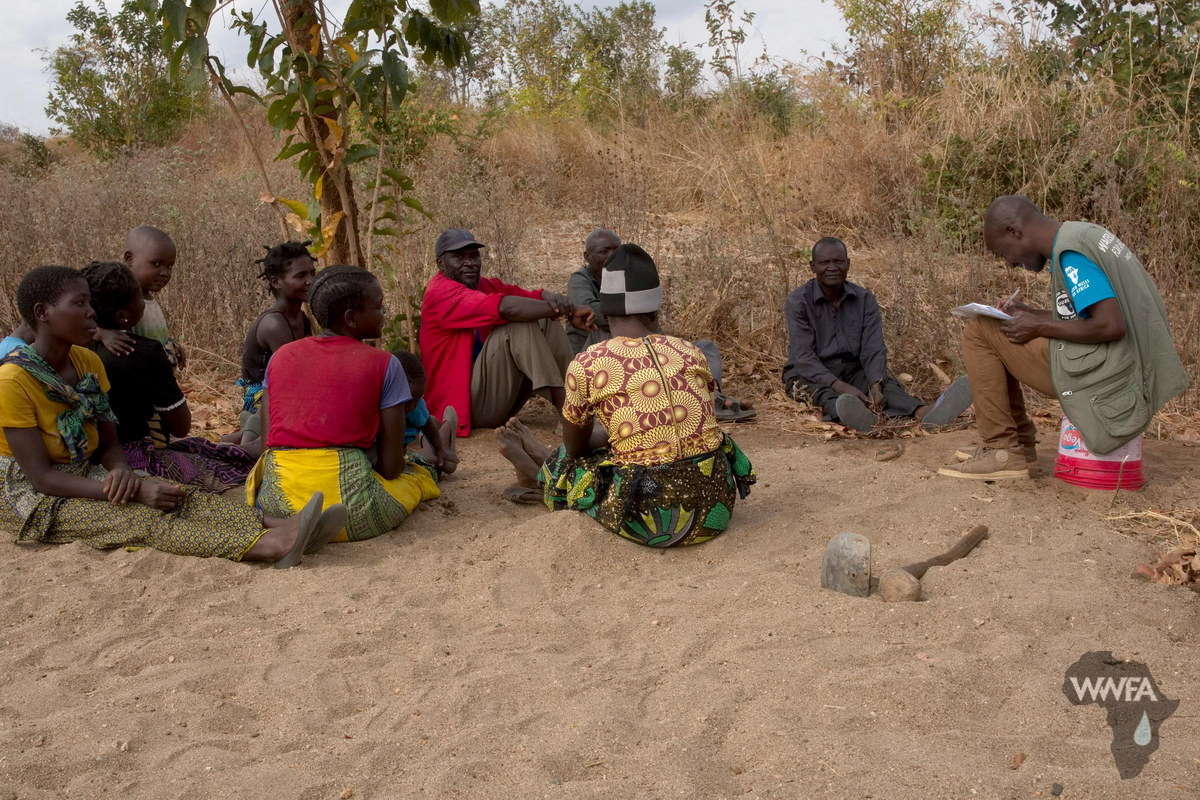
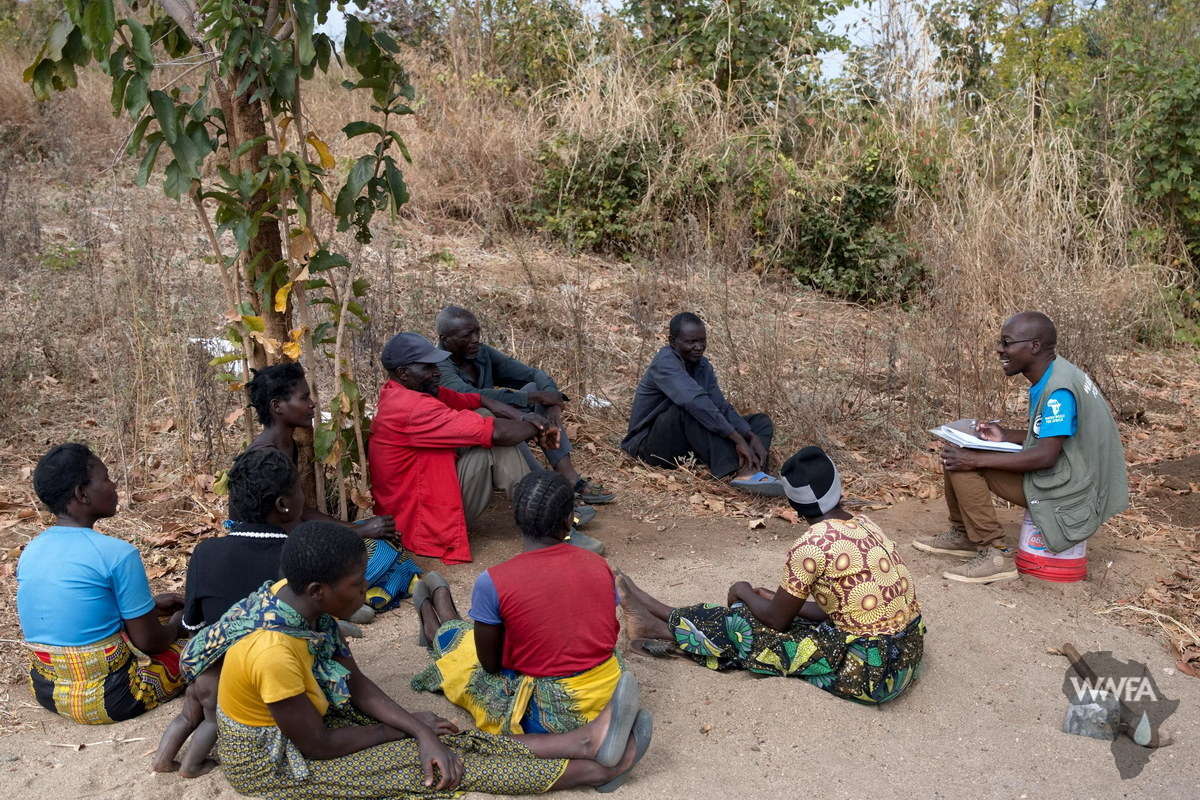
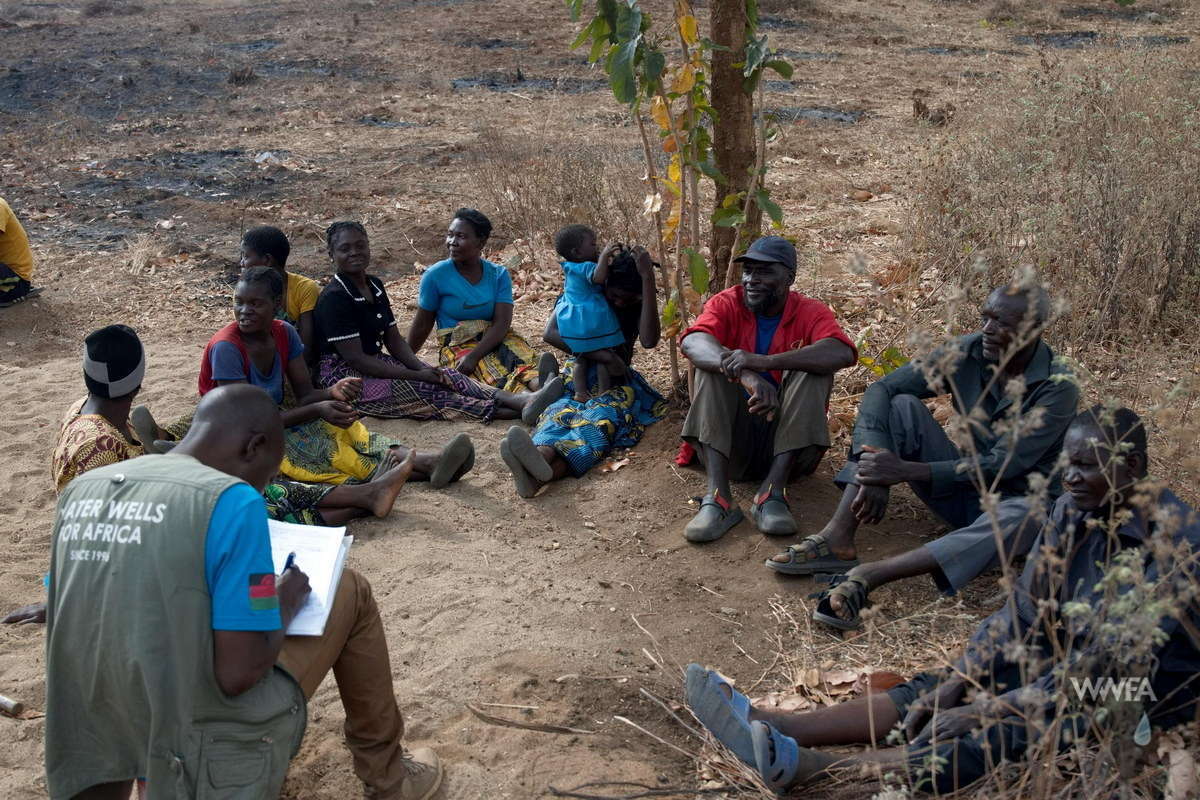
Water Committee: 4 men and 6 women
Families in Chimvuwu settled in the area in 1977 after migrating from Nkhoma in Lilongwe. Since then, they had never had a water well of their own. Instead, residents depended on the Kadzanja River, where the amount of water available changed with the seasons. In the rainy season, families could collect up to three buckets a day; in the dry season, they often had only one.
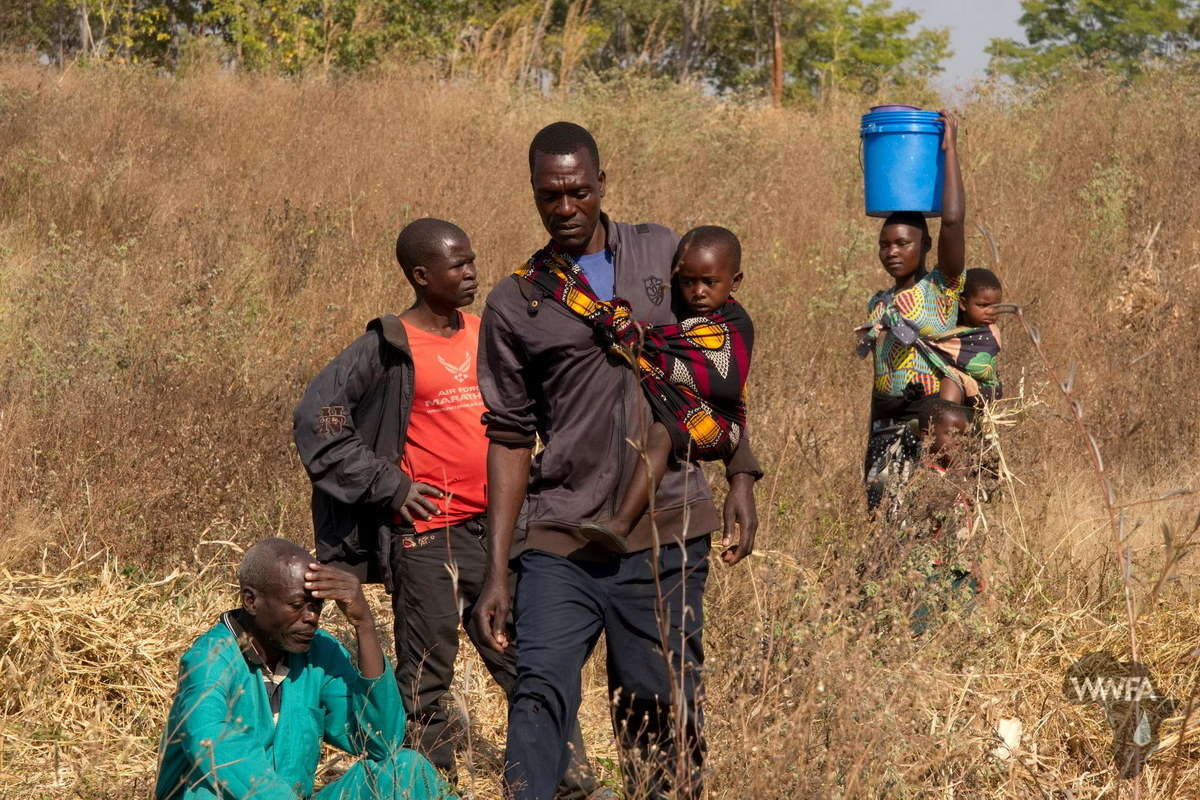
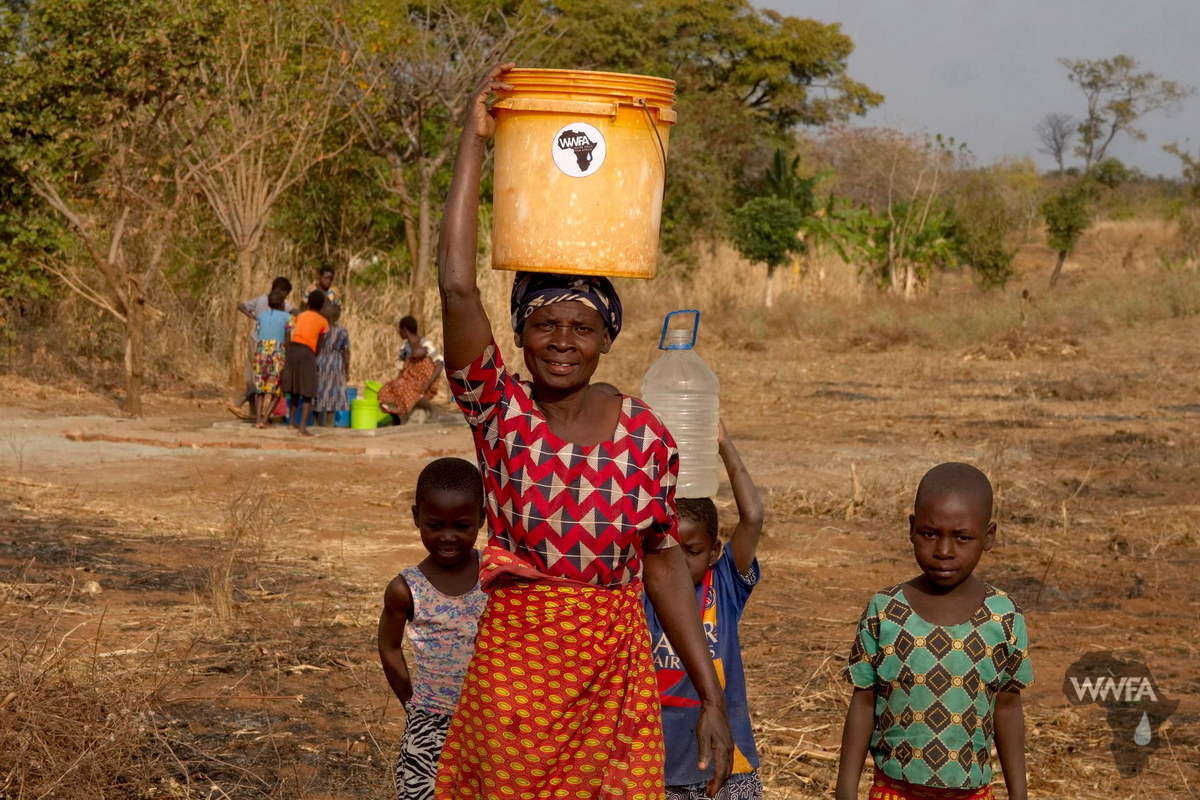
When nearby rivers dried up, men sometimes accompanied their wives to the Lingadzi River. The round trip took about two and a half hours. Finding water became a shared family burden, leaving less time for rest, household responsibilities, and time together.
Unsafe water also brought repeated health challenges. Residents reported cholera and diarrhoea and visited the clinic around four times a month. The nearest clinic was about four hours away, and each visit could cost between K10,000 and K30,000. For families whose livelihoods depend largely on farming, those costs placed additional pressure on household resources.
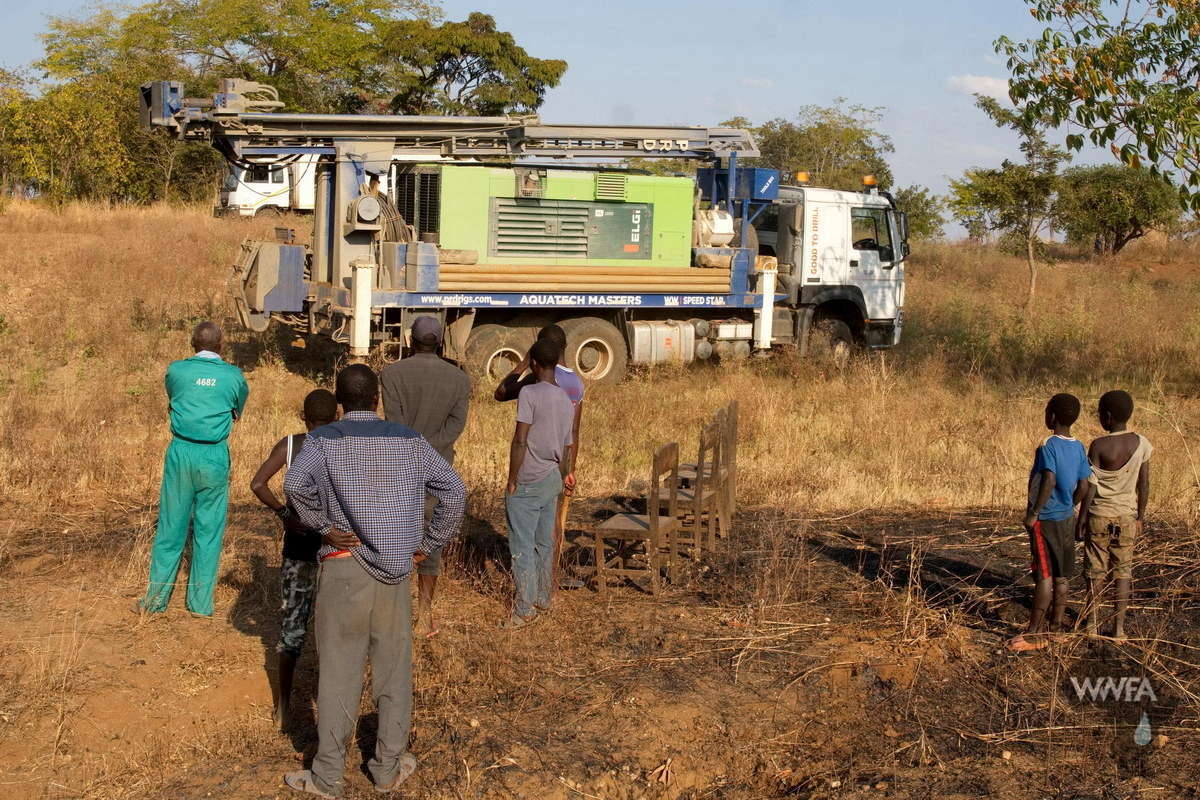
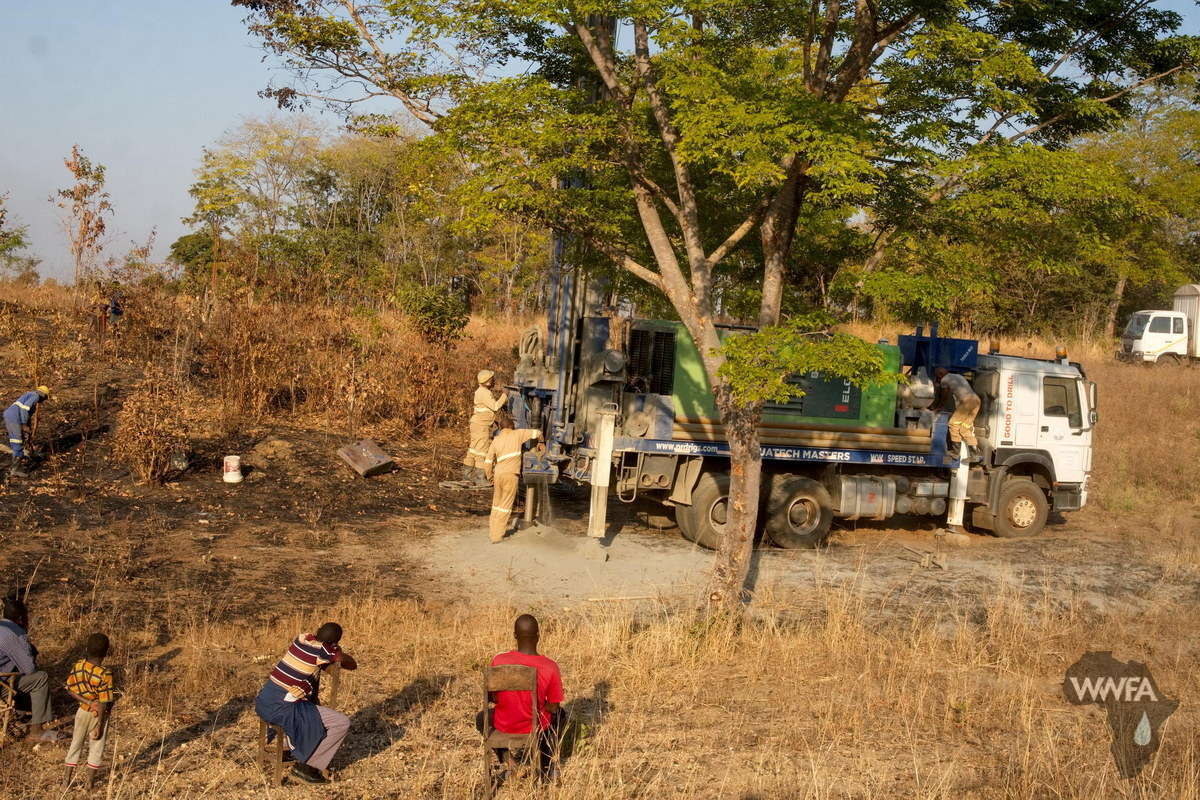
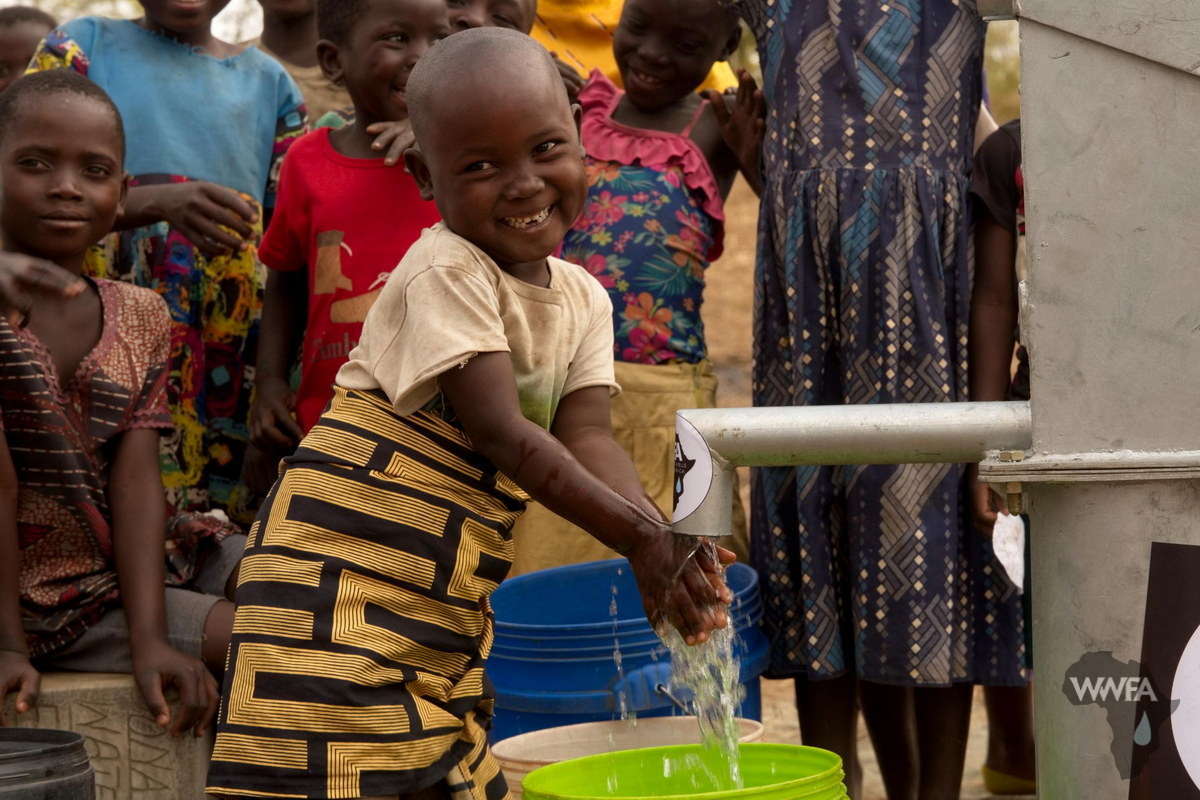
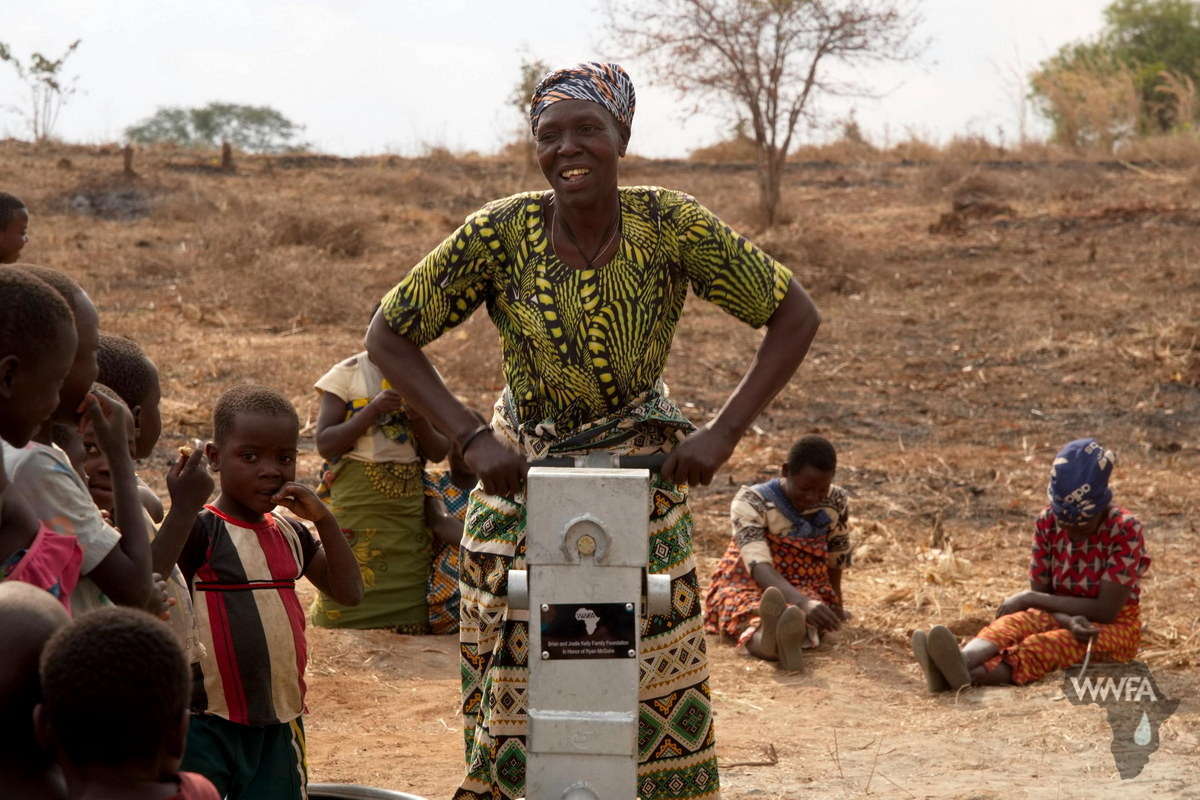
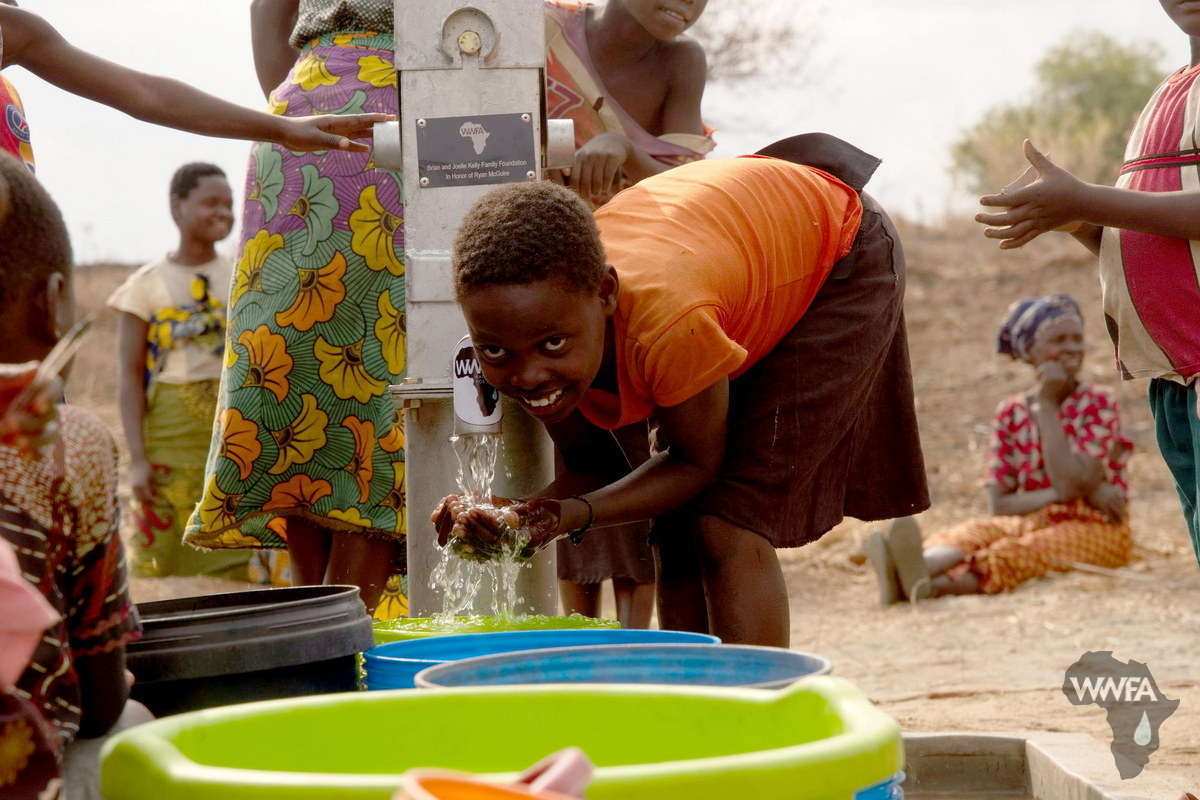
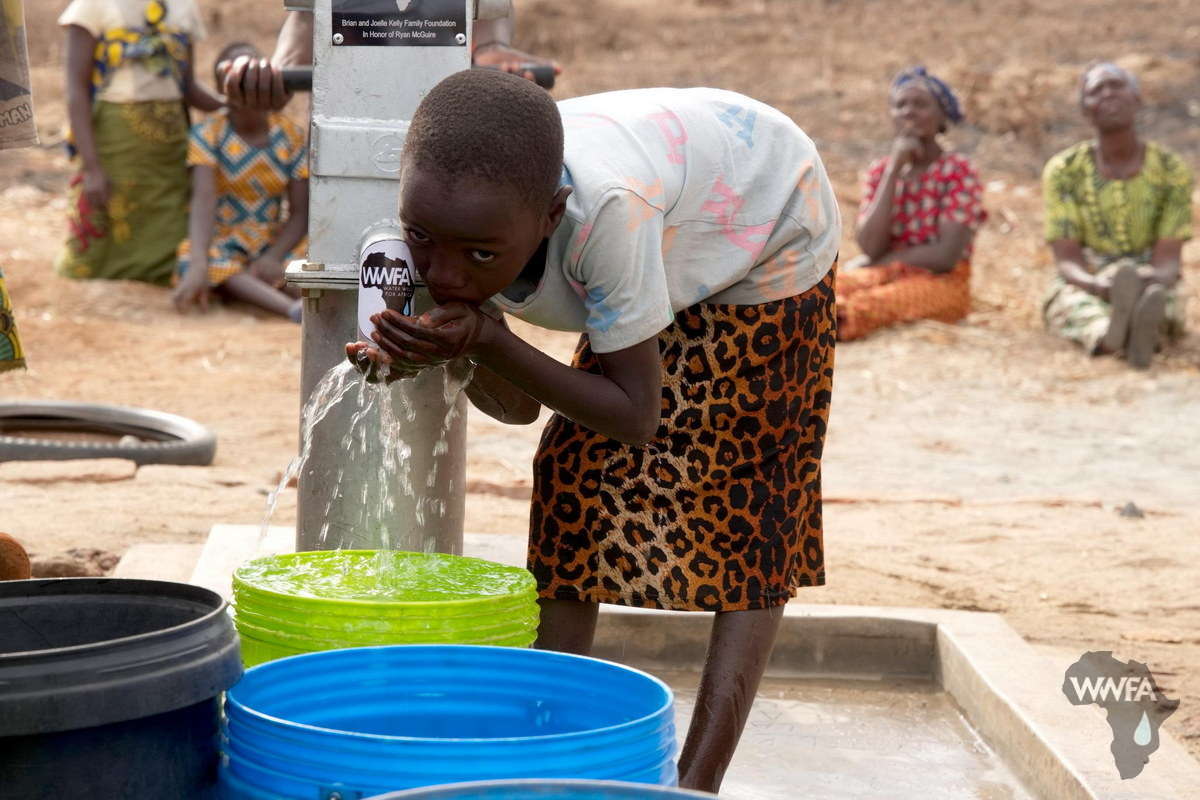
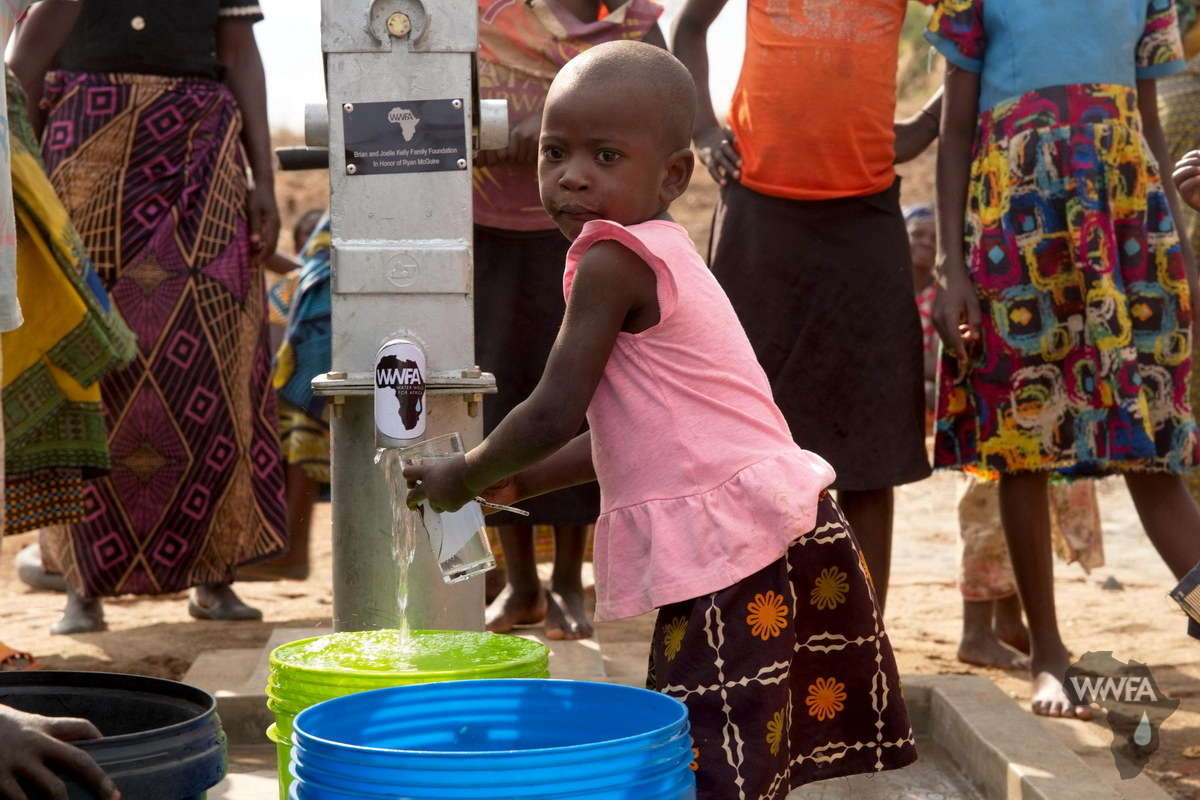
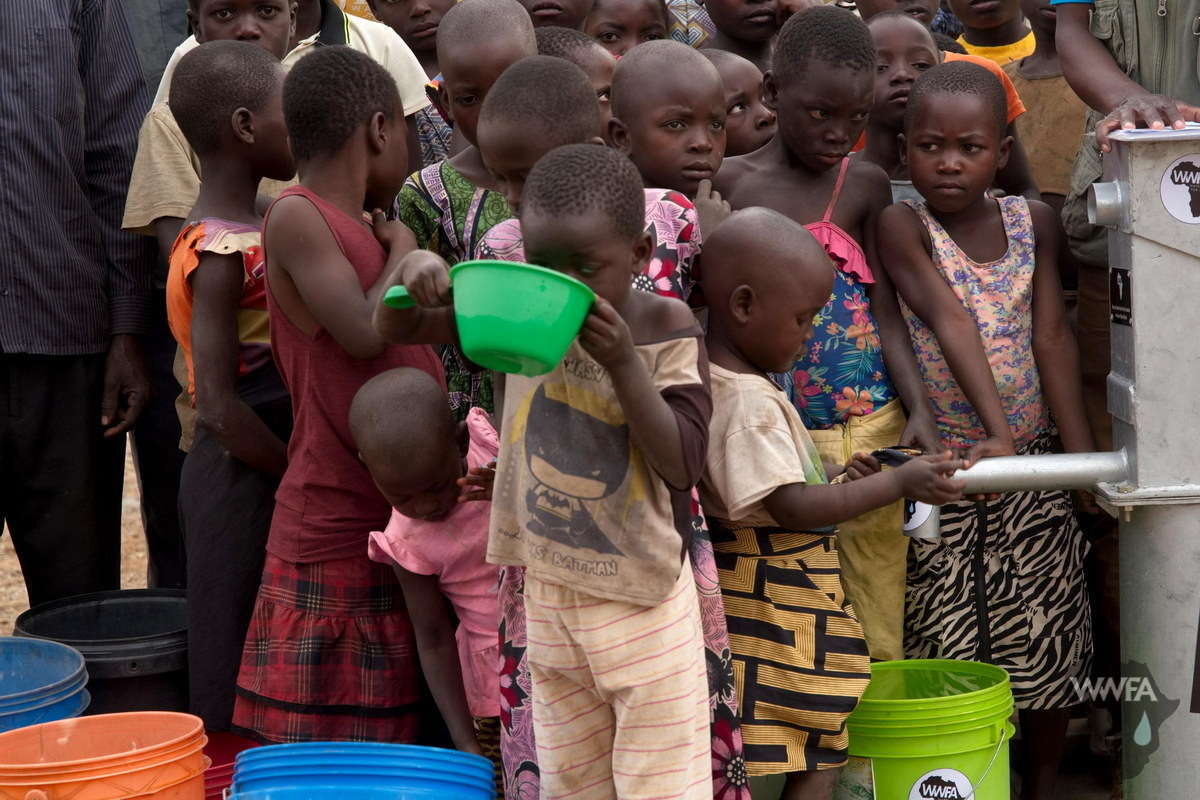
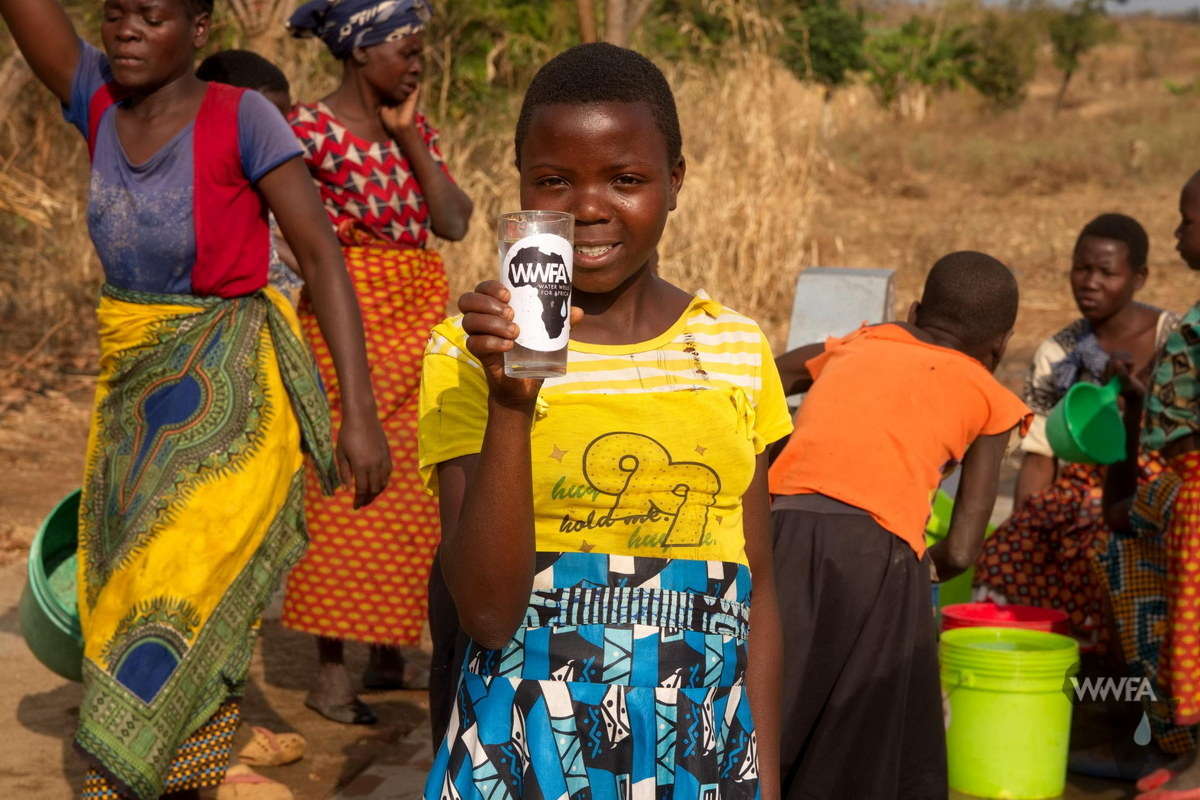
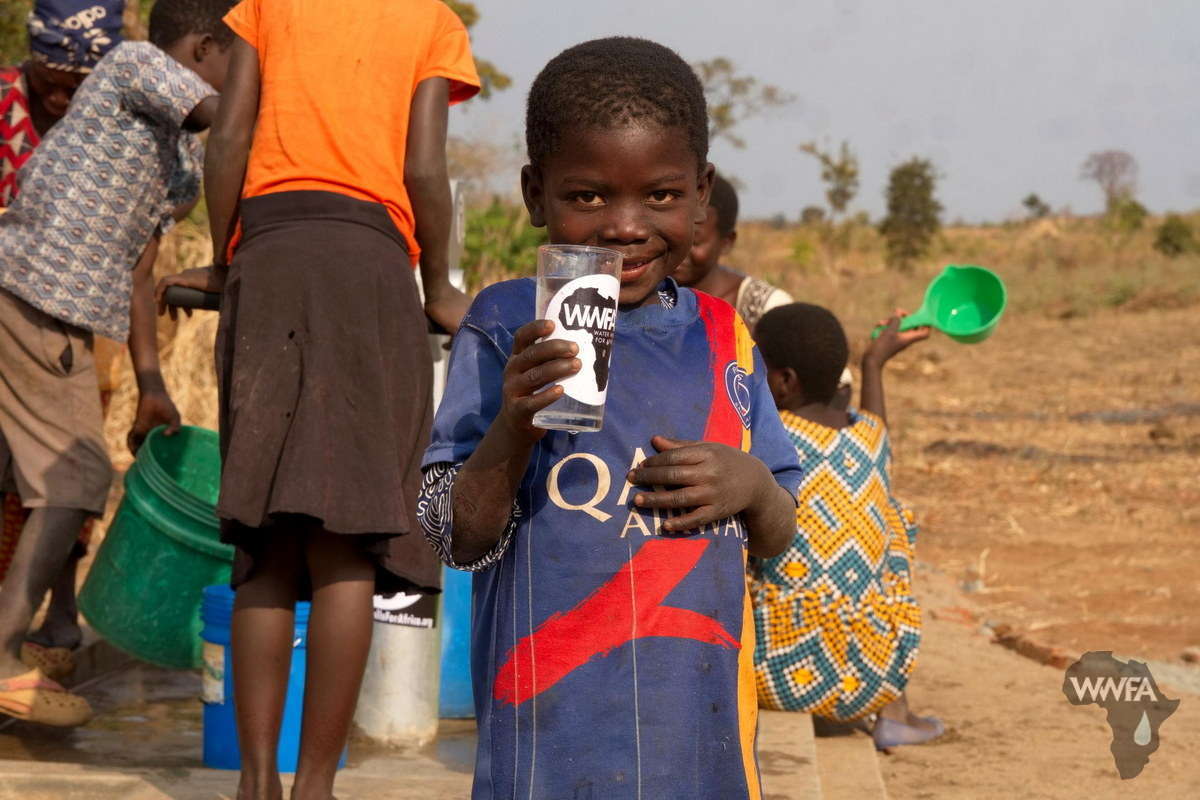
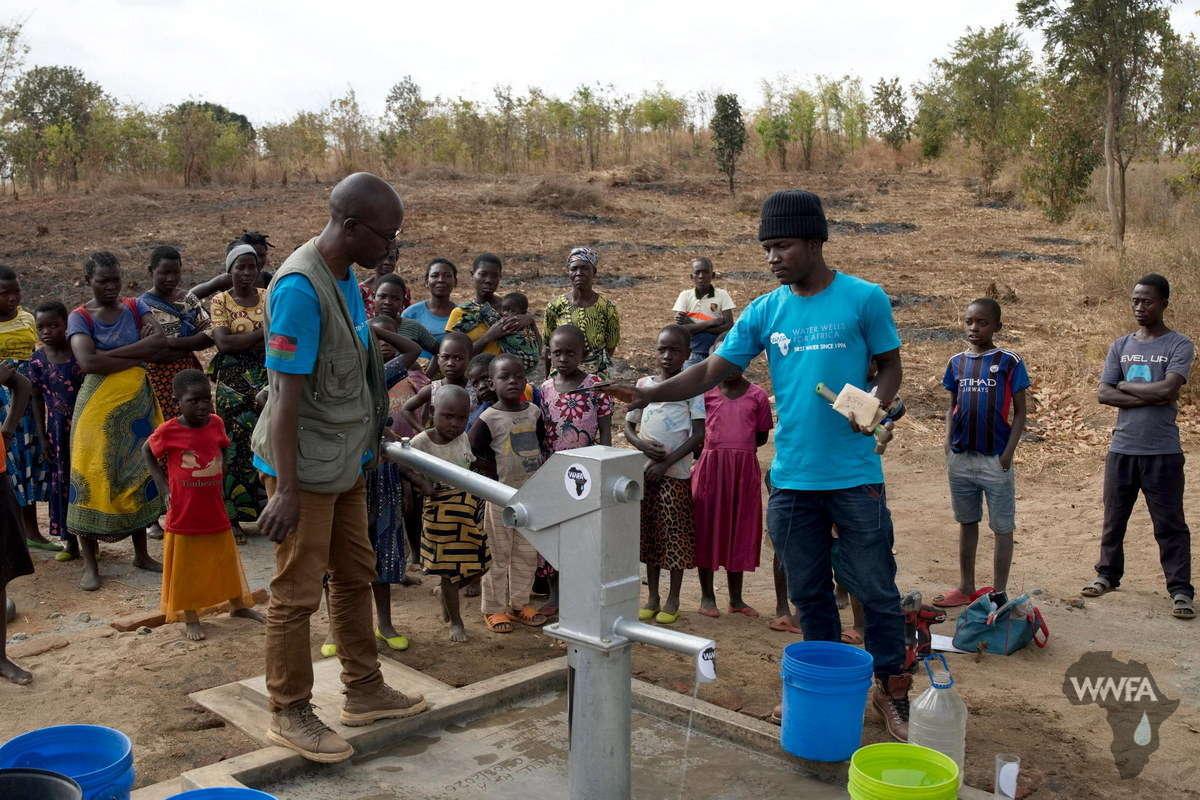
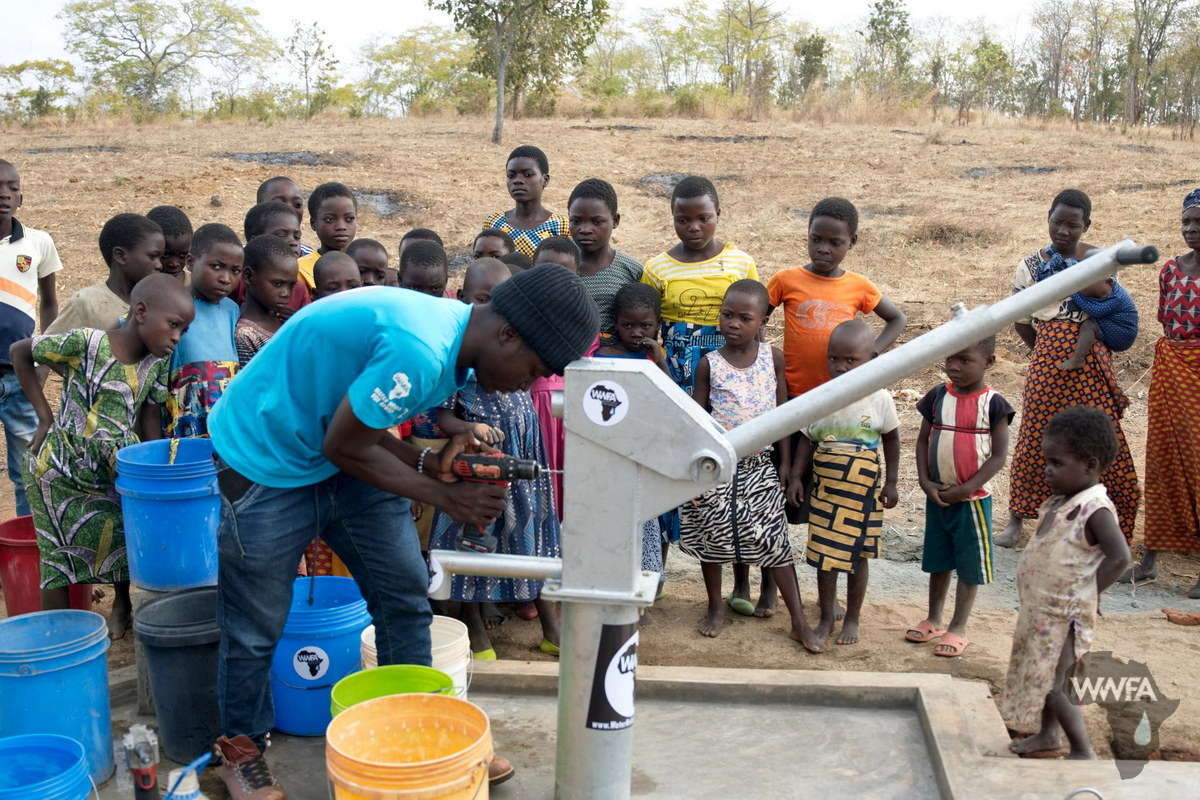
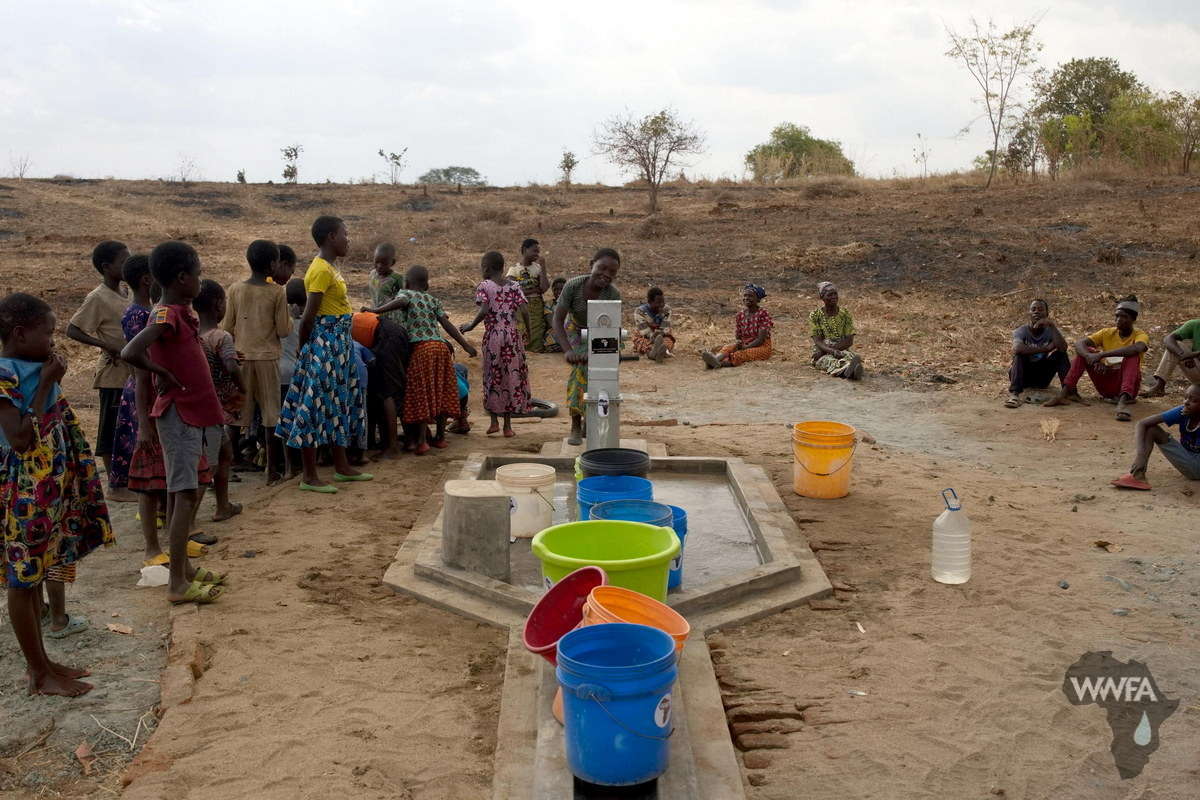
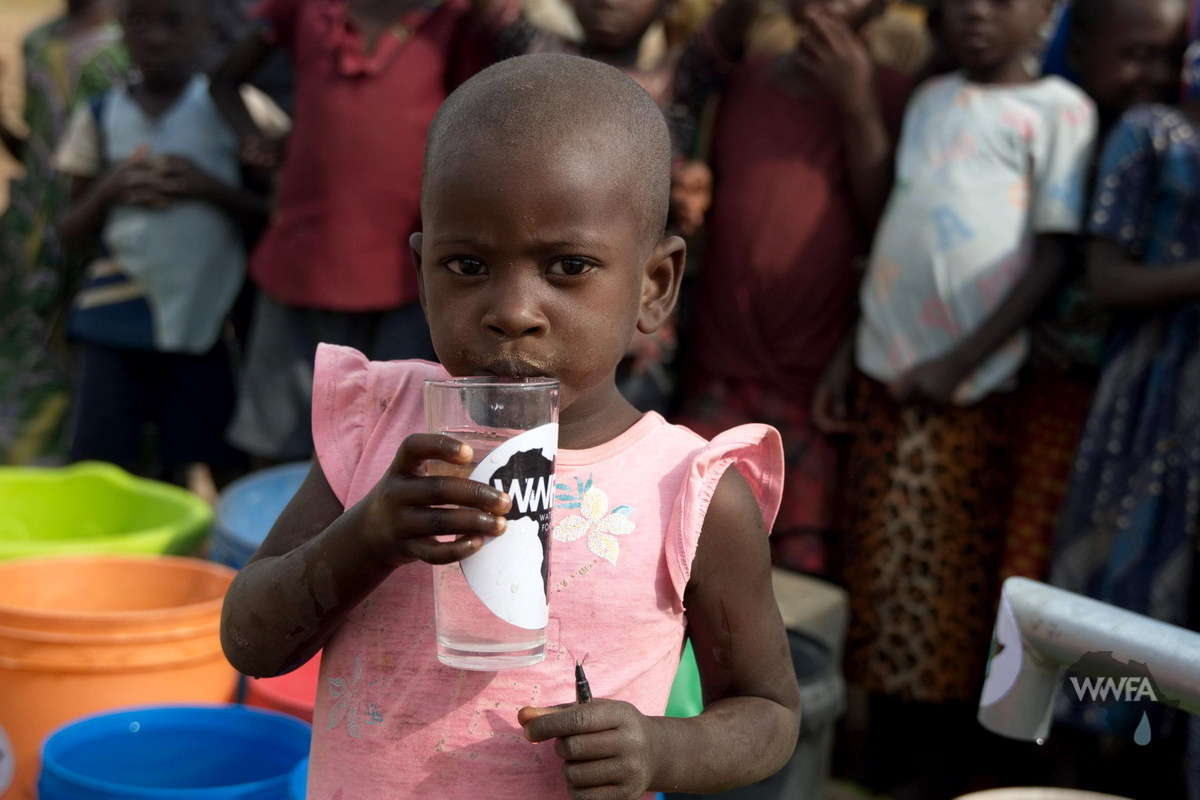
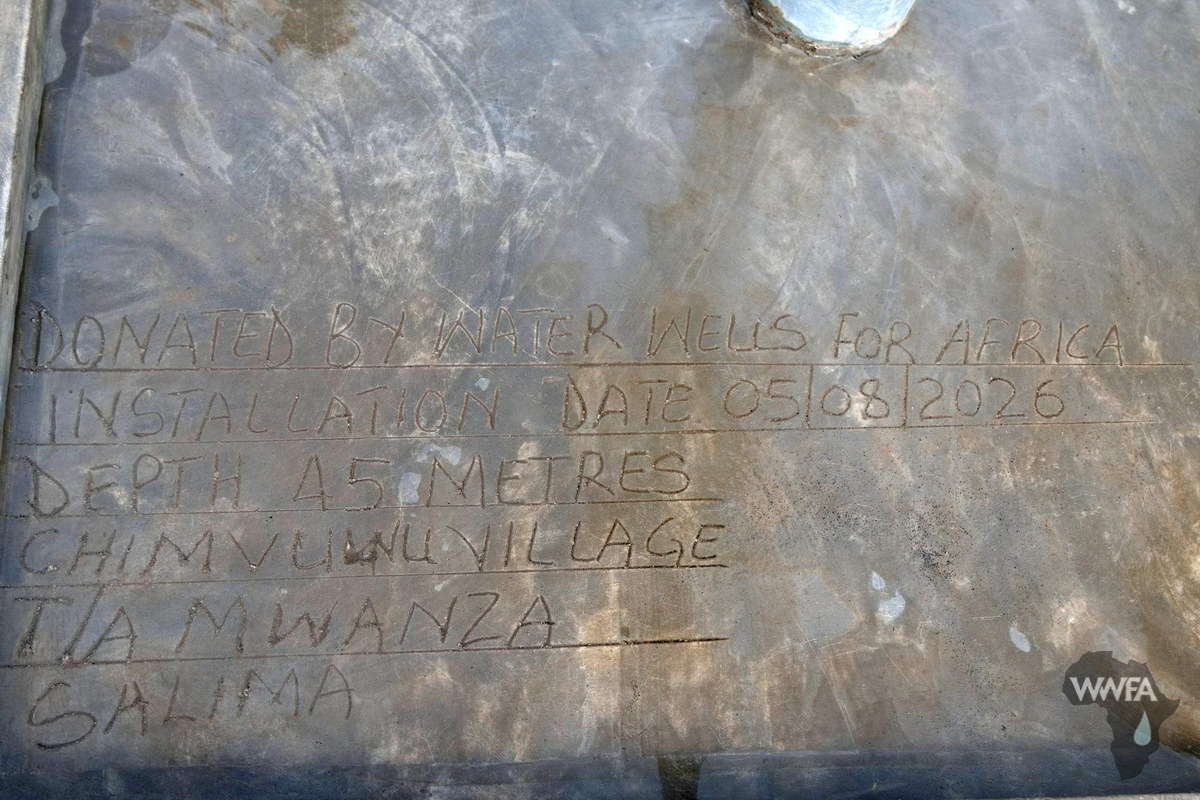
The new 45-metre well is the first water well the community has ever had. With clean water closer to home, families report having more time to rest, sleep, and manage their homes. Community members also describe greater peace within their families as the daily burden of collecting water eases.
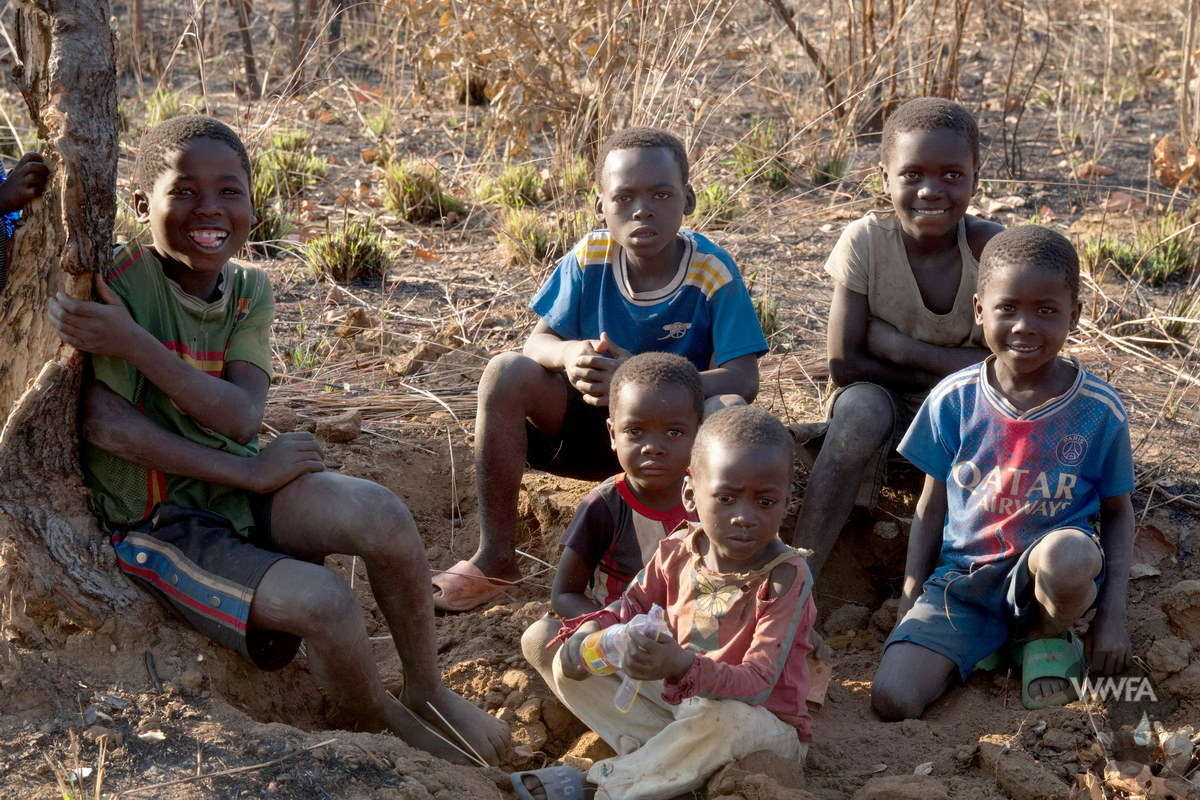
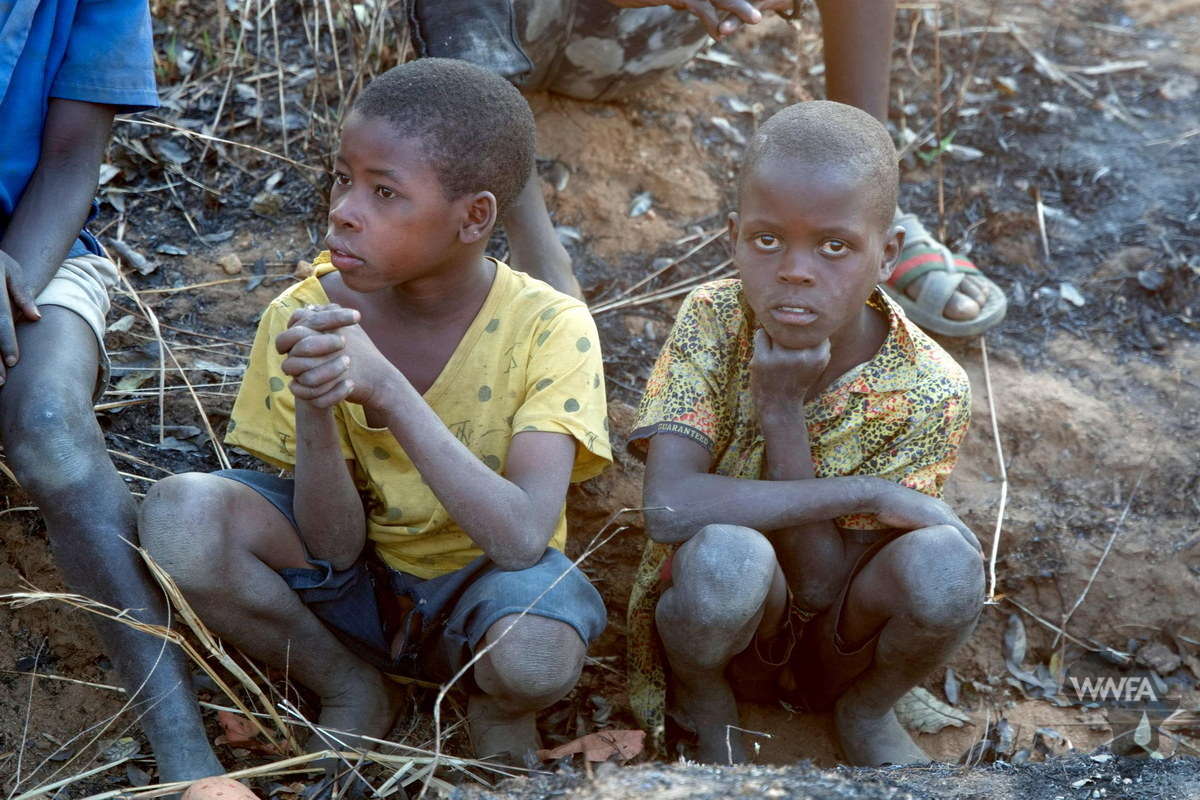
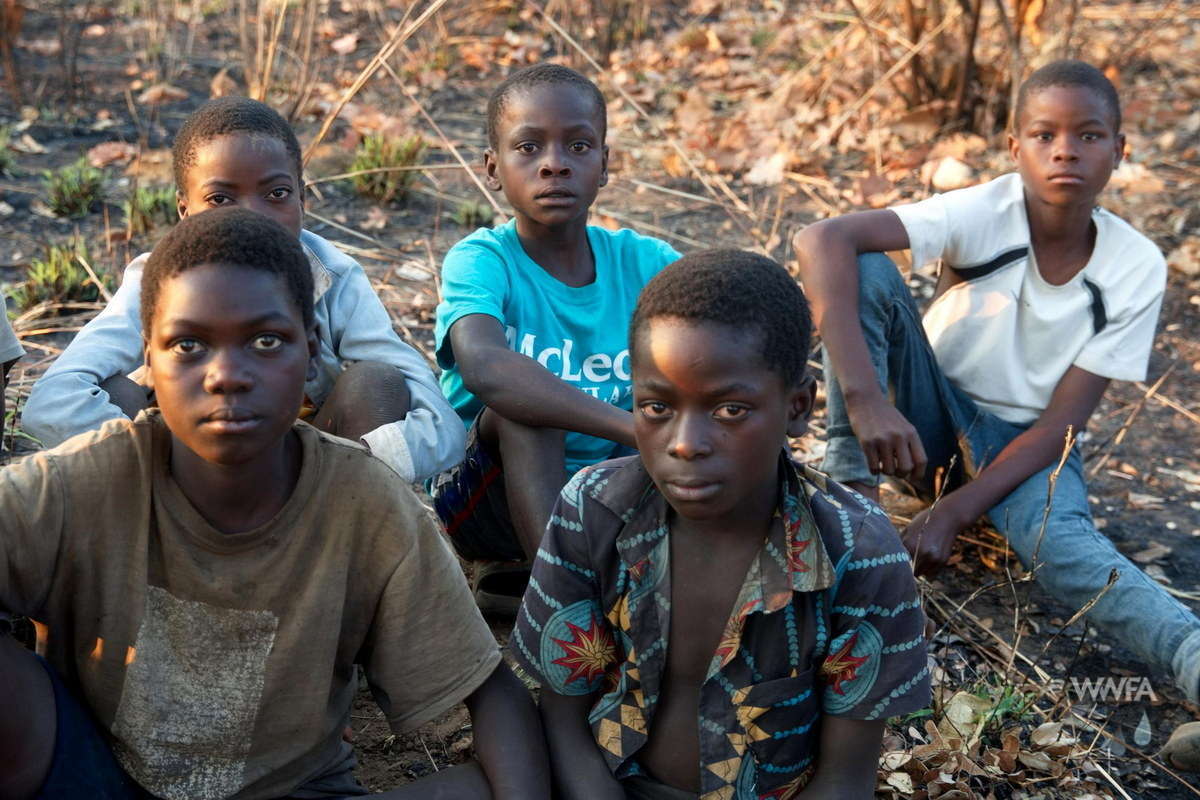
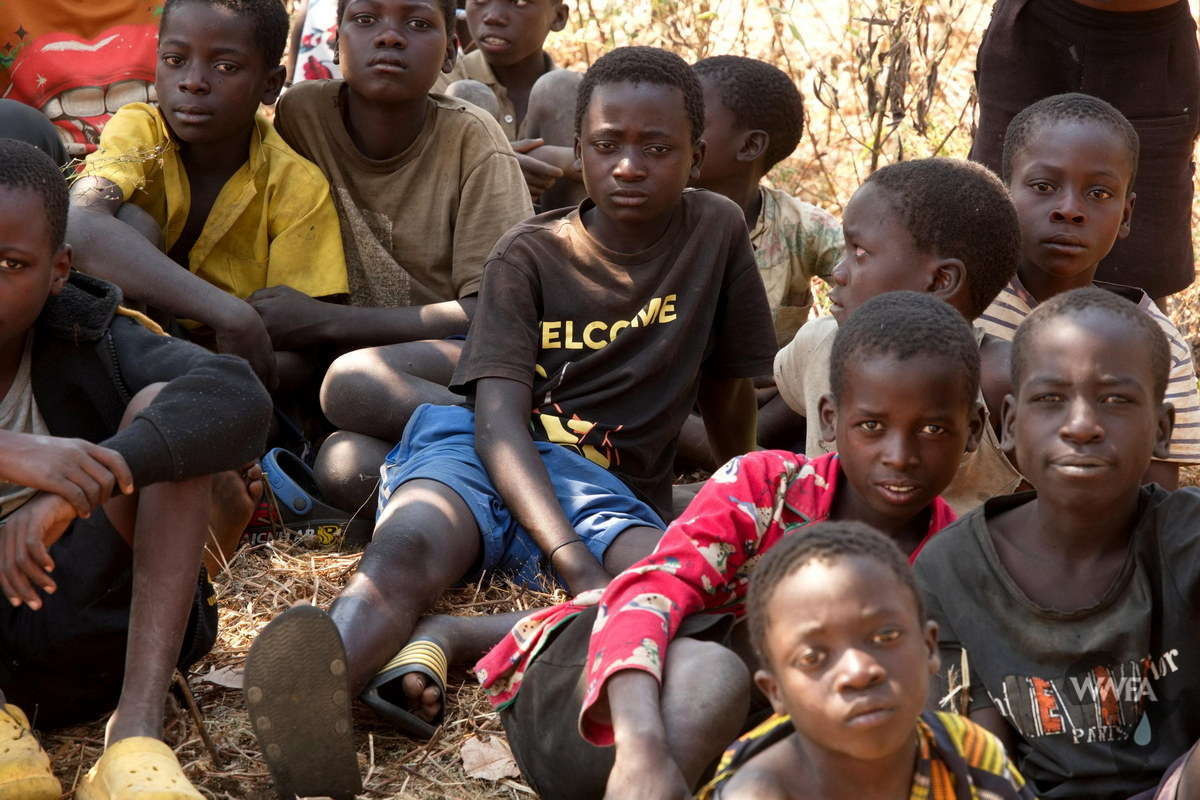
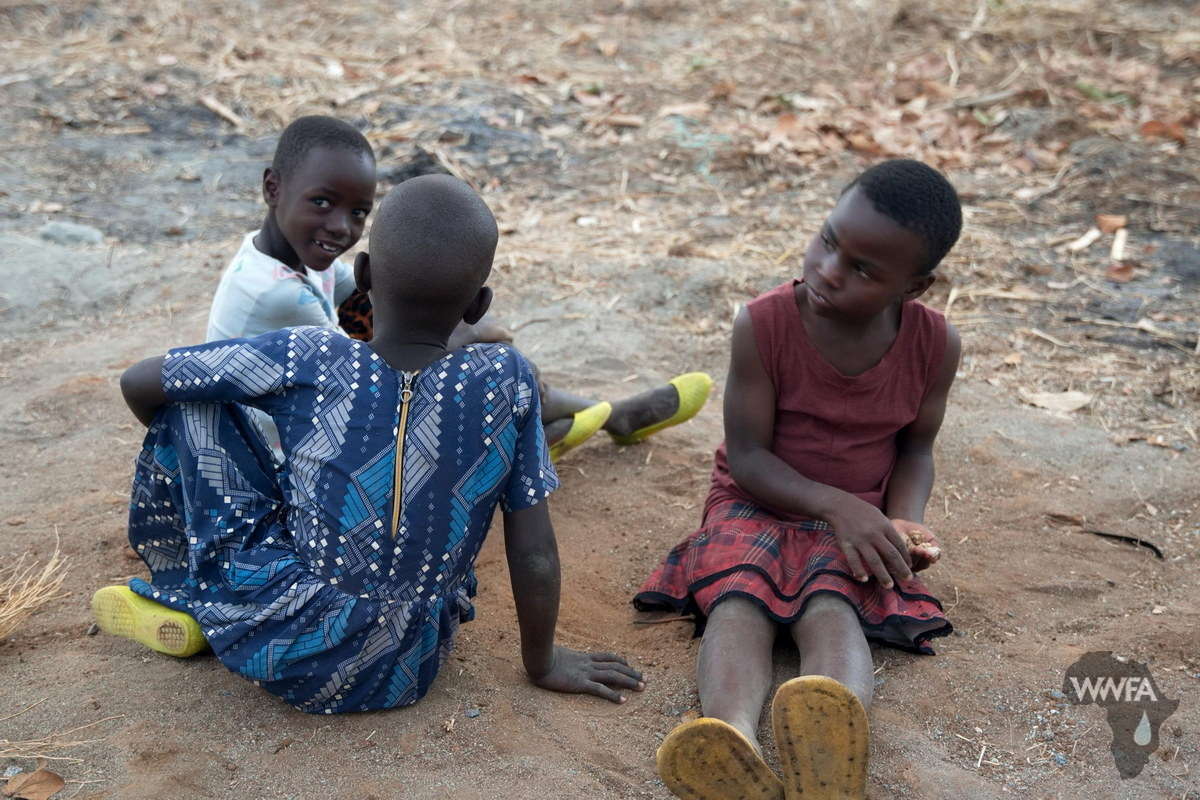
Children are benefiting from the change in routine. Before the well, reported attendance at Michulu Primary School was 70% for girls and just 20% for boys. Easier access to water gives families a better opportunity to prepare children for school and helps students arrive clean and on time.
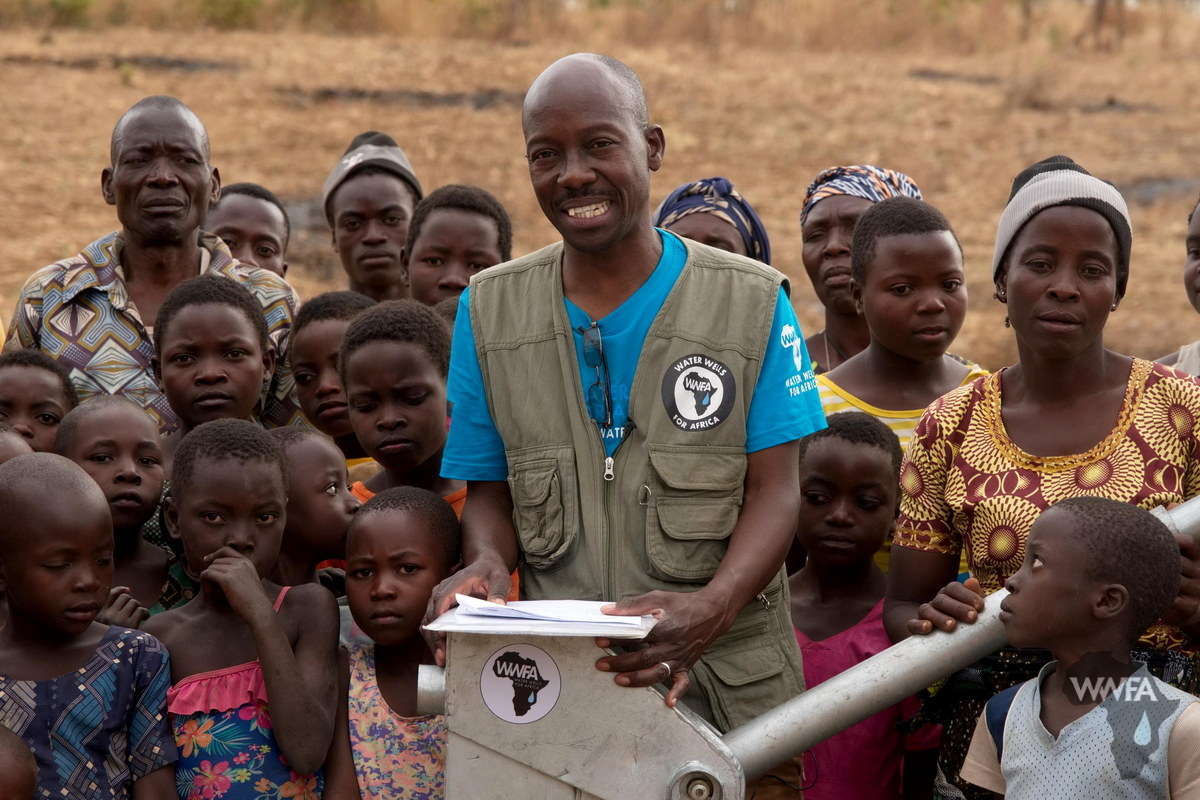
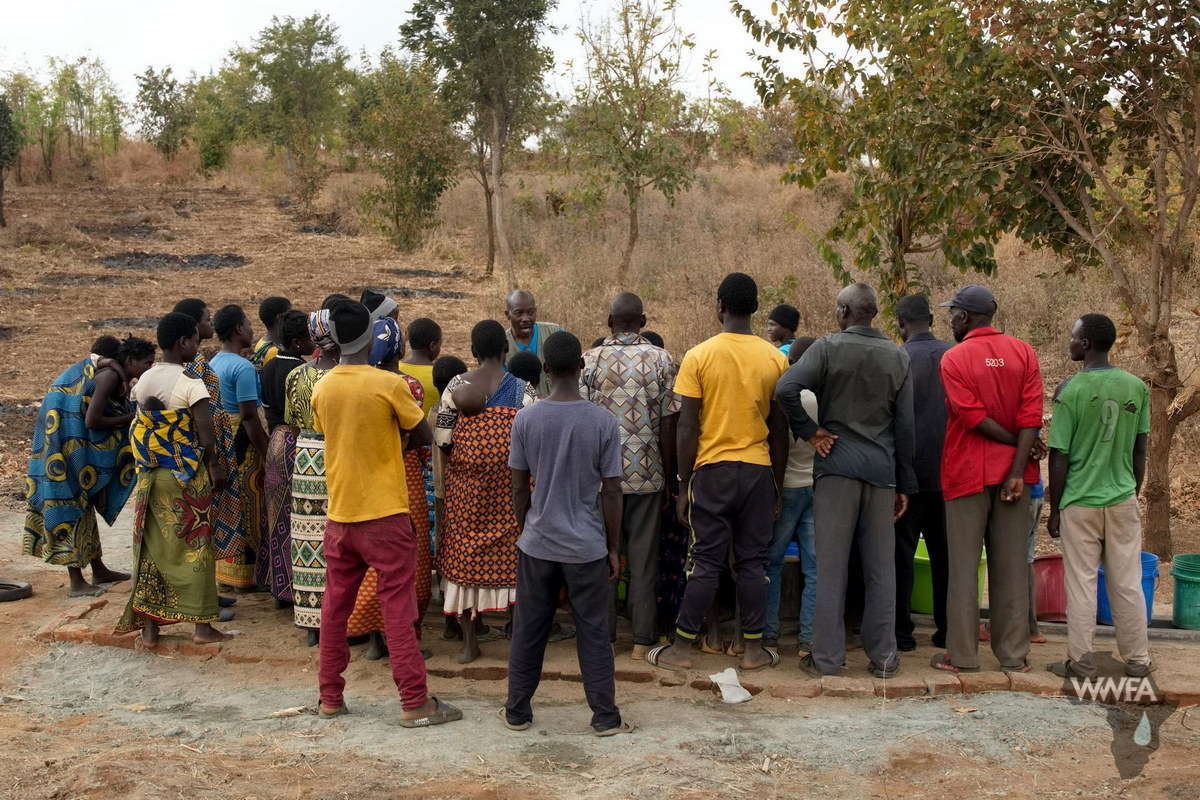
Residents are looking ahead to other ways to improve their livelihoods, including starting small businesses to generate income and help provide food for their children. The water committee, made up of four men and six women, will help manage the well for the long term. For some of the women, serving on the committee is their first leadership experience. Although training has not yet taken place, they are ready to take part in caring for this new resource for Chimvuwu and its neighbouring village.