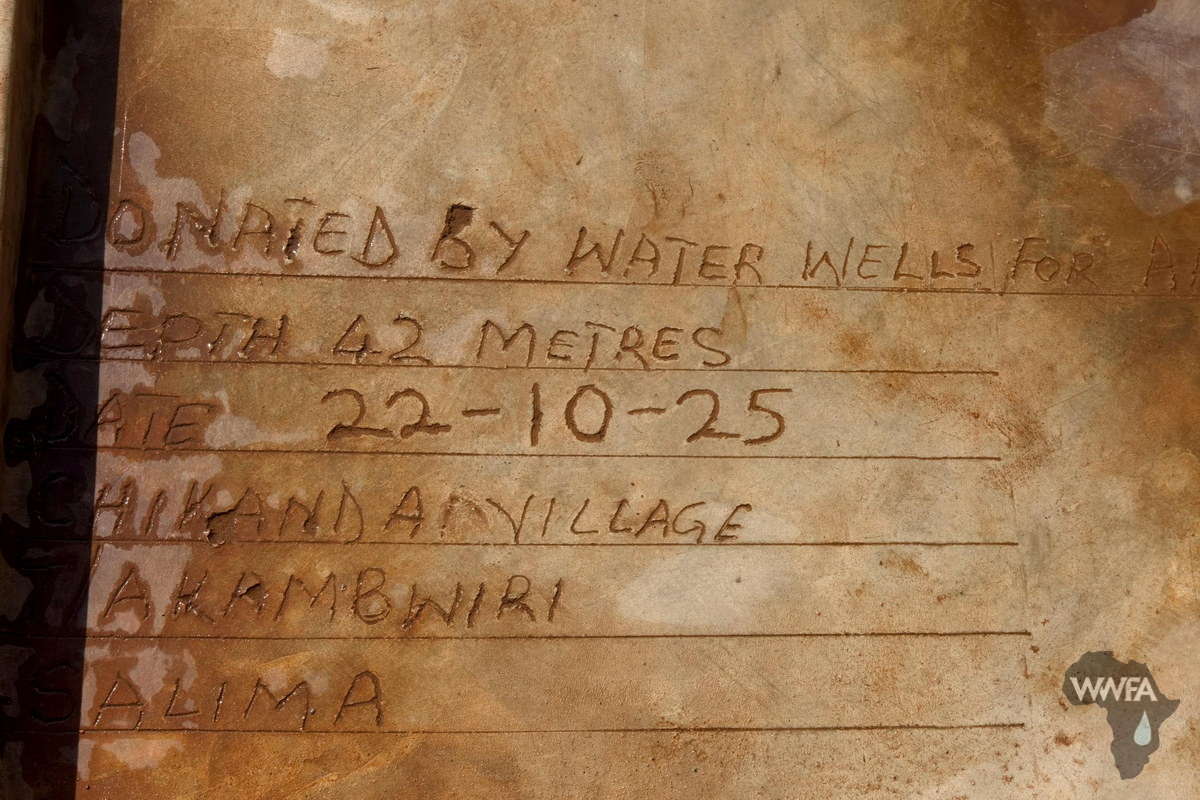
Families: 120 across 3 villages
Water Committee: 5 men and 5 women
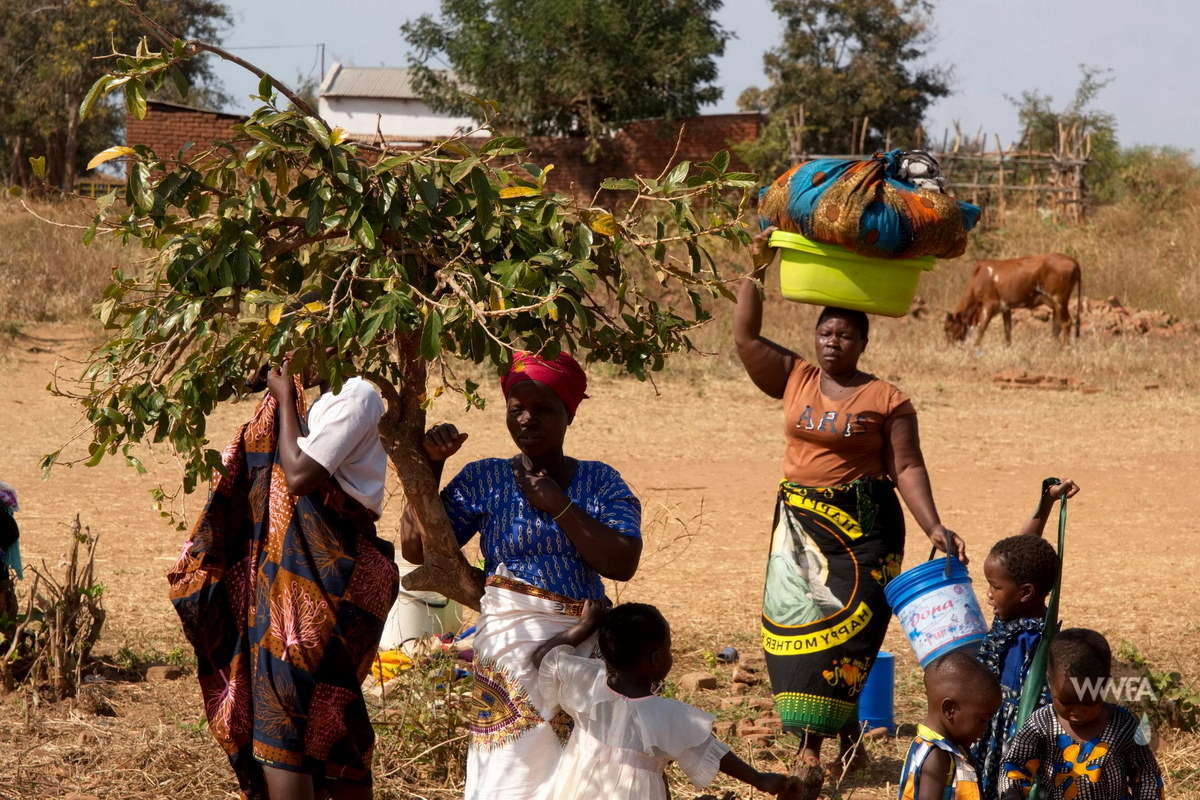
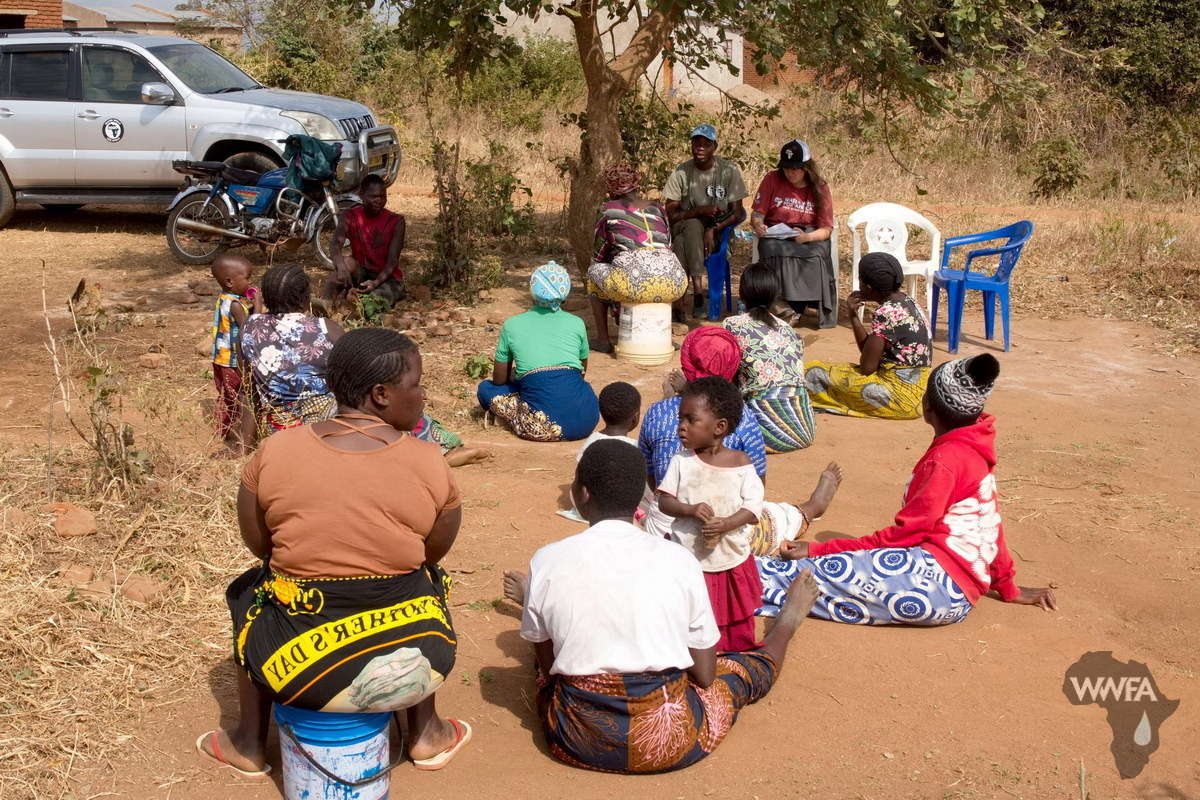
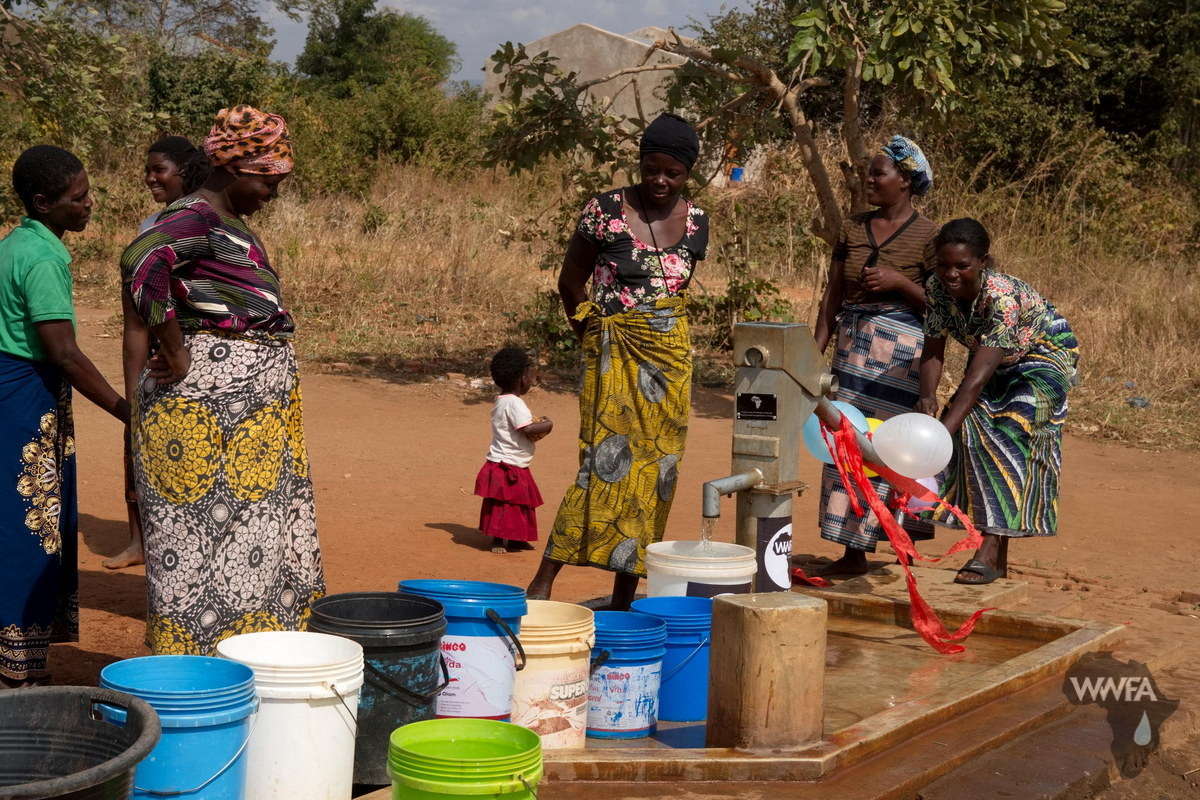
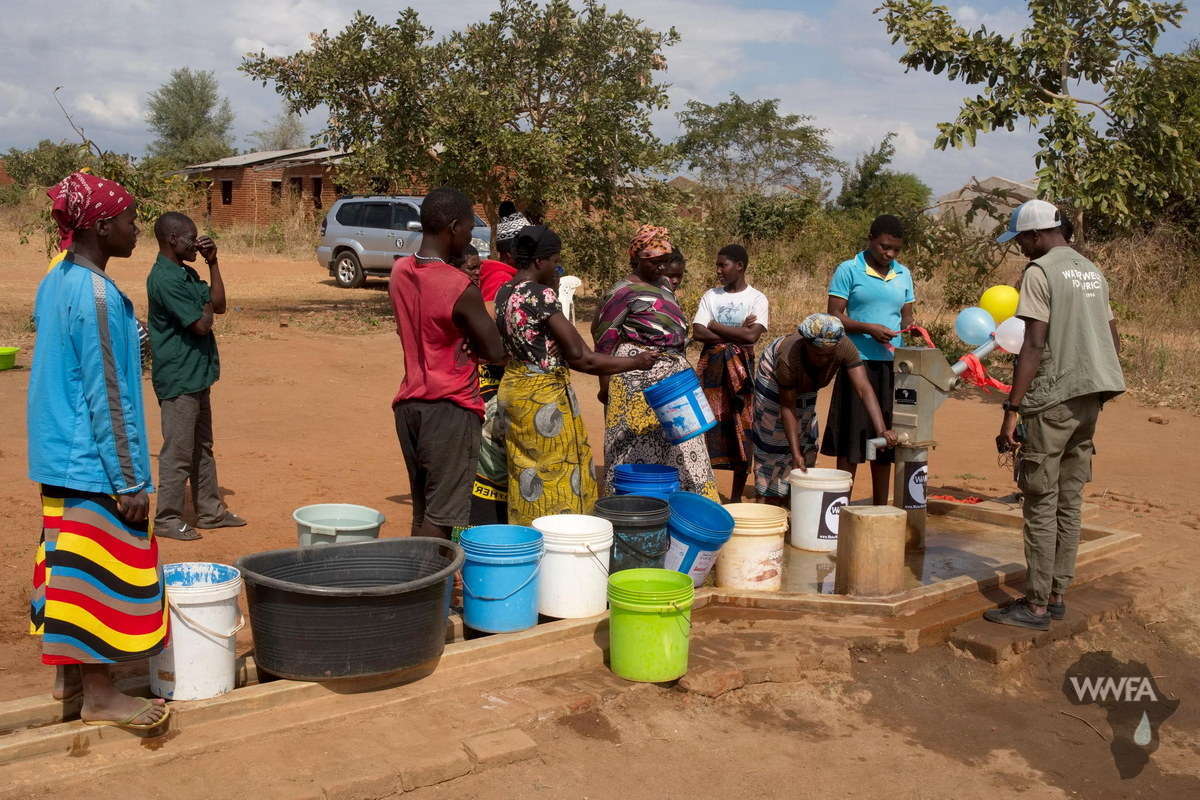
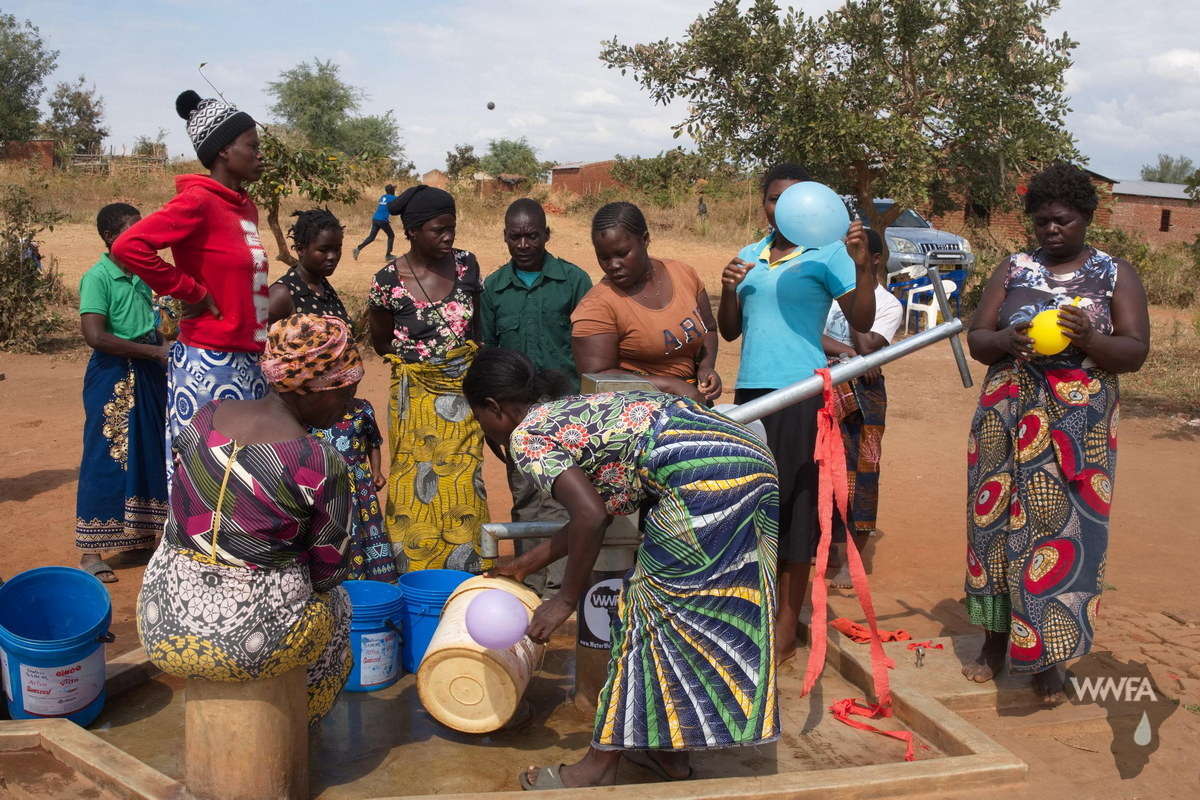
Families in Chikanda have lived here for generations, but until recently, they depended on a borehole at a secondary school for water. Because the borehole was primarily for students, the community was only allowed to collect water at 10 a.m. All 120 families would arrive at the same time, creating long lines that sometimes led to fights among women. Families often did not return home until noon or 1 p.m., with a maximum of three buckets of water for the day.
With so little water, families had to make difficult choices. They could bathe only once a day or simply wipe themselves down, and clothes could be washed only about once a week. Finding water for livestock also took significant time, and men sometimes suspected their wives of being unfaithful because they were away from home for so long.
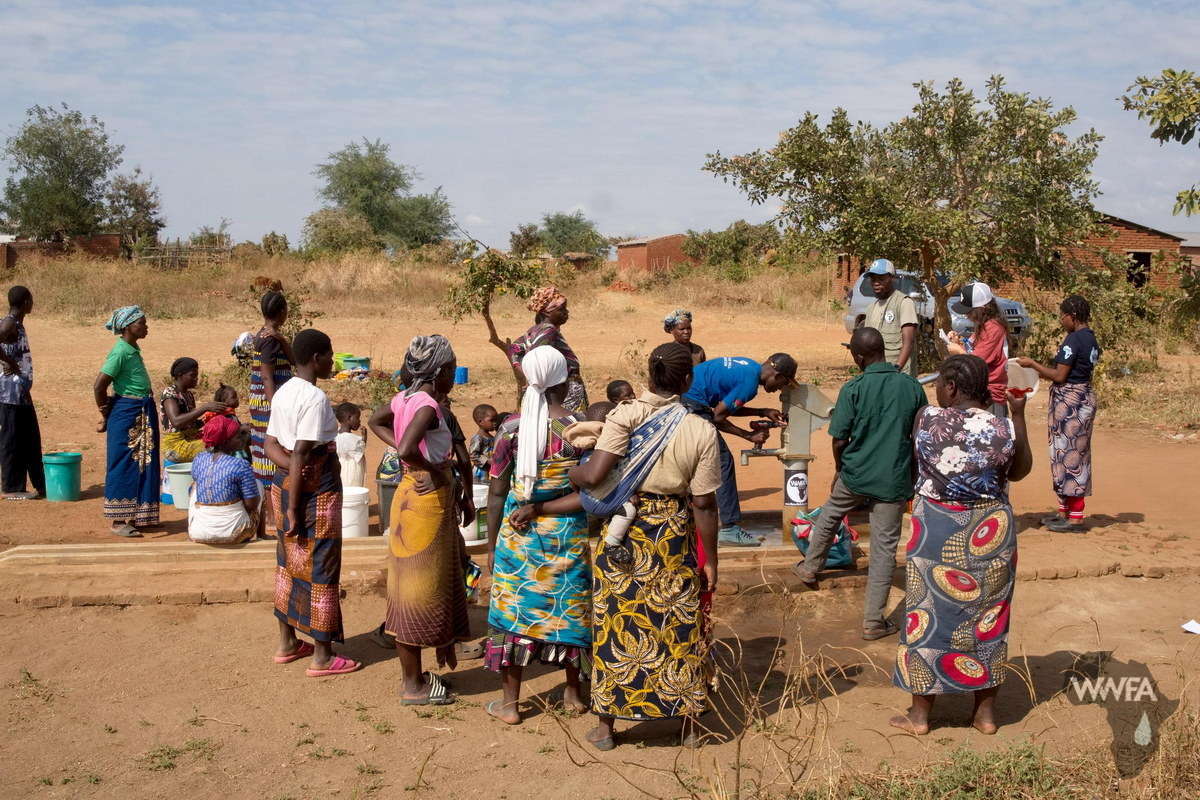
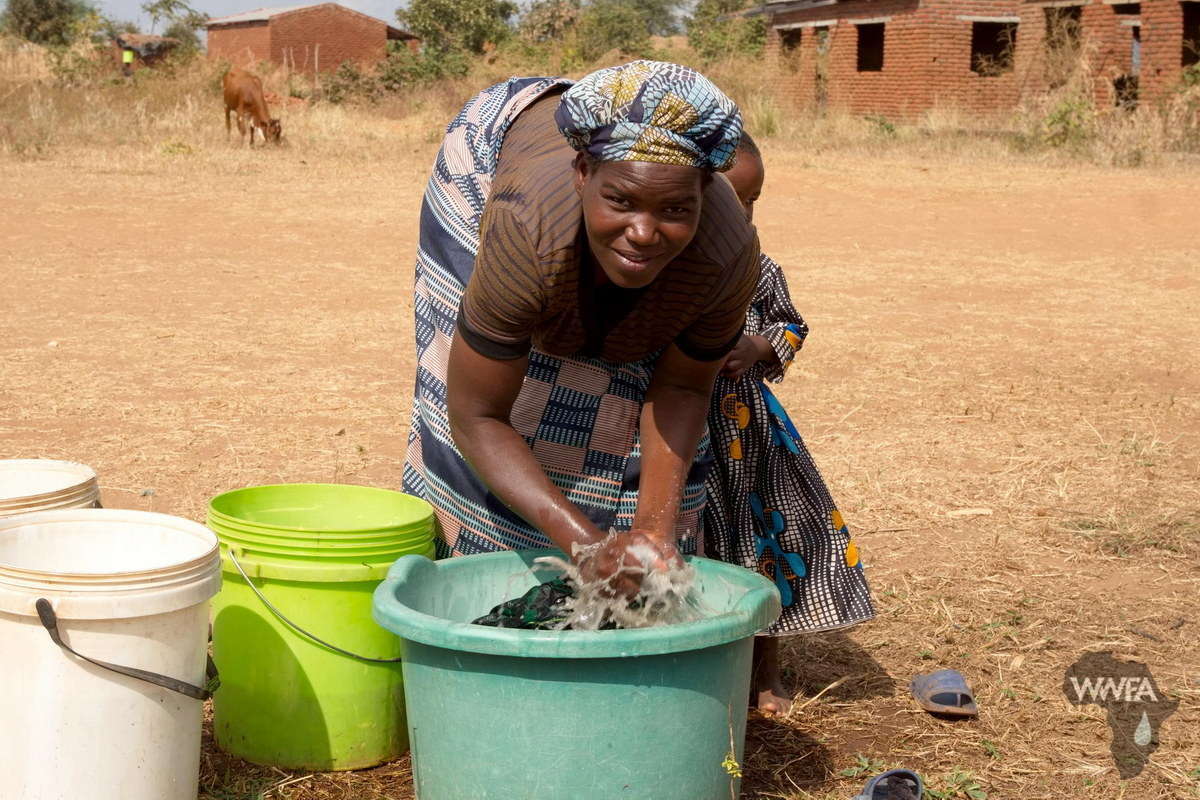
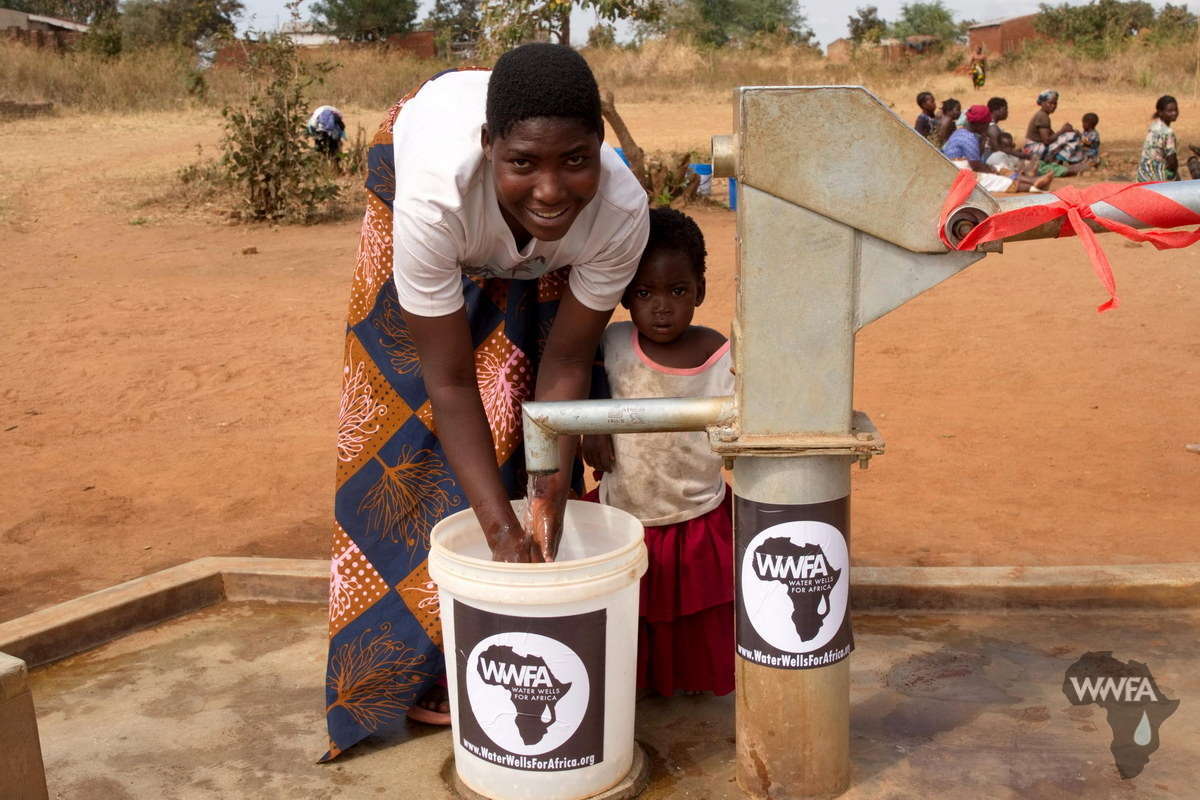
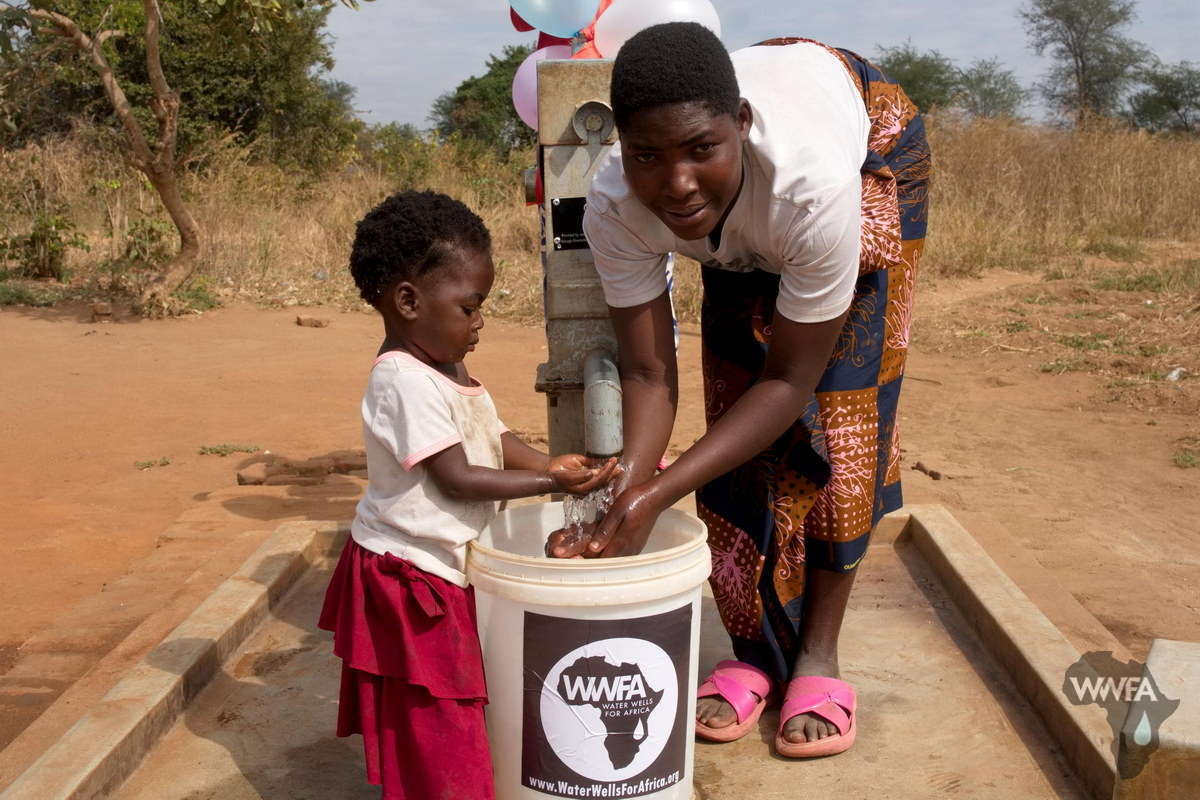
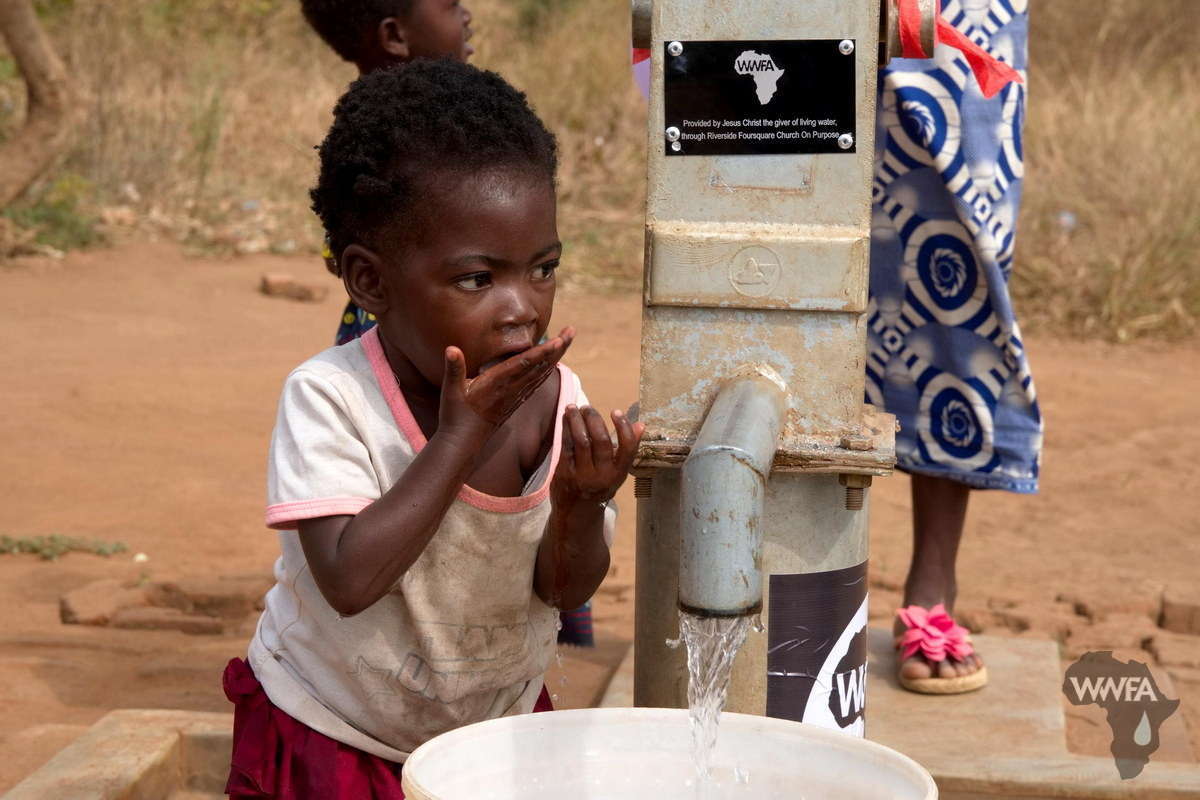
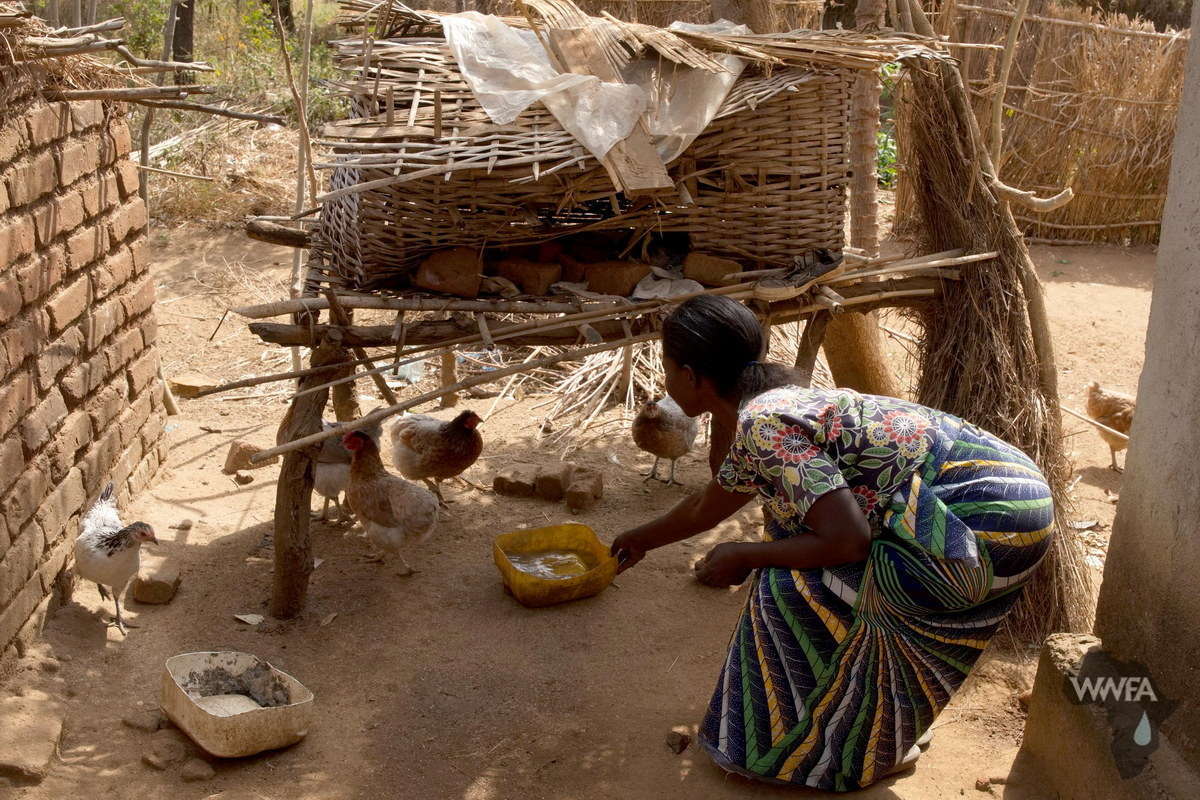
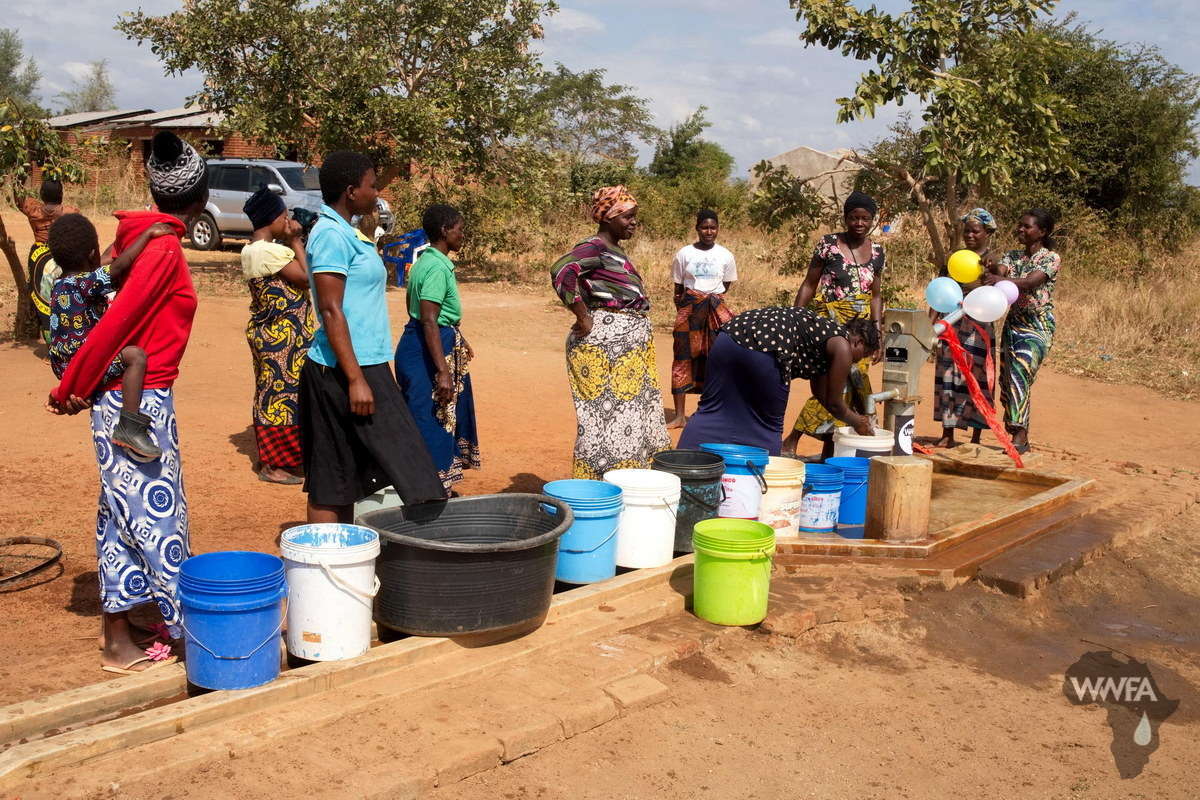
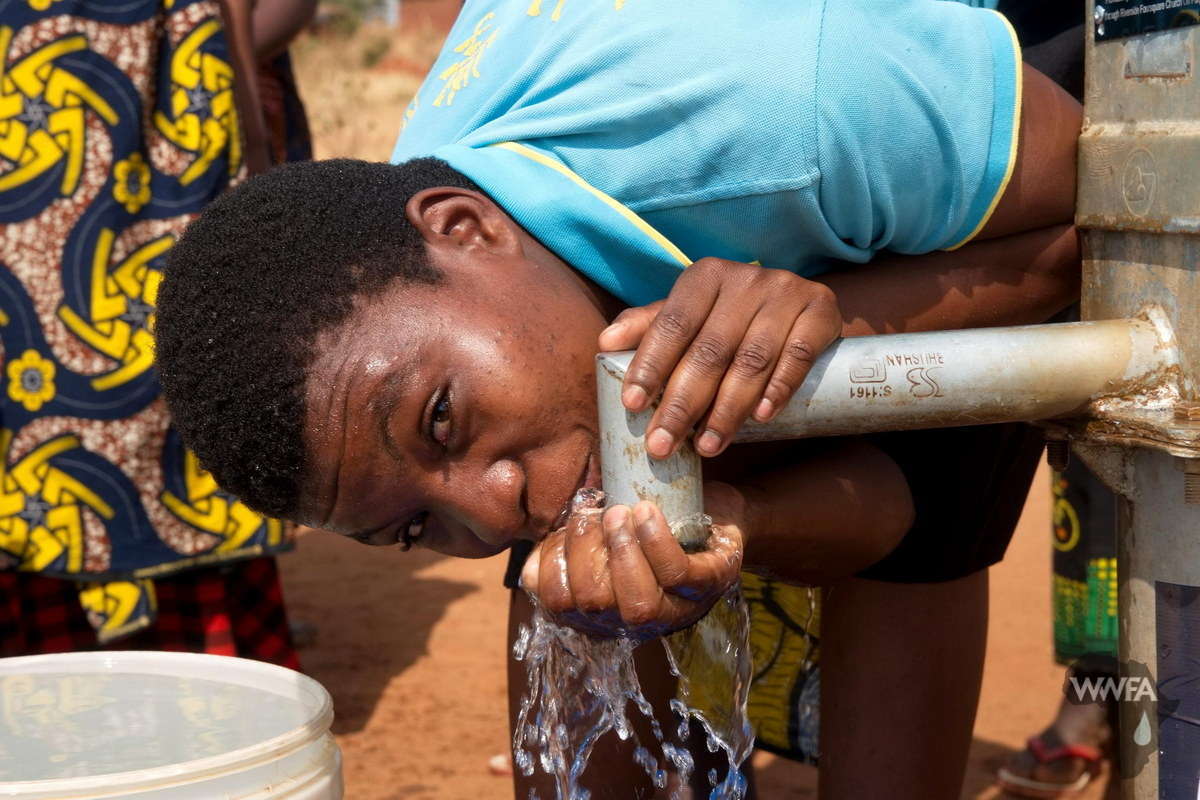
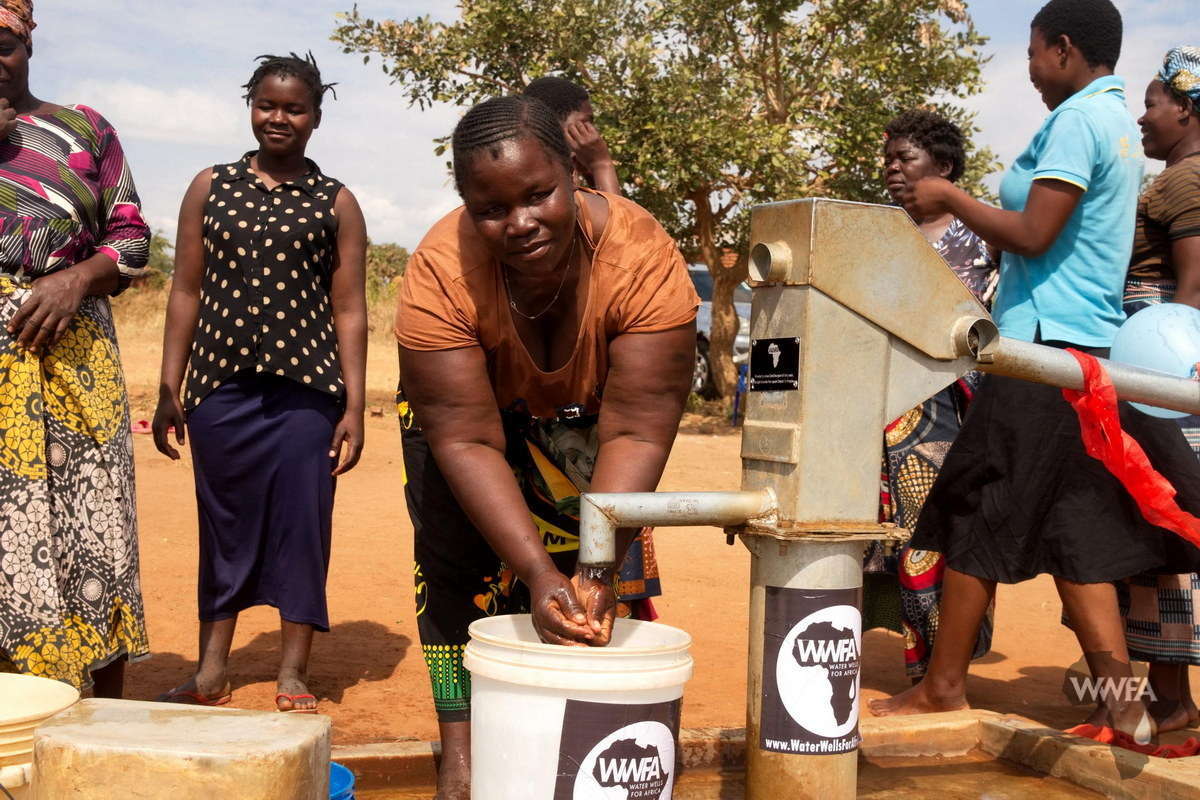
Now, water is close and families can collect about five buckets a day. They can bathe up to three times a day, wash clothes whenever they need to, and easily provide water for their livestock. Residents say their animals are healthier, and there are no longer fights at the water point.
The extra water has also opened new opportunities at home. Families are growing mustard and pumpkin leaves in gardens, some are selling samosas, and residents are molding 20,000 bricks to build a house. With less time spent fetching water, families no longer have to miss breakfast and can eat all three meals each day.
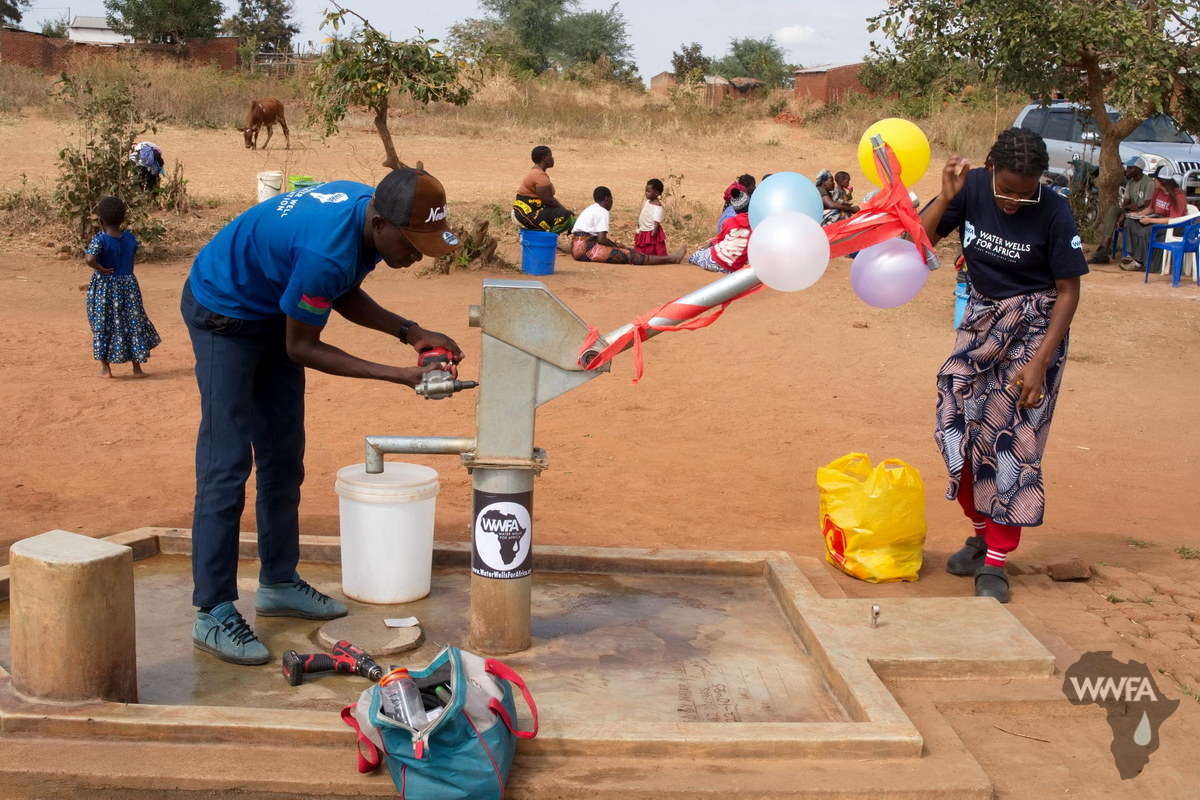
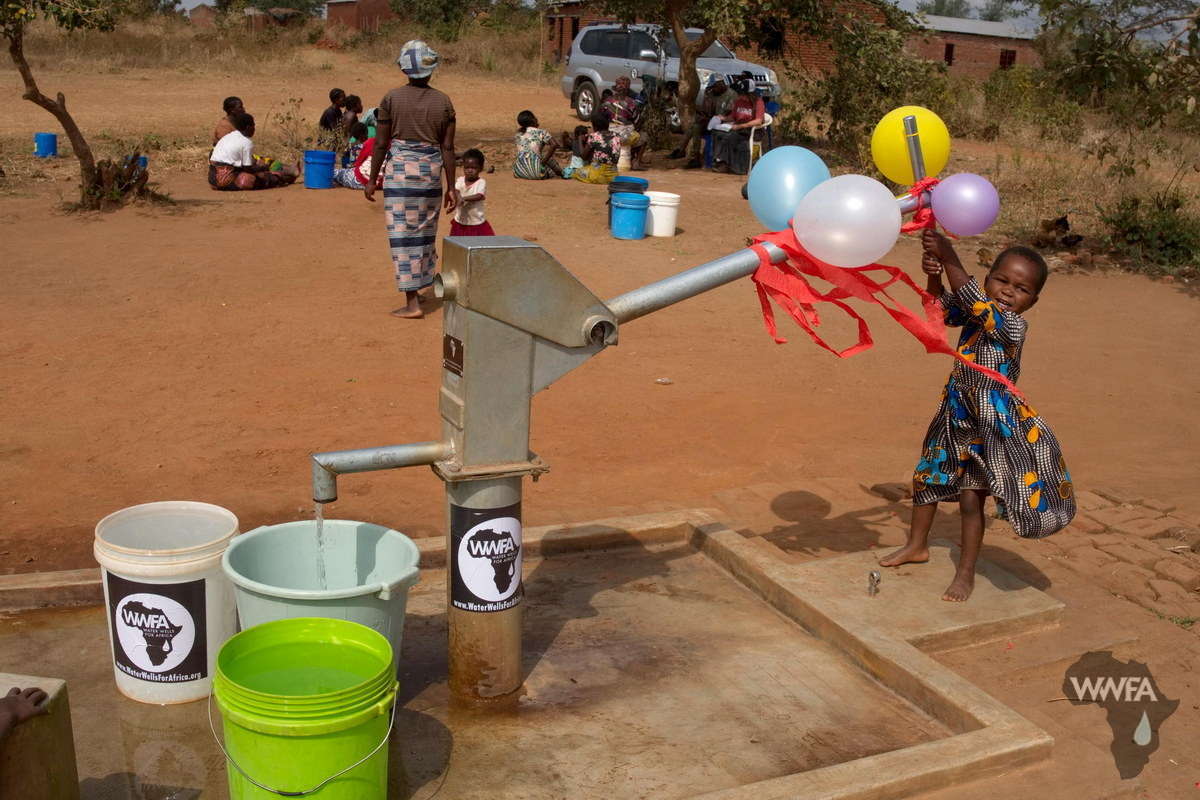
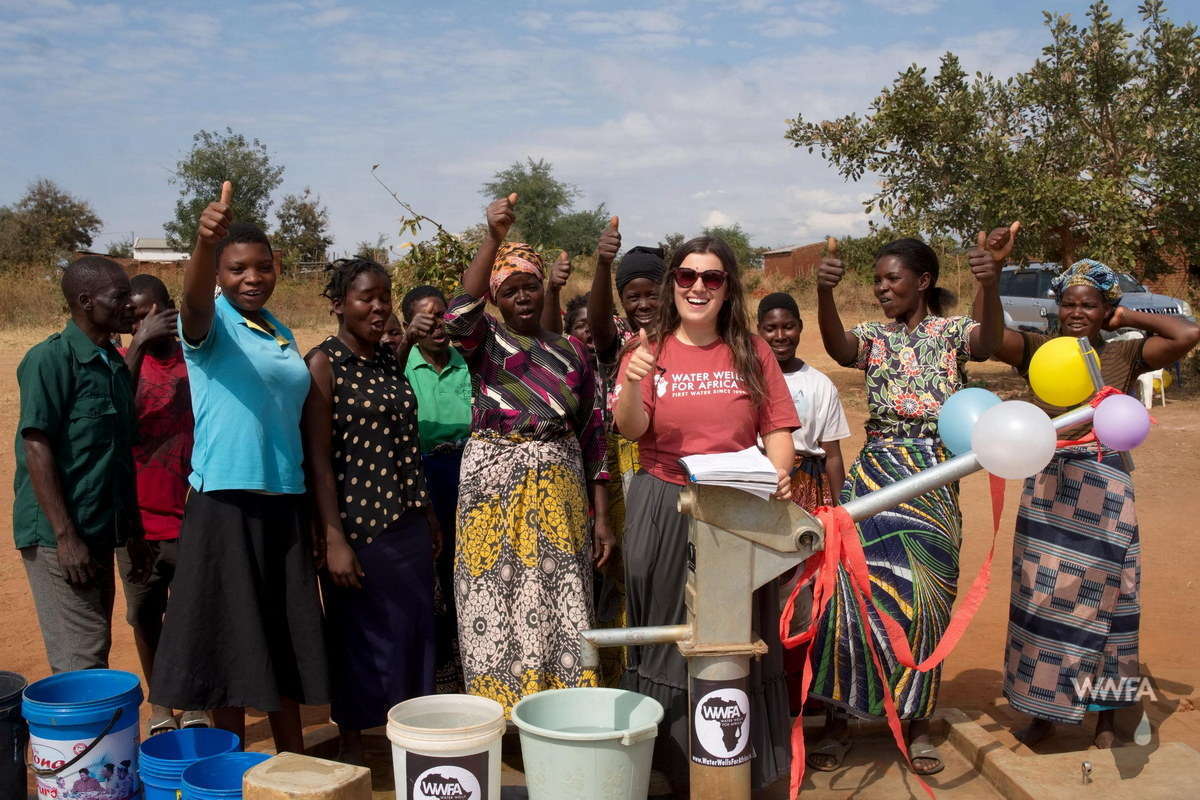
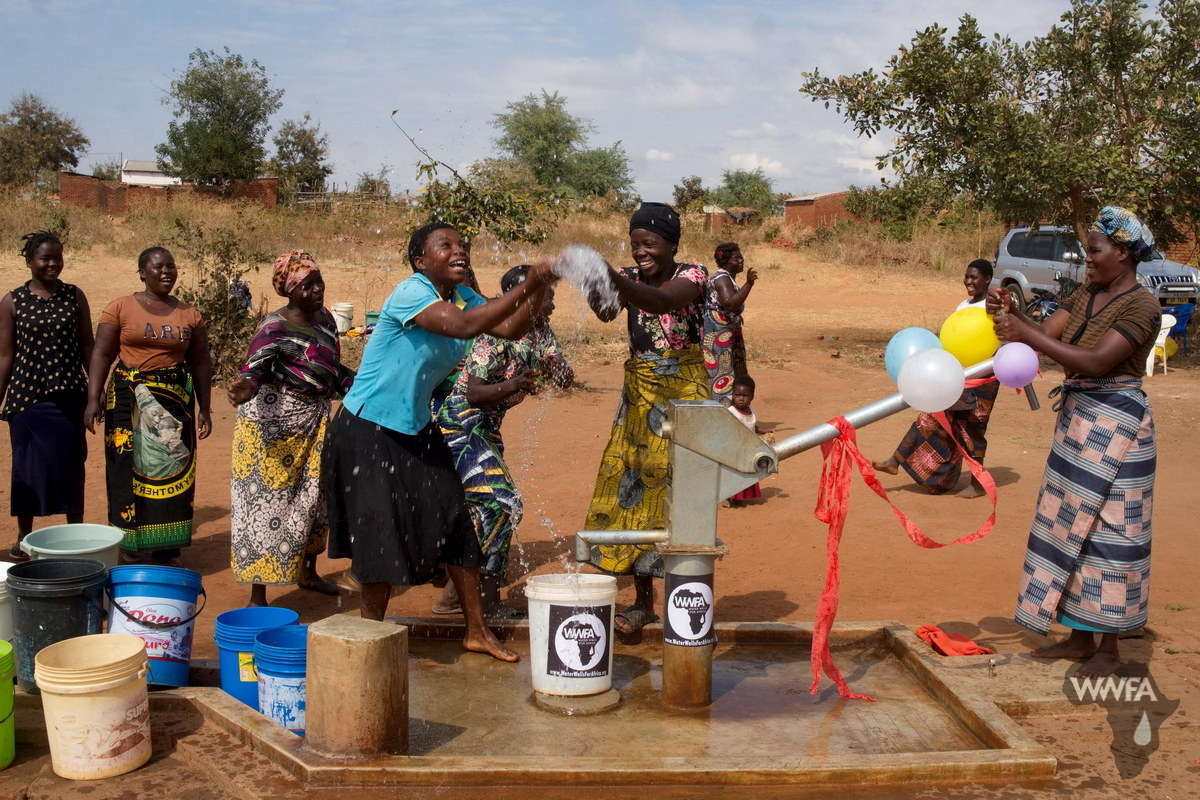
The arrival of the well was an emotional moment for the community. Residents said they had prayed and dreamed of water for many years. When the drillers arrived, the community gave them meat and escorted them into the village in celebration. “It was like a dream,” one resident said. “God never forsakes His children.”
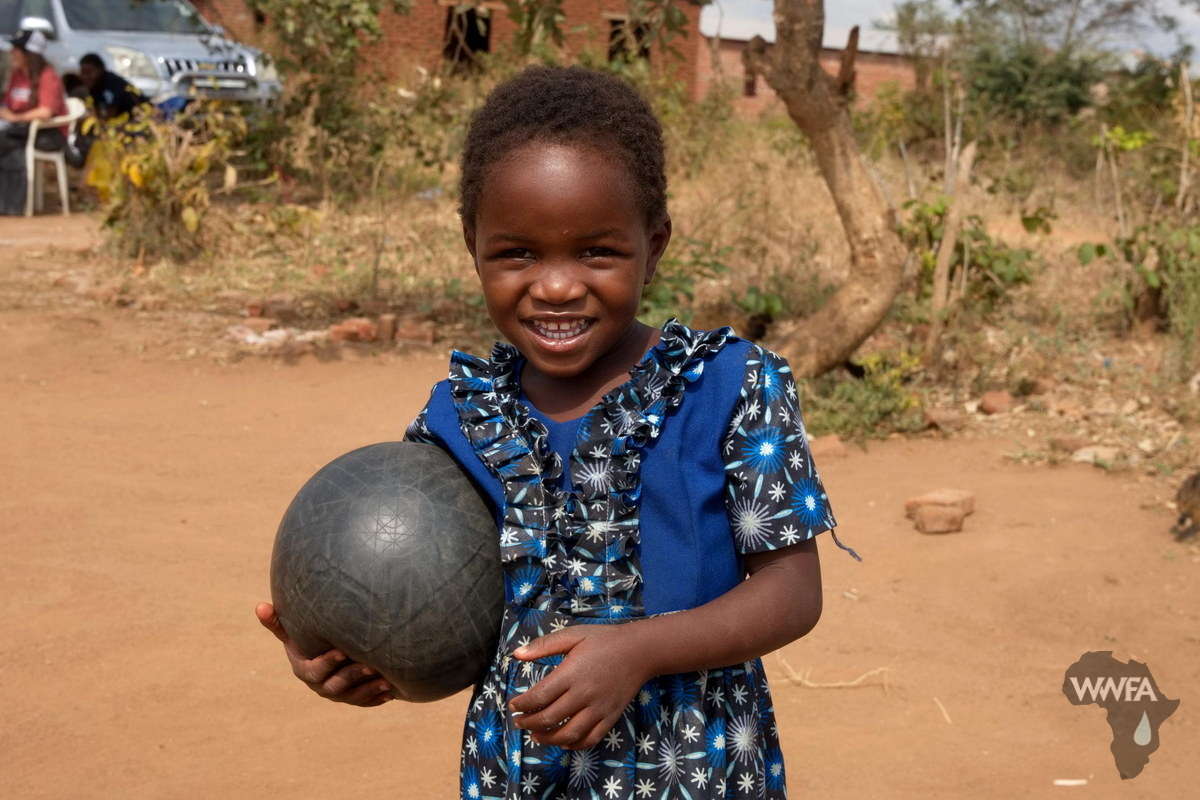
Children are benefiting, too. Before the well, only about 30% of children attended school, and many arrived late because their parents were away fetching water. Today, 100% of children are attending, and residents say their grades have improved. Children are now dreaming of becoming nurses, teachers, and accountants.
For Chikanda, access to water has brought more than convenience. It has given families the ability to plan for the future. As one resident put it, “Water is the main cause of life. Without water, life is hard.”