From identifying communities in need to returning years later to verify the well is still working, WWFA partners with African communities to provide clean water that lasts.
1. identify
We work with rural, hard-to-reach communities where the need for clean water is greatest. Our local team identifies villages and schools without access to a water well and conducts a careful assessment to determine where a well is needed most.
2. drill & install
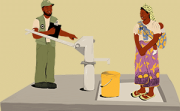
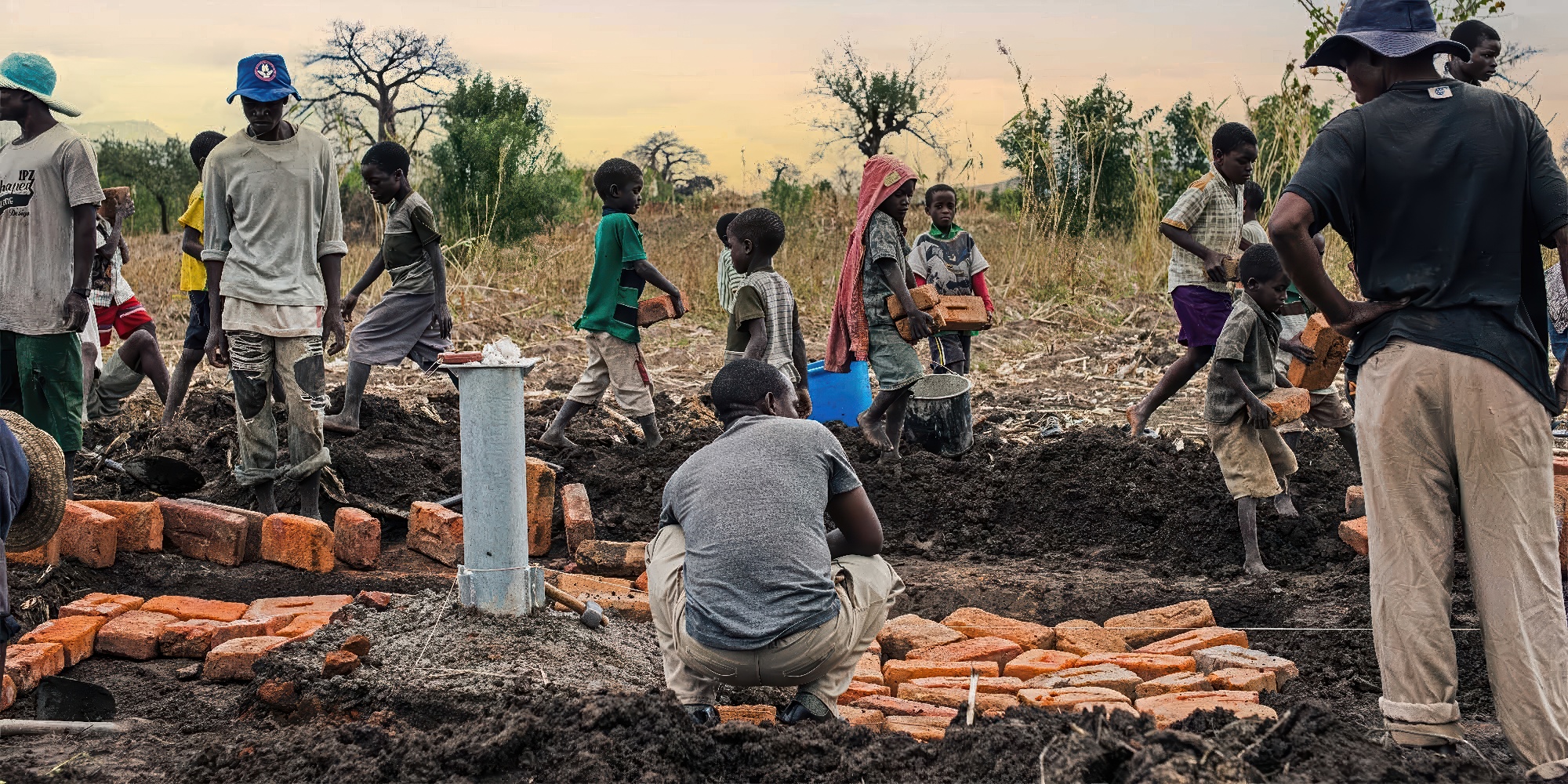
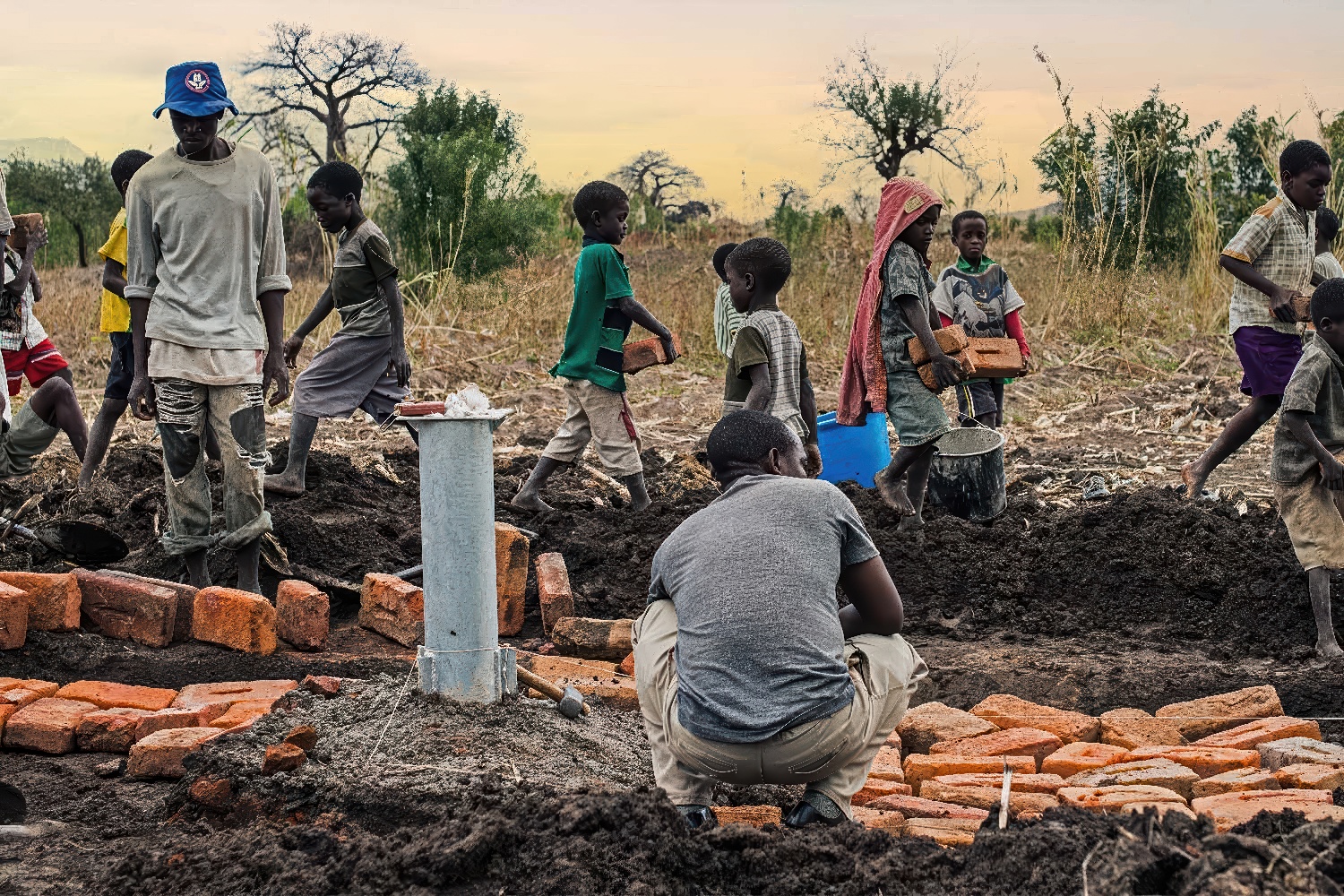
Our expert drilling team identifies the best location and drills deep below the water table. The well is tested for water quality and output before the final concrete foundation and durable hand pump installation are completed. The equipment WWFA uses has been proven to last more than 30 years.
3. train
Each community selects a 10-member Water Committee, with women making up at least half of the committee, to take responsibility for the well. Committee members receive training in pump maintenance, community responsibilities, hygiene and sanitation so they are empowered with the knowledge and tools to keep the well working.

4. return & verify
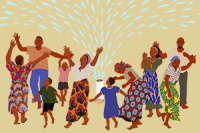
Our work doesn’t end when the pump begins flowing. WWFA returns to make sure the well is still working and to see how clean water is changing daily life—from better health and more family time to more children in school, greater food security and income, and stronger, more resilient communities.
Cost of a Well
$9,000 provides a lasting source of clean water to a village or school.
The average WWFA well costs $9,000 and serves a minimum of 500 people. That means $18 can provide one person with clean water for 30 years or more—including the well, pump, community training, and the support needed to help make it last.