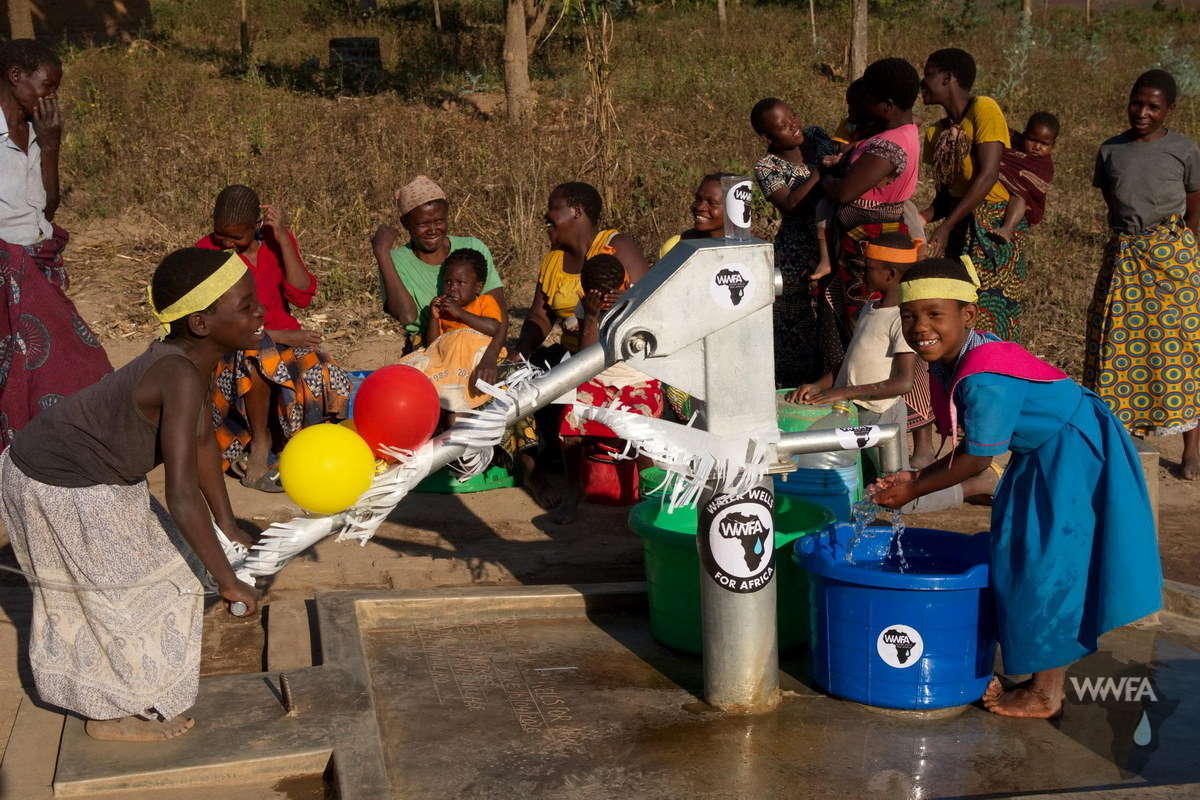
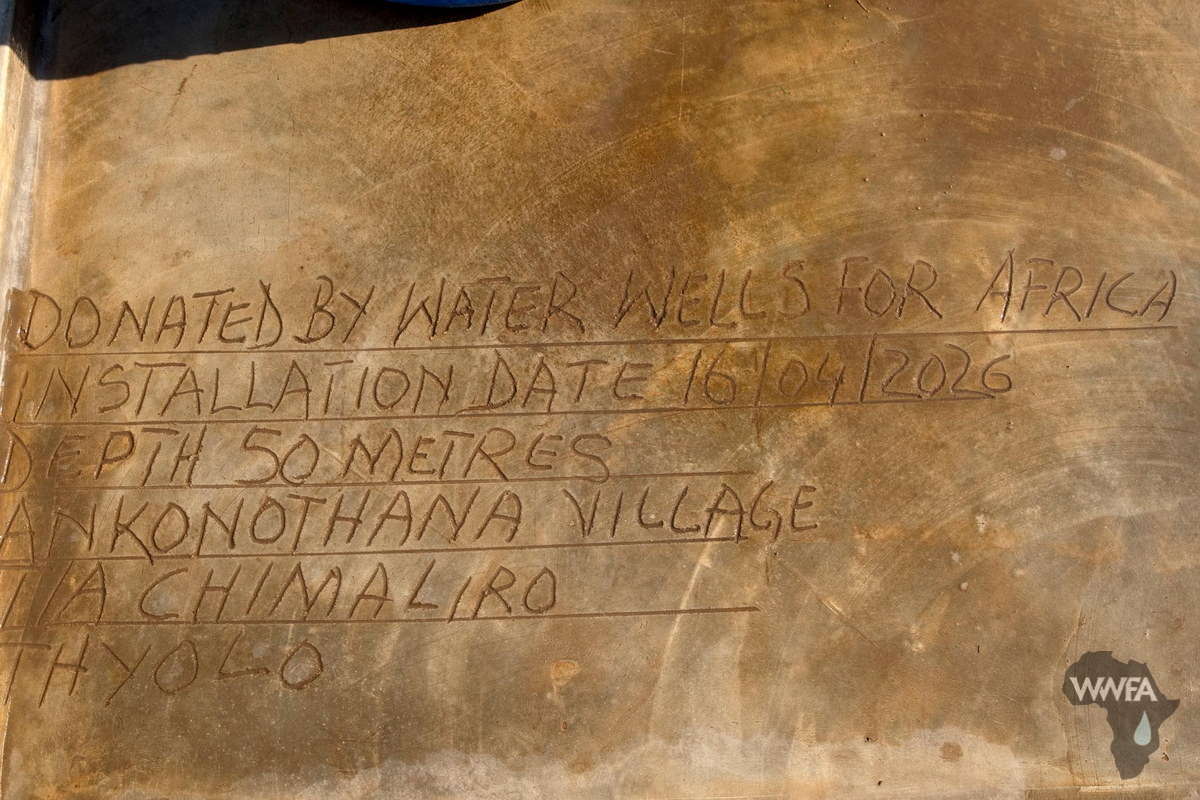
Families: 100
Water Committee: 4 men and 6 women
Before the new well, collecting water in Ankonothana meant adapting to the dangers of the Mpasa River in every season. During the dry months, women woke at 3 a.m. to dig pits beside the river in search of water. When the rains came, the river became dangerous enough that children were not allowed to fetch water there.
The water also took a toll on families’ health and finances. diarrhea and cholera were common during the rainy season, and reaching Chimaliro Health Center meant travelling about seven kilometers. Even after making the journey, families sometimes found that medicine was unavailable. They then had to find money for supplies at a pharmacy, sometimes taking on piece work to afford treatment.
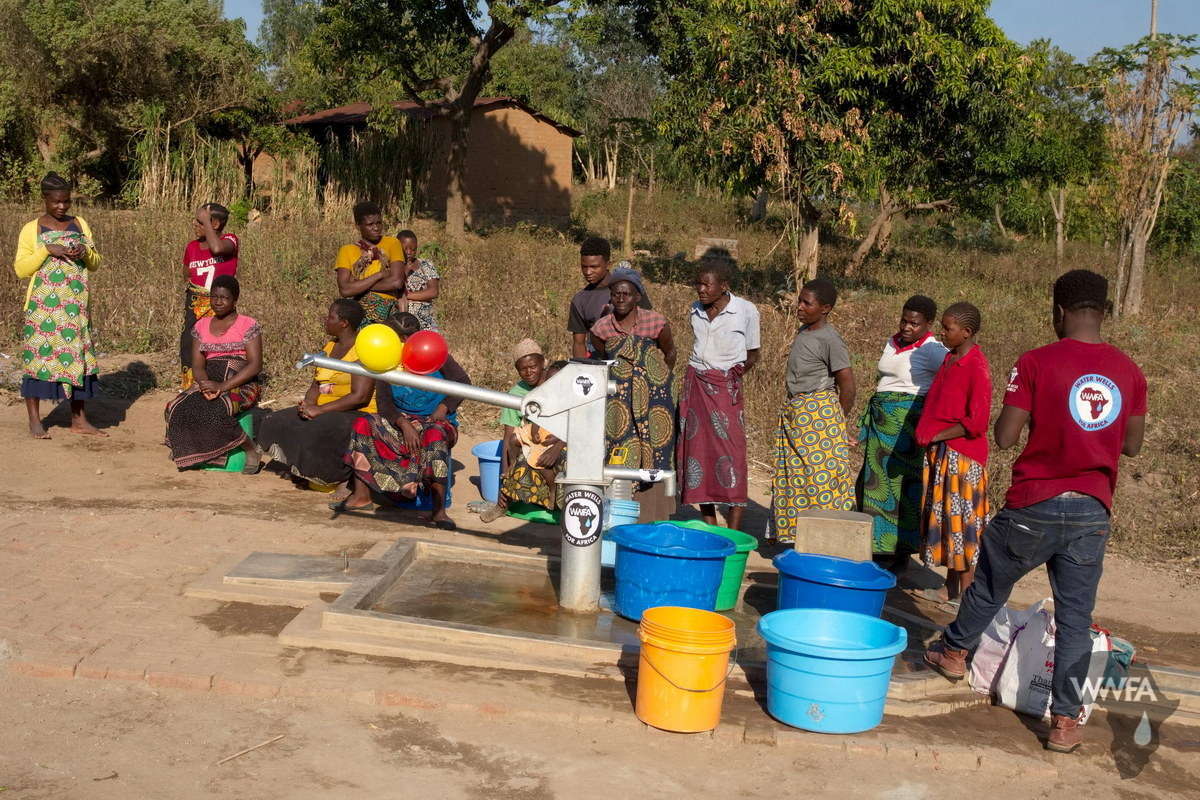
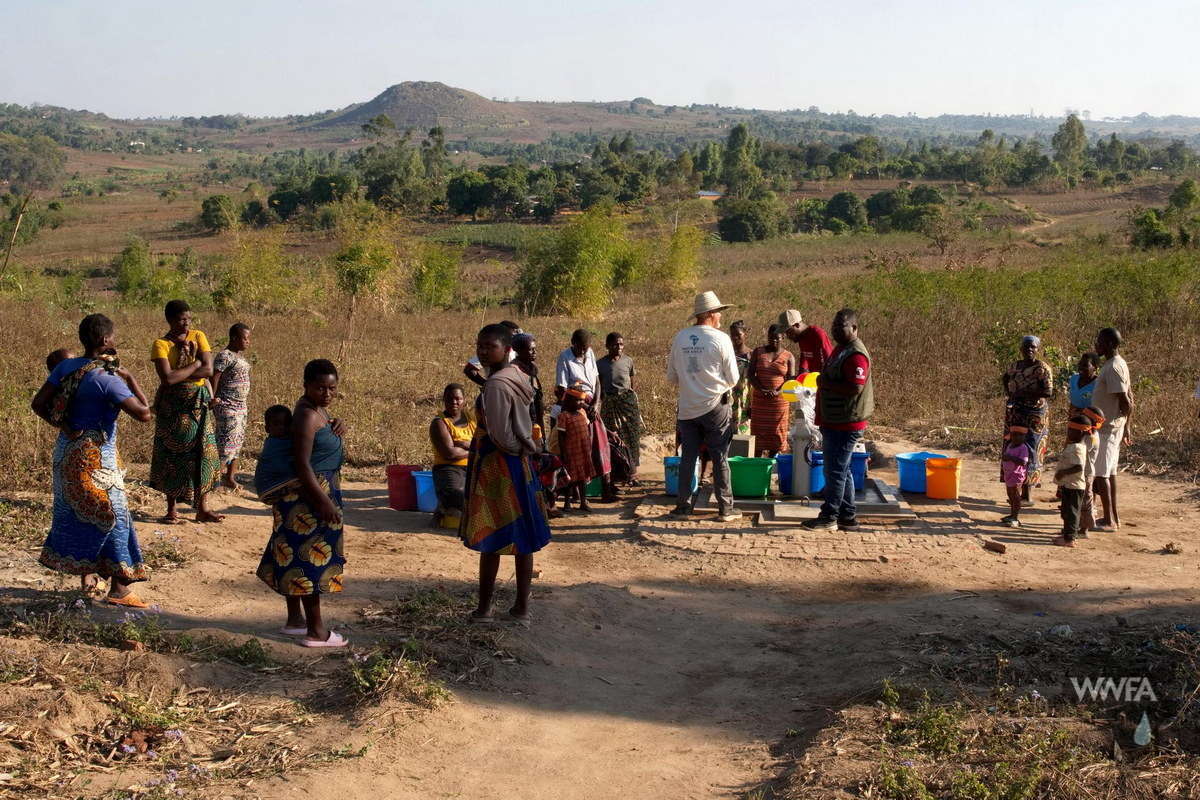
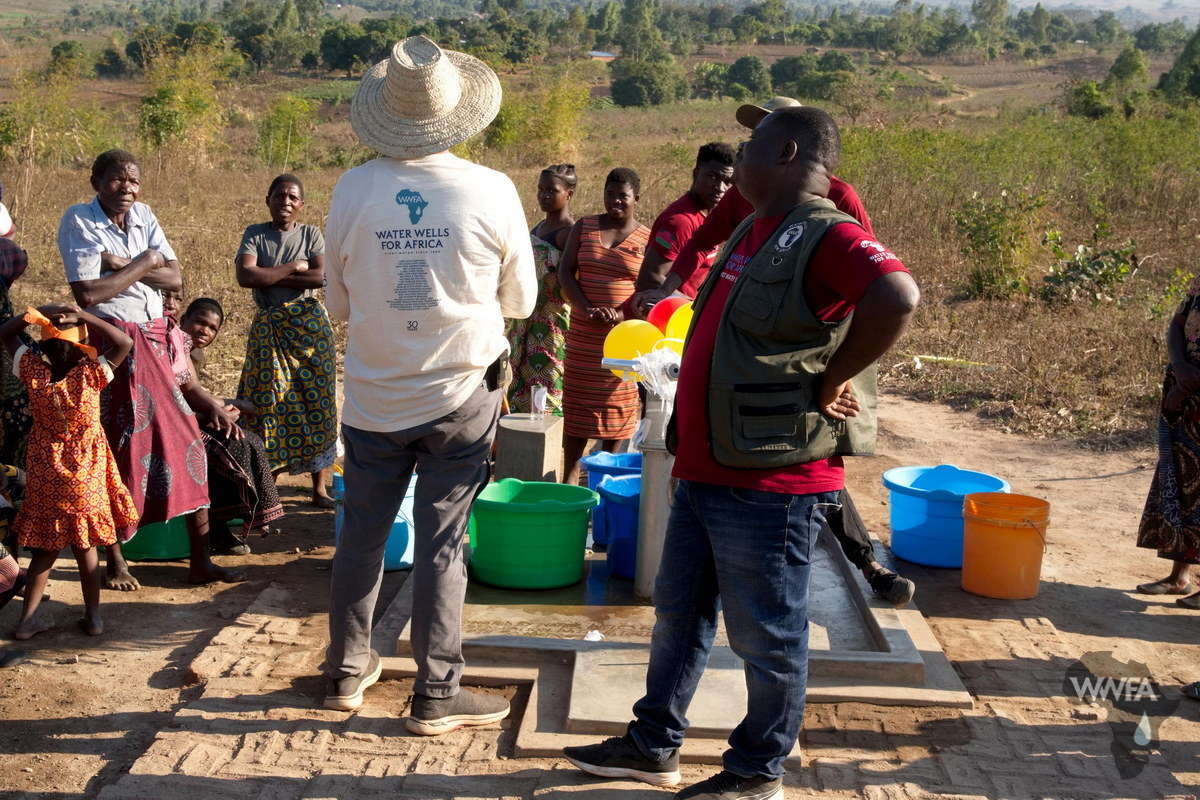
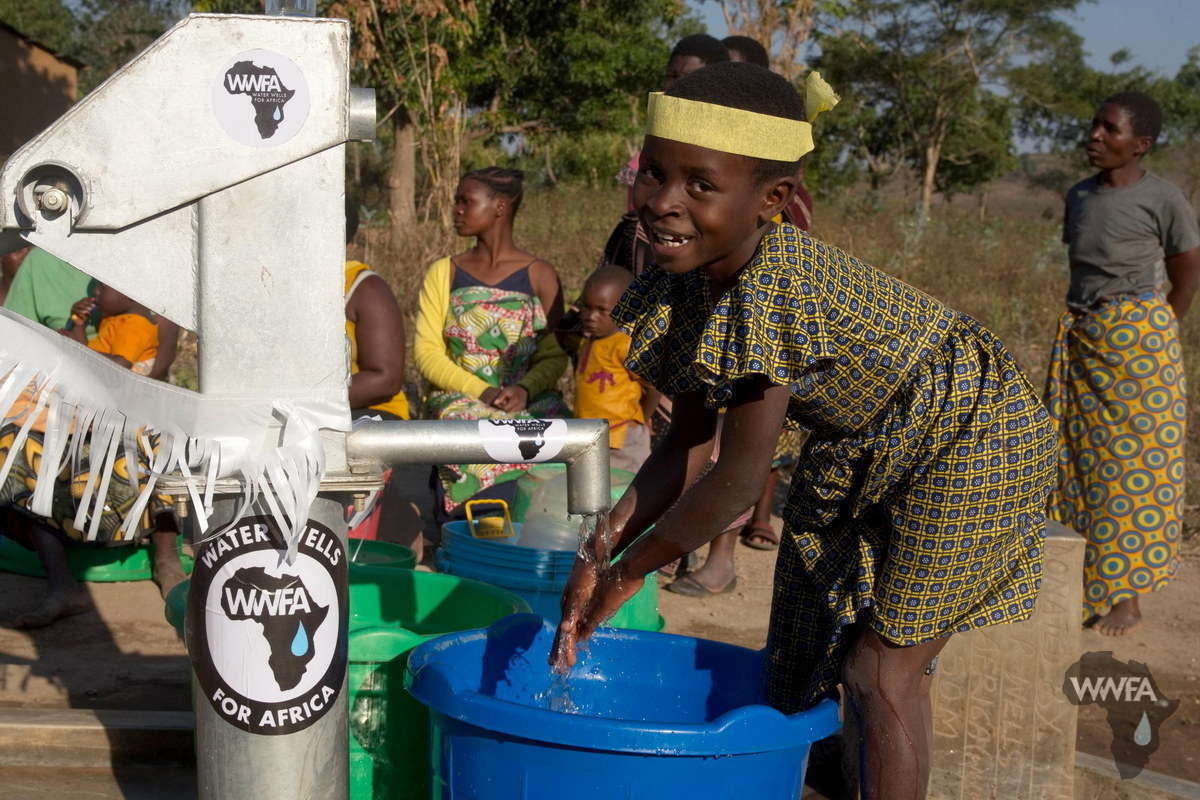
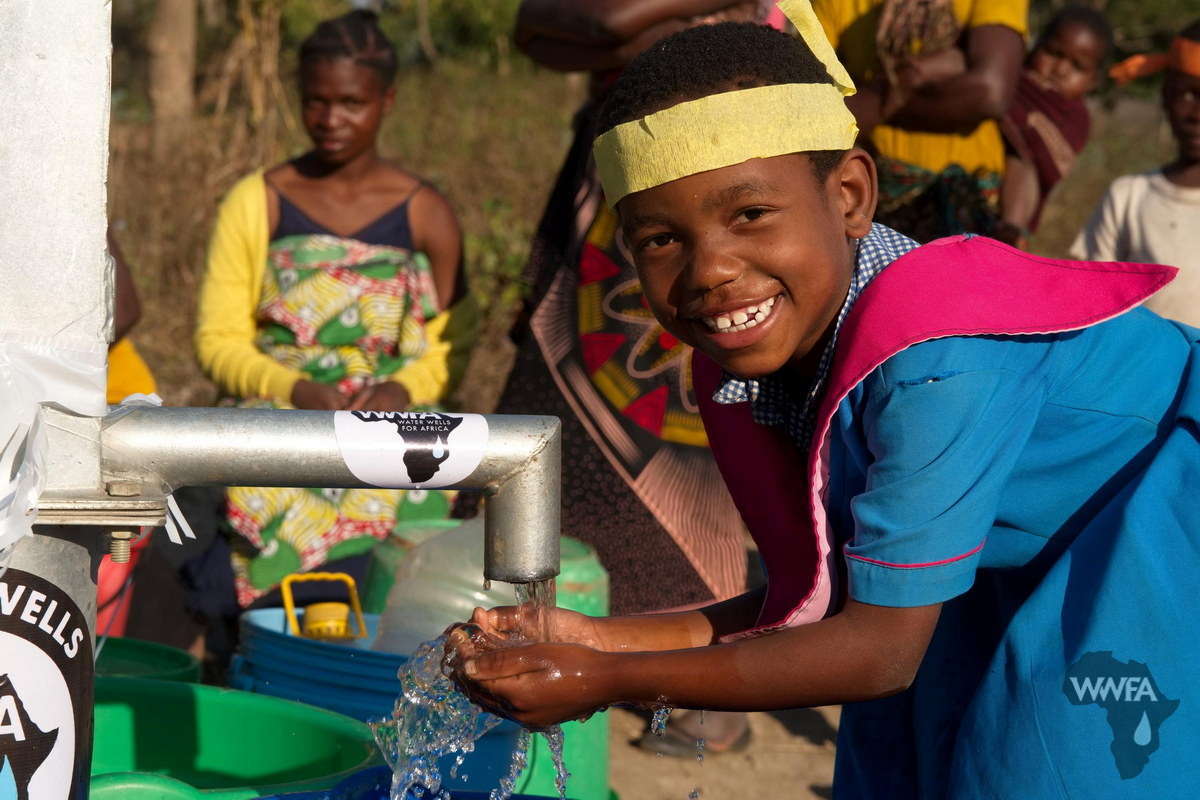
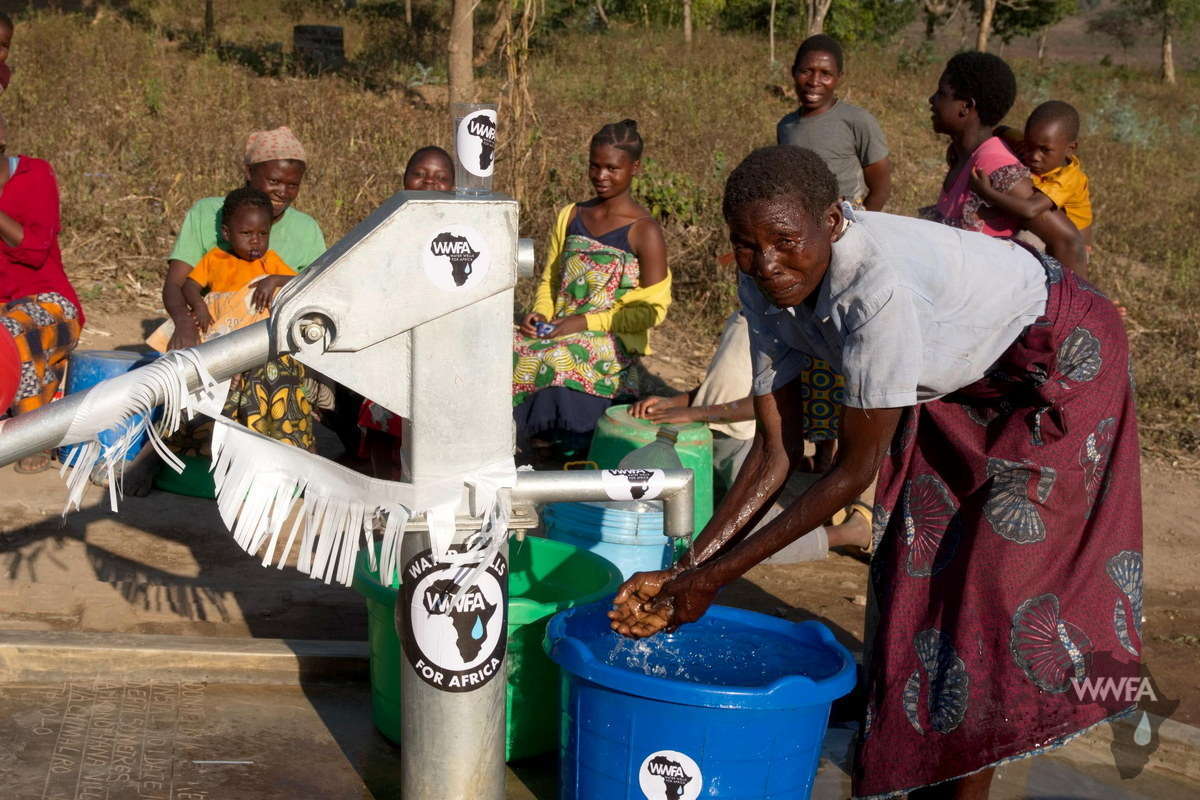
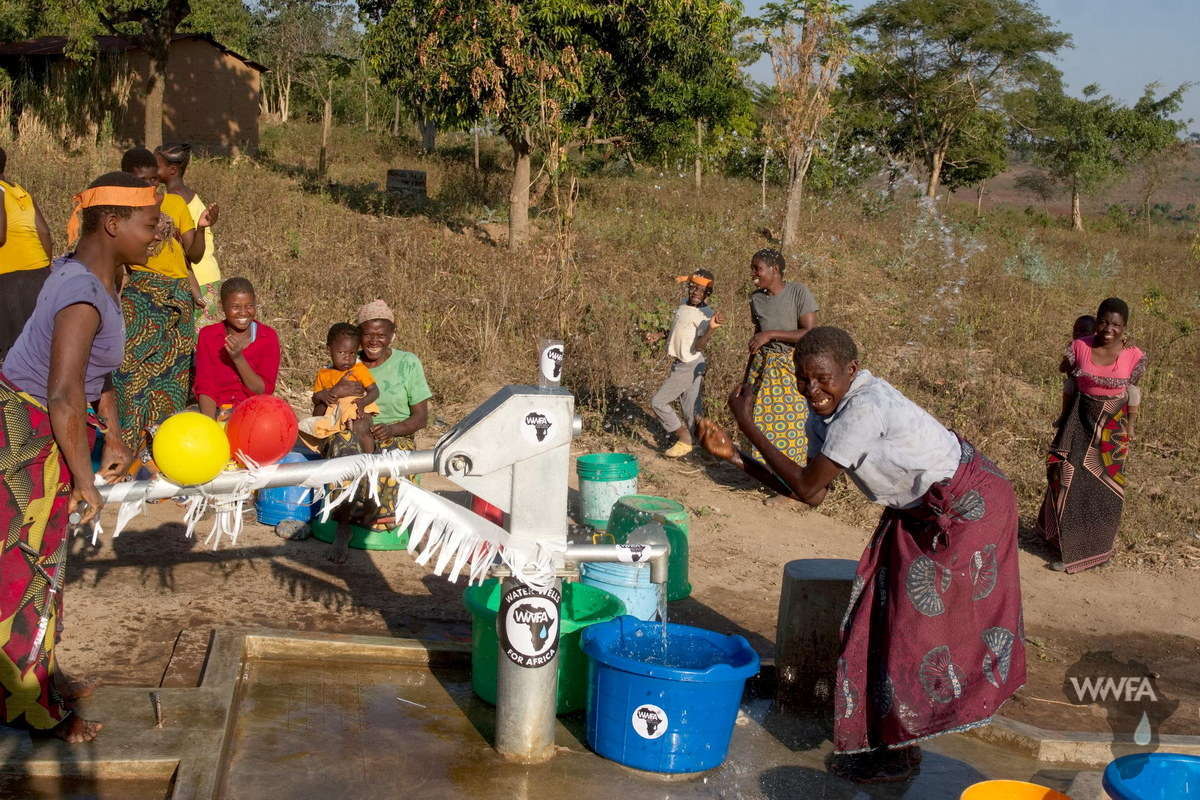
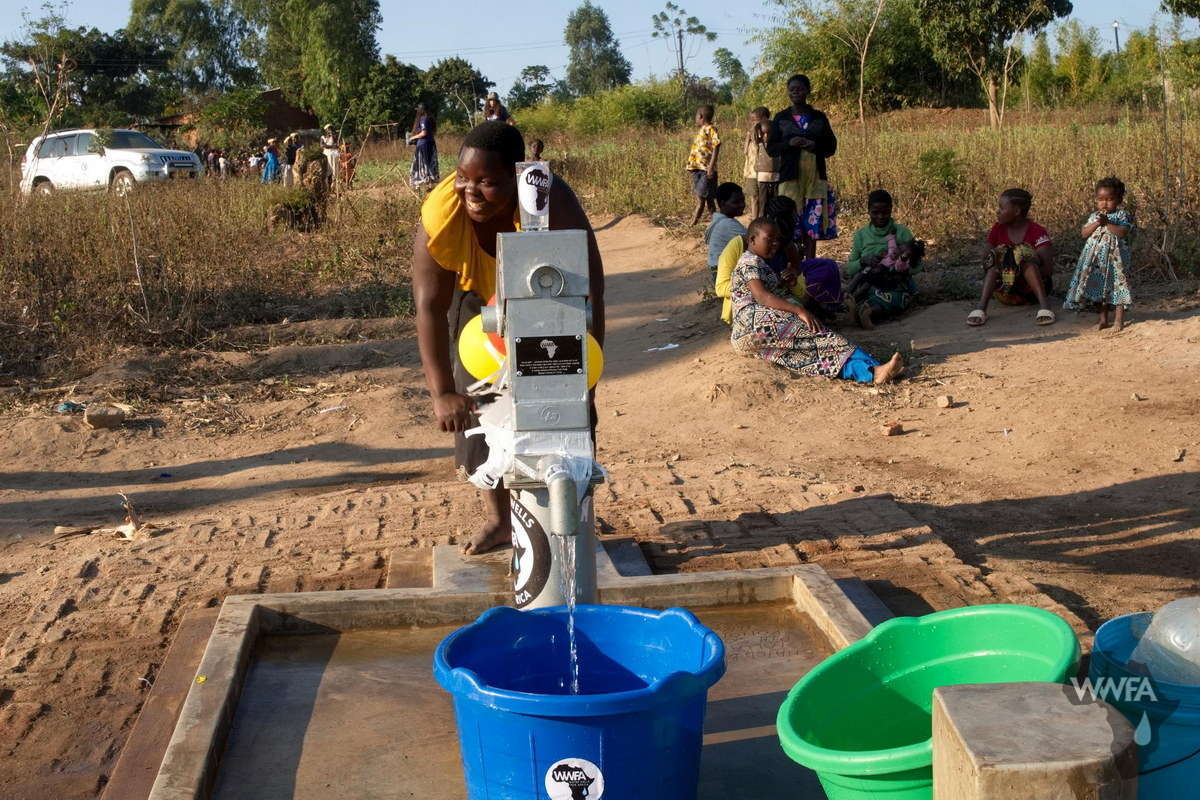
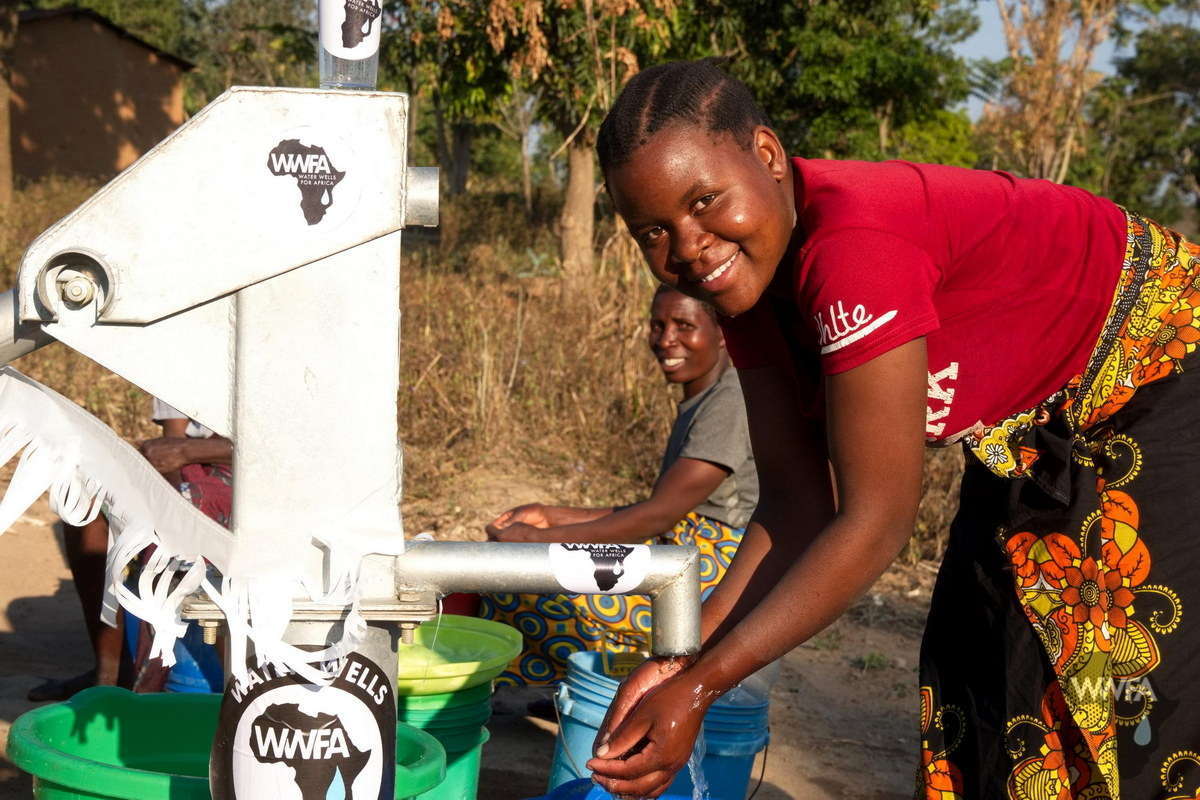
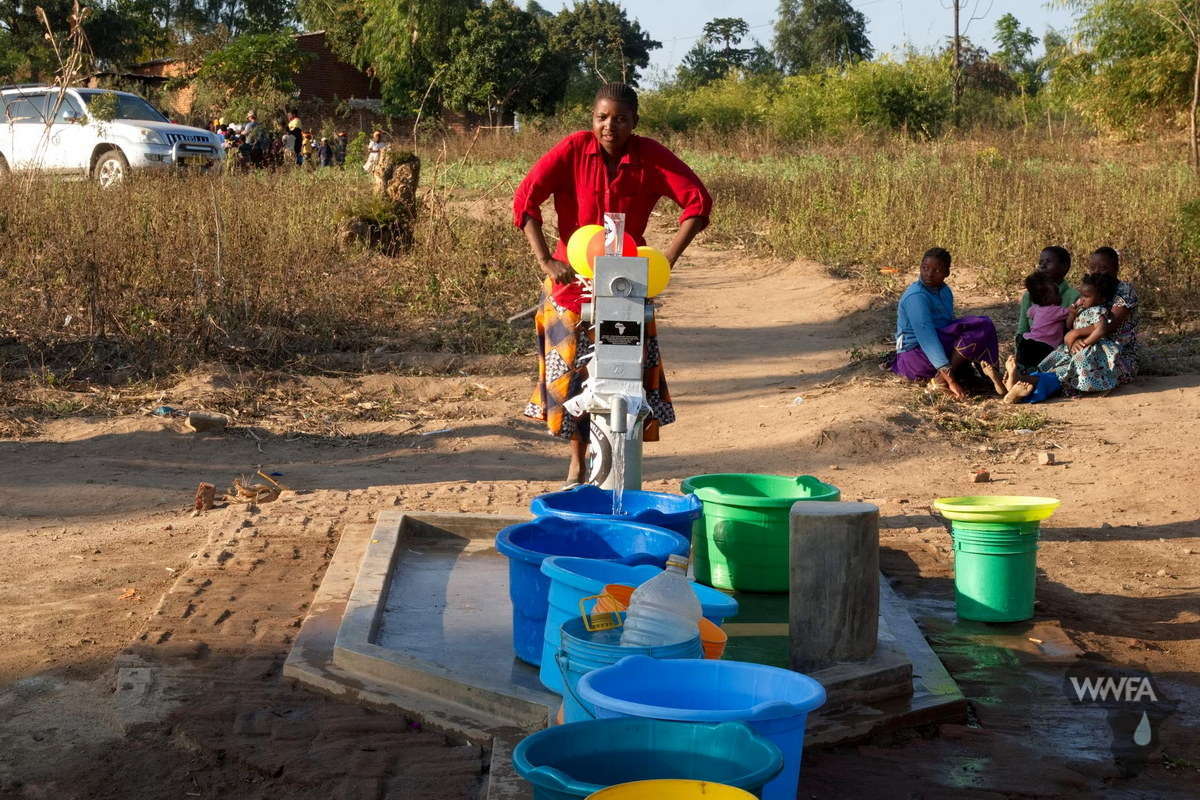
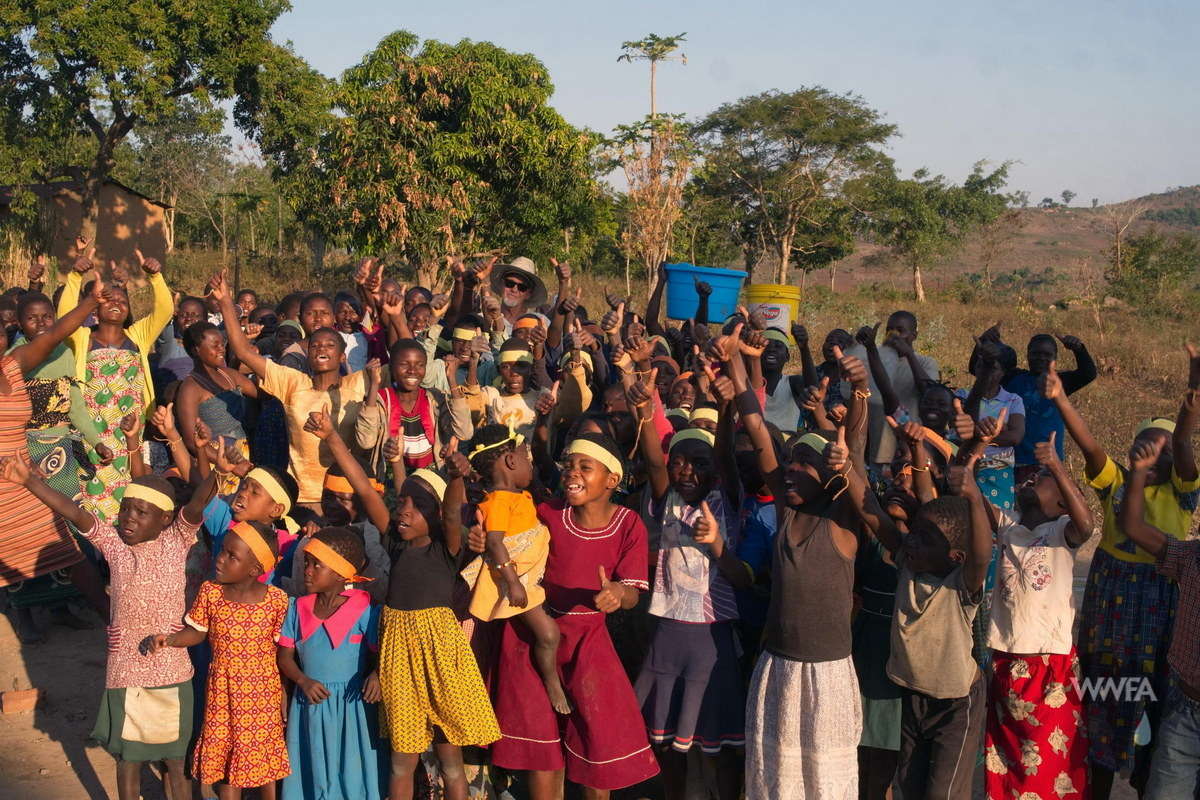
Today, residents describe a striking difference in their daily lives. Where households once managed with just two buckets of water a day, they can now collect four, five, six or even seven. Families report that they have not experienced waterborne disease since the well became available, and they have enough water for their household needs.
The change can be felt in everyday routines. River water was especially cold during winter, making bathing difficult. With water nearby, families say they can bathe three times a day and maintain better hygiene without the exhausting trip to the river.
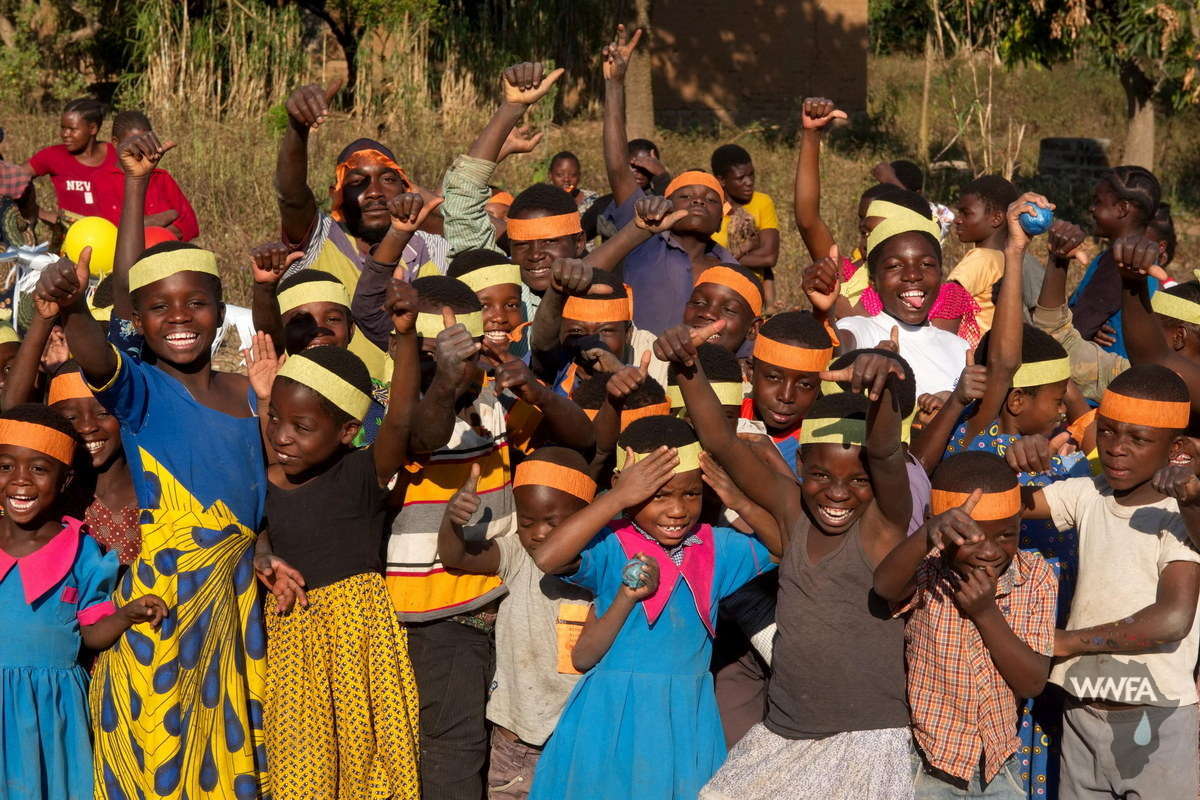
Children have benefited, too. Residents report that school attendance has risen from 40% to 100%, giving children more consistent opportunities to learn. Families can also put more of their resources toward necessities such as soap, food and chickens while continuing to farm despite increasingly unpredictable rainfall.
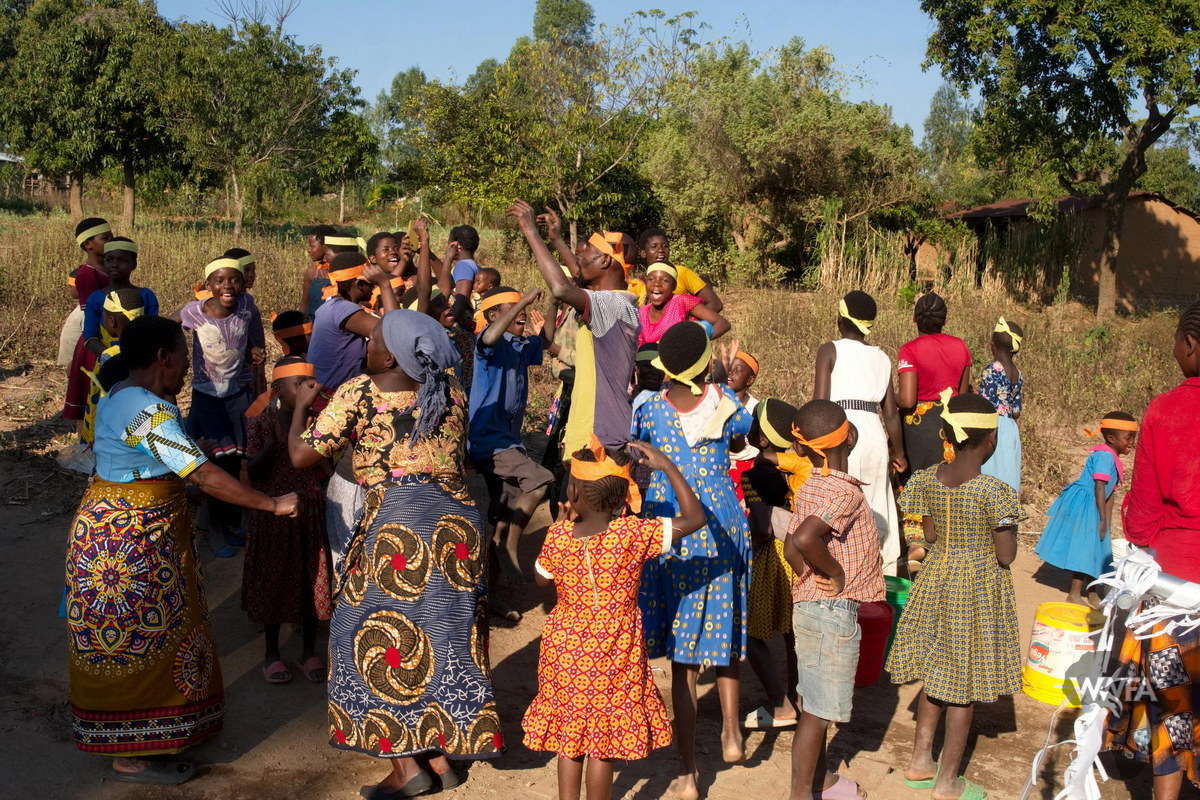
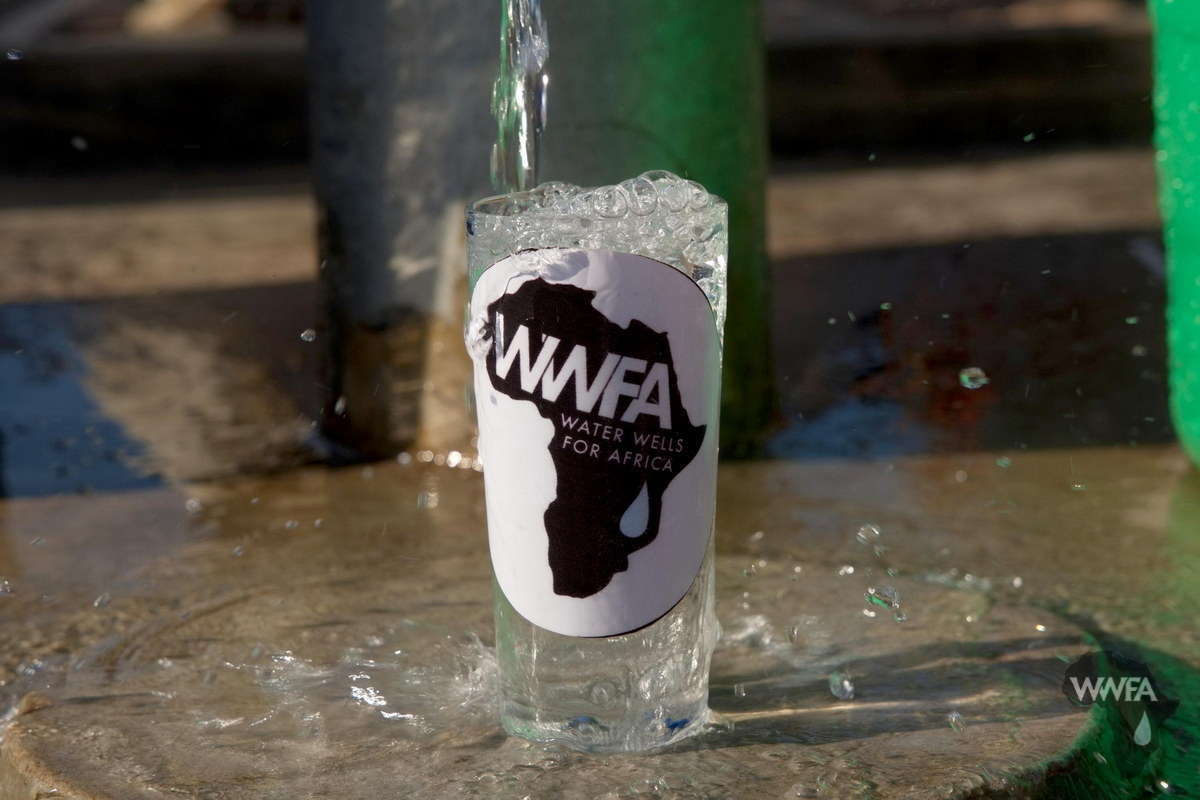
The chief’s words capture what this milestone means: “I never had a clean glass of water.” After generations without reliable access to safe water, Ankonothana now has a source close to home—and families have more time and opportunity to care for their health, their children and their livelihoods.