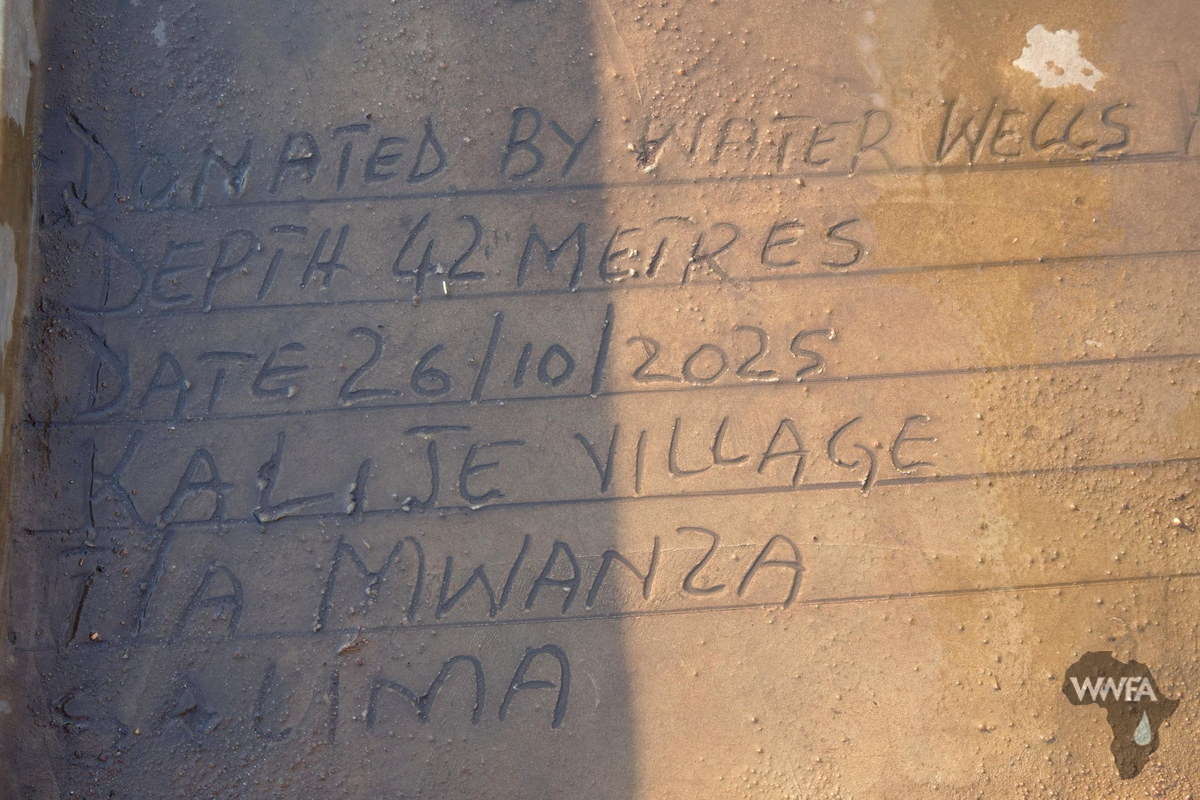
Families: 115 across 3 villages
Water Committee: 4 men and 6 women
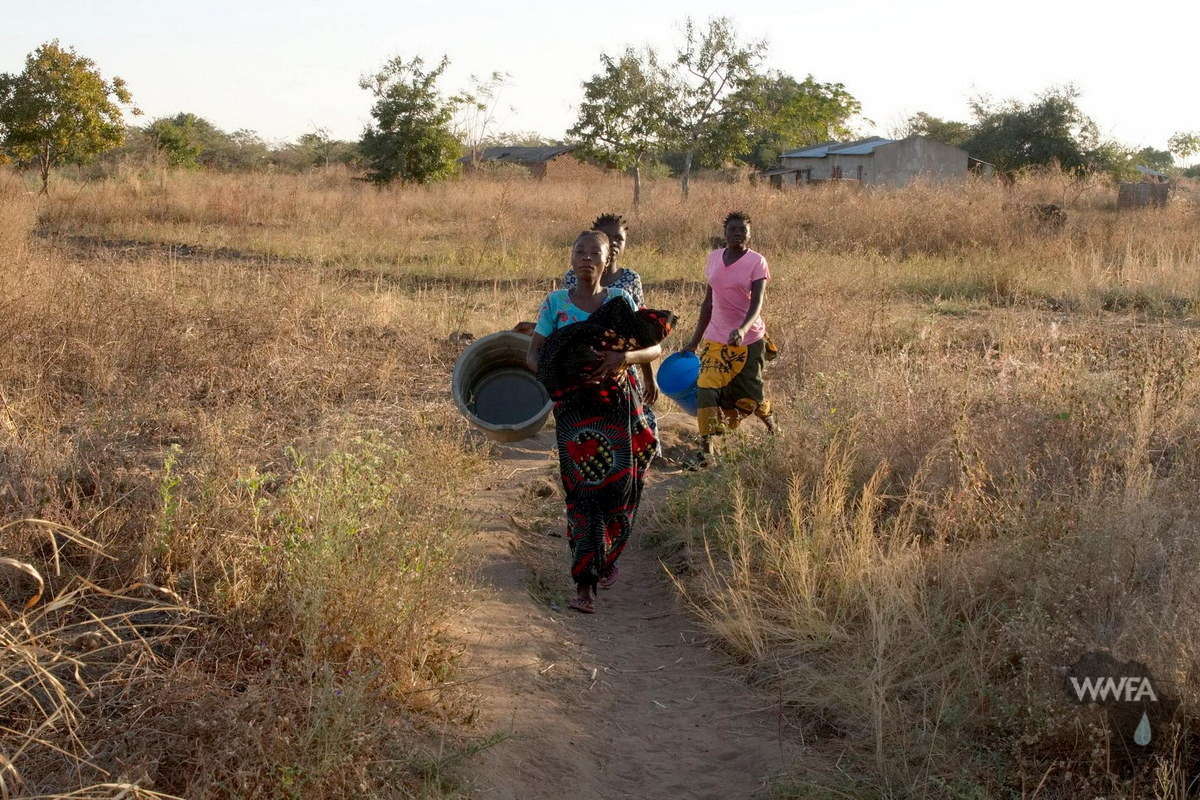
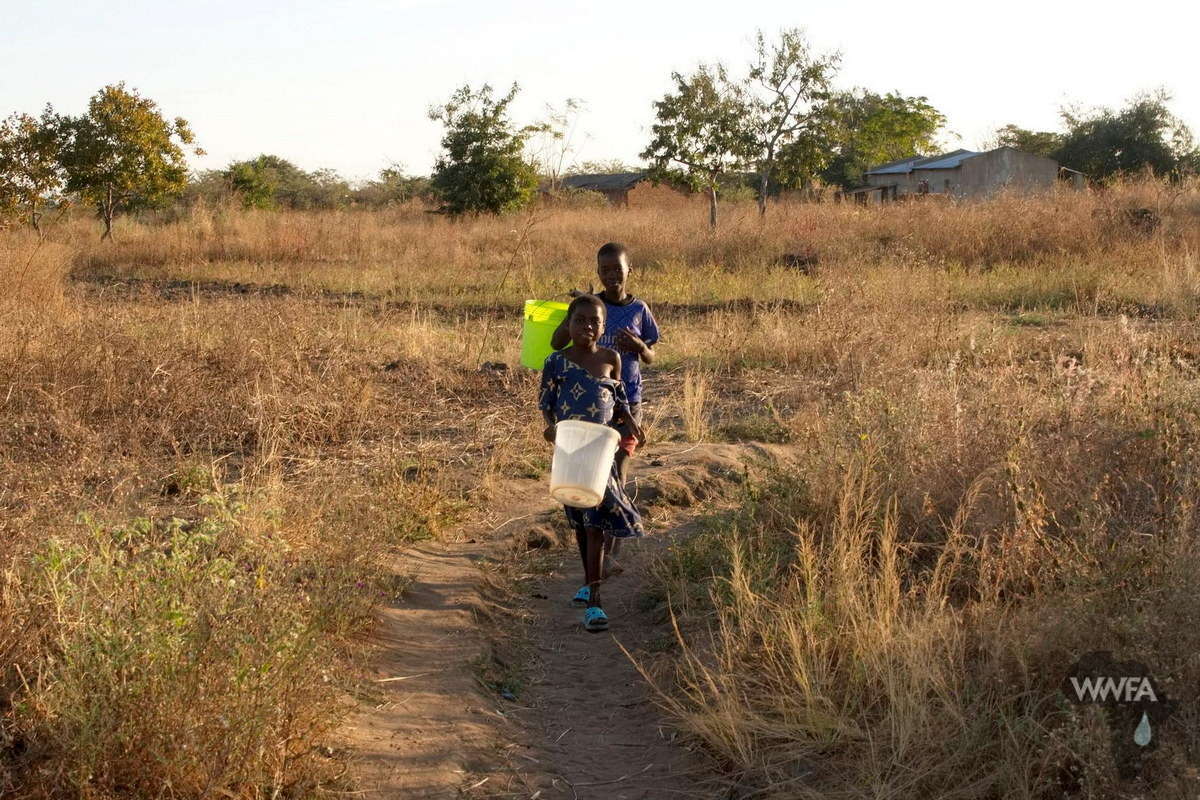
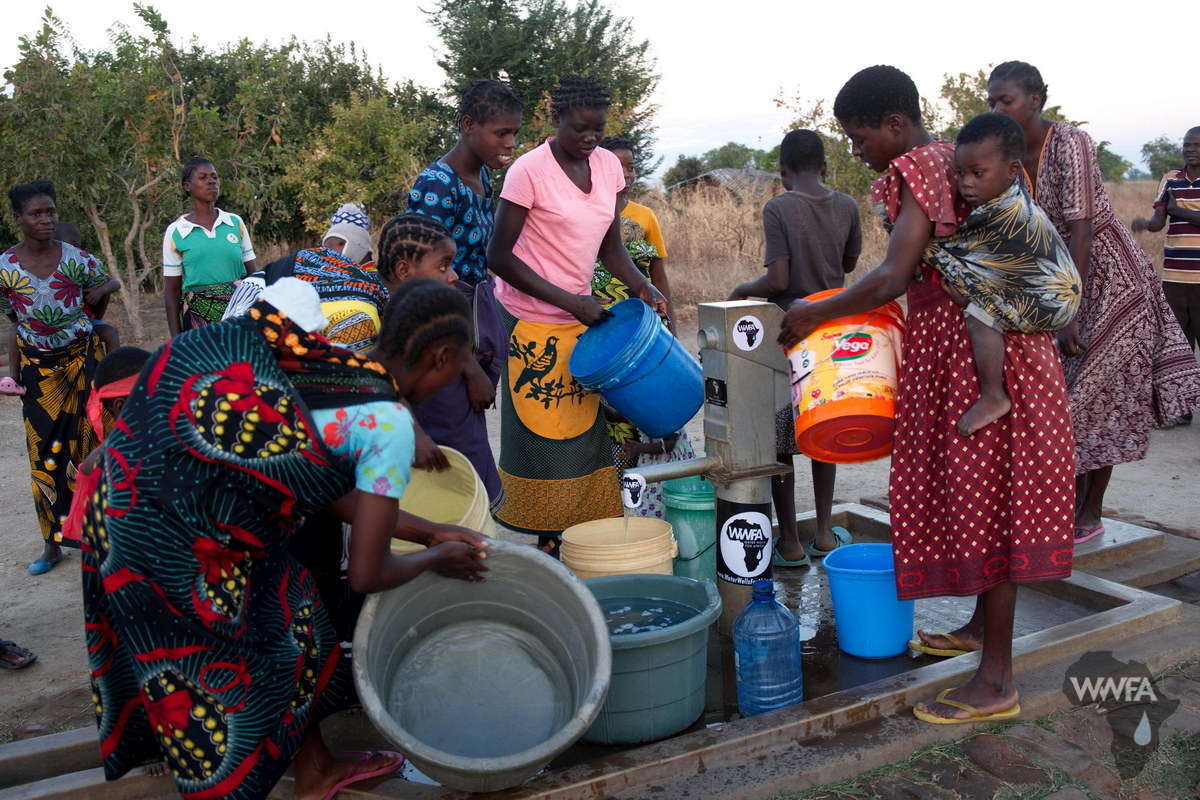
Families in Kalije have lived here for generations, but until recently, this was the first water well in the area. They relied on the Chiluwa River or another river about 4 kilometers away. During the dry season, families would wake at 3 a.m. and sometimes not return until 8 or 9 a.m., bringing home only two buckets of water.
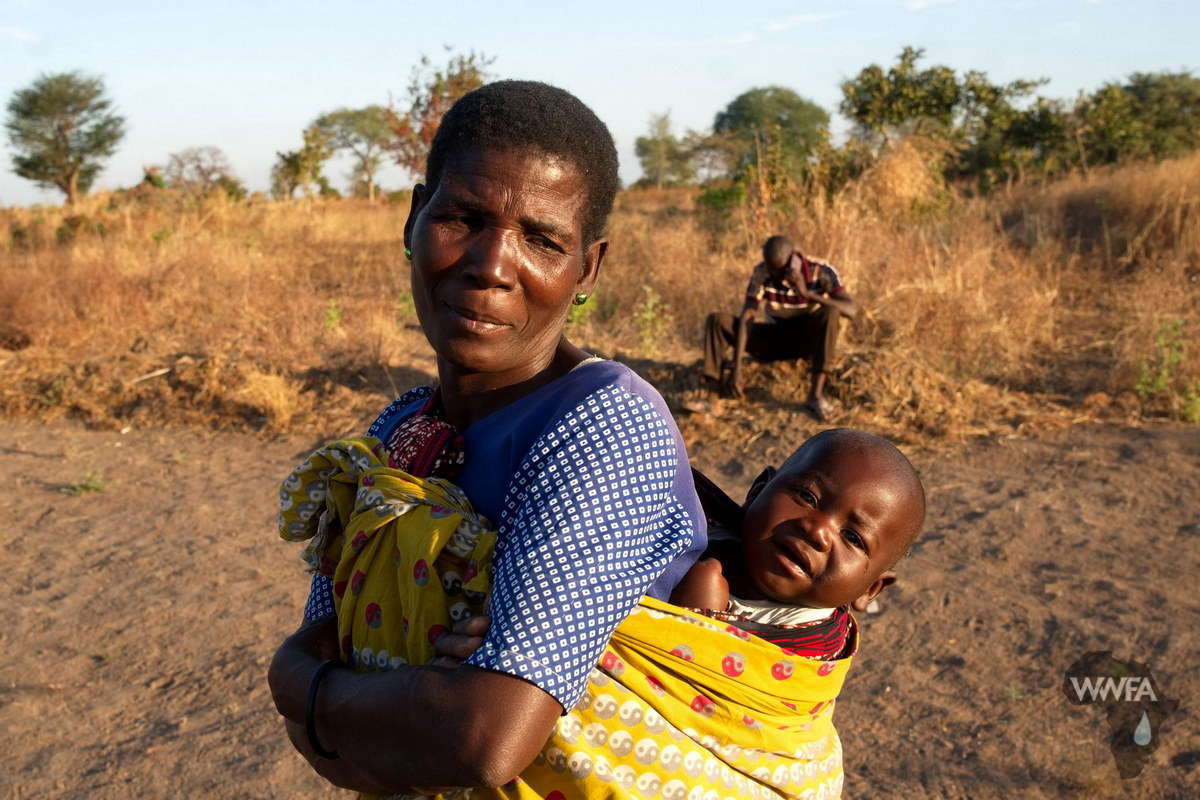
The journey was difficult. Cattle used the same water sources and would stomp on the holes families dug to collect water. Women often fought at the river, and during the rainy season, families resorted to digging shallow wells near their homes. With so little water available, even grandmothers sometimes had to send children to fetch a single bucket.
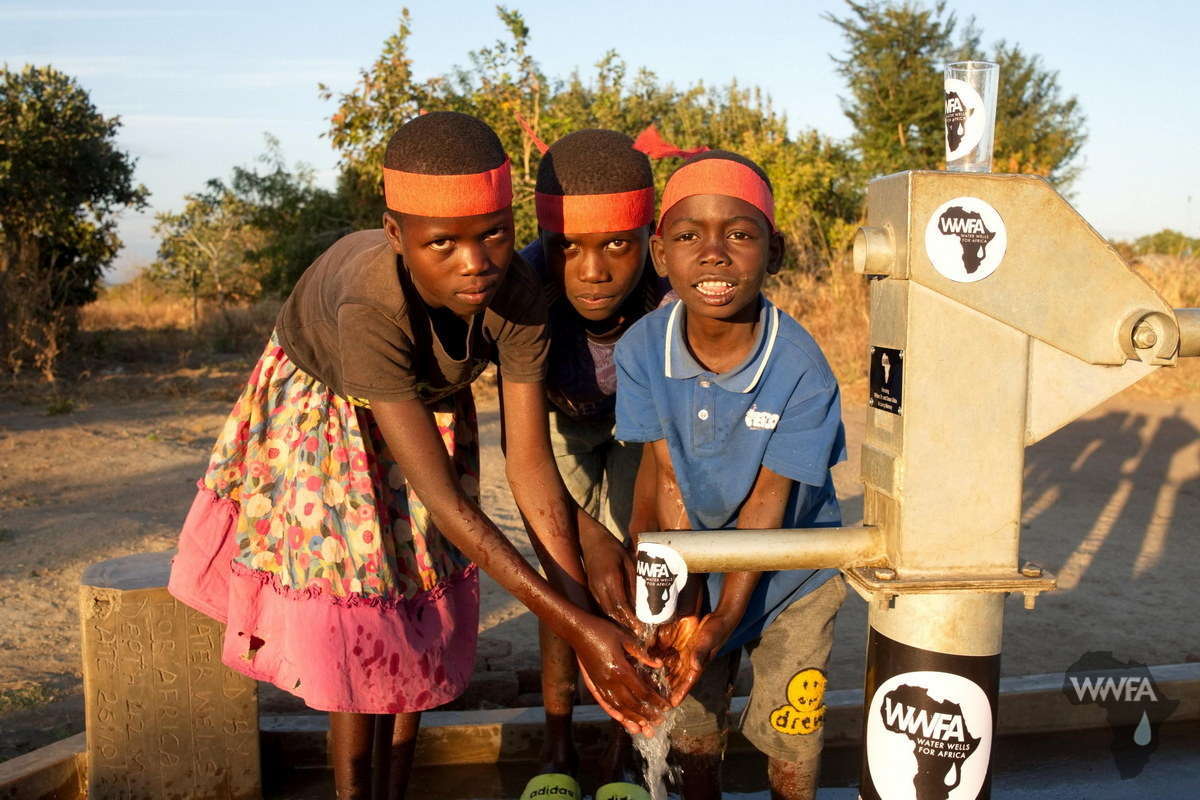
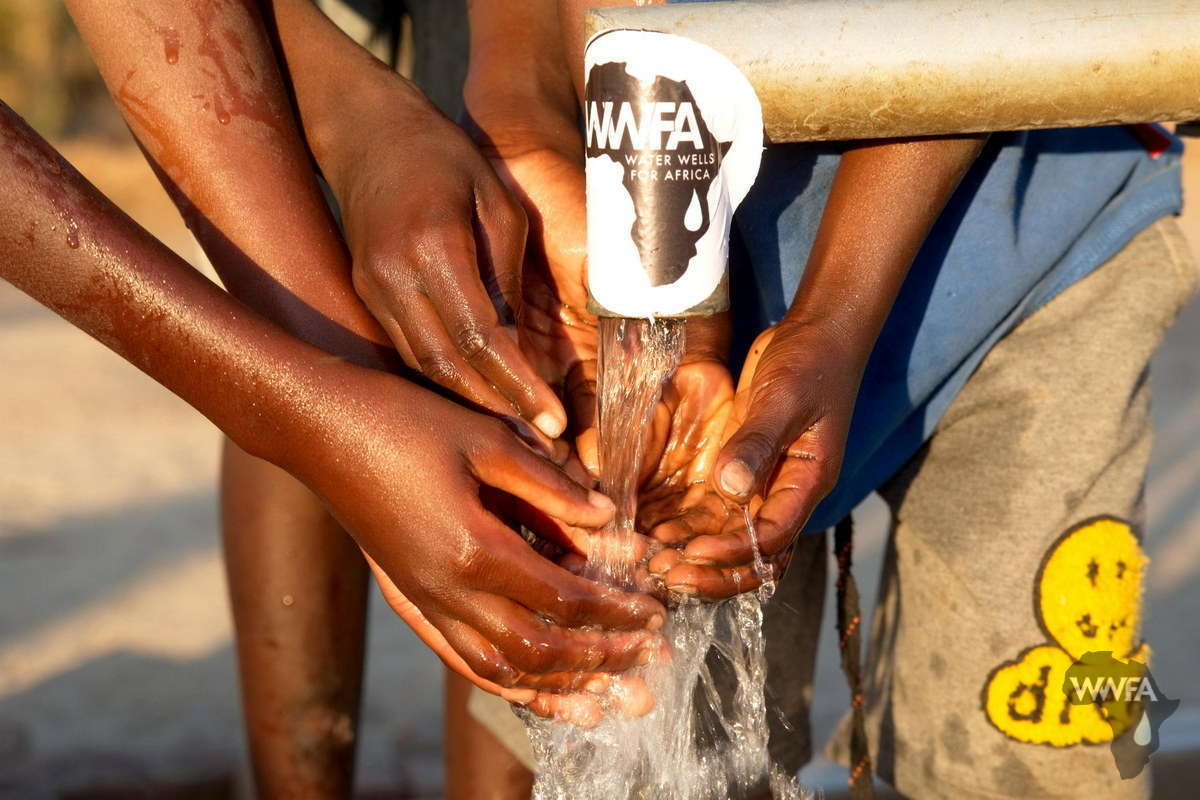
The water was unsafe, and families suffered from diarrhea, vomiting, and cholera. Residents said they visited health centers three or four times a month. Treatment could cost 11,000–20,000 kwacha at a private clinic 10 kilometers away, while the closer public clinic did not always have medicine. For serious illness, families could spend another 10,000 kwacha to hire a motorbike to reach care.
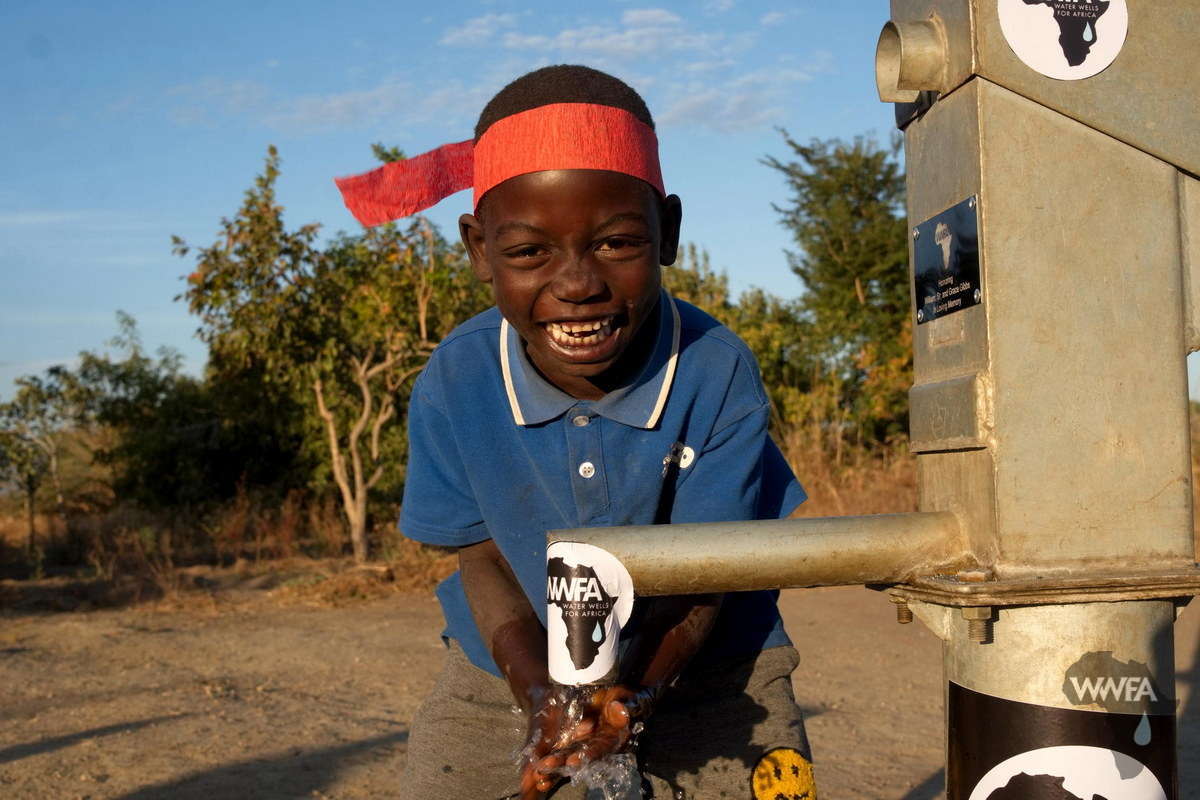
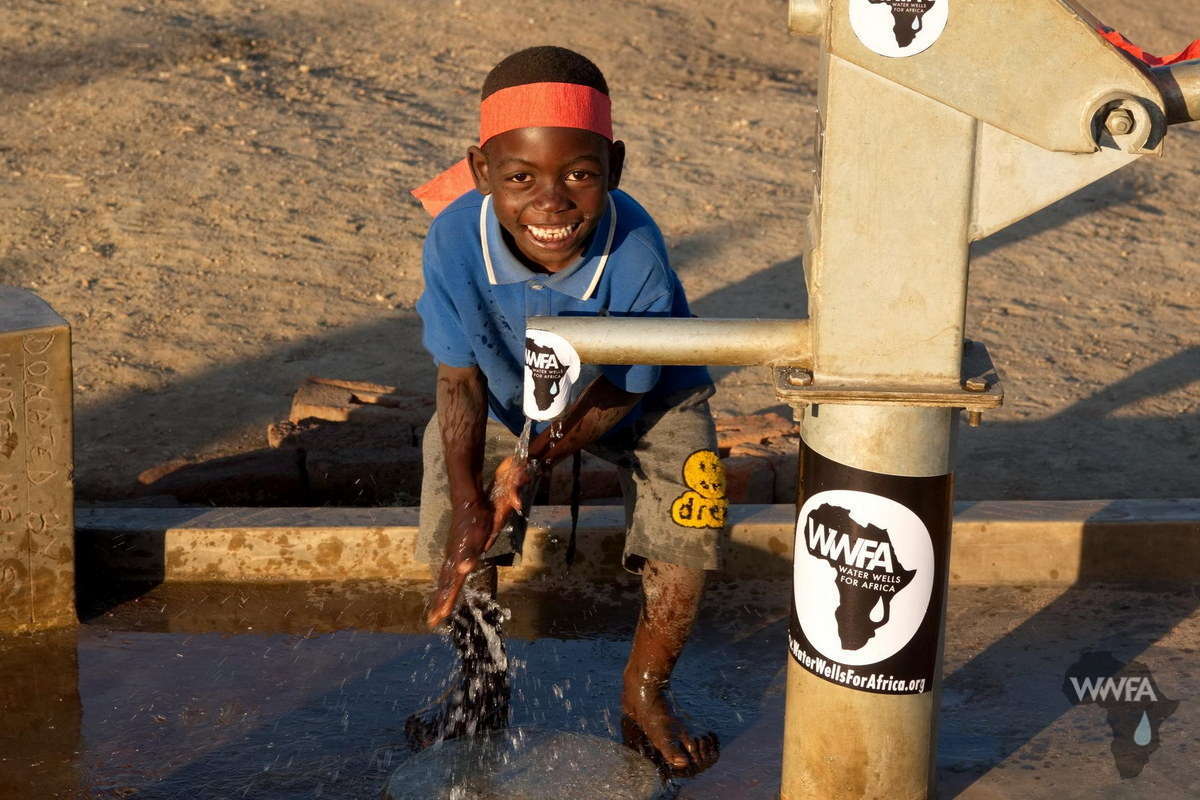
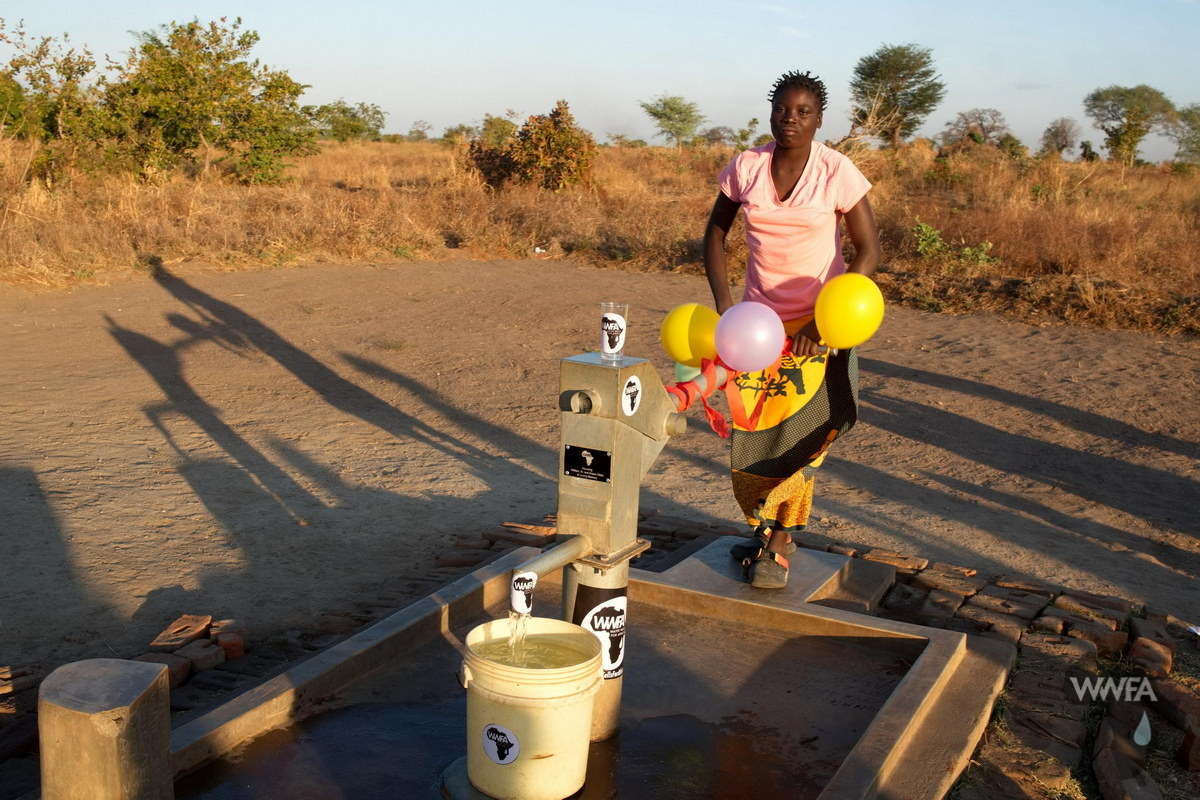
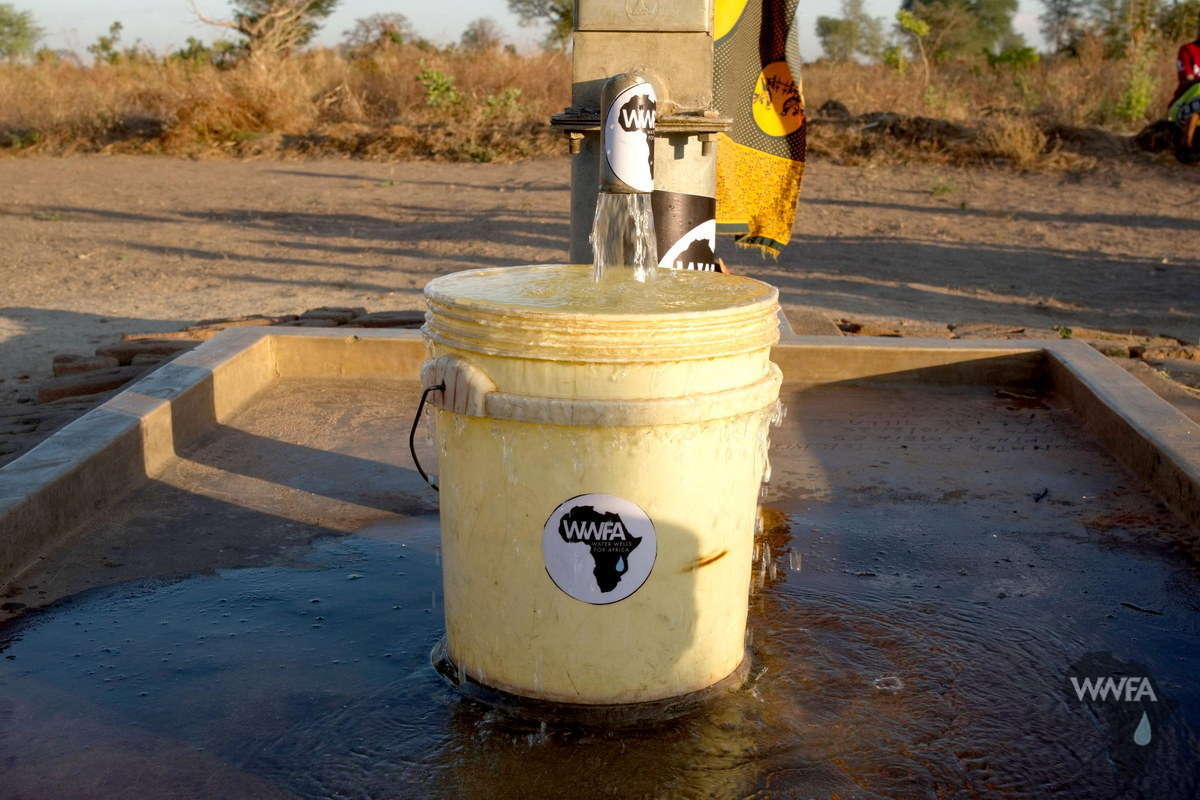
Today, families can collect five, six, or seven buckets a day—and even a grandmother can collect three buckets herself. They can bathe three times a day, wash properly, and cook meals more easily. Residents say their beans and nsima taste better, and no one in the community has been sick from waterborne illness since the well was installed.
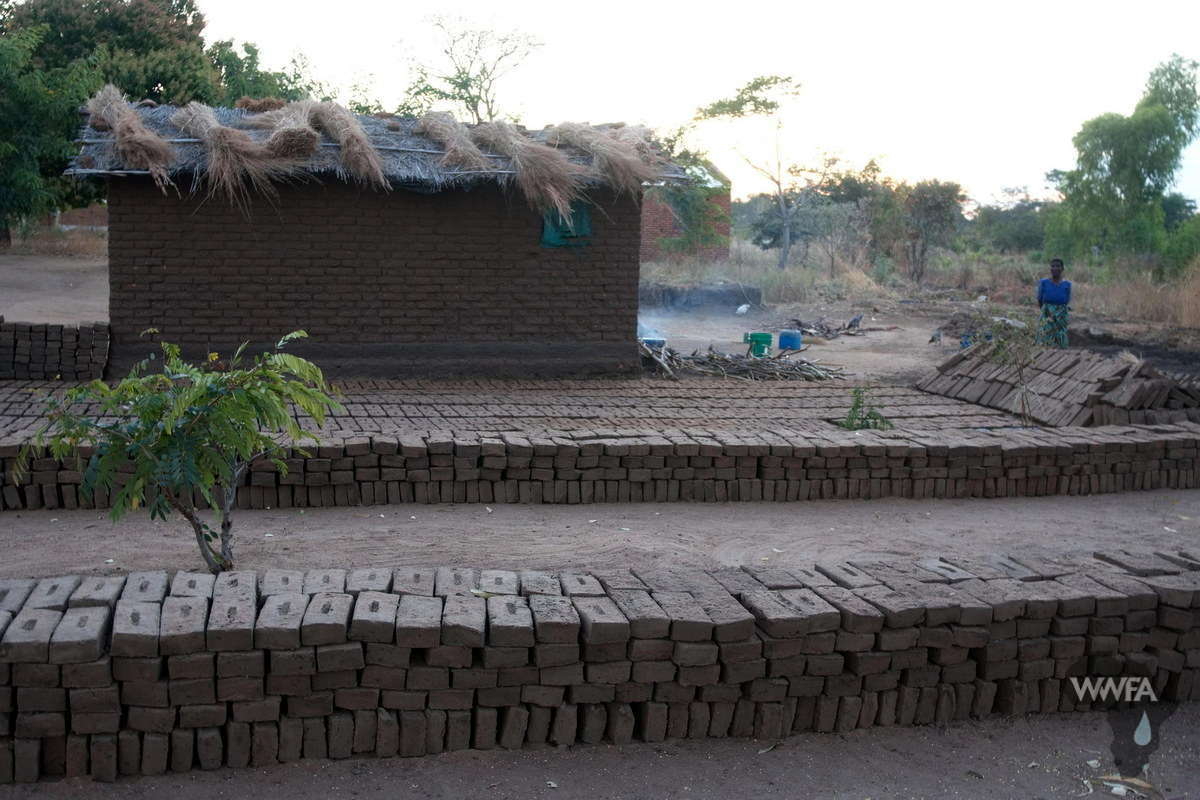
Water has also brought new opportunities. Families are growing mustard and other vegetables, selling tomatoes, planting mango and guava trees, and molding bricks to build houses, kitchens, and toilets. With more reliable water, they can grow food and provide for their families.
There is also greater peace at home. Before the well, husbands sometimes doubted their wives because they spent so many hours away fetching water. Now, women can sleep knowing that water is nearby, and residents say there is harmony in their families.
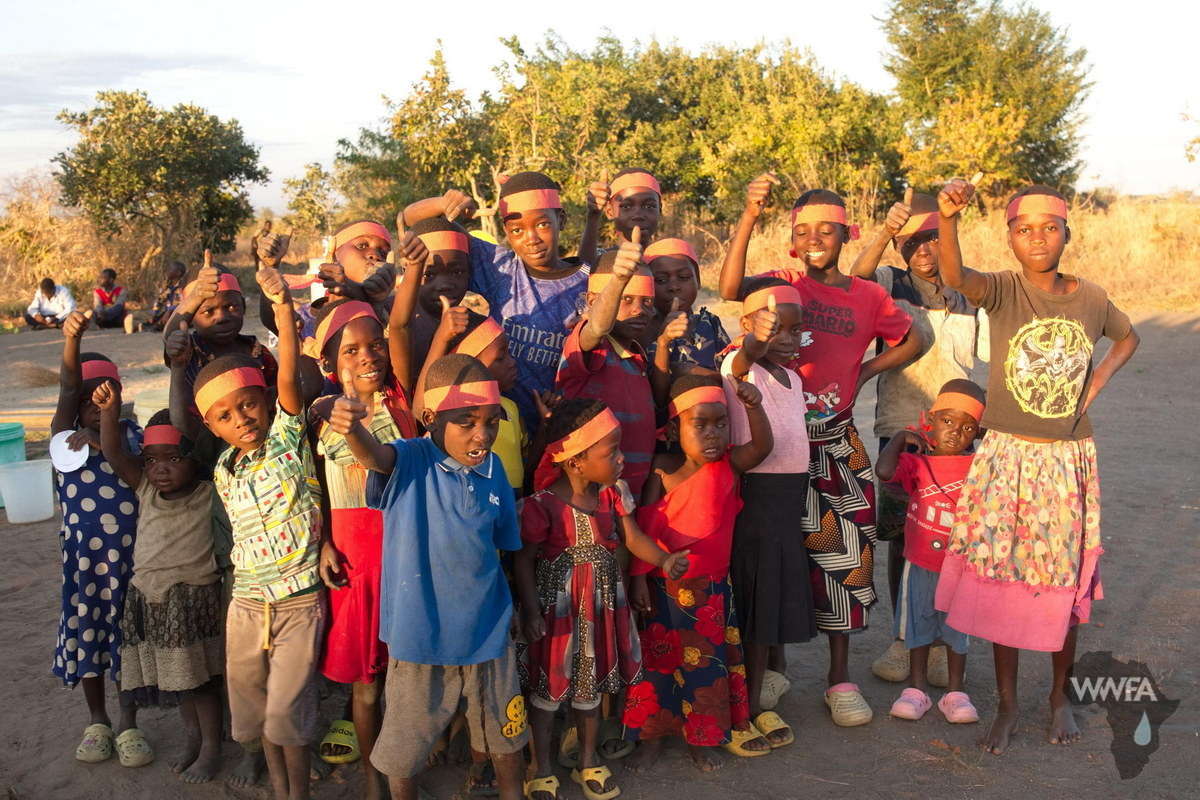
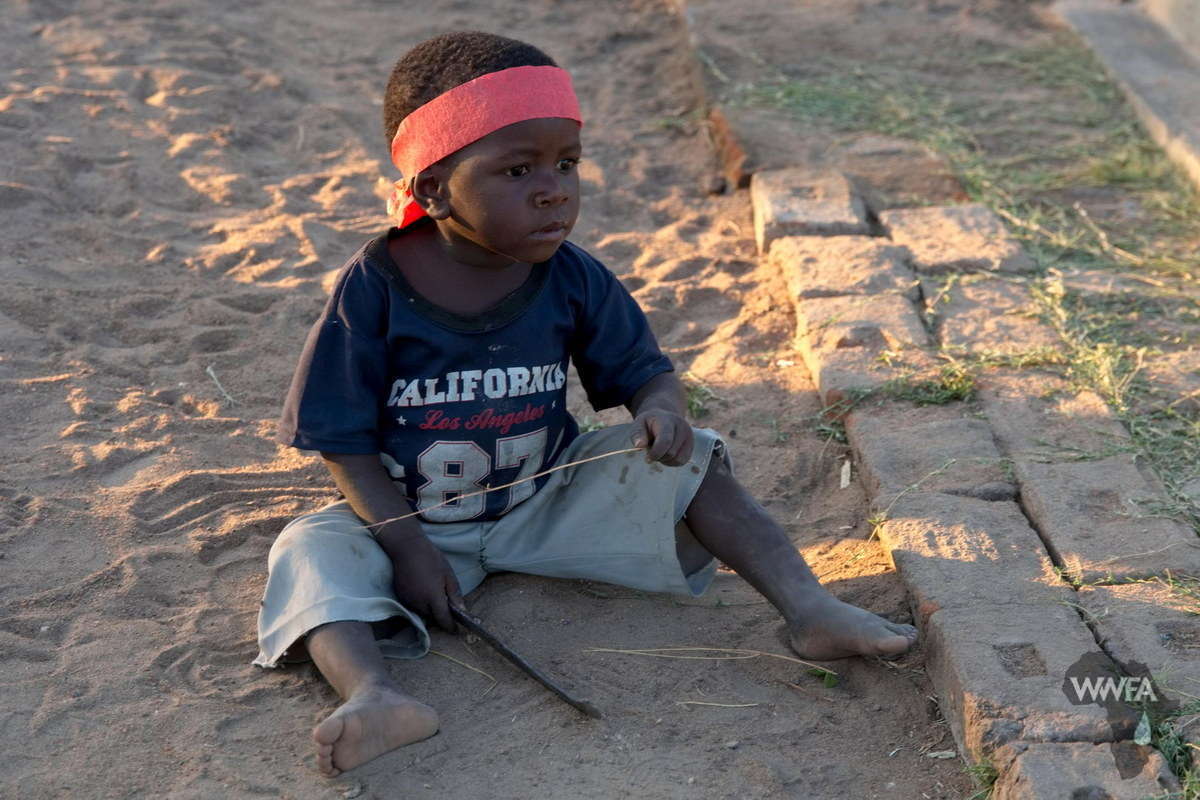
Children are benefiting as well. Before the well, only about 40% of children attended school because their parents returned home late from fetching water. Some arrived late, while others stayed home if there was no food left from the night before. Today, 80–90% of children are attending school, and residents say those who are absent are staying home for other reasons.
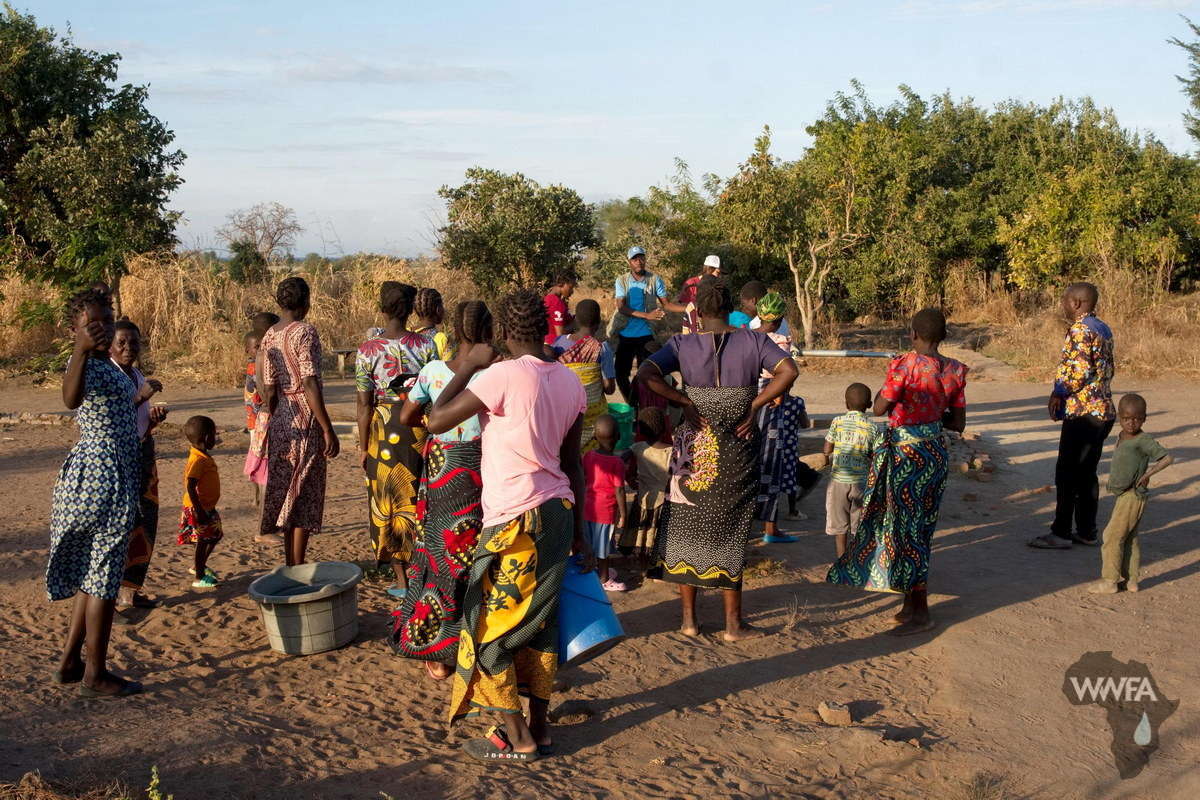
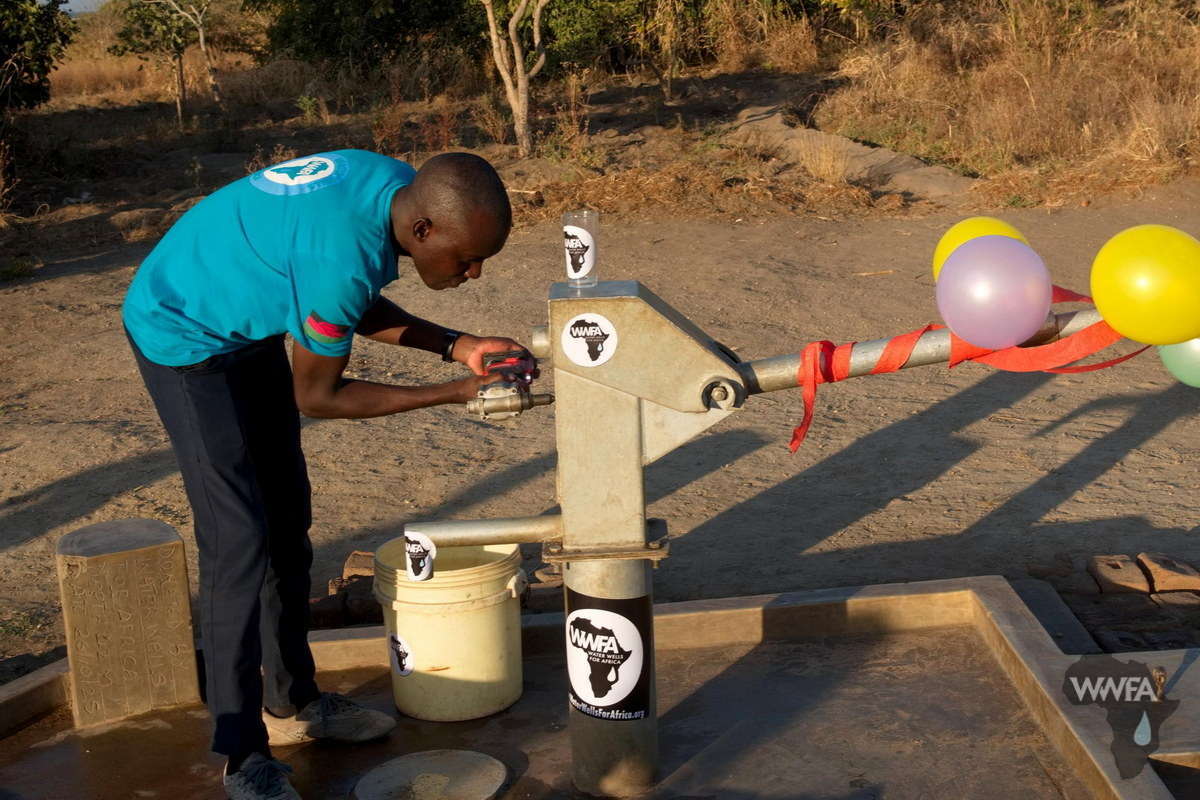
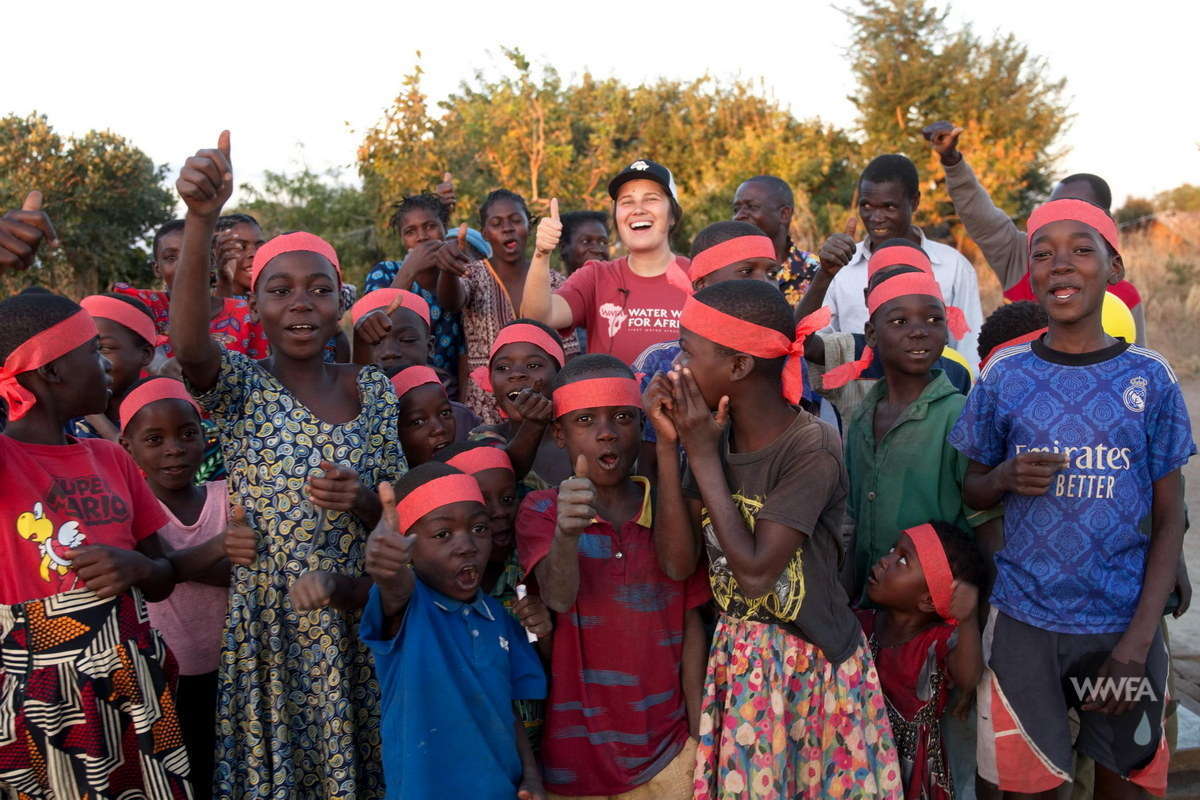
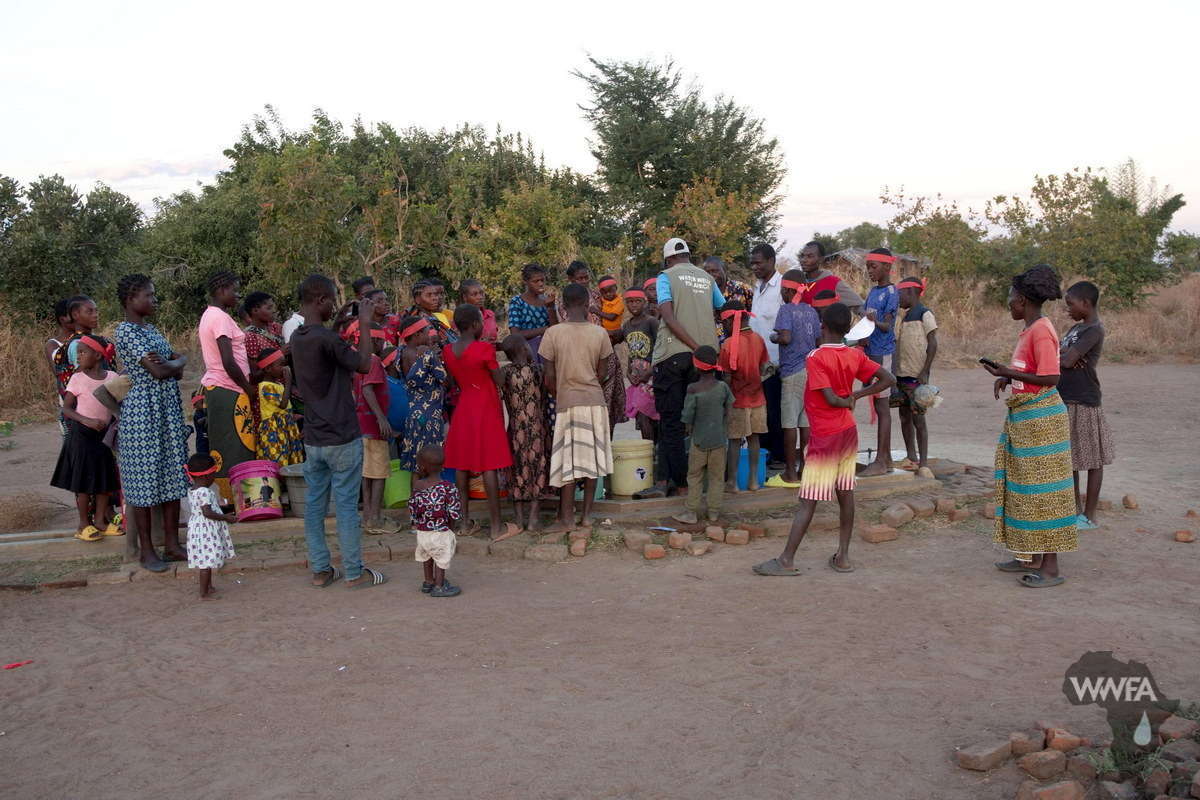
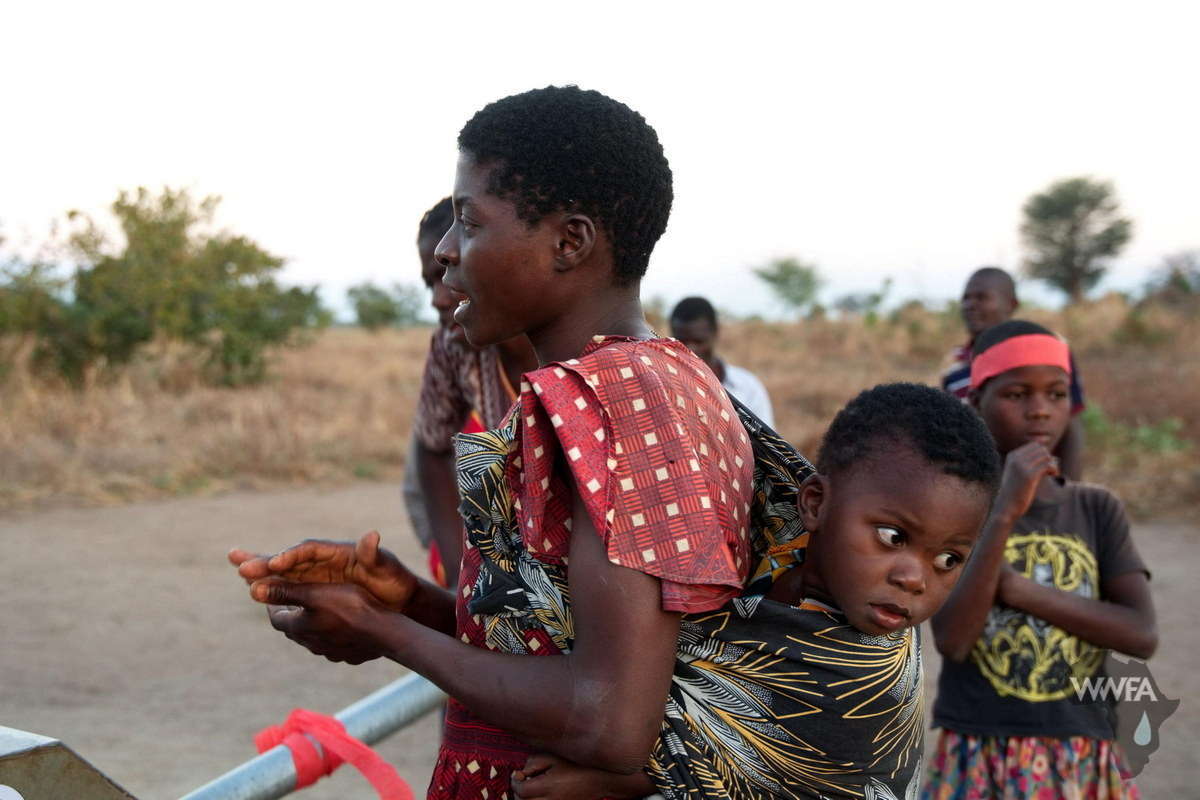
For years, the community molded bricks and gave money to organizations and politicians who promised to provide a water well, but the promises were never fulfilled. When WWFA’s drillers finally arrived, residents said they could hardly believe it—and celebrated in a big way.
“There’s freedom here now,” they said. “Women can sleep in.”