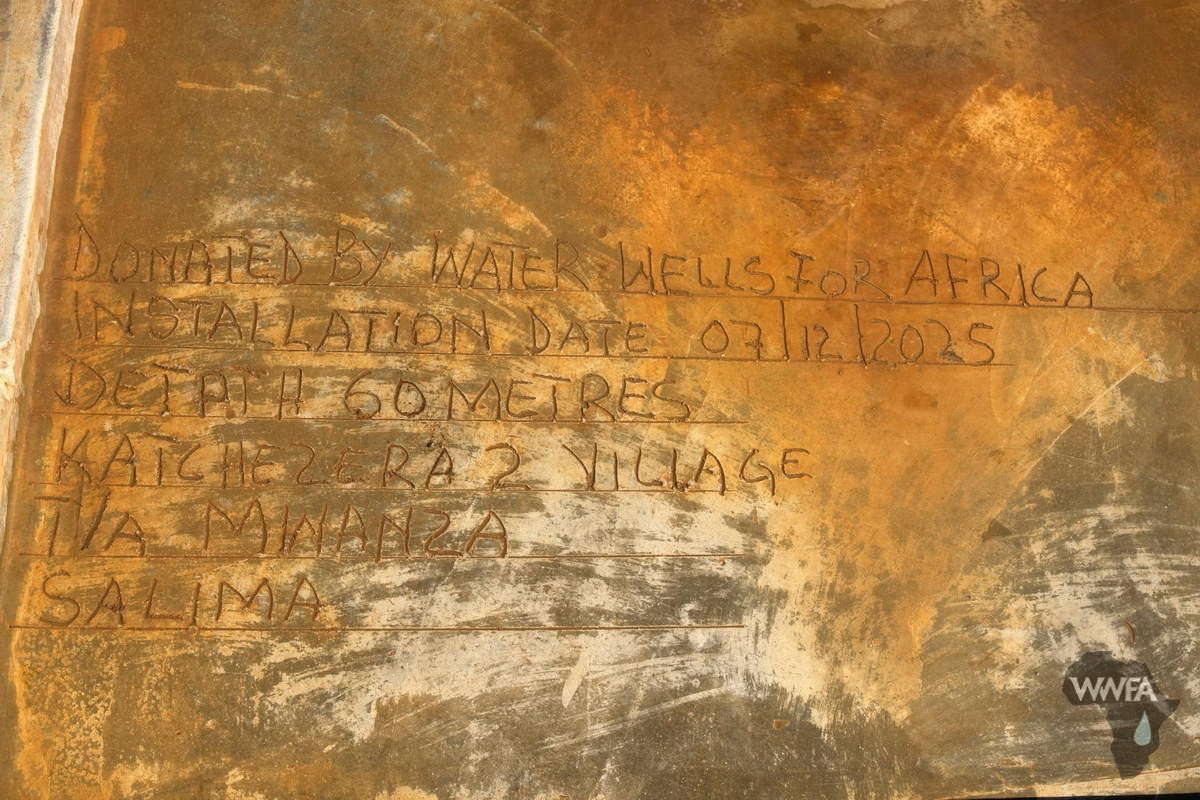
Families: 80+ across 4 villages
Water Committee: 2 men and 7 women
Before the new water well, families in Katchezera walked 800 meters to the Thavite River for water. During the dry season, they had to dig into the riverbed to find it. During the rainy season, the river flooded and became dangerous. Women would leave as early as 4 a.m. and return around 8 a.m. with just one bucket of water. If they arrived after sunrise, they risked returning home empty-handed.
The long lines at the river often led to fights, with women scratching one another and breaking buckets. Families also faced constant waterborne illnesses, including diarrhea, vomiting, cholera, scabies, and bilharzia. Some visited the clinic as many as four times a month, sometimes carrying sick children to receive treatment. At the public clinic, medicine was often unavailable.
Water scarcity affected every part of family life. Residents described washing clothes in the same water where children had defecated and using a dirty cloth to try to filter their drinking water. Marriages suffered as husbands questioned where their wives were spending their mornings. Bathing in the river also meant waiting until no one else was around.
For some mothers, the lack of water meant going without food. Vester, a mother of six, shared, “Because I didn’t have water to cook food, I would breastfeed my six children, but I didn’t eat. Now, I eat real food and all of my children are eating.”
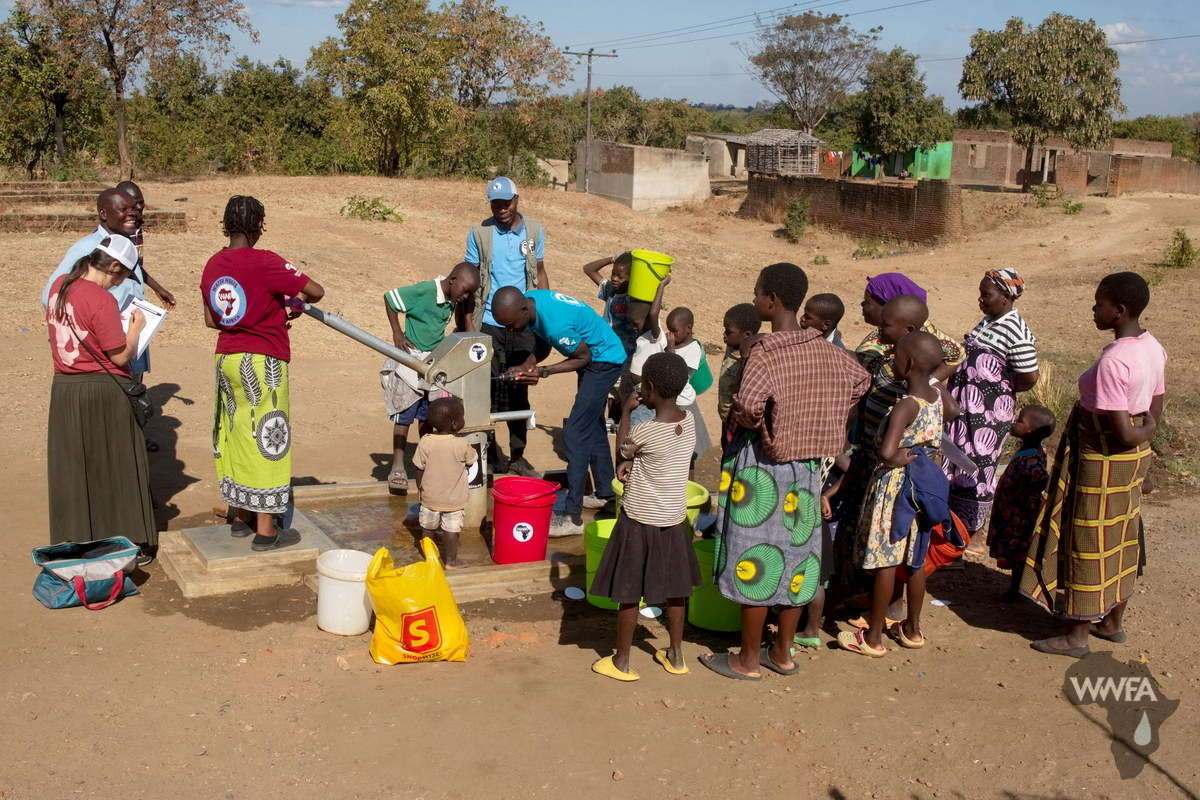
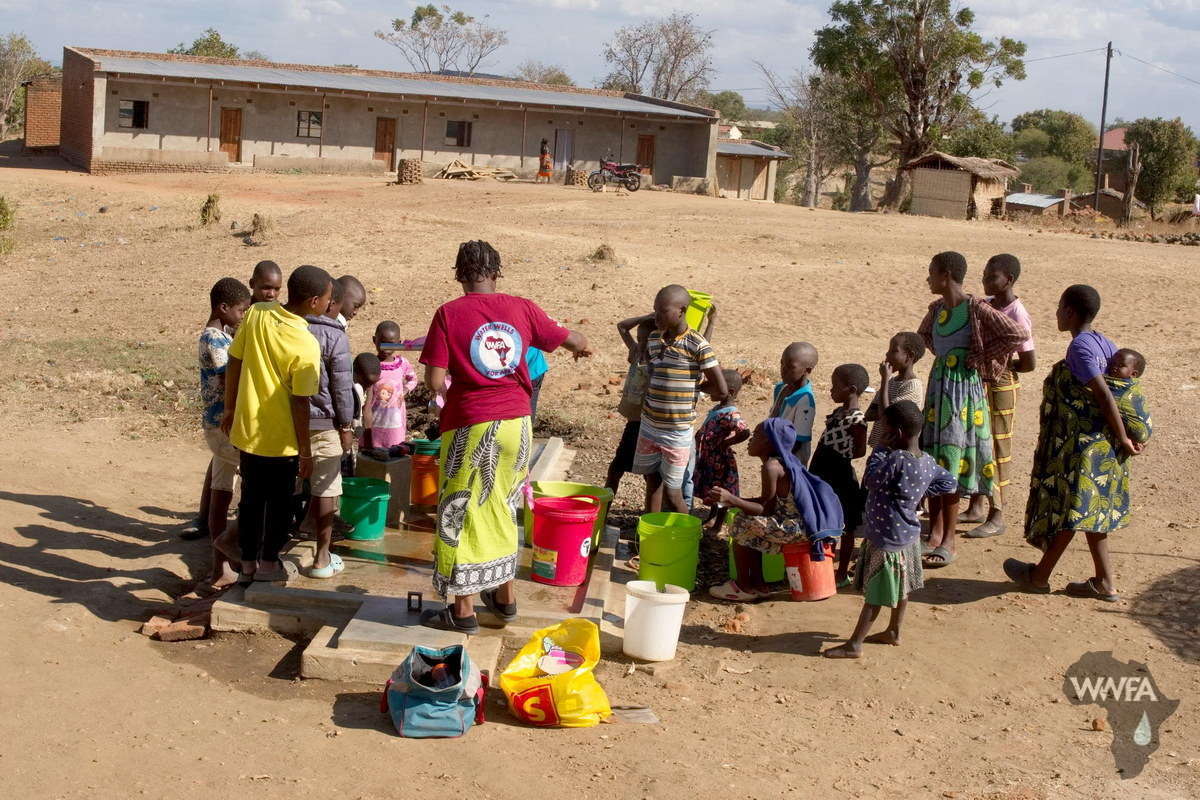
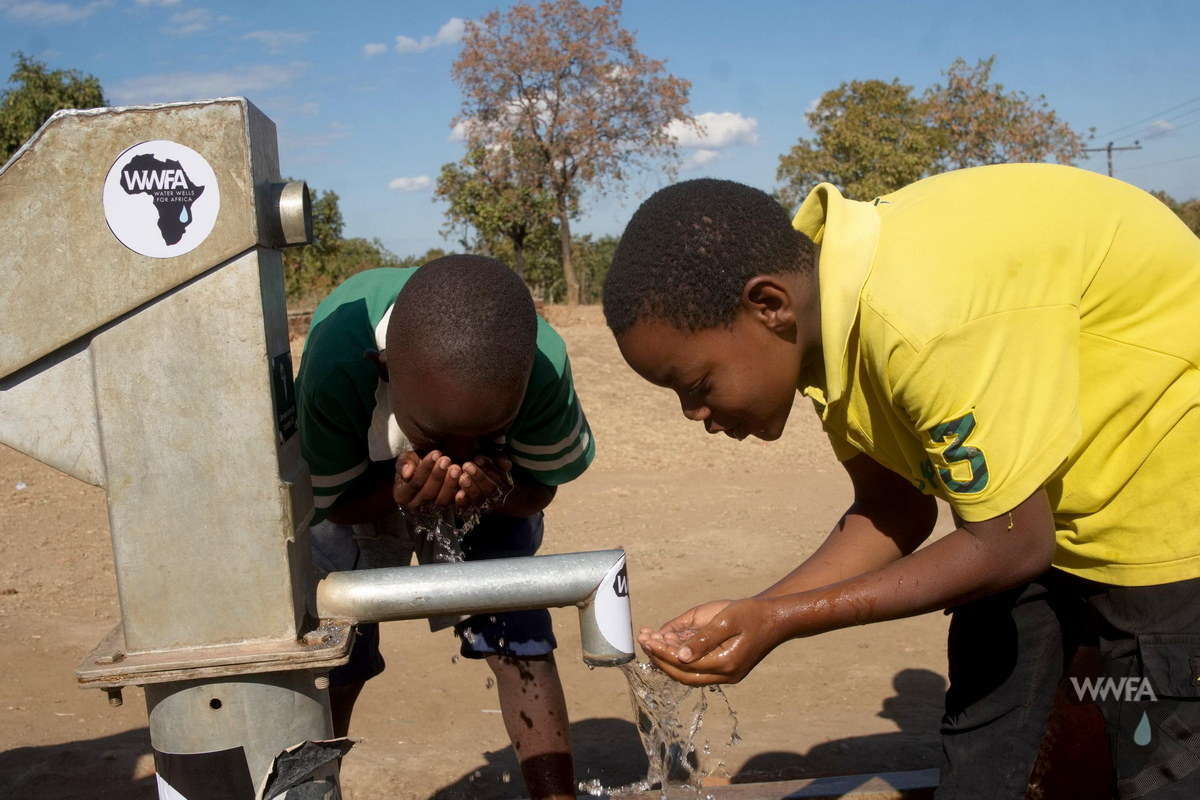
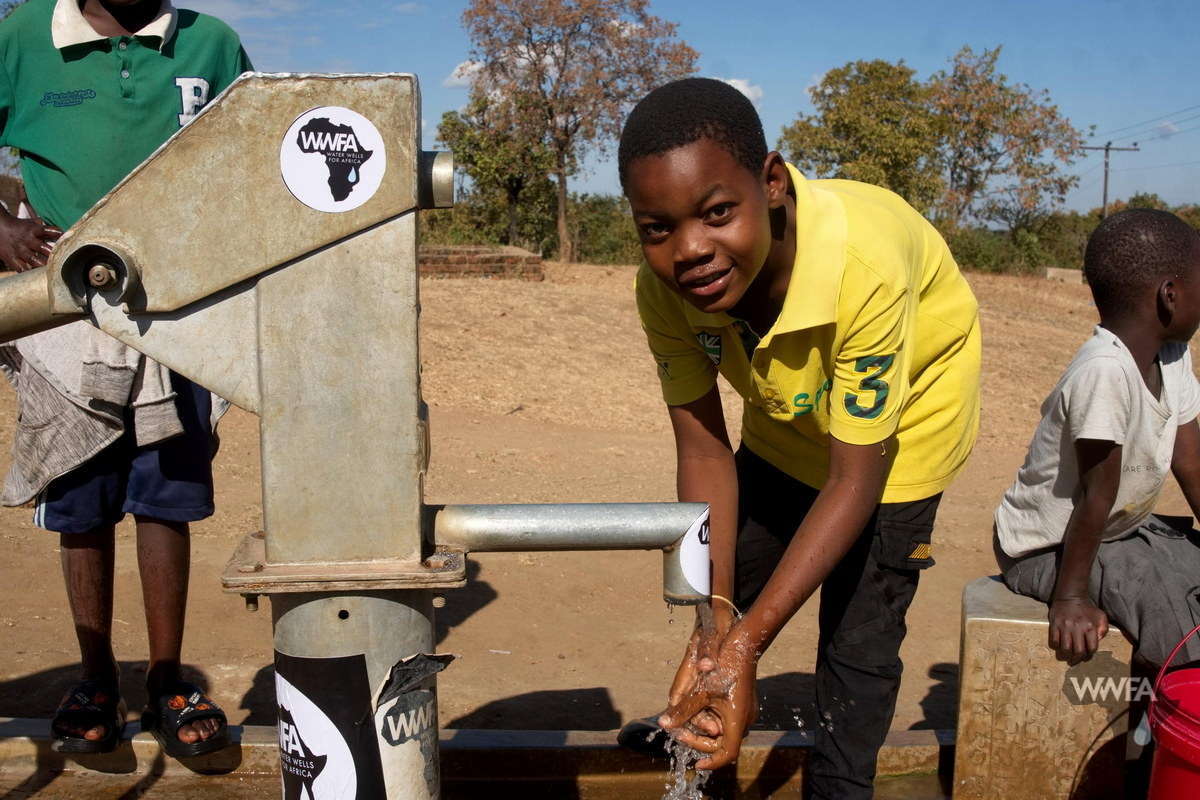
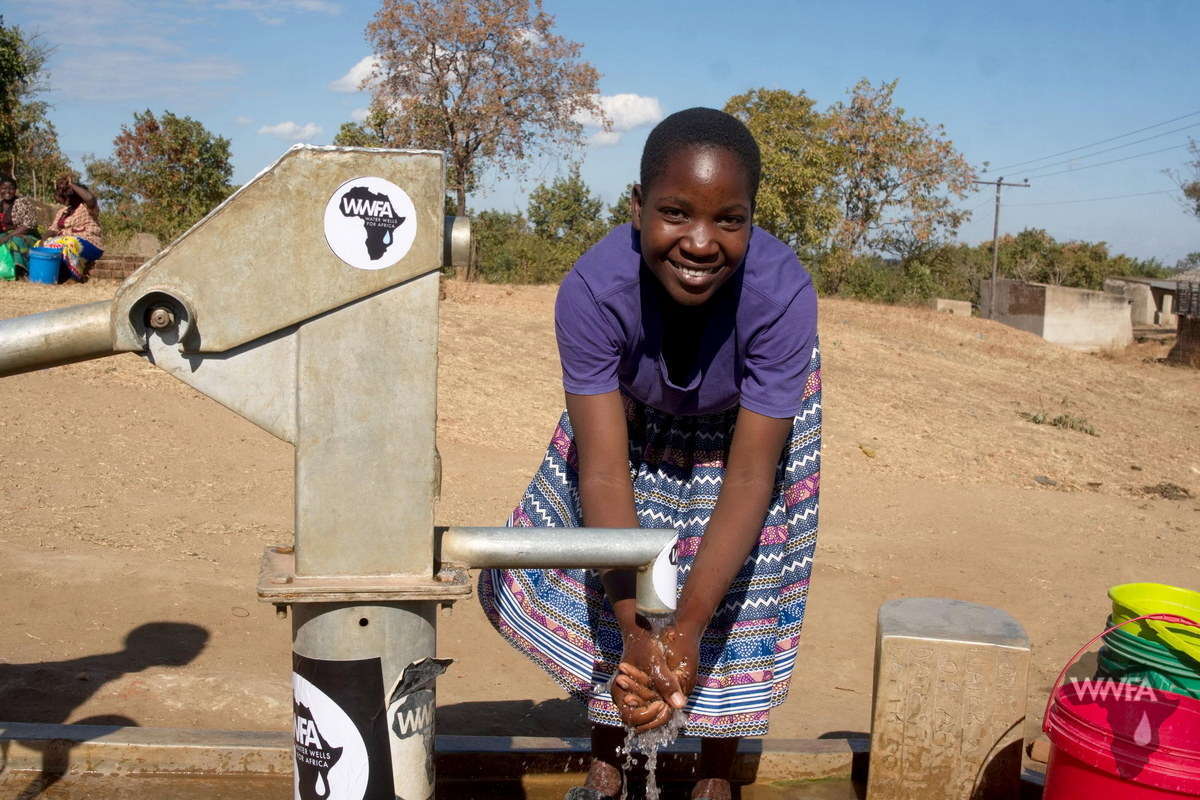
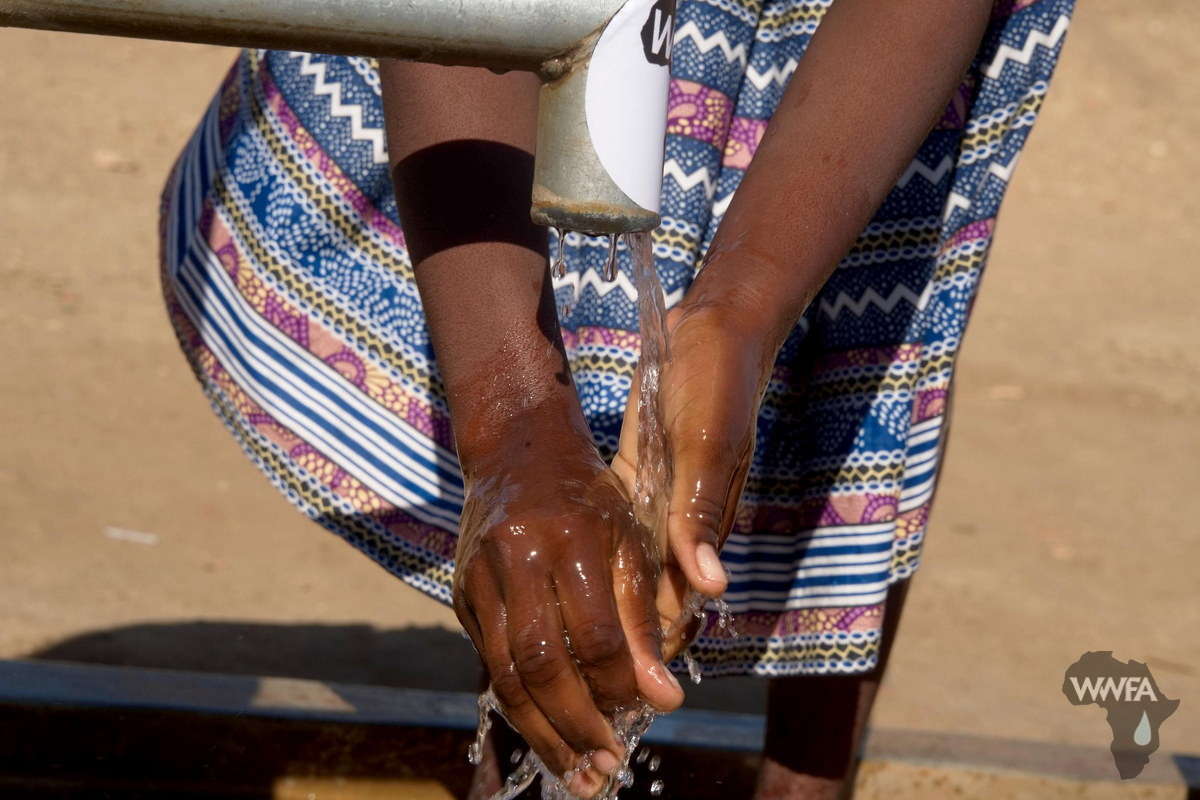
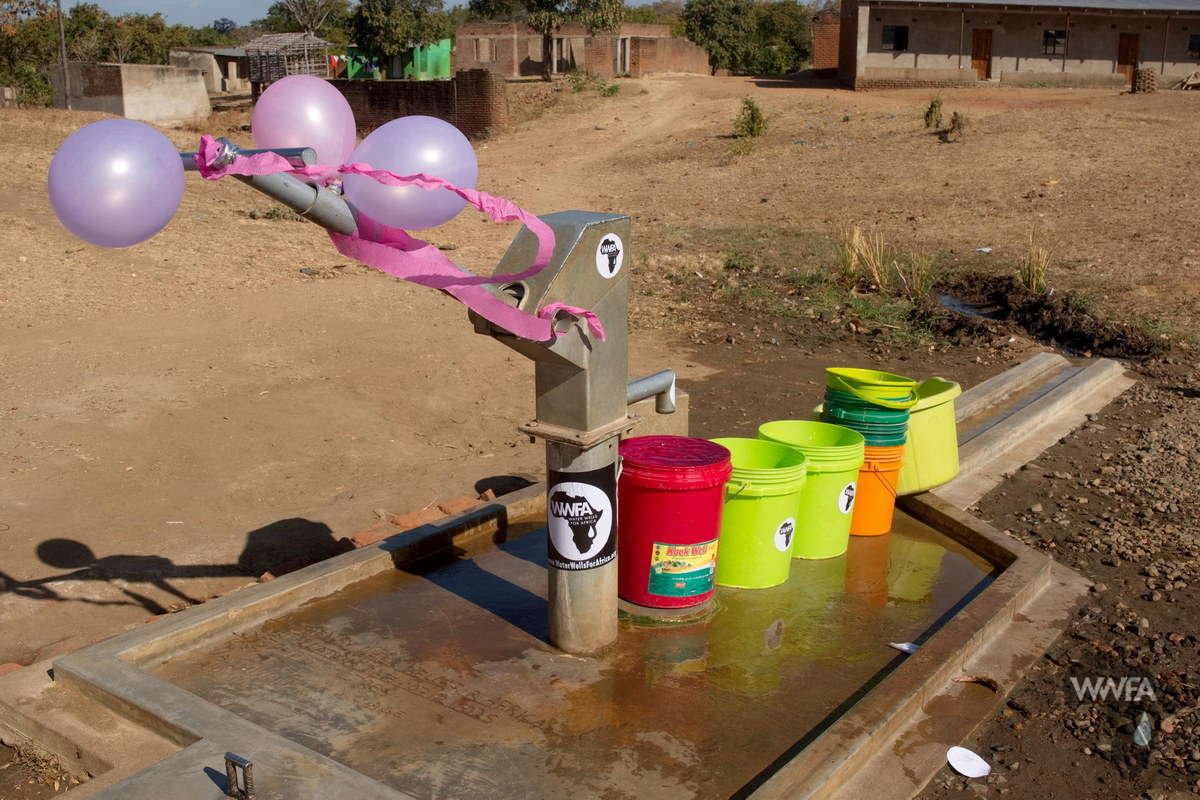
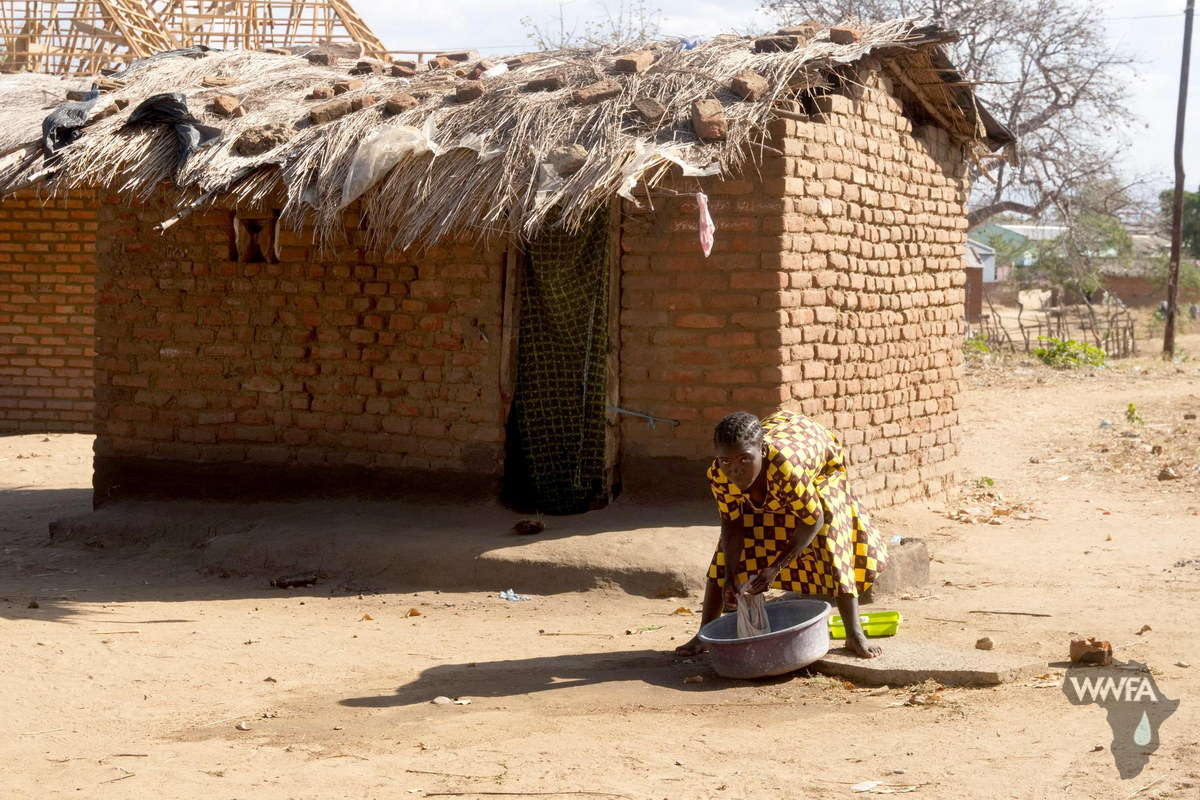
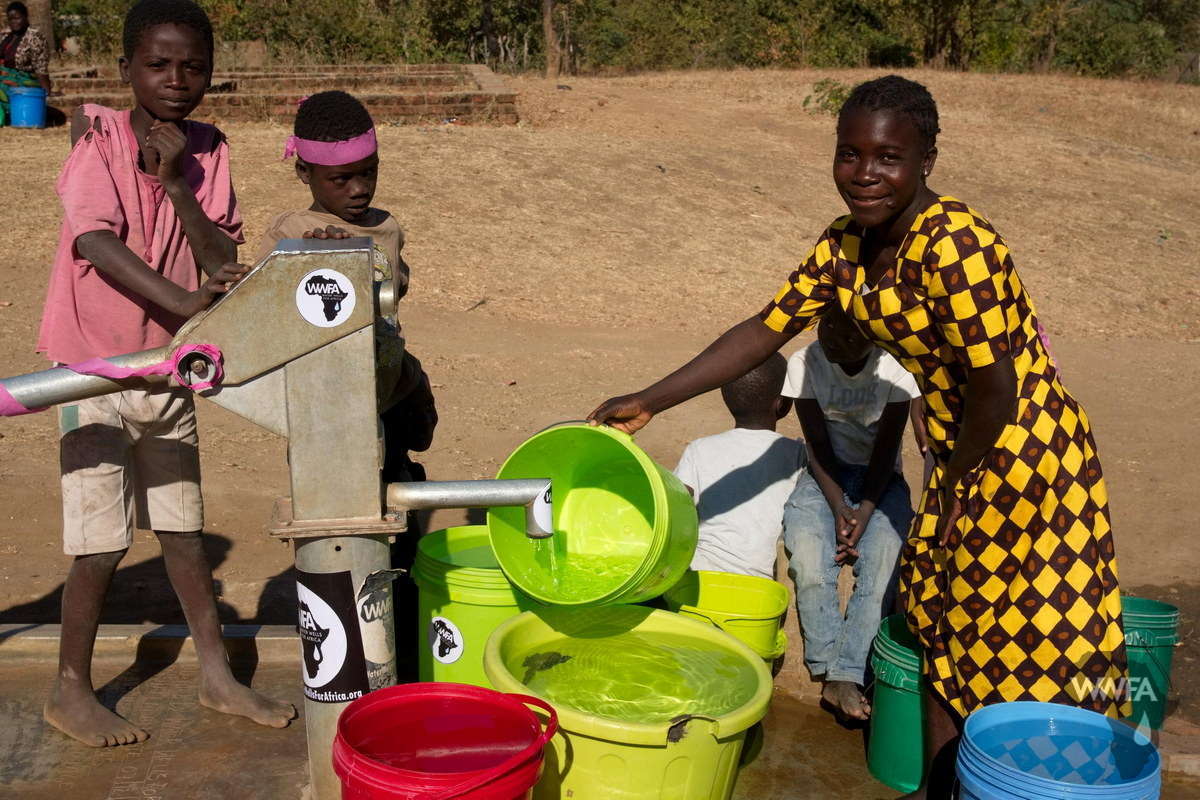
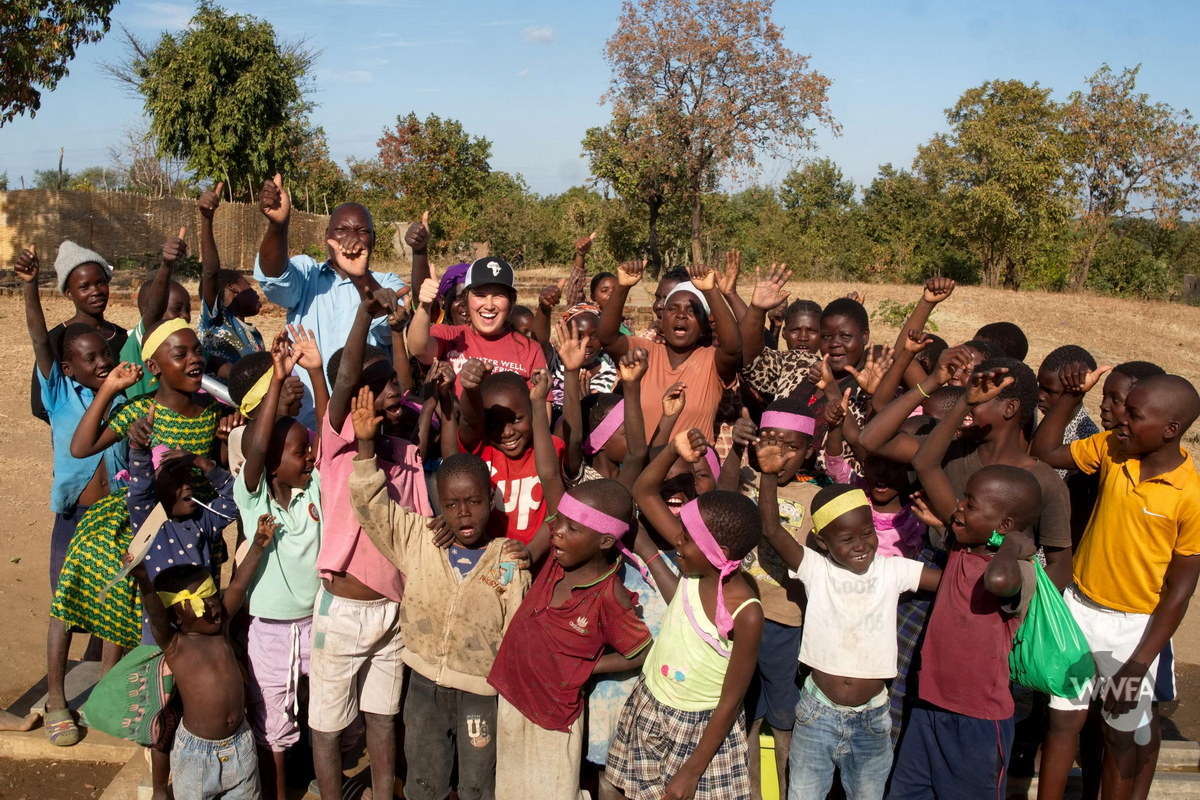
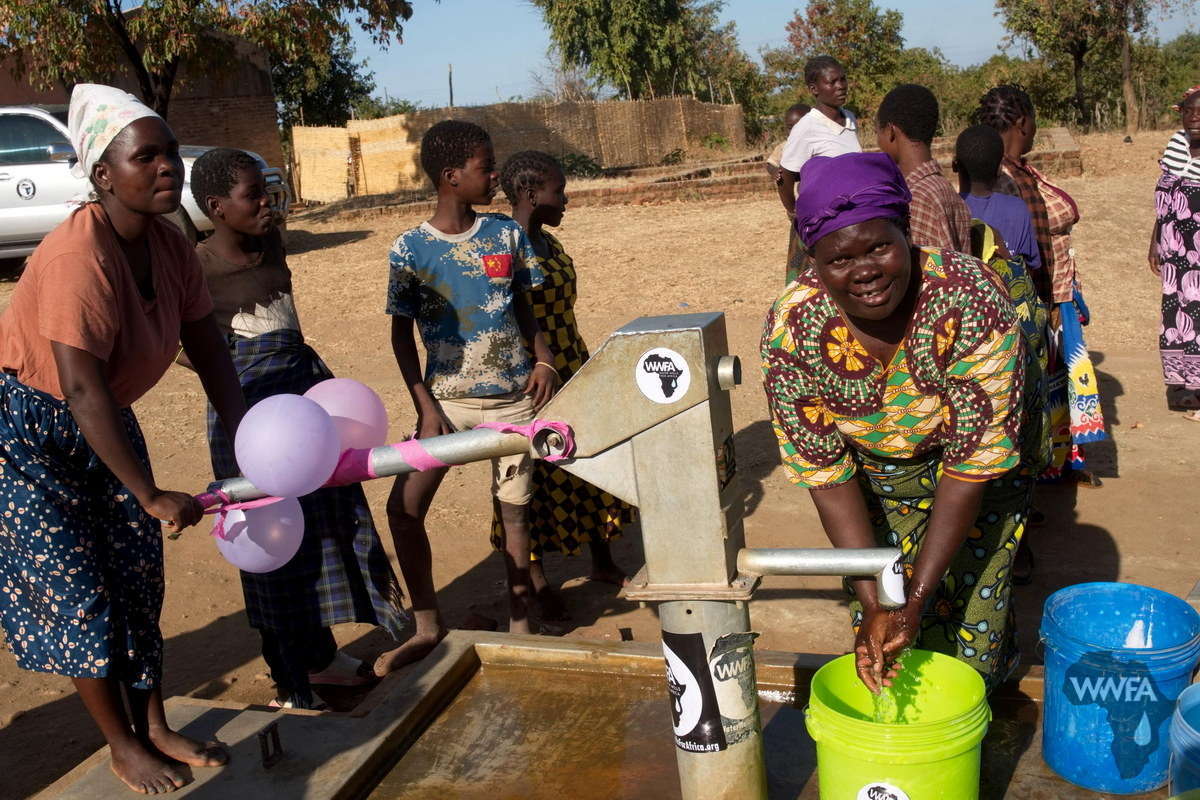
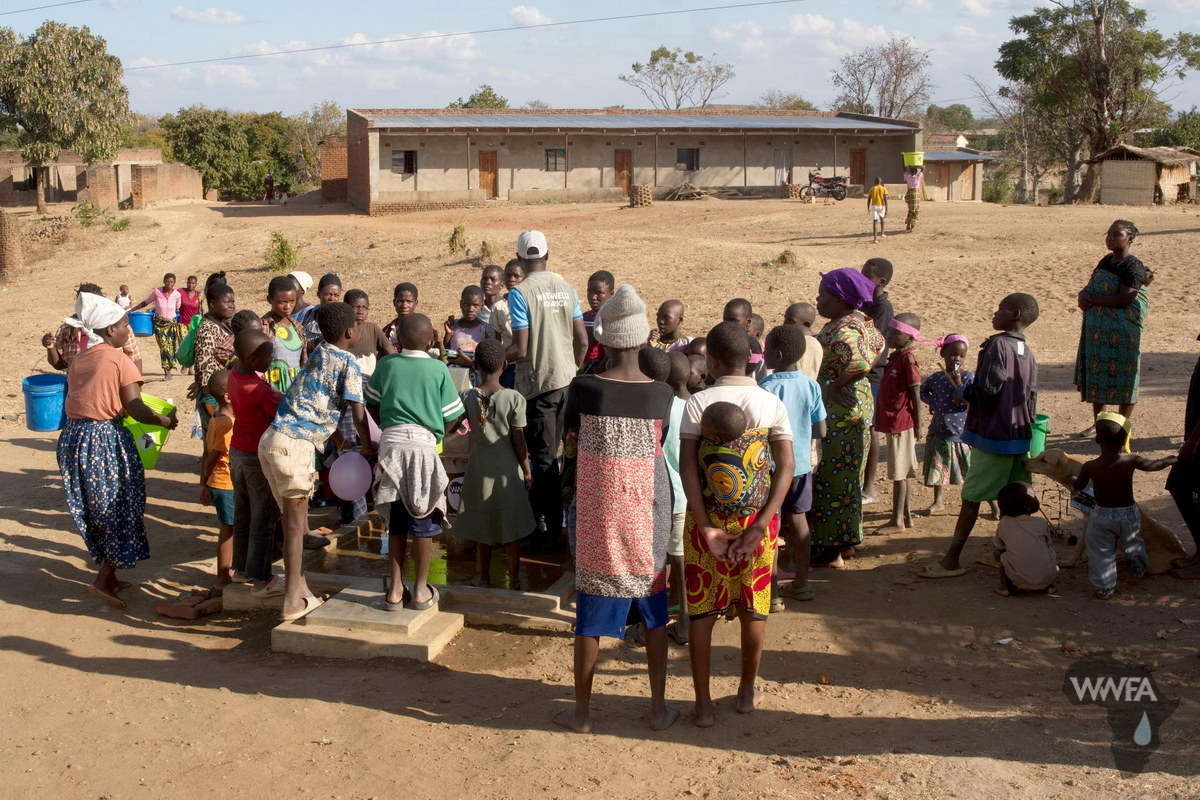
Today, families can collect enough water to bathe three times a day, keep their homes cleaner, and cook their meals on time. Residents describe the new water as “sweet water,” and the well has continued working without interruption since it was installed.
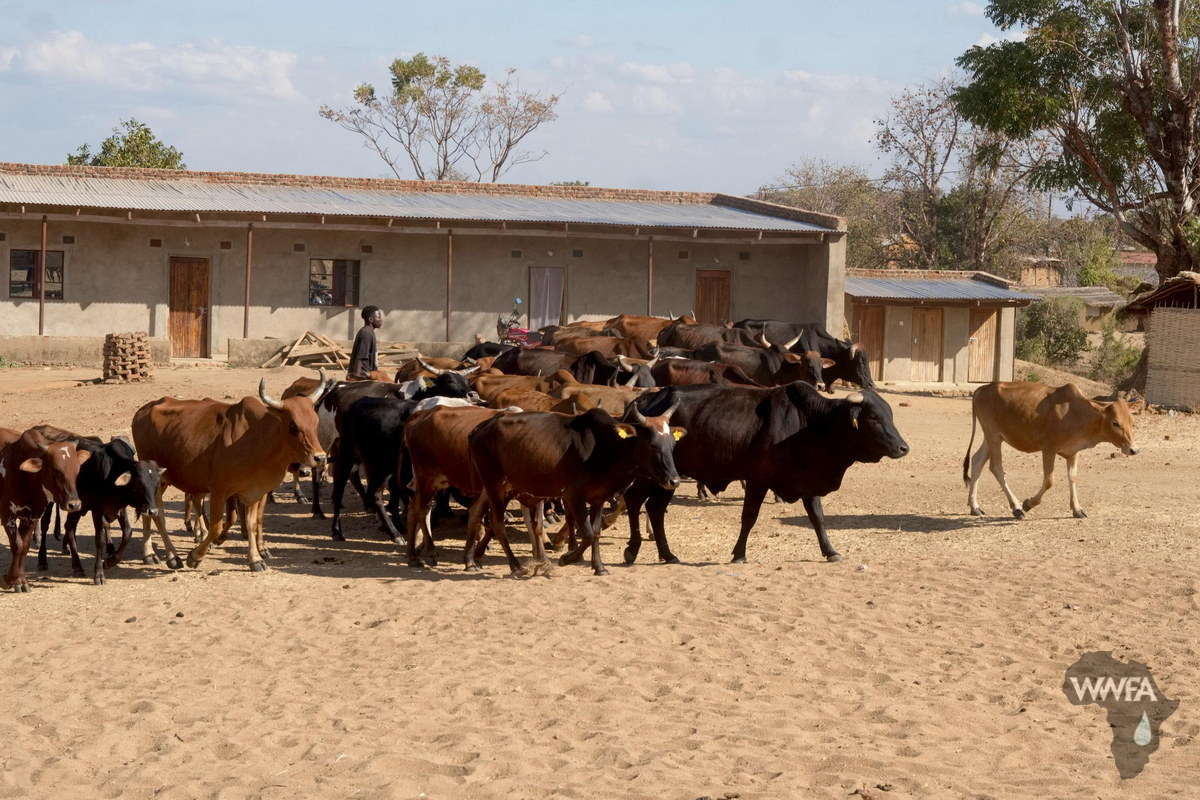
The extra water is also creating new opportunities. Families are starting small businesses, preparing their fields more efficiently, and planning gardens. Goats and cows are multiplying, and residents are building fences and homes with bricks made using water from the well.
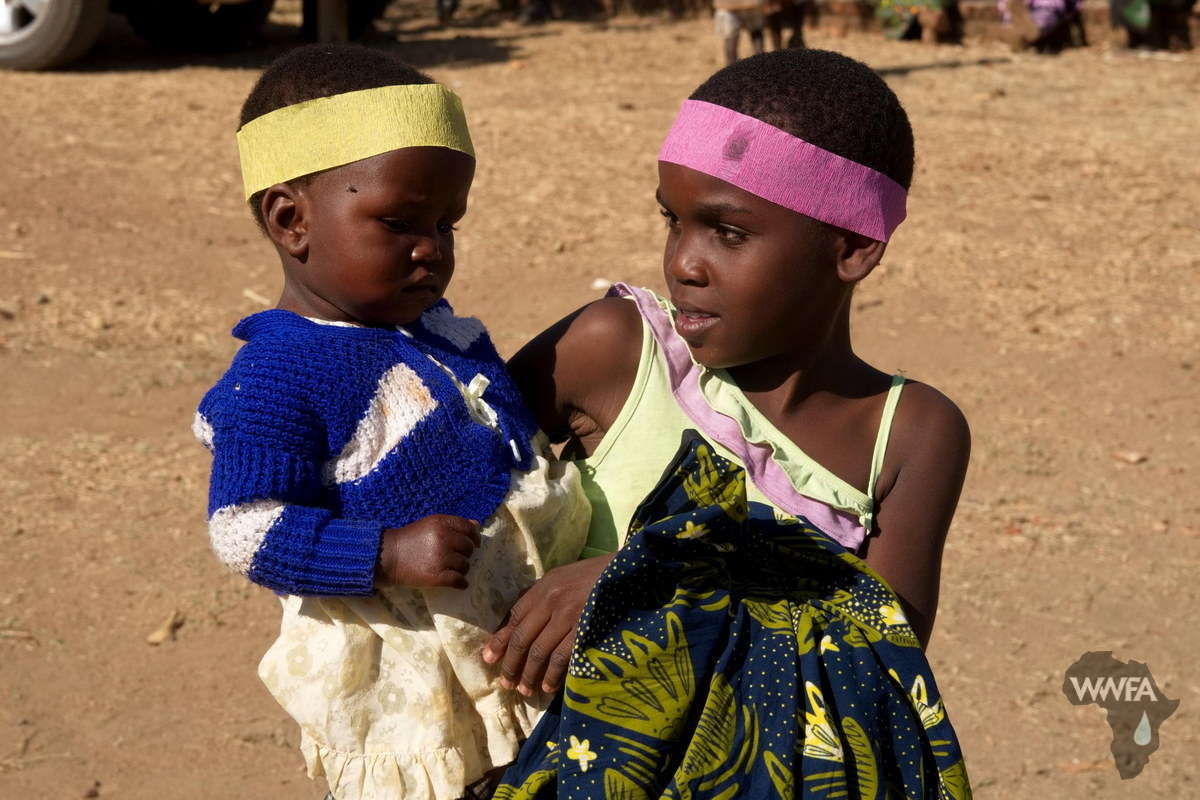
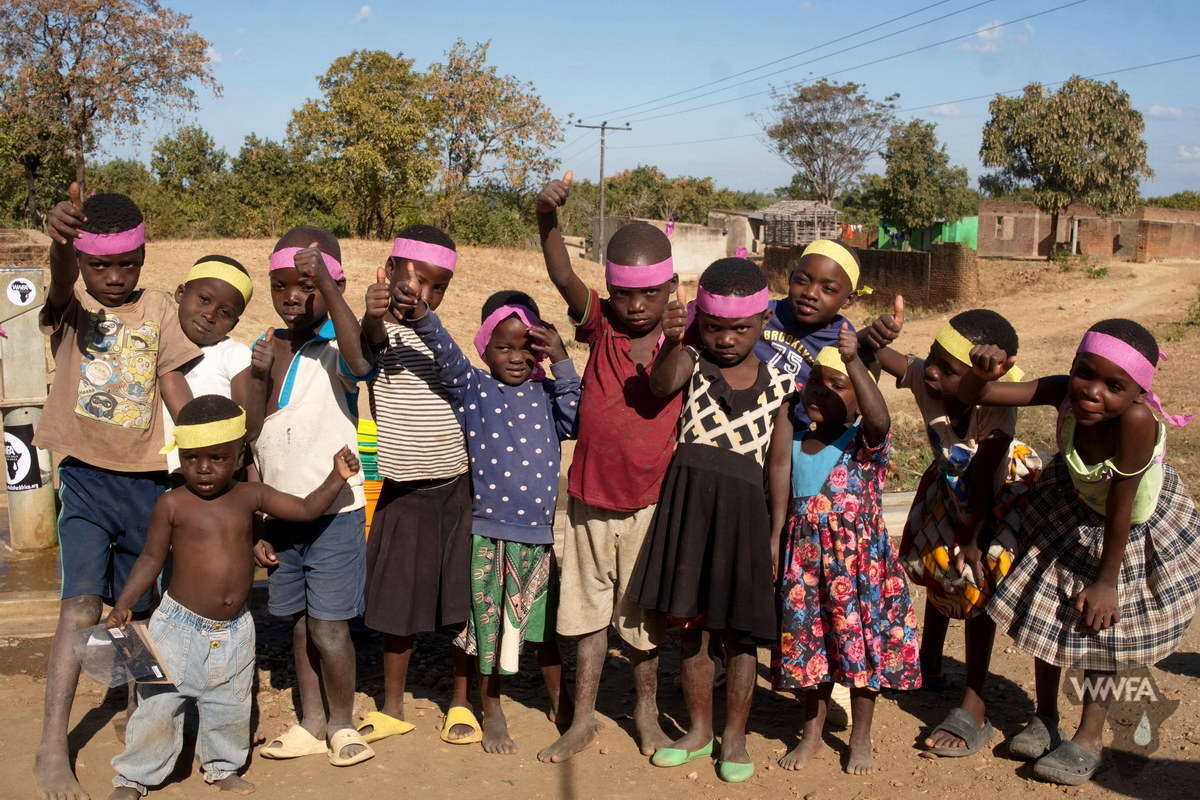
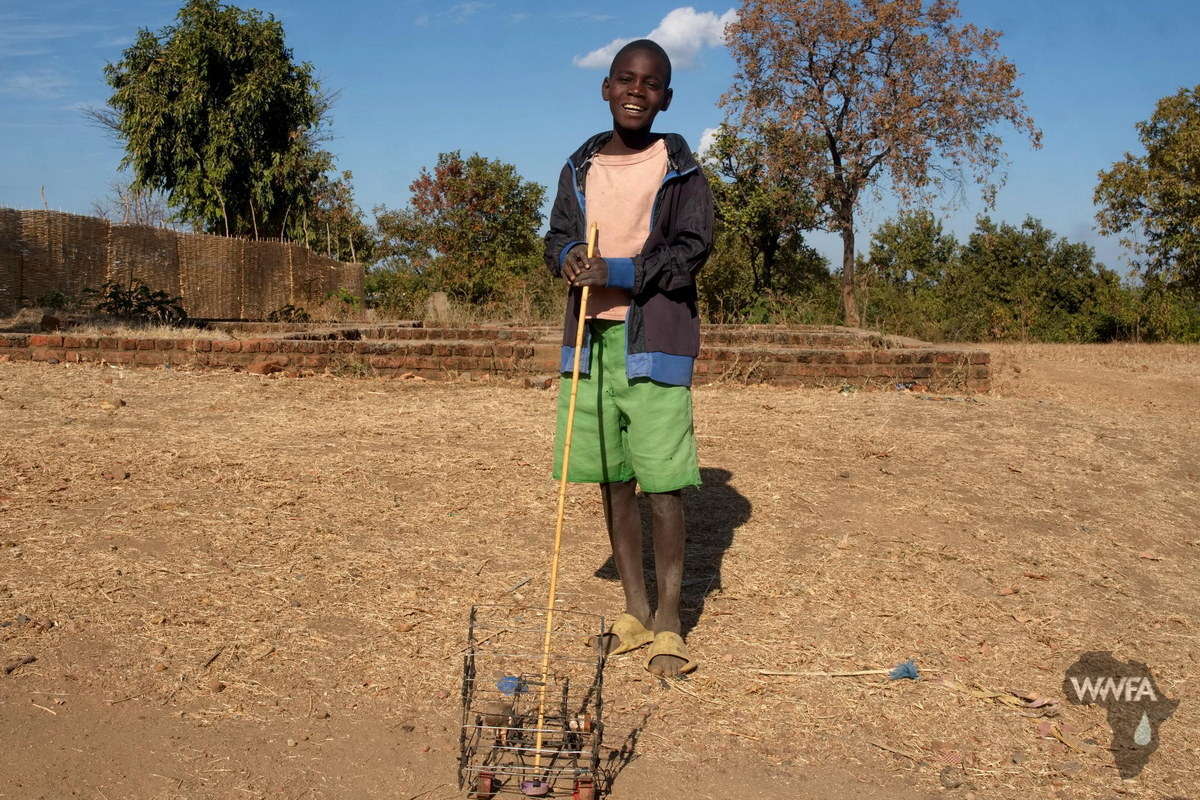
Children are benefiting, too. Before the well, only about 40% of children attended school. The school’s gate closed to students who arrived late, meaning children who missed the morning could miss the entire day. Today, 100% of children are going to school. Parents say their children are eating on time and arriving ready to learn.
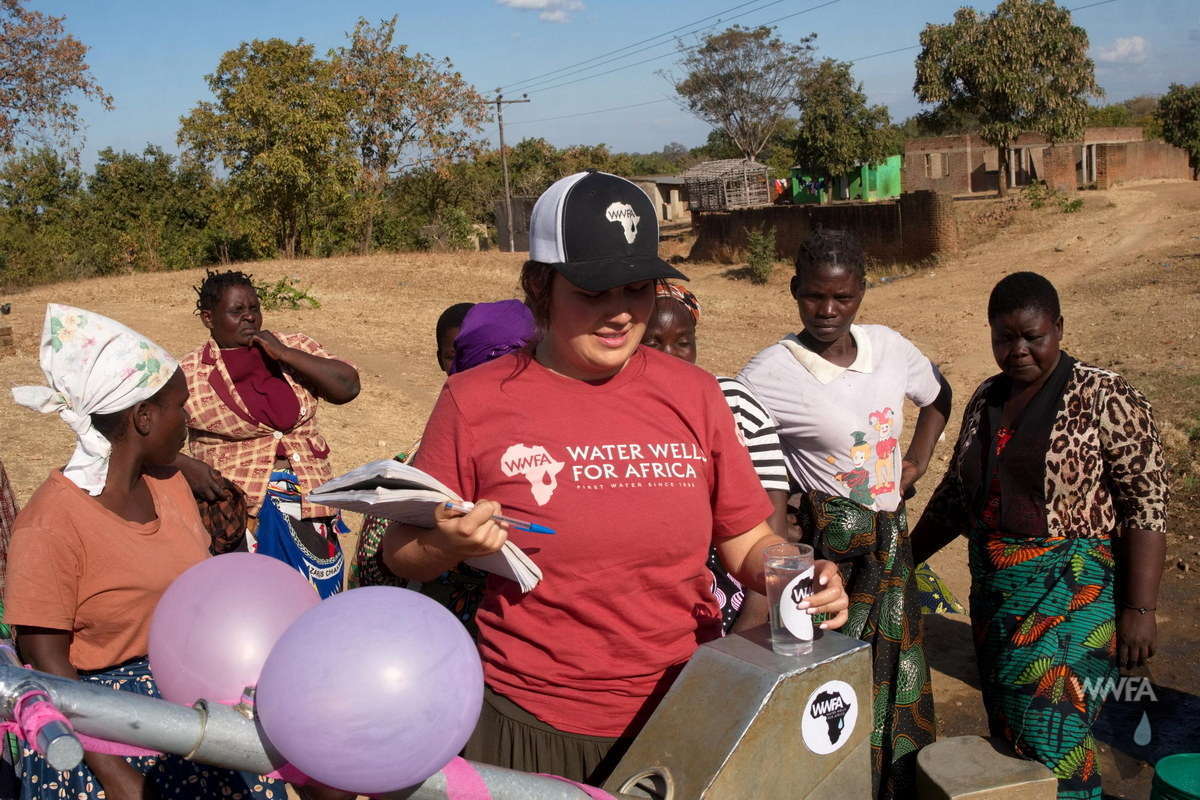
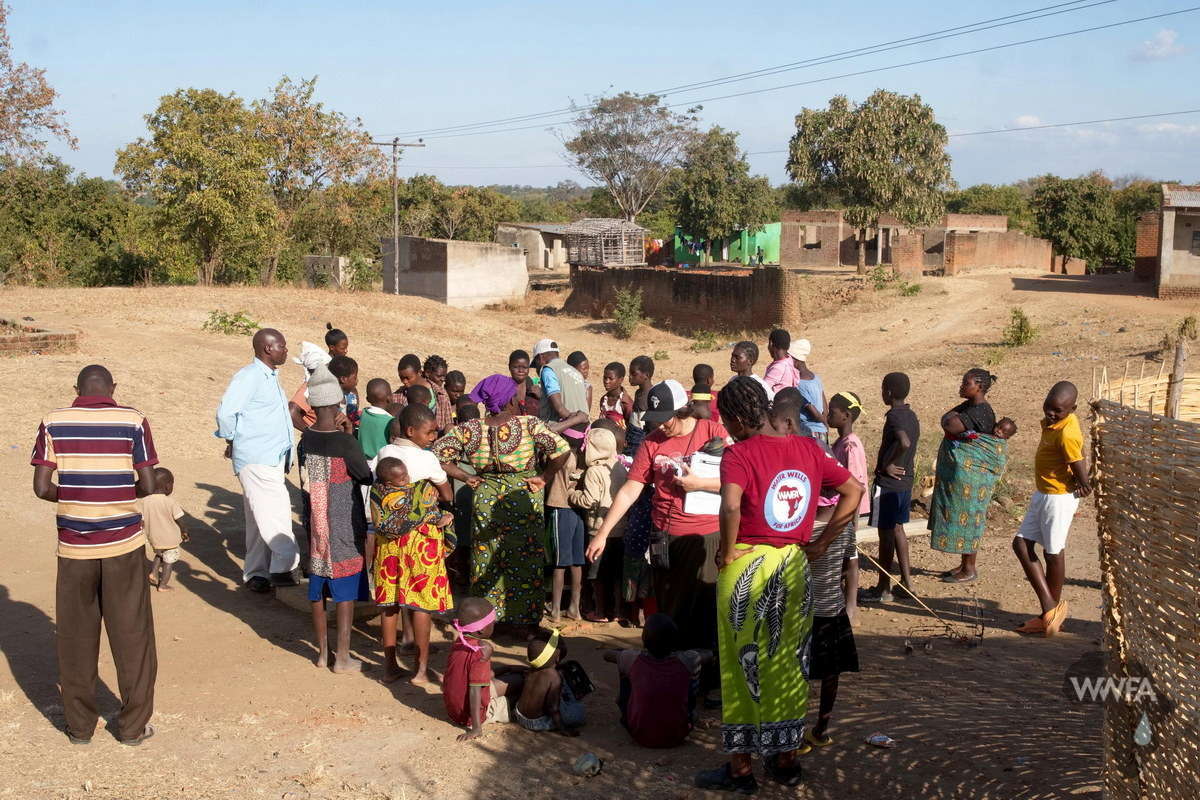
The well has also given the community a renewed sense of trust and responsibility. When asked how it feels to serve on the water committee, Secretary Chimwewe said, “We feel good because people trusted us.”
For Katchezera, reliable water has brought more than cleaner homes and healthier families. It has helped restore dignity at home, put food on children’s plates, and given parents the freedom to plan for a better future.