Families: 80 across 8 villages
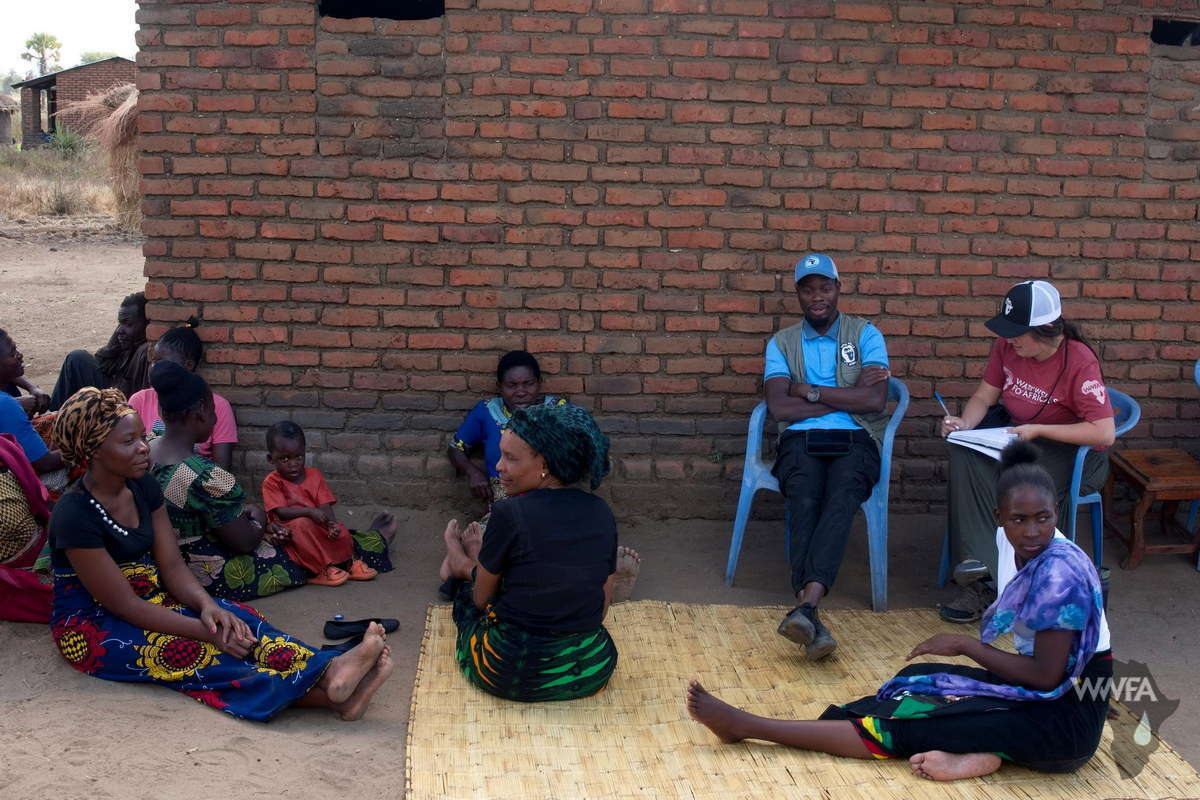
Water Committee: 3 men and 7 women
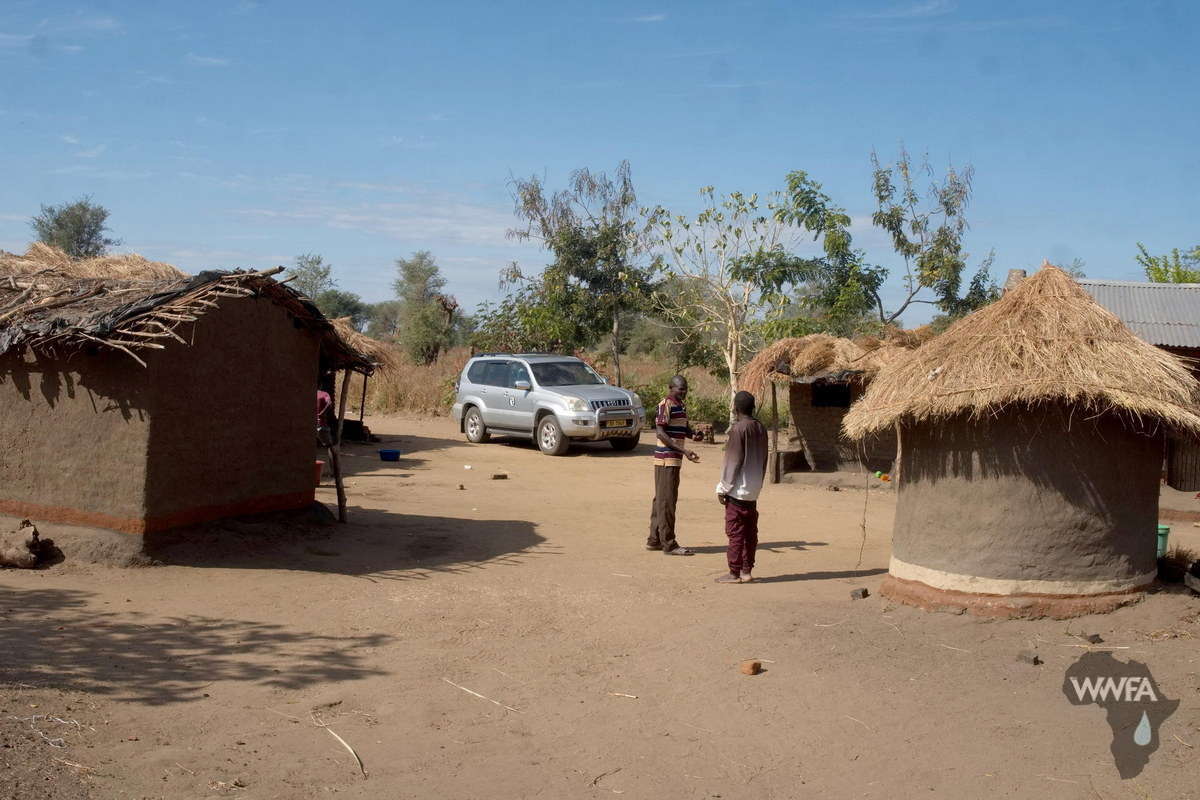
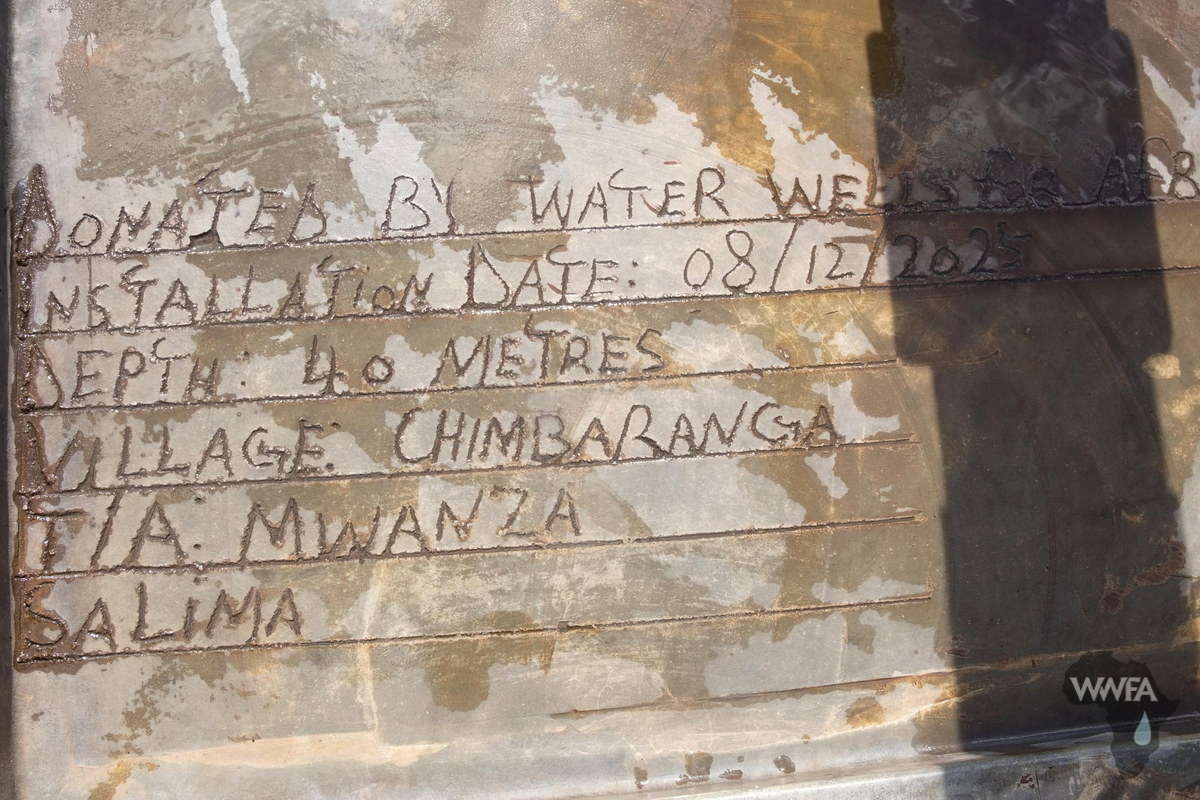
Before the new water well, families in Chimbaranga walked 1.5 kilometers to a water point near the main road. During the dry season, women would wake as early as 3 or 4 a.m. and return around 6 or 7 a.m. with just one bucket of water. If a child came along, they could carry two buckets.
The long lines at the water point often led to conflict. Women described the congestion as so frustrating that they would say to one another, “You’re no longer my relative.” During the rainy season, families turned to digging pits or collecting water from their roofs. The roof water could be brown, almost like tea, and often caused diarrhea.
Families visited Thavite Health Center, 5 kilometers away, about twice a month to seek treatment for diarrhea. Care could cost between 11,000 and 20,000 kwacha, forcing families to borrow money, work extra jobs, or tend their gardens to cover the expense. With so little water available, bathing was also difficult, and children sometimes had to wash only their faces before school.
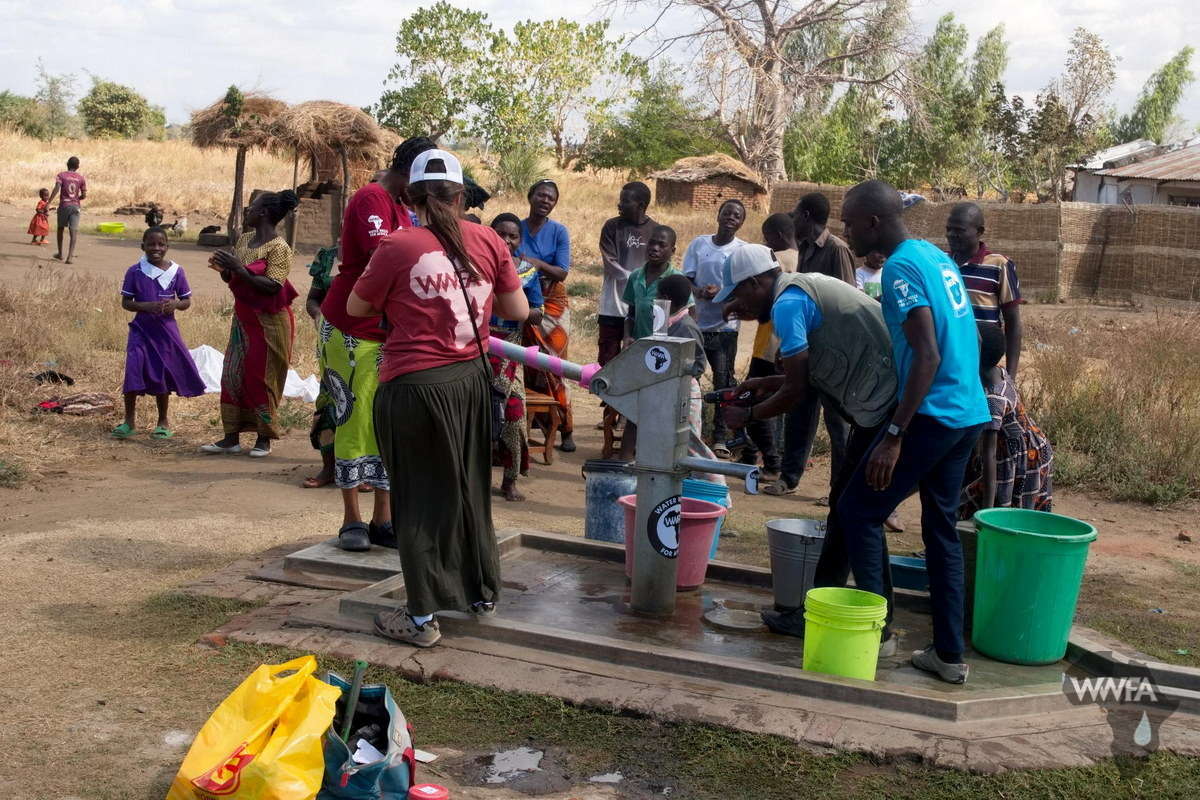
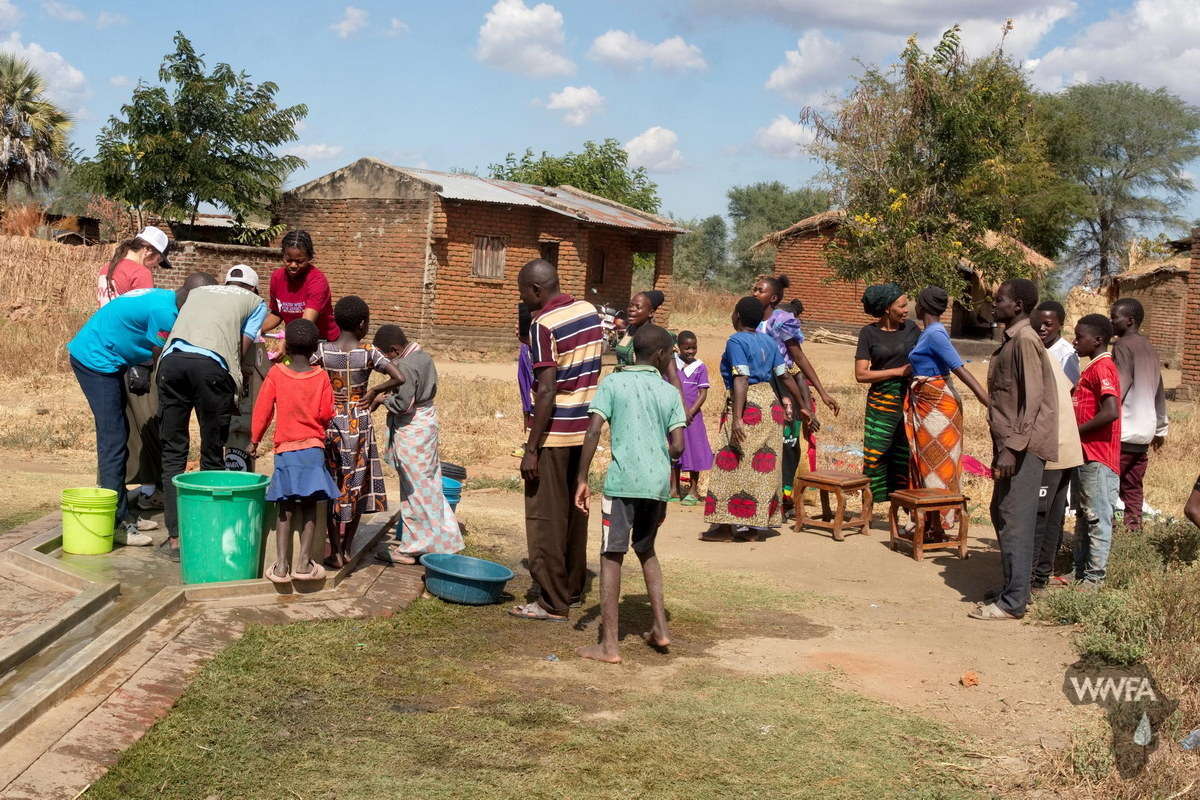
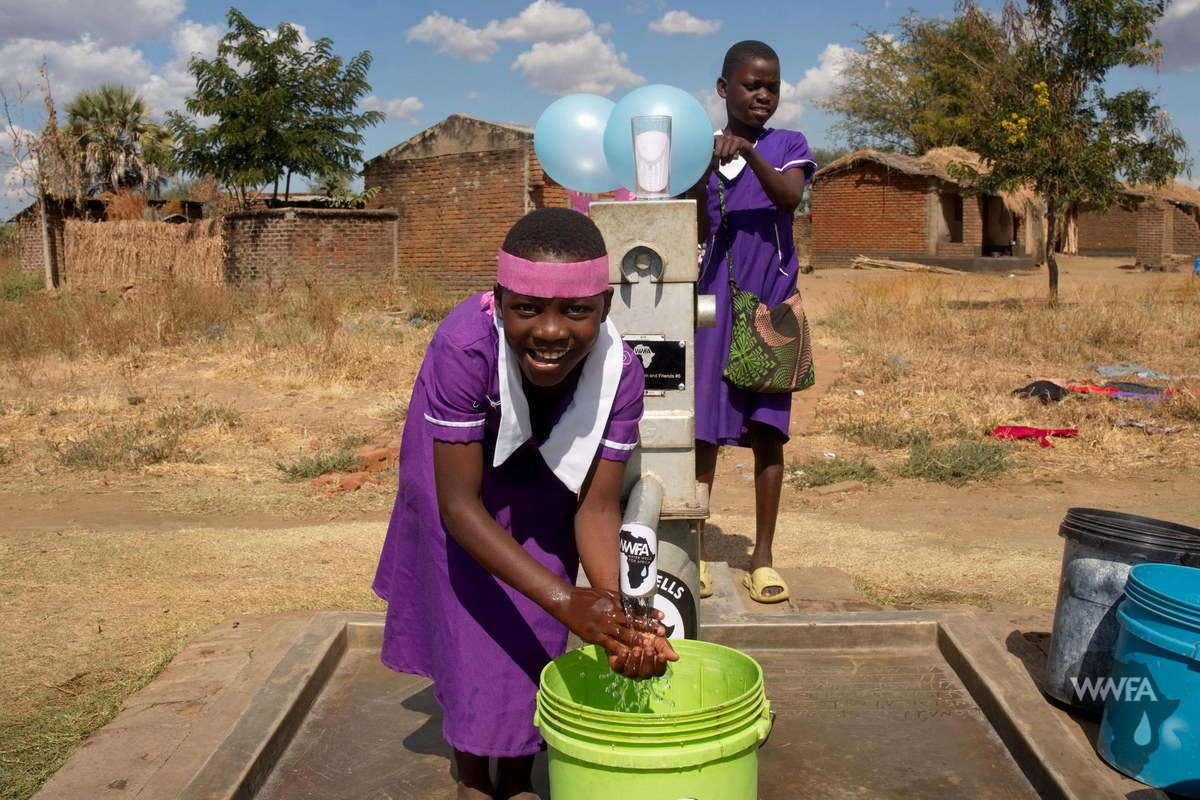
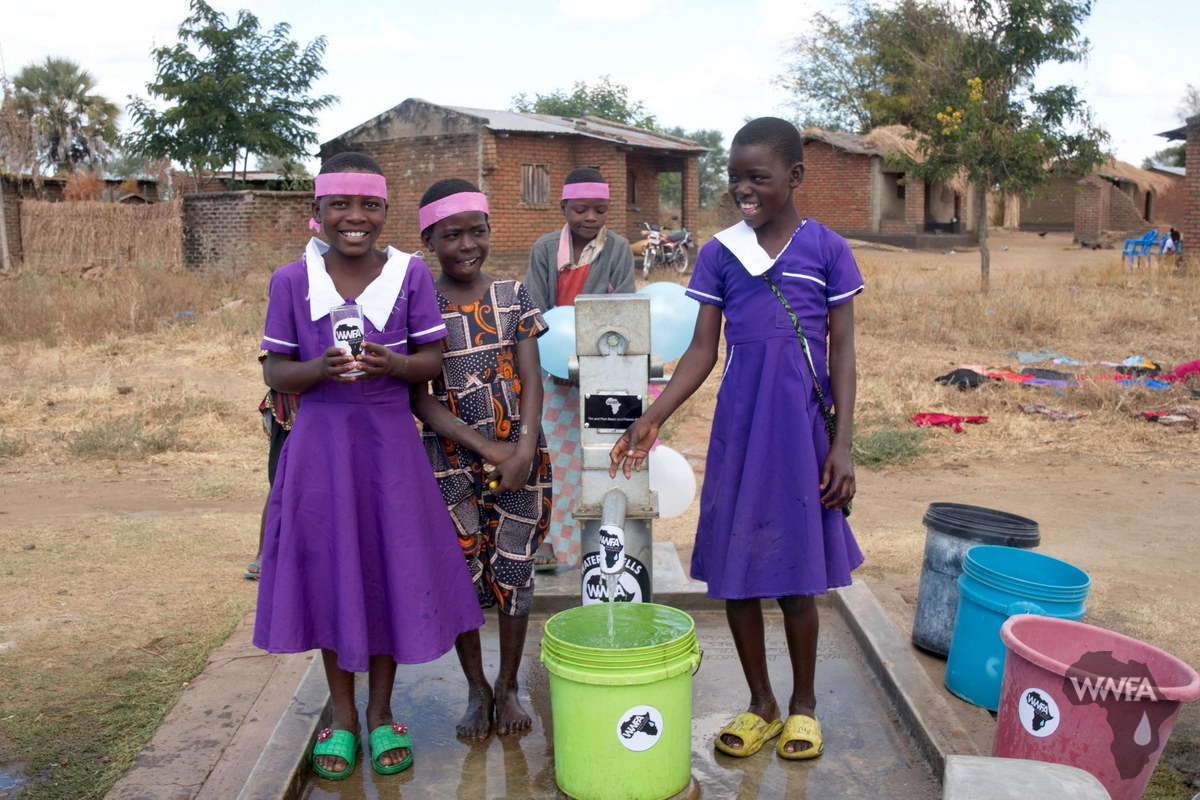
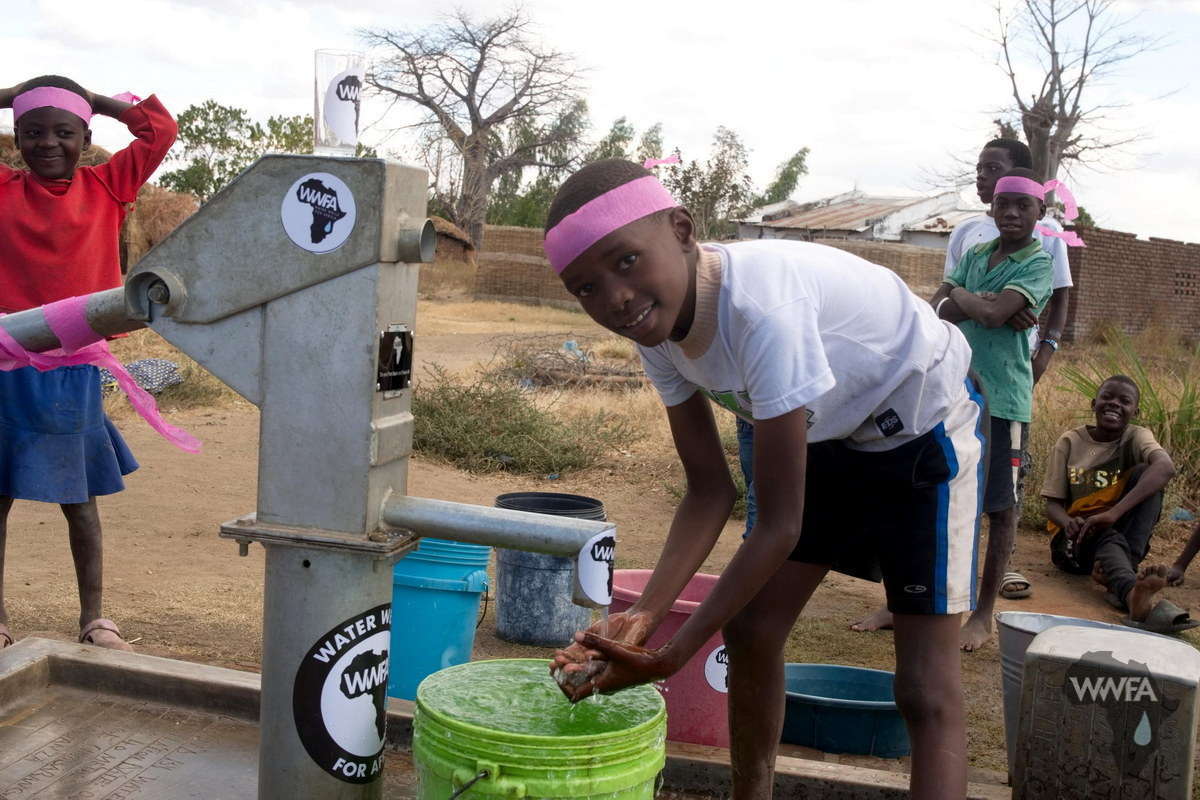
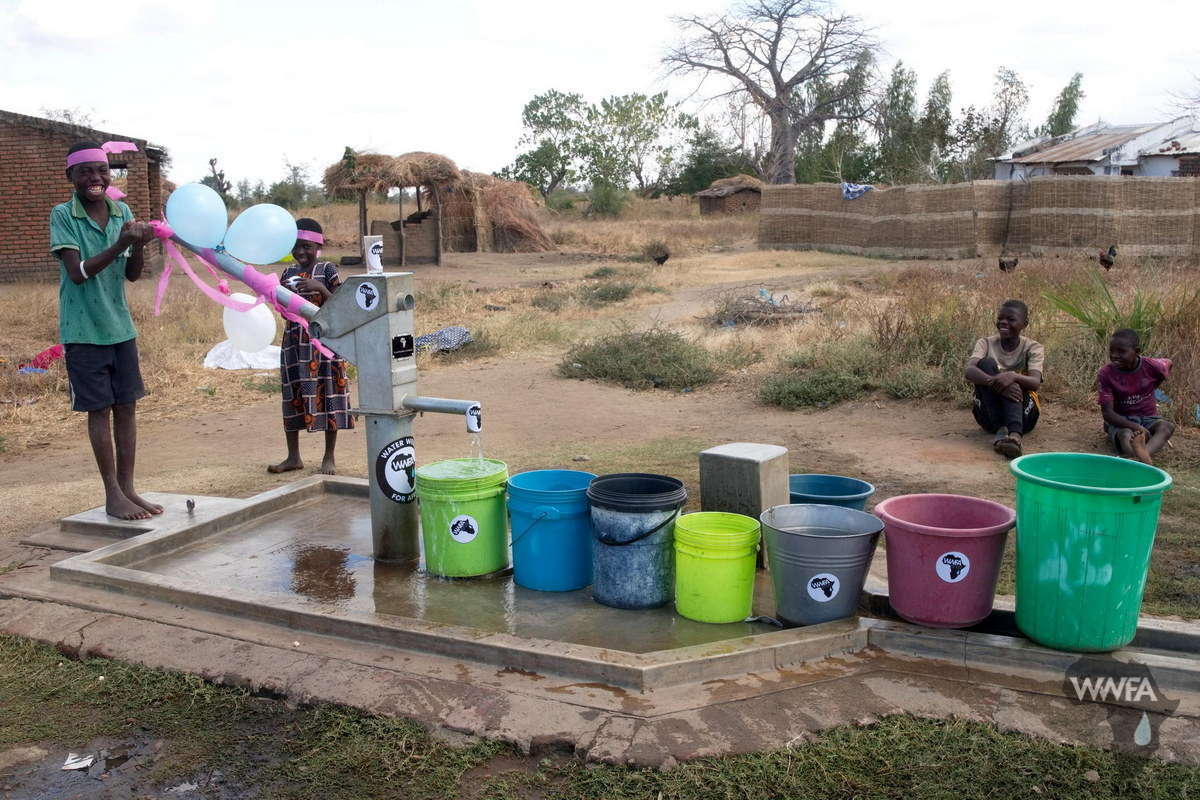
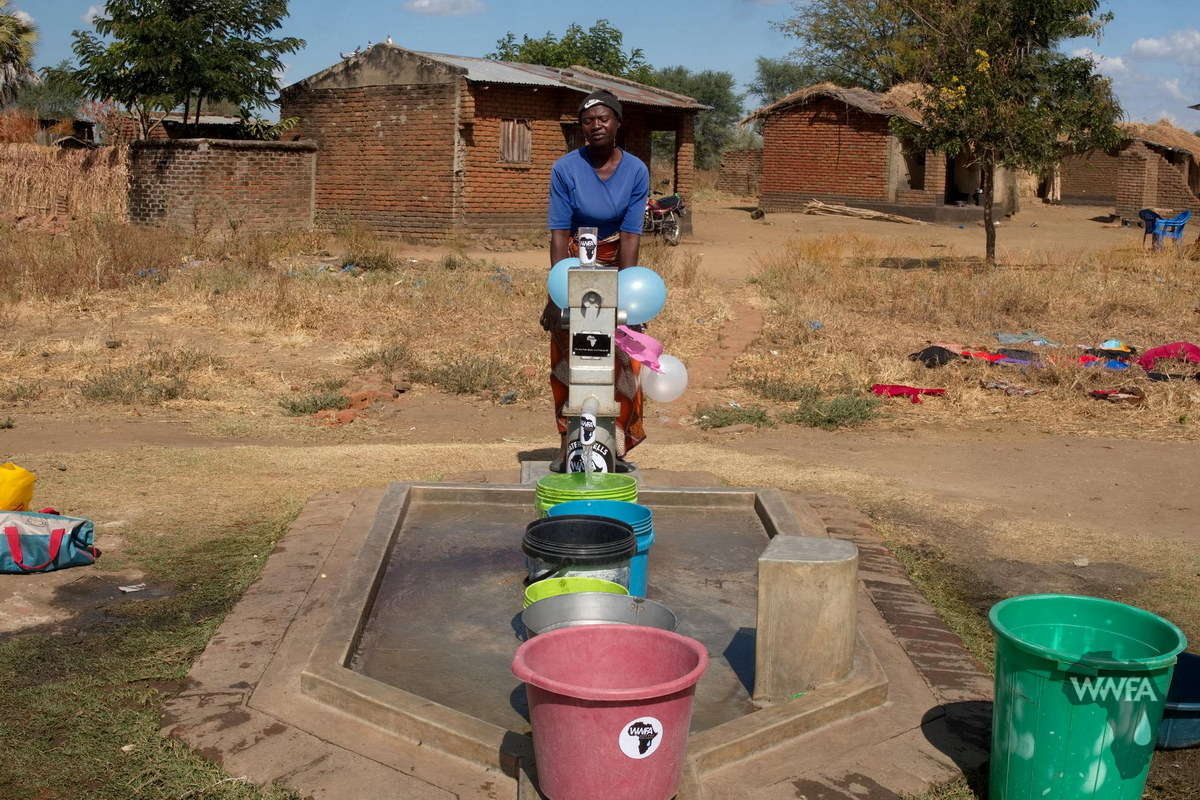
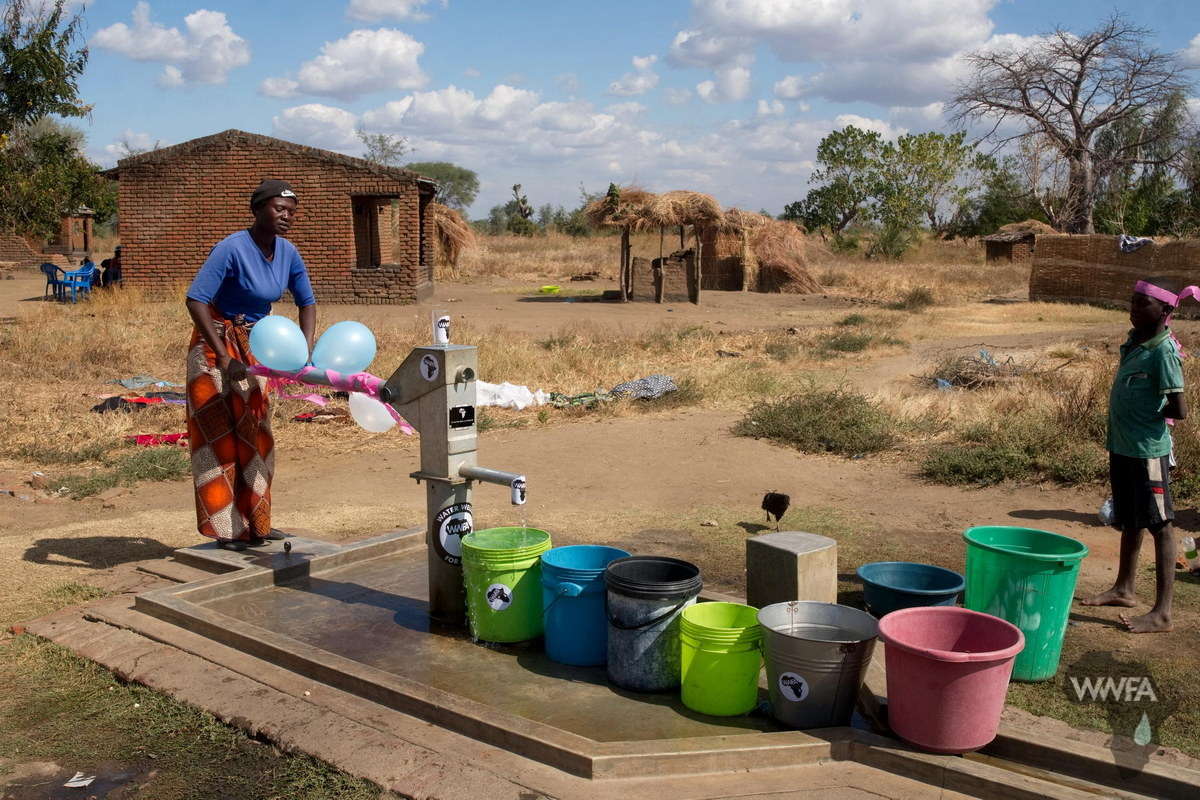
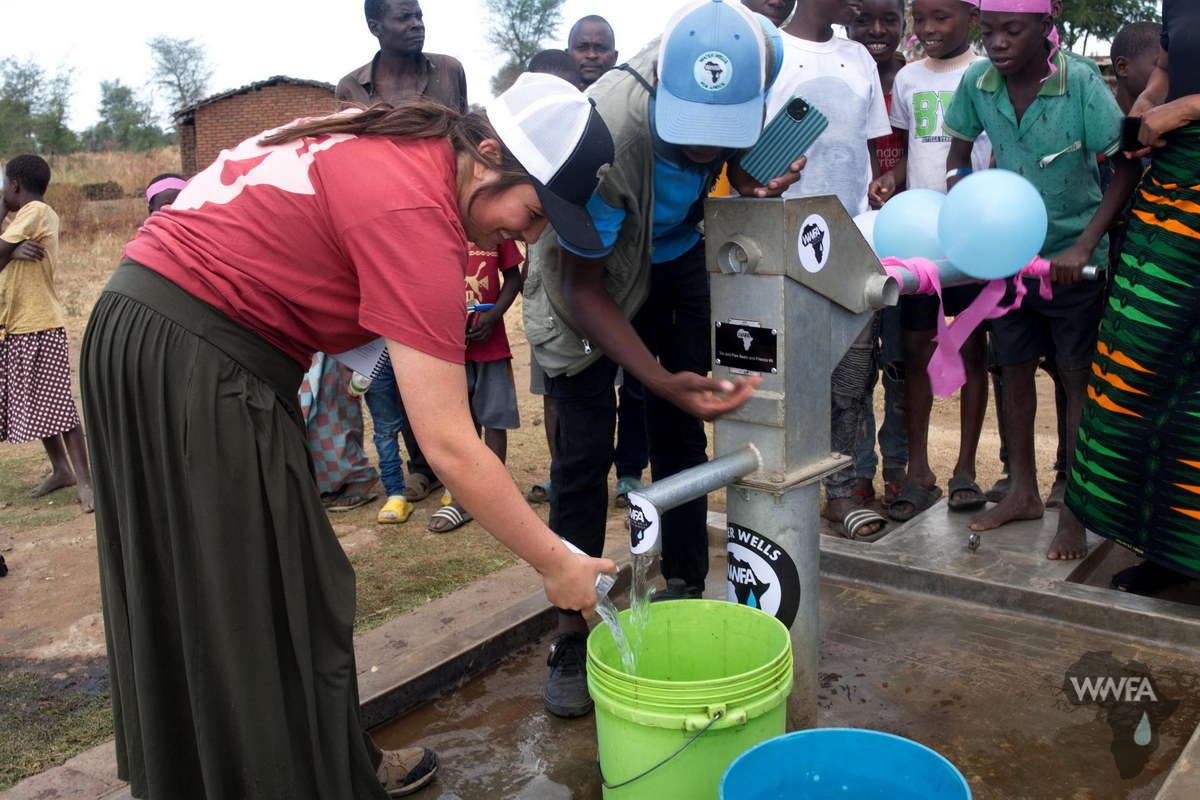
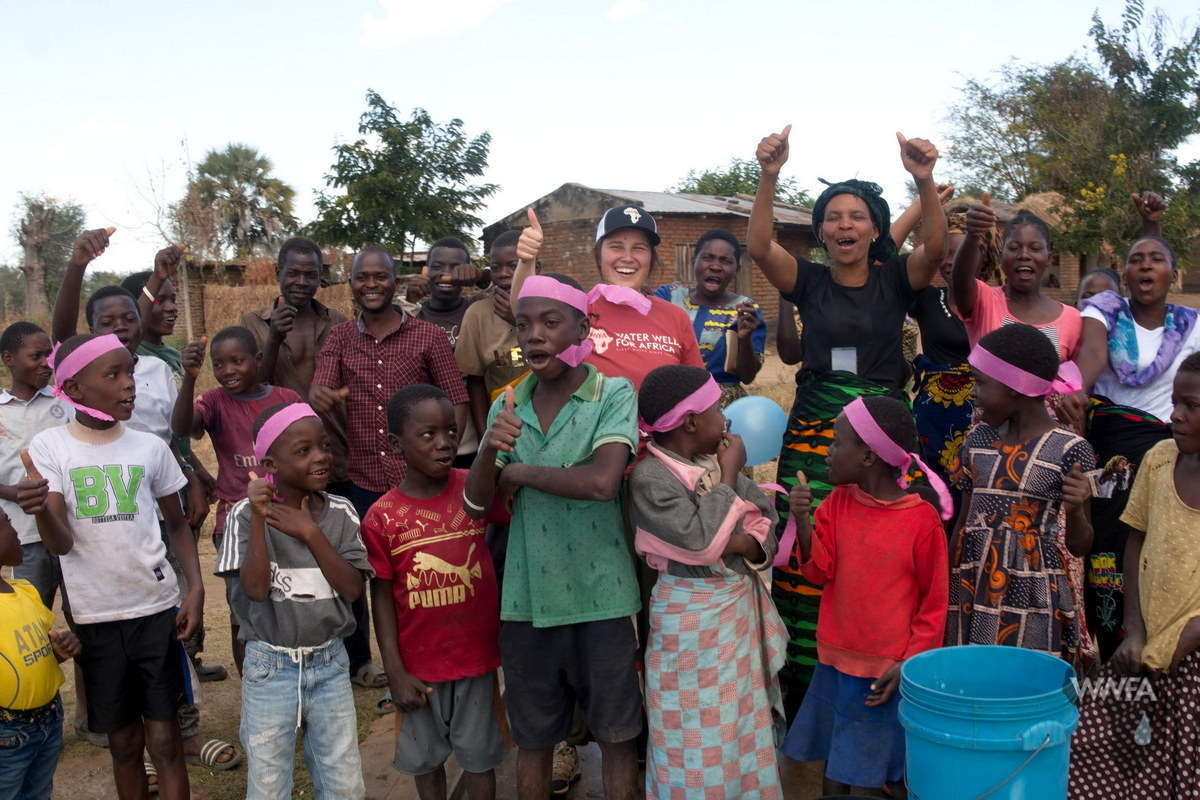
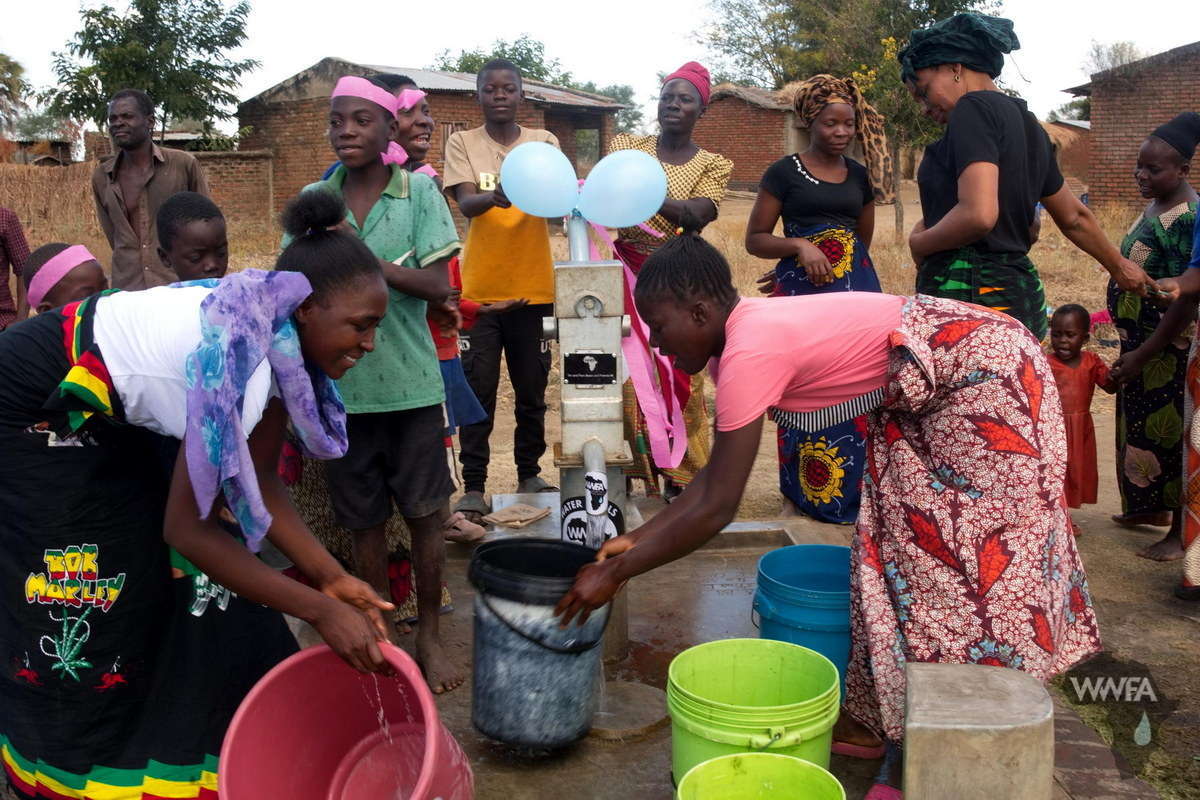
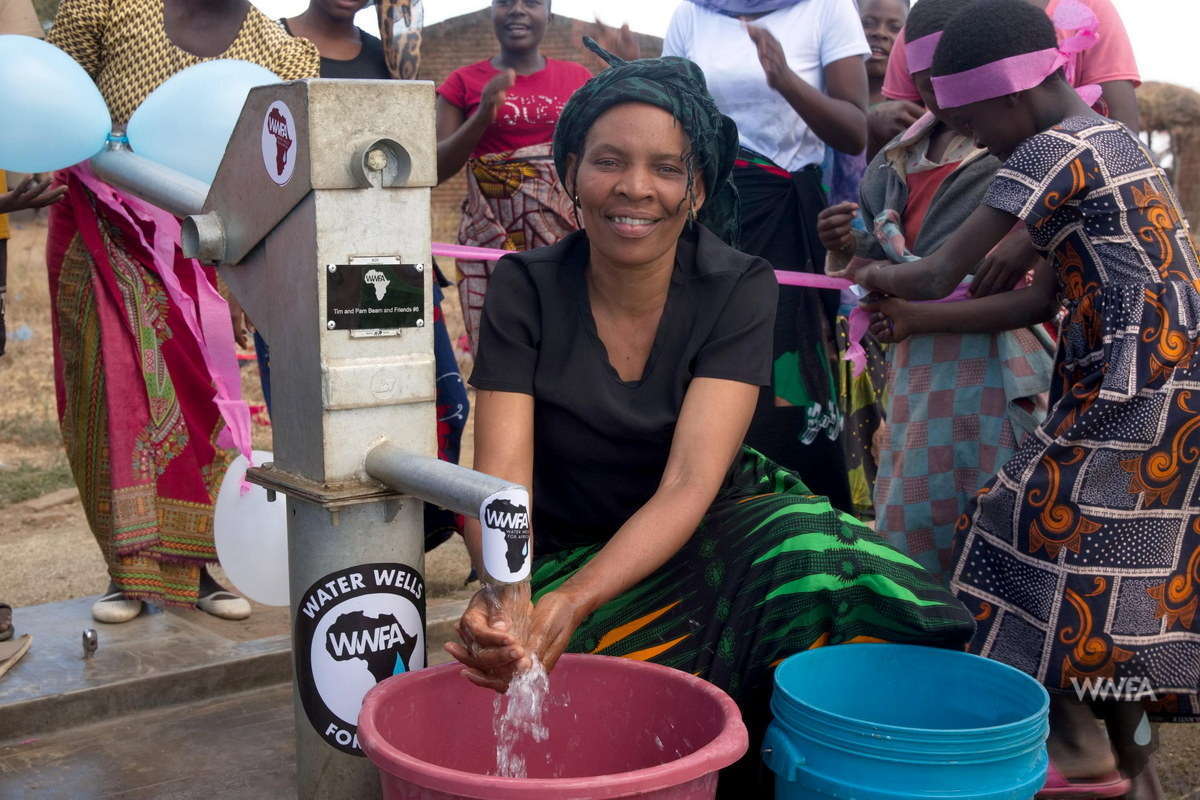
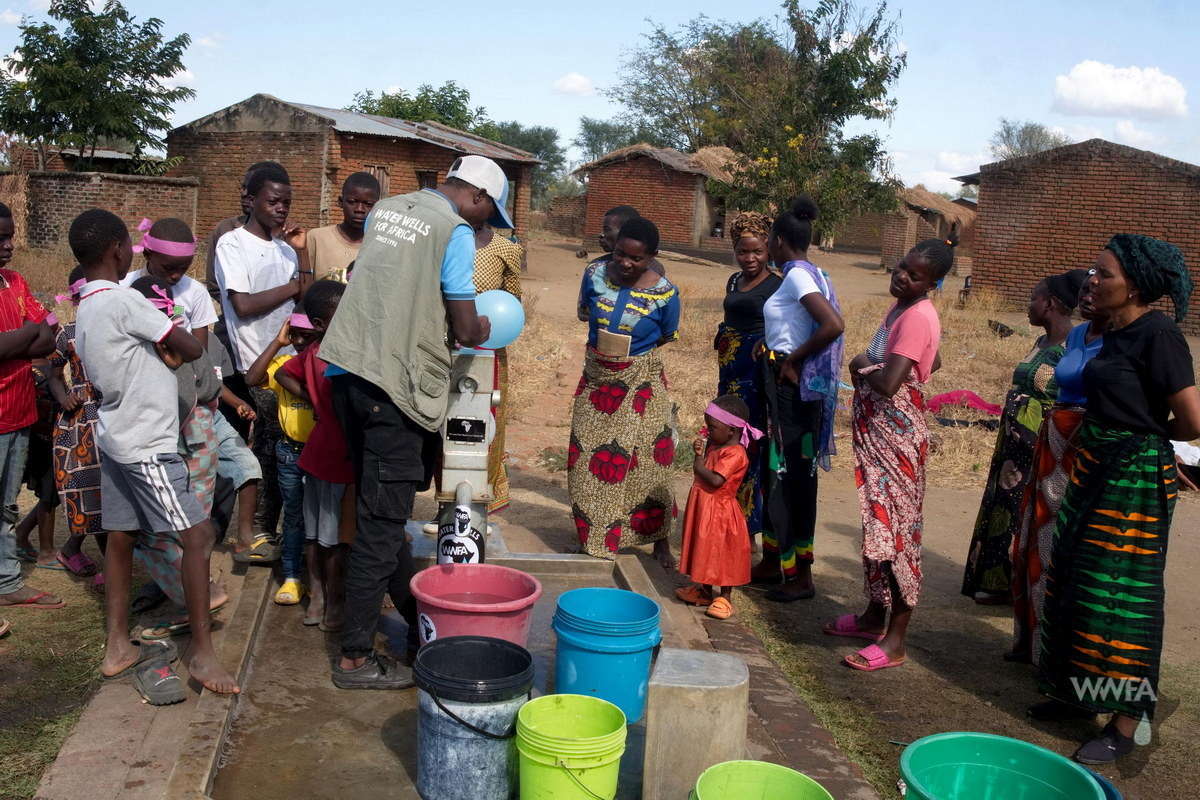
Today, families can collect anywhere from five to 12 buckets of water a day. They can bathe three times a day, wash their clothes and dishes, and cook without worrying about running out of water. One resident explained that they can now leave their nsima cooking and go collect water without having to choose between preparing a meal and finding water.
The extra water and time have also opened opportunities to earn and grow food. Families are starting small businesses selling doughnuts, tomatoes, and rice, while others are growing soybeans, rice, and beans. “Before, we had no freedom to have small businesses. Now, we are gardening,” one resident said.
Water has also brought greater peace to families. Some wives once told their husbands, “If you’re doubting me, come see—I am getting water,” because they were away from home for so long. Now, with water nearby, residents say there is harmony in their homes.
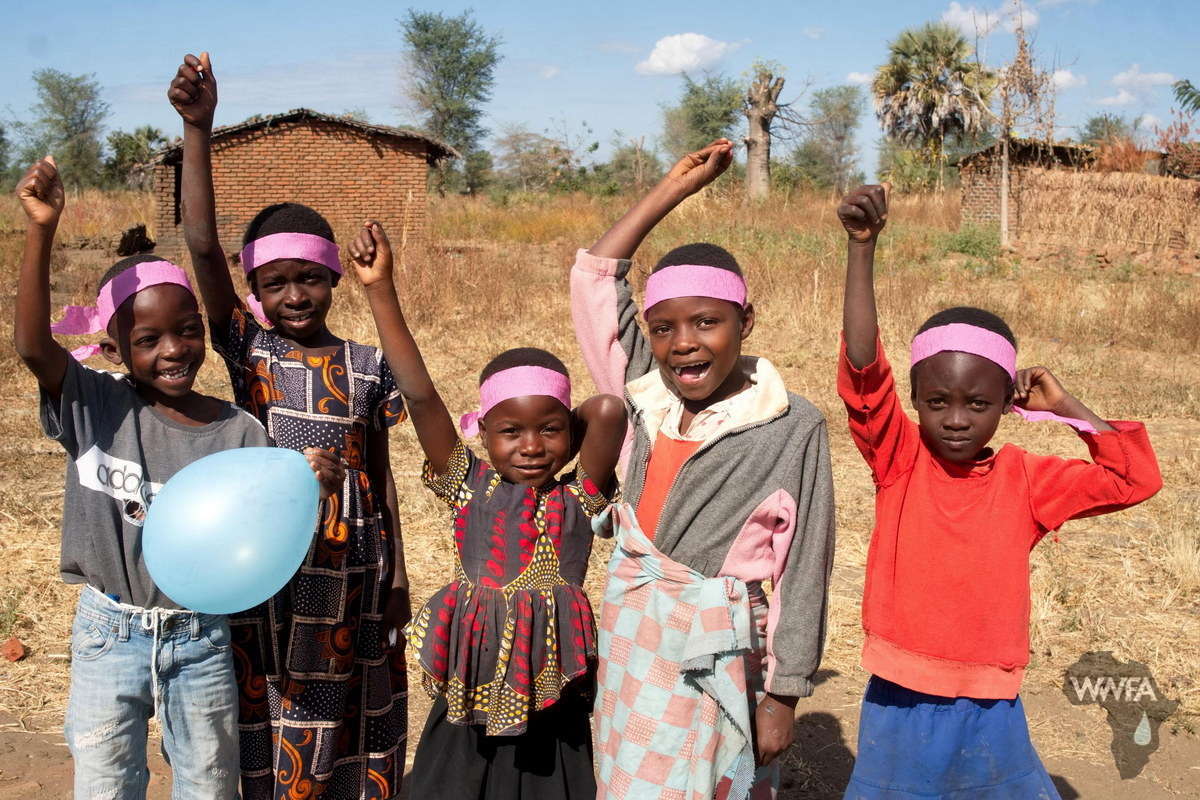
Children are benefiting from that change. Before the well, only about 40% of children attended school because their parents were gone fetching water and children had to wait for them to return. Today, school attendance has risen to 90%.
For Chimbaranga, having water close to home has meant more than having enough to drink. It has given families back their time, opened doors to small businesses and gardens, brought greater peace at home, and given them something residents say they once lacked: freedom.