Families: 144 across 3 villages
Water Committee: 4 men and 6 women
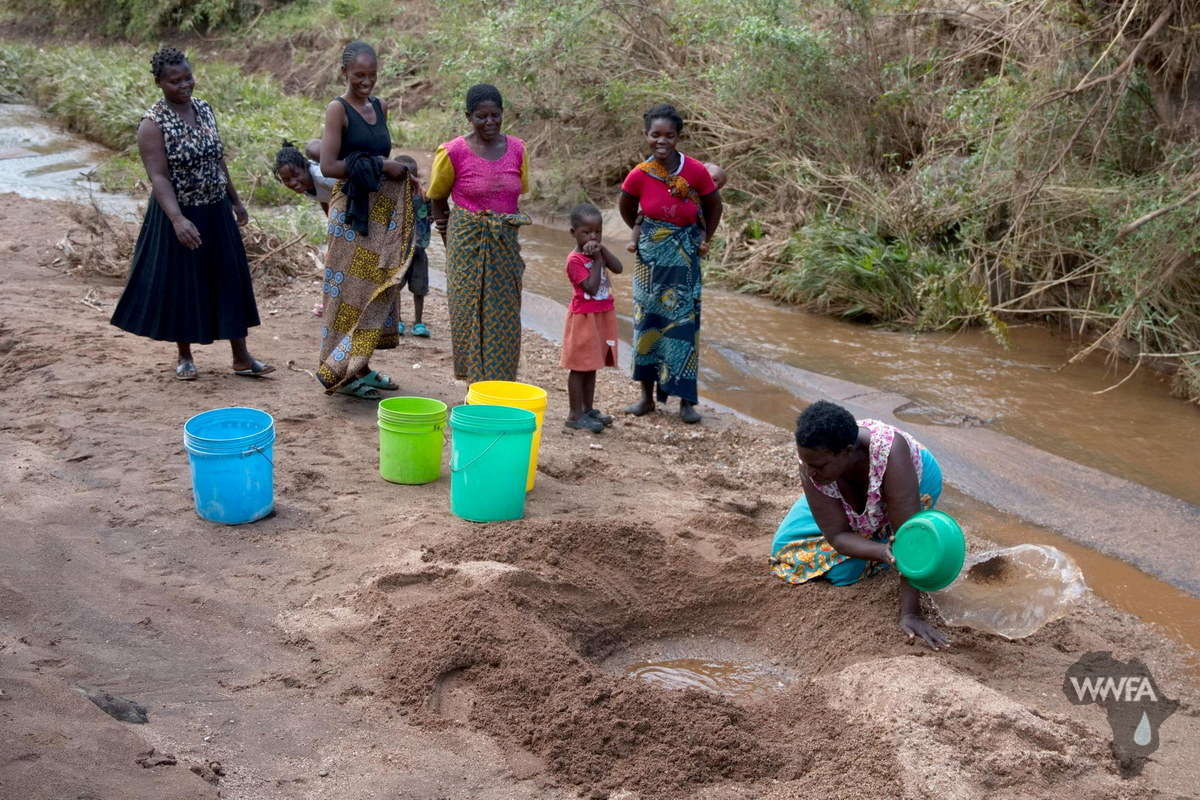
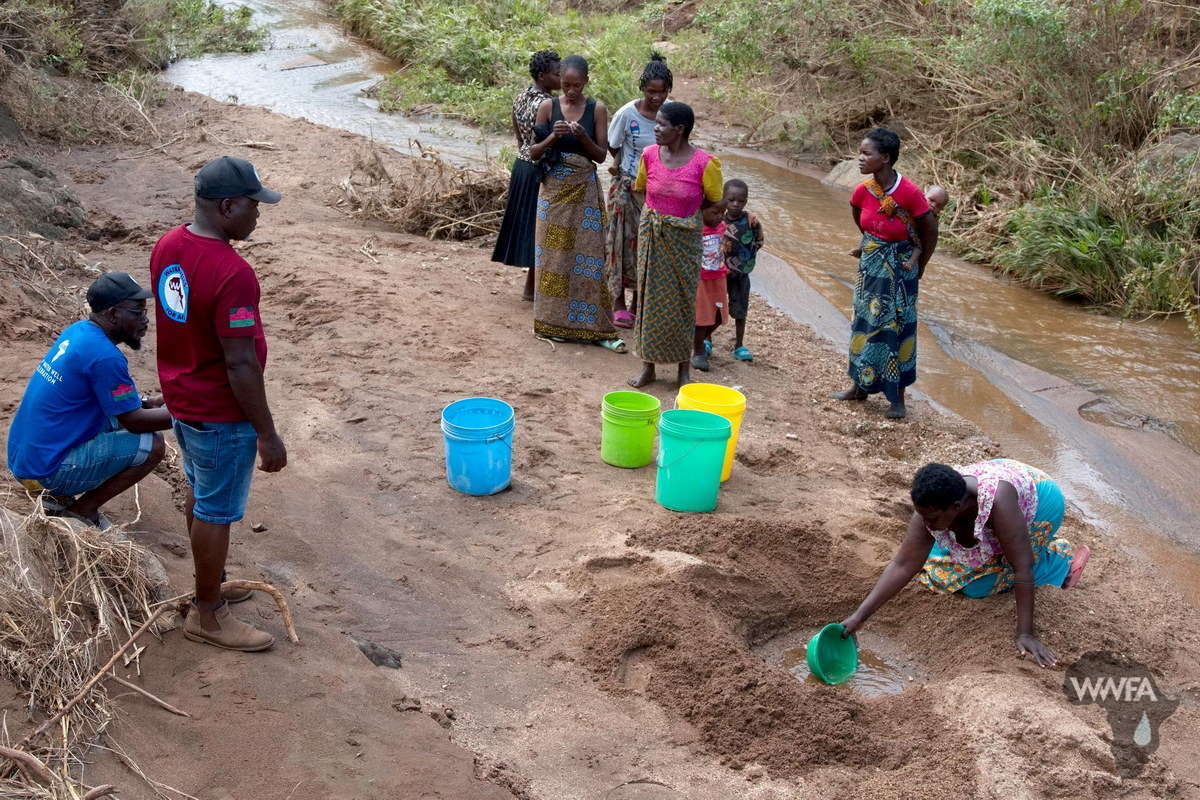
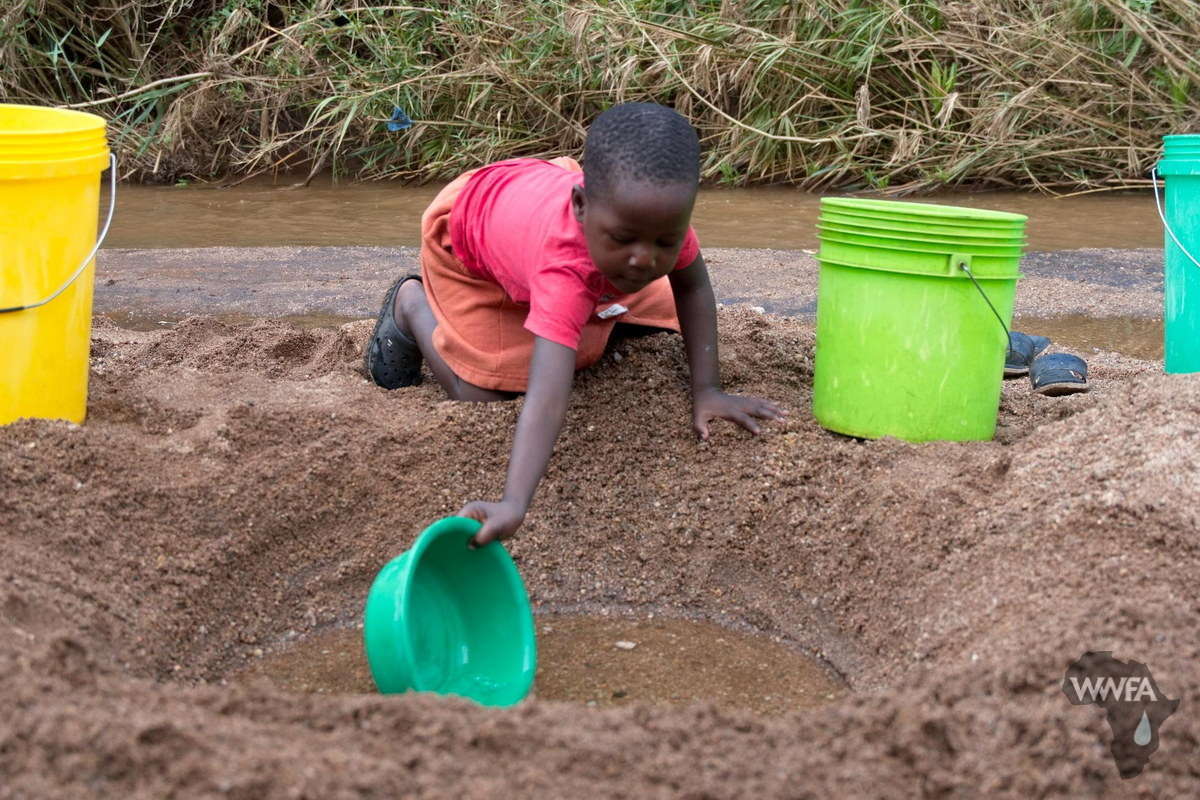
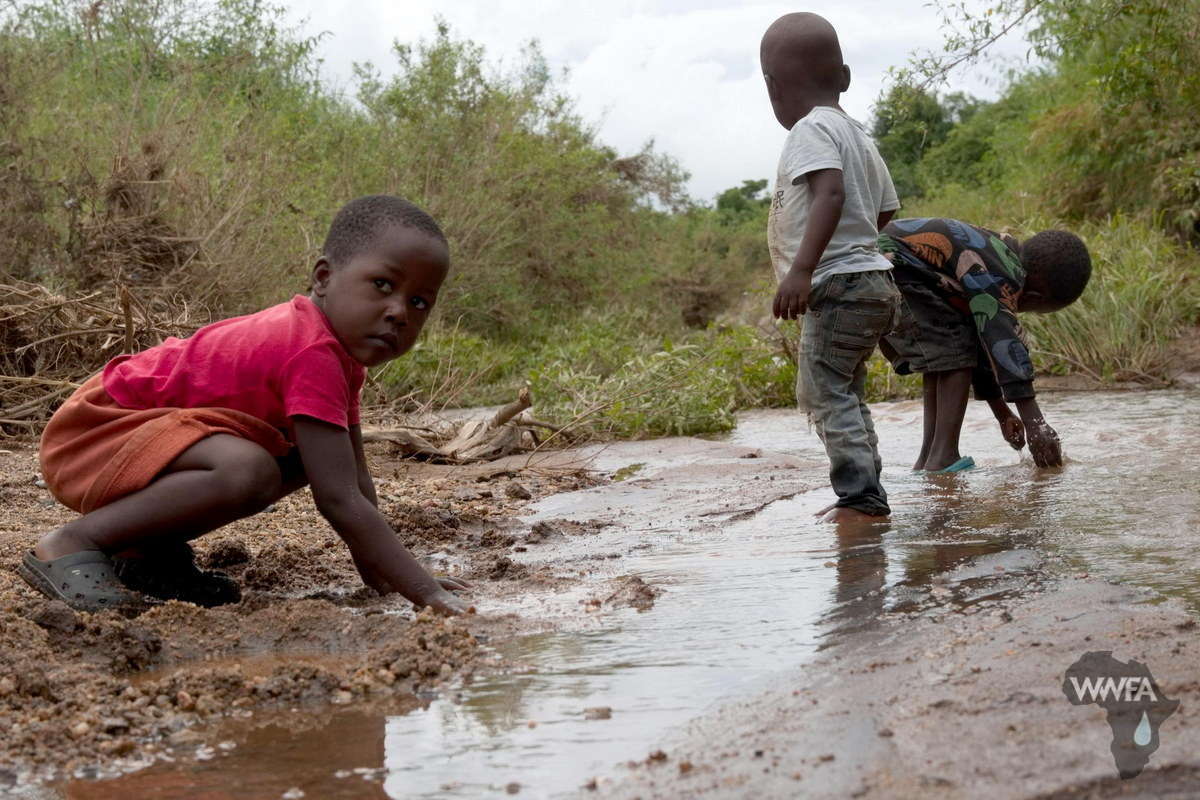
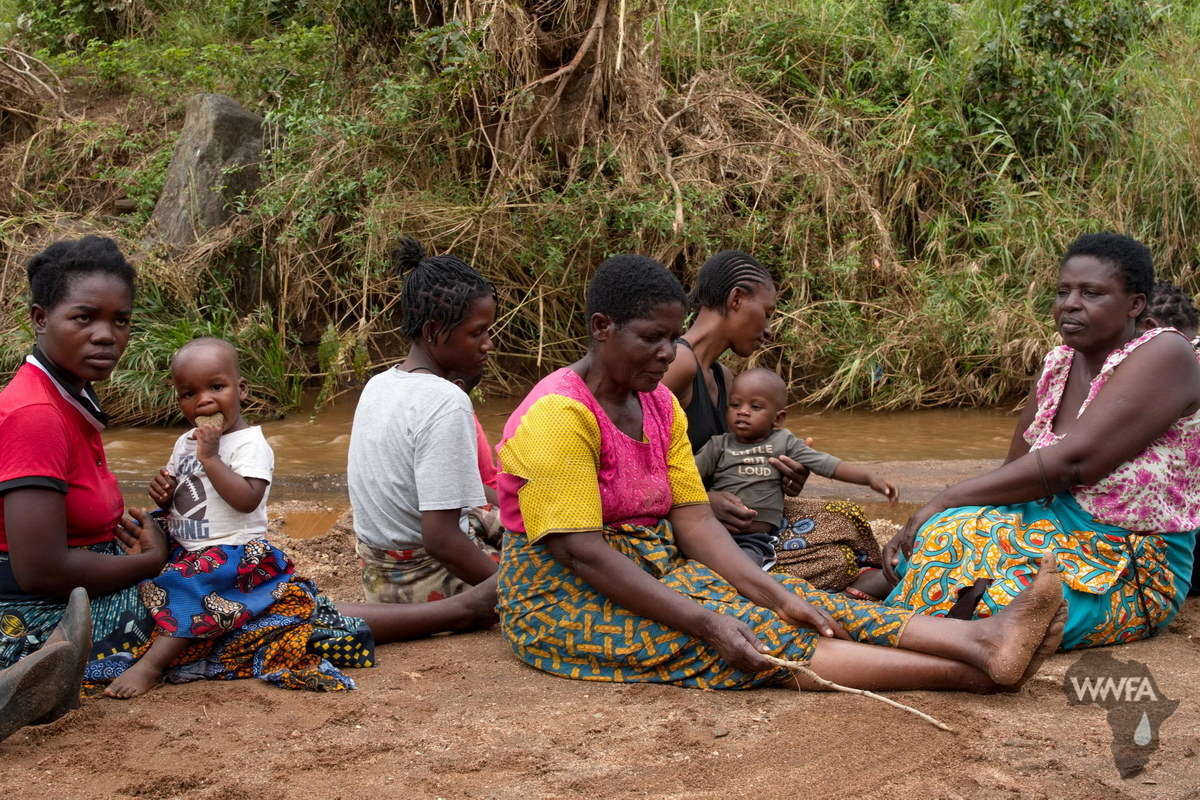
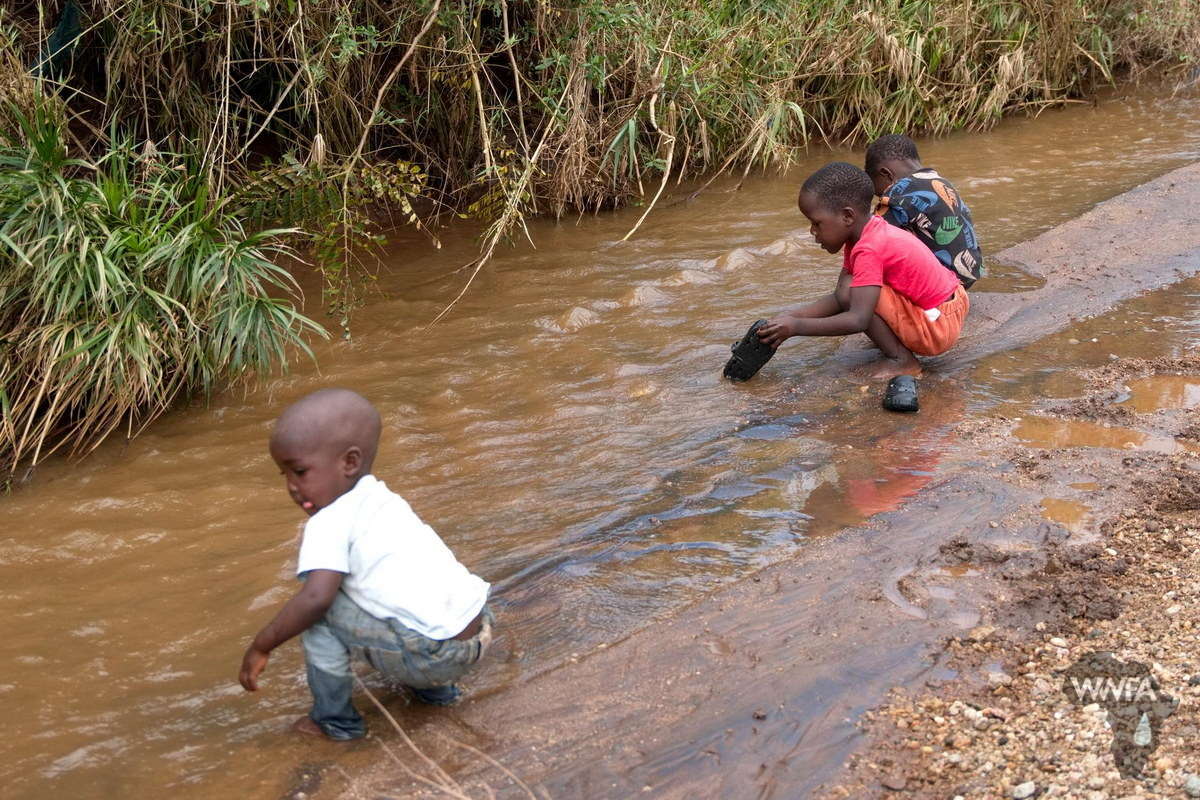
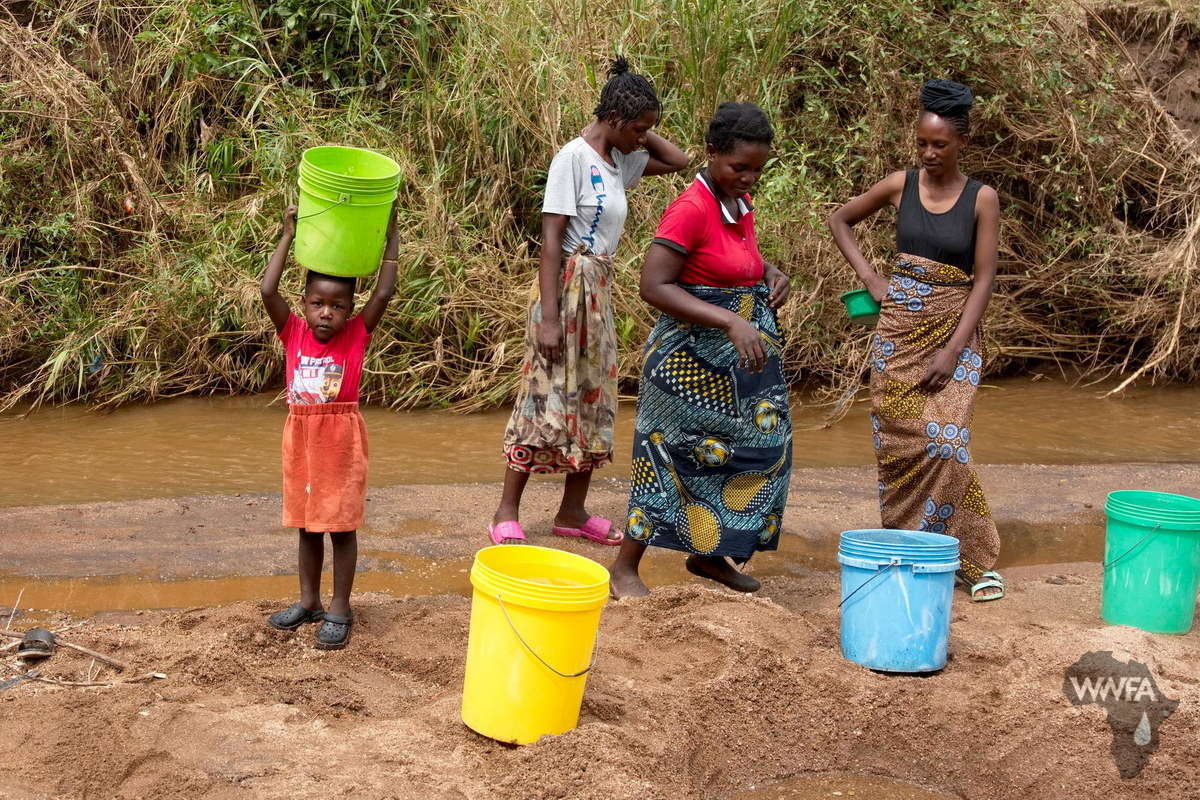
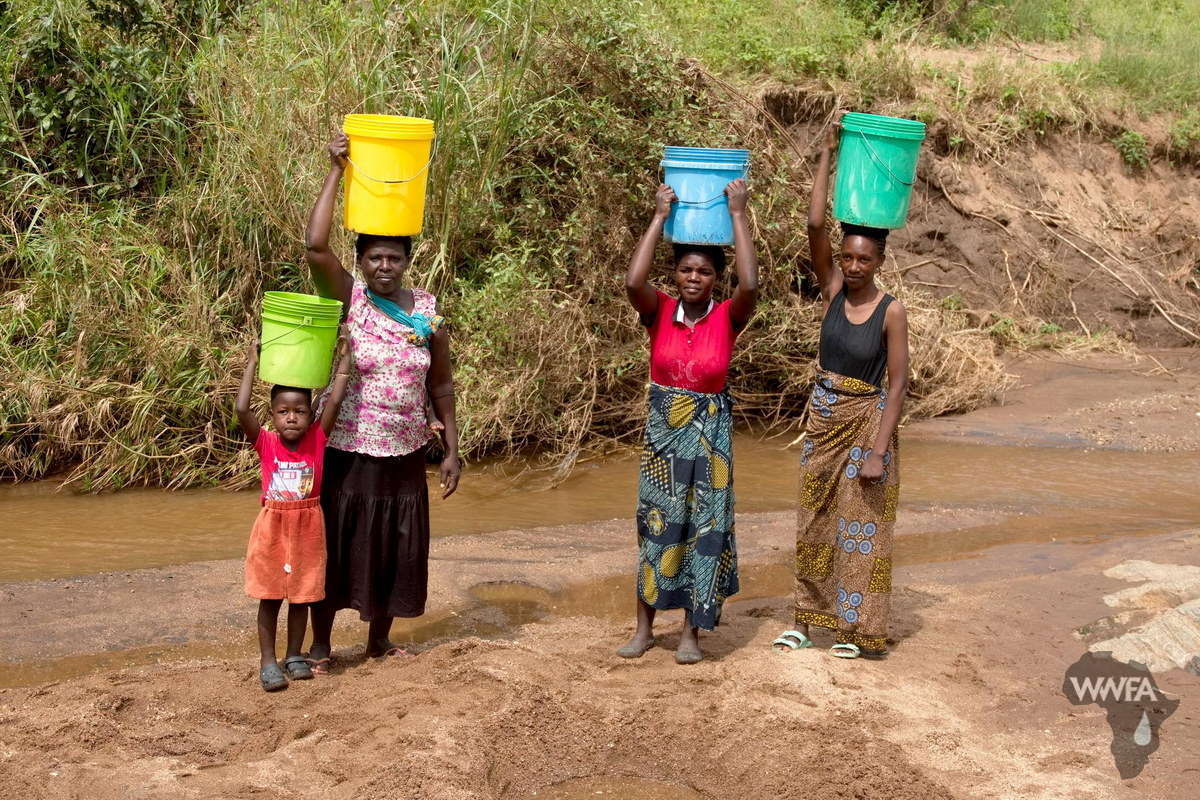
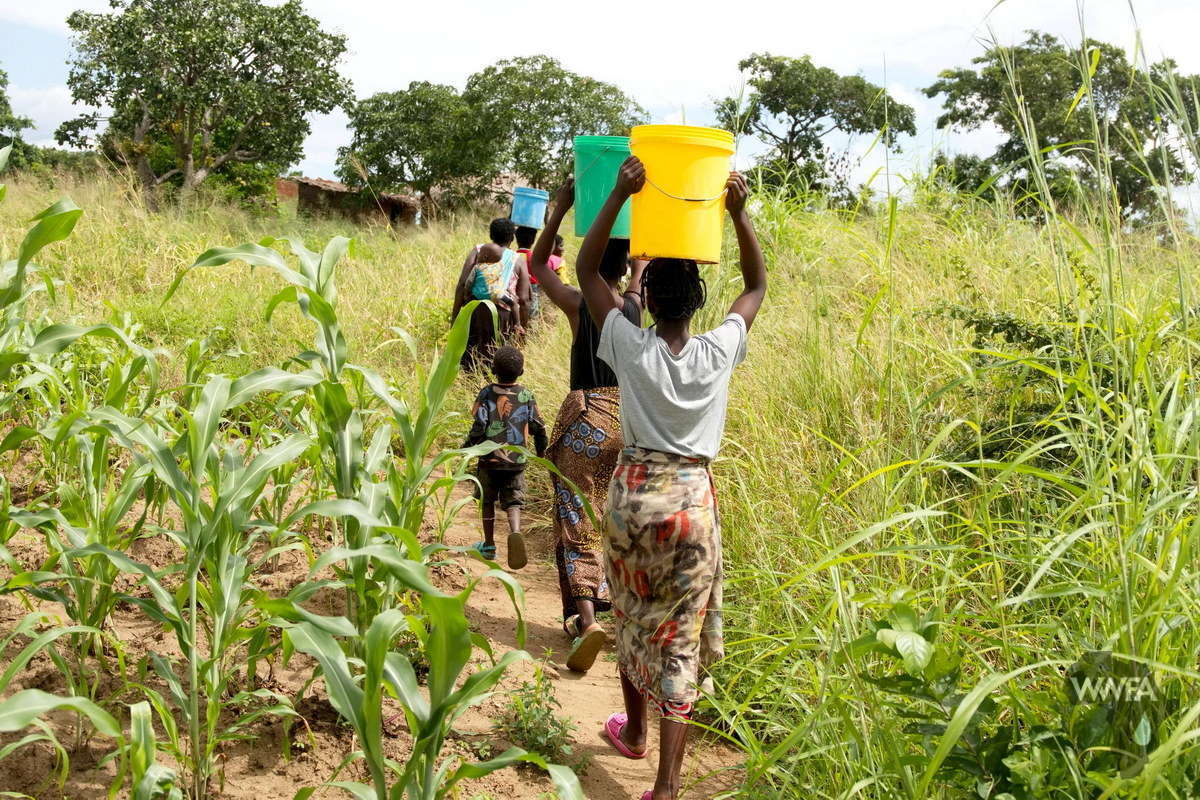
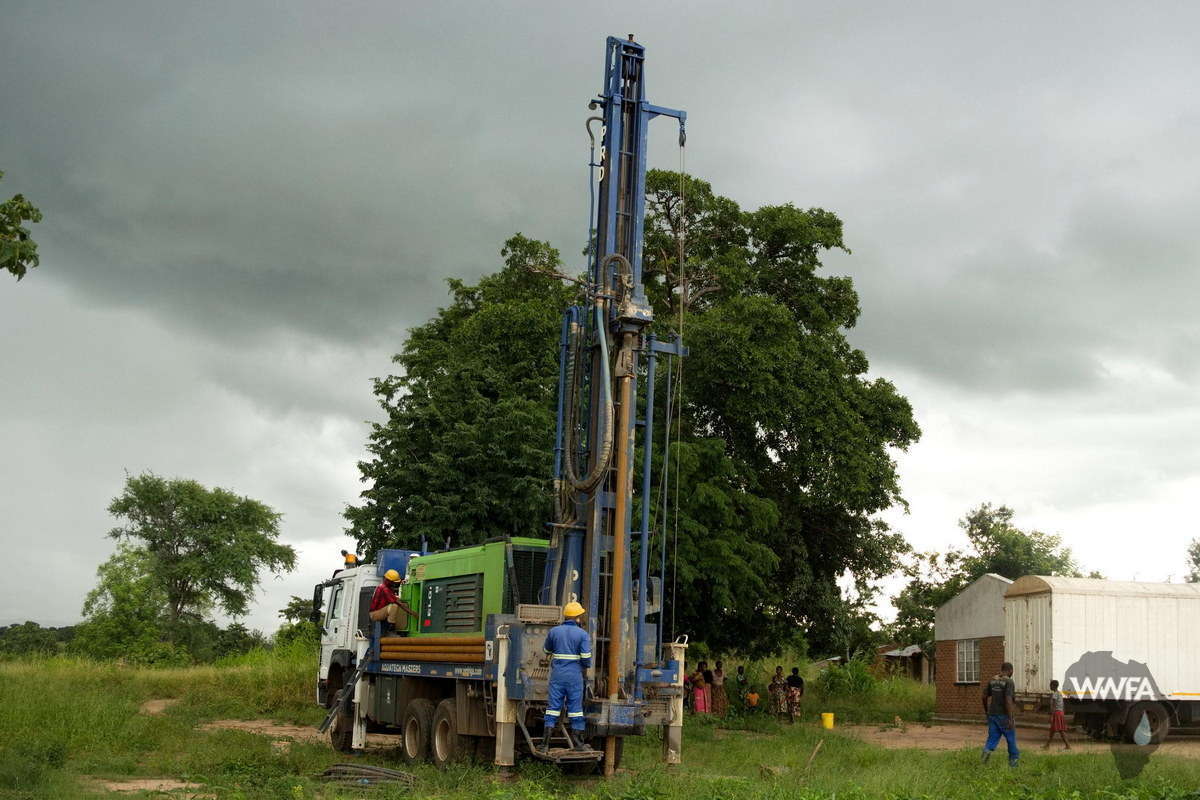
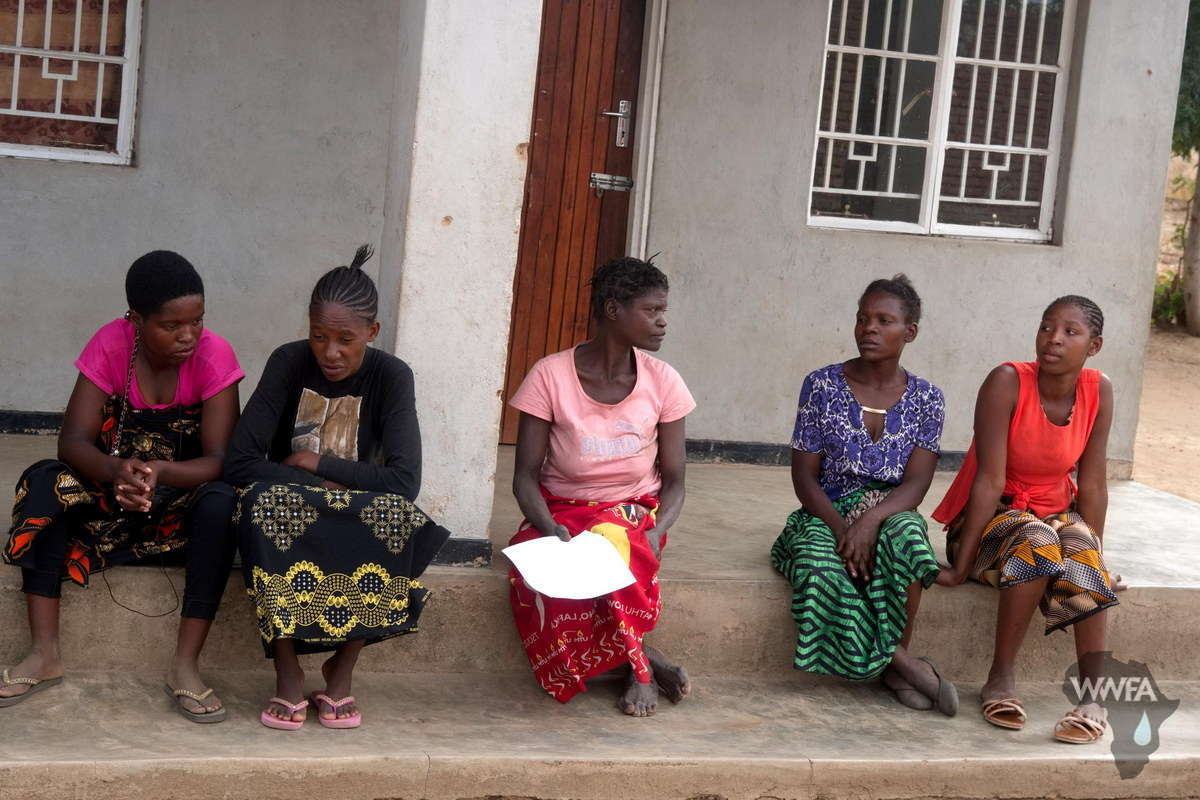
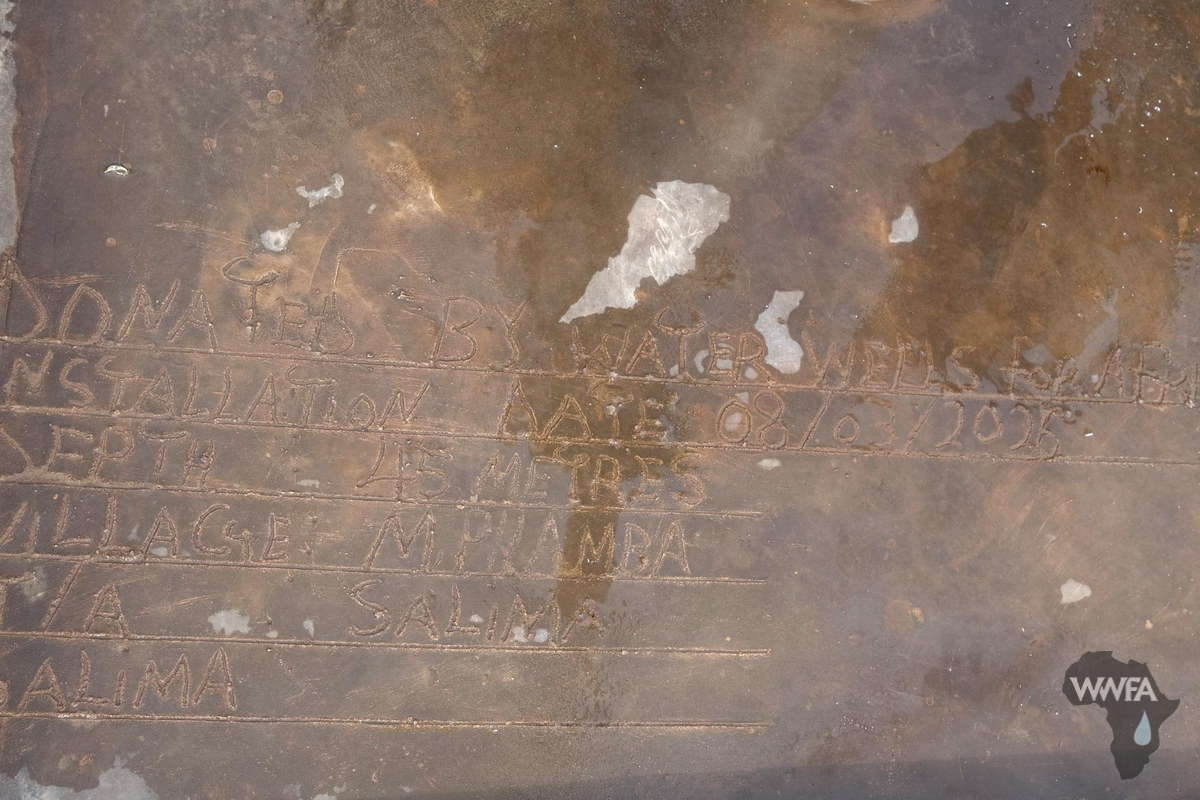
Families in Mphamba have lived here since 1971, but until recently, this was the first water well in the area. They relied on the Namanda River, about 15 minutes away. During the dry season, families would wake at 2 a.m. and sometimes not return home until 2 p.m. Women faced fights at the river, sometimes breaking buckets, and even had to defend themselves from monkeys along the way.
During the rainy season, the river flooded and became unsafe. Families sometimes collected rainwater instead, but many still suffered from cholera, diarrhea, dysentery, and bilharzia. Cholera became so common that the health clinic set up a tent for parents from the village. Families visited clinics an average of four to five times a month, sometimes walking 7 kilometers to a public clinic or 4 kilometers to a paid one.
The long hours spent fetching water also affected family life. Men sometimes suspected their wives of being unfaithful because they were away from home for so long. With only about one bucket of water available each day, families had to prioritize cooking and washing dishes over bathing. Parents often returned home from collecting water with no time or water left to prepare their children for school.
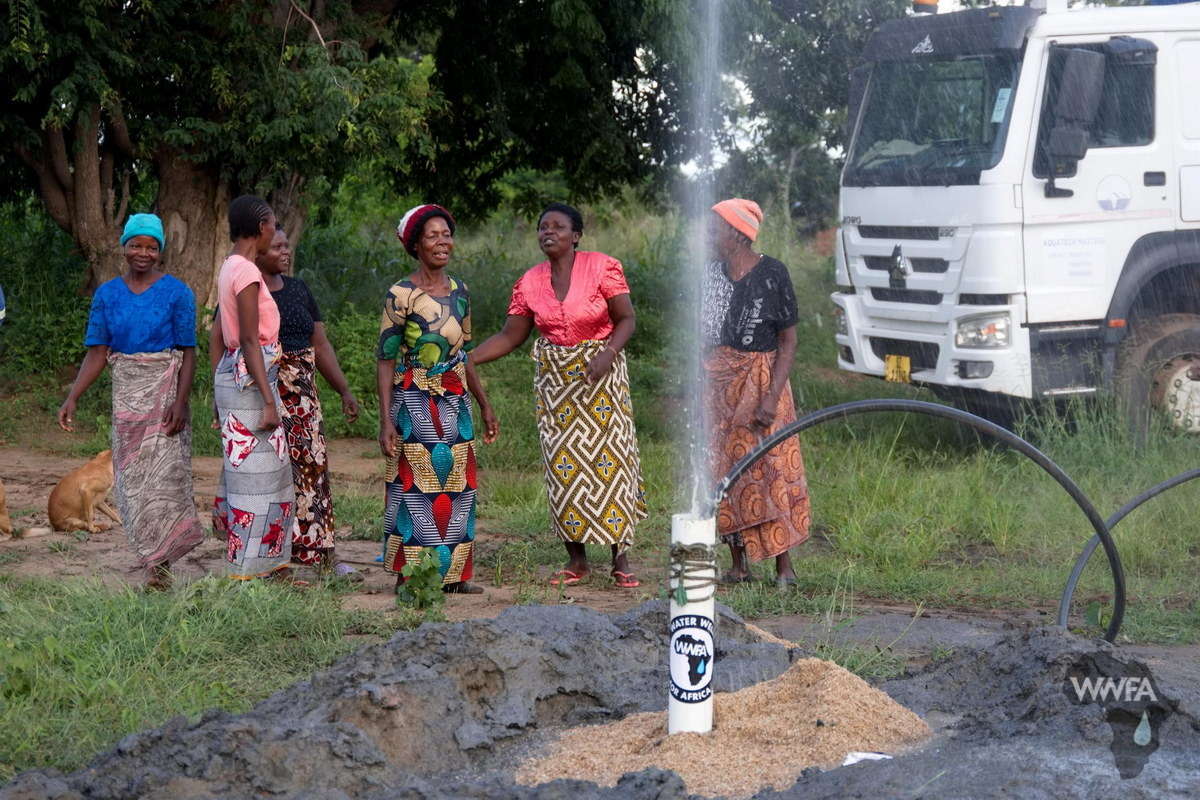
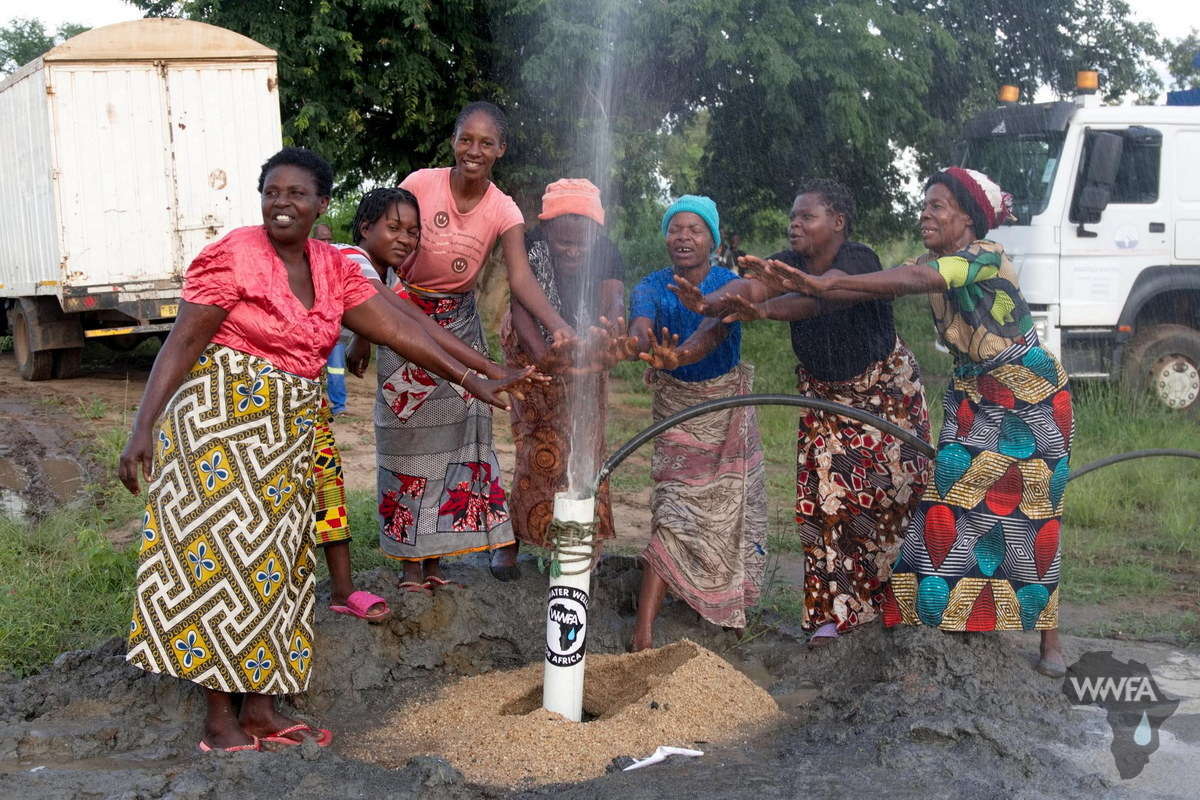
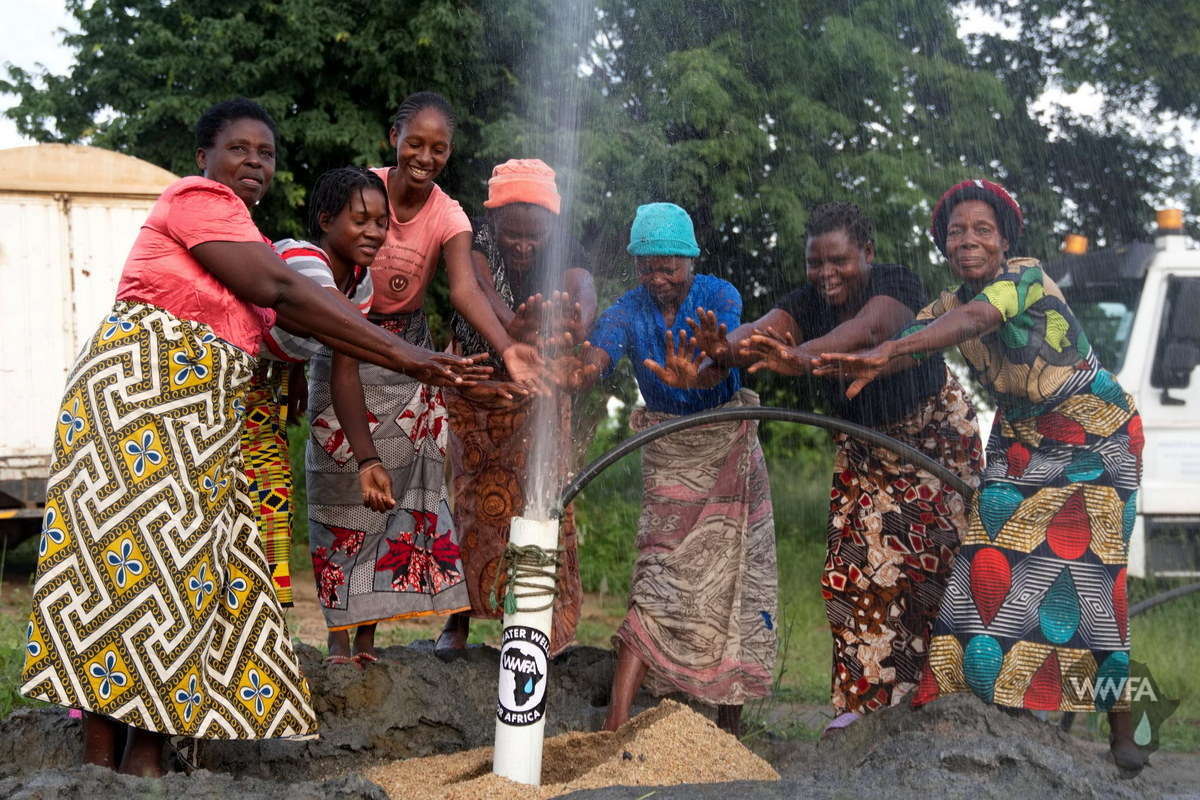
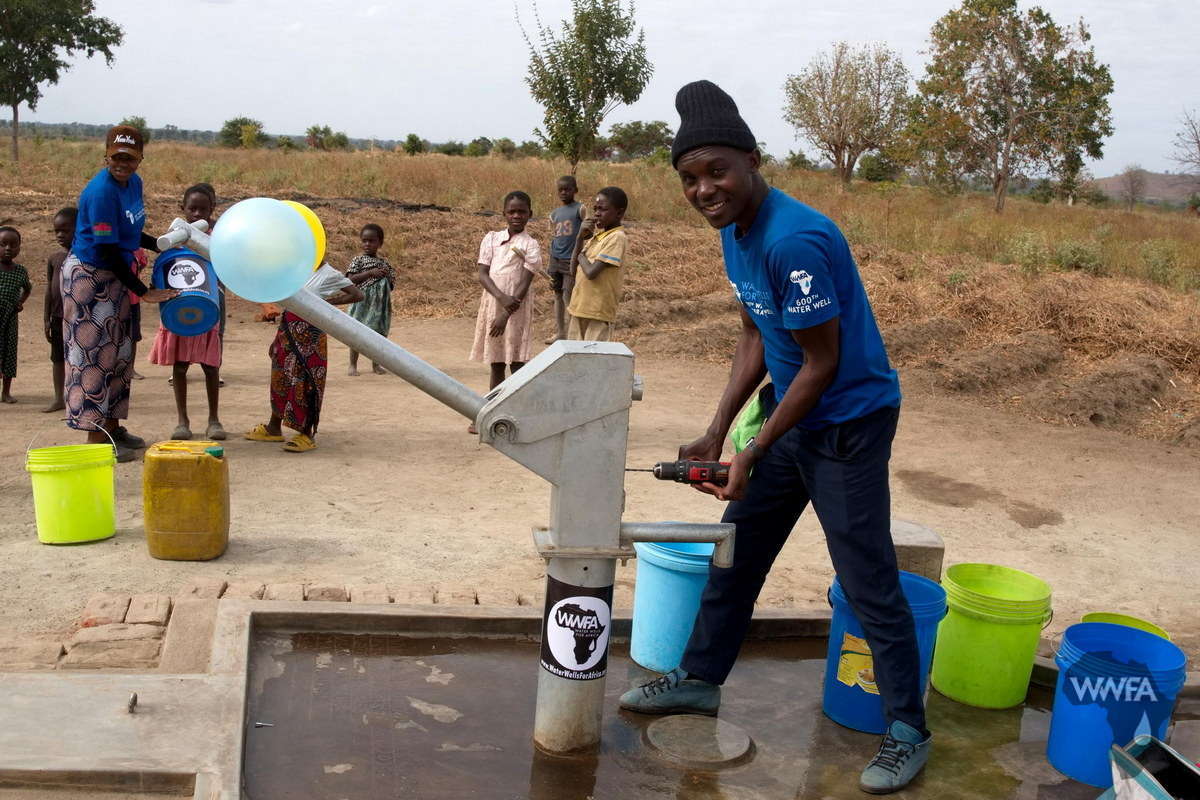
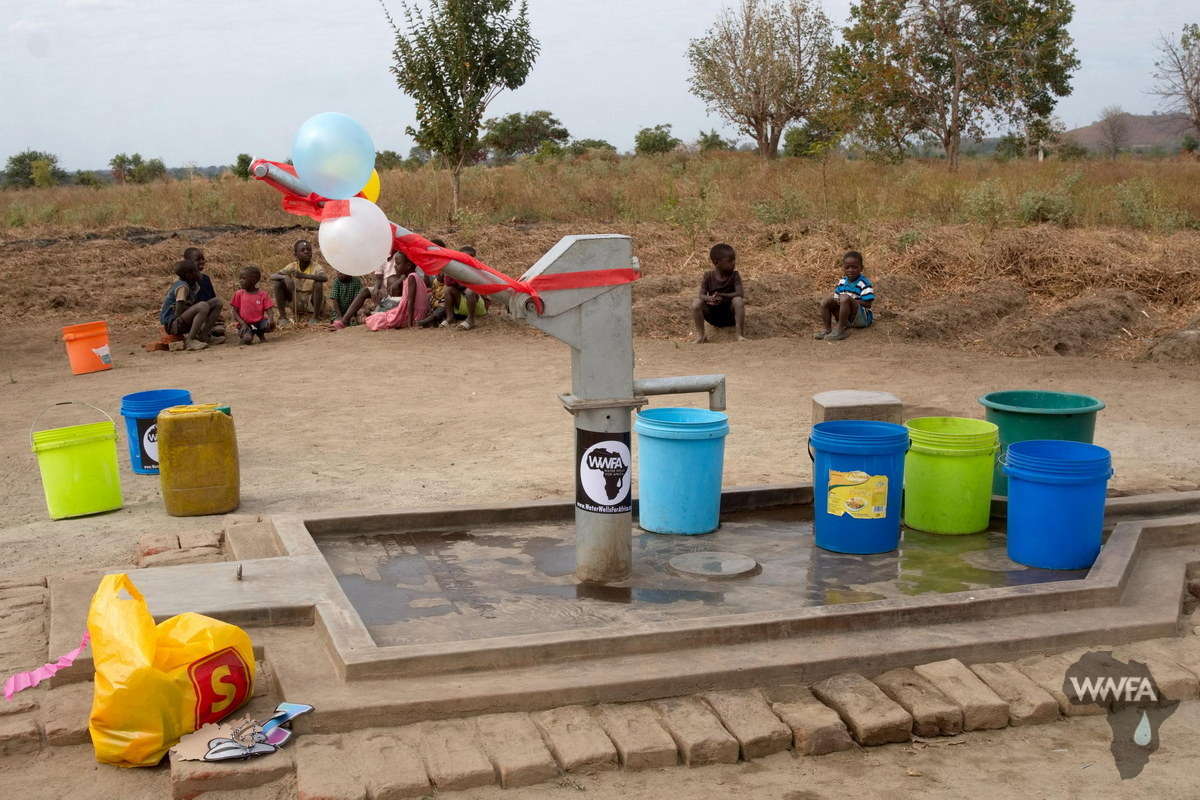
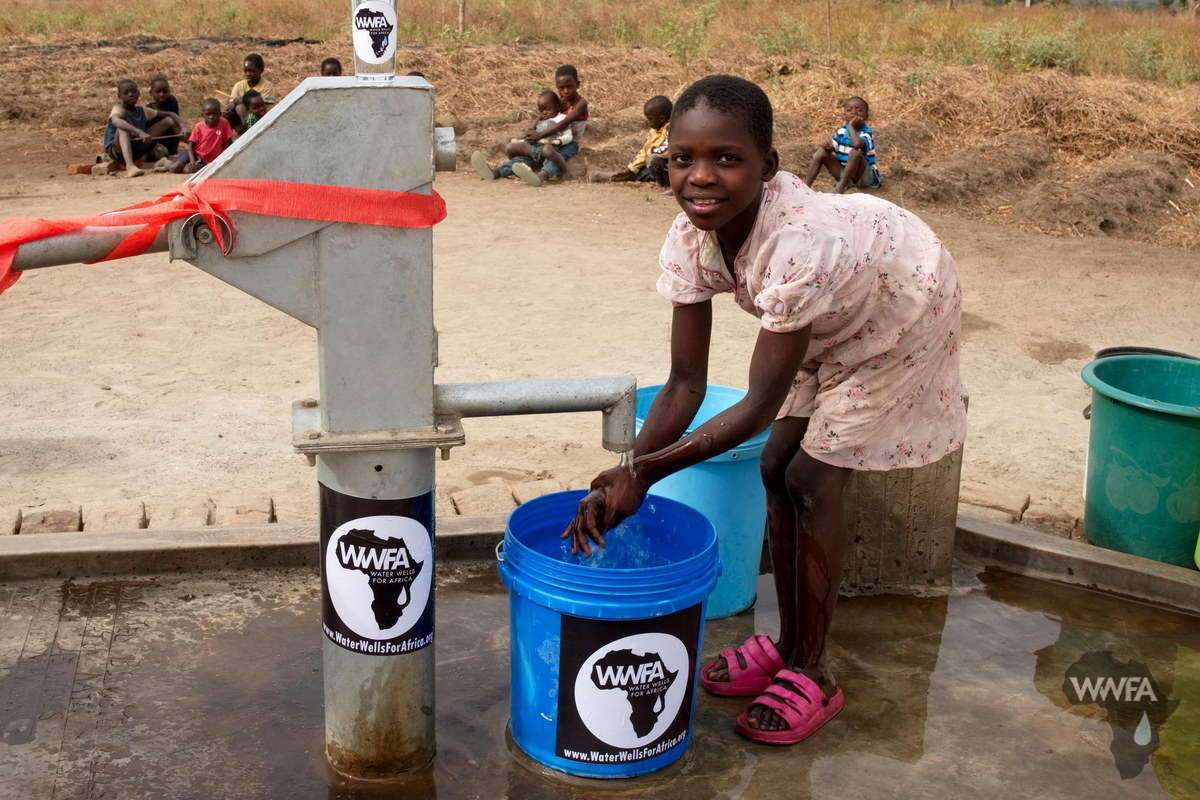
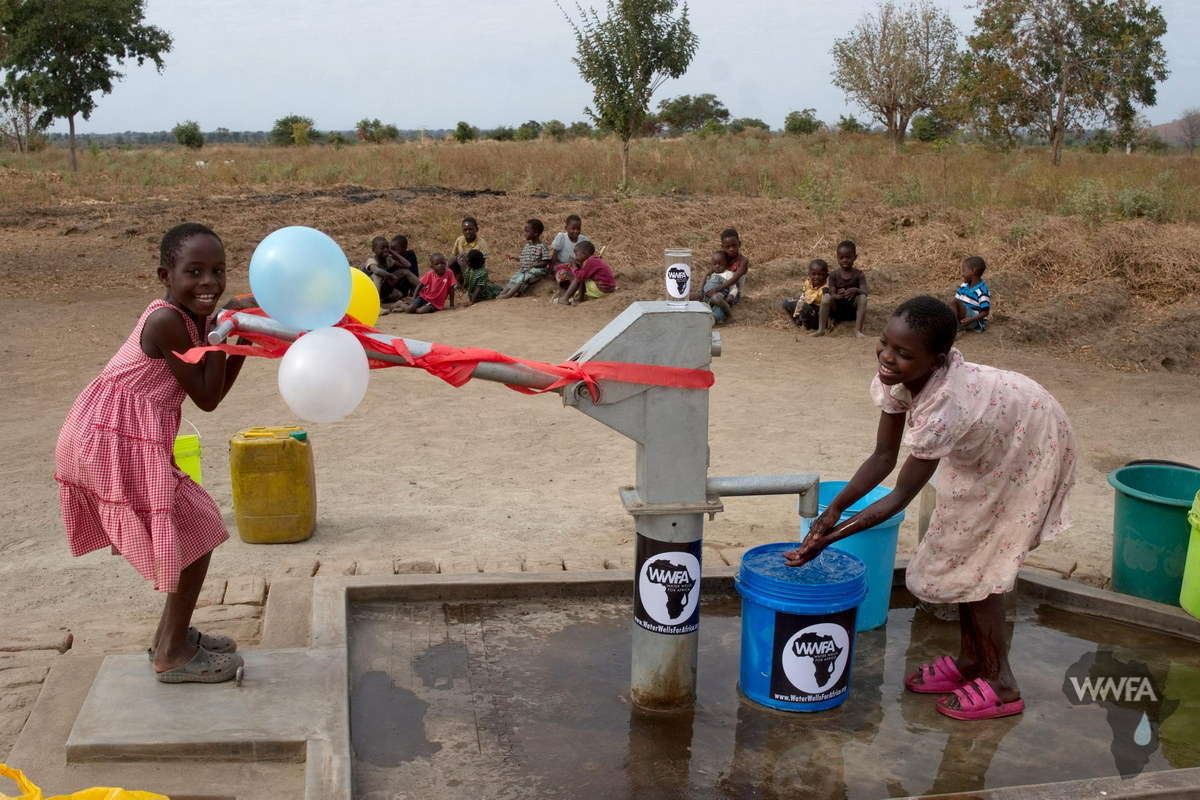
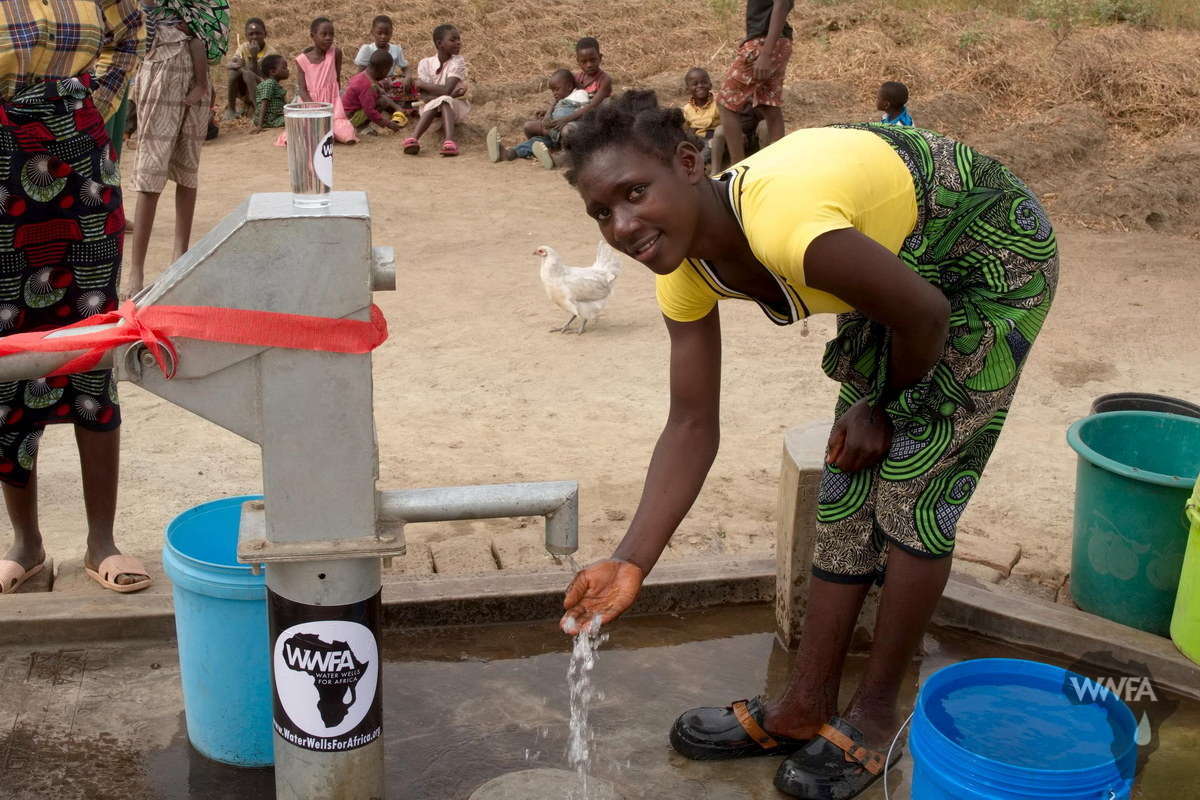
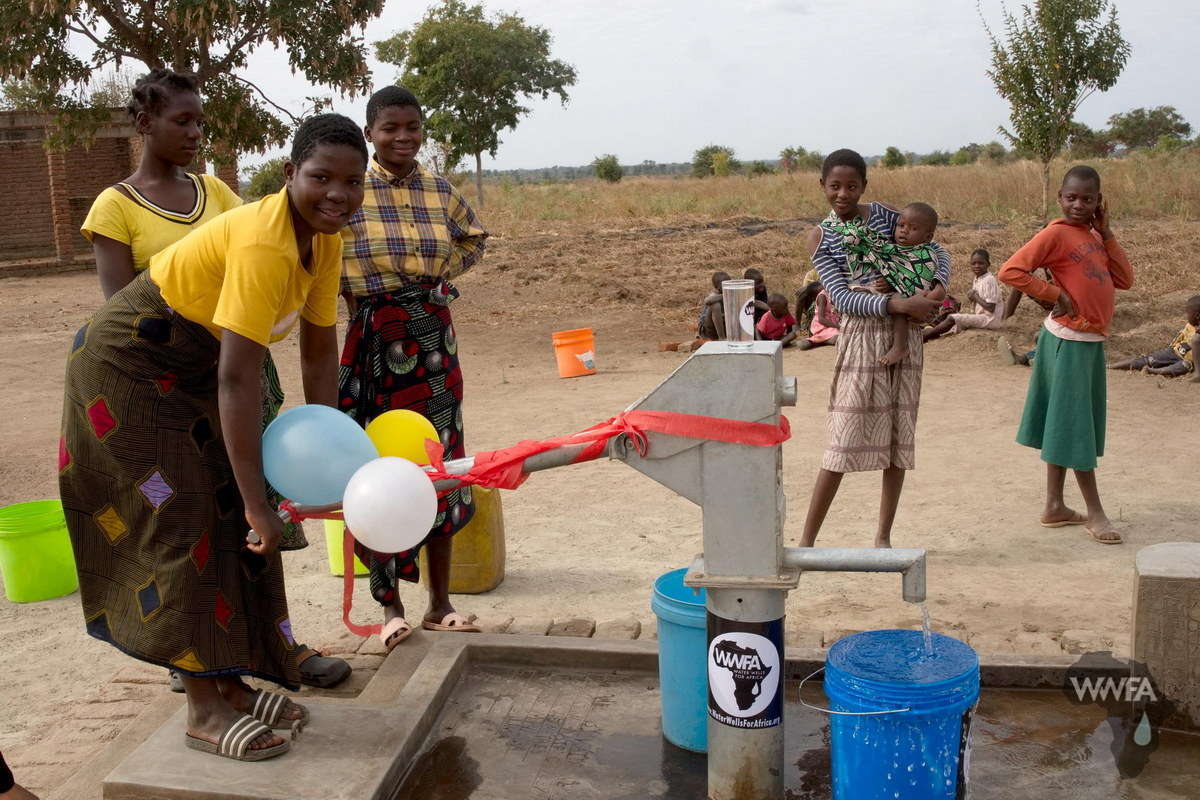
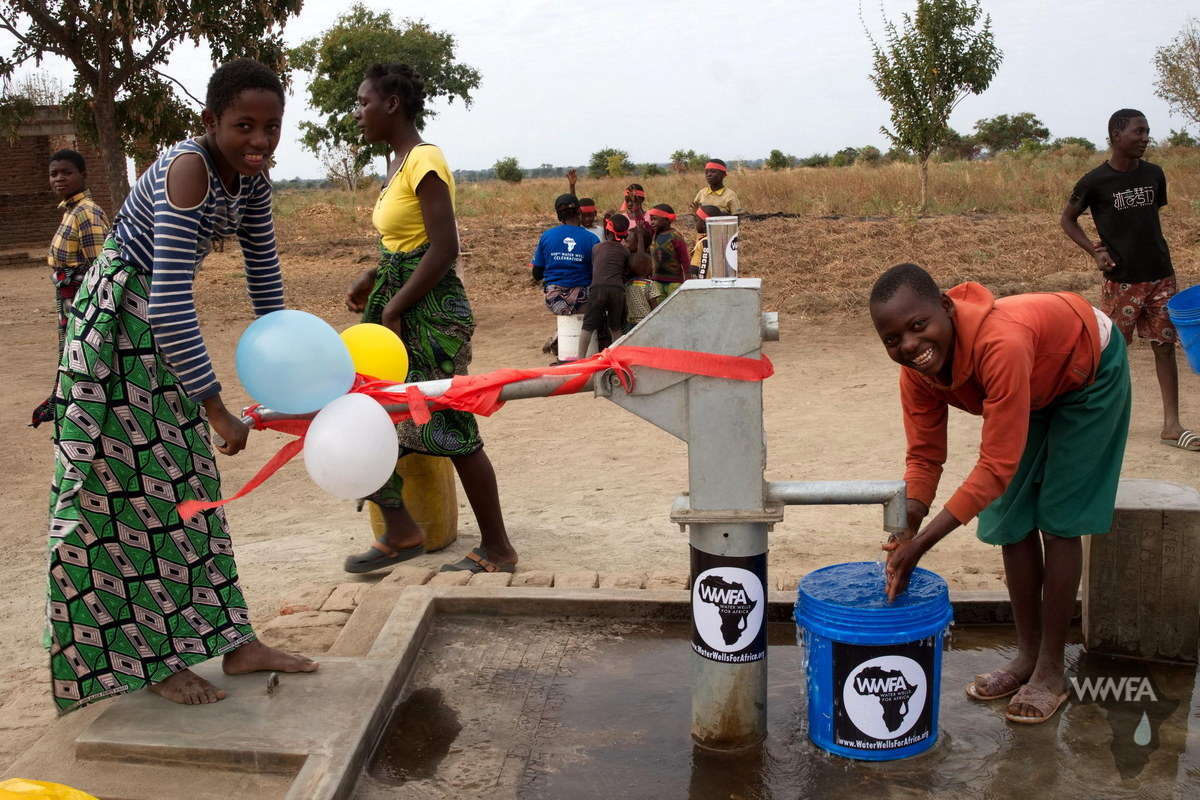
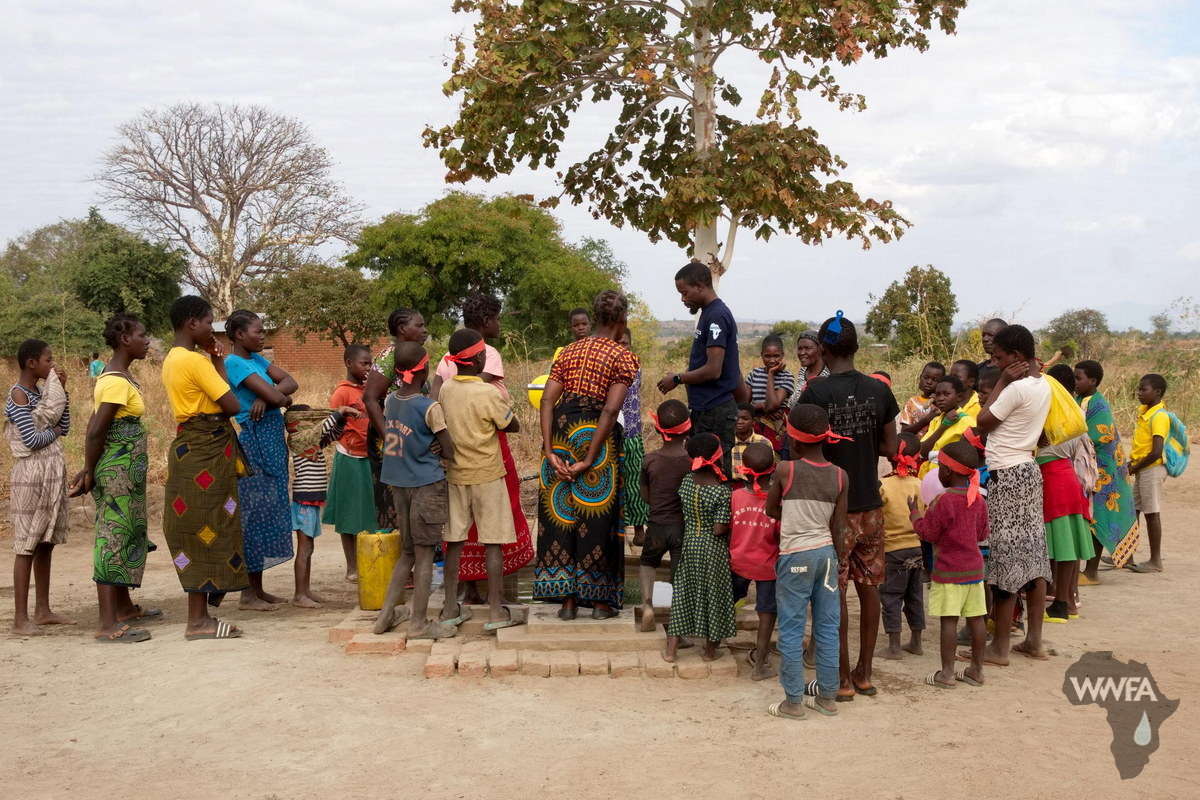
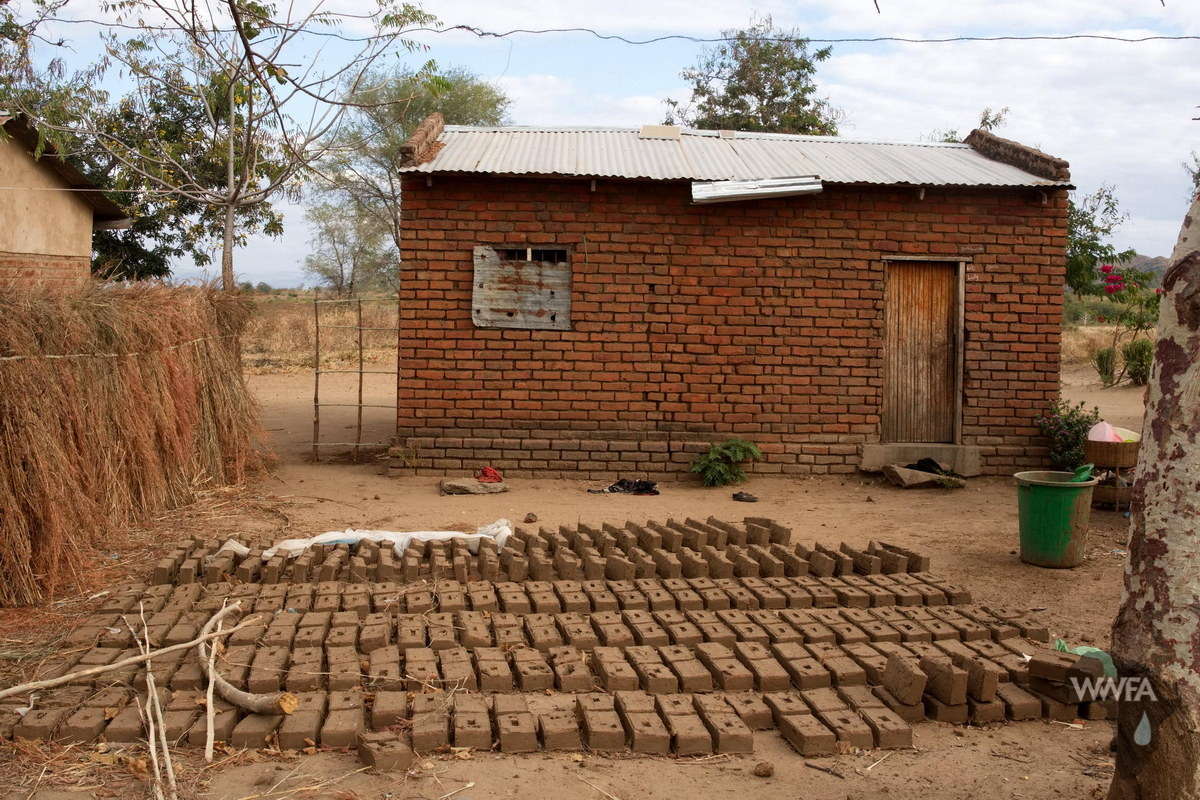
Today, families can collect 10–12 buckets of water a day and bathe two to three times. “We are playing with water now,” one resident said. They report no longer suffering from waterborne illnesses, and with their time back, they can work, grow tomatoes, mold bricks, and raise livestock. Five residents are molding bricks to build houses, animal shelters, bathrooms, and toilets.
Families are also growing fresh vegetables to feed their children. They shared that their nsima is now white and their beans cook faster—small changes that make everyday meals easier and more enjoyable.
The difference is especially clear for parents. One resident shared, “Before, I had anxiety about what life I was giving my children. Now, I have peace because of this water.” With water nearby, parents can bathe and feed their children before school instead of spending the morning fetching water.
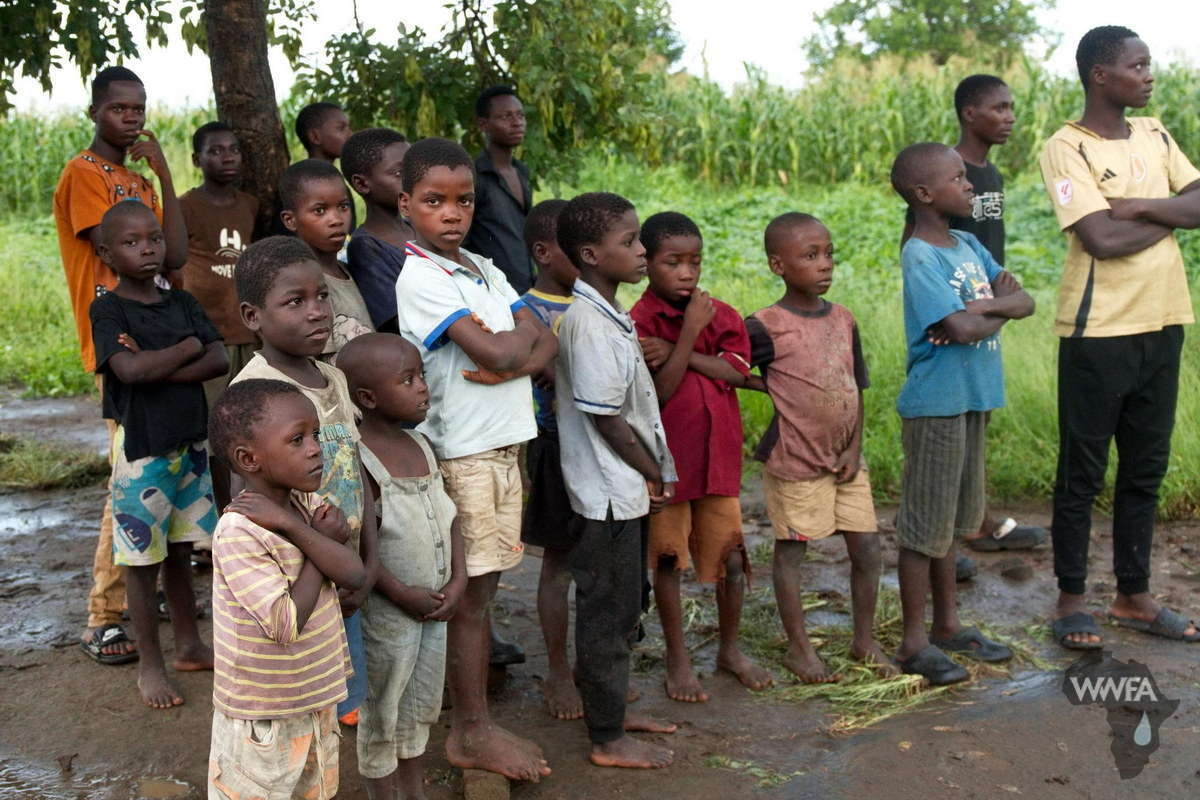
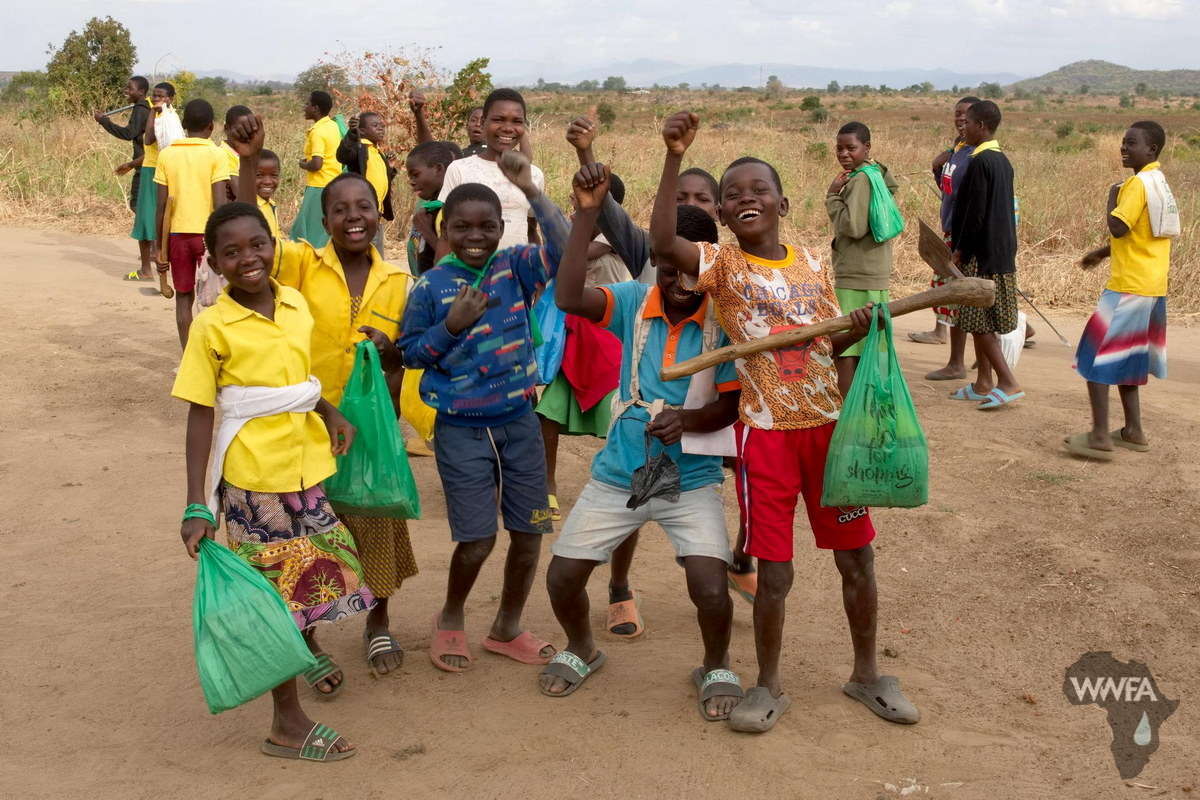
Before the well, only 70–80% of children were attending school in a given week. Today, attendance has reached 100%. Parents say their children look healthier and more prepared for school because they finally have enough water to bathe and eat before leaving home.
For Mphamba, the well has given families something they had been missing for generations: time. Time to care for their children, work, grow food, maintain their homes, and simply live without planning every part of the day around finding water.