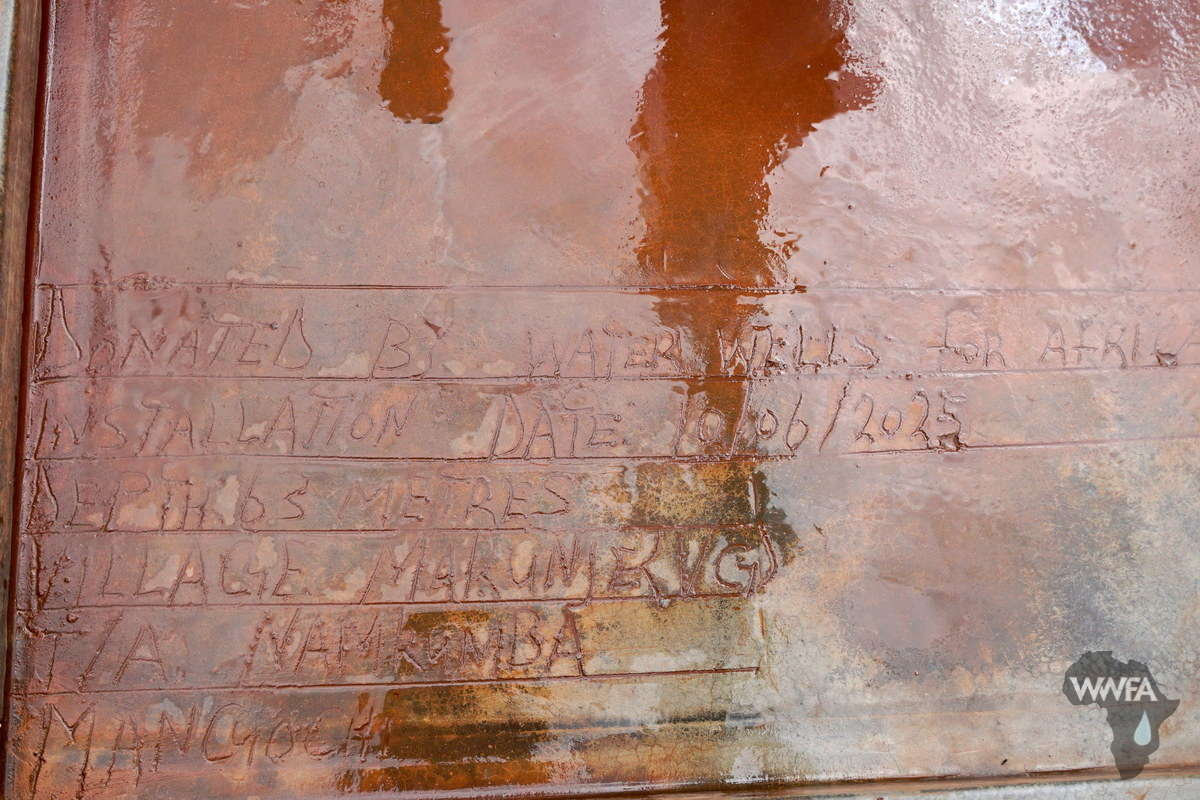
Families: 54
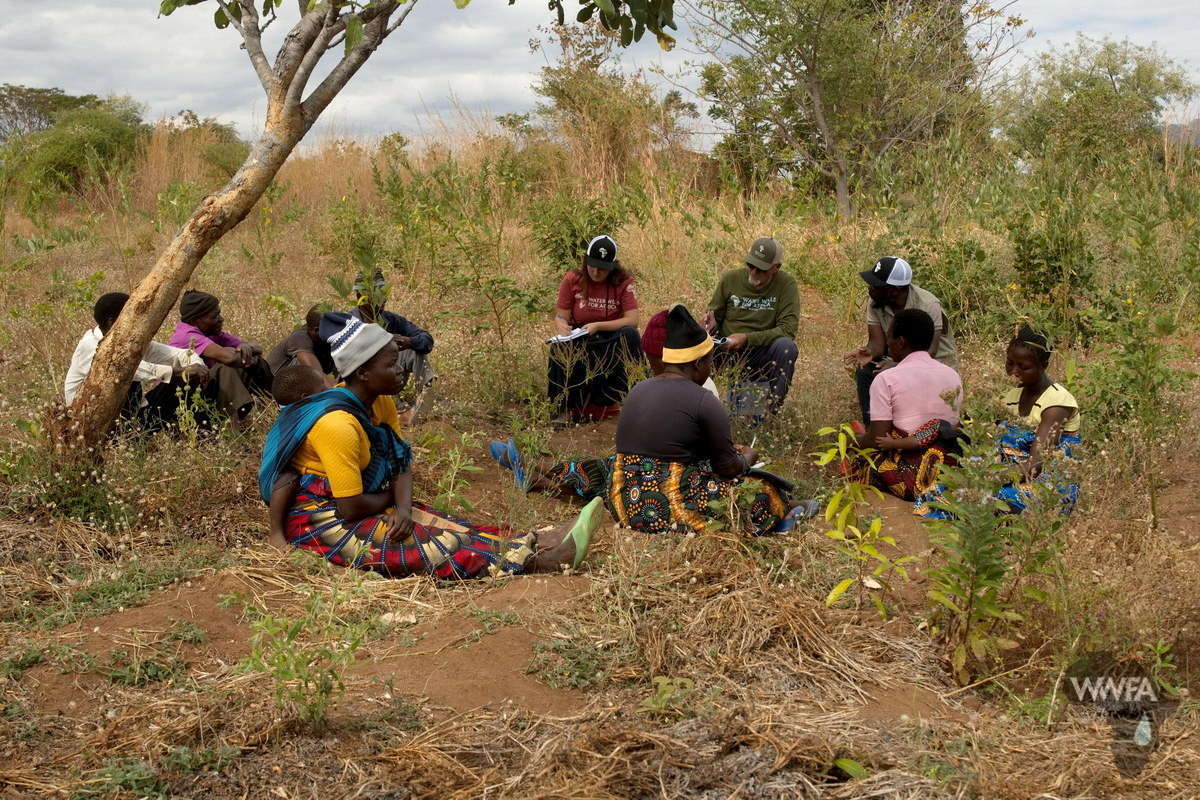
Water Committee: 4 men and 6 women
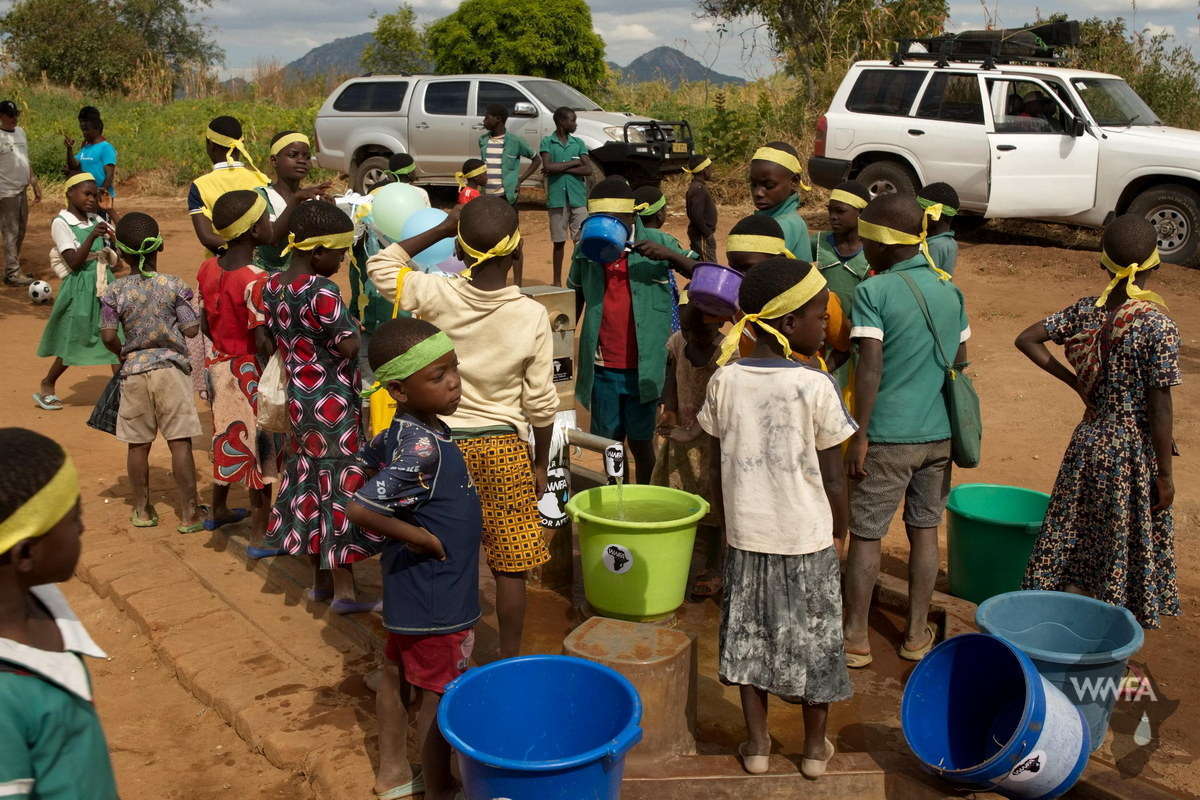
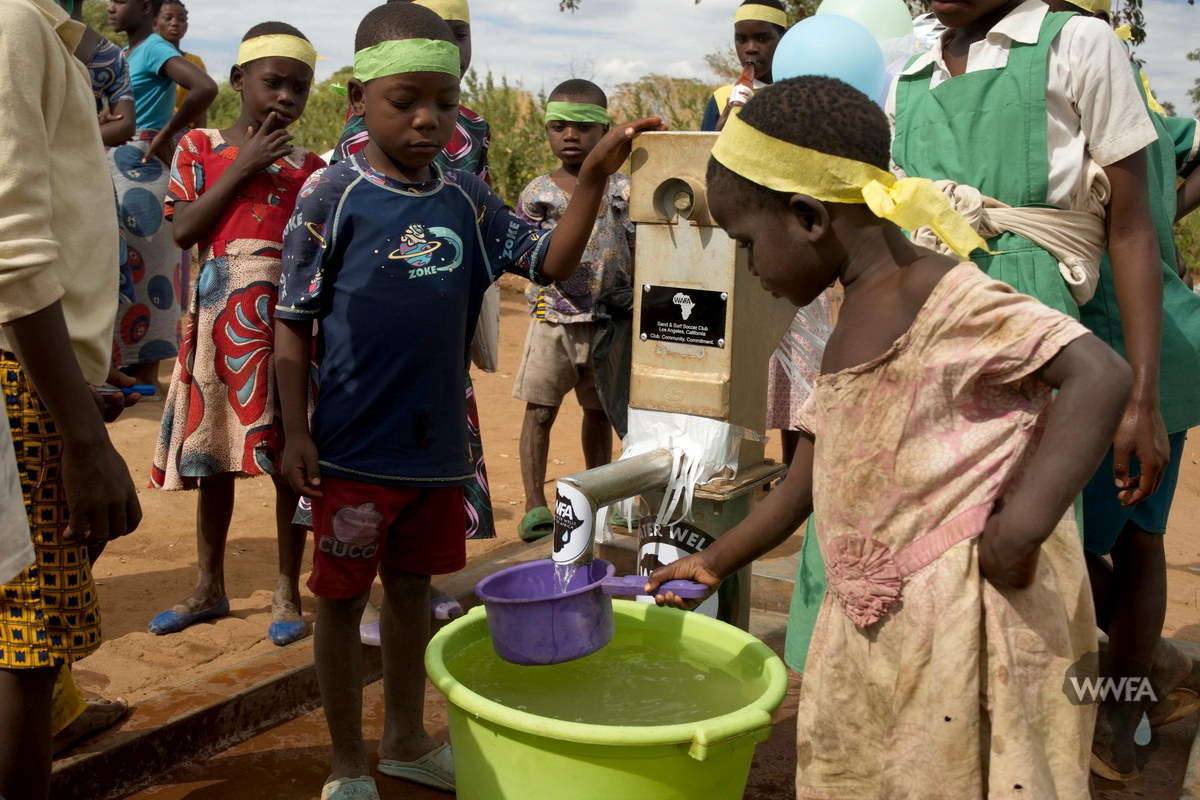
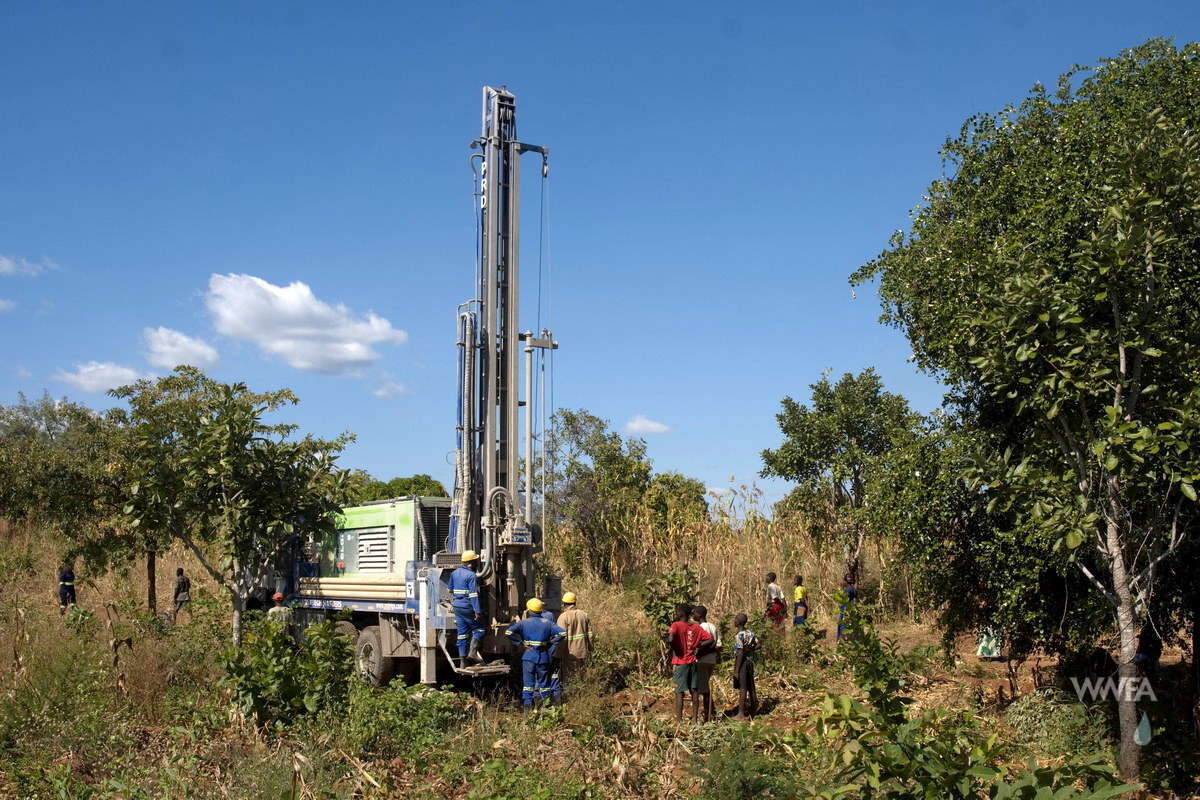
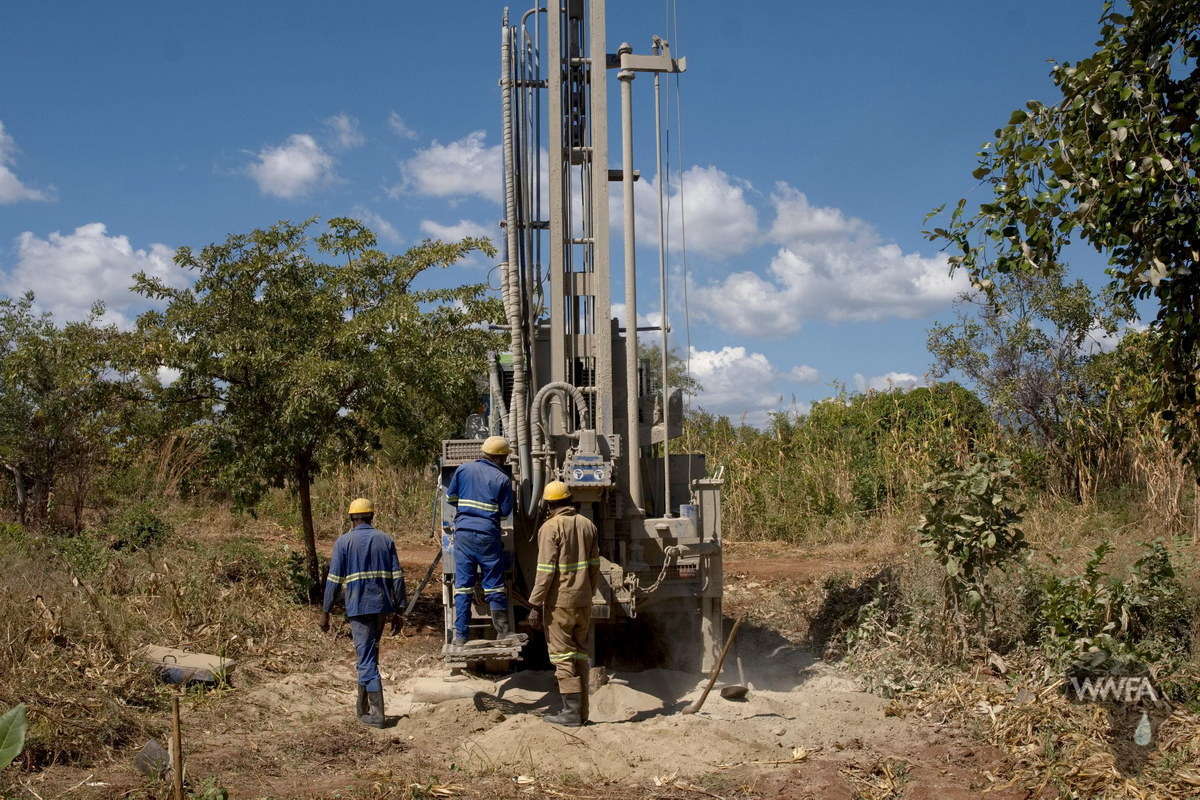
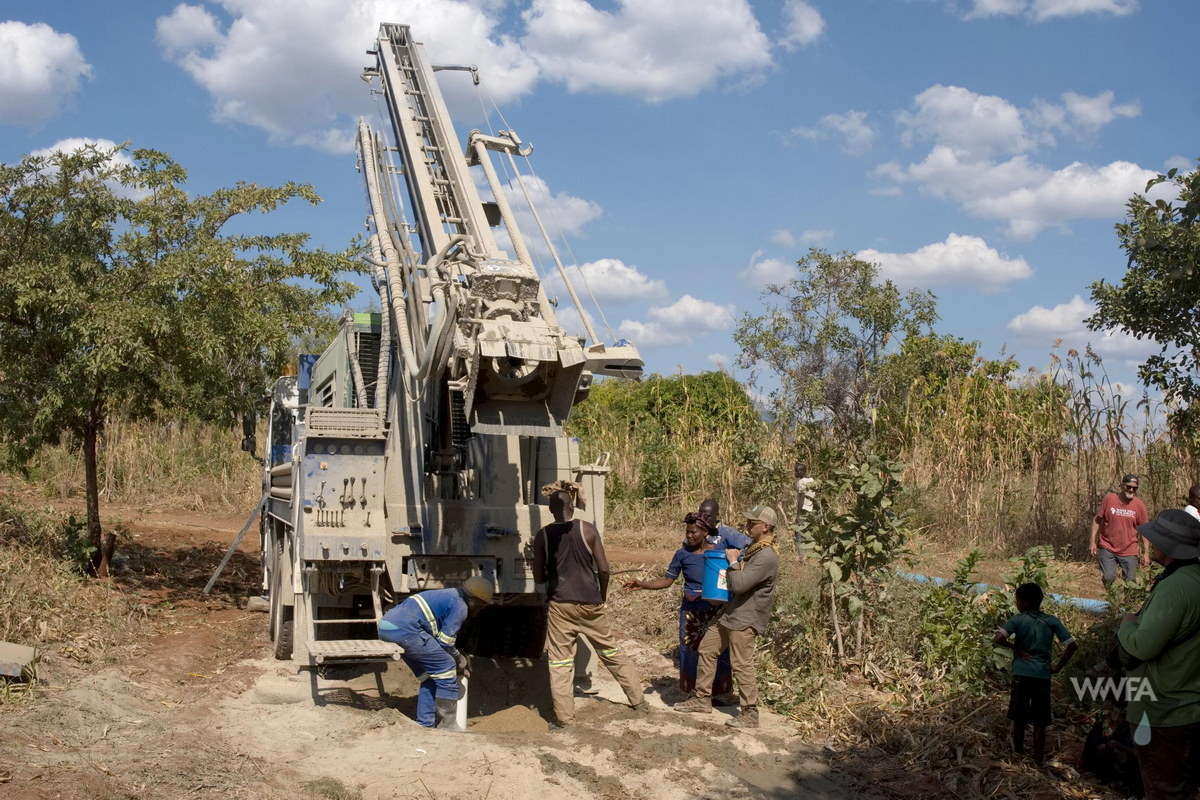
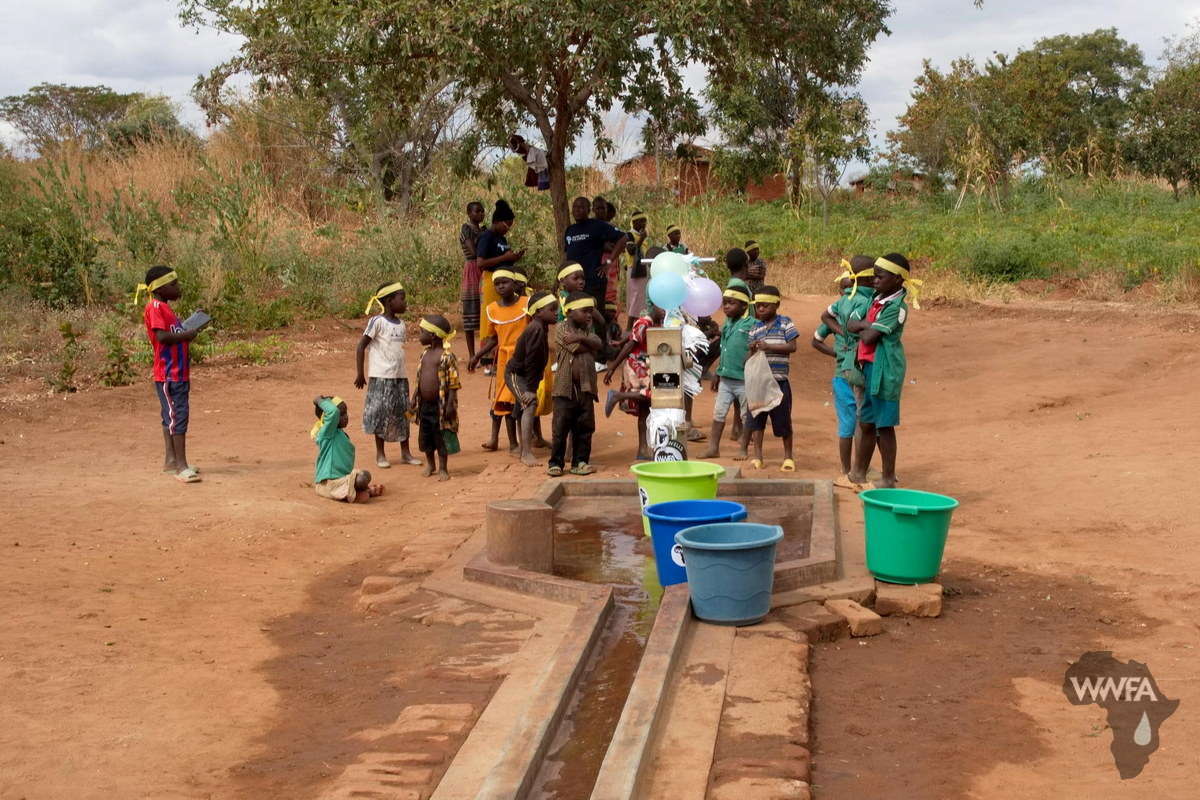
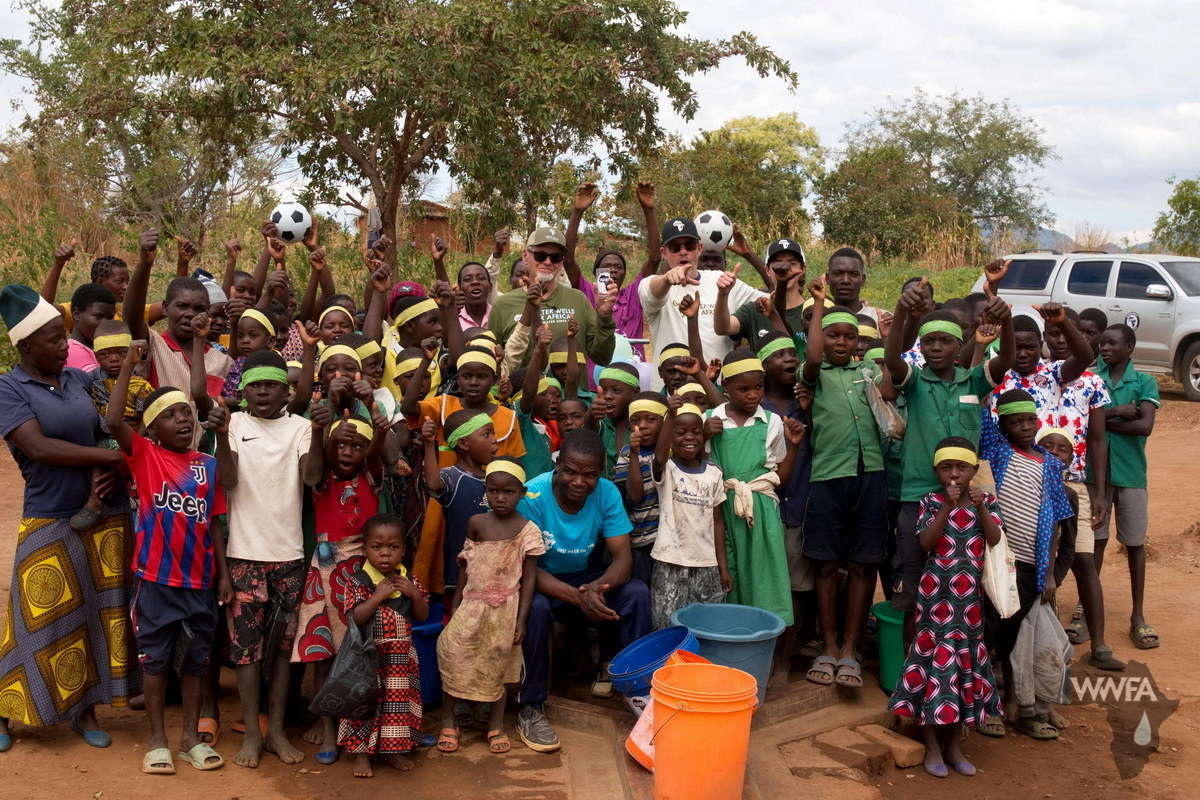
At Makunje M’bwana II, the road to water once began at 2 a.m. Families relied on the Chimbiya and Nsenjere Rivers, more than an hour away, and during the dry season the rivers disappeared. The journey could mean encountering snakes, hyenas, wild pigs, monkeys, and baboons along the way. Women might return around 7 a.m. with only a few buckets after hours of waiting and, sometimes, fighting over water.
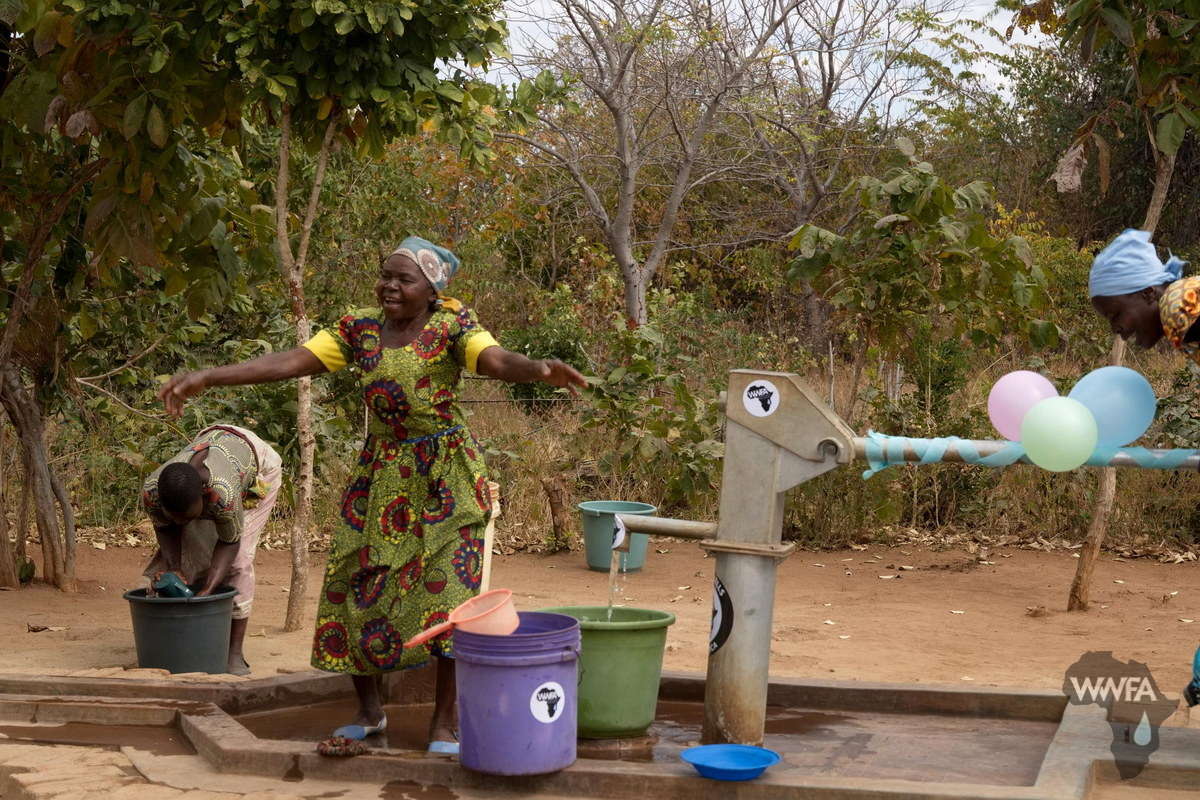
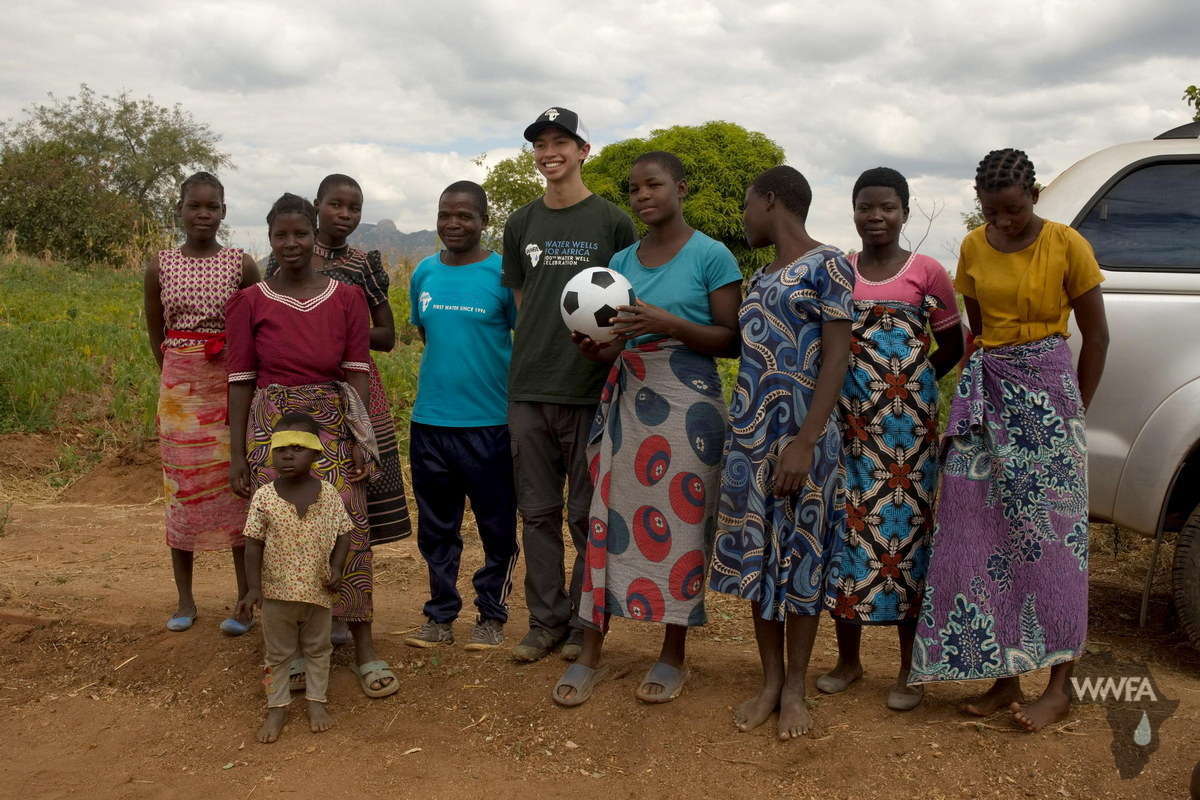
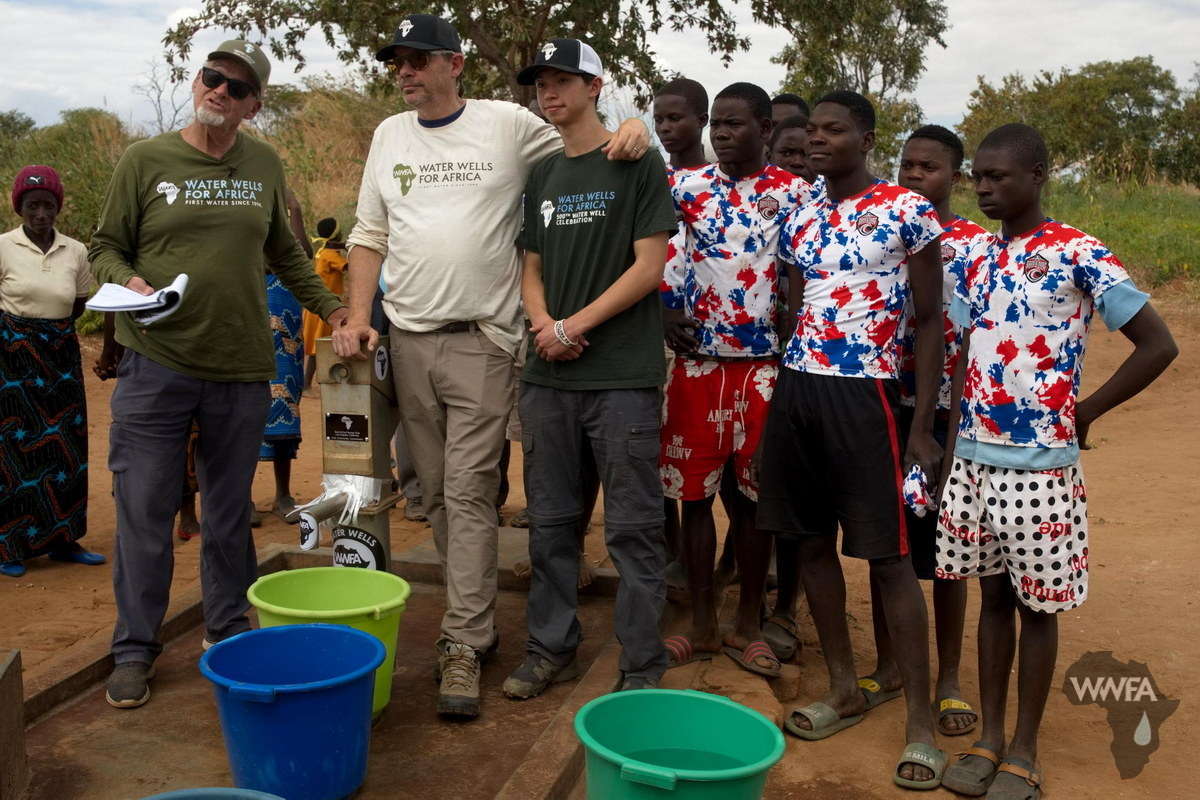
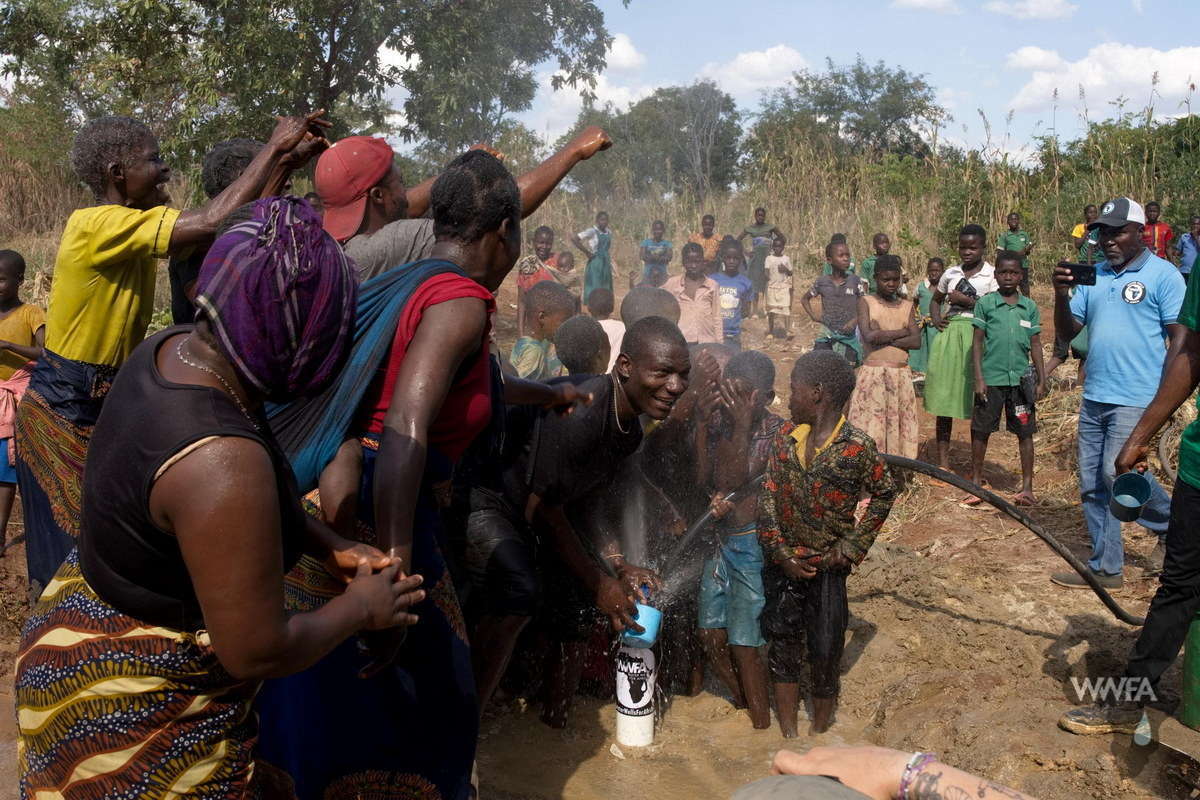
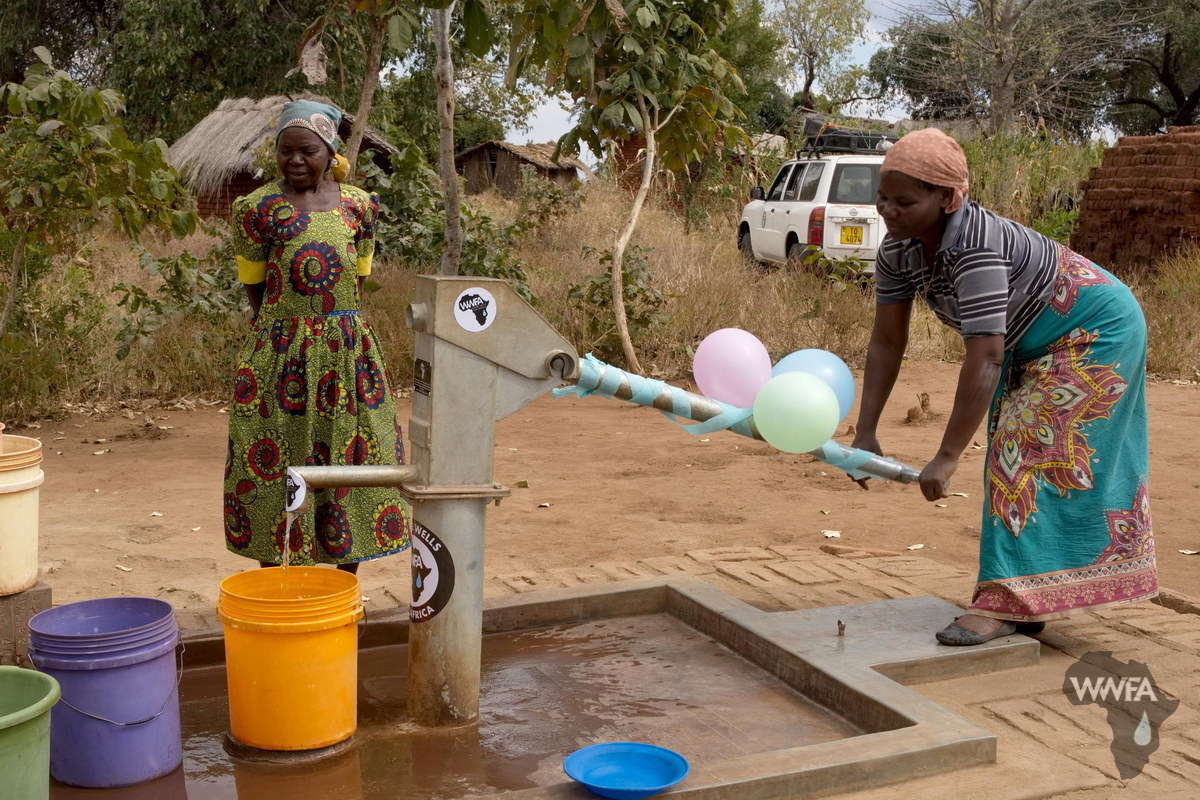
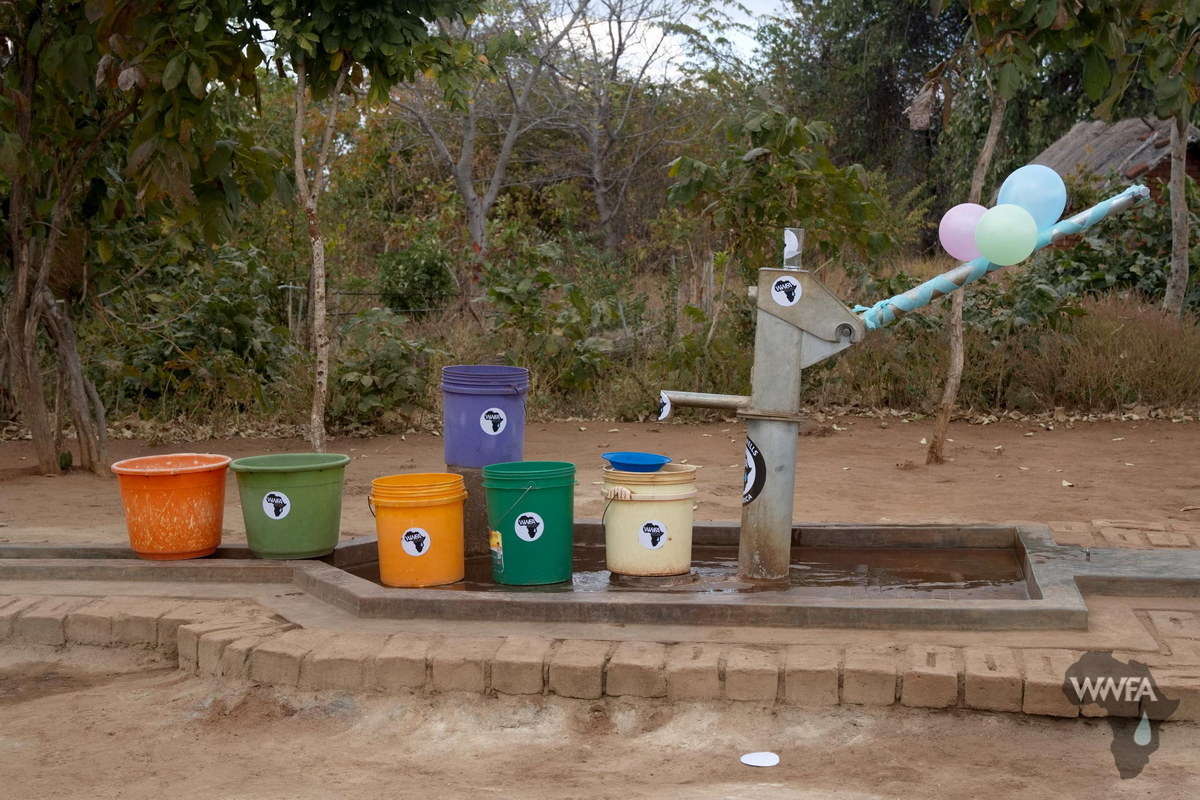
Milika remembered hiding four buckets when she managed to collect them, knowing someone might take them if she left them unattended. Today, she describes the difference simply: “Now, we have peace because of the water well.” The arguments at the water point are gone, and so is much of the tension at home. Husbands once struggled to believe their wives could spend five hours collecting water; some followed them to the river to see for themselves.
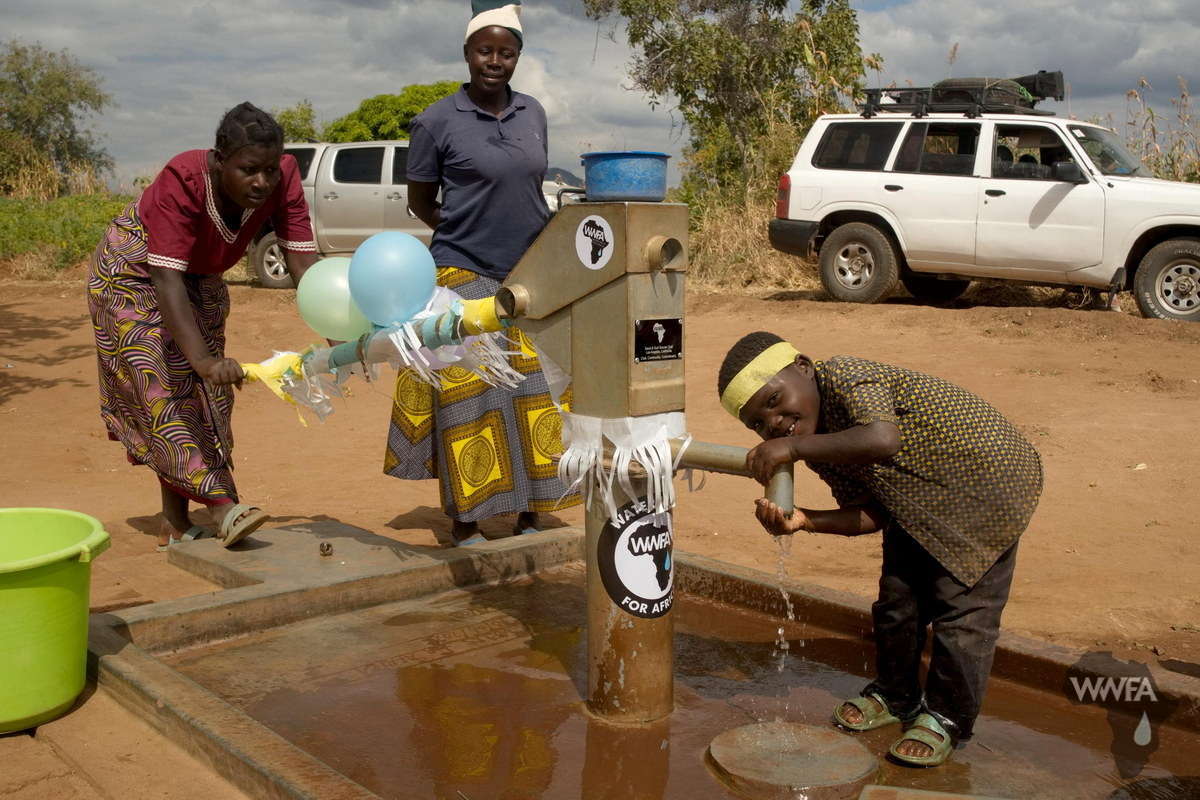
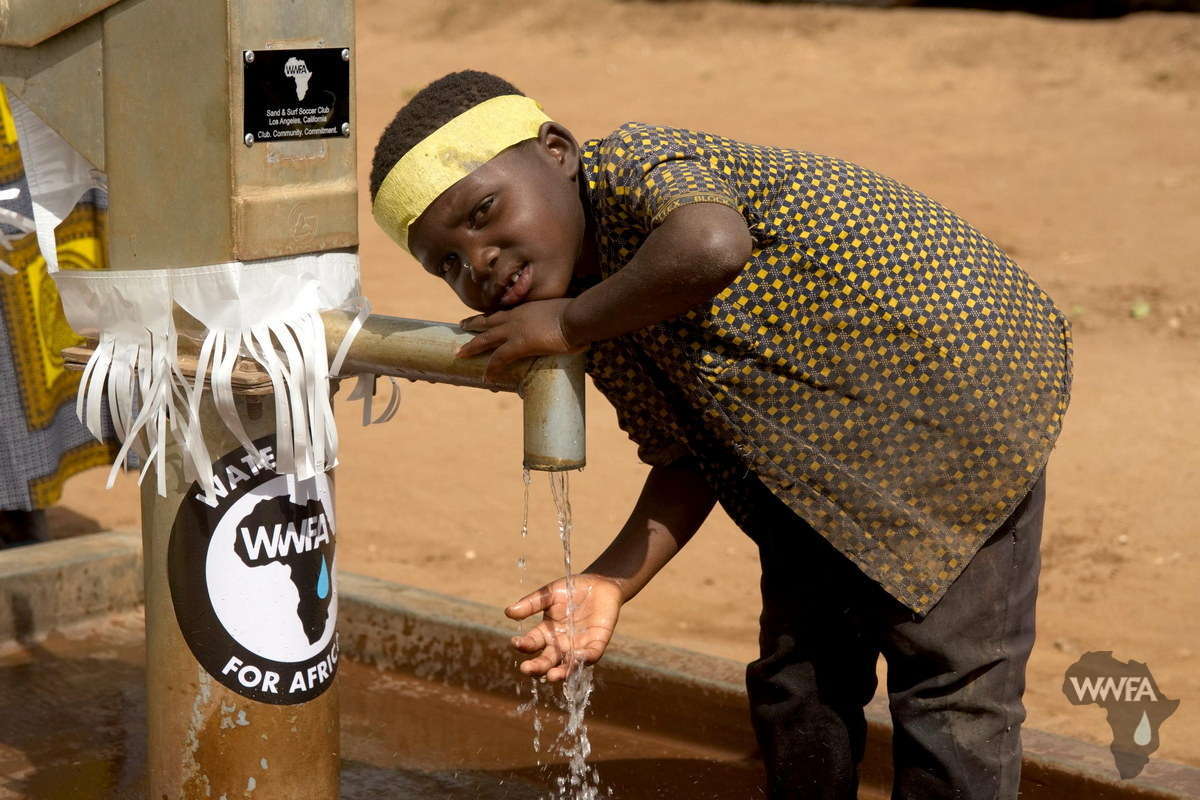
The health center has noticed the change, too. Andrea, a mother of three, remembered going to the clinic several times a month with diarrhea. Now, she said, “The health center misses us.” Waterborne illness is no longer a regular part of village life.
With water nearby, the community has found new ways to use its time. Families grow tomatoes and cassava, while women have started small businesses selling fish, doughnuts, and banana cakes. Others buy and resell tomatoes. The extra income goes toward soap, food, meat, school uniforms, books, goats, and chickens.
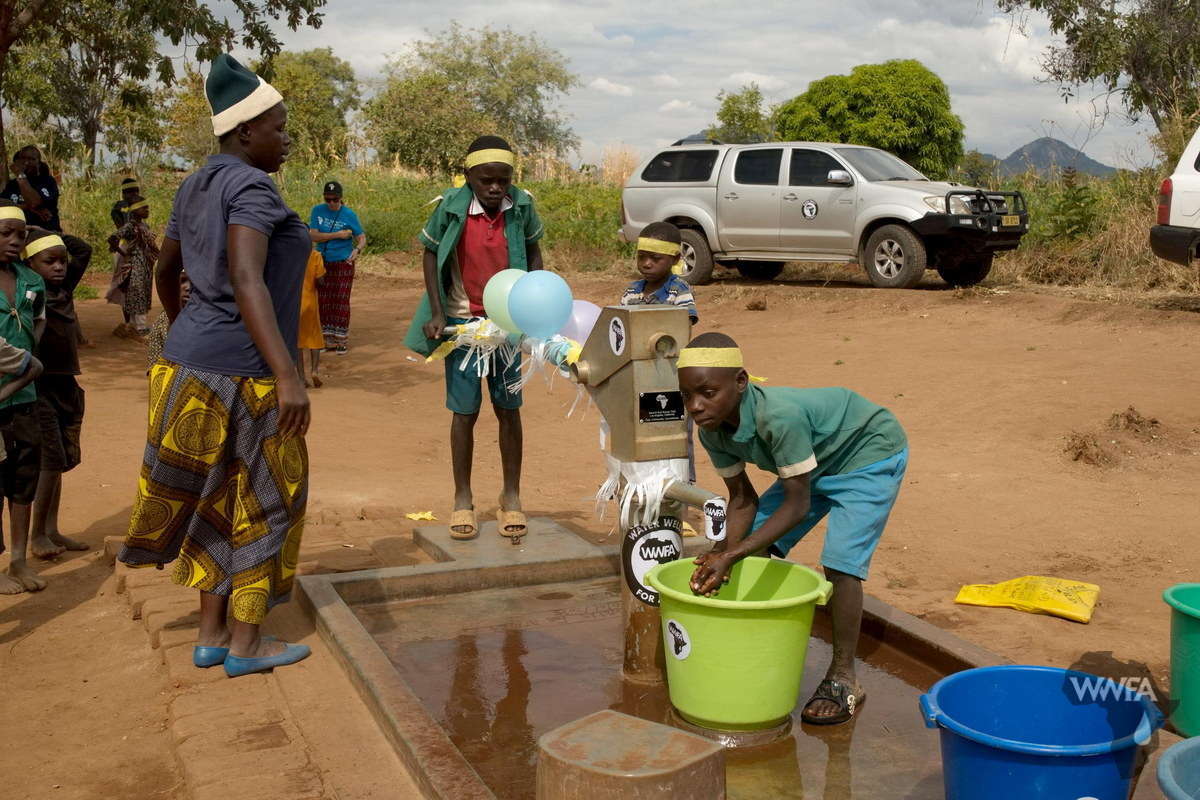
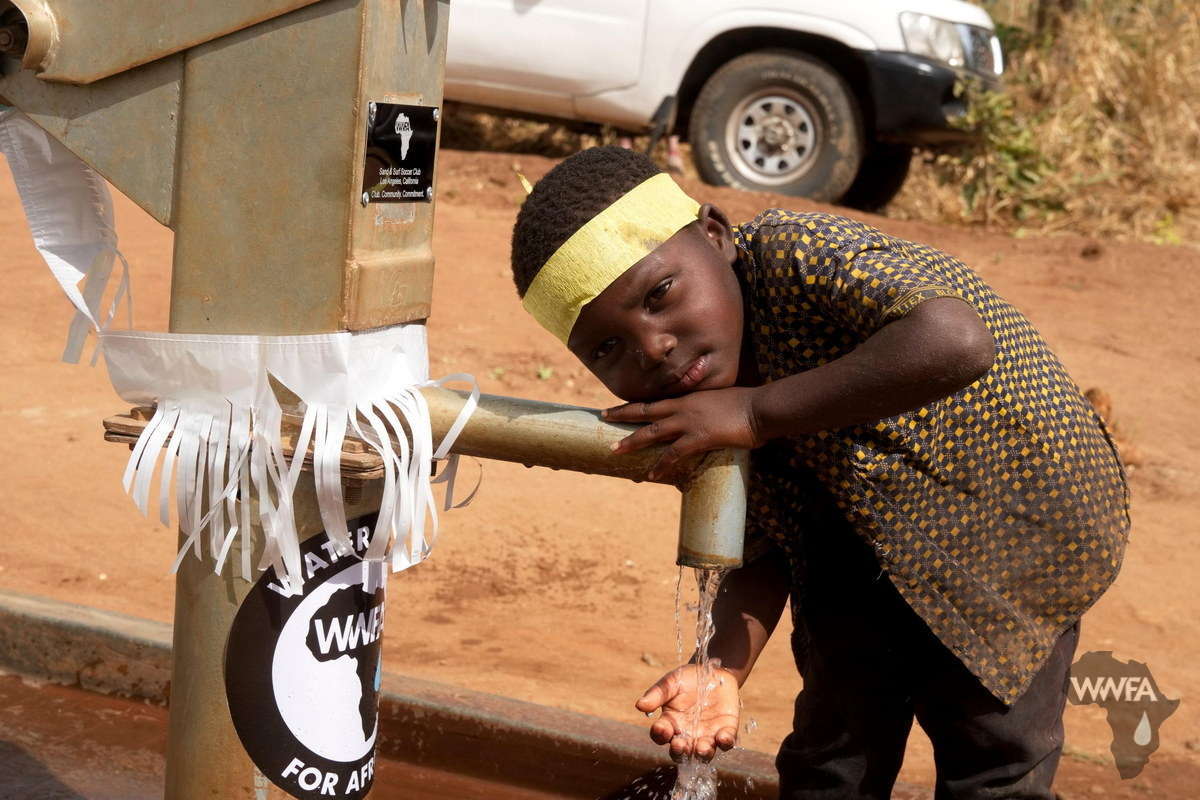
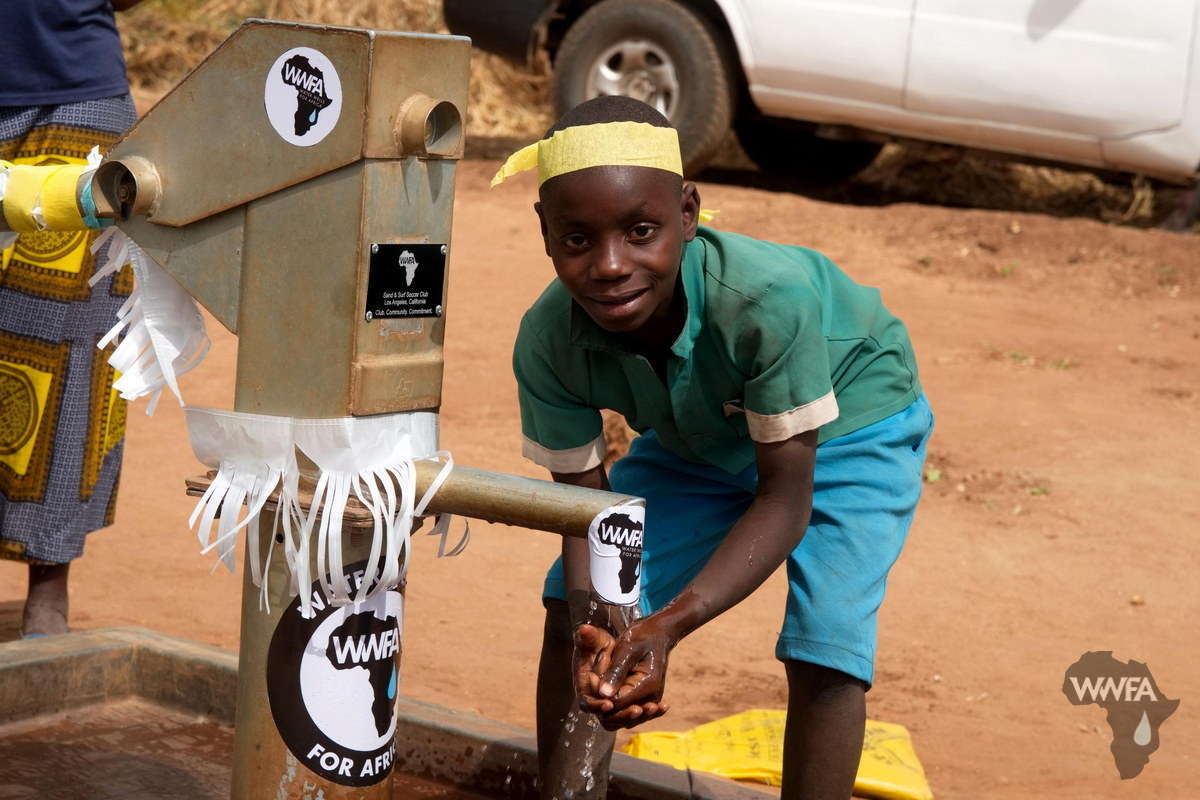
Even bathing has become something entirely different. Before, six people might share one 20-liter bucket, and women sometimes bathed in the river despite the skin rashes it caused. Some bathed only once a week. Now, they can use a full bucket—or more—without worrying about what they will have left for cooking.
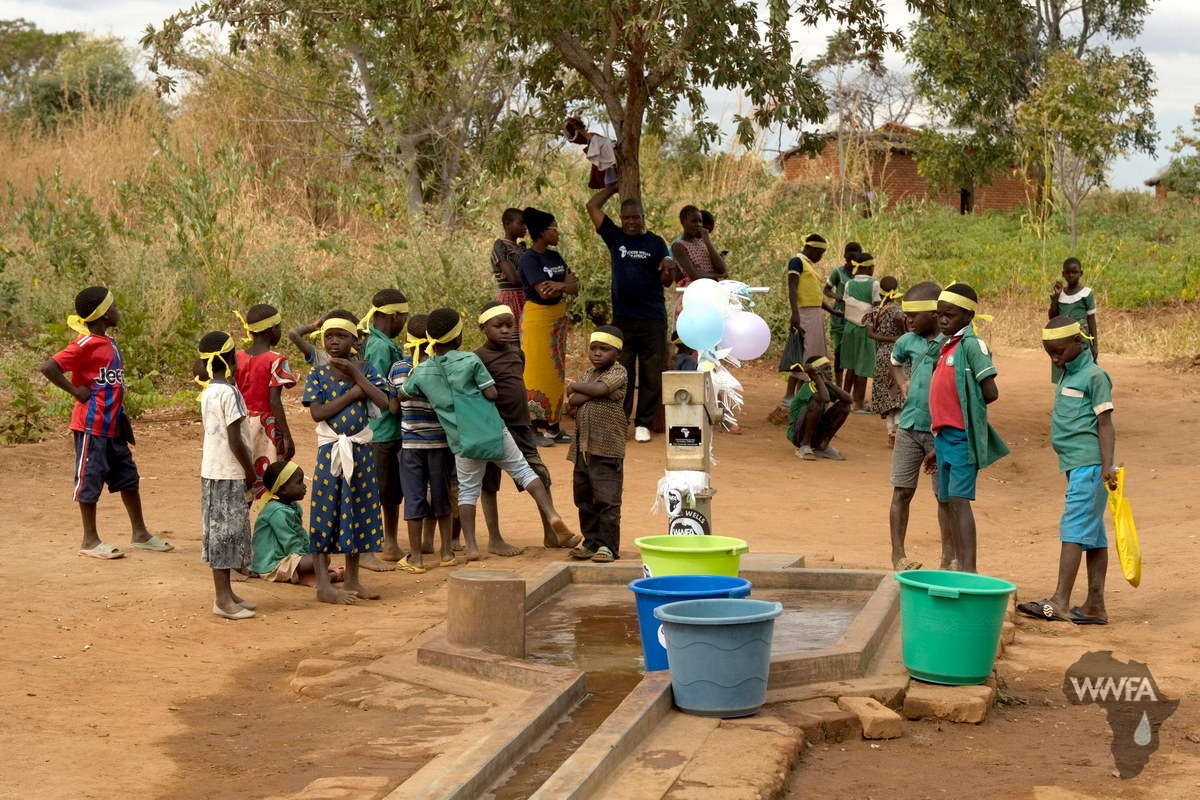
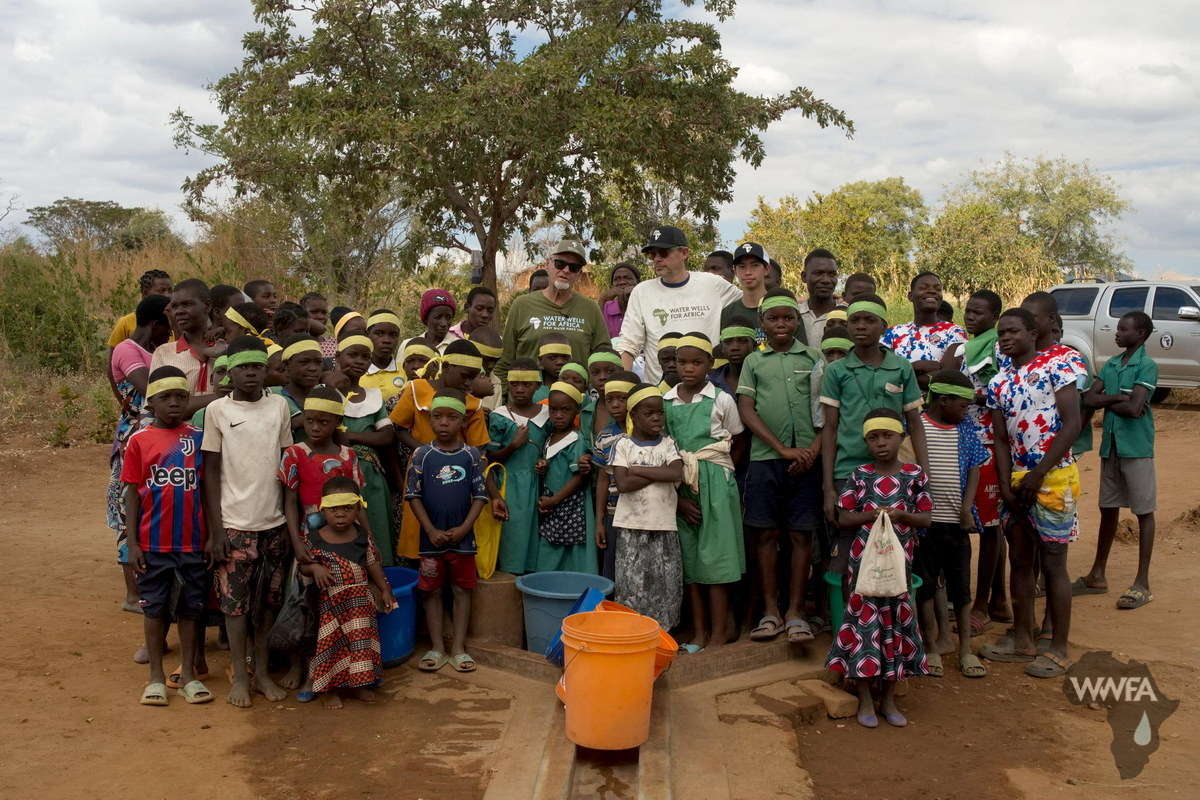
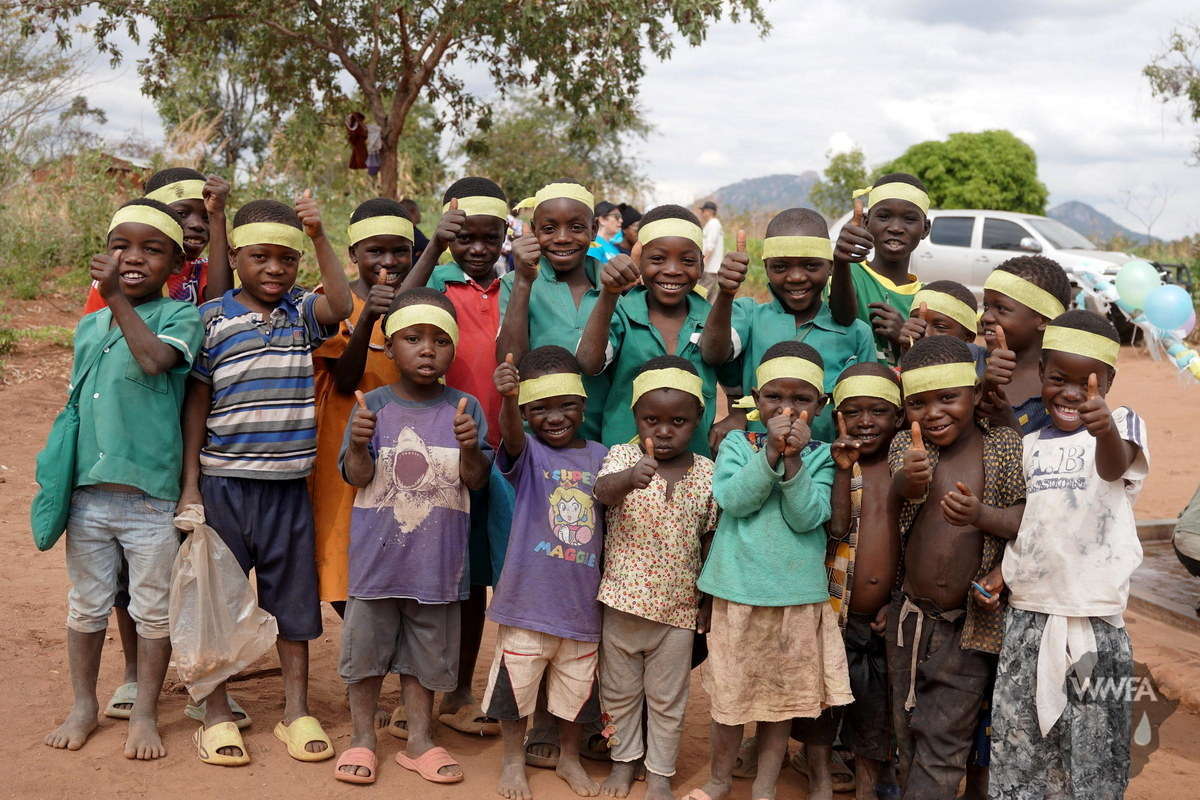
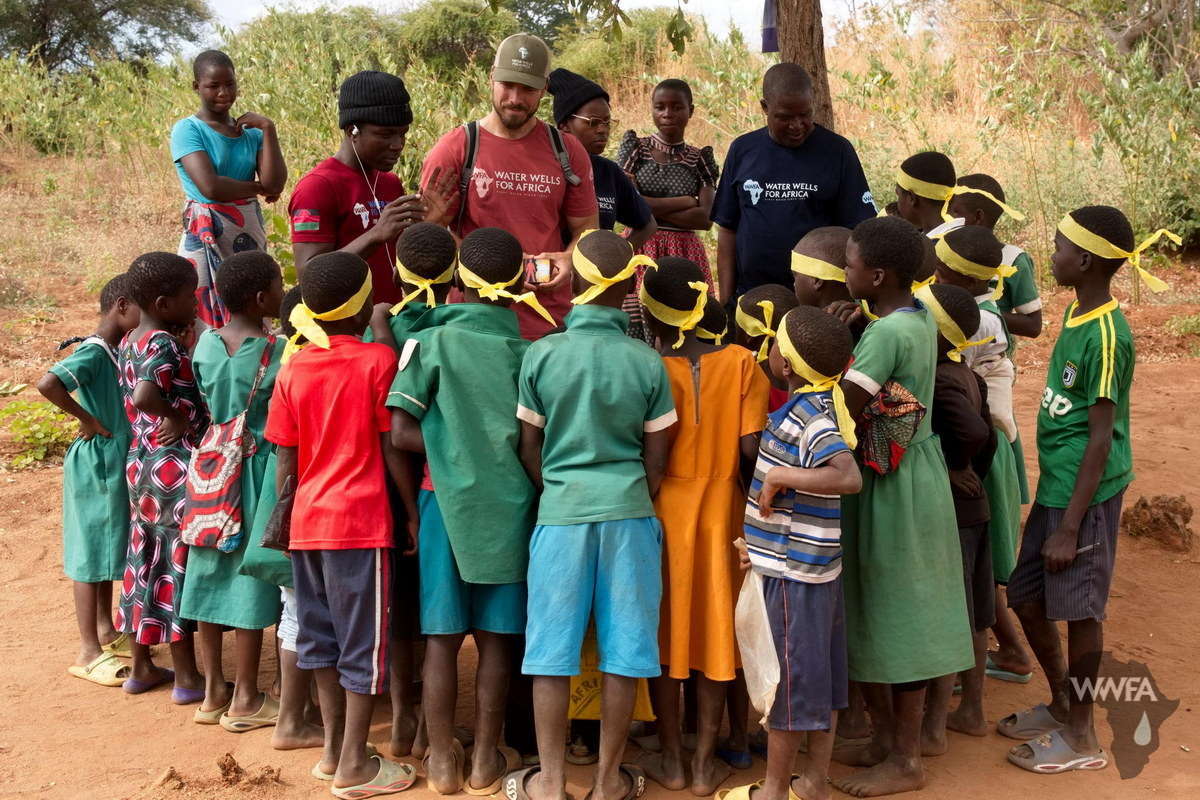
And the children are noticing. One child who used to miss class now goes to school every day. Around the village, those children are talking about what comes after school: Ethel, Stella, and Cecilia want to become teachers; others dream of becoming doctors, nurses, and mechanics.
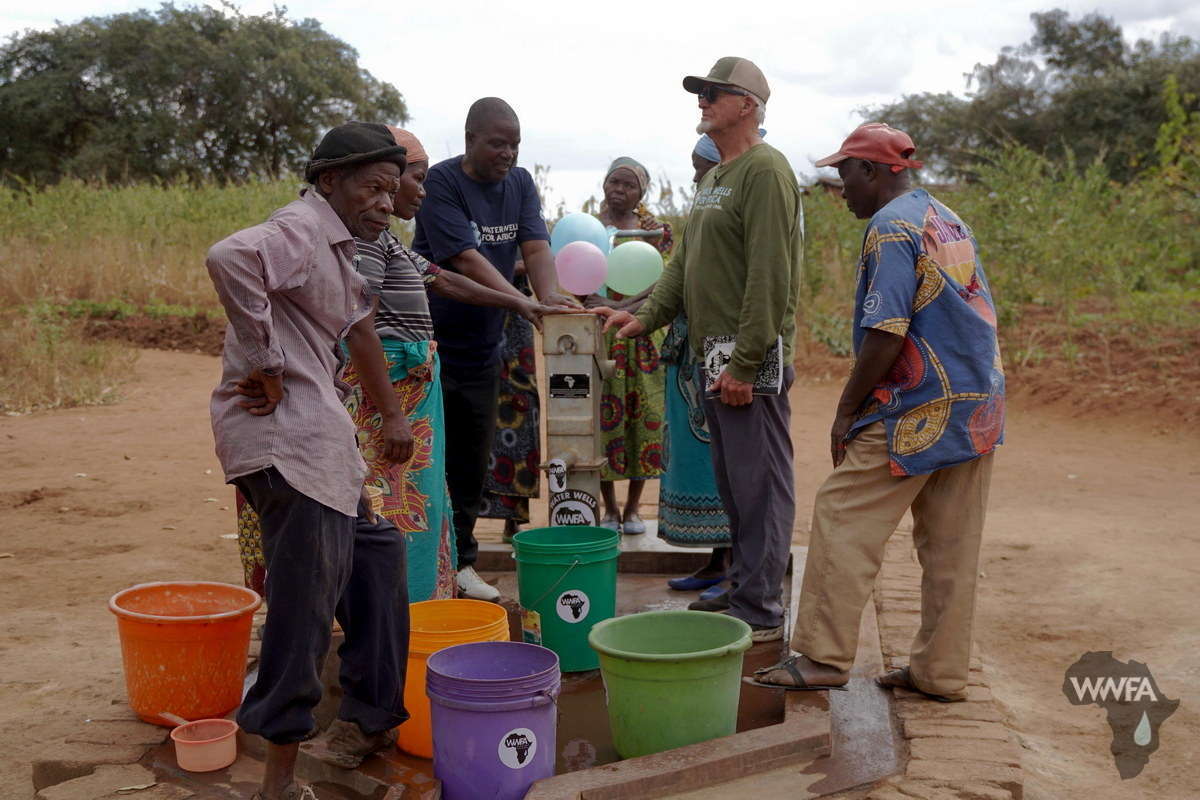
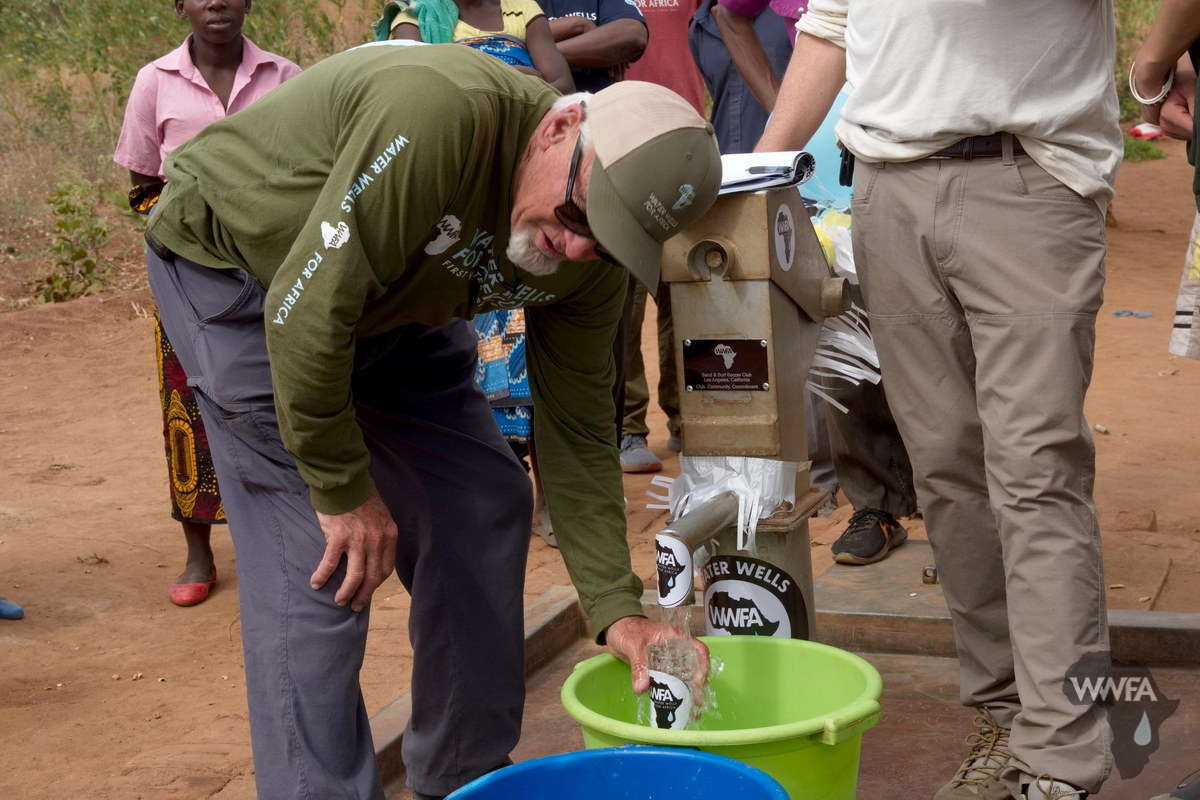
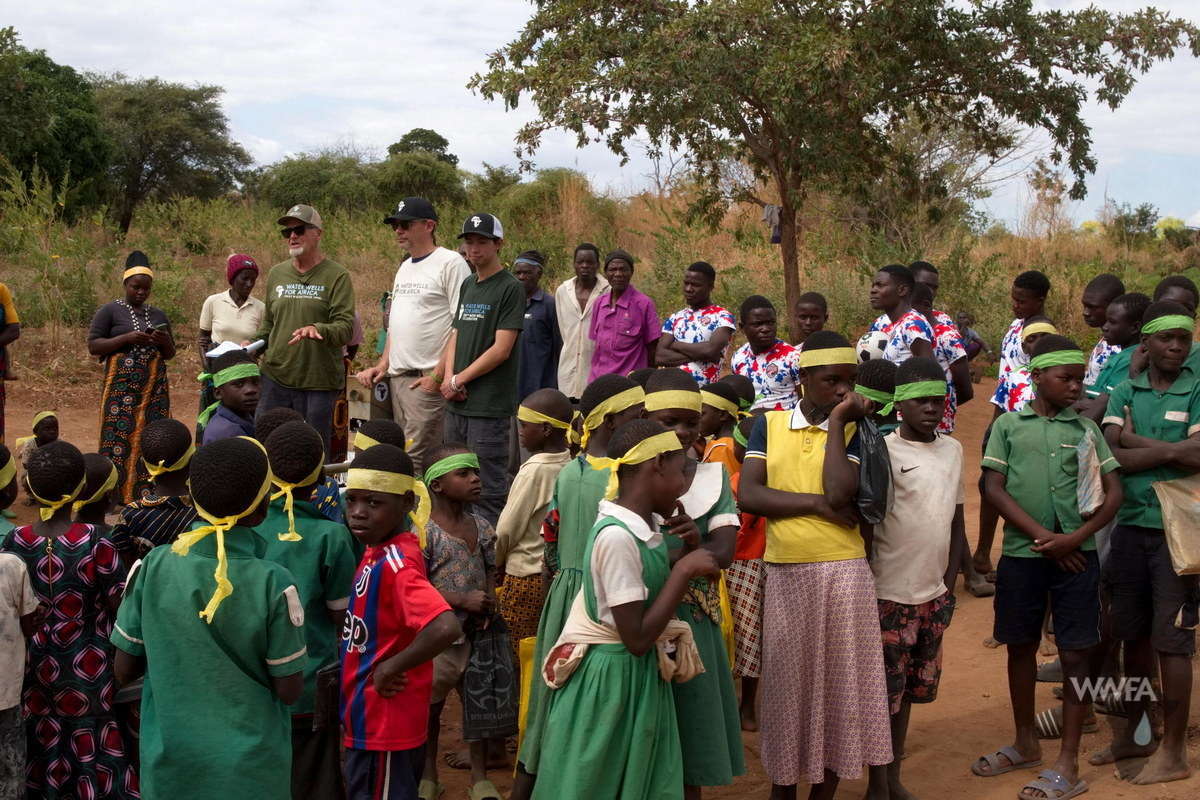
“This water makes us proud,” the women said. It is in the clean clothes, the food they can cook without worrying about dirty water, the businesses they have started, and the time they now have to spend with their families.