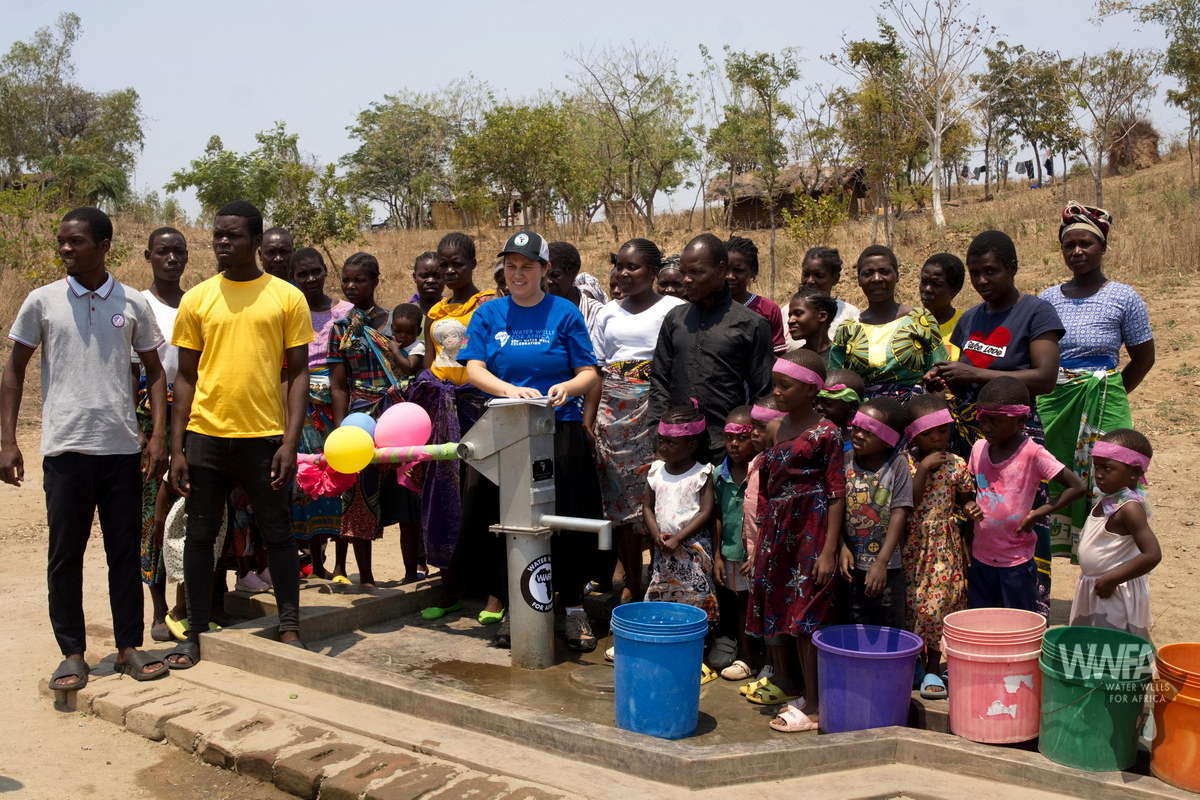
For the 75 families of Jumbe Village in Malawi’s Blantyre District, finding water once meant enduring exhaustion, illness, and uncertainty.
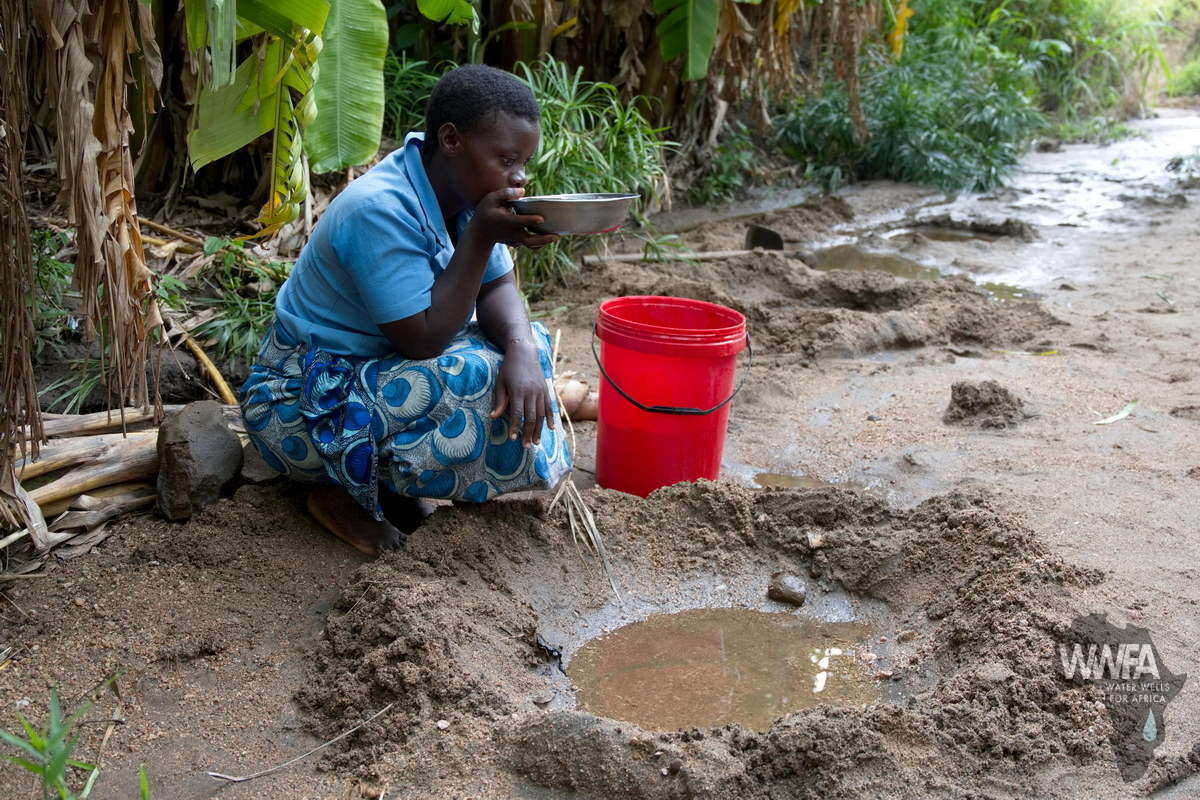
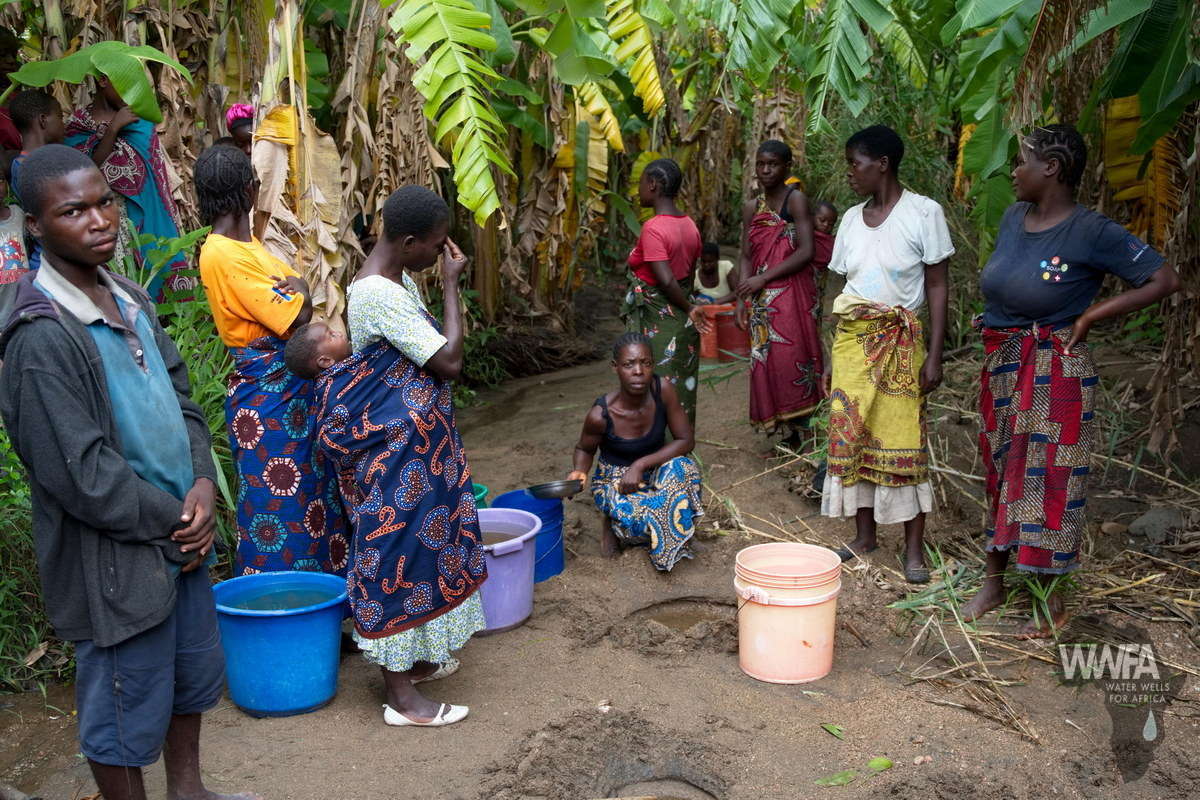
Before Water Wells for Africa (WWFA) installed a new well on July 16, 2025, residents relied on seasonal streams for their daily water needs. During the dry season, women dug into dry streambeds in search of water, often collecting only two buckets after hours of waiting. In the rainy season, they could gather more water, but it was contaminated and unsafe for drinking.
“After a while, the water would turn yellow,” one resident explained. Villagers shared the same water source with animals, including pigs that often entered the water where families collected what they would later drink and use for cooking.
The consequences were devastating. Waterborne illnesses were a constant part of life, and the nearest health clinic was more than 9 miles (15 kilometers) away. Families made the difficult journey multiple times each month, sometimes carrying sick loved ones on stretchers or hiring bicycles for transportation. In 2025 prior to the WWFA water well, the village lost three people to cholera.
The burden of collecting water fell primarily on women and girls. Many left home as early as 2am and did not return until sunrise. Long waits in line and severe shortages often created tension at the water source and within households.
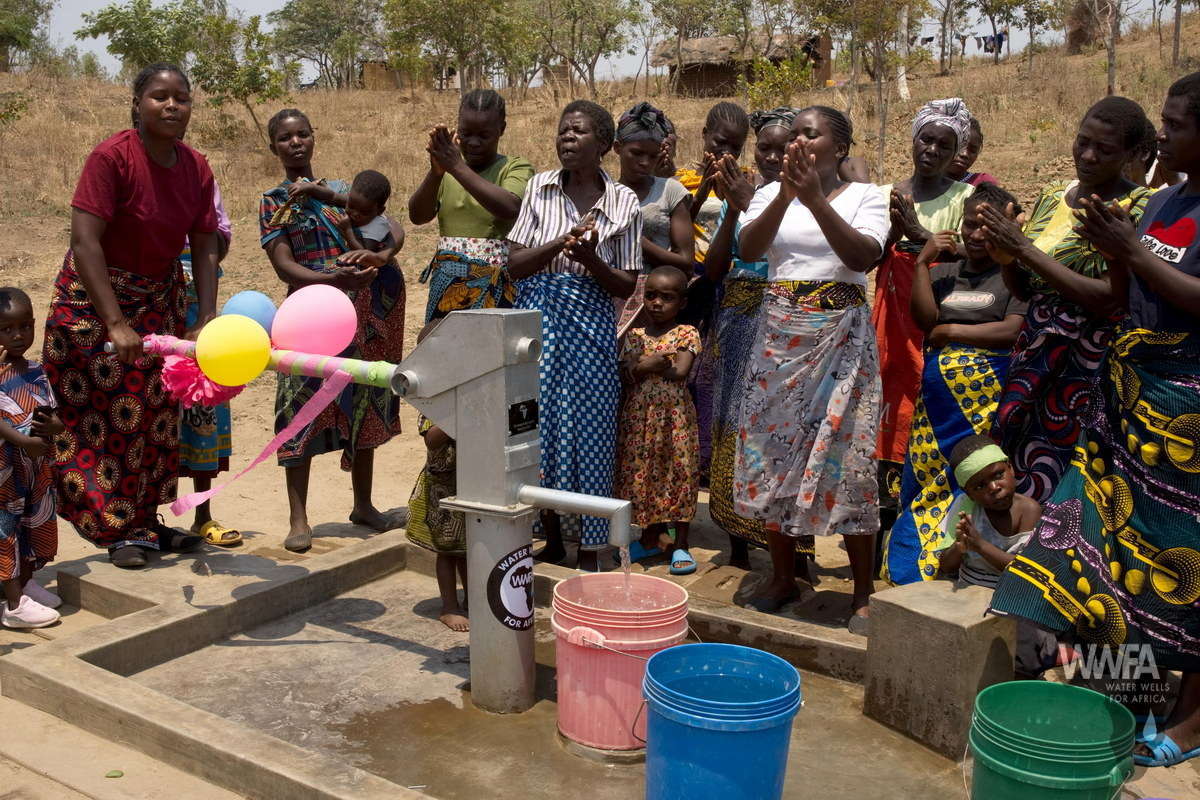
Today, that reality has changed.
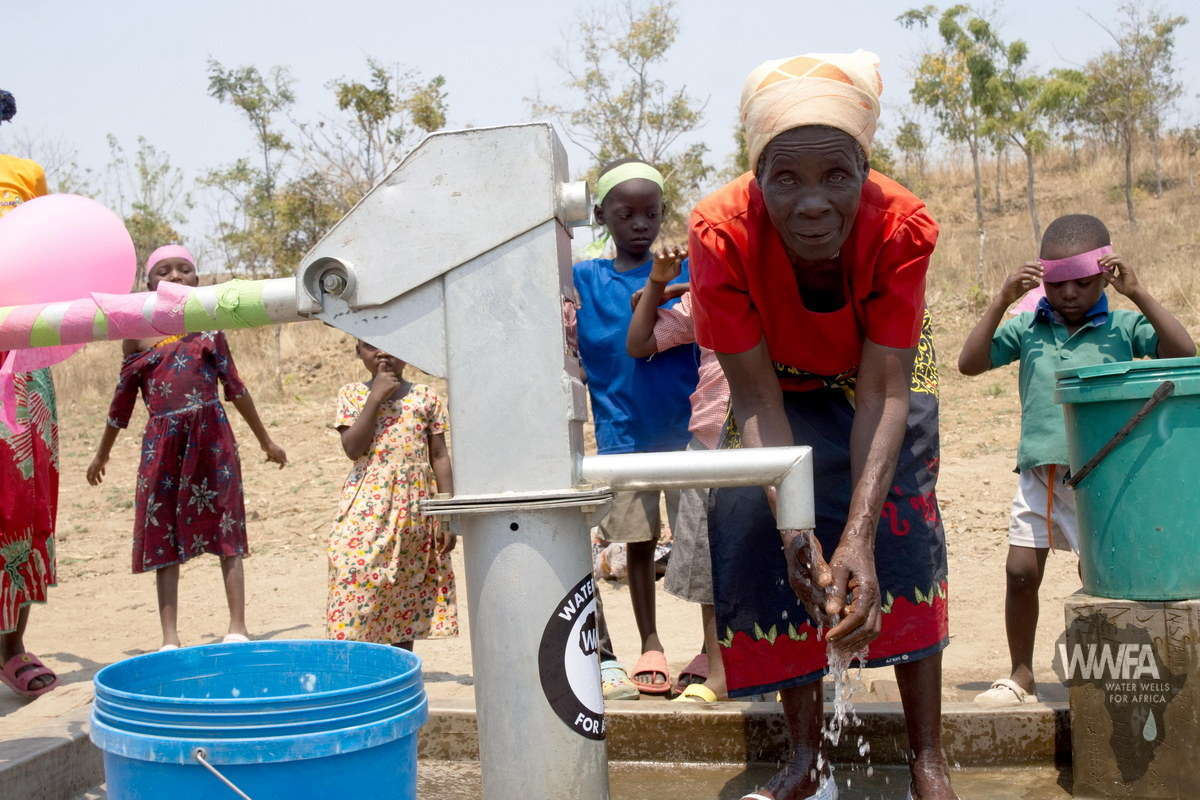
With clean water available in the heart of the village, women no longer spend hours searching for water each day. “We are no longer fighting since the well,” shared Samuel, a member of the Water Committee. “Women are no longer fighting, and women are coming back [home] on time.”
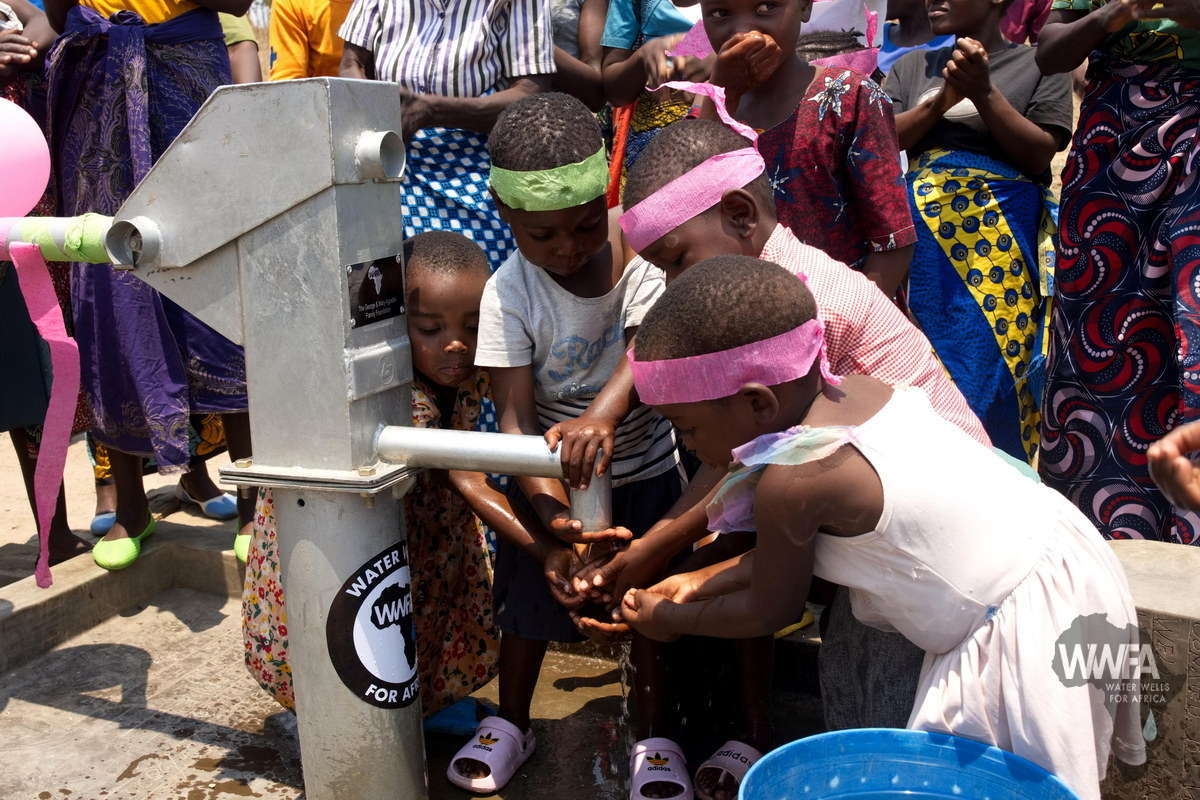
Families now have access to as much water as they need for drinking, cooking, cleaning, and personal hygiene. Residents say illnesses have already declined.
“Since I have used this well, I have never been sick,” said Nadiyes, a member of the Water Committee.
The transformation extends beyond health. Women now have more time to grow maize, cowpeas, cassava, and sweet potatoes, strengthening food security and creating new opportunities for their families.
Children are arriving at school on time and attending classes consistently. For many, access to clean water has opened the door to dreams that once felt out of reach. Stella and Memory hope to become nurses, while Roseby and Tarlandila aspire to become teachers.
The new well is also creating lasting change through local leadership. Jumbe’s Water Committee, made up of four men and six women, recently completed Community-Based Management training to ensure they can maintain and repair the well for years to come.
“As women, the training was important for us because we can now fix the well,” several of the committee members shared with us.
Mayana Kalumba, a committee leader, expressed her pride in serving her community: “I feel honored to be in leadership in this community.”
Funded by the George and Mary Agostini Family Foundation, the Jumbe well represents more than access to clean water . It is restoring health, strengthening families, empowering women, and creating opportunities for the next generation.
For the people of Jumbe Village, clean water is not simply changing daily routines—it is changing the future.