
Chilumba Primary School
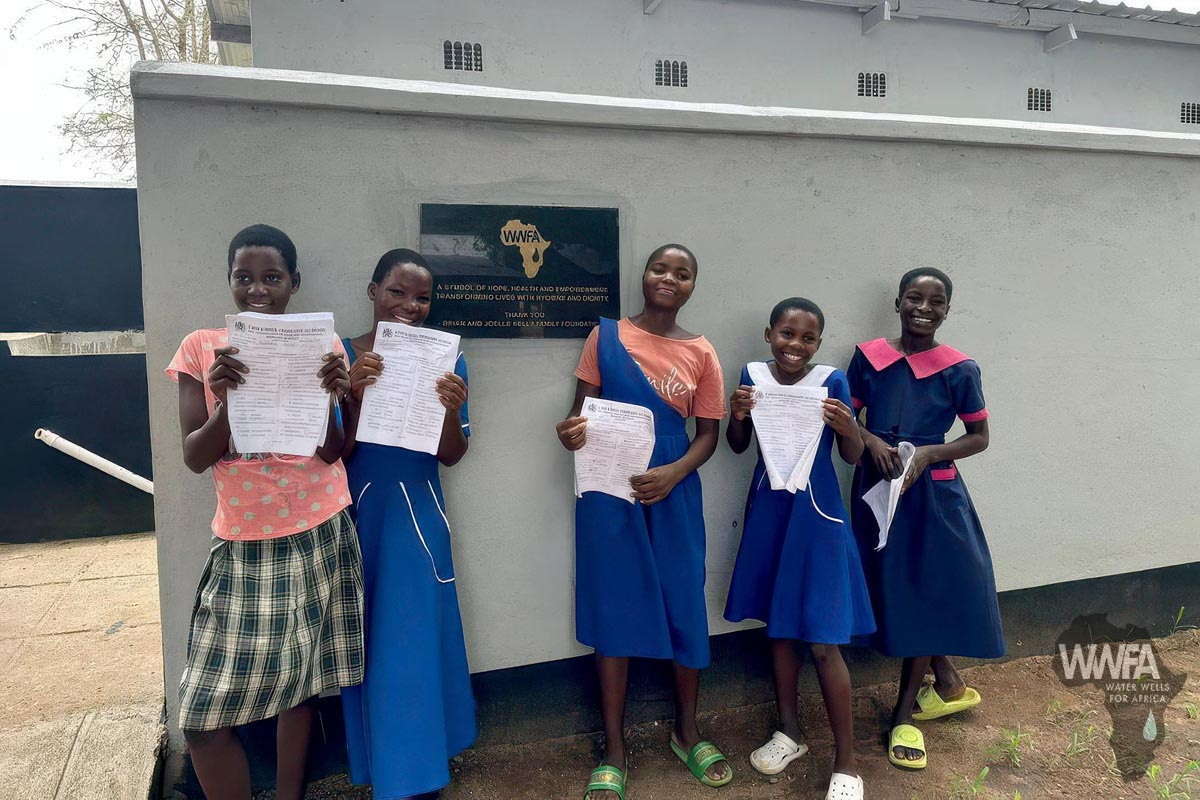
Dedication: Brian and Joelle Kelly Family Foundation
Completion Date: October 2, 2025
School: Chilumba Primary School
District: Mangochi
Country: Malawi
Struggles and Challenges
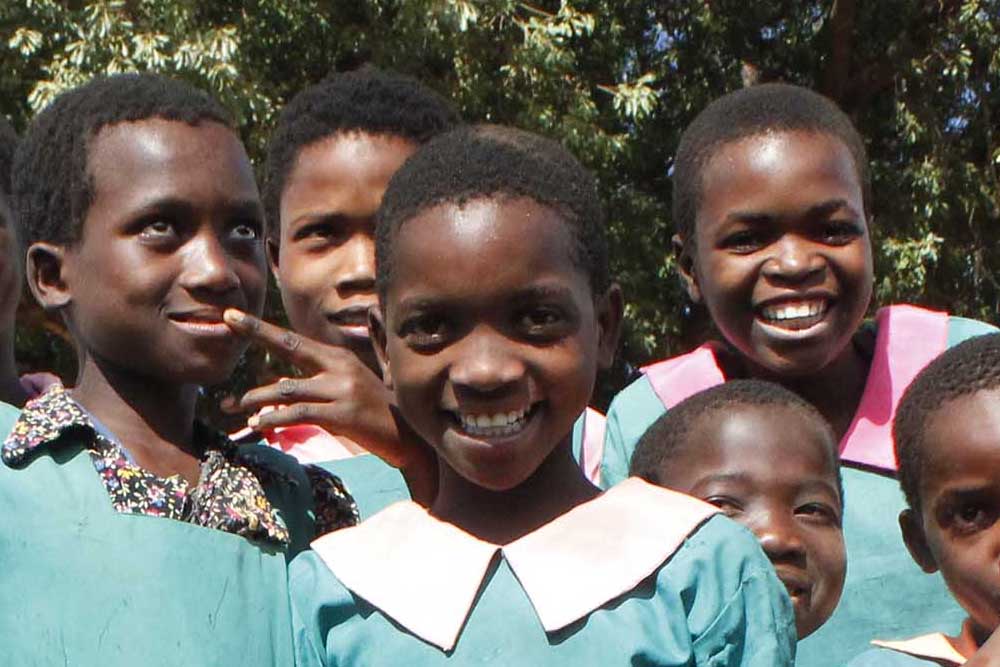
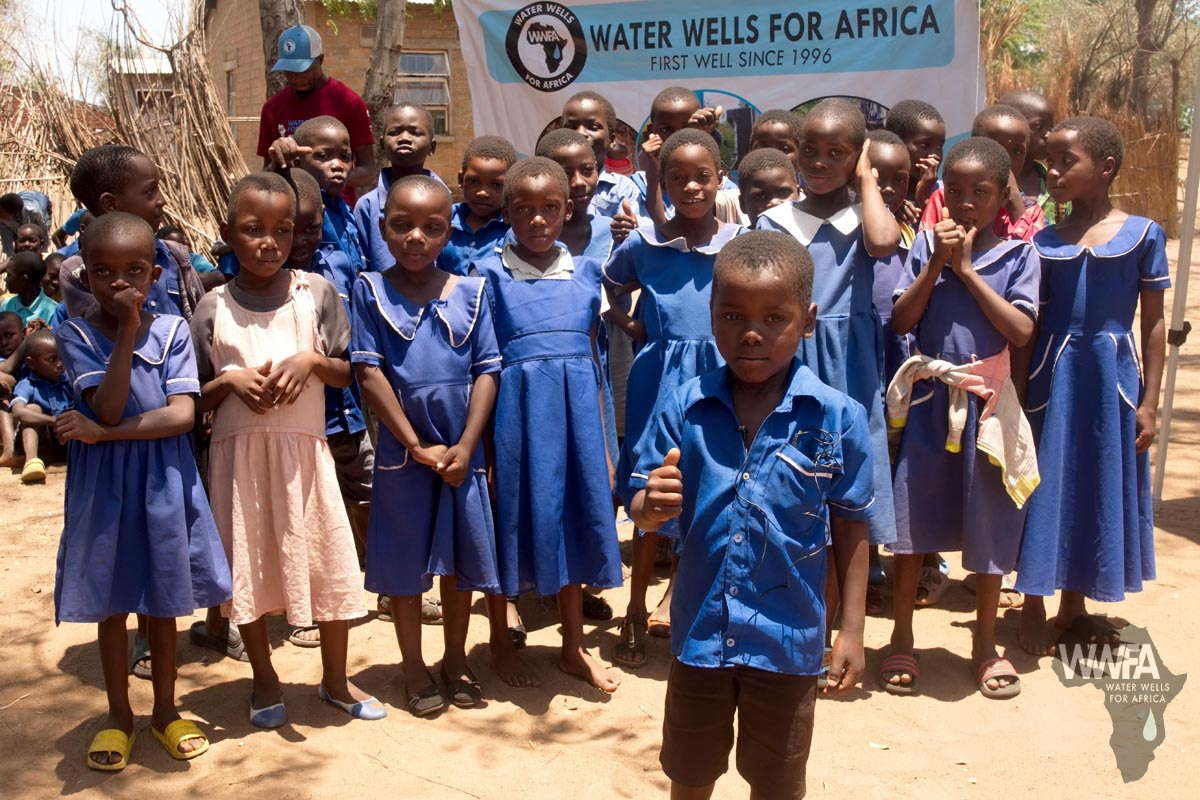
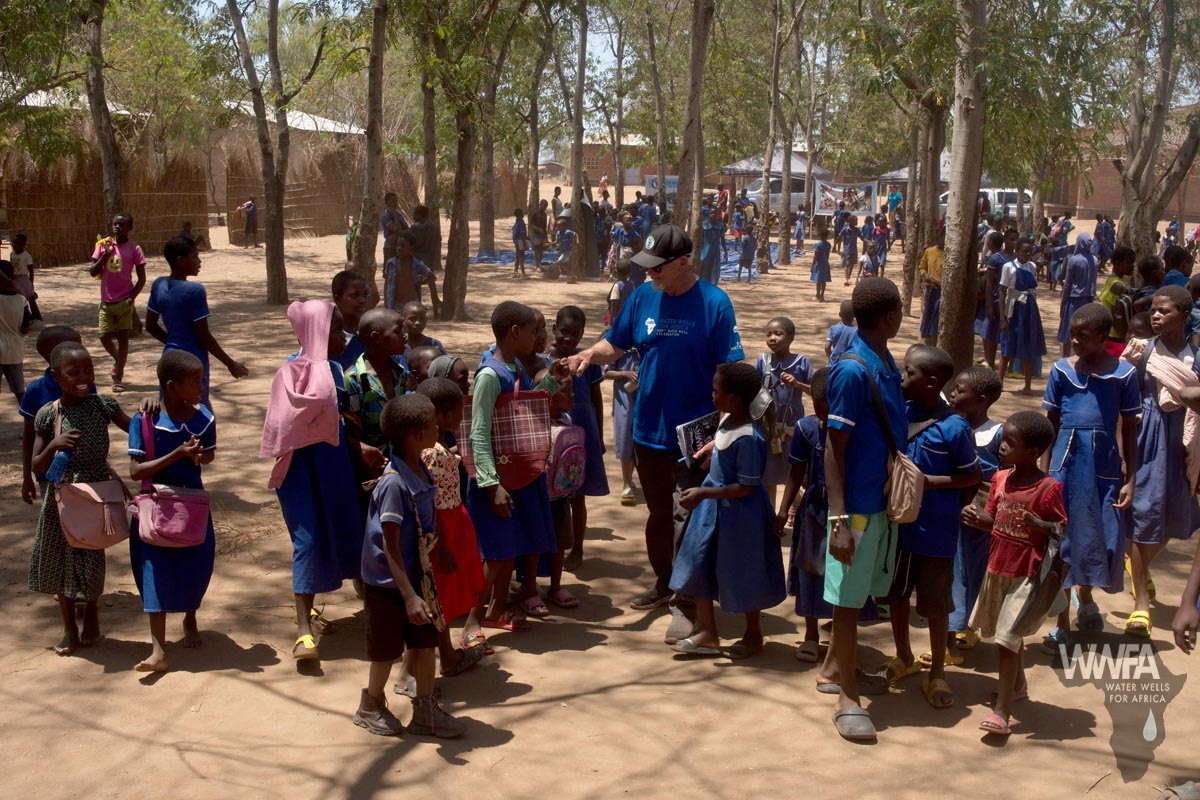
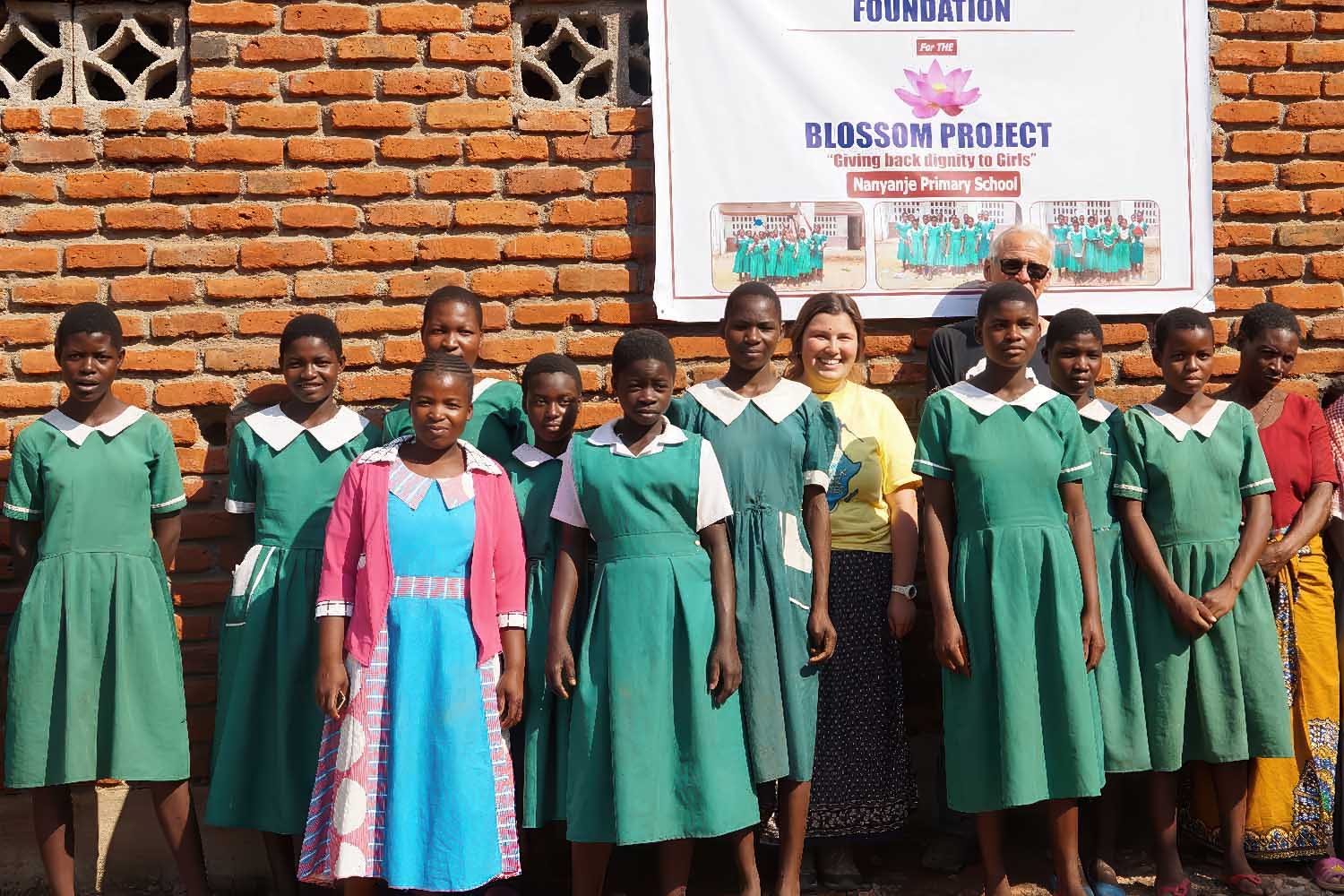
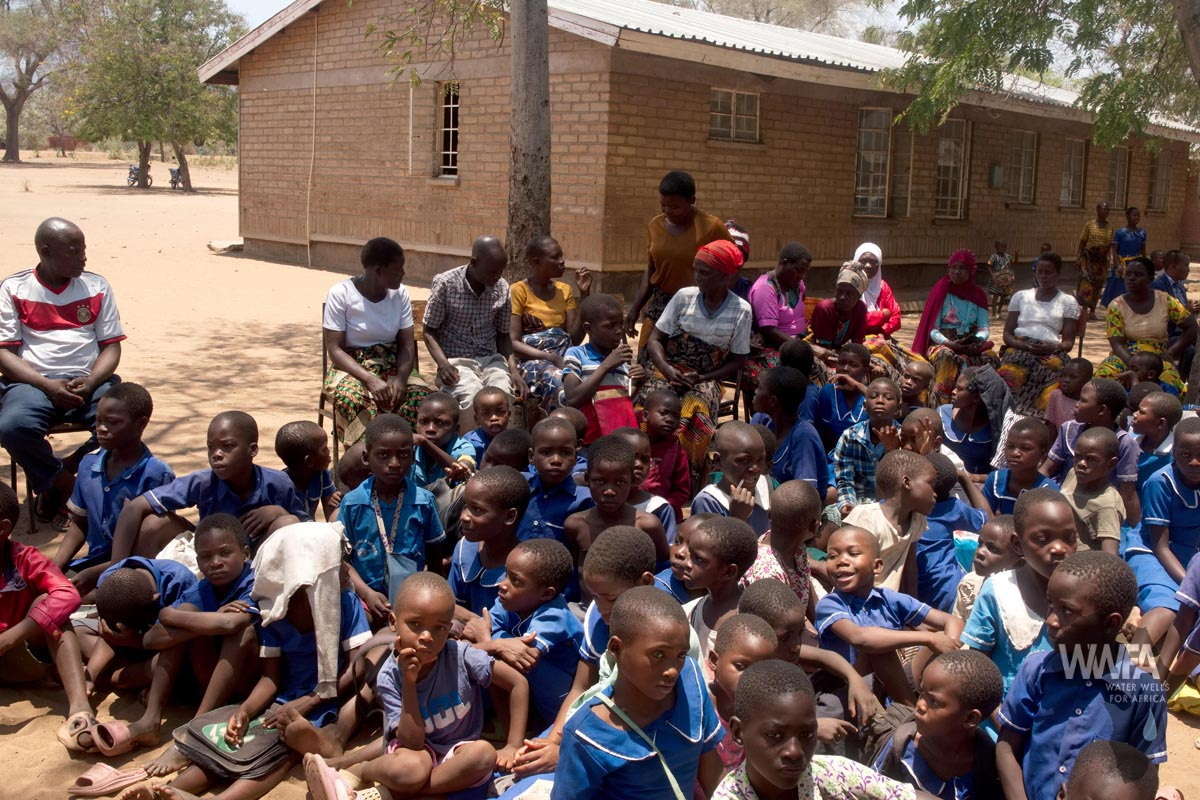
Chilumba Primary School was at a breaking point before the Blossom Project. With more than 1,000 learners and only two functioning pit latrines, the school day was shaped by long queues, missed lessons, and quiet embarrassment—especially for girls.
There were no doors, no privacy, and no menstrual hygiene or changing rooms. Five additional latrines were completely full and unusable. During health breaks, learners often waited 5–10 minutes just to access a toilet. Many chose to leave school instead—and often did not return that day.
For girls, the situation was devastating. With a toilet ratio of 1:520 for girls (far from the WHO recommendation of 1:25), menstruation became a barrier to education.
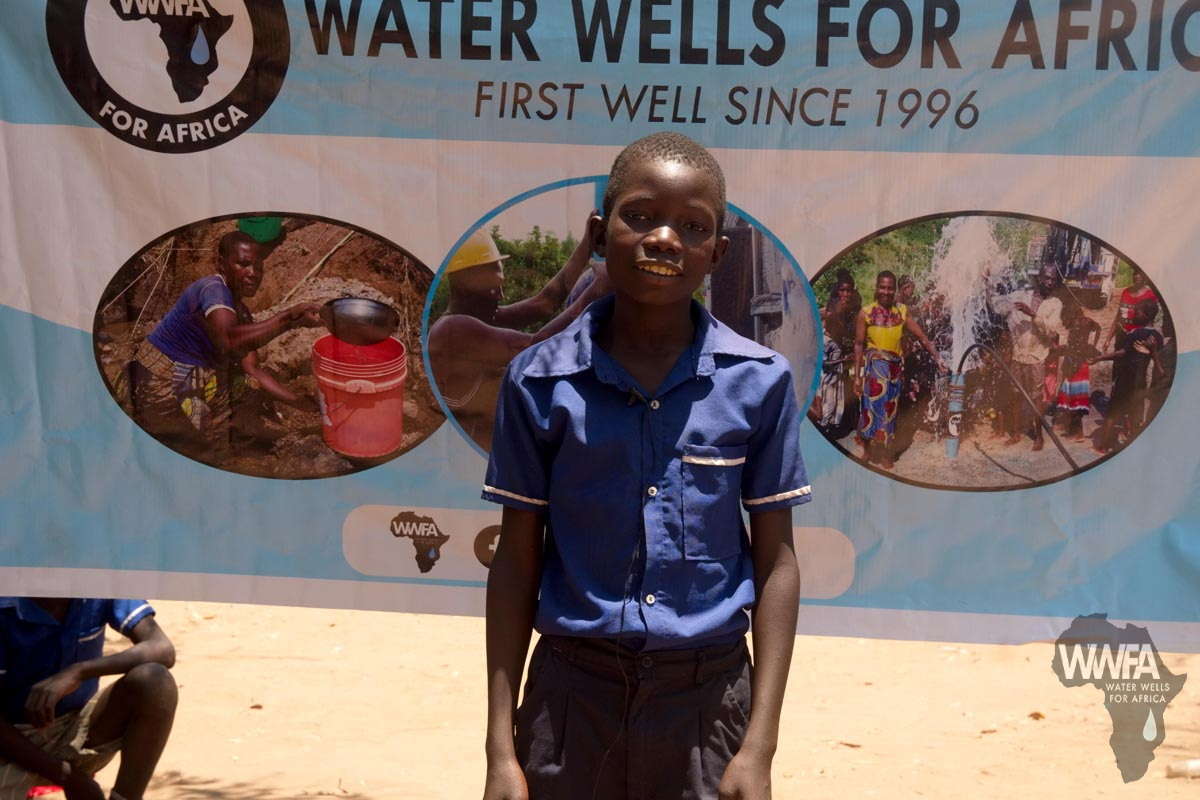
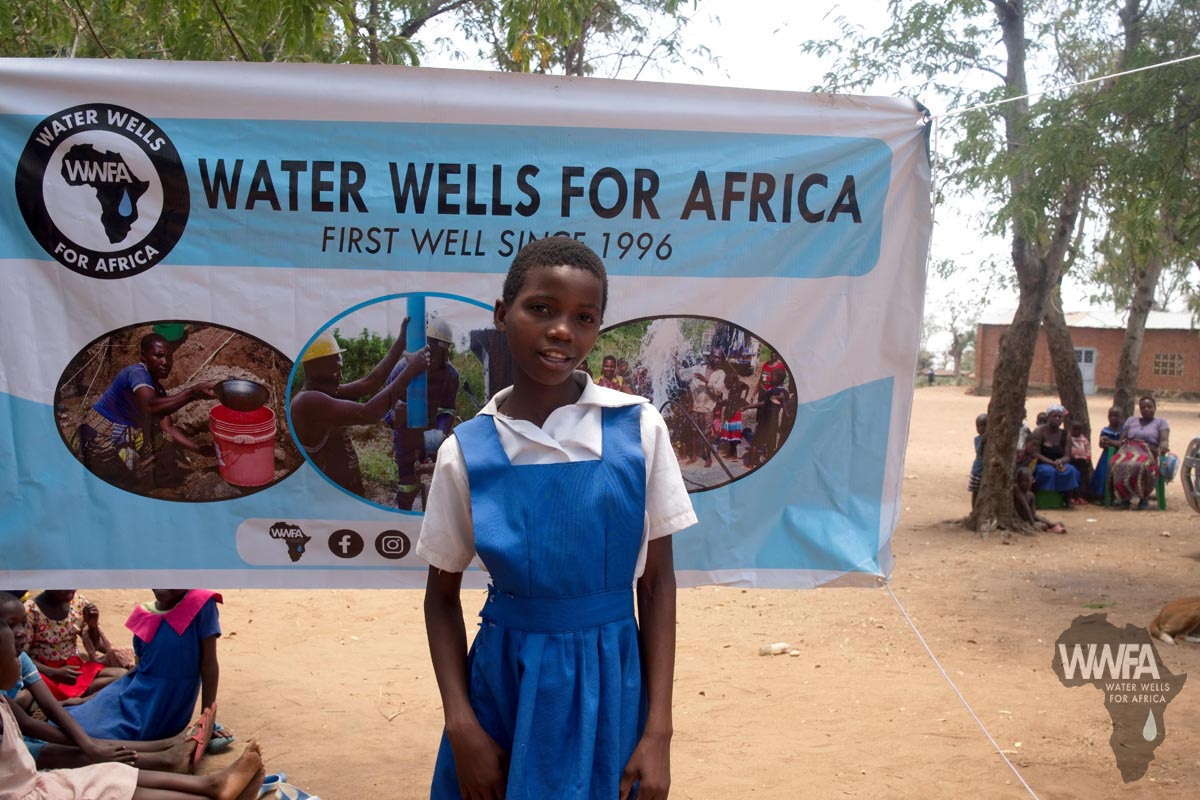
One of those girls was Milika Helemesi, a Standard 6 learner who dreamed of becoming a nurse. Milika shared that during her menstrual period, she often stayed home—not because she lacked motivation, but because there was nowhere safe or private to change at school. When she did try to attend, boys mocked menstruating girls including her, leaving her ashamed and unable to focus. As a result, Milika missed up to five days of school each month, fell behind in her studies, and even failed exams while her classmates moved ahead.
“The toilets are full… kuli uve.” – Milika Helemesi, Standard 6
“When girls are menstruating, they stay home because there is nowhere to change.” – Mrs. Augustina Chilangwe, Head Teacher
After the Blossom Project
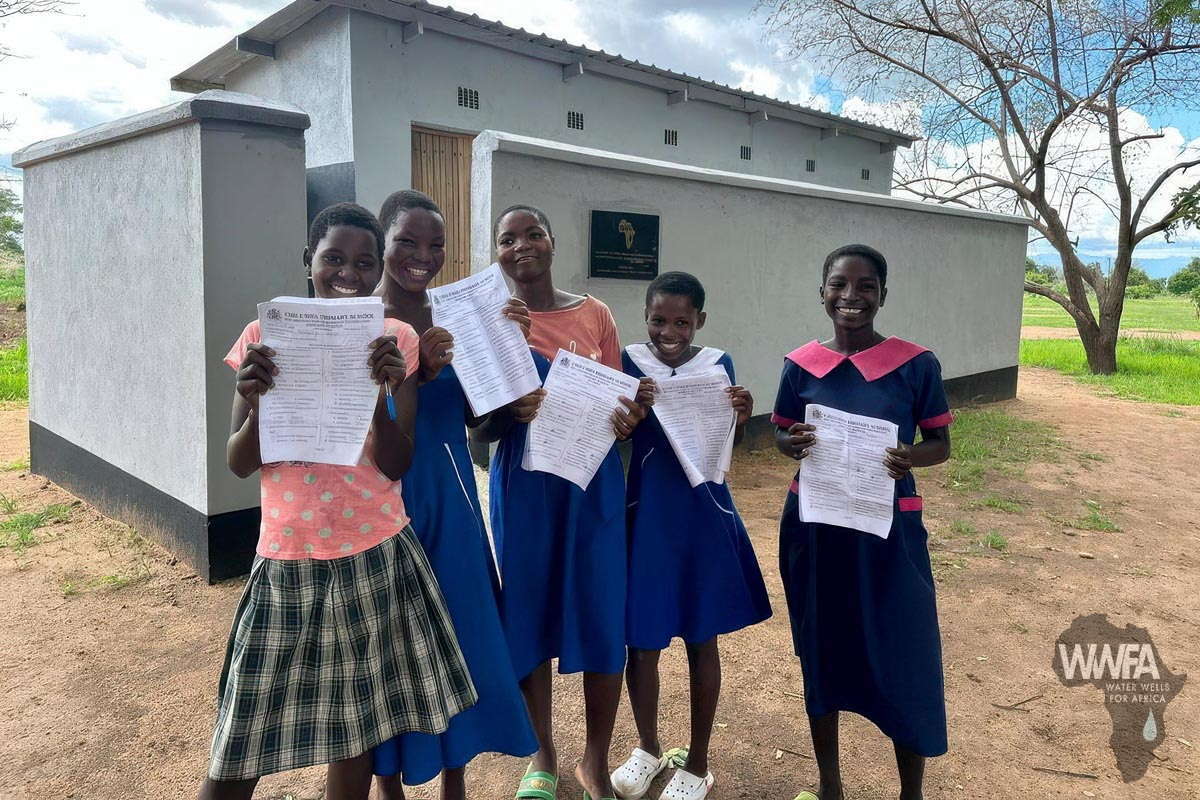
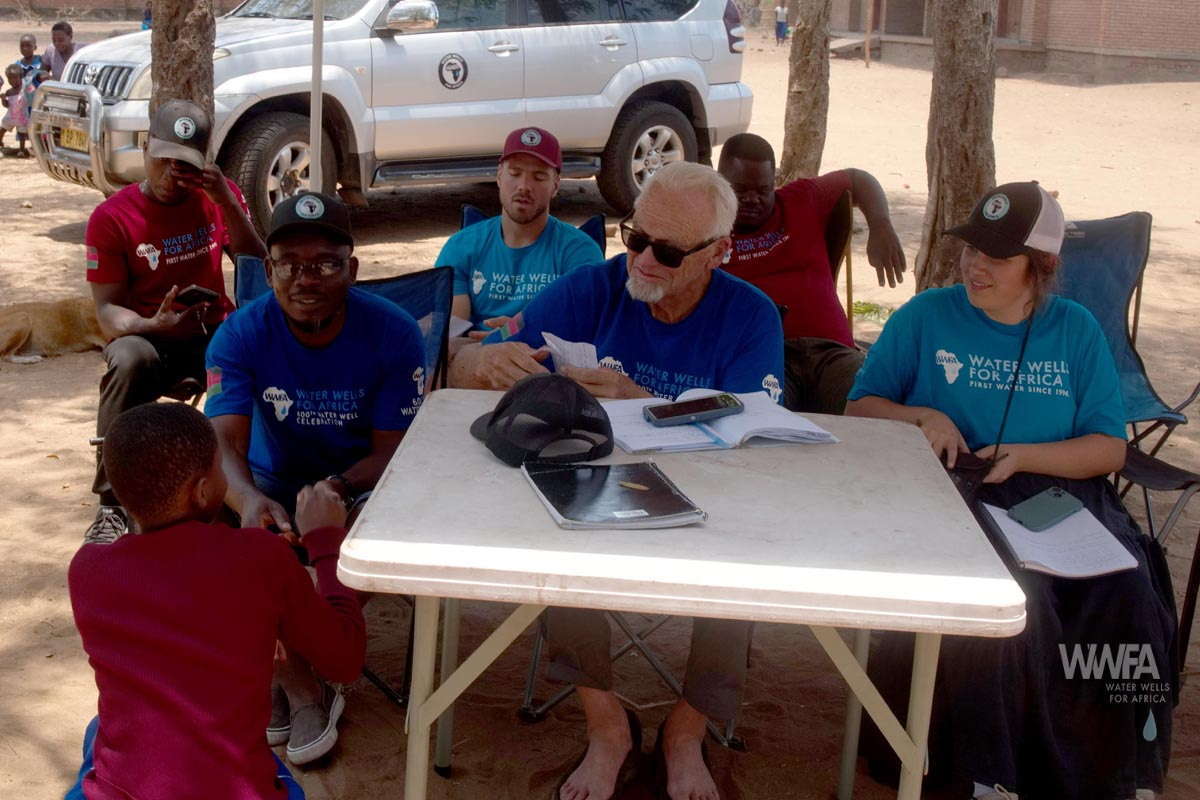
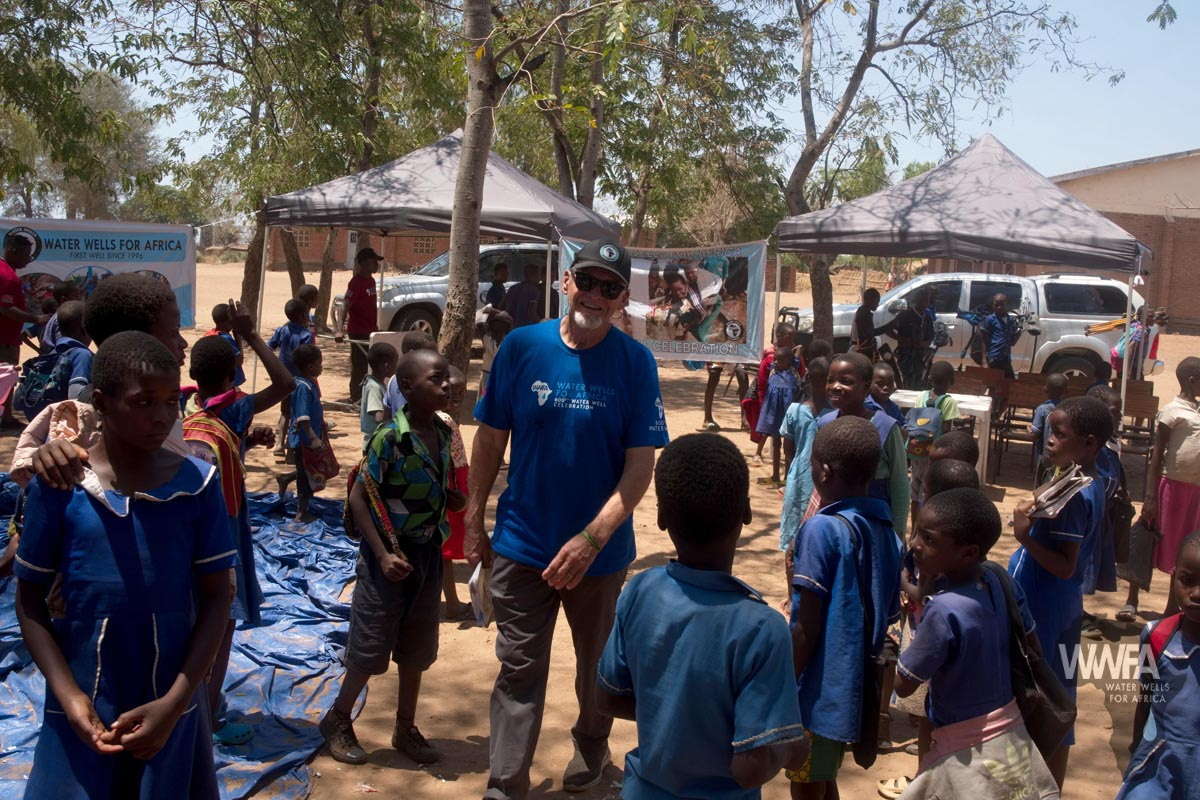
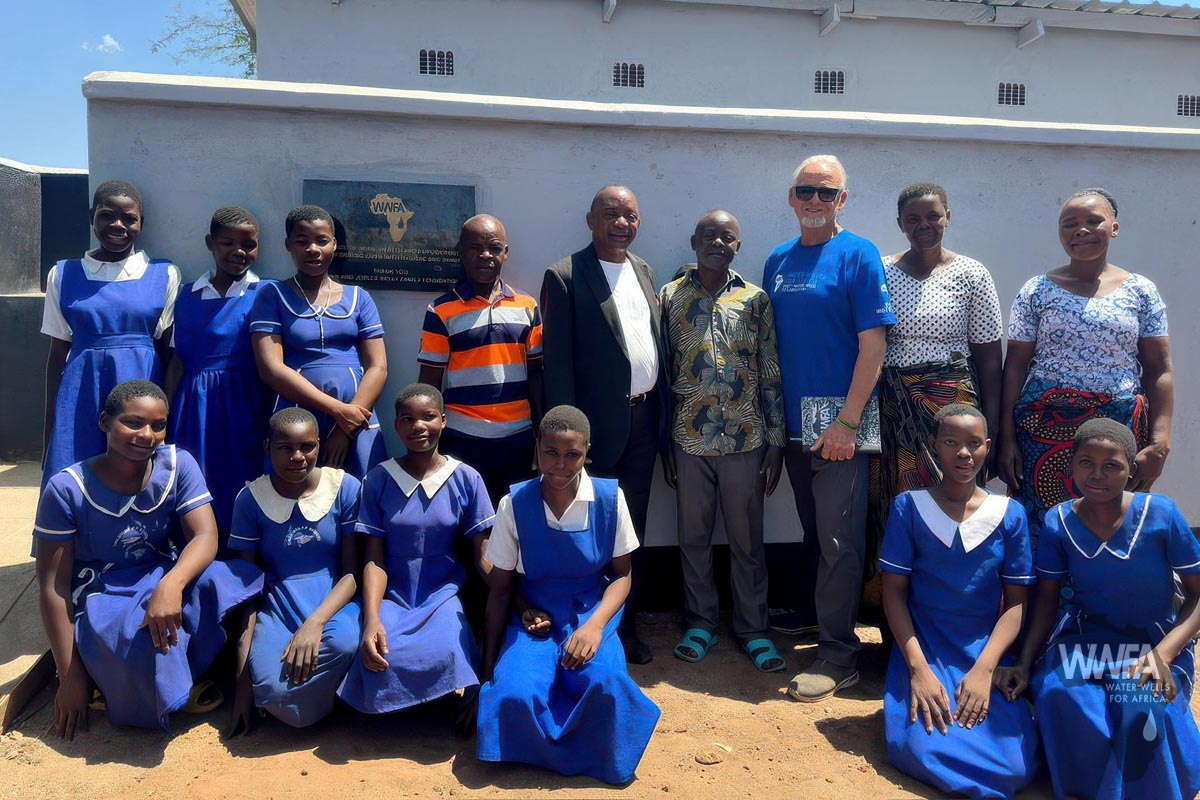
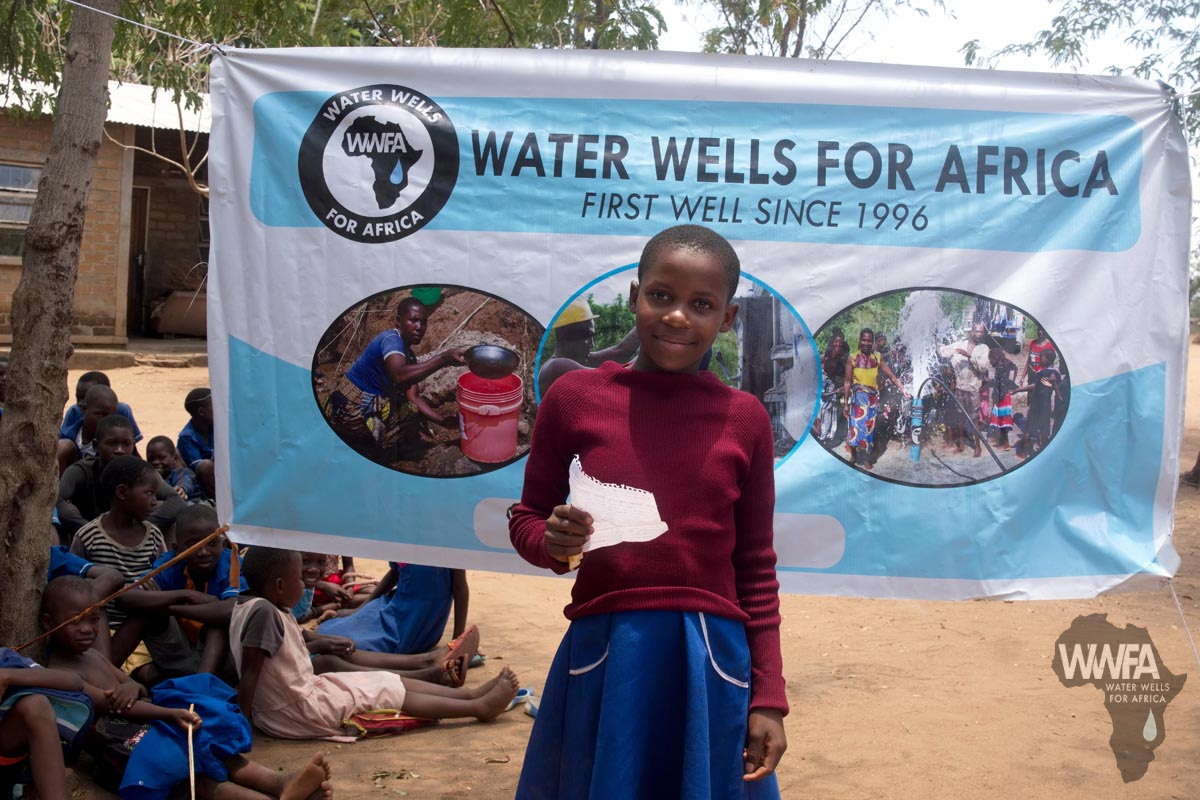
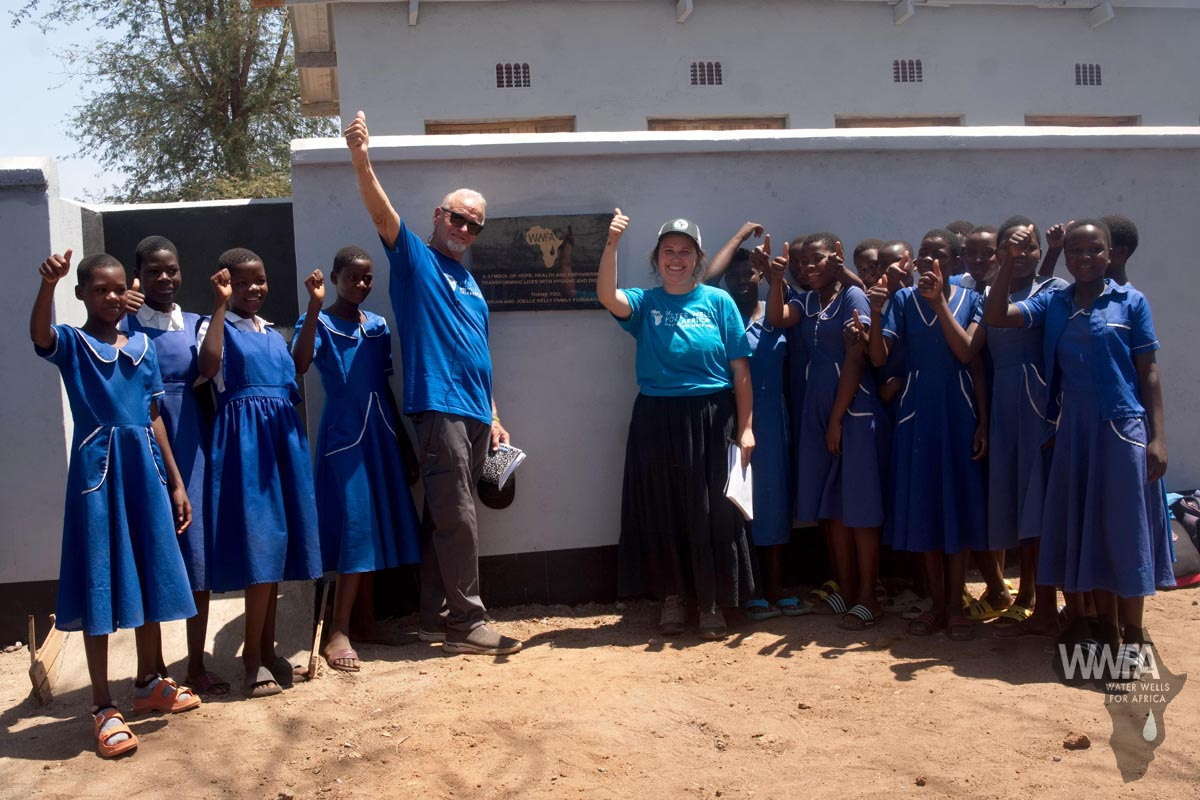
With generous support from the Brian and Joelle Kelly Family Foundation, Water Wells for Africa (WWFA) brought the Blossom Project to Chilumba Primary School—not as a quick fix, but as a dignity-centered solution designed around the real needs of girls.
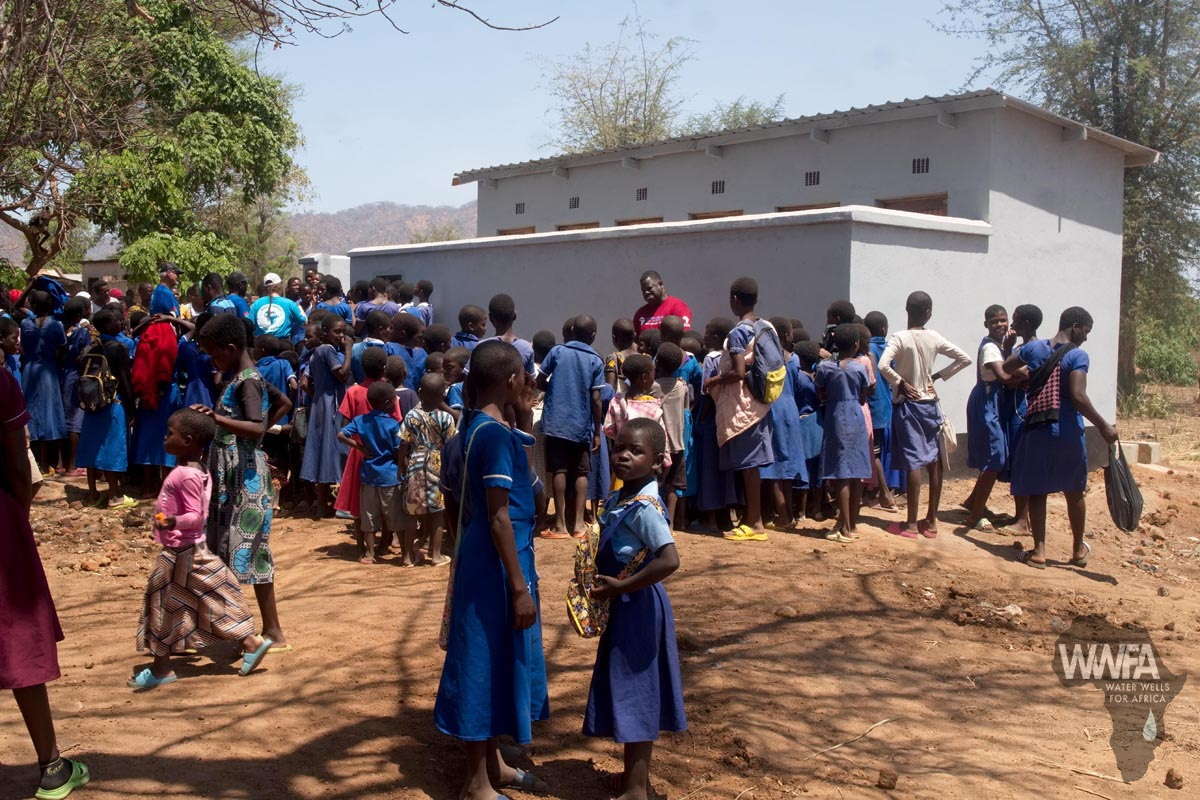
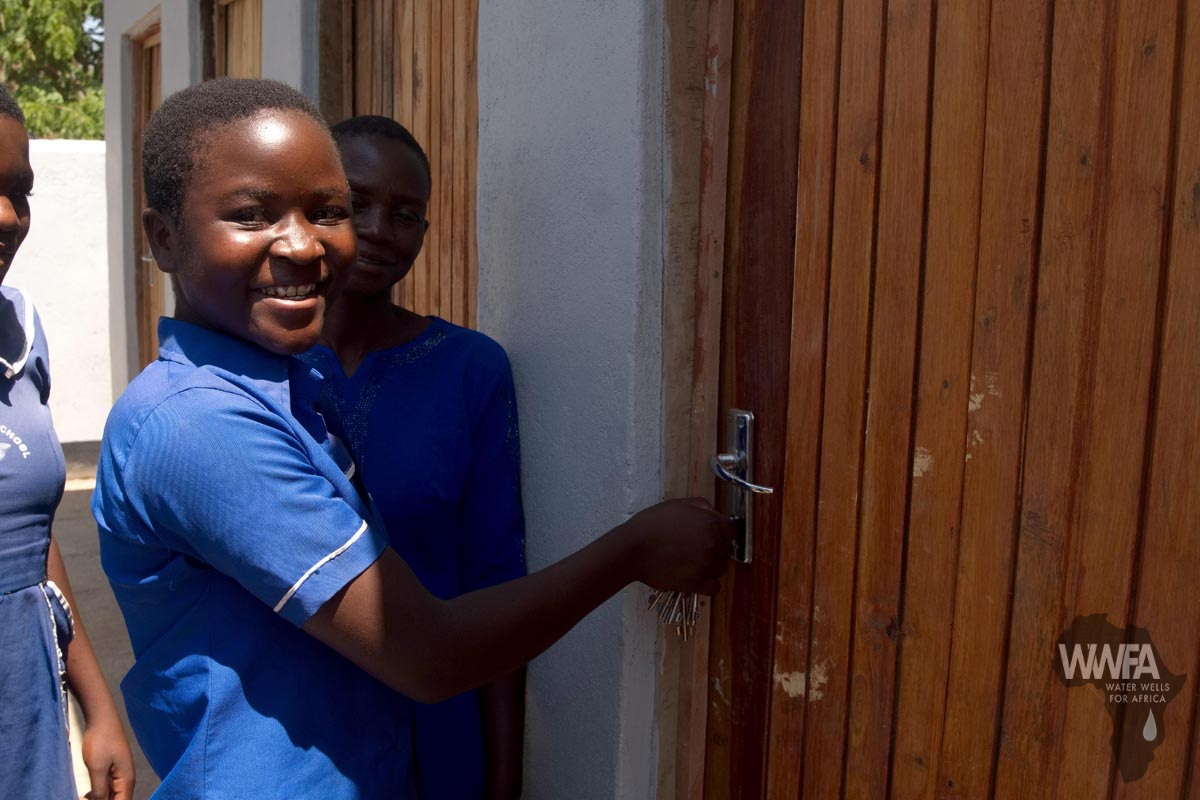
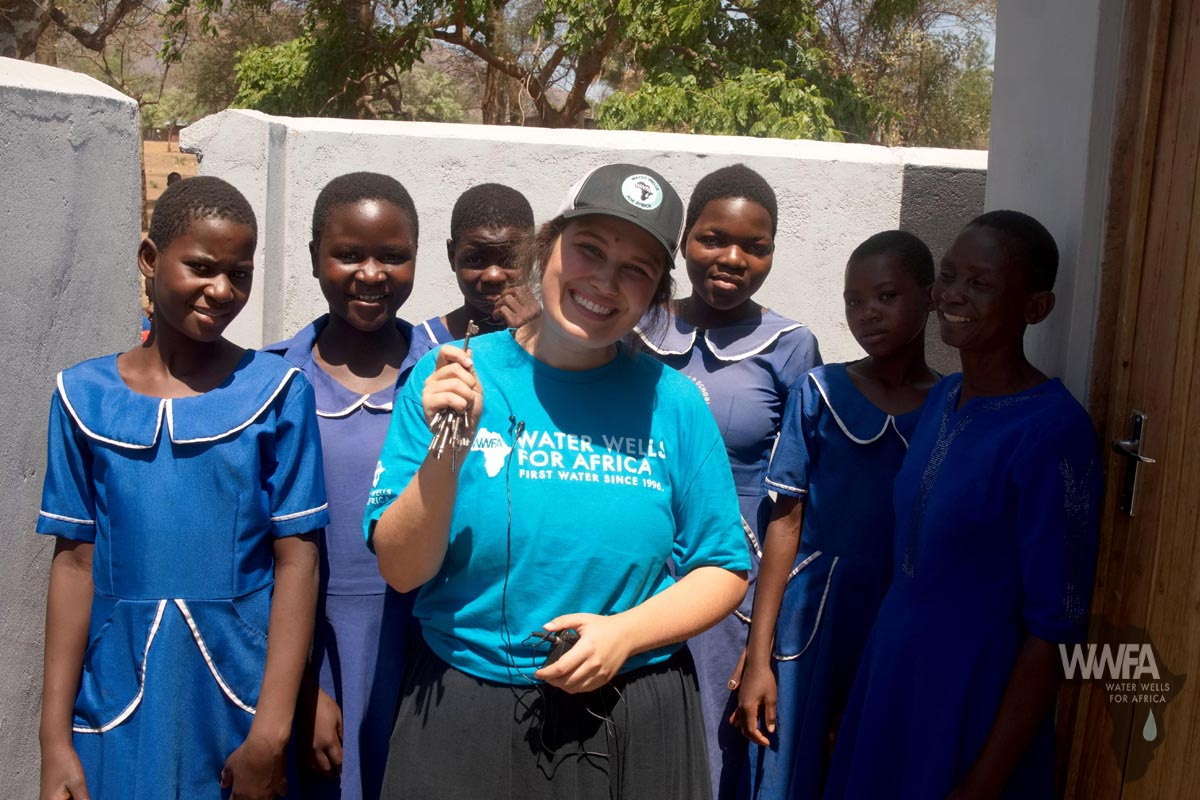
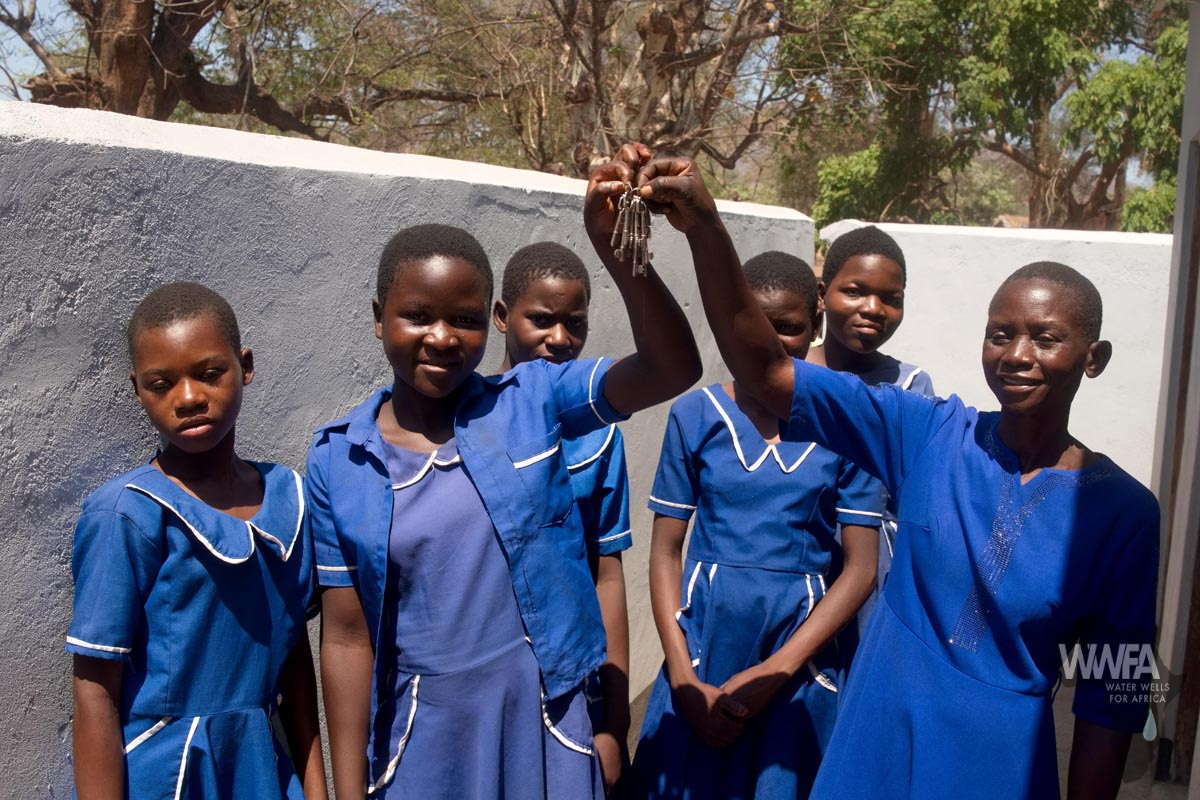
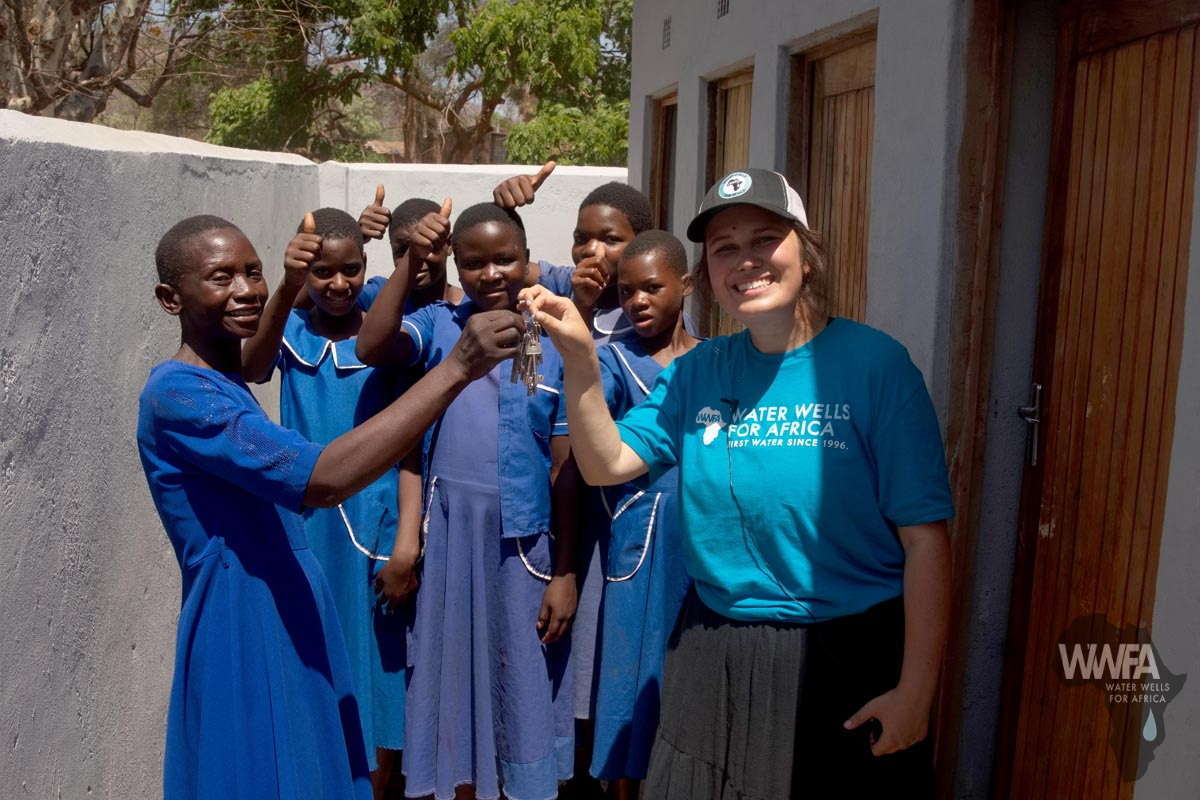
The project delivered a six-room menstrual hygiene and changing facility, giving girls privacy, safety, and space to manage their health with confidence. For the first time, menstruation no longer meant choosing between dignity and education.
Transformation and Impact
- Enrollment Shift in 2025 (Pre‑ and Post‑Project)
In February 2025, prior to the Blossom Project, Chilumba Primary School had 1,028 learners enrolled (520 boys, 508 girls). Years of inadequate sanitation—especially the lack of menstrual hygiene facilities—had contributed to declining and unstable enrollment and retention. - Following the completion of the Blossom Project in October 2025, enrollment increased to 1,141 learners, including 600 girls. This growth reflects renewed confidence among families and a significant return of girls who previously missed school or dropped out due to sanitation barriers.
- Improved Attendance
Girls are now staying in school throughout the month, no longer missing classes due to menstruation-related challenges. - Health Benefits
Improved hygiene facilities have reduced unsanitary practices, diarrhea, and the risk of waterborne disease outbreaks. - Teacher Support
Teachers report improved morale, reduced absenteeism, and a healthier learning environment for both staff and students.
Enrollment by Year:
2022: 943 learners
2023: 955 learners
2024: 972 learners
2025 (Pre‑Blossom Project – February): 1,028 learners
- Boys: 520
- Girls: 508
2025 (Post‑Blossom Project – October): 1,141 learners
- Boys: 541
- Girls: 600
Overcoming Challenges
Chilumba Primary School faced extreme infrastructure strain due to high enrollment, aging facilities, and rising construction costs. Despite these challenges, WWFA worked closely with local leaders, school administrators, and contractors to deliver a durable, dignified hygiene solution tailored to the school’s urgent needs.
Immediate Impact and Future Prospects
The impact of the Blossom Project at Chilumba was immediate—and deeply personal.
For Milika, the new menstrual hygiene and changing facility meant she could return to school with confidence. No longer forced to stay home during her period, she now attends classes consistently, participates without fear of embarrassment, and is able to focus on her studies. Her dream of becoming a nurse—once delayed by circumstances beyond her control—now feels possible again.
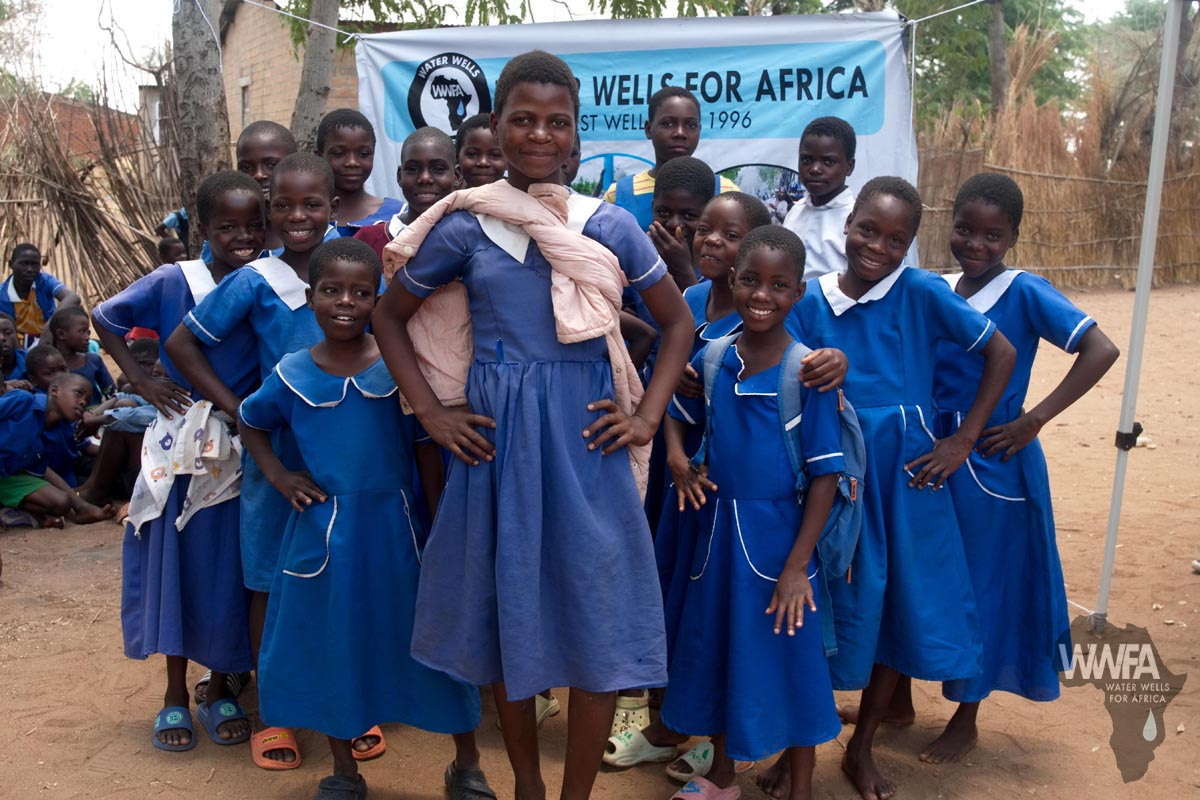
Across the school, girls returned to class with a new sense of security, focus, and hope for their futures.
“They no longer stay home because of their monthly periods—and they are clean.” – Regness Moya
“Thank Water Wells for the changing room that helps the learning environment for girls.” – Vincent, Standard 4
Academic confidence has also improved dramatically:
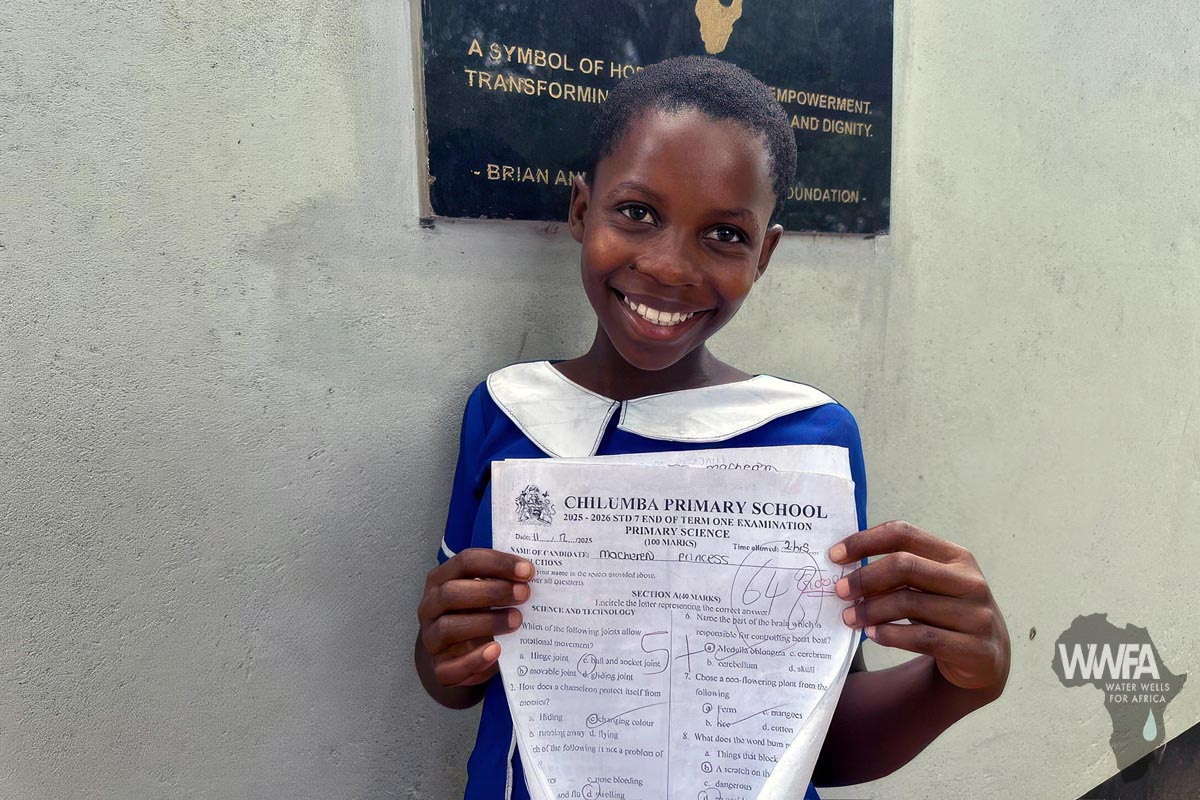
- Princes Machero (Age 14): Improved from 21% to 64% in academic performance, dreams of becoming a teacher.
- Liana Godfrey: Improved in Primary Science from 10% to 53%, dreams of becoming a nurse.
- Mary Kaphuka (Standard 7): Academic performance improved from 0% to 40%, showing renewed confidence and aspiration.
Academic Highlights
- Measurable improvement in exam performance among adolescent girls
- Reduced absenteeism during menstrual cycles
- School goal: 95% graduation rate
Be Part of the Next Blossom Project
Girls don’t need one-time help. They need consistent support.
A monthly gift via our Lifeline monthly giving program helps Water Wells for Africa plan ahead, build sustainably, and ensure more schools receive the hygiene facilities girls need to stay in school—every month of the year.