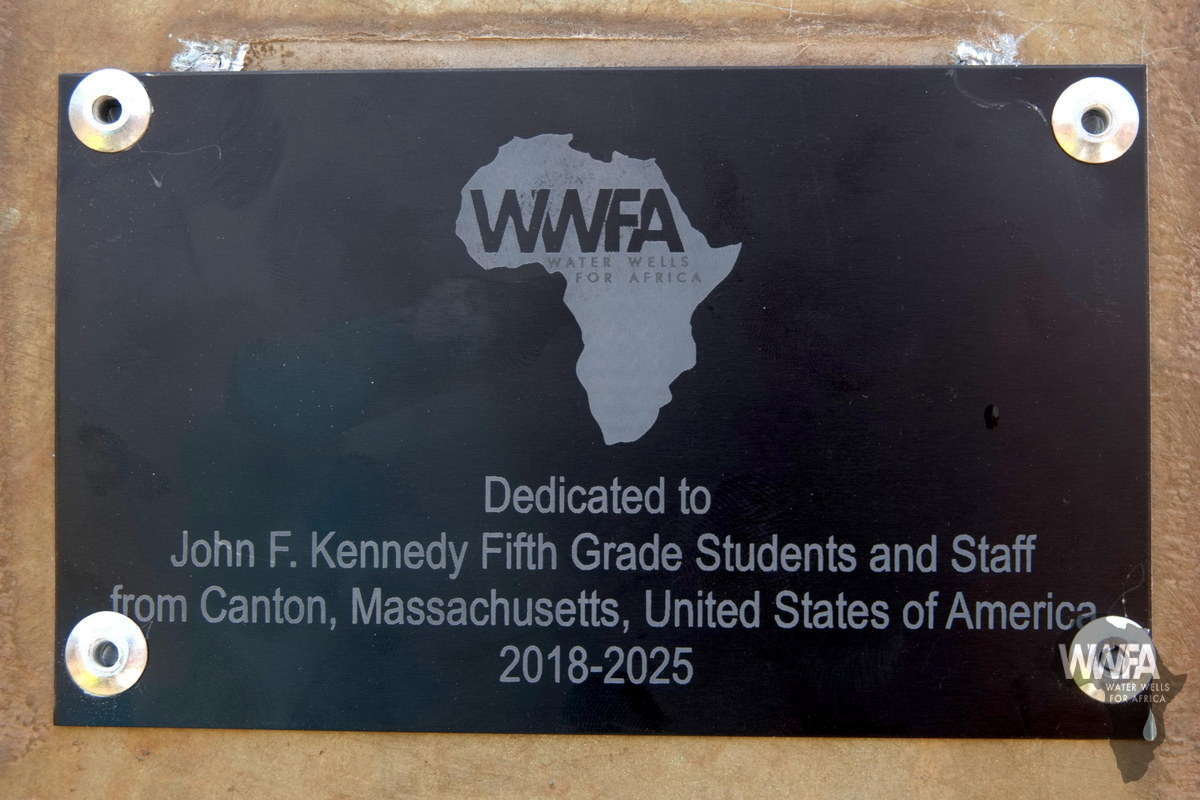

Dedication: John F. Kennedy 5th Grade Students and Staff
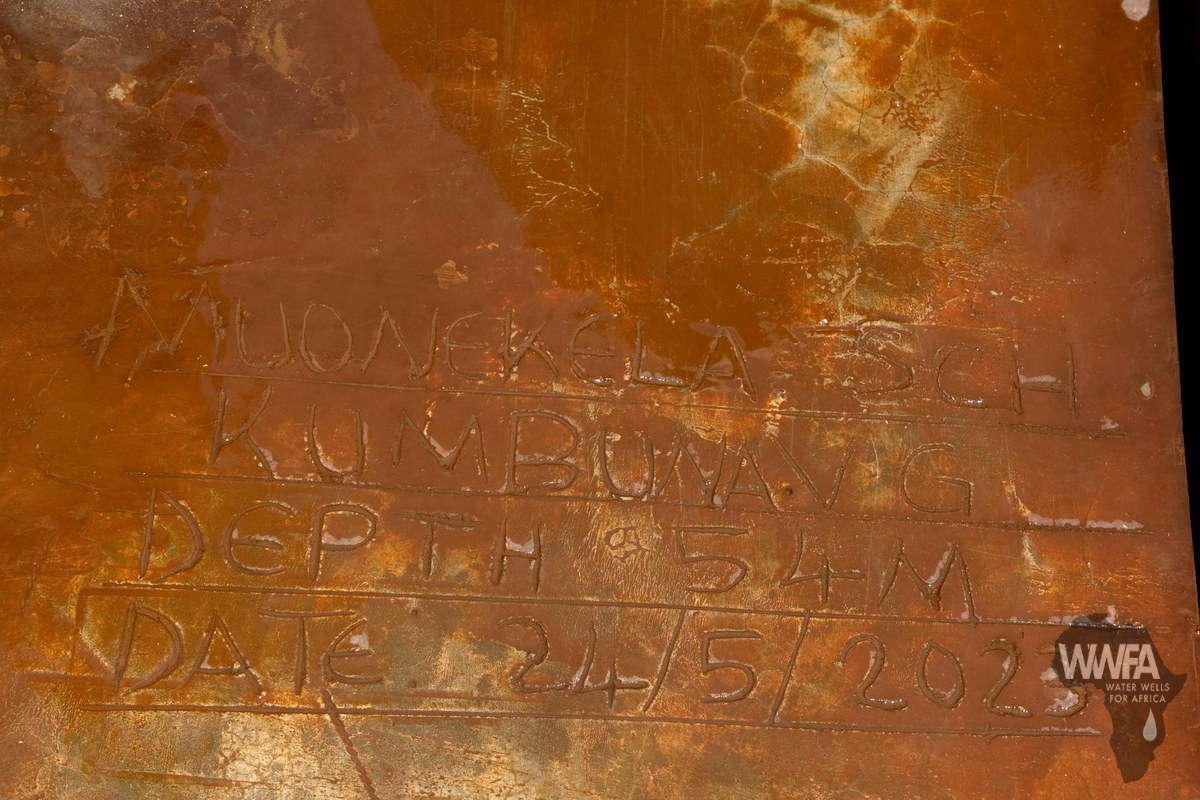
Installation Date: May 24, 2023
Location:
School: Muonekela Kumbuna School
District: Mangochi
Country: Malawi
GPS Location: See bottom of page.
Stories / Quotes:
Families: 110
Students: 200
Water Committee: 4 men and 6 women
Since arriving in Kumbuna in 1994, the villagers had relied on the Sangadzi River for water. Each morning, families would wake at 4 a.m. and return when the sun was high, often carrying only a single bucket. The water was shared with dogs, and on occasion, villagers found animal bones in the river. Diarrhea and other waterborne illnesses were common, and people sometimes died on the long walk to the clinic, eight to ten kilometers away. Long hours fetching water also strained family life, with men doubting their wives and households frequently in conflict.
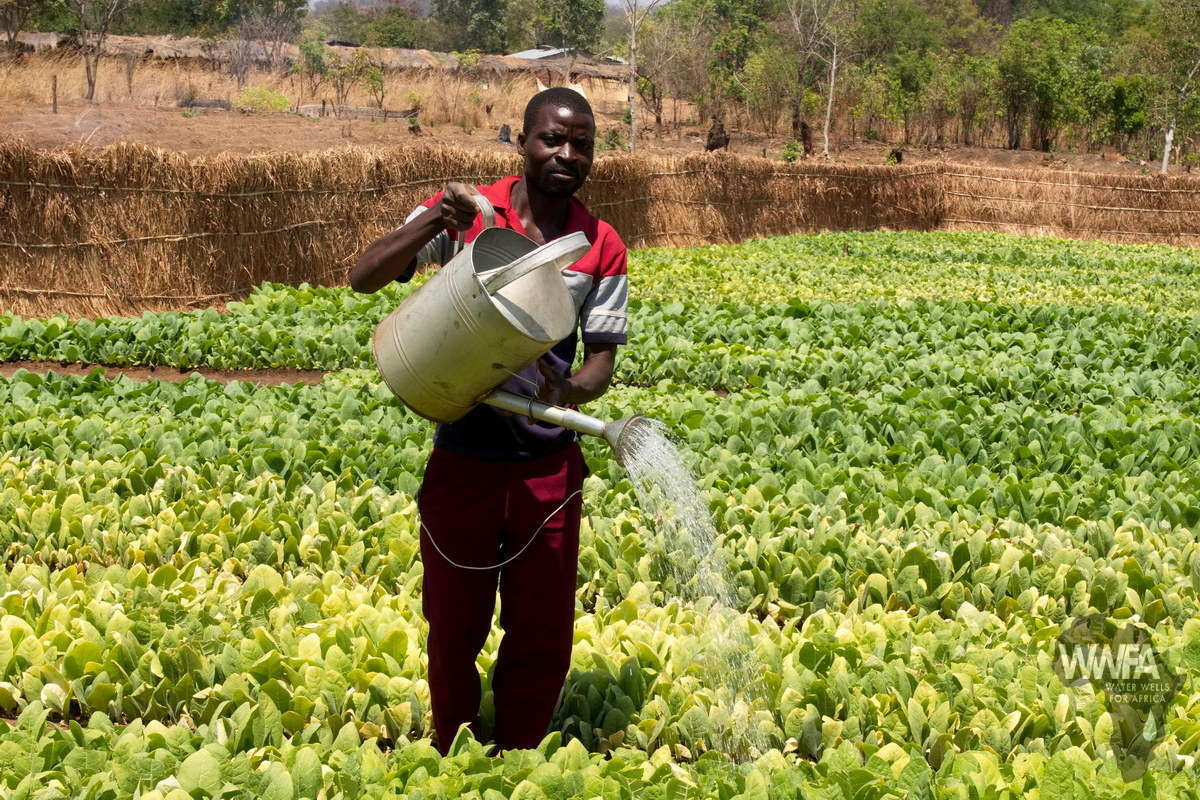
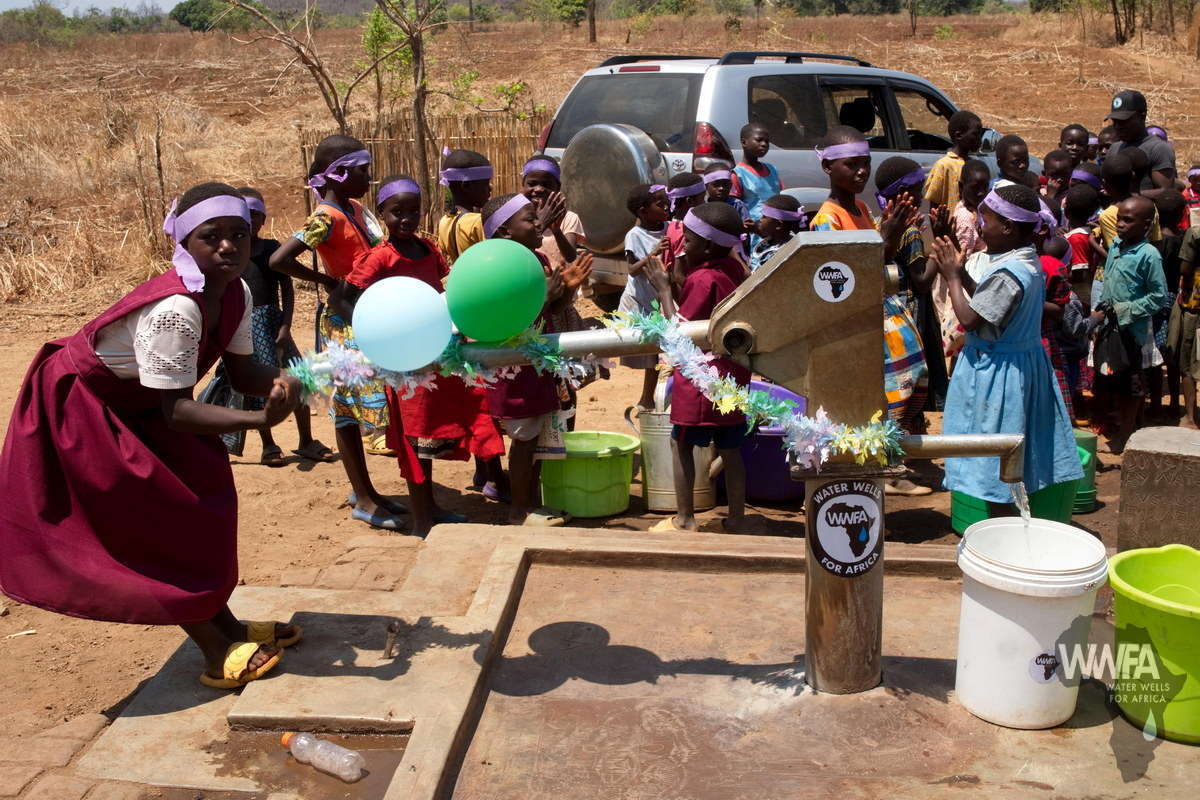
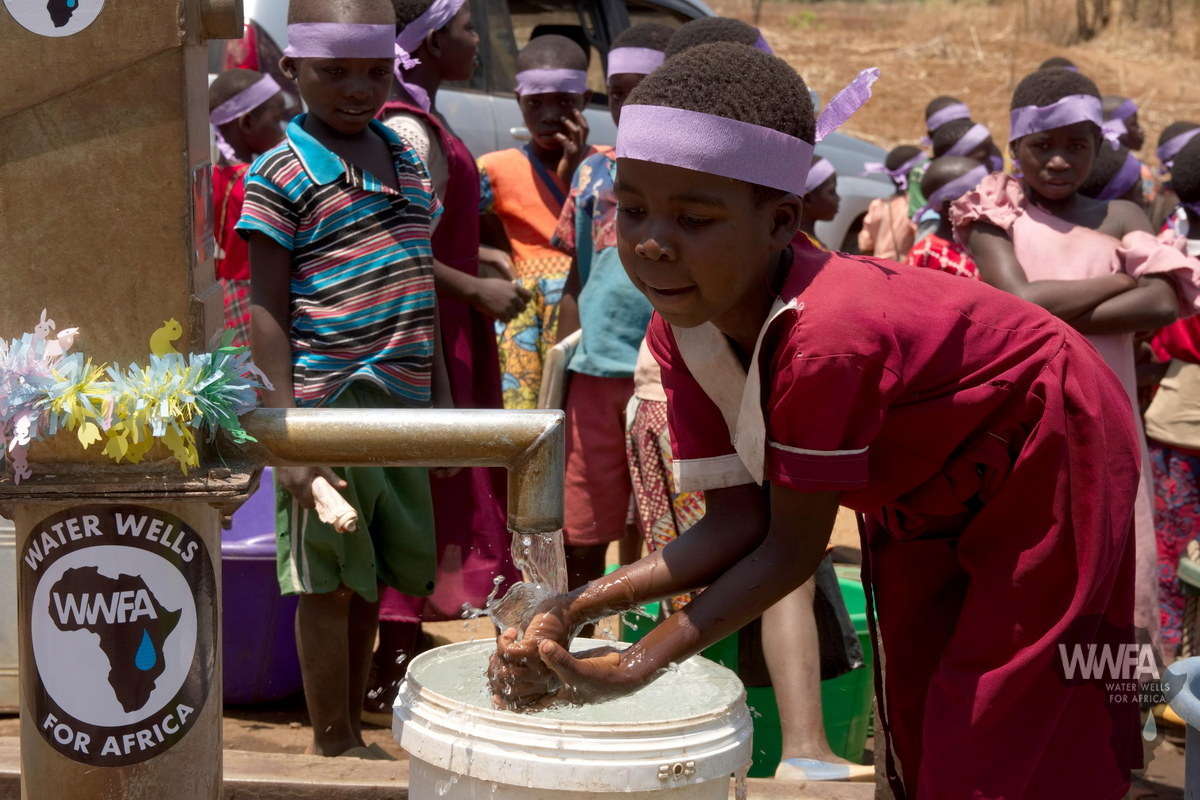
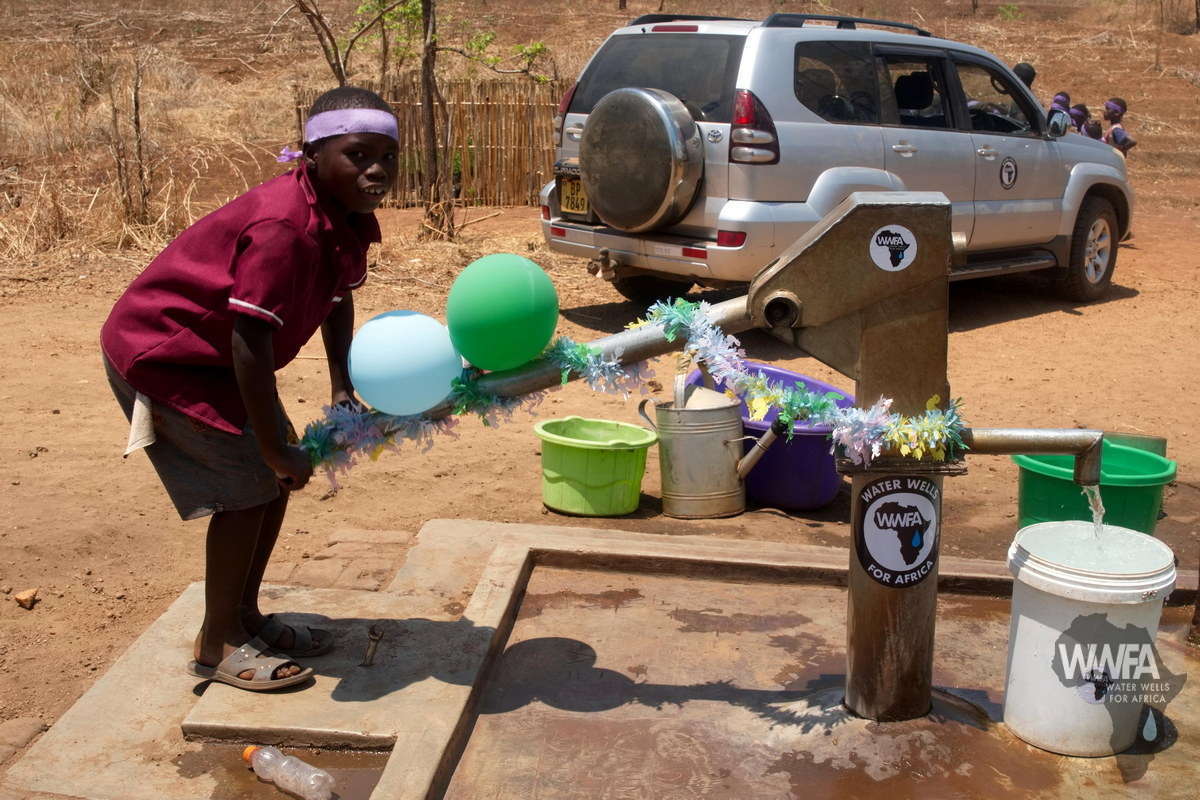
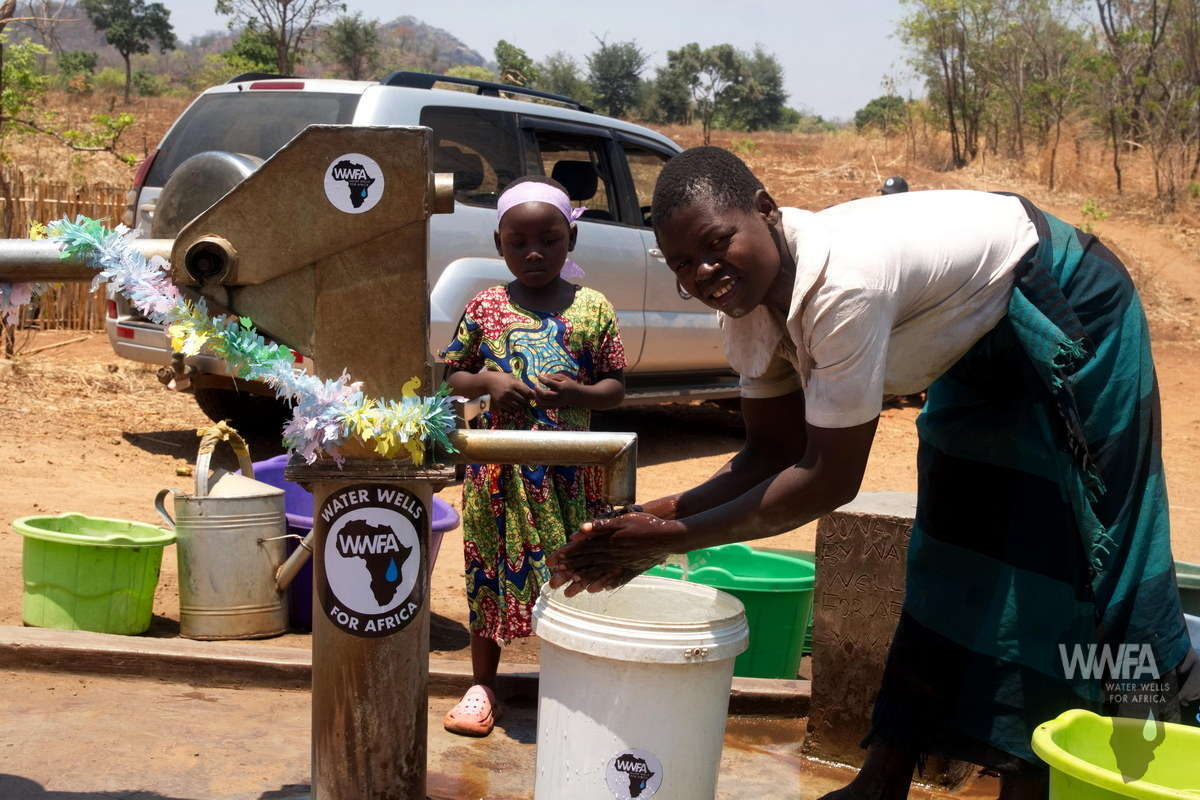
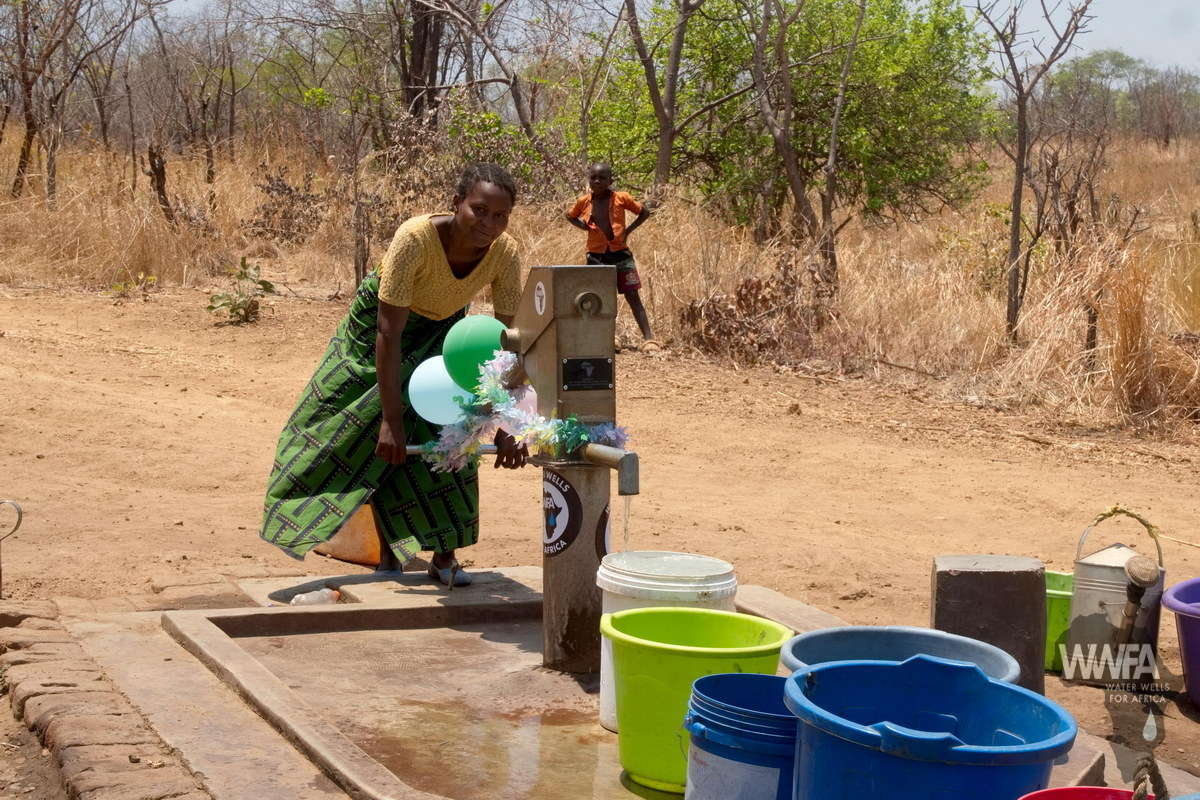
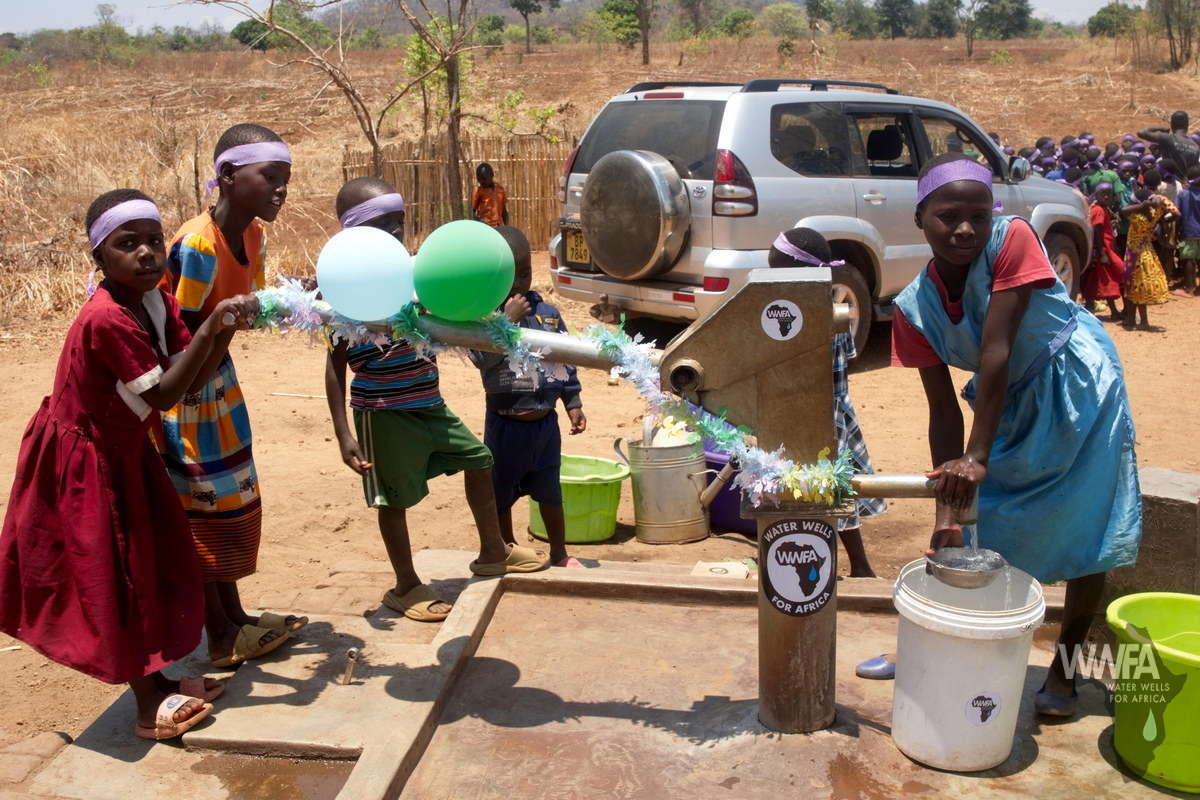
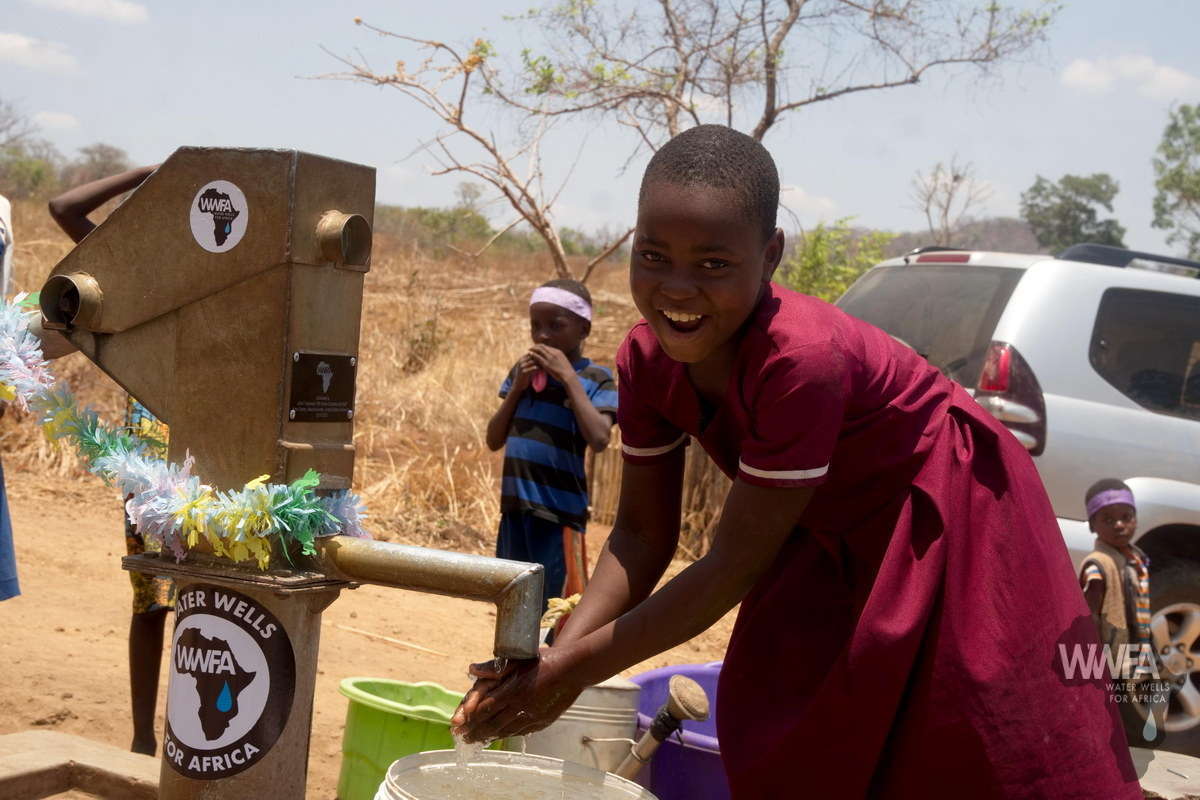
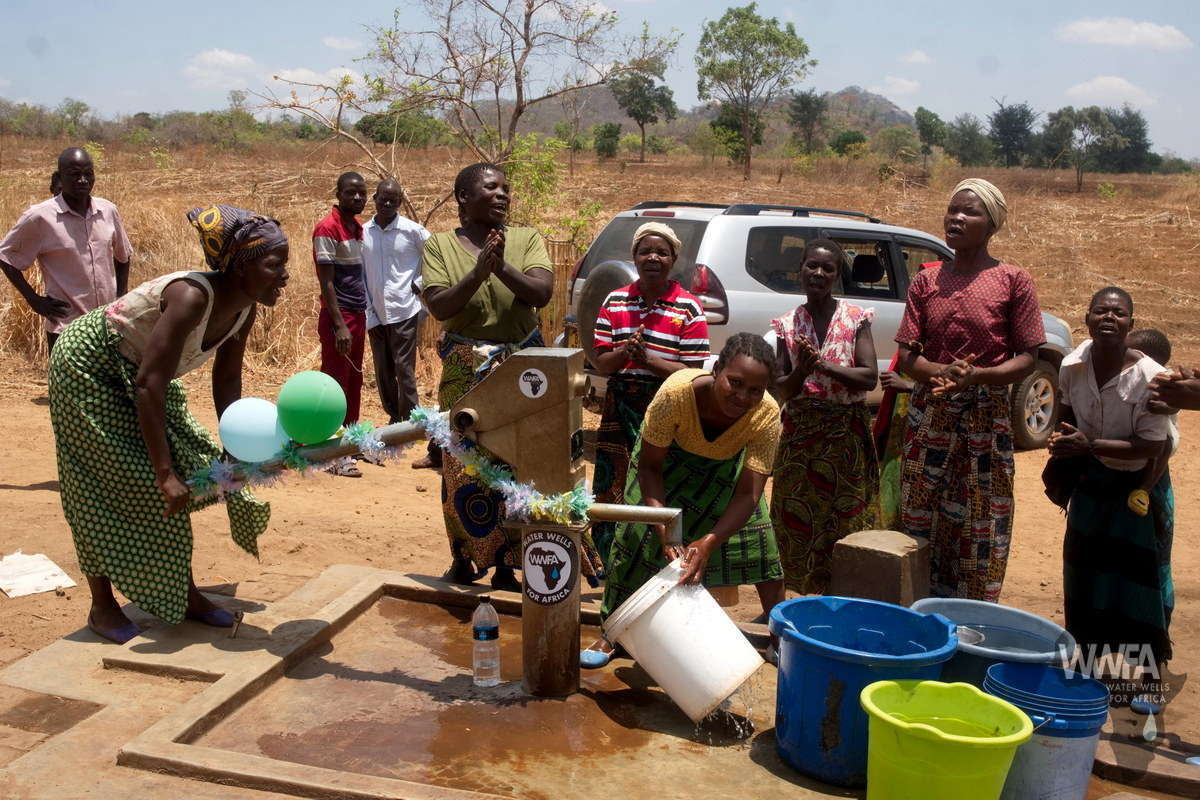
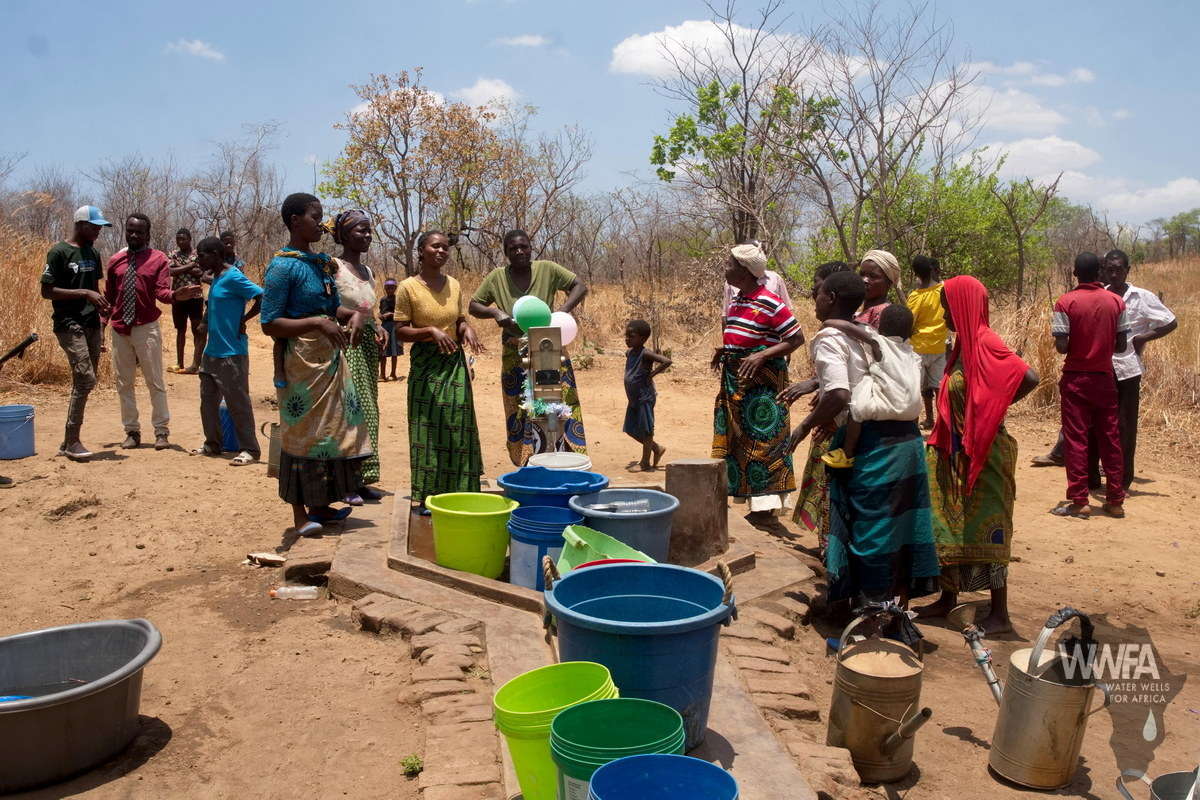
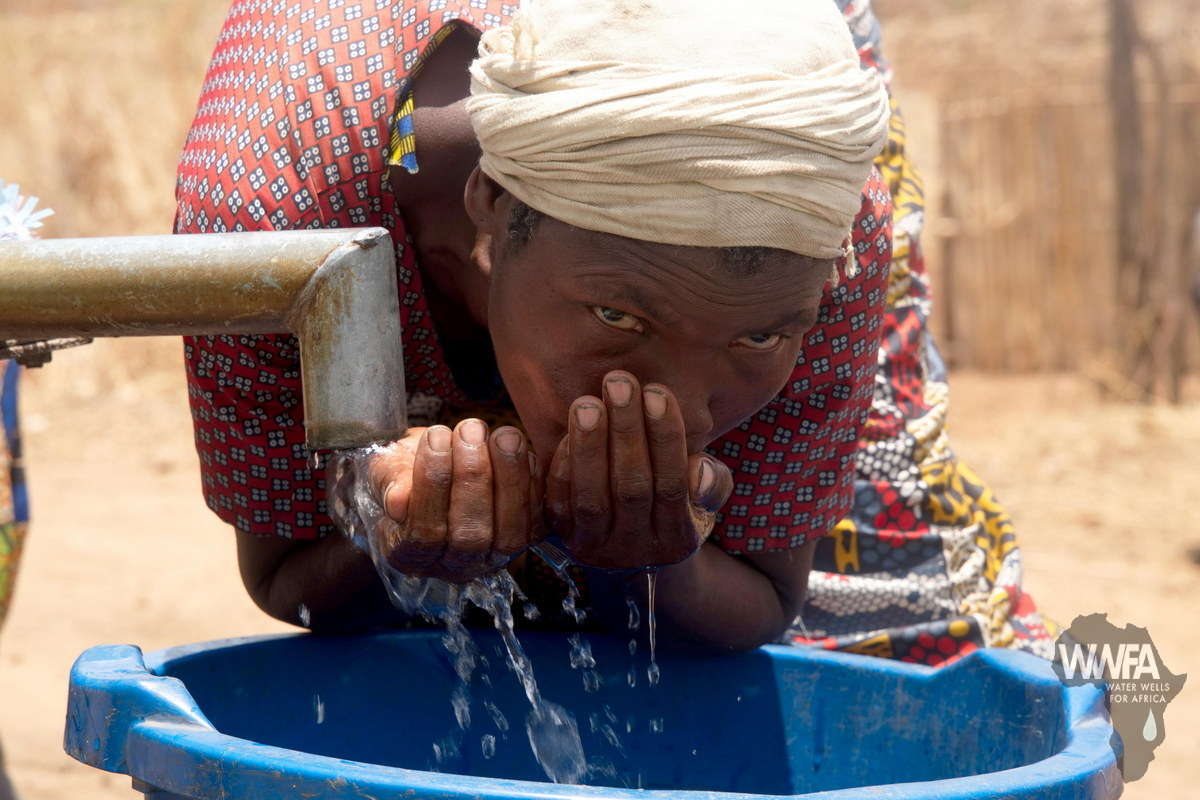
The arrival of the new well has shifted life dramatically. Families now draw water multiple times a day without fear, and health has improved—cases of diarrhea have disappeared. The free time has sparked new opportunities: villagers are growing gardens, tending a tobacco nursery, and building houses. The well has enabled irrigation for early harvests, and people now bathe twice a day, once after farming and again at night. Children go to school on time, and the community is eager to teach practical agriculture to the next generation. One villager reflected, “Water is life. The moment you came, you brought life. No more divorces, kids go to school, everything is better.”
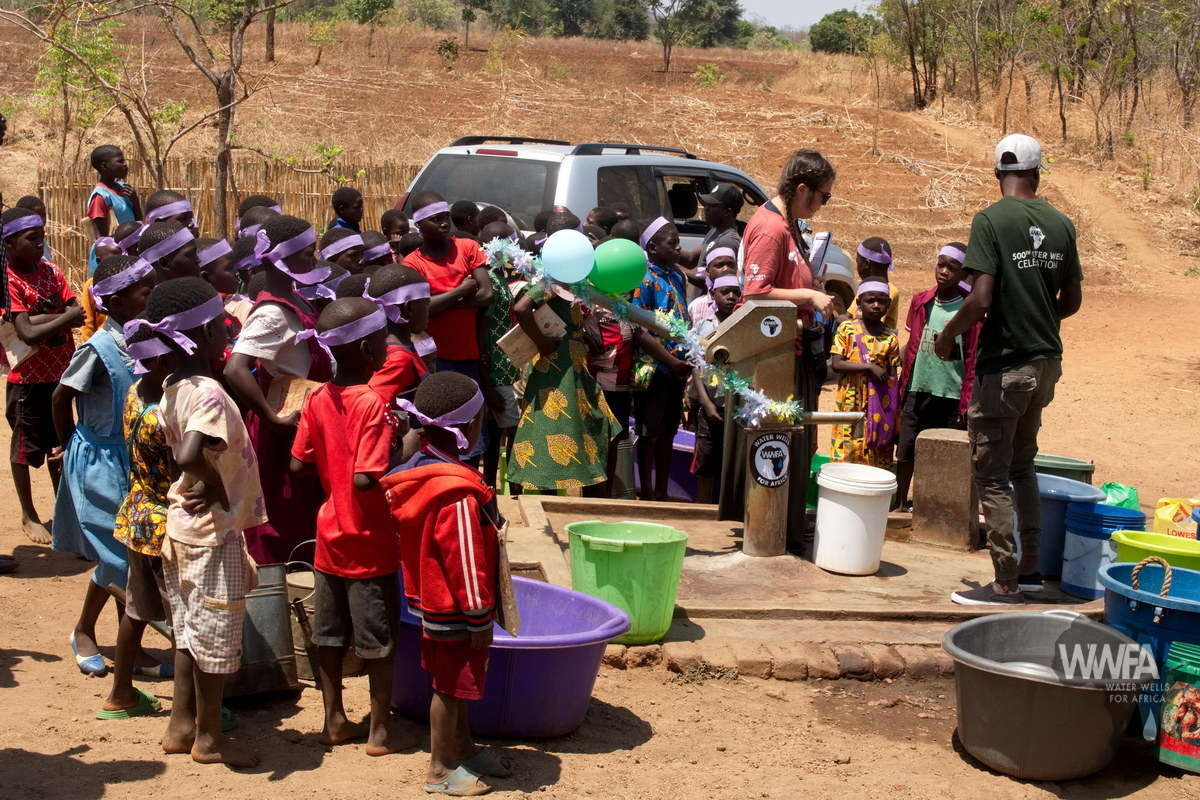
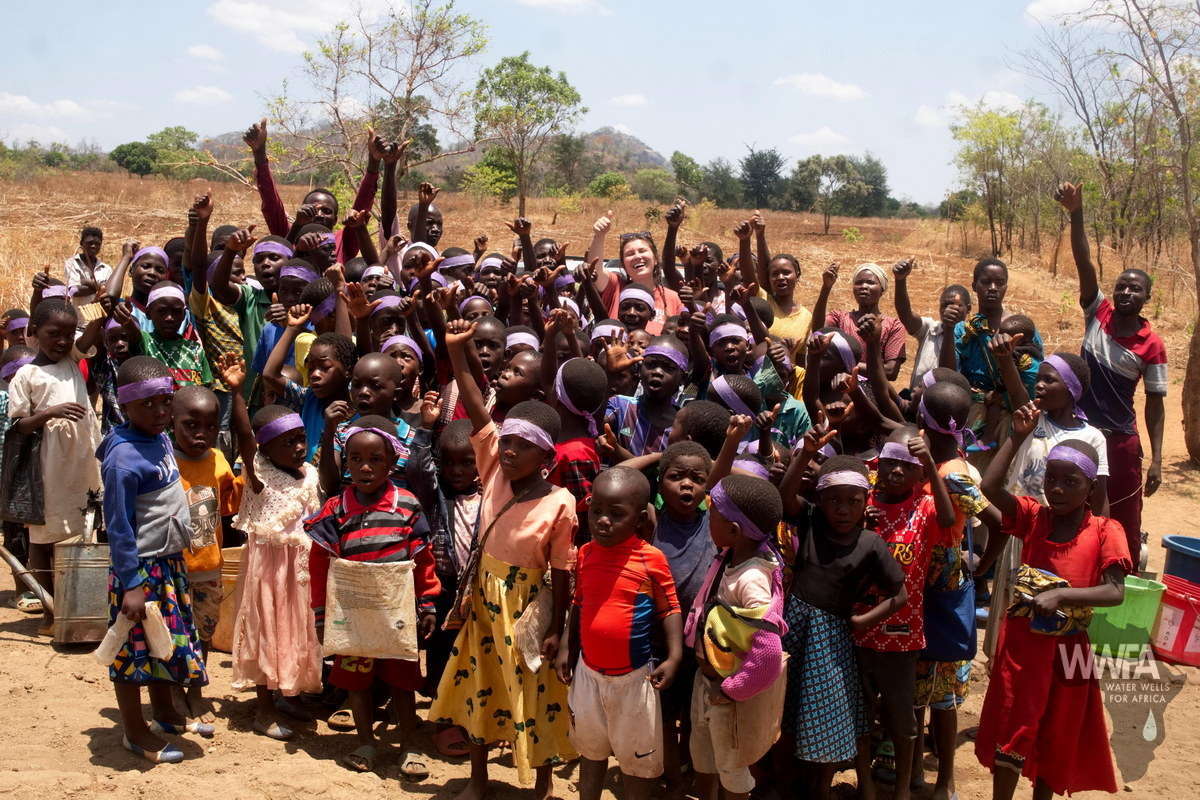
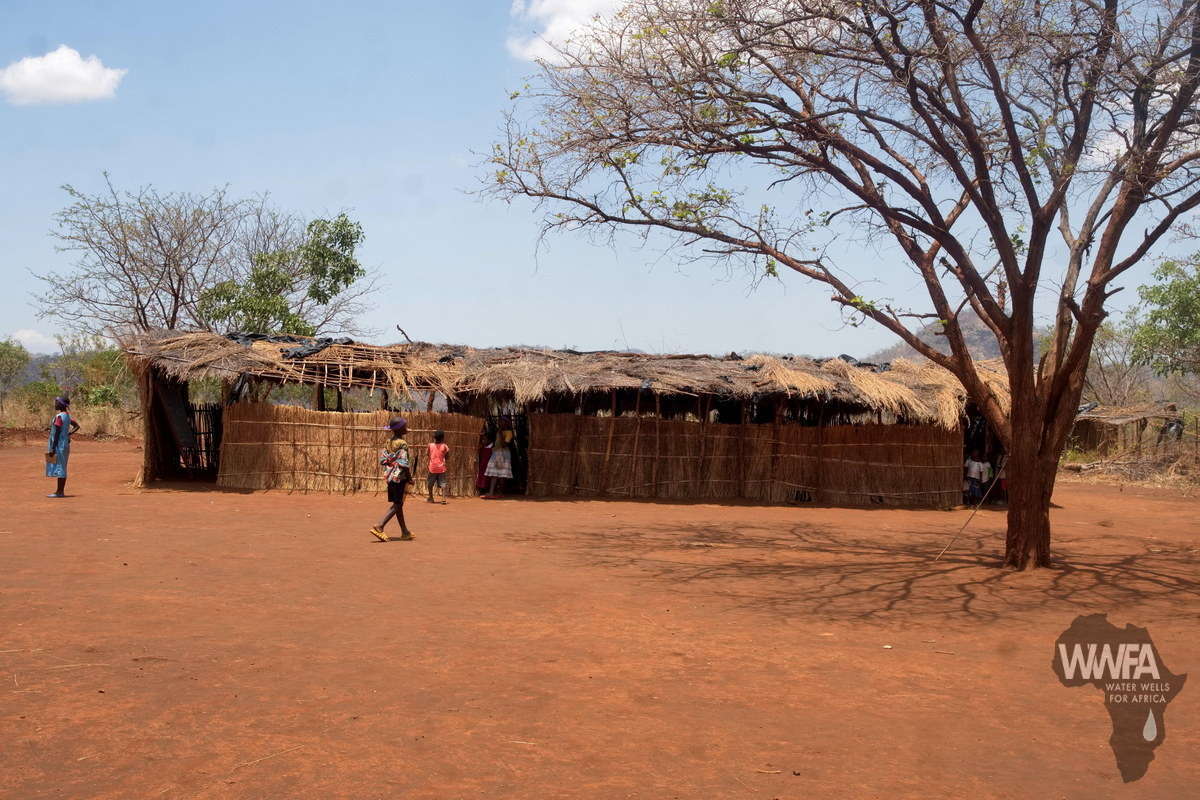
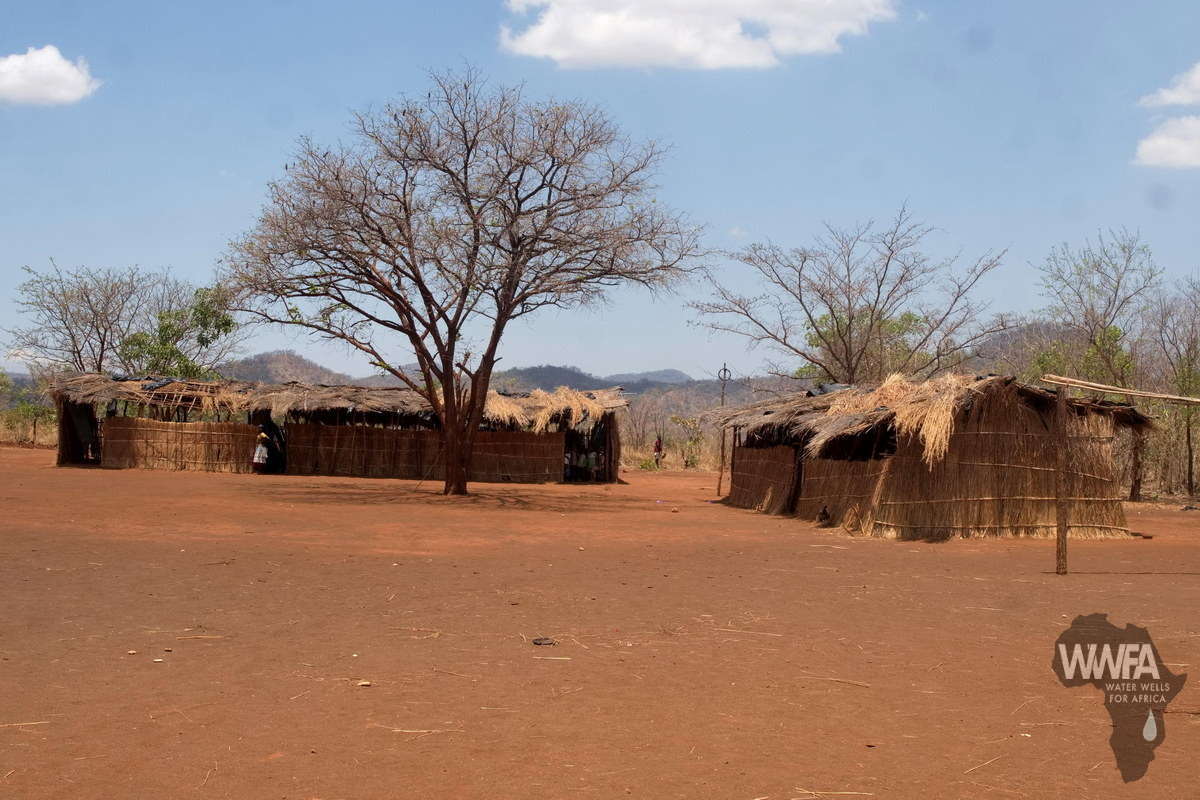
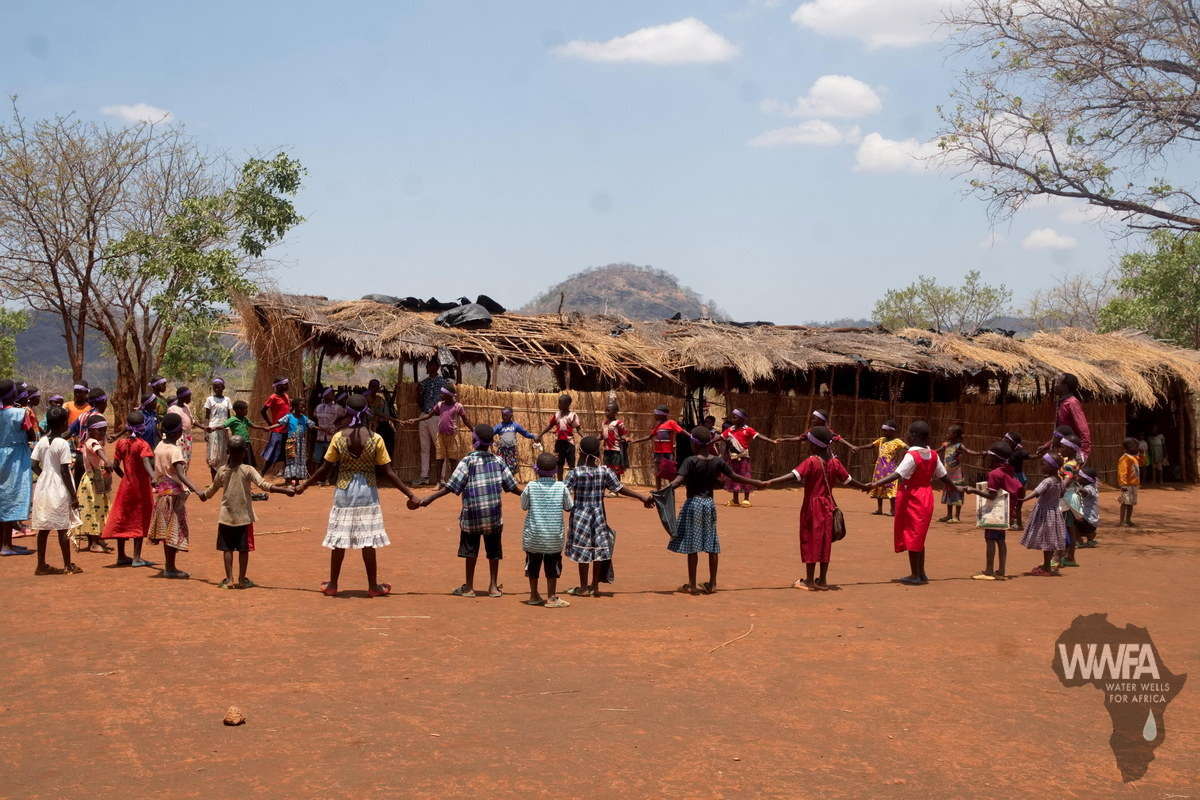
At Muonekela School, the impact of the well is just as tangible. Founded in 2001, the school faced long pauses and limited resources. By 2021, it restarted with Standard 1–3 classes, and today enrollment has grown to over 300 students. Before the well, students often had to leave class to fetch water from the river or nearby homes—or go home if water wasn’t available. Now, children can stay focused on learning, and the school is even planning to buy buckets for in-class use.
Students like Jeffrey, Standard 4, say the well has made his dream of becoming a doctor possible. Kumbukani, also Standard 3, used to survive the day on a single plastic bottle of water; now, she can drink freely and is rarely sick. Tamara, Standard 4, recalls going to neighbors for water during class and how it distracted her learning—she says she now feels more confident in school. Even the older generation notices the change: Zyme, the first learner at the school, now married with three children attending Muonekela, sees firsthand how the well supports both education and family life.
From the village to the school, the water well has reshaped routines, health, and opportunities. Families can farm and earn income, children can attend and focus in school, and the community as a whole can plan for a brighter future. As one villager said, “We are trying to recall what life was like before the well because this water has changed our lives.”
Photos