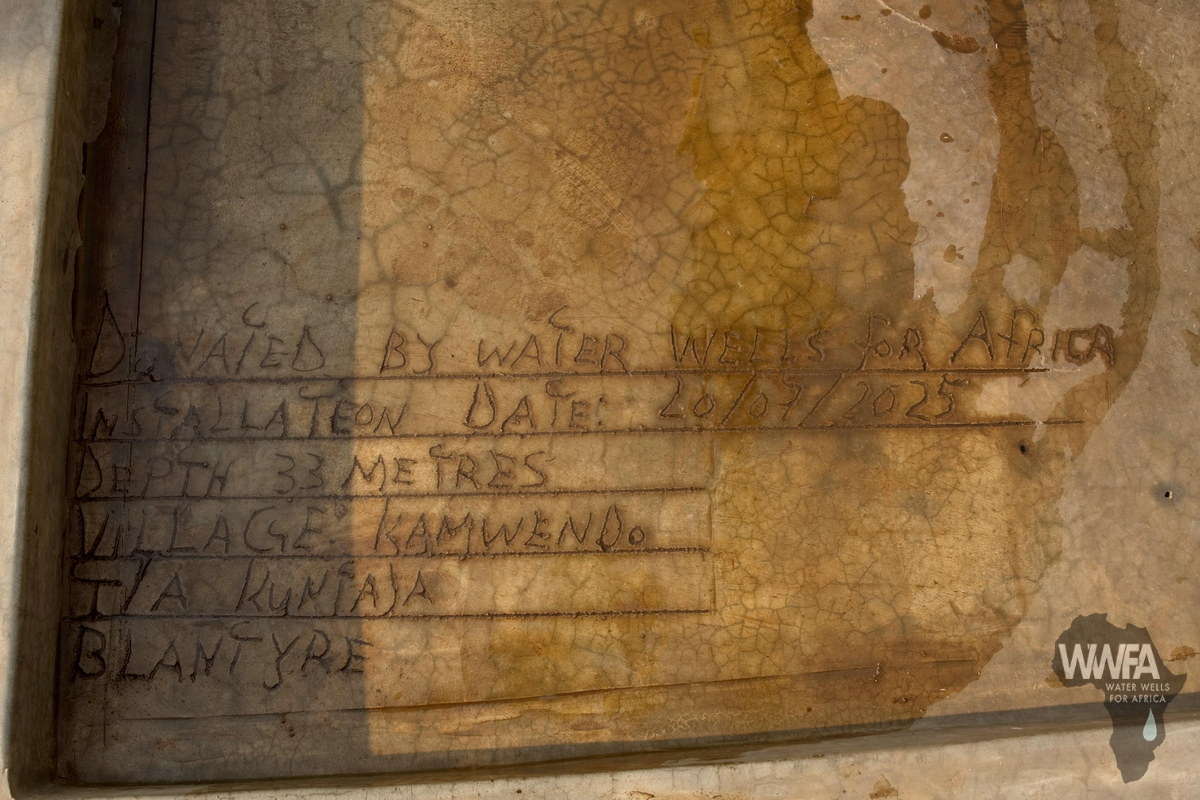
Families: 45
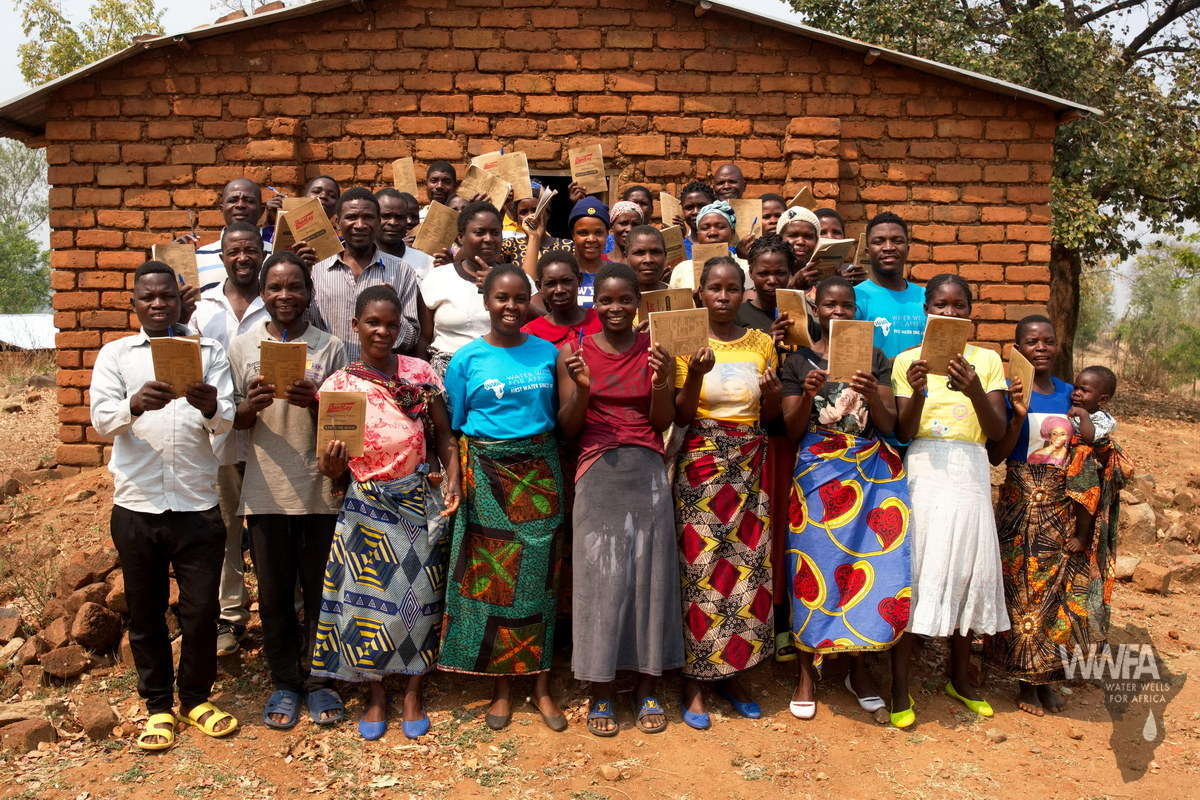
Water Committee: 4 men and 6 women
In Kamwendo 1, the sound of children walking home from school in uniform is one of the first signs that life has changed. For generations, this community lived without clean water—so long, in fact, that parents and grandparents passed away never knowing what it was like to drink water that didn’t make them sick. The river was their only source. It looked close from a distance, but the walk was long and unforgiving. During the dry season, the journey grew even farther, stretching into the early hours of the morning. Women often left at midnight and didn’t return until midmorning. Fights broke out in the lines, buckets were broken, harsh words were exchanged, and families suffered under the strain.
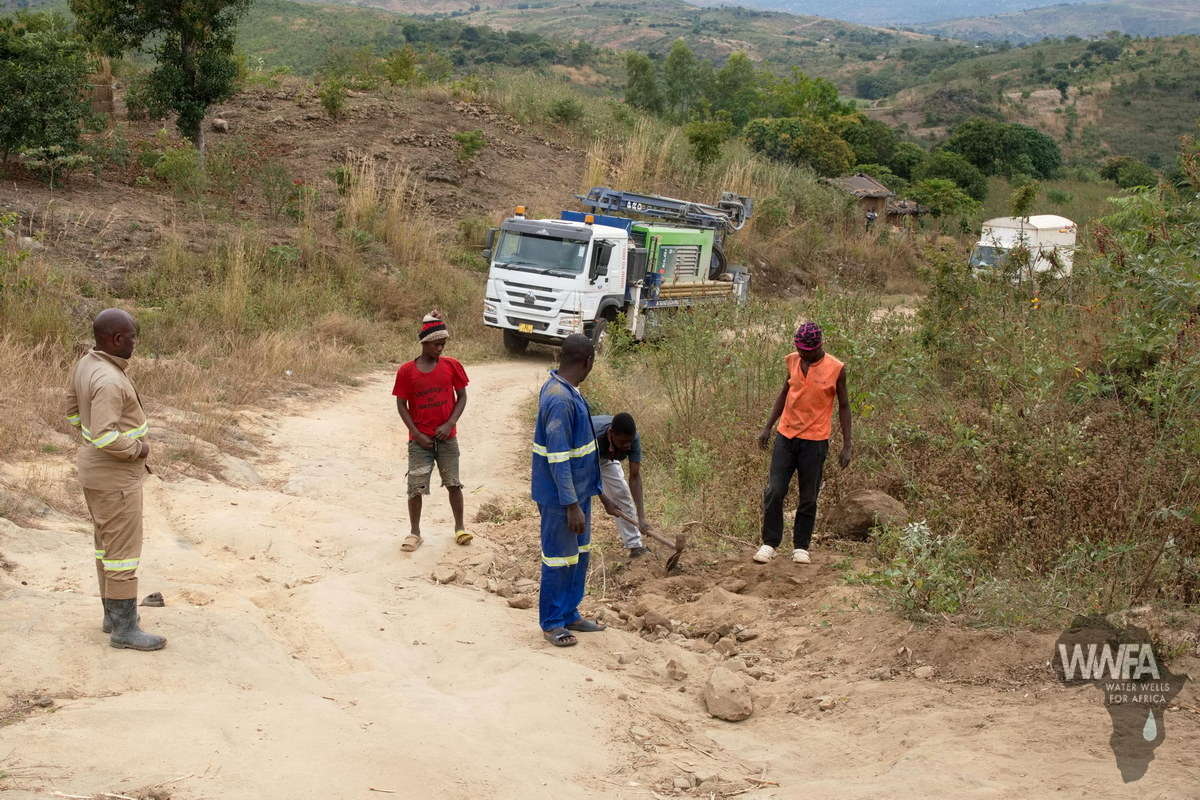
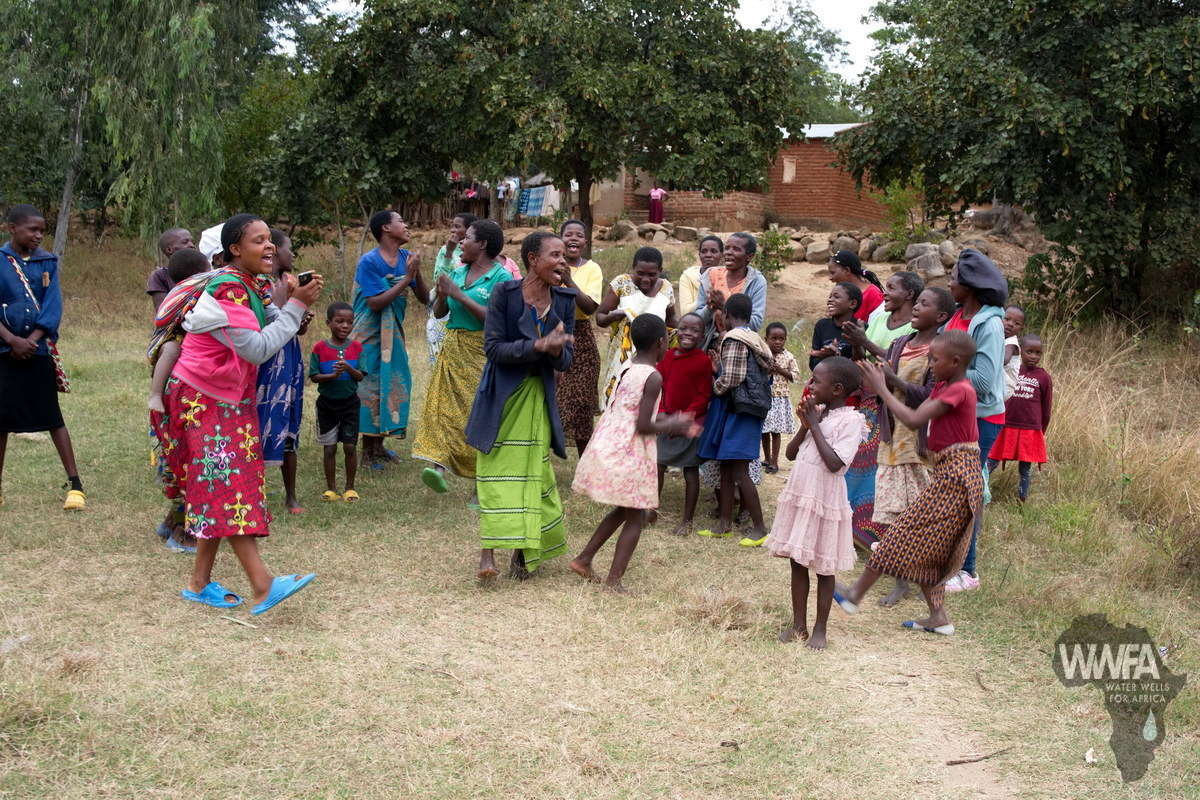
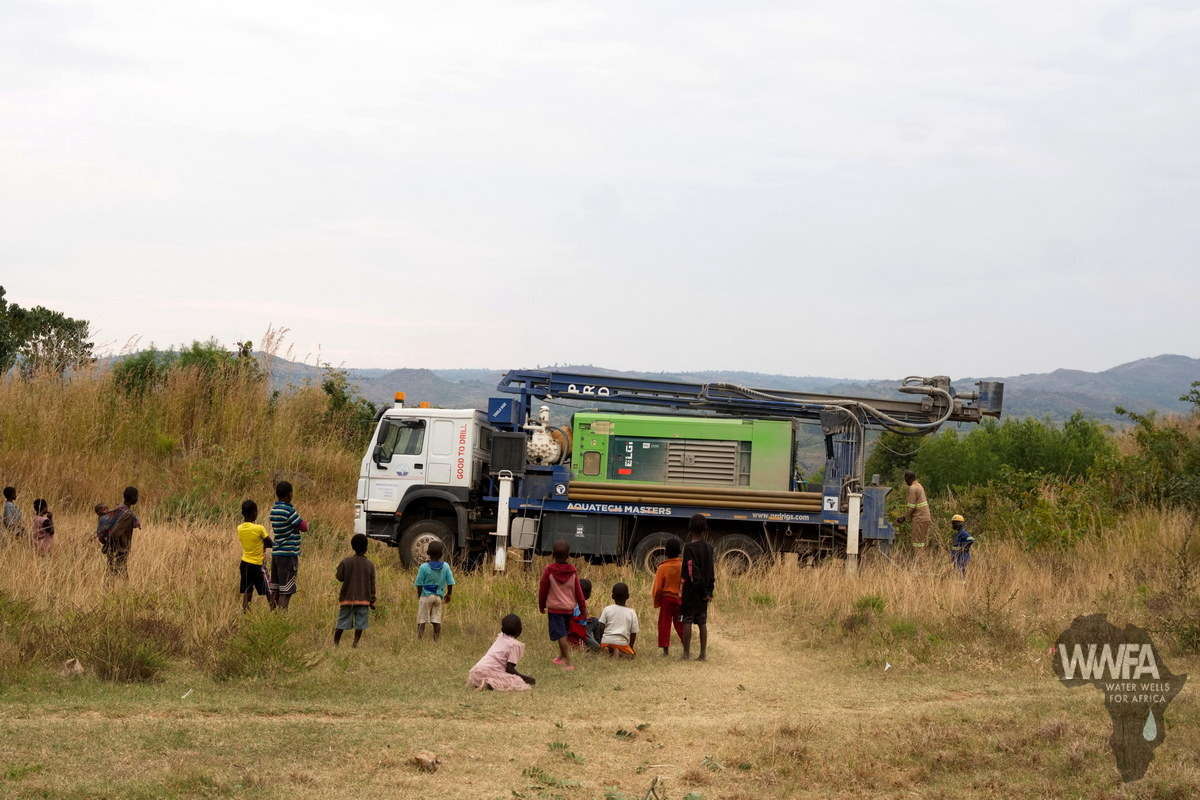
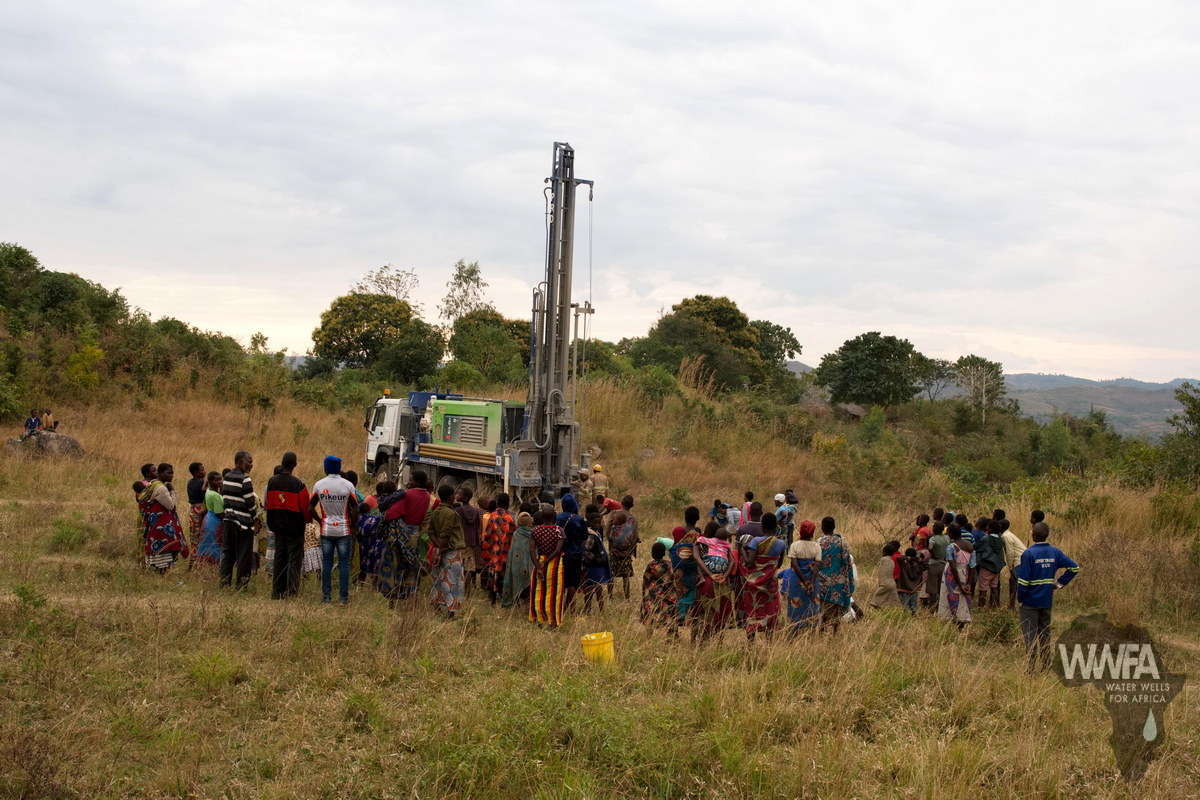
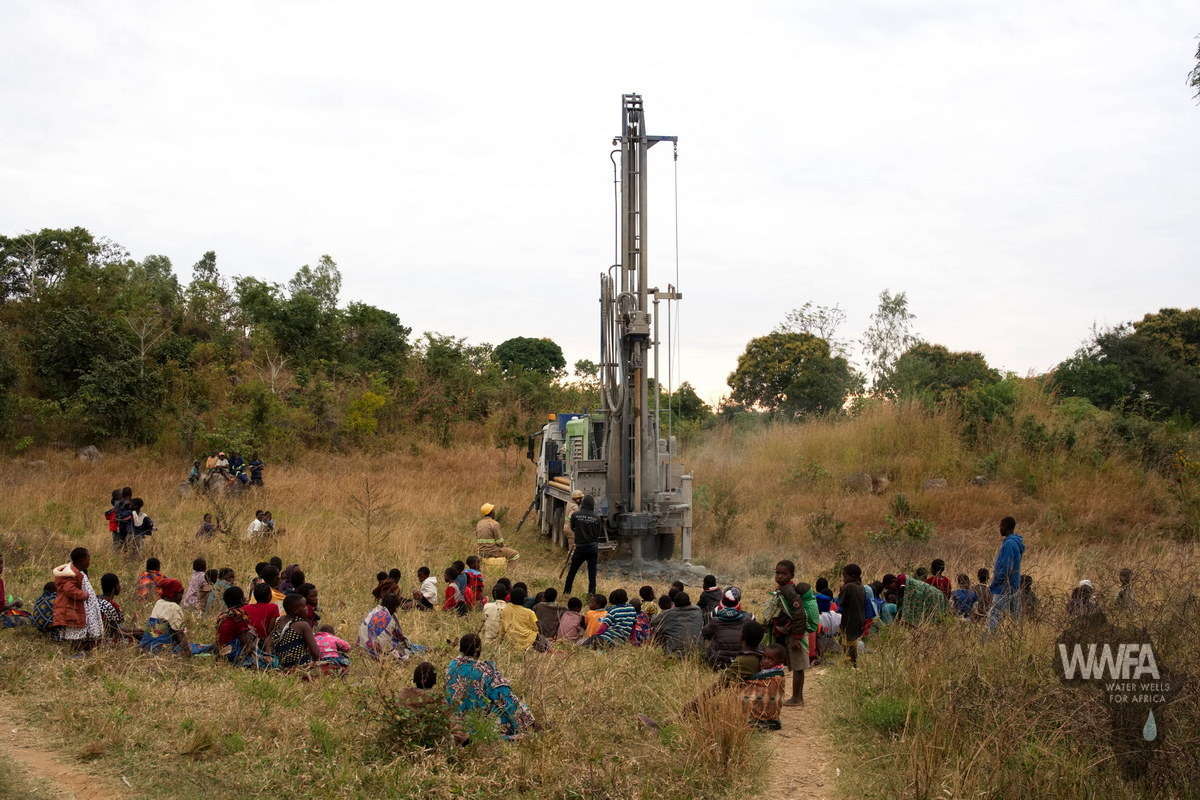
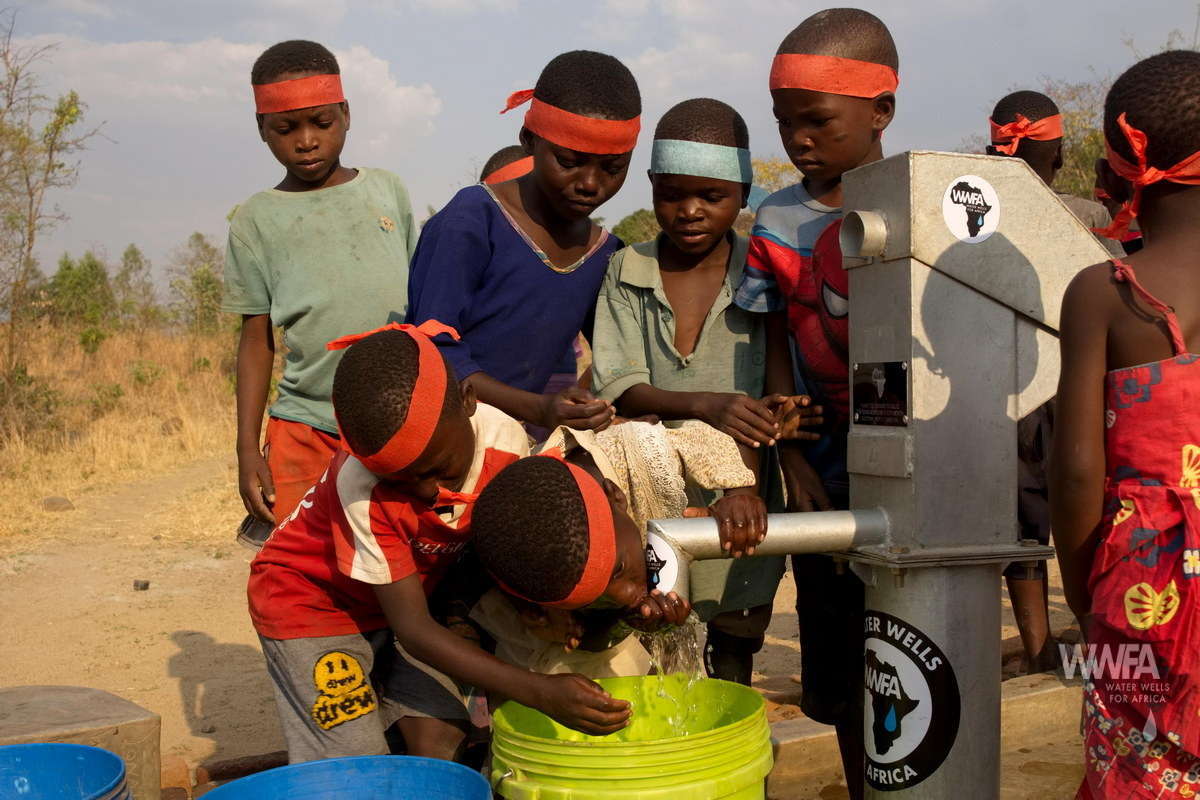
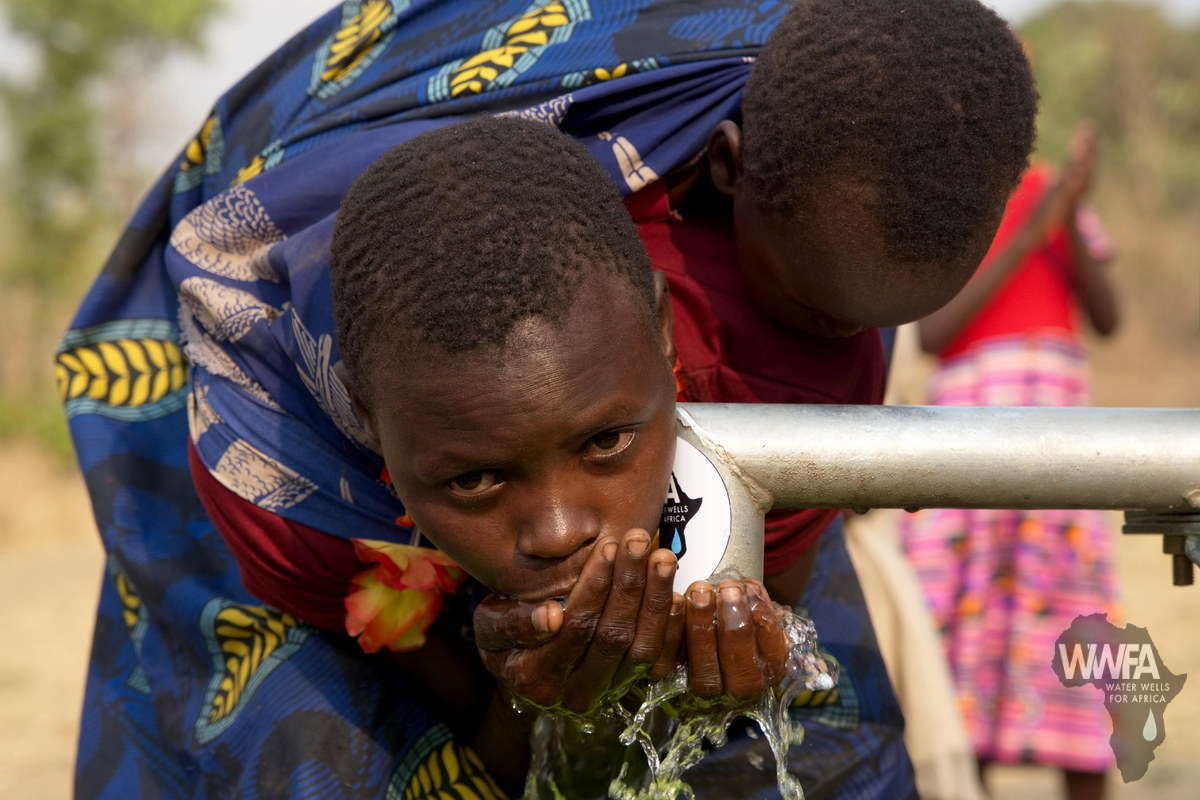
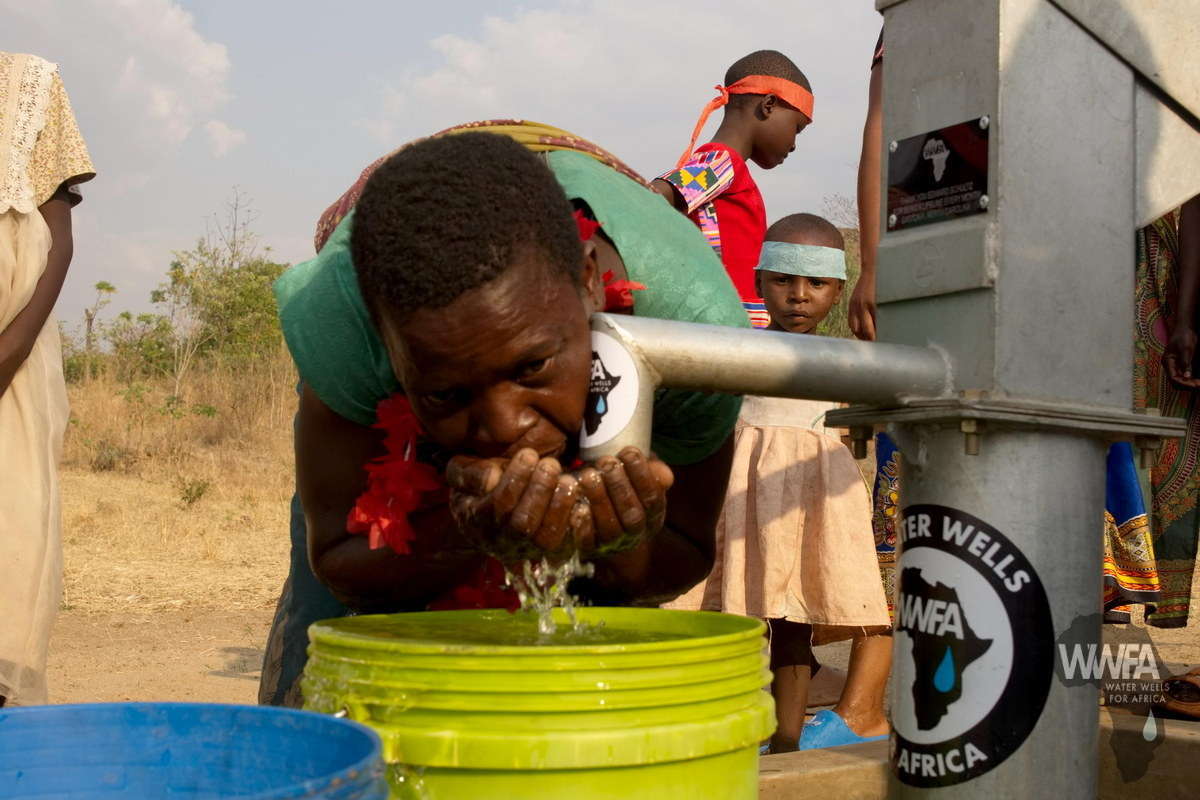
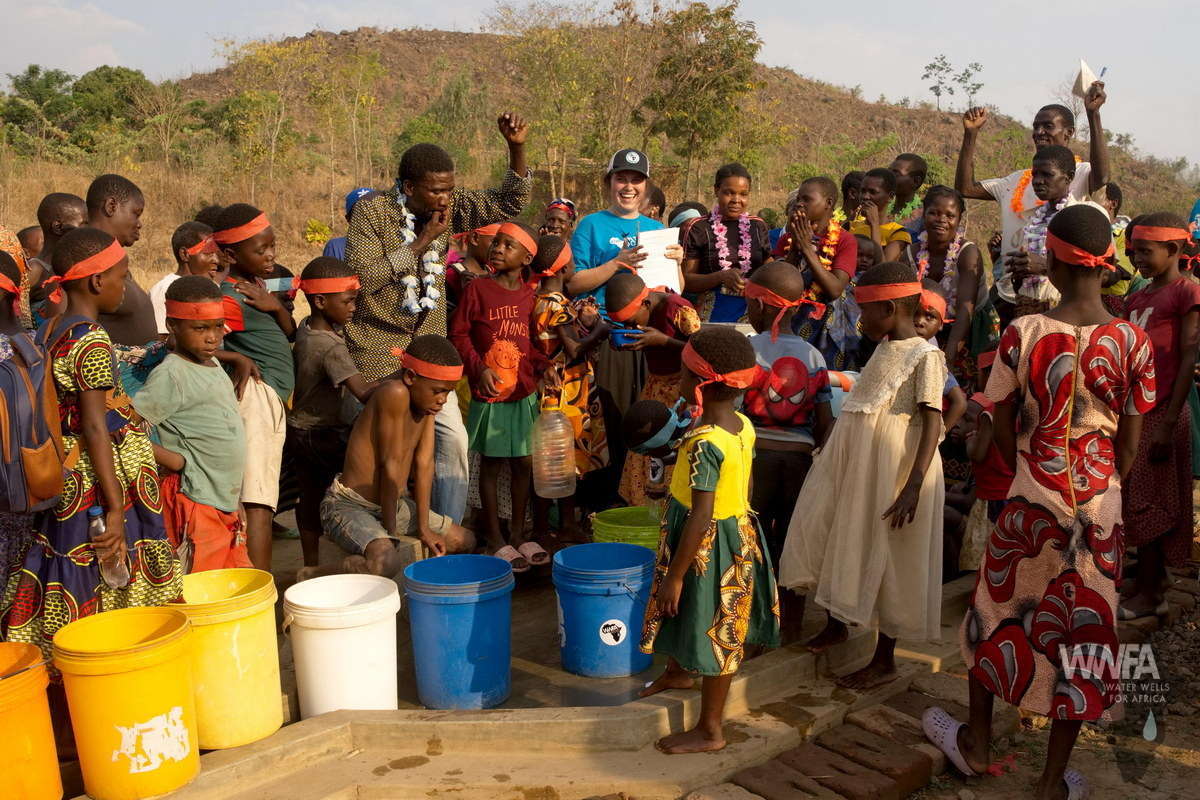
So when the drilling trucks arrived, some villagers watched with disbelief. “It took me time to understand what they were doing,” someone said, unsure if hope was even allowed. When the water finally came, many described it as freedom. “We are free. We are able to do whatever we like. Water is life.”
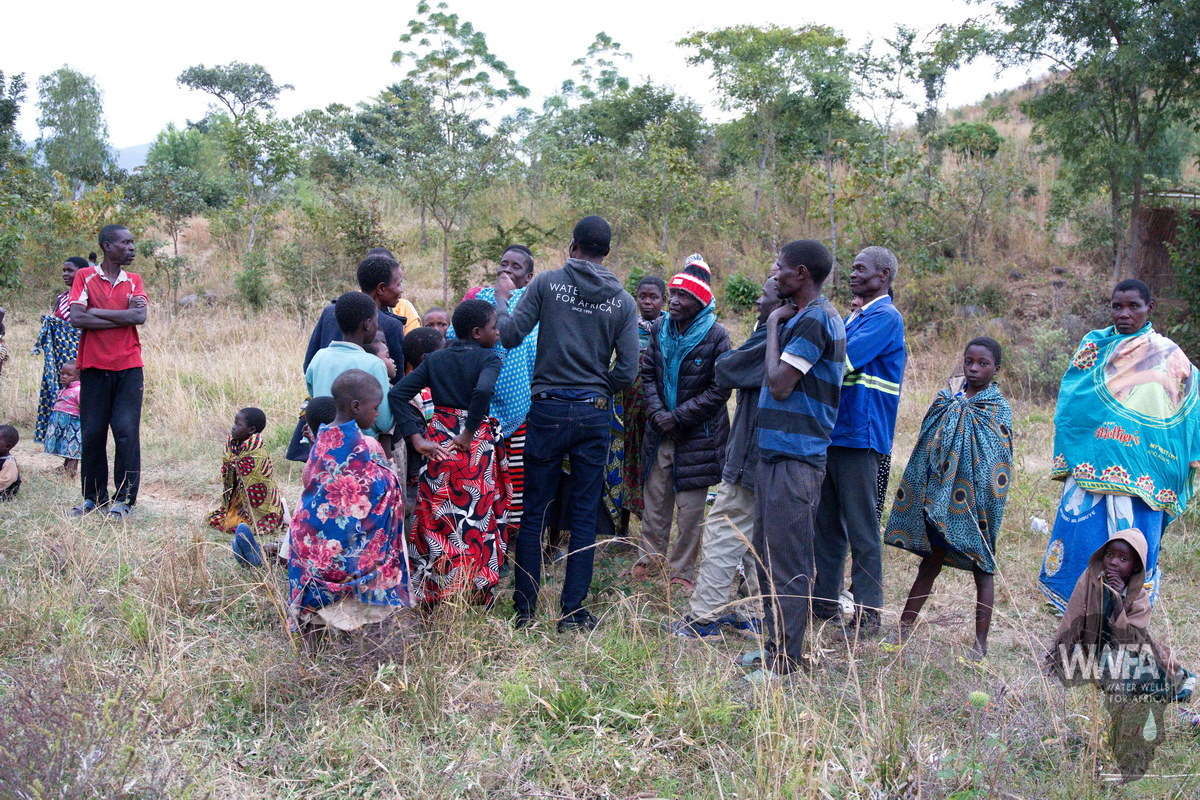
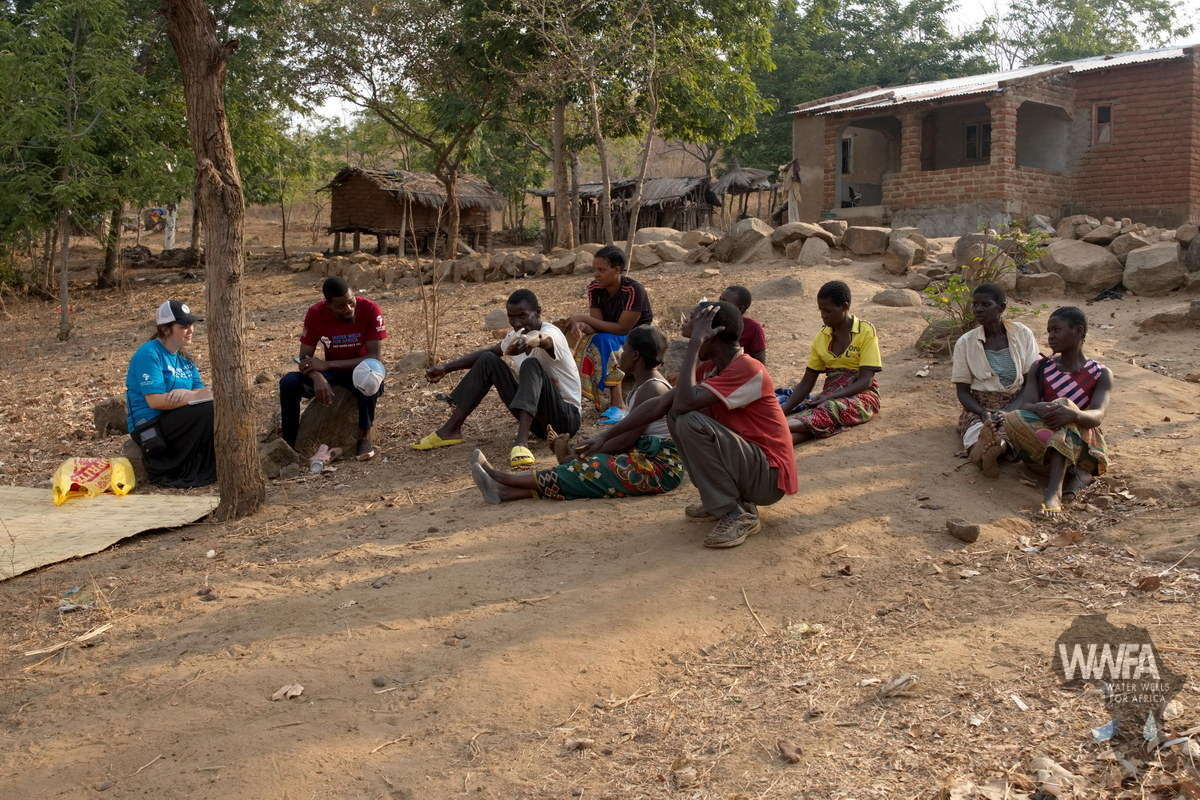
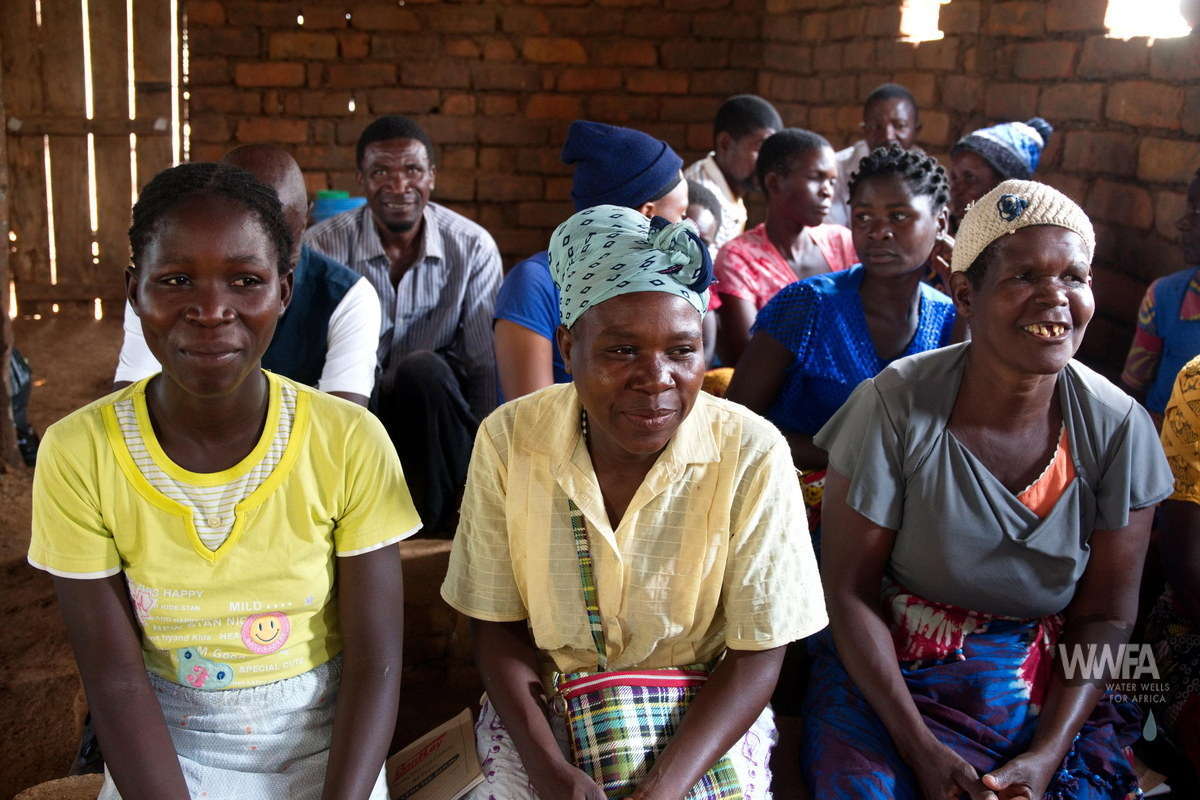
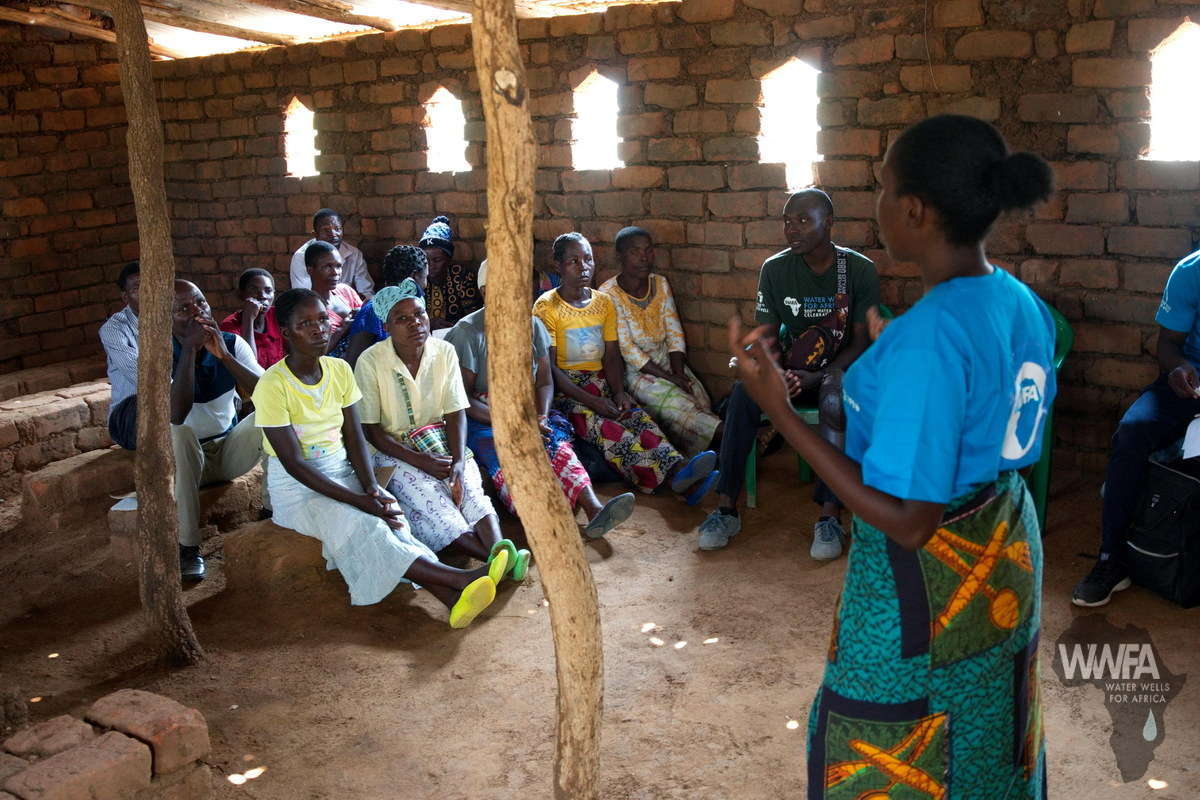
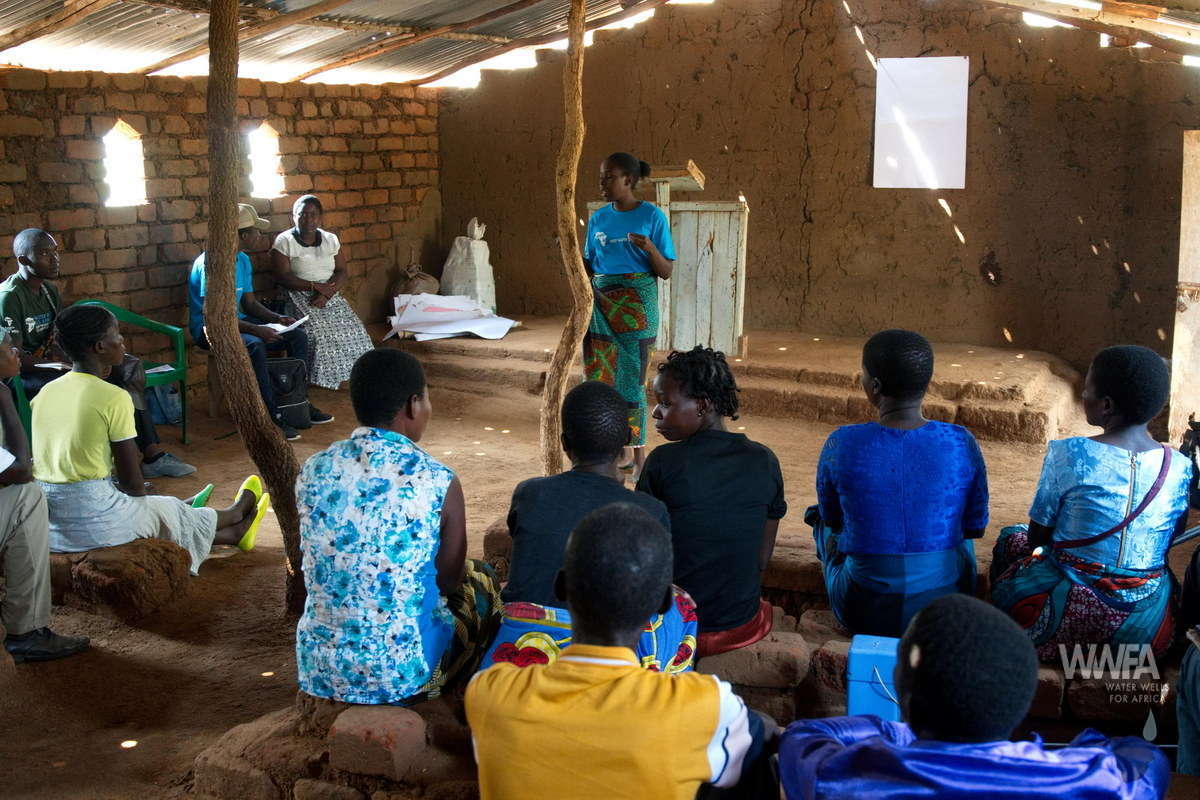
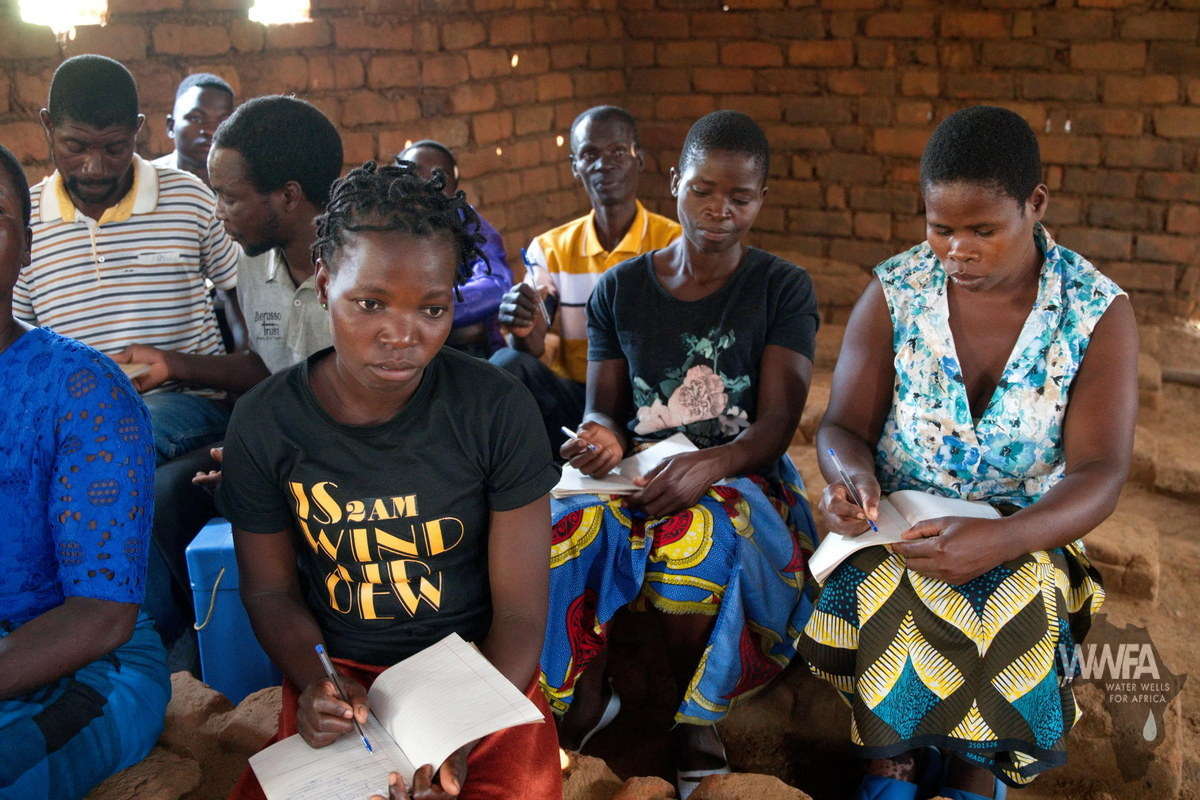
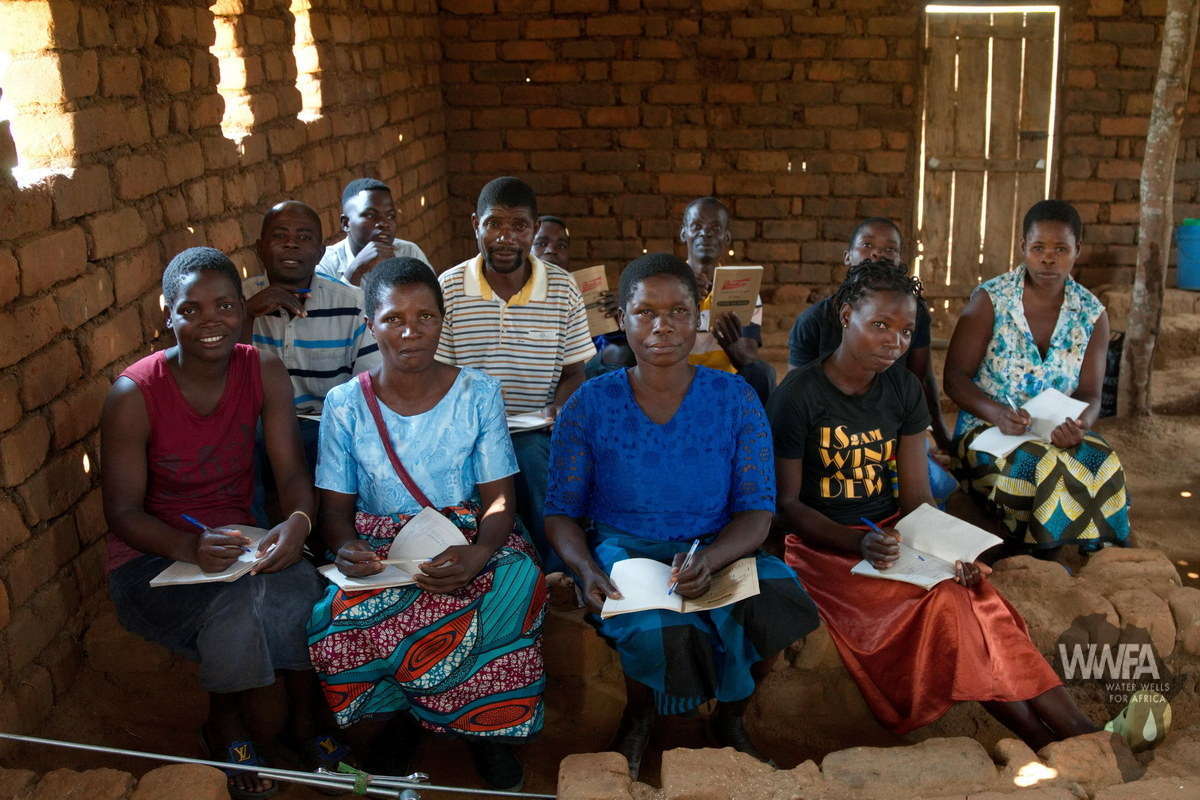
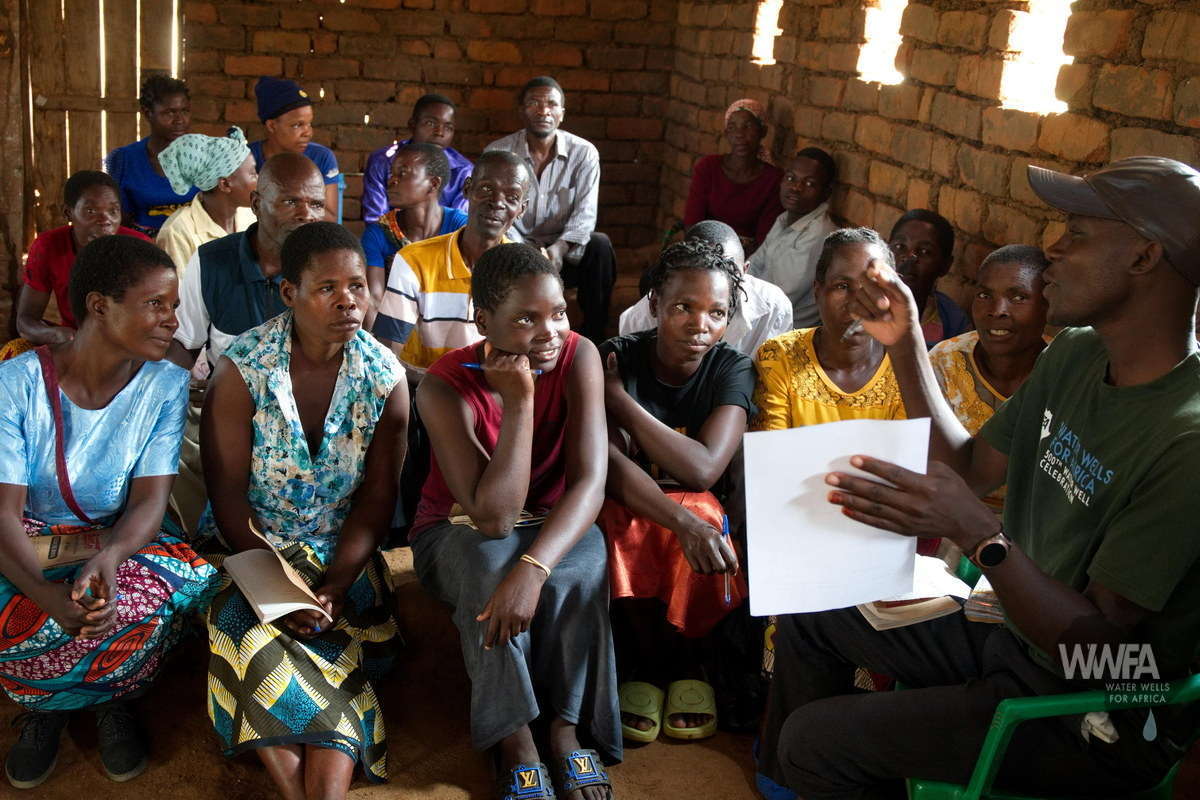
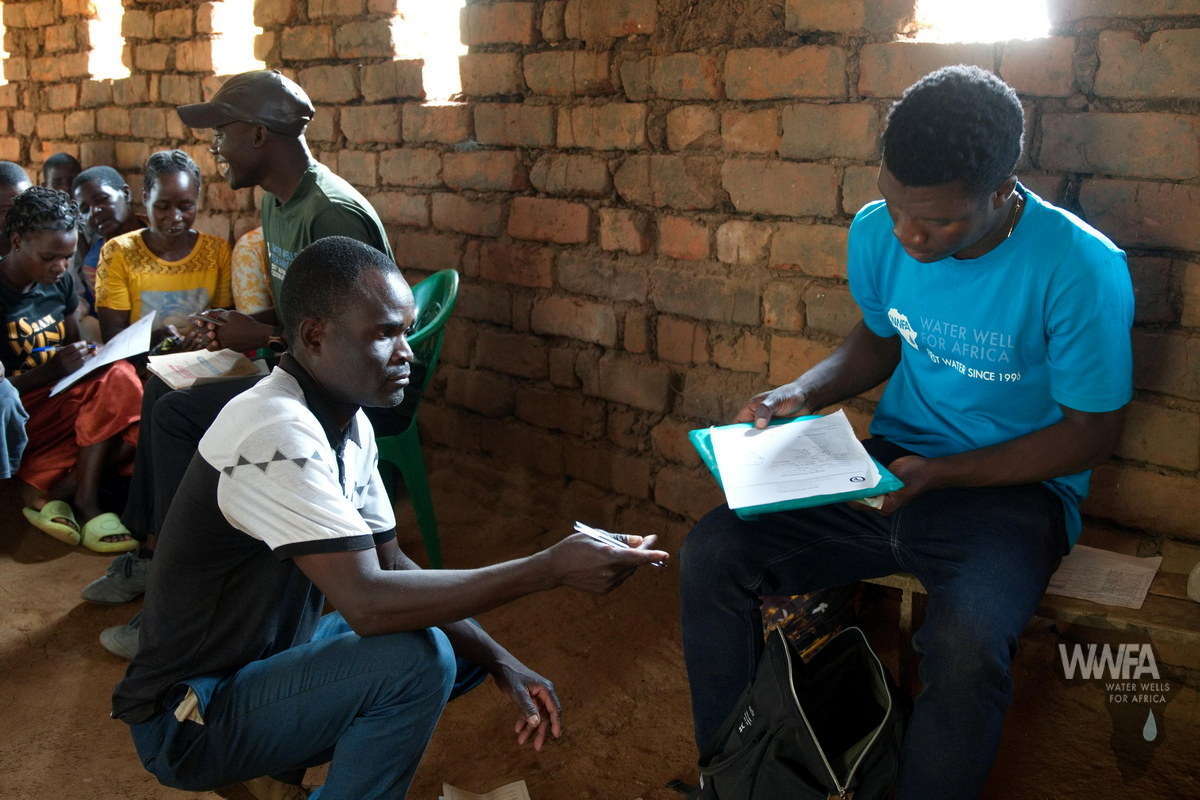
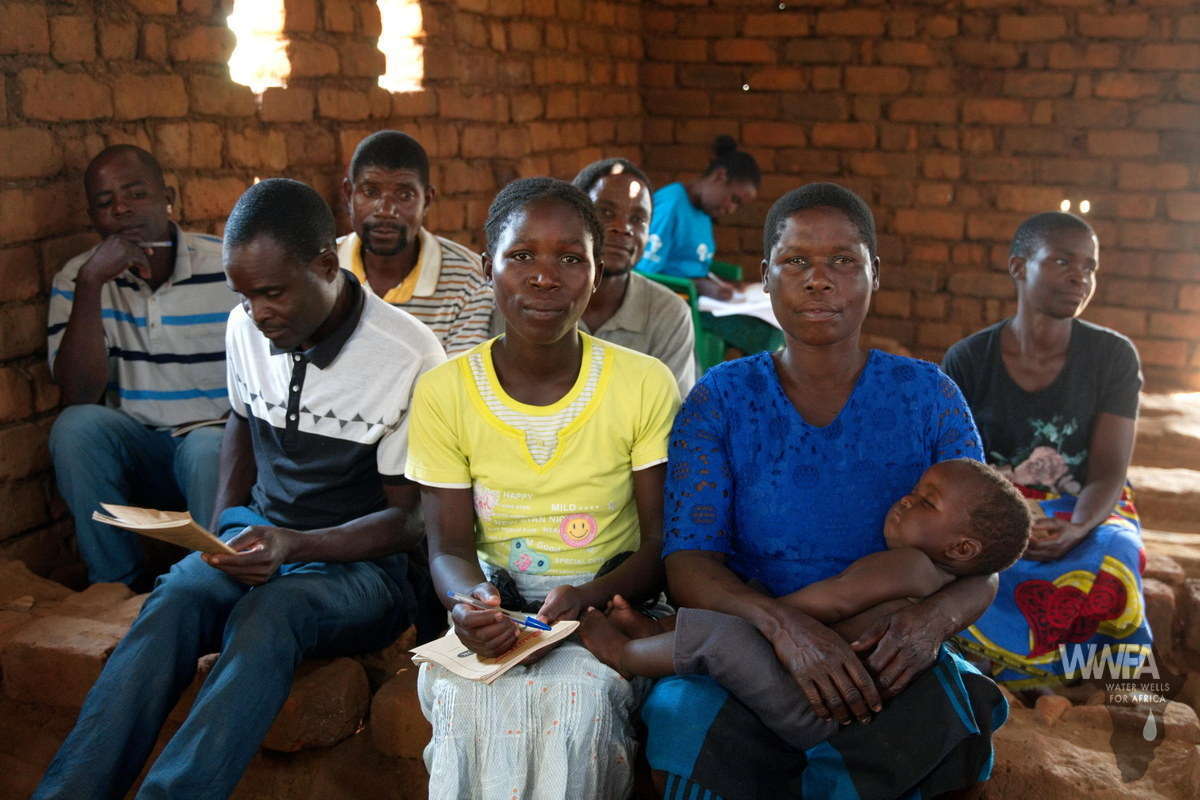
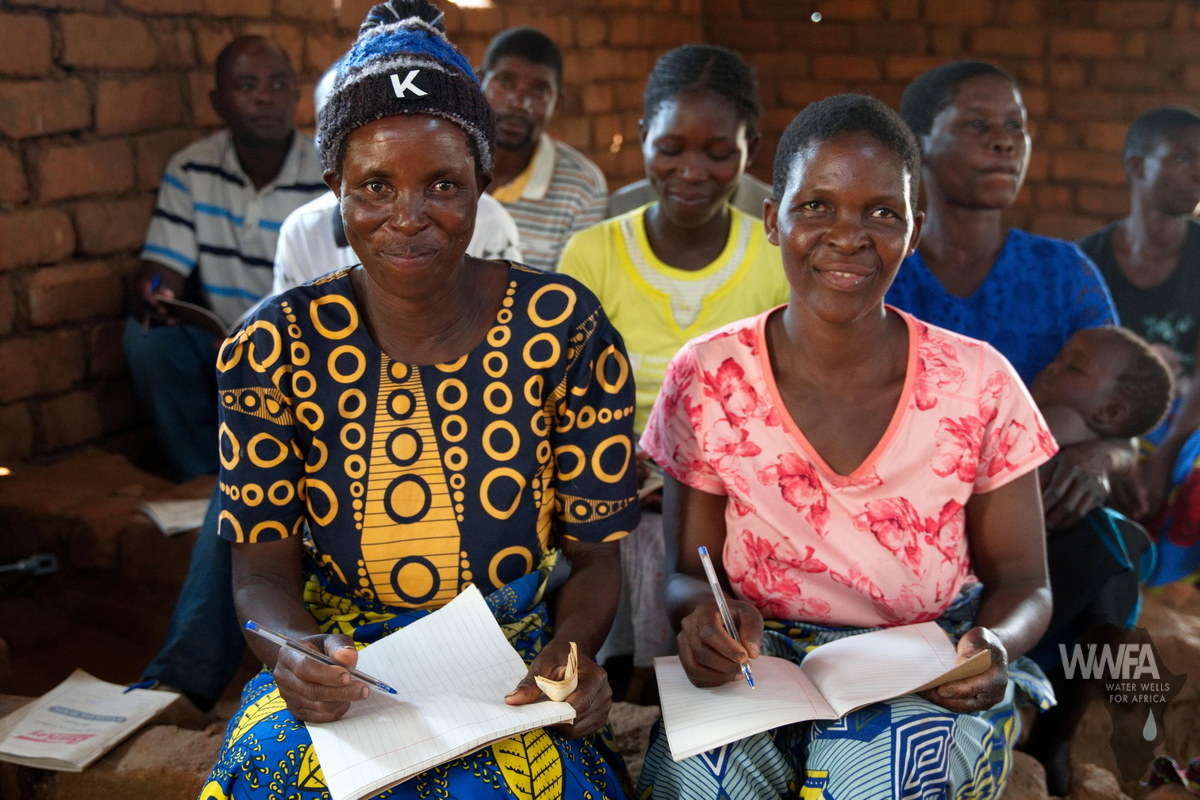
This is also the first time women have ever been elected to a leadership position here, and the new water committee carries that honor with joy. The Community Based Management training gave them confidence—“Now we know how to service the well and fix small problems ourselves,” they said. Jennifer, one of the members, now tends a thriving garden of greens, pumpkin leaves, and mustard—a small but powerful symbol of what dependable water makes possible.
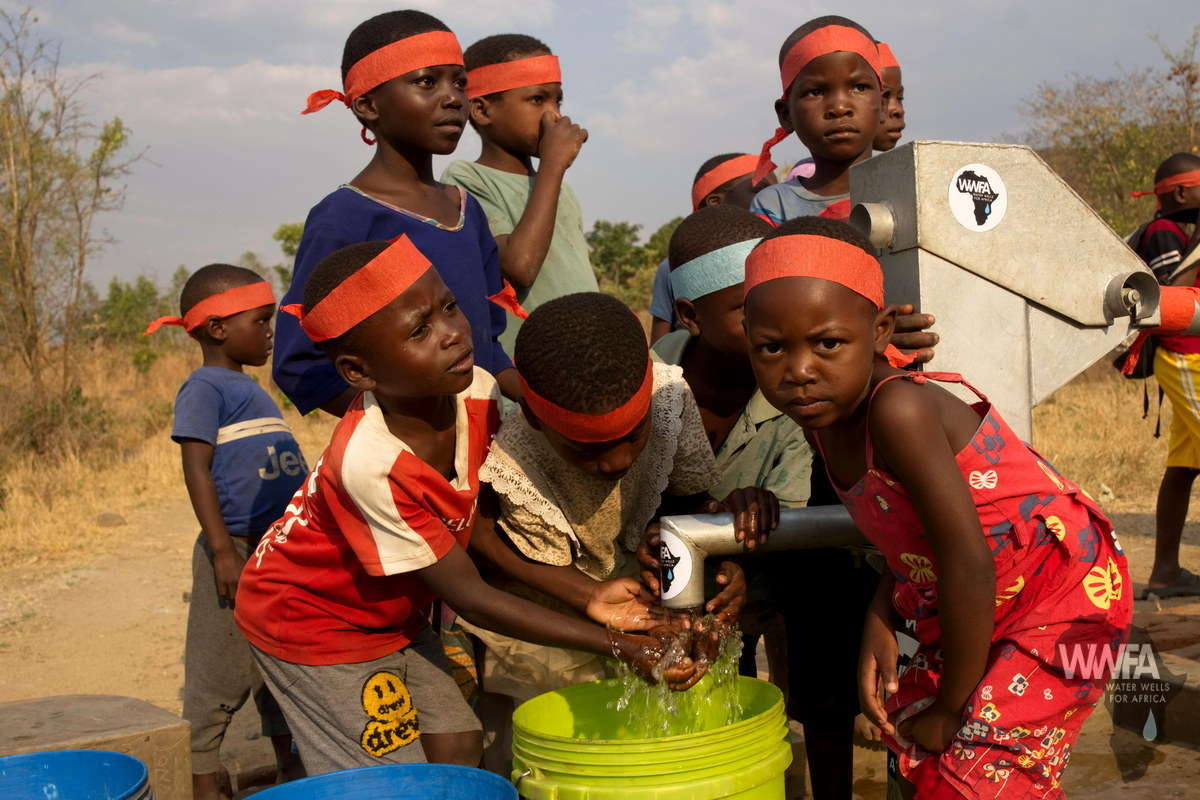
Waterborne illness used to define life in Kamwendo 1. Parents were lost to cholera, and clinic visits were constant. But in the months since the well was installed, villagers say cholera has disappeared.
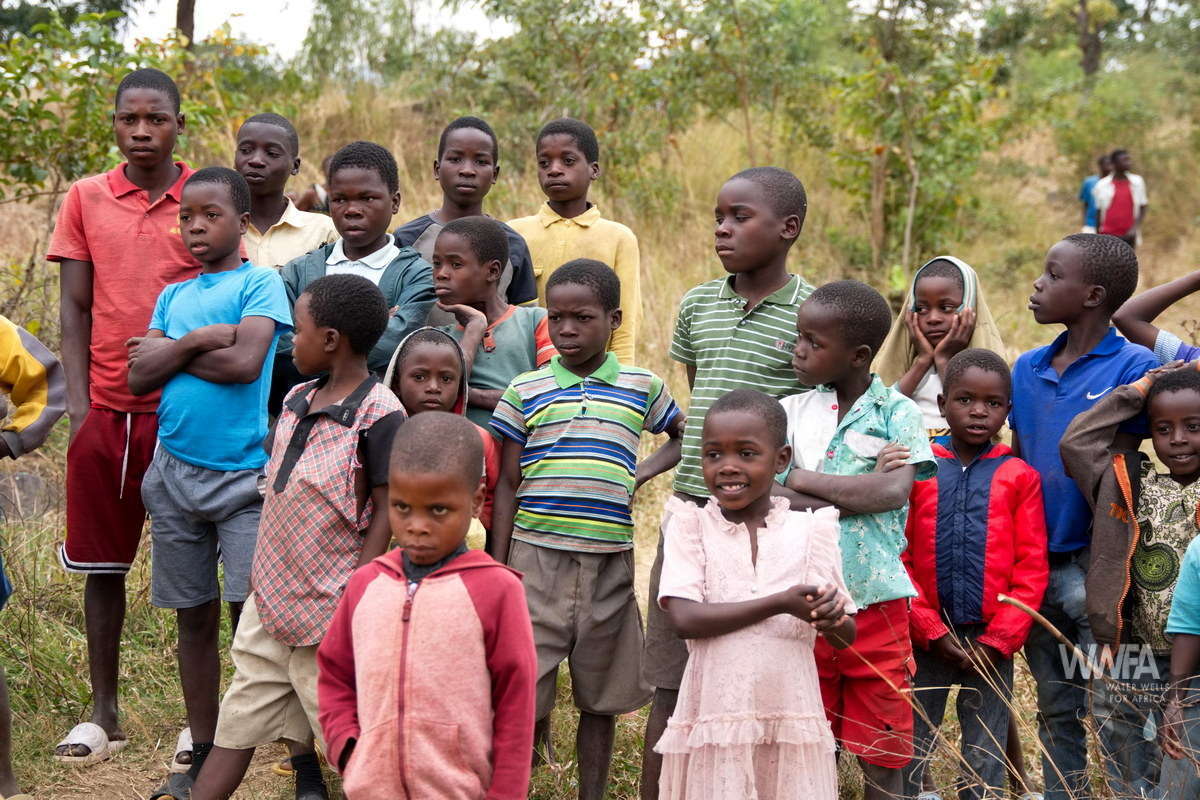
And the children—perhaps the clearest picture of impact—tell their own story. We met a group walking home from school, bright and talkative.
Angelina, in Standard 3, used to go to school only twice a week because she was responsible for fetching water. “It was hard,” she said softly. Now she hasn’t missed a day. She hopes to be a journalist.
Nancy, in Standard 6, went once or twice a week before. Now she attends daily and dreams of becoming a soldier.
Peter, also in Standard 6, was one of the few who managed to attend regularly—proof of how deeply the burden of water fell on girls.
And young Vanessa, in Standard 3, said simply, “We were lacking water.” She, too, only made it to school two days a week before. Now she’s there every morning, dreaming of becoming a doctor.
“You’ve touched lives,” one parent said. “All our kids are going to school.”
Kamwendo 1 is no longer the village defined by midnight walks and broken buckets. It is a village refreshed—led by women, filled with growing gardens, and full of children dreaming again.