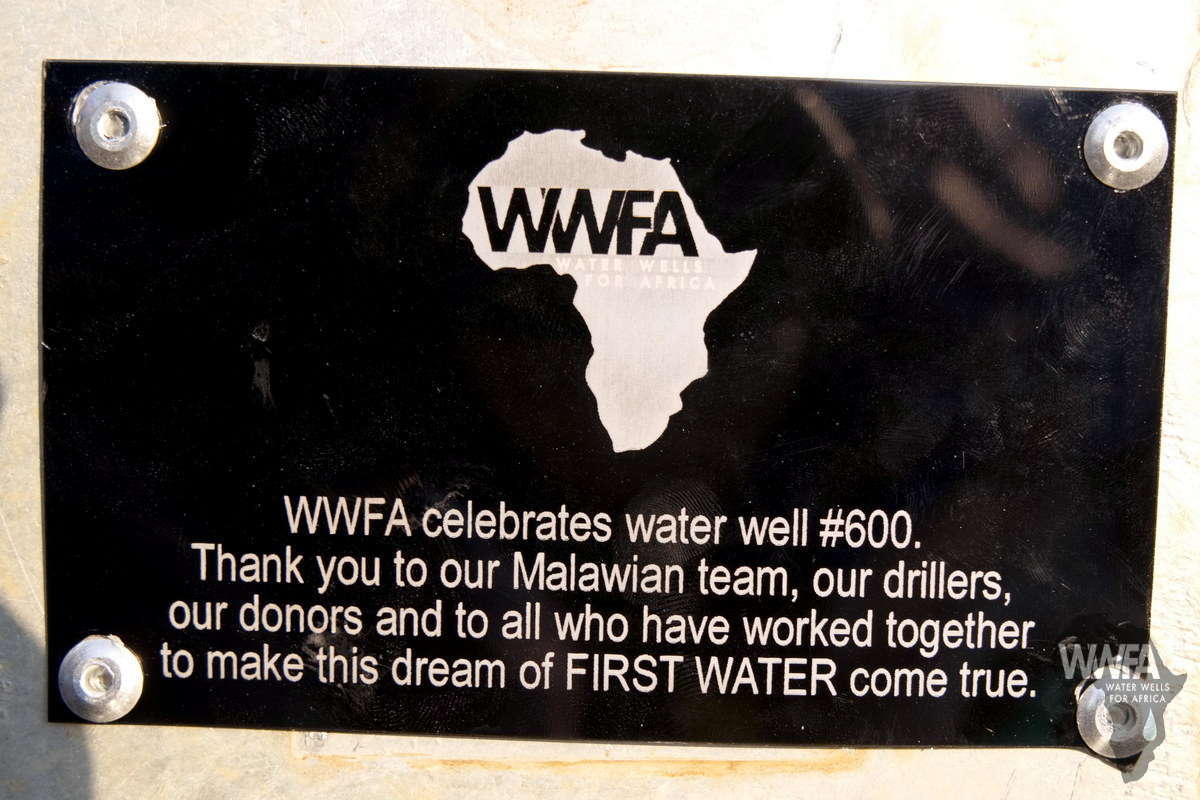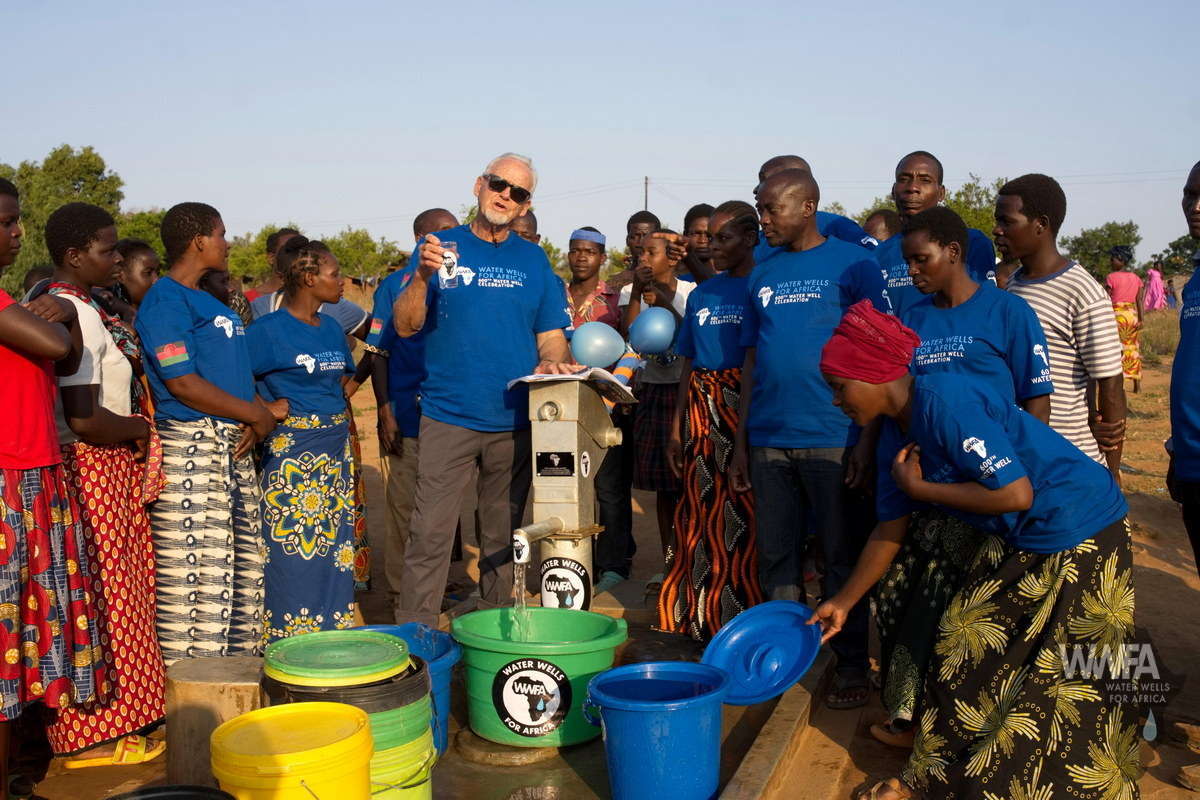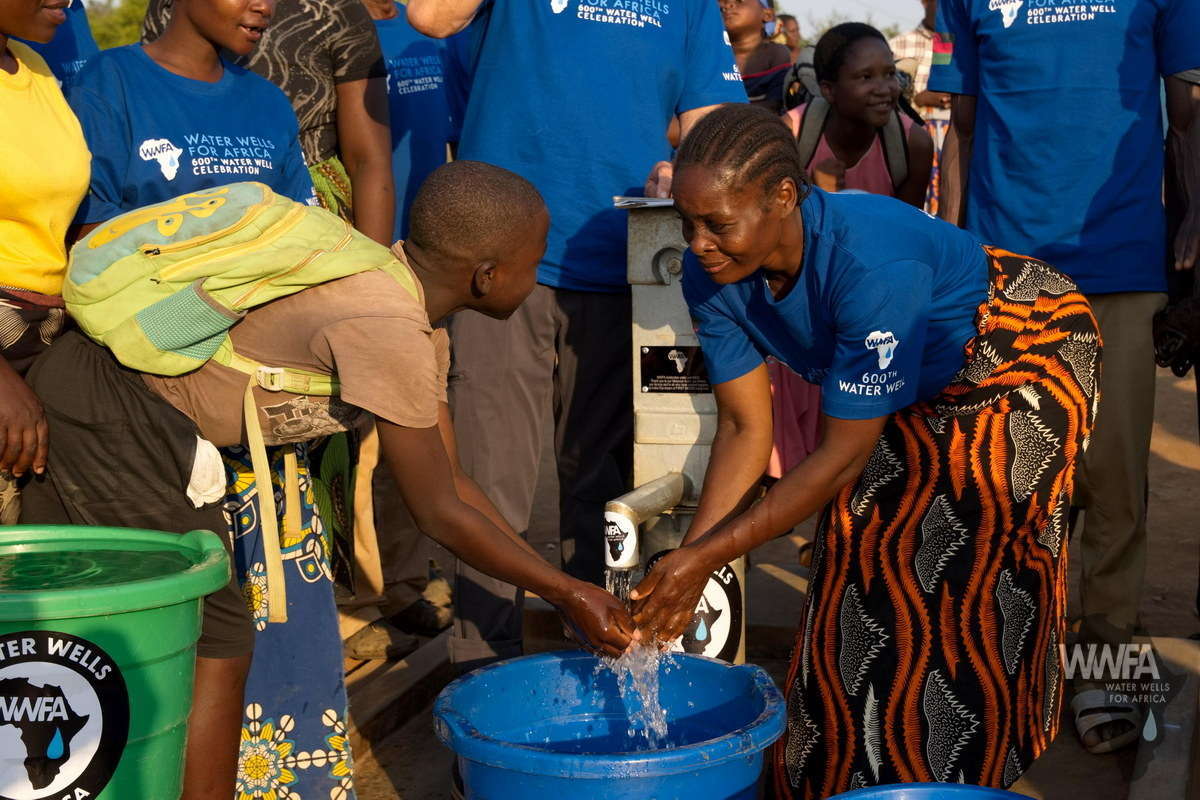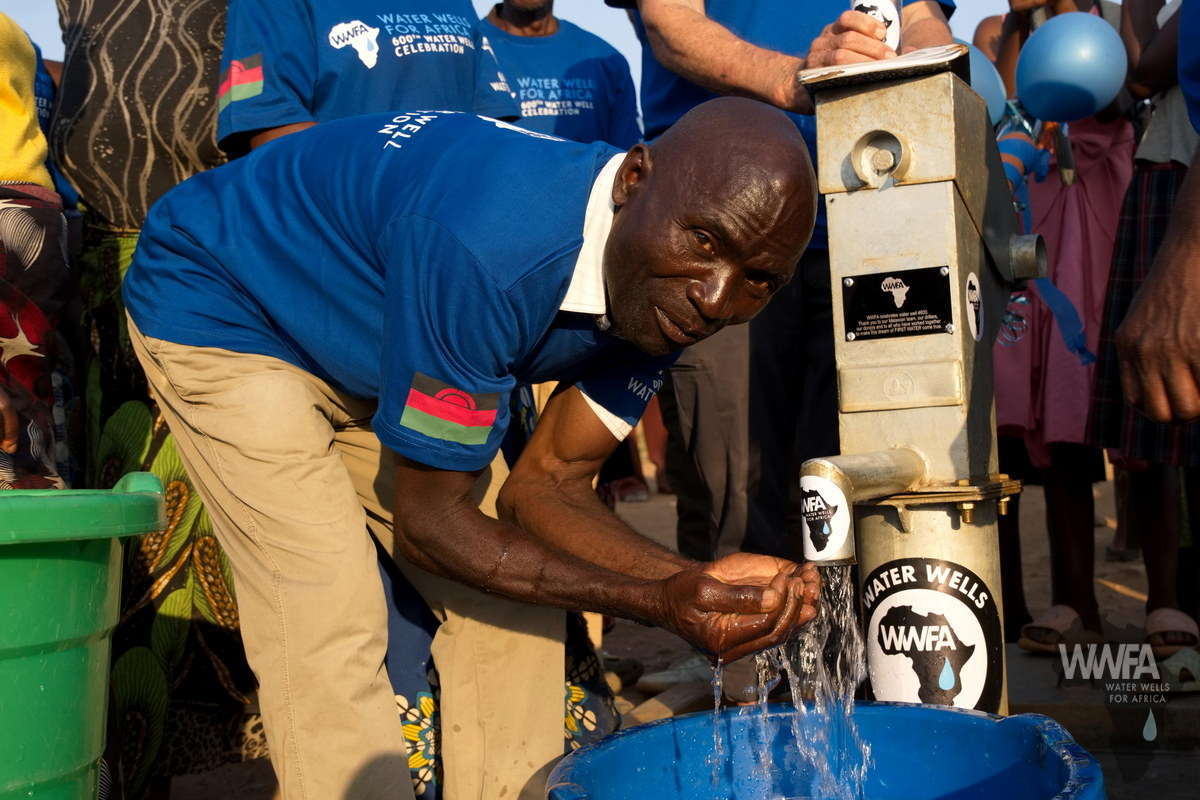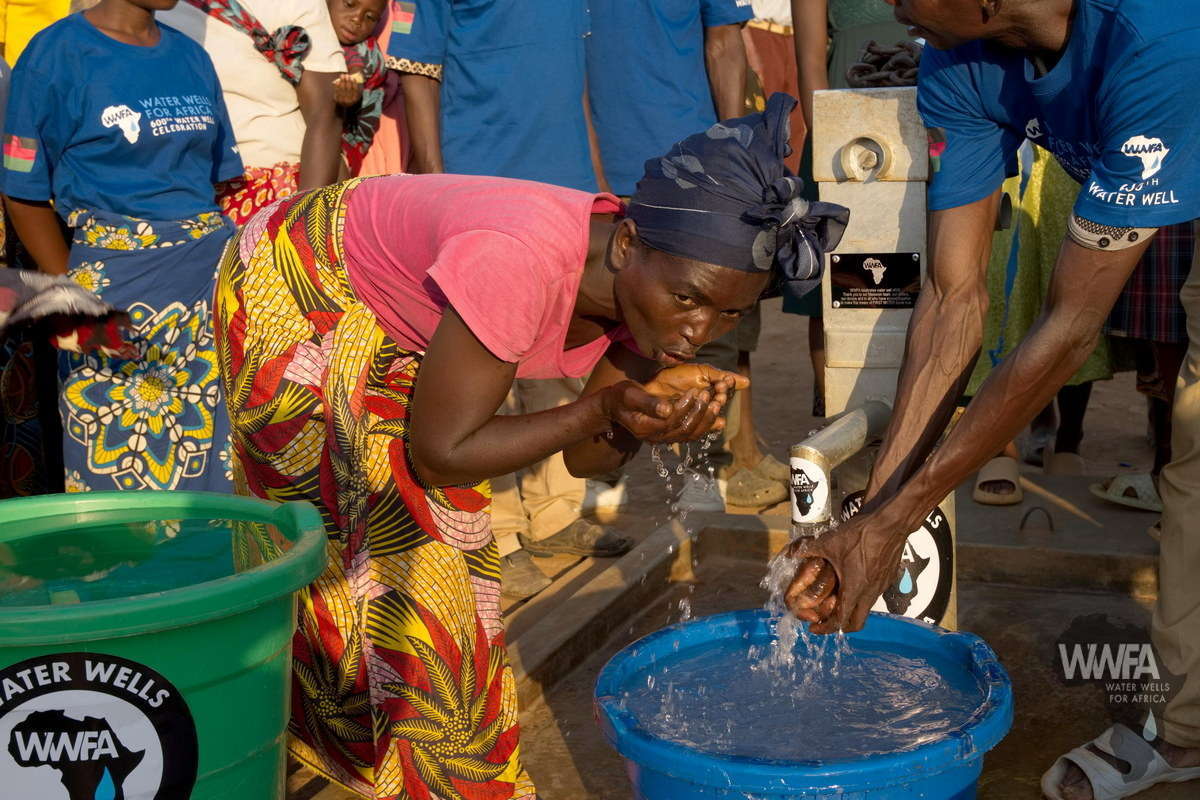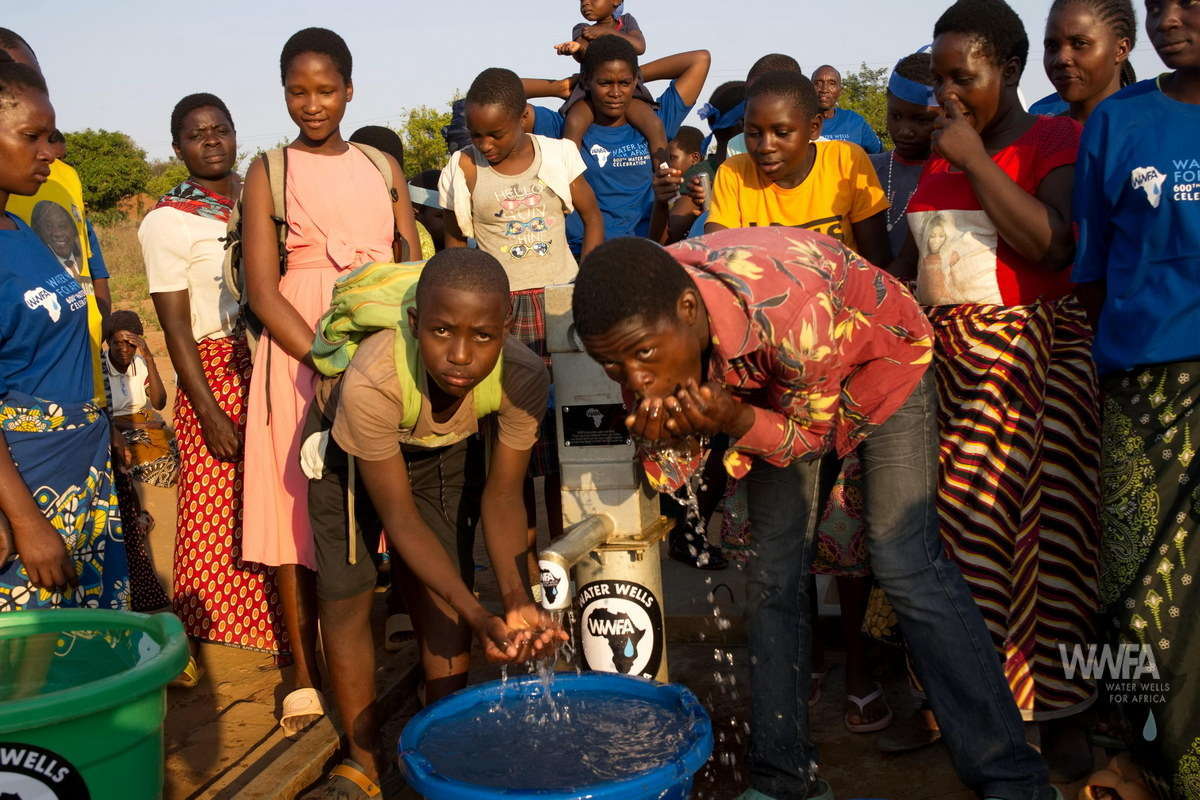

Dedication: WWFA’s 600th Well
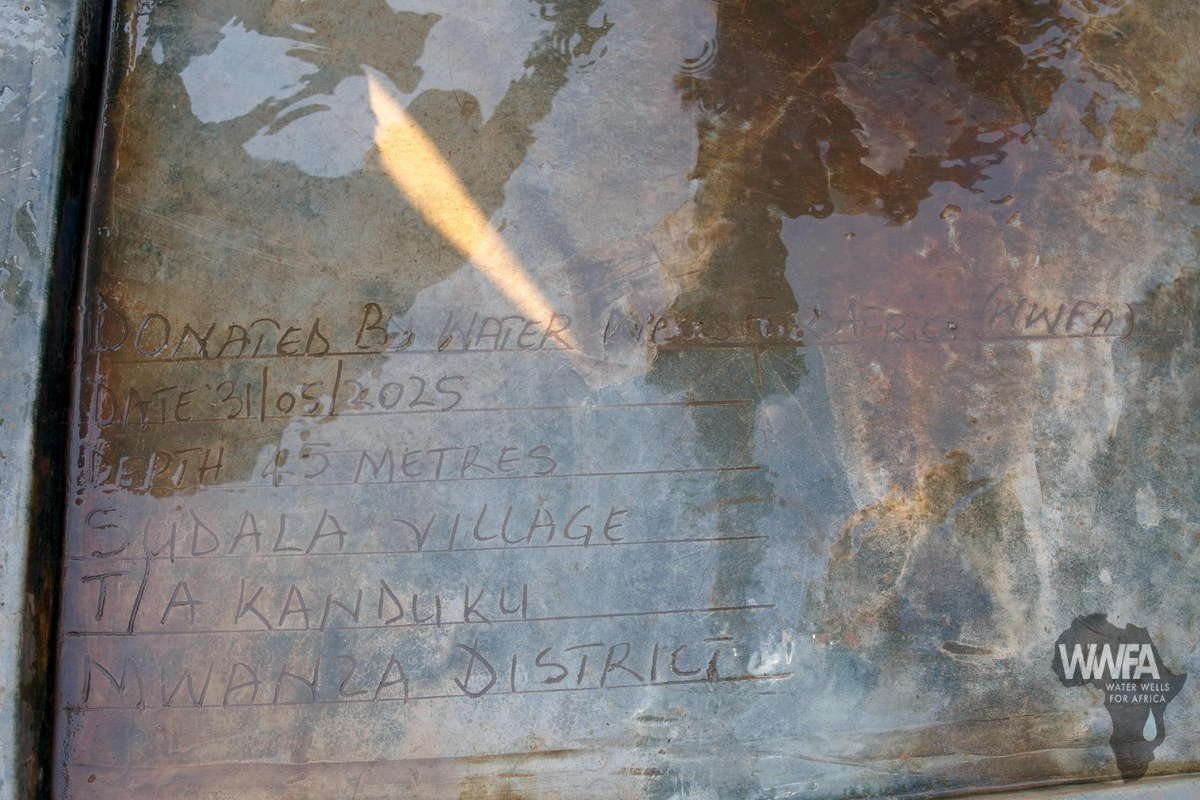
Installation Date: May 31, 2025
Location:
Village: Sudala 2
District: Mwanza
Country: Malawi
GPS Location: See bottom of page.
Stories / Quotes:
Families: 80
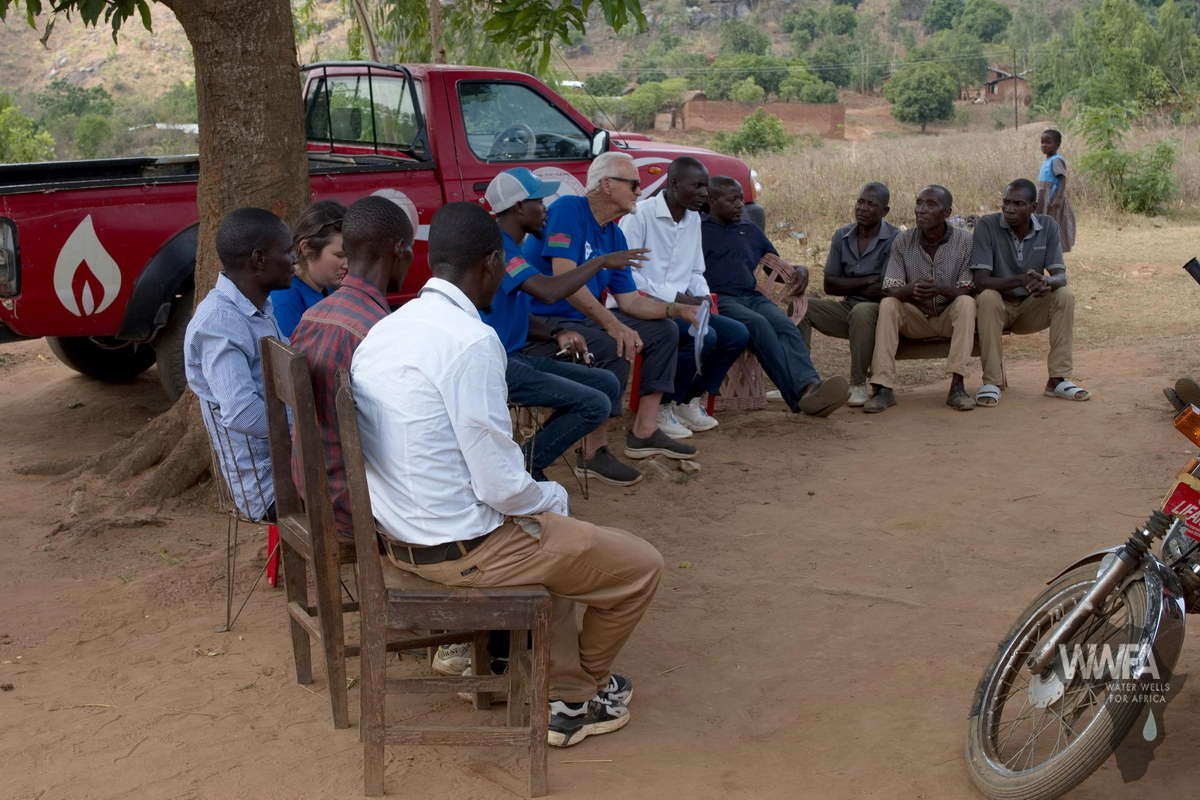
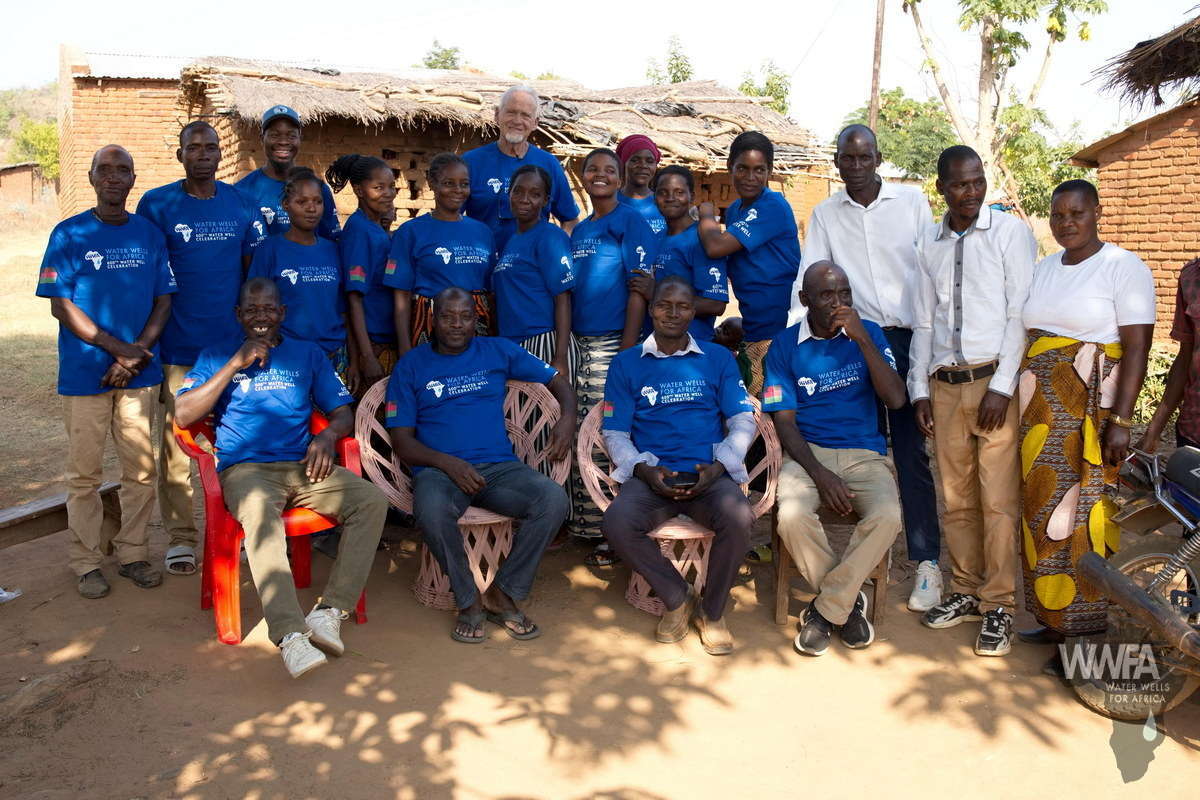
Water Committee: 5 men and 5 women
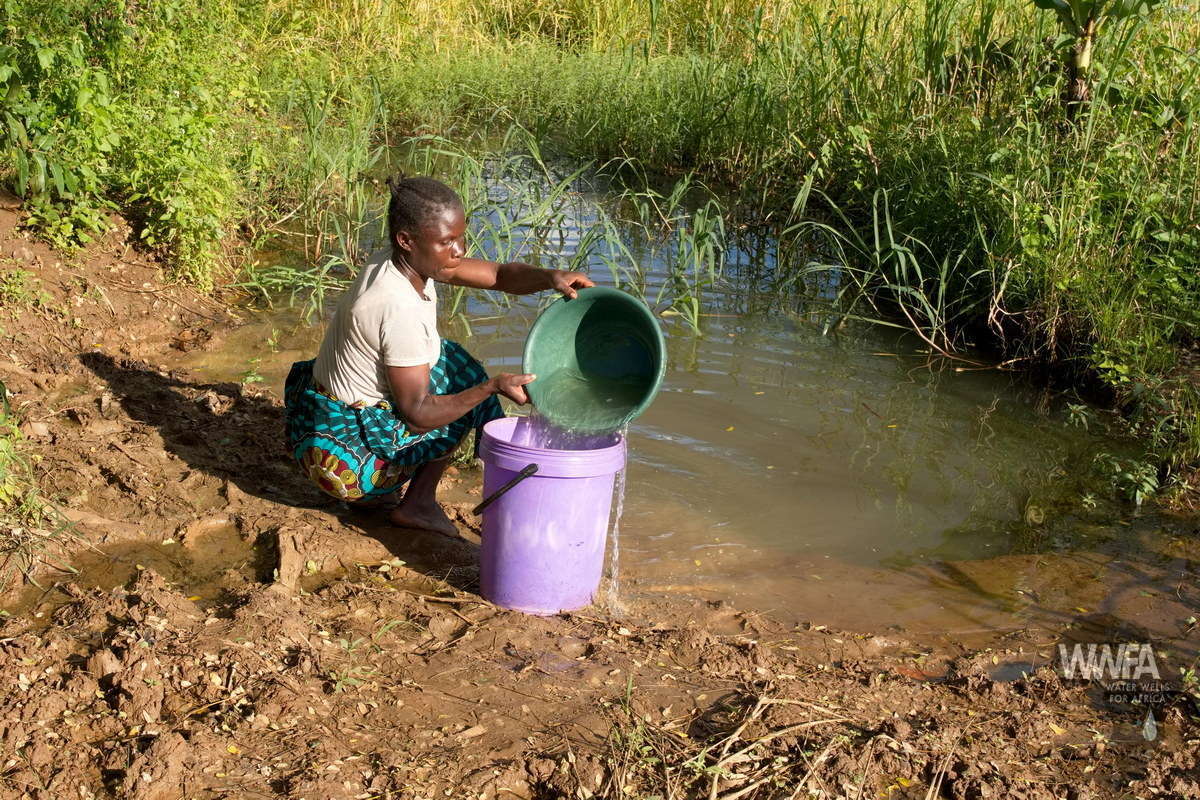
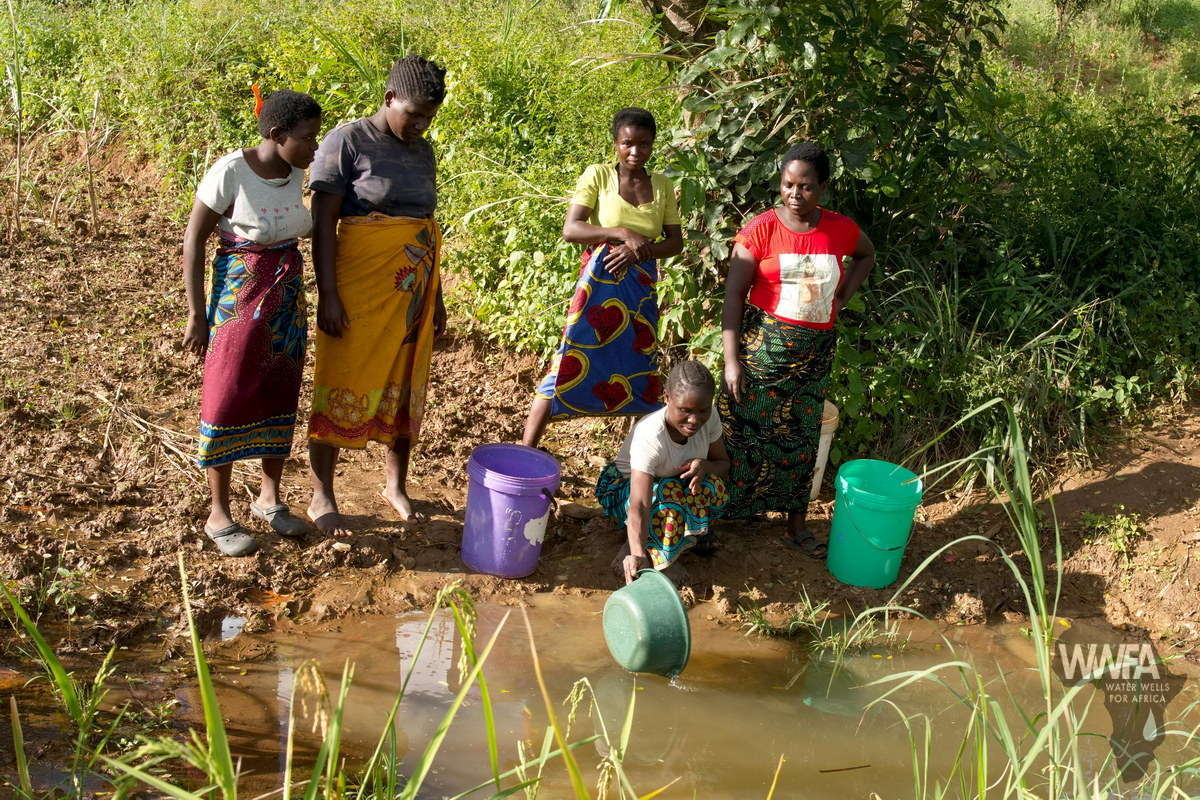
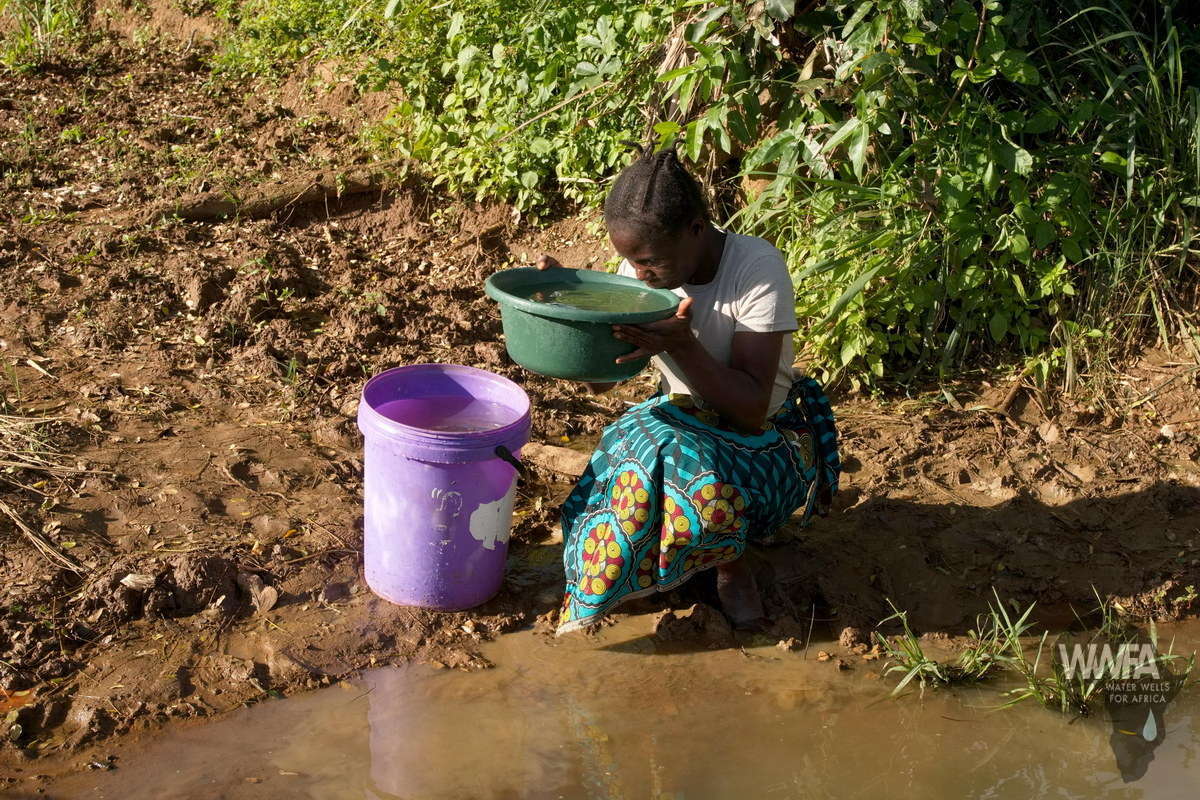
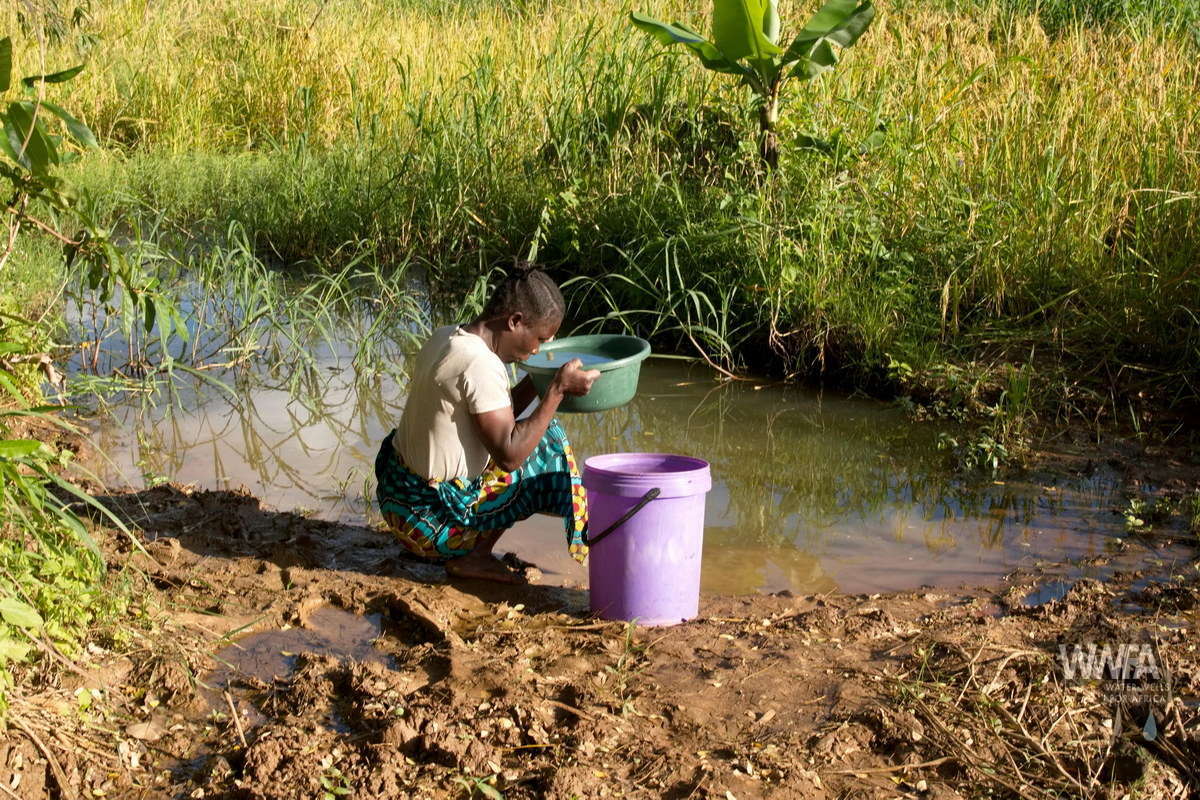
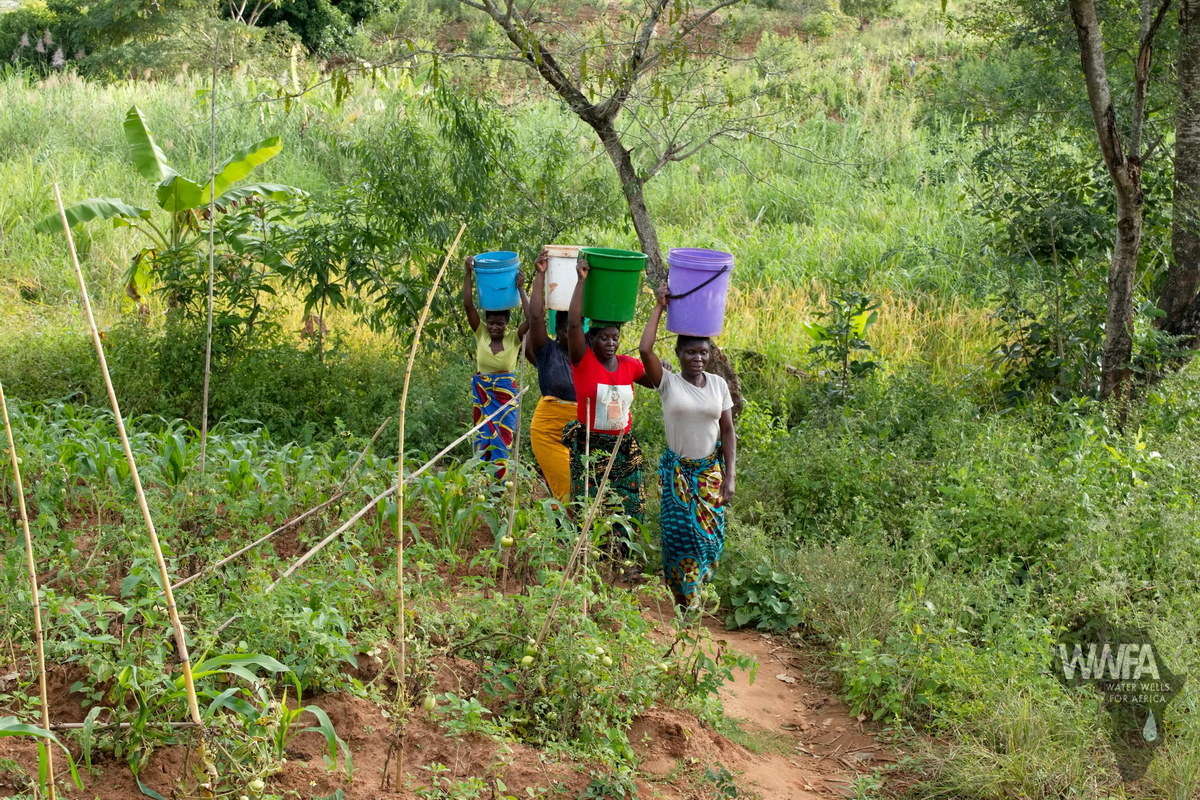
Sudala 2 carries memories that are still heavy for many families here. Before the well, the nearest borehole was a kilometer and a half away—and always overcrowded. On good days, people managed a single bucket. When that well broke, the community had no choice but to depend entirely on the river. They dug pits beside the riverbank, waiting for water to seep up. The river was unpredictable and dangerous. Earlier this year, a mother went to fetch water, and her one-and-a-half-year-old child wandered toward the riverbed to find her. The child drowned. The women still speak of it with trembling voices: “The fear of losing our children is no longer there.”
The river was also a place of constant tension. Fights broke out every day. Buckets were smashed. Women battled to be first because water was so limited. And beyond the physical strain, the danger was real—some women were assaulted on those early morning trips. Inside the homes, husbands grew suspicious when wives returned after long hours waiting for water; many women were beaten twice a week. “Now,” one husband admitted, “there is peace. Our families are stronger.”
Health was its own crisis. Cholera and diarrhea swept through every household. Every single family was at the clinic three to five times a month. Last year, someone in the village died of cholera. The Health Surveillance Assistant, Ida Gobede, carried the burden of trying to keep people alive. “Above everything for humans, water must be first,” she said. She was given ten liters of chlorine to last three months, but Sudala 2 needed the entire supply in just one month. “People were sick all the time,” she said. “I was overwhelmed.” Today, she says she finally has time to focus on other health issues—no one has returned to the clinic for waterborne disease in five months.
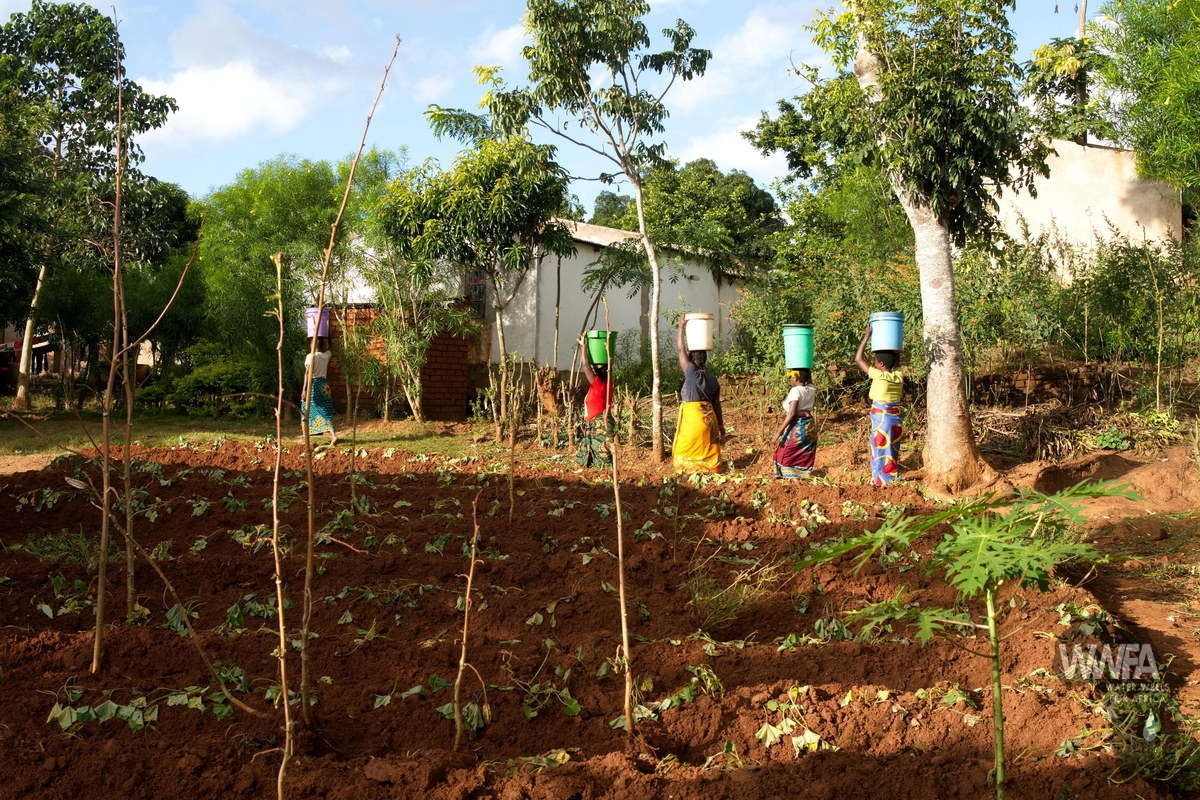
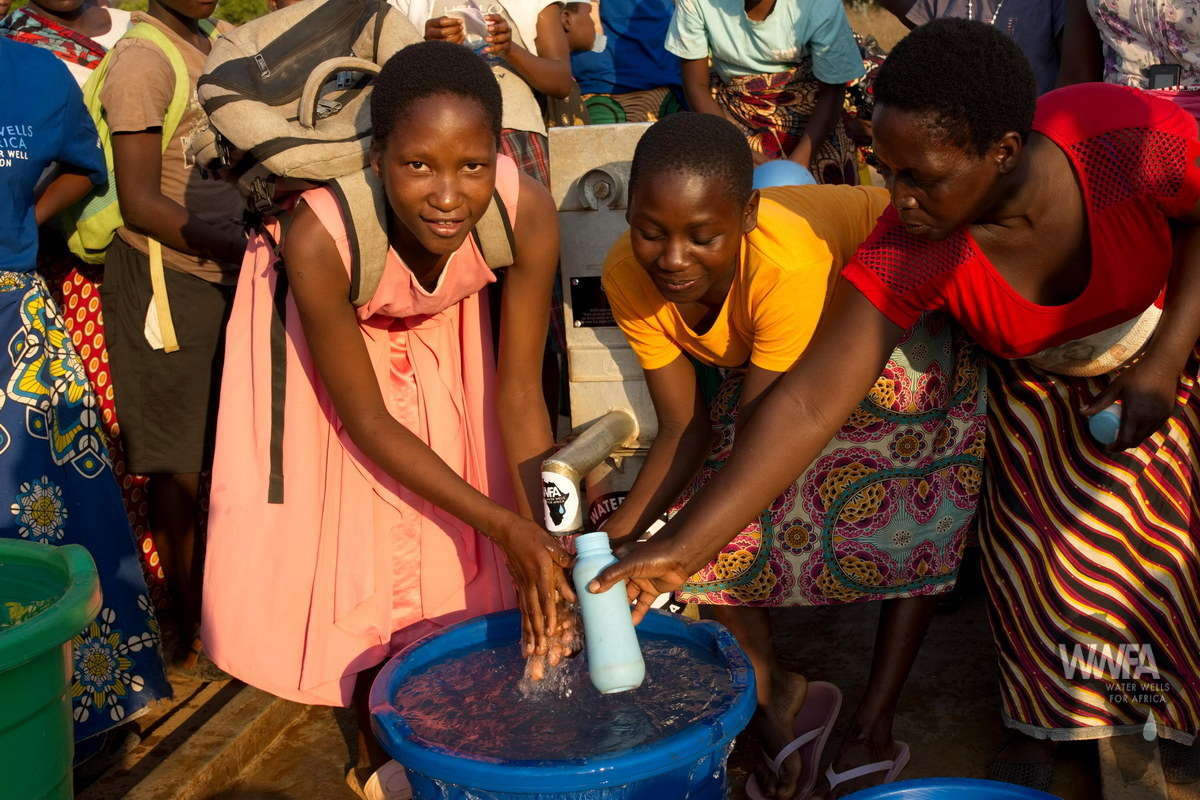
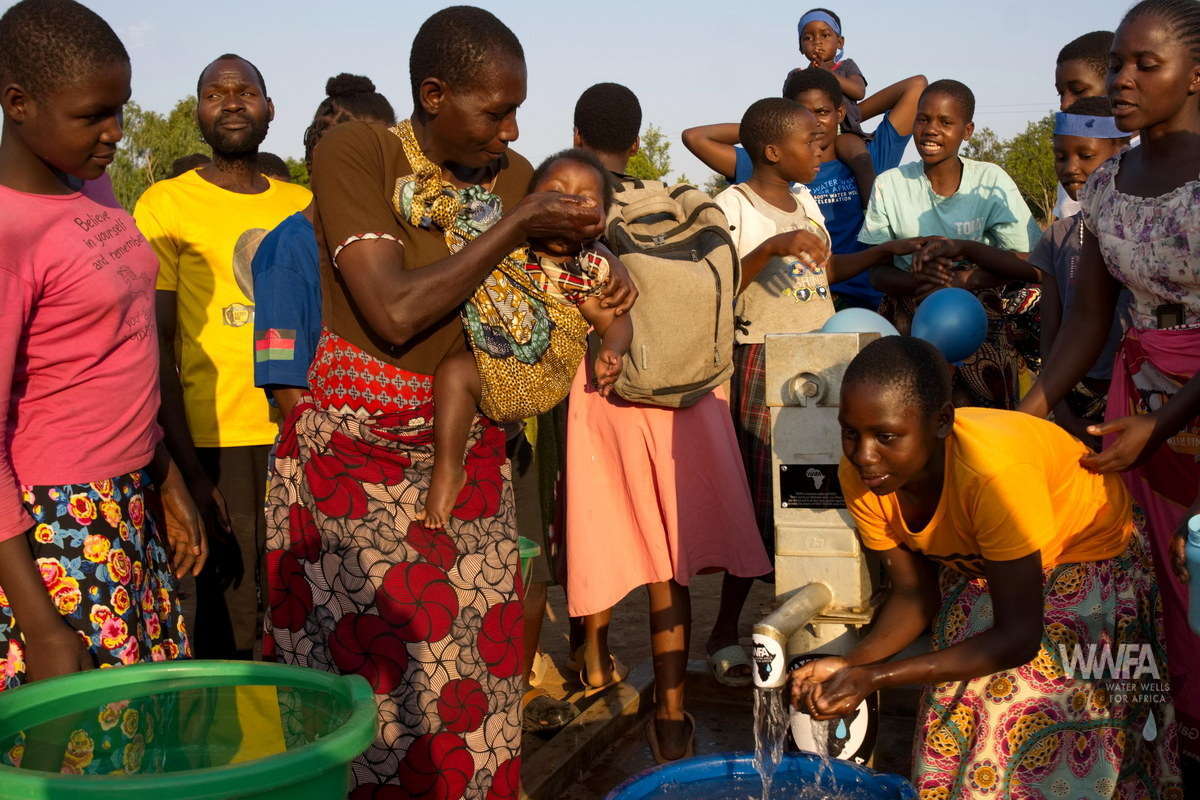
The new well immediately changed daily life. Instead of one bucket, households now draw 6 to 10 buckets a day—enough to fill drums. People bathe two or three times a day. Farming routines shifted too. Before, they had to fetch water at 4 a.m. to start farming; now they can leave for their fields at 10 a.m. and still complete all their household chores. Families are growing more food, caring for their homes, and rebuilding trust.
And the transformation is just as visible in the classroom. Before the well, 30% of children were sent home for being late or unprepared—many simply had no water to bathe or cook with in the morning. The school repeatedly called parents asking why their children never arrived on time. Last year, in Standard 8, 32 students took the exam; only 18 passed. This year, with clean water, every one of those 14 repeat learners passed. Out of 52 learners, only one student failed. Attendance is now 100%. Children come rested, clean, and focused.
Girls especially are dreaming differently. They want to become police officers, teachers, nurses, and journalists. Their parents no longer worry about them walking long, dangerous distances in the dark. Their time belongs to learning—not survival.
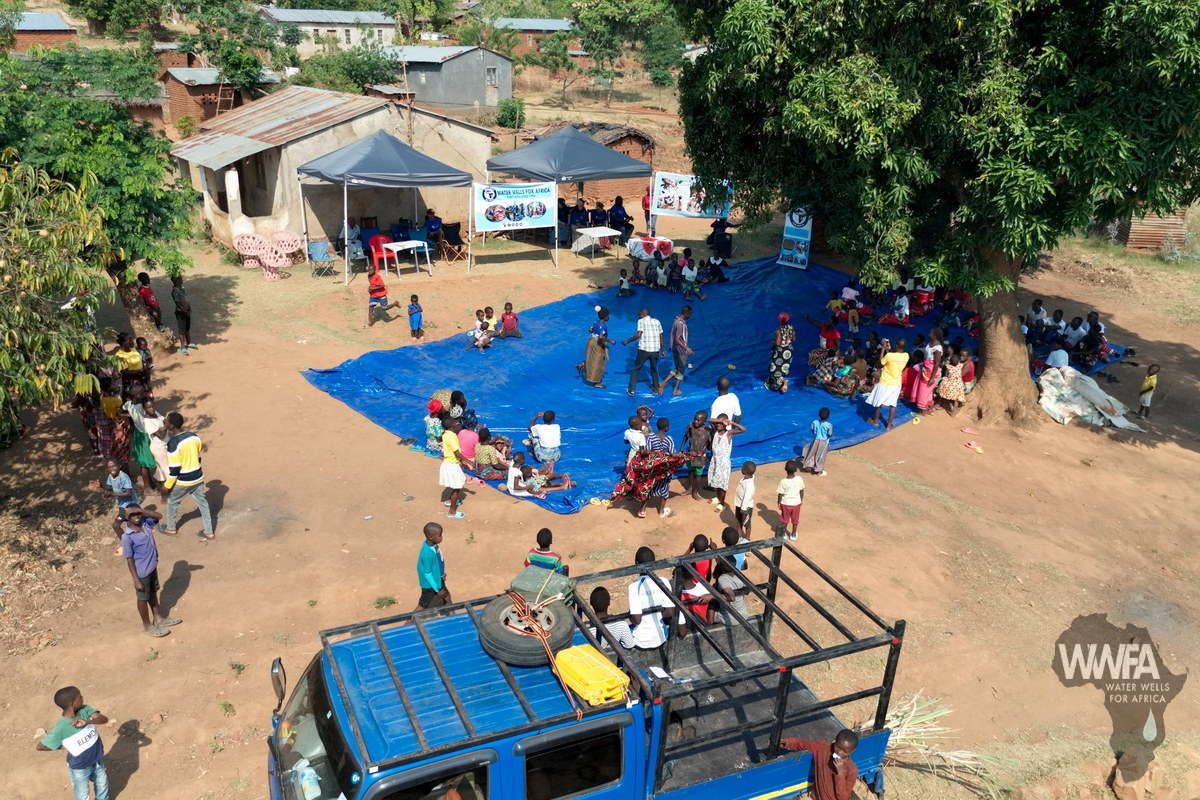
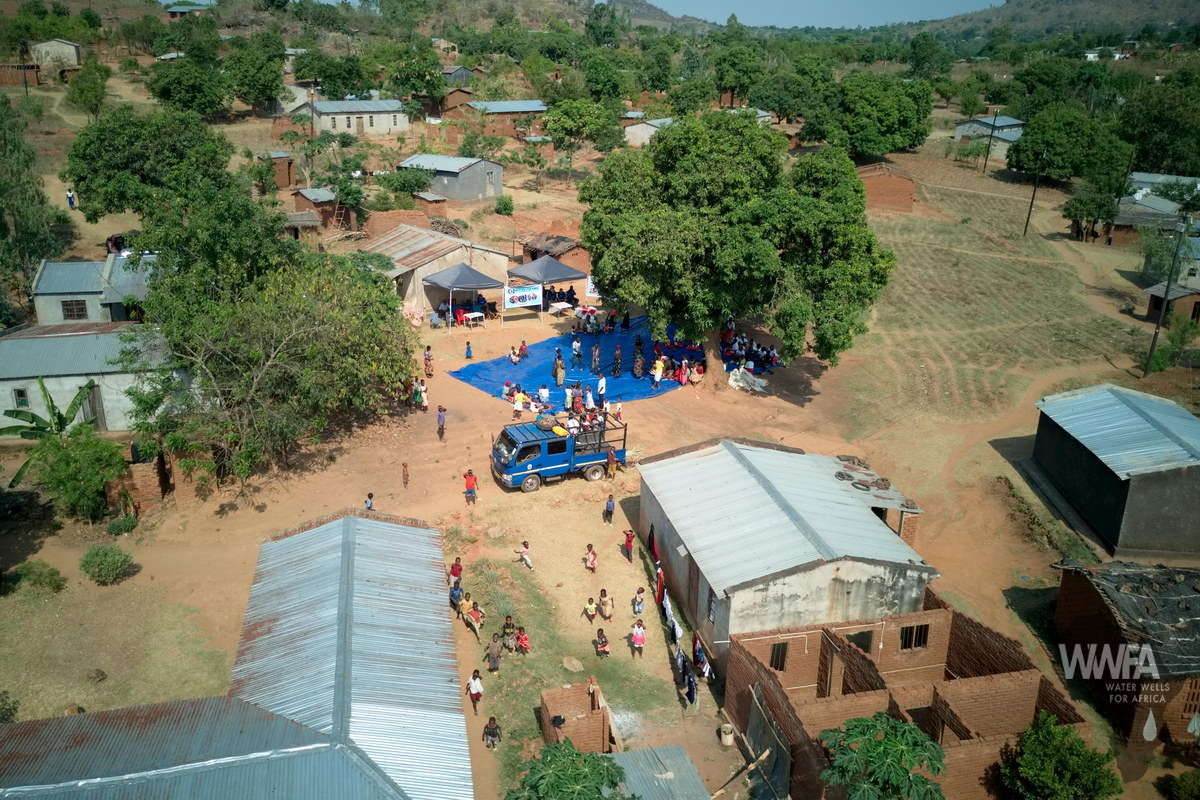
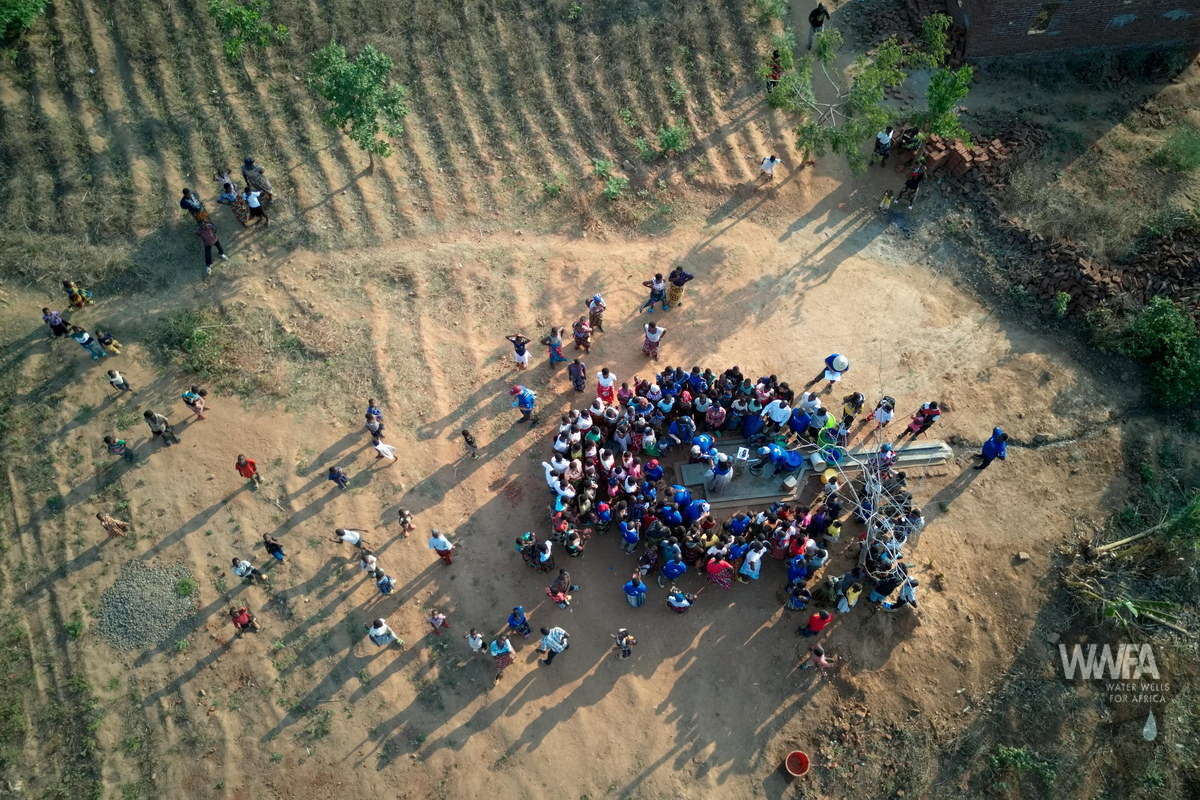
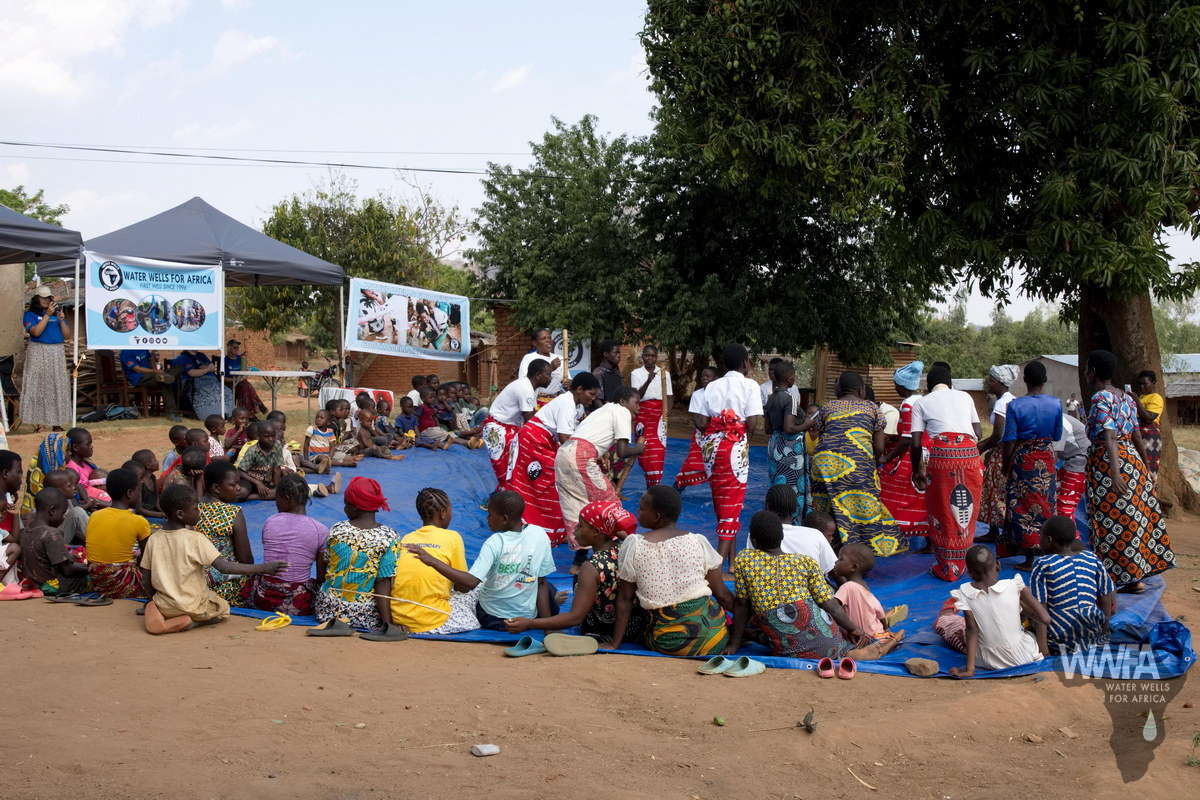
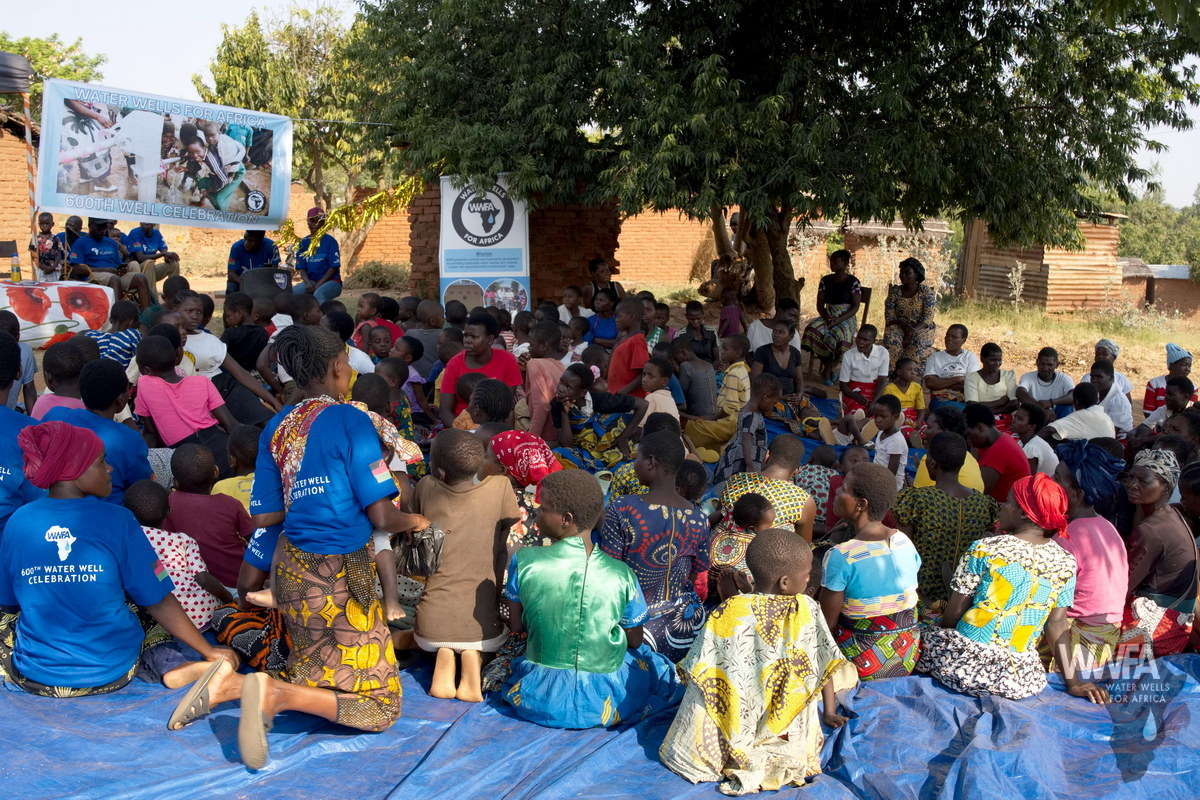
The well was installed on May 31, 2025, but for the community, it feels like the beginning of an entirely new chapter. As the villagers said when the installation trucks arrived, “Wherever you go, there is joy.” And one phrase echoed again and again:
“WWFA is the spring of development.”
Sudala 2 will never be the same.
Video
Photos