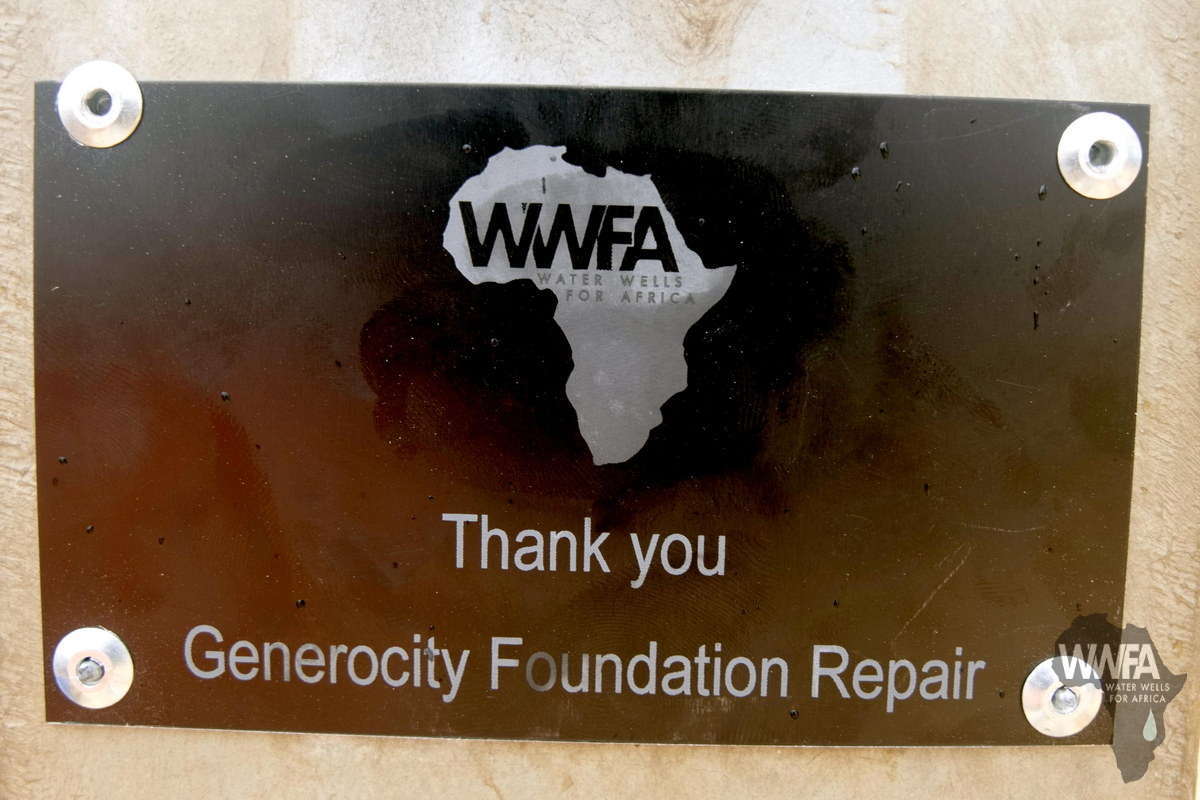

Dedication: Generocity Foundation Repair
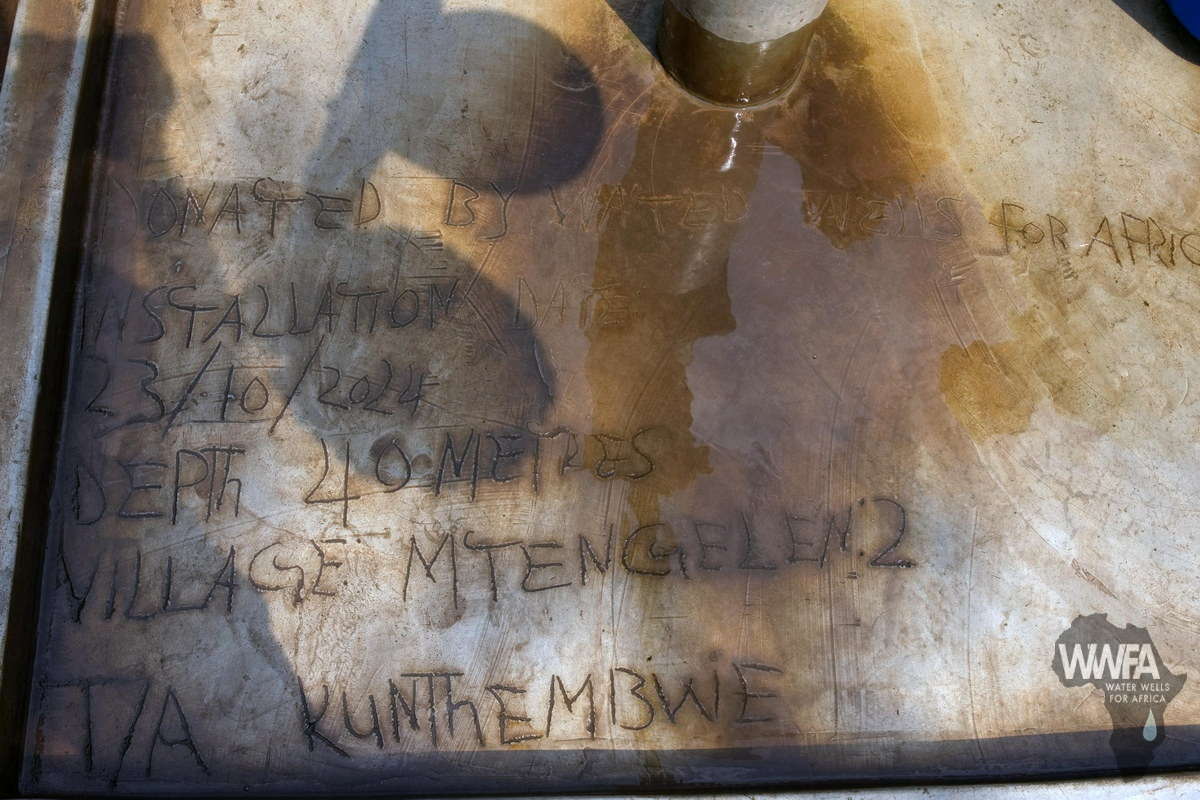
Installation Date: October 22, 2024
Location:
Village: Mtengeleni 2
District: Blantyre
Country: Malawi
GPS Location: See bottom of page.
Stories / Quotes:
Families: 250
Water Committee: 5 men and 5 women
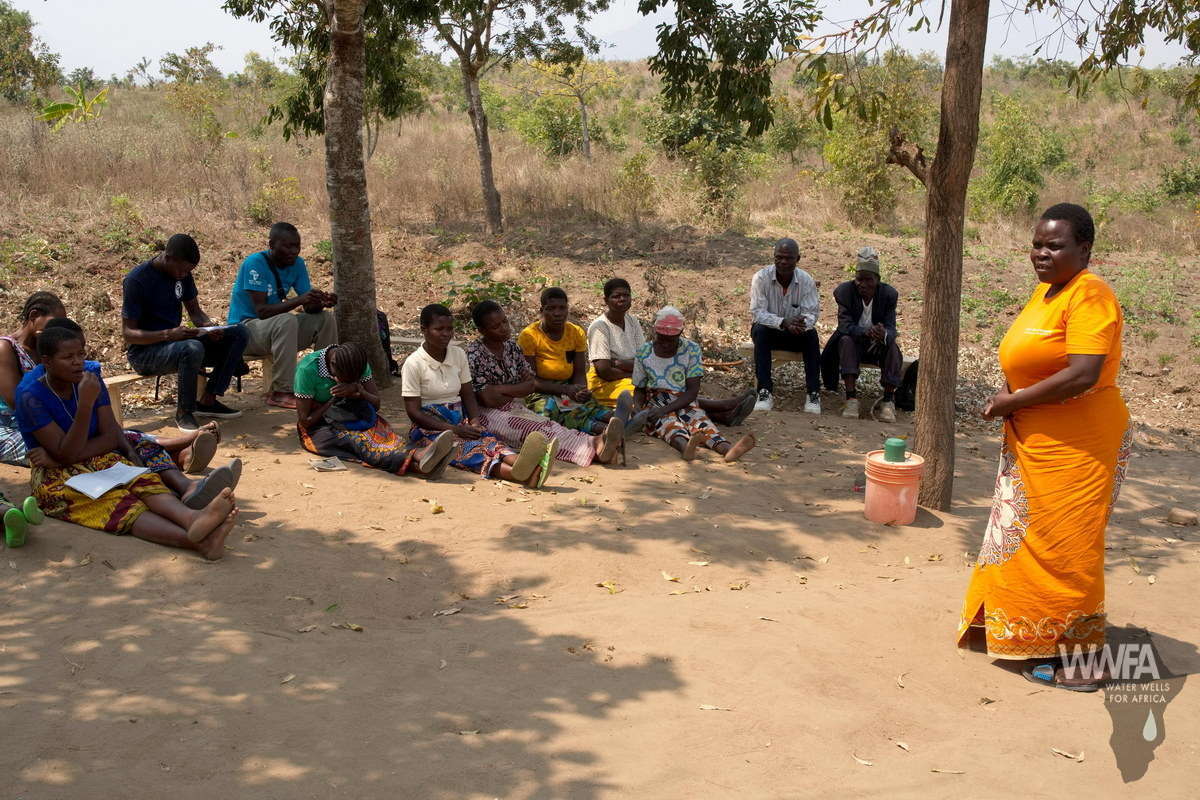
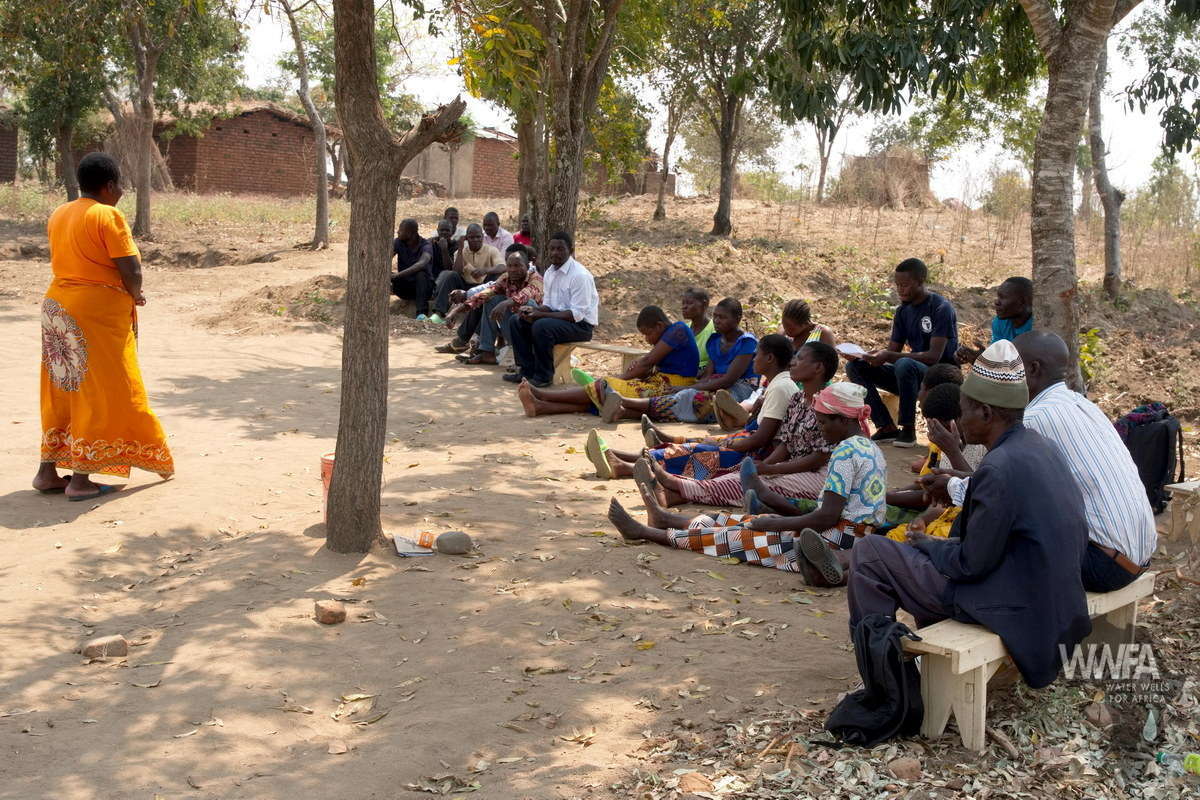
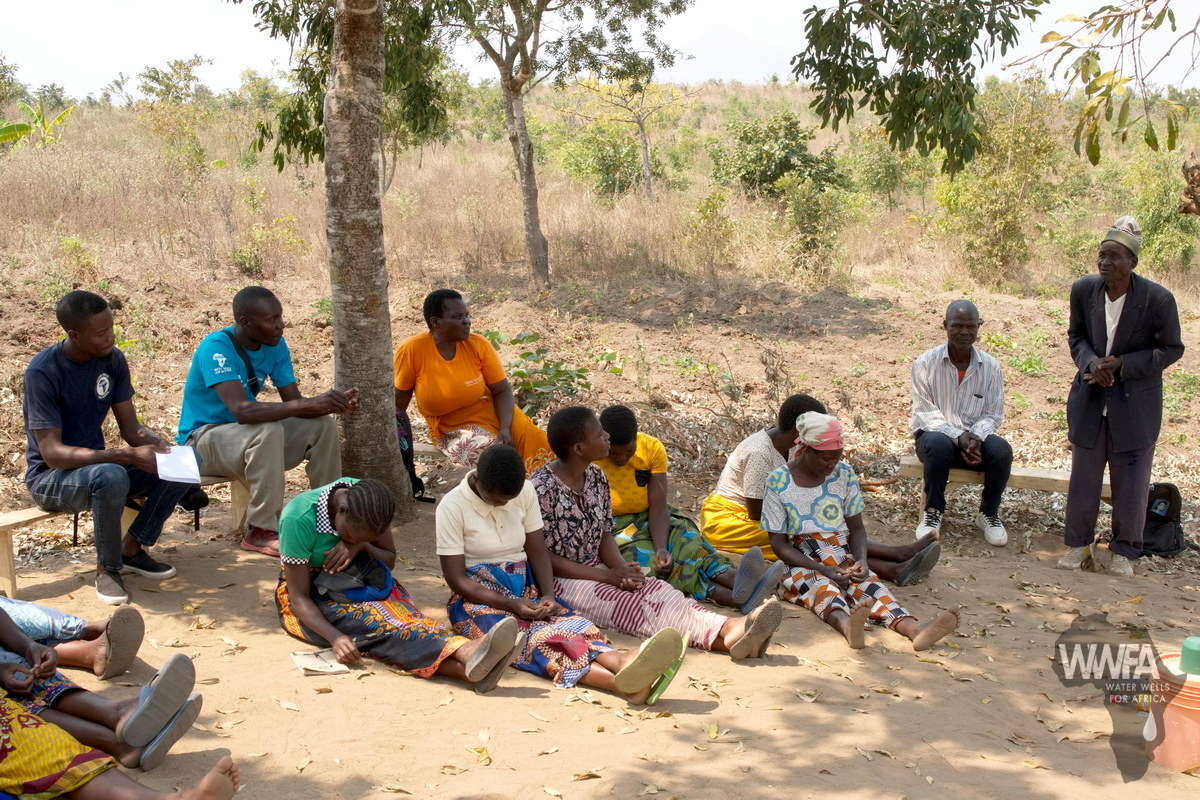
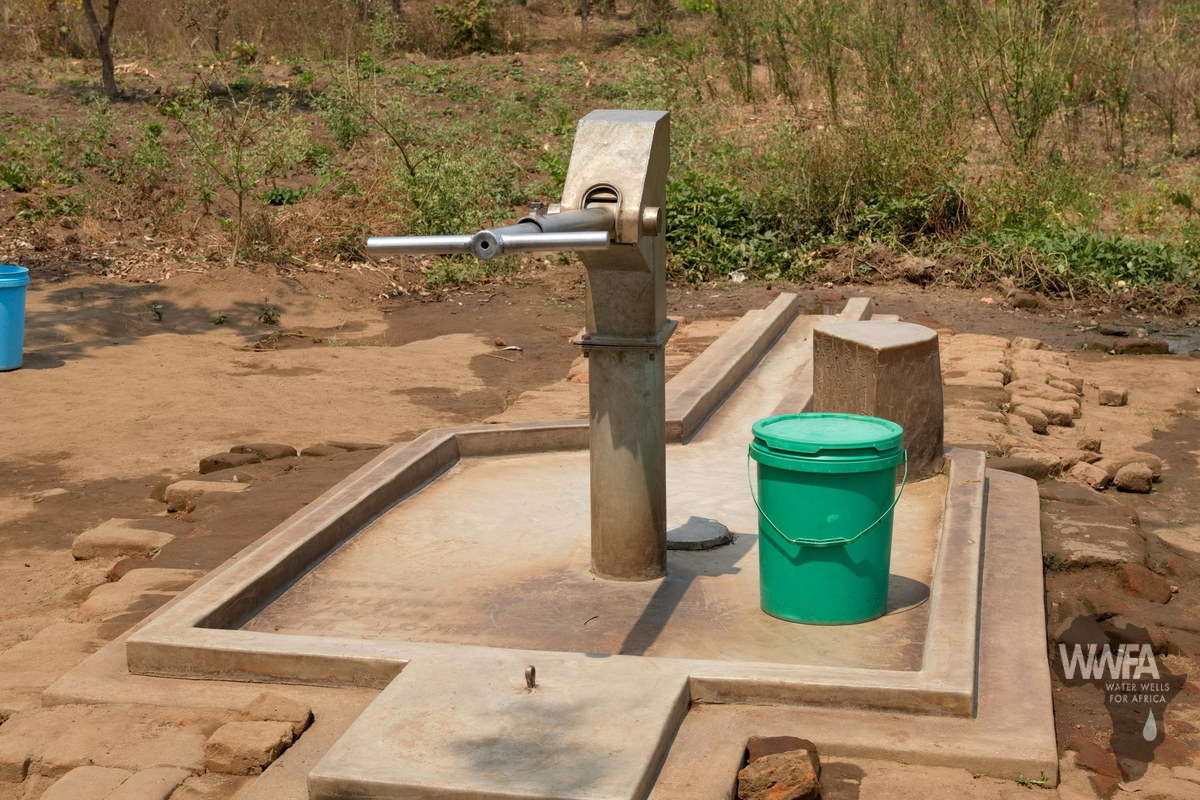
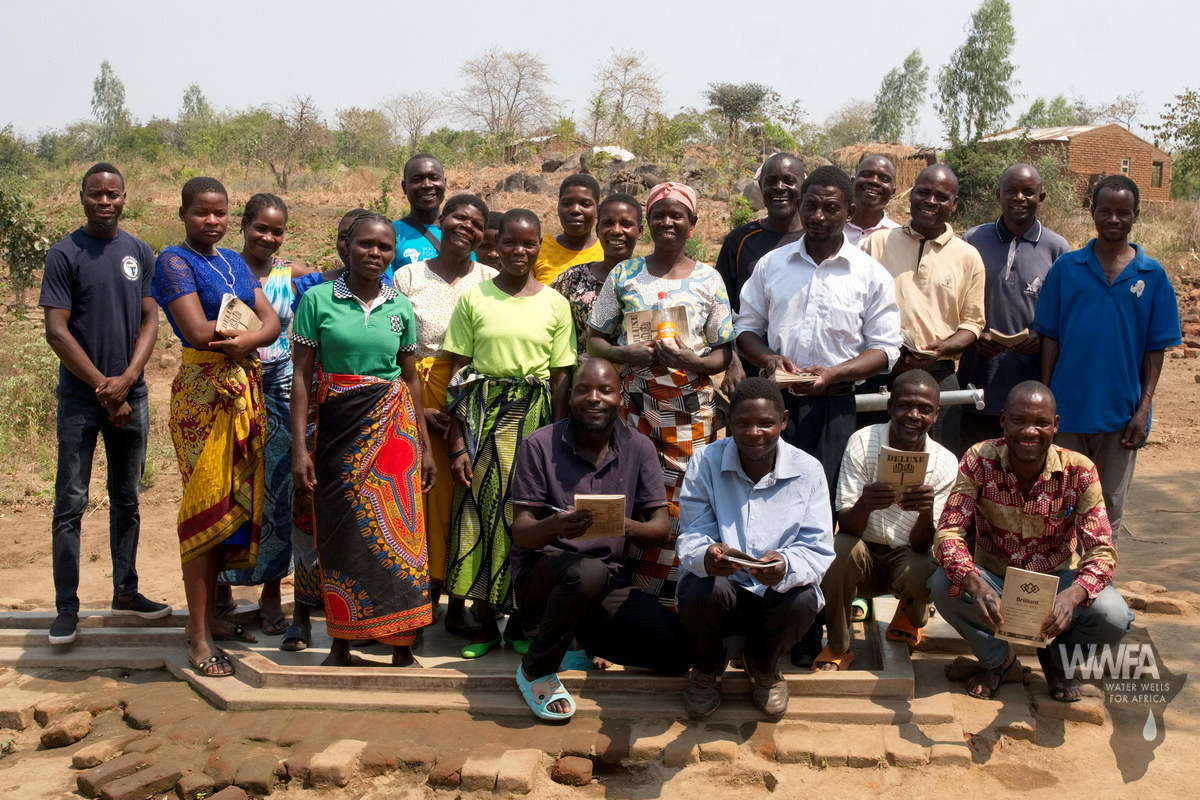
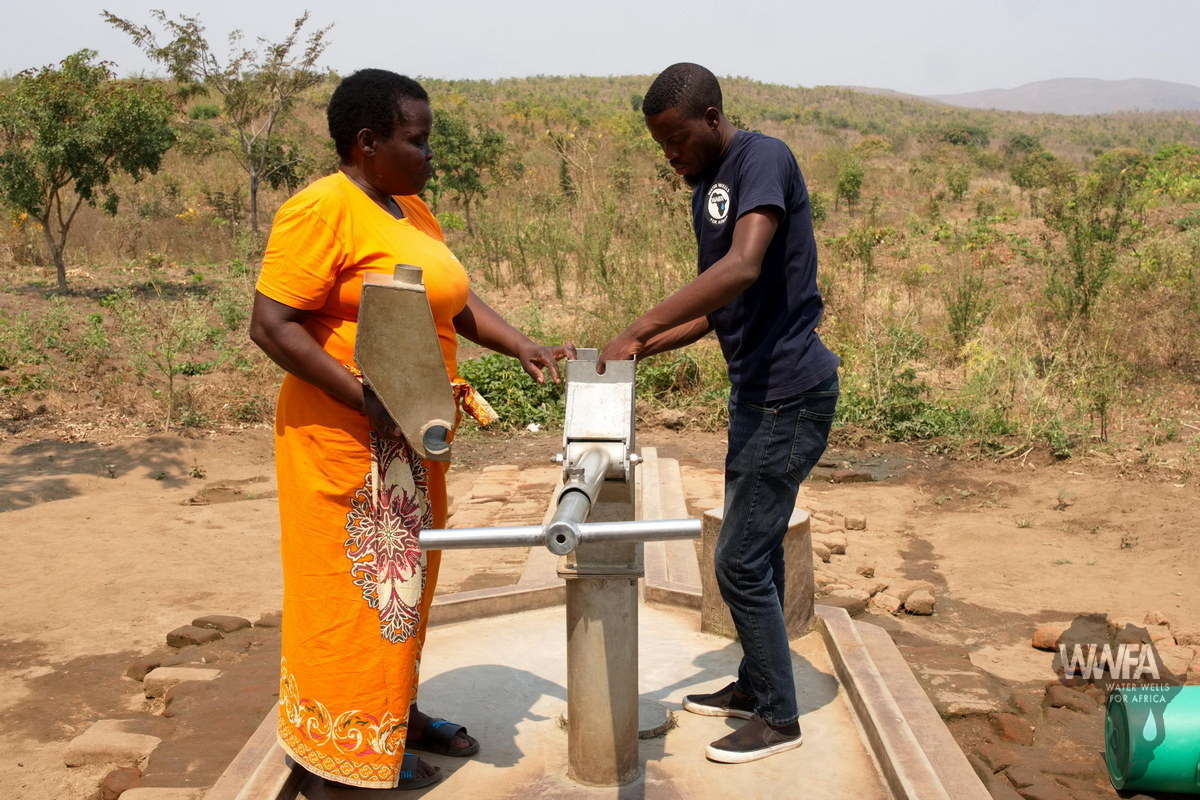
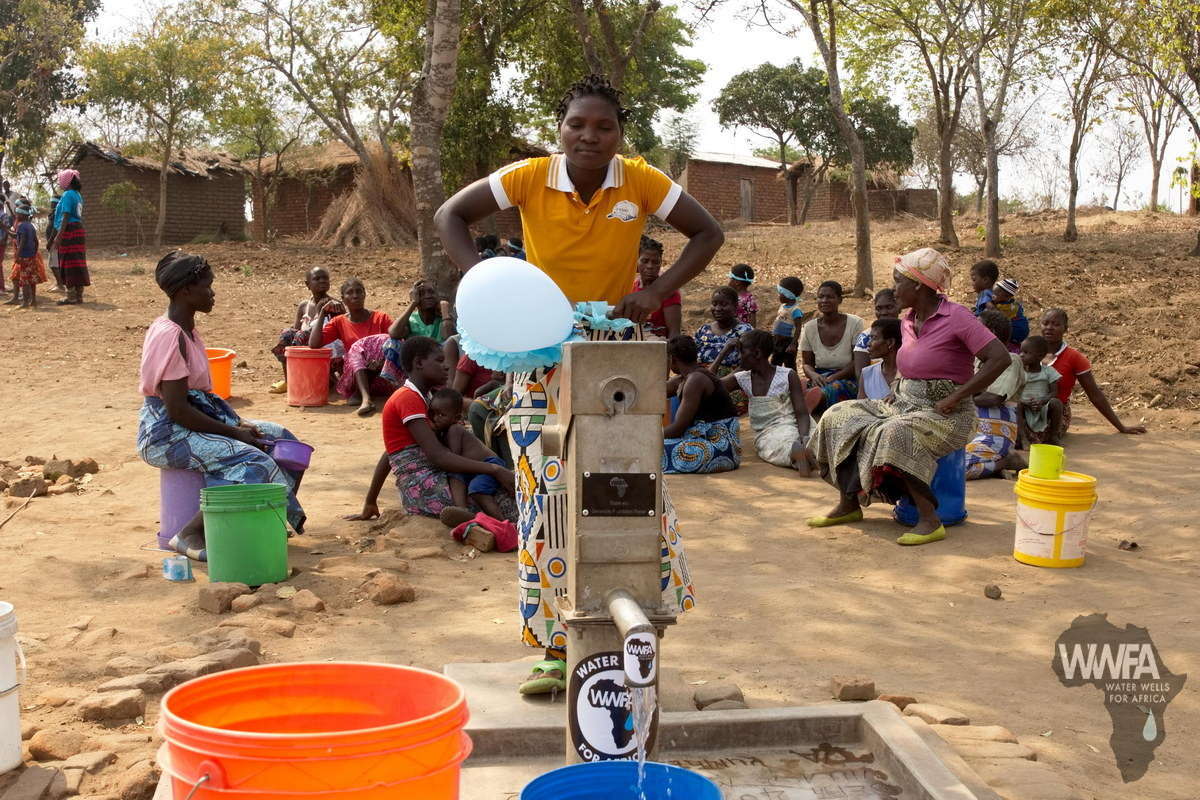
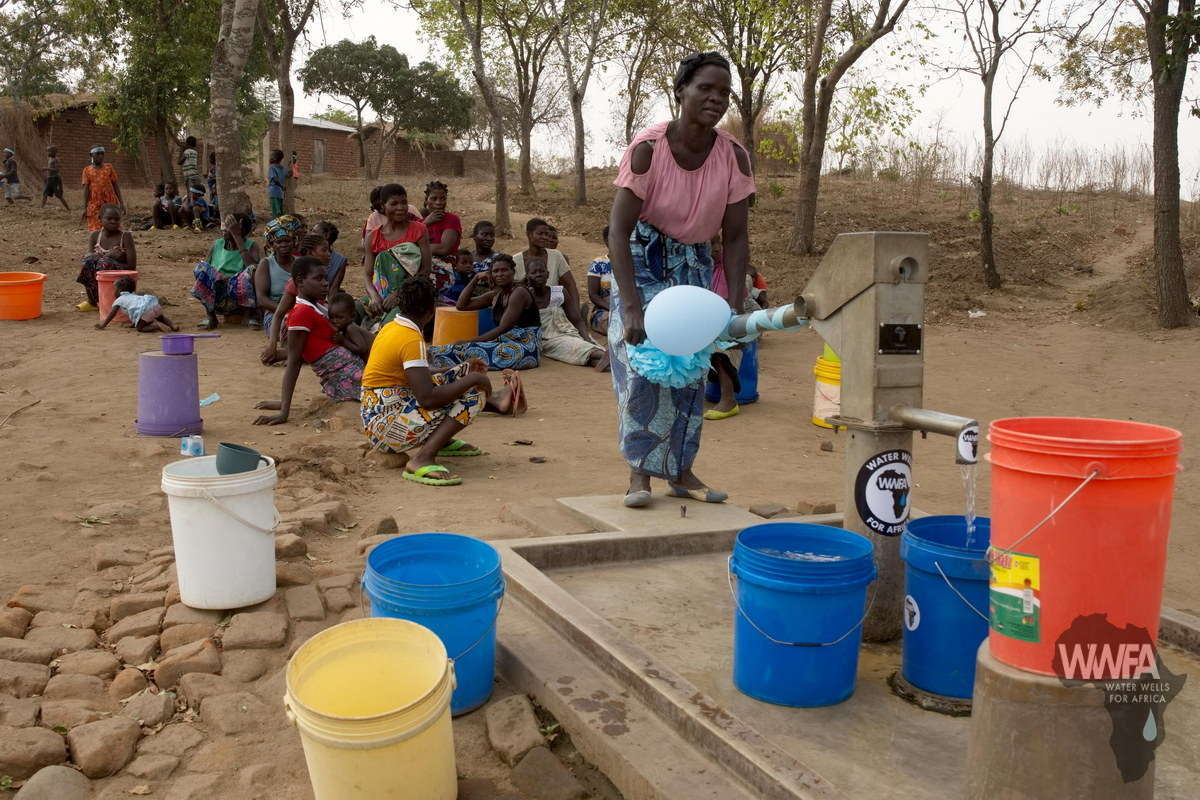
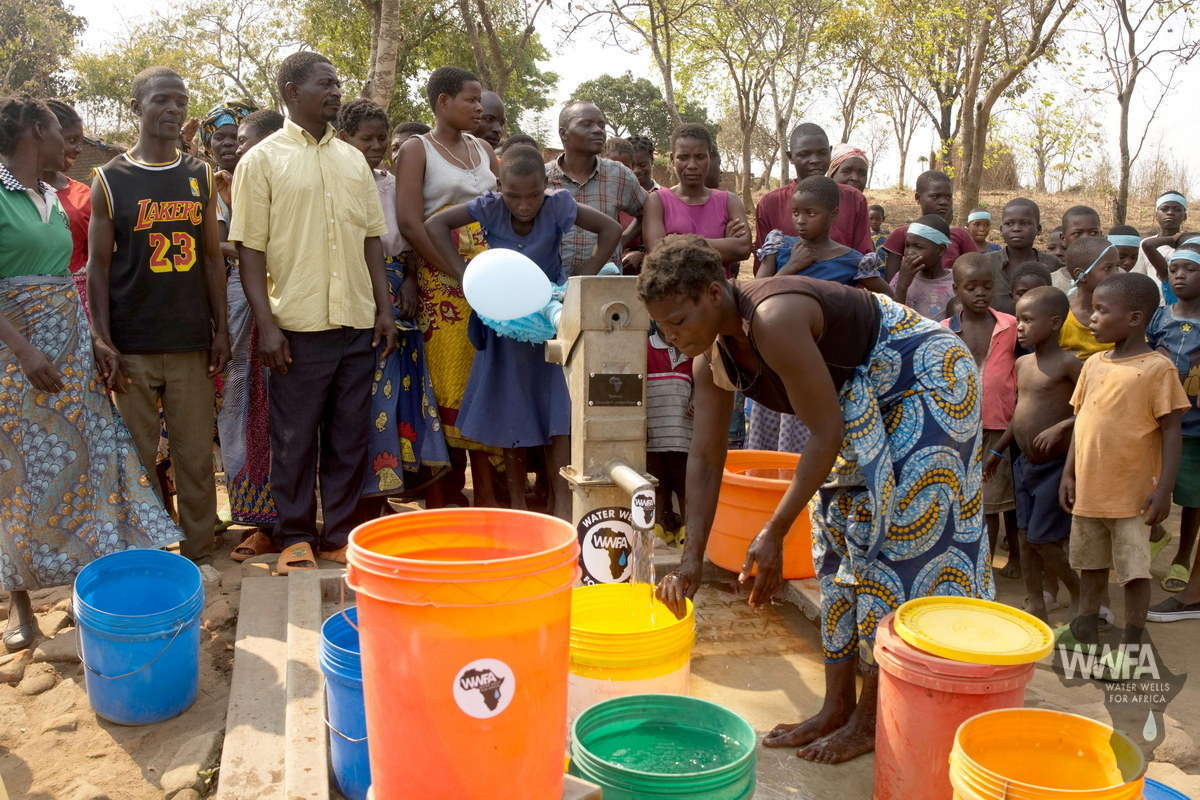
Mtengeleni 2 feels like a village stepping into a new chapter. The pride is unmistakable—this is the first time women have ever been elected into leadership, and they speak about it with a mix of excitement and determination. The water committee says the CBM training changed everything for them. Before, they didn’t know how a well worked or how to maintain it. Now they feel confident repairing it, planning ahead for upkeep, and working together as a unified team.
Families here have lived in this area for generations, long before there was any access to clean water. For years, they depended on the river two kilometers away. To get water, they dug a shallow pit—four meters deep—right in the riverbed. During the dry season, they dug even deeper, always chasing water that was never enough. It could take an entire hour just to fill one bucket. Tensions ran high. Fights broke out at the river. Suspicion grew within marriages as women spent hours walking, waiting, and digging for water. Many relationships didn’t survive the strain.
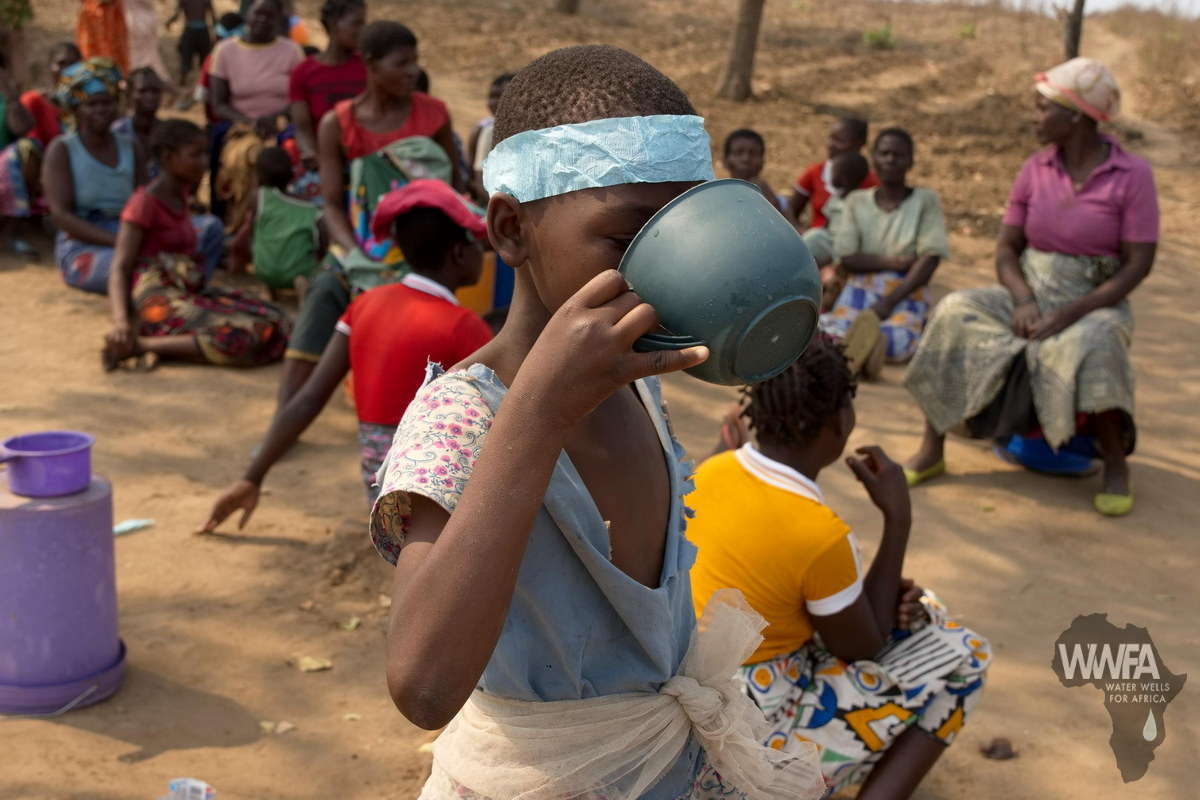
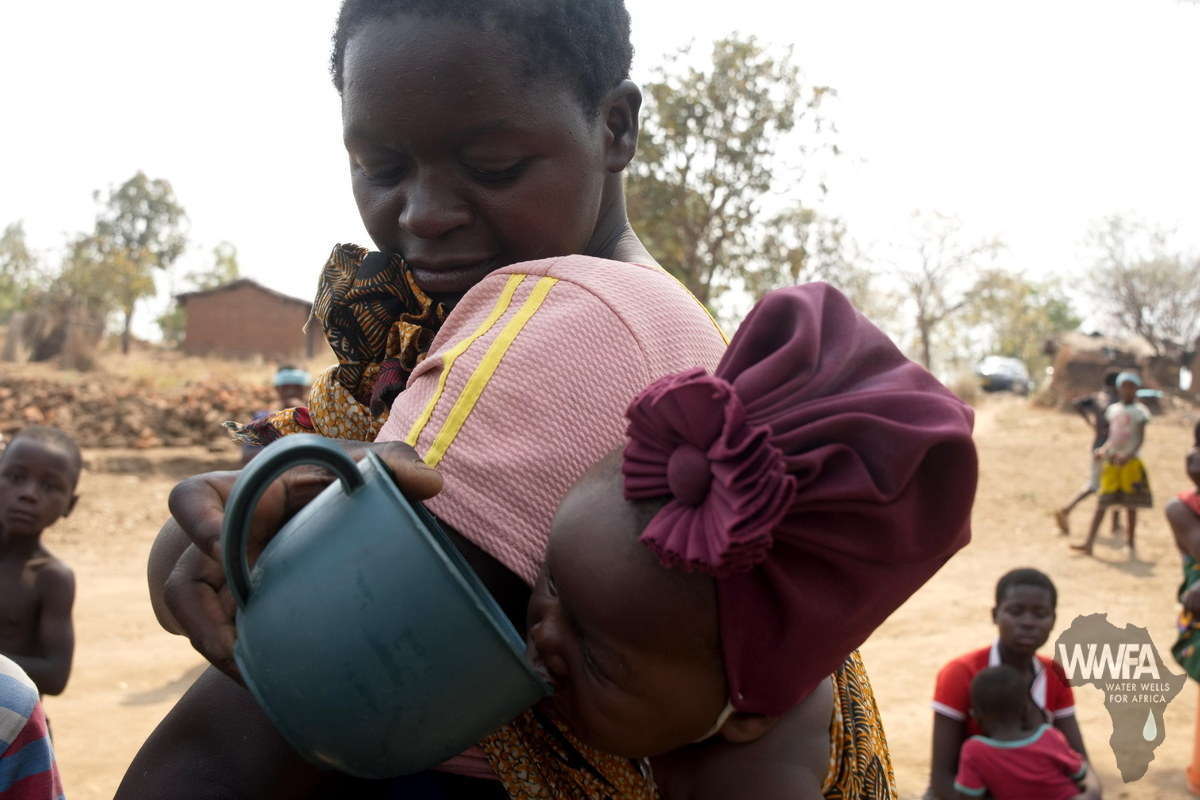
Health struggles were constant. Cholera, diarrhea, and bilharzia swept through the village. Families made multiple clinic trips every month, often carrying sick relatives long distances. But since the water well was installed last year, they say no one has been sick.
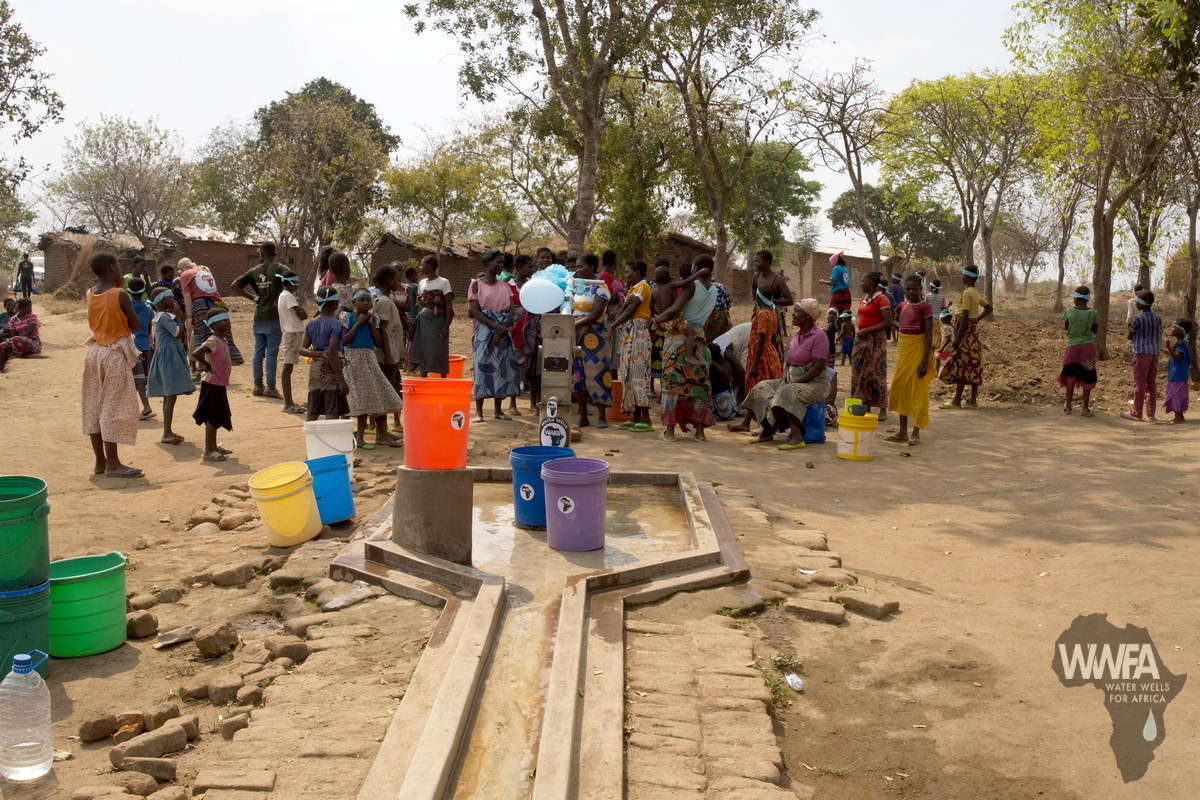
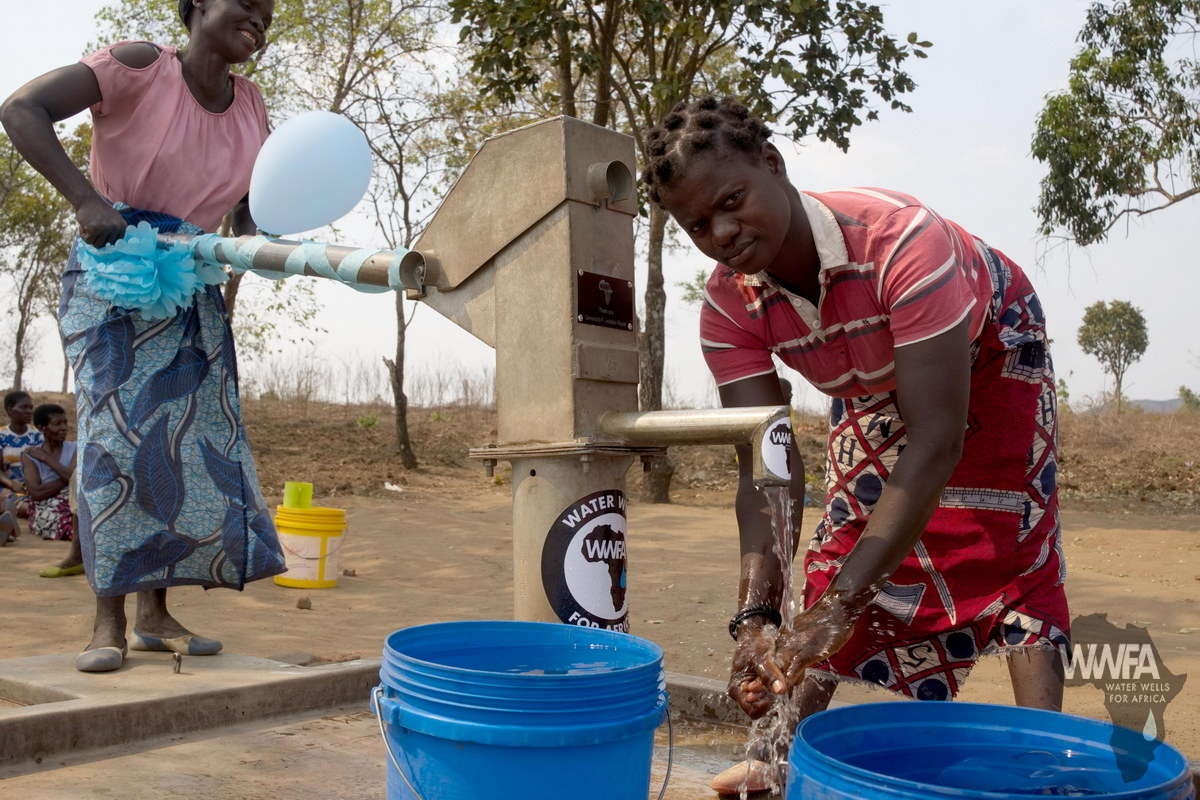
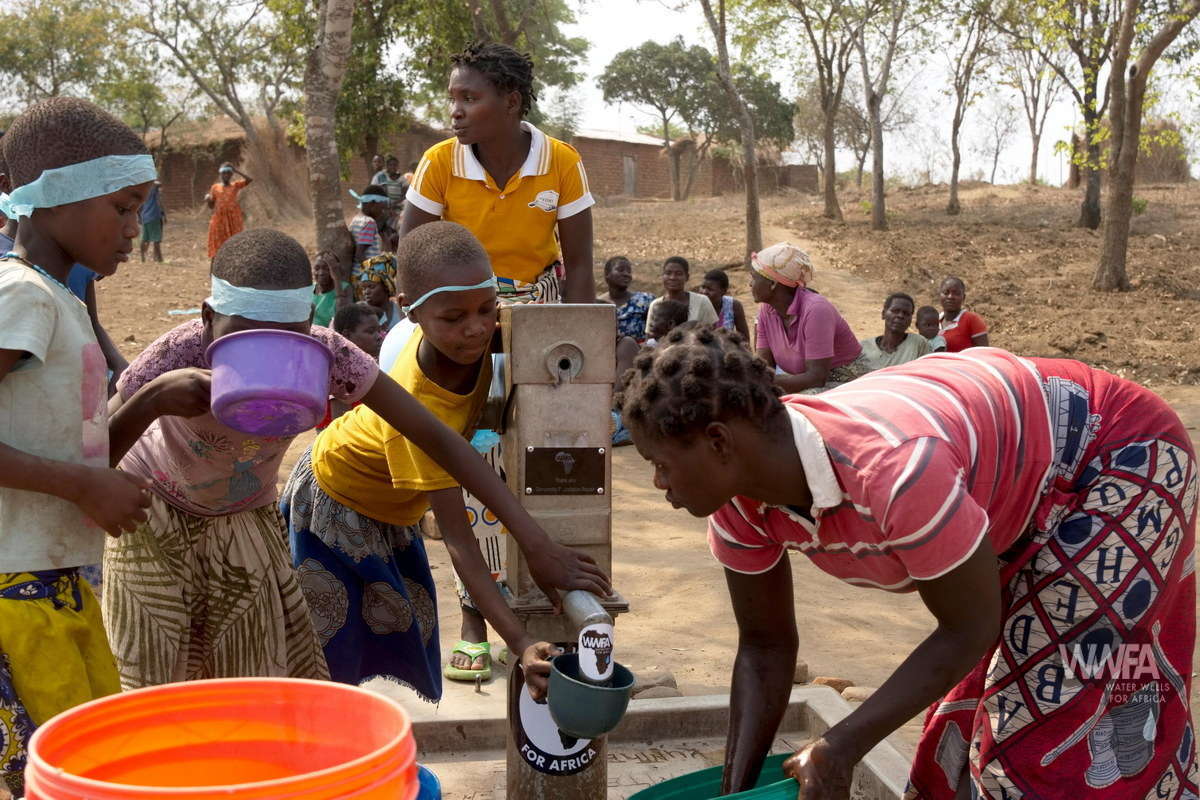
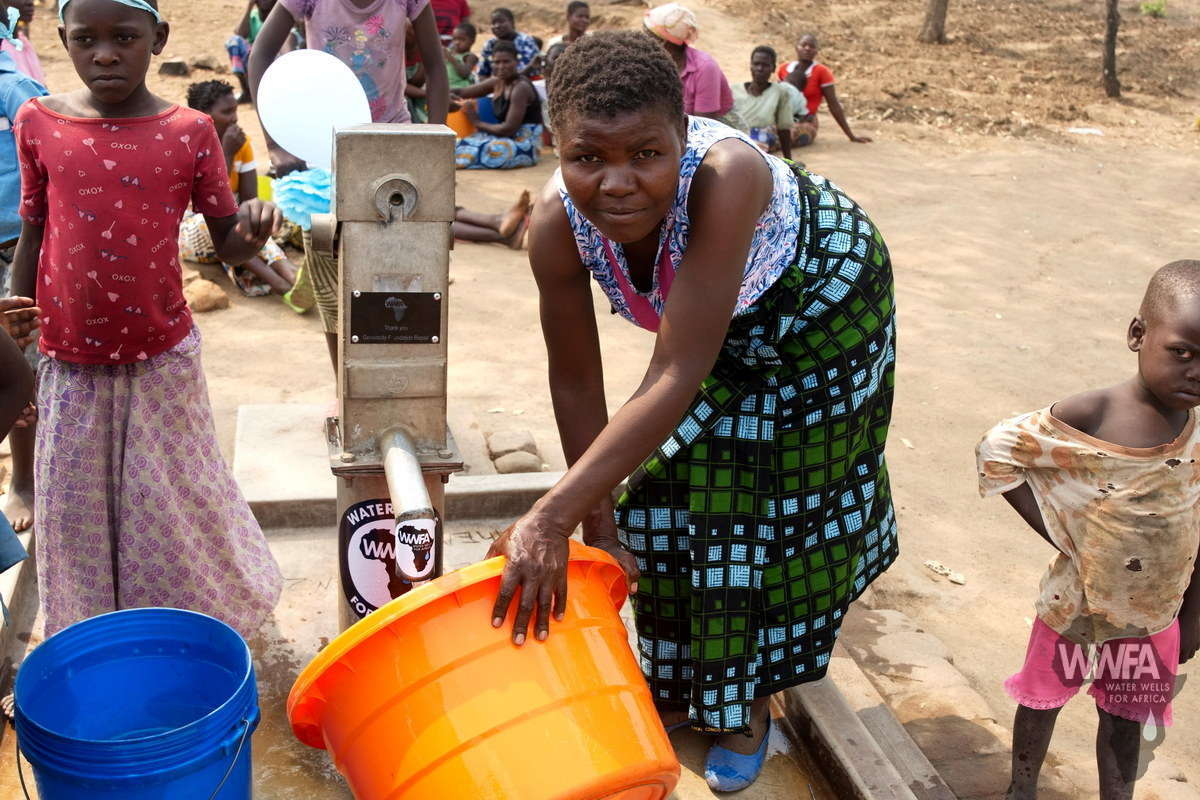
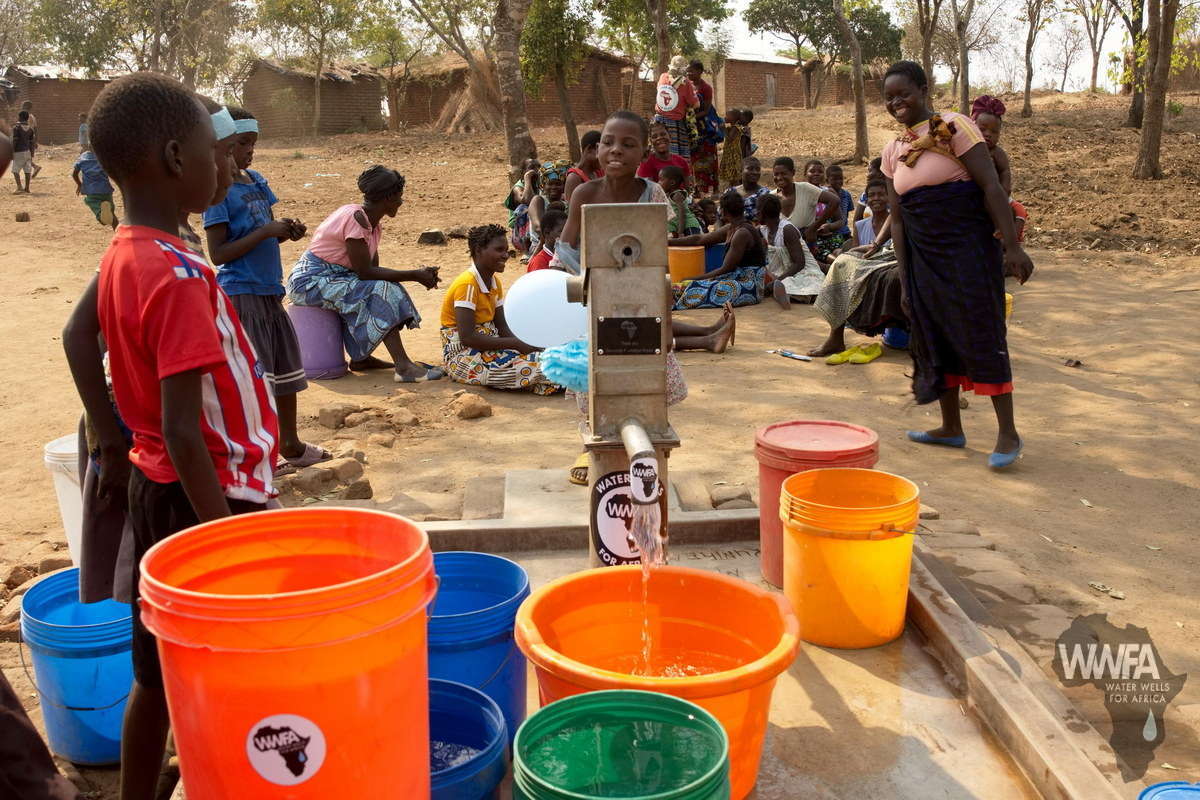
The transformations are immediate and visible. A family that once brought home three buckets a day can now collect six. “Now it’s like a lake—we get water whenever we want,” one woman said with a grin. People bathe daily now and no longer deal with the skin rashes caused by river water. Clean laundry hangs outside many homes, something they never had time or water for before.
The parents spoke most passionately about their daughters. Before the well, girls often missed school because they spent hours fetching water—and sometimes the long absences led to heartbreaking consequences. Unwanted pregnancies were common. “They would be gone for seven hours,” one mother said. “We didn’t know what was happening.” Now girls are in class, on time, every day.
Domestic conflict has decreased. There is peace at the well, and the women say they finally feel safe. Families are farming again—maize, cassava, sweet potatoes—and home gardens are growing stronger than ever. With more time, people are also able to pay their village bank loans through service work they previously had no capacity to complete. Houses are being built. Bricks are being molded. Life feels manageable again.
And the children are dreaming.
Sarah wants to be a nurse.
Rachel hopes to be a doctor.
Fern dreams of becoming an agriculture advisor.
Stella wants to be a teacher.
In Mtengeleni 2, clean water didn’t just solve a daily burden—it restored health, strengthened families, and reopened the future for an entire generation.
Video
Photos