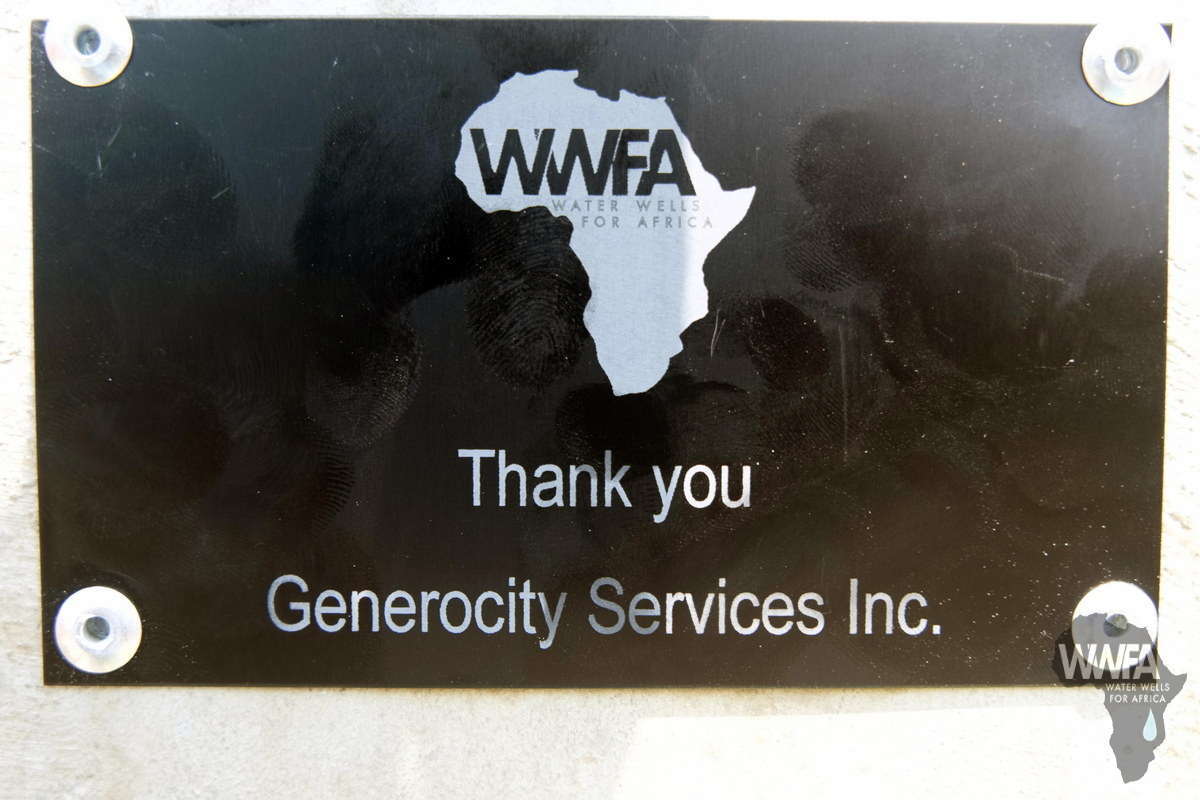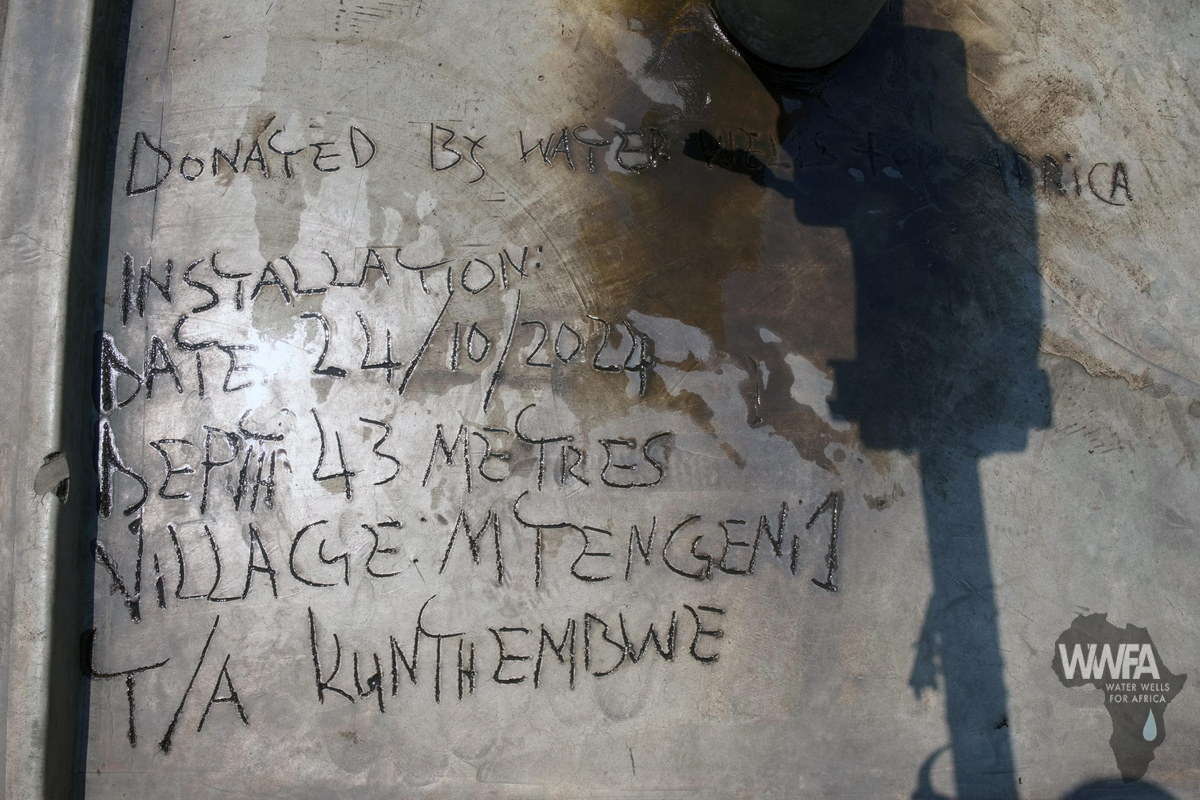


Dedication: Generocity Services Inc.
Installation Date: October 24, 2024
Location:
Village: Mtengeleni 1
District: Blantyre
Country: Malawi
GPS Location: See bottom of page.
Stories / Quotes:
Families: 150 + 2 villages
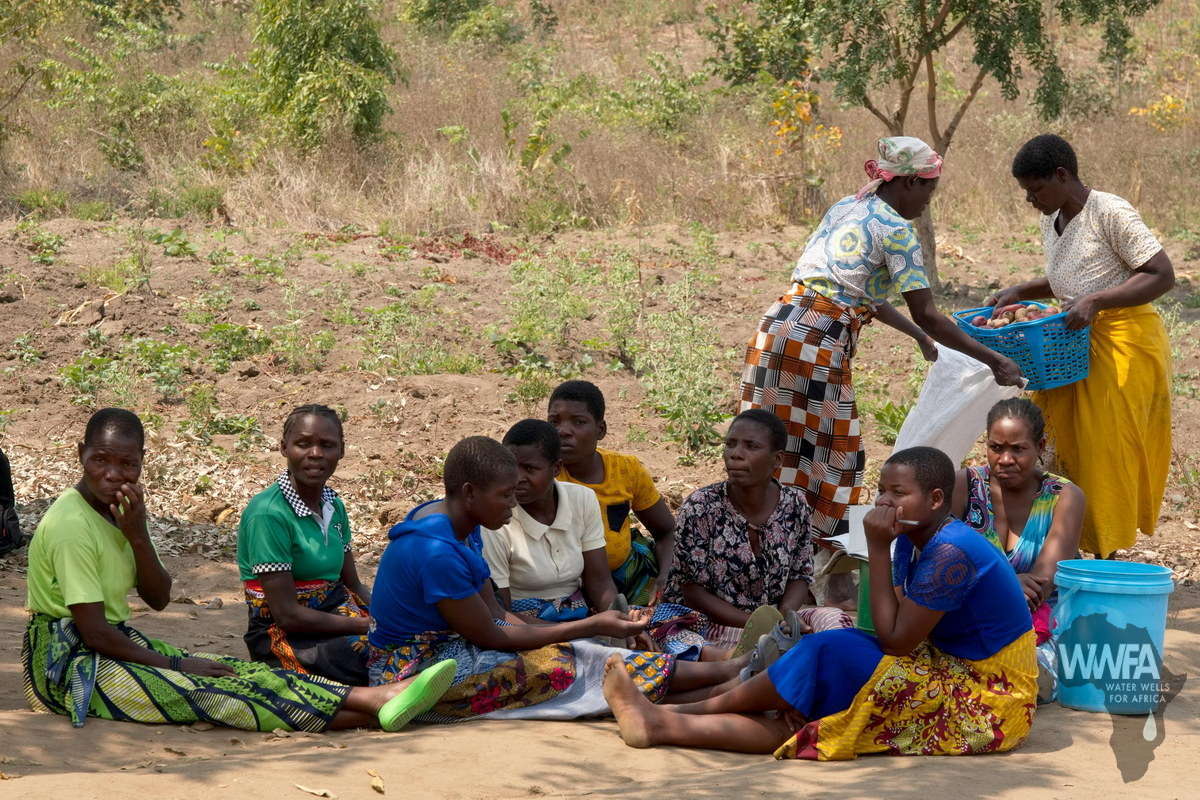
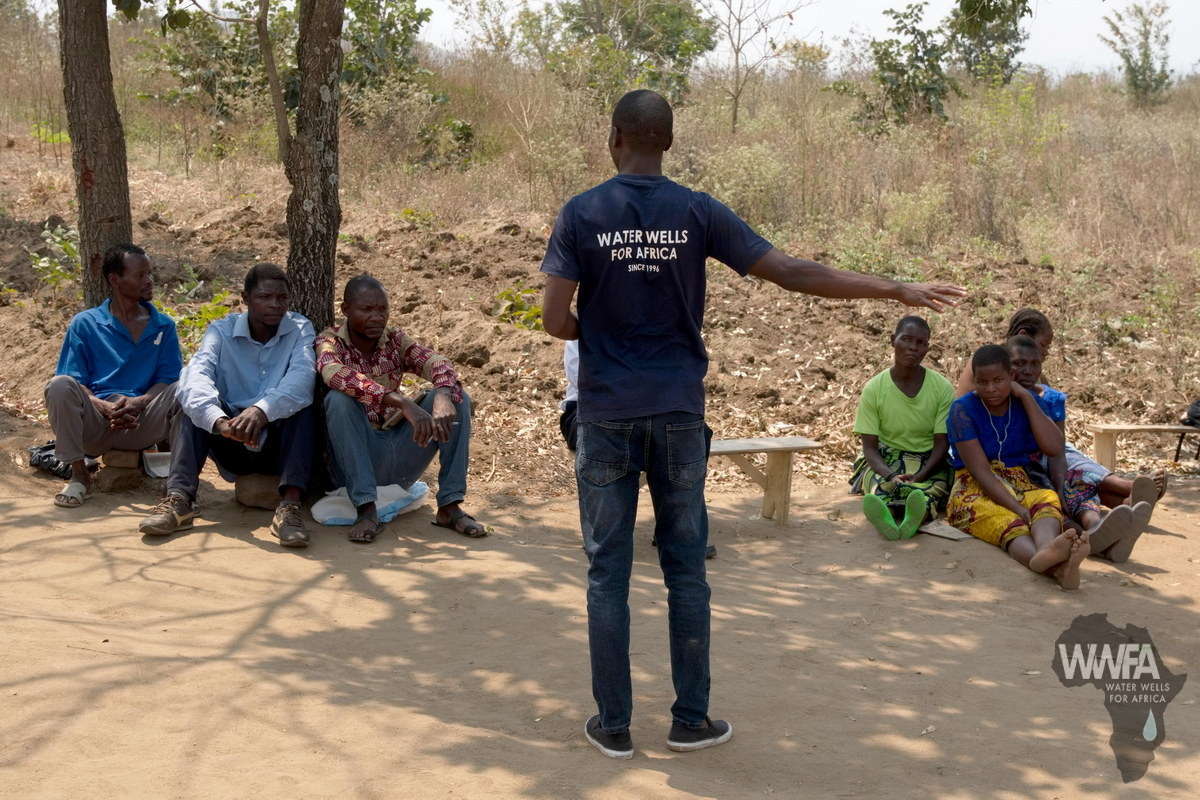
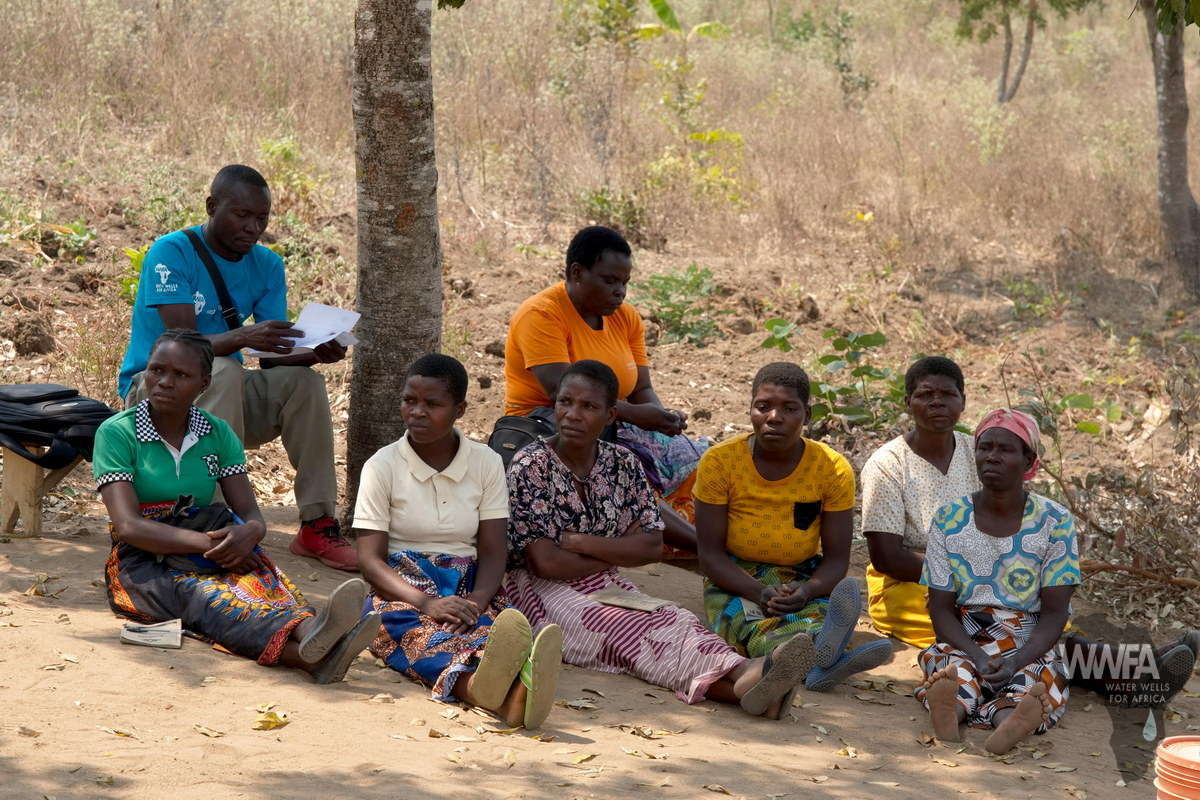
Water Committee: 5 men and 5 women
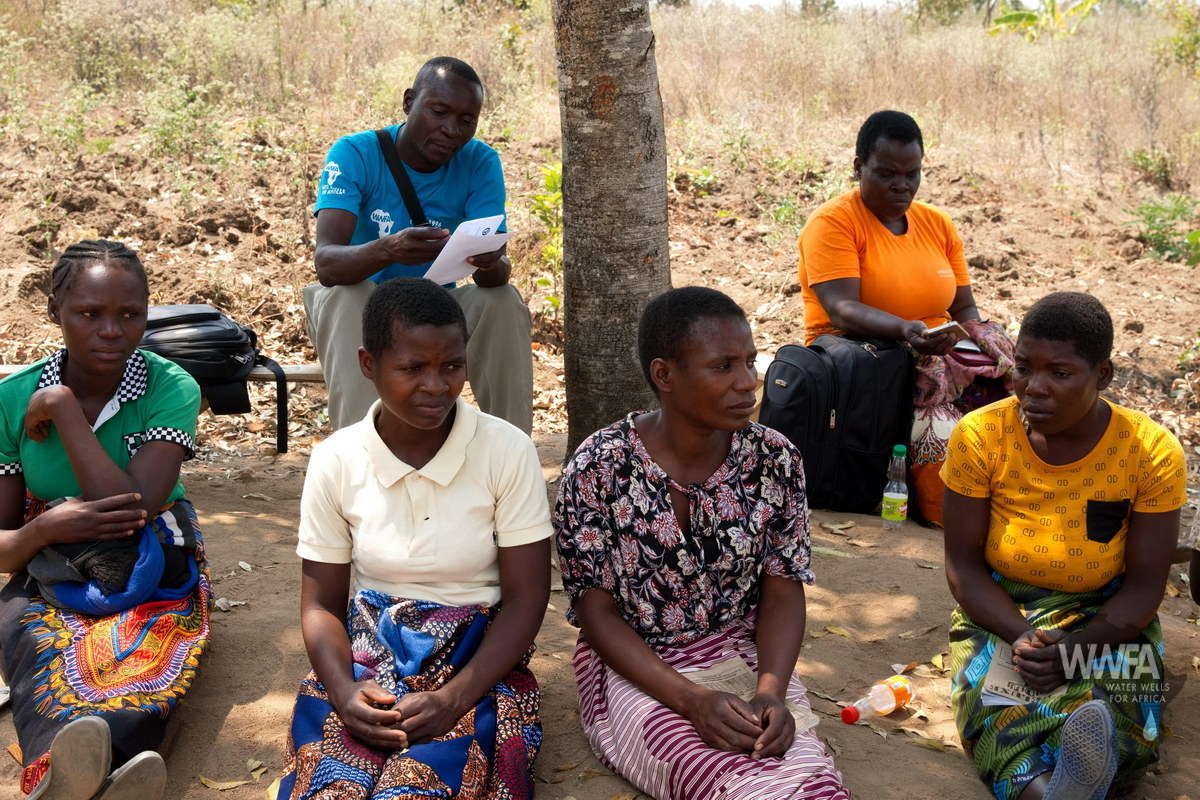
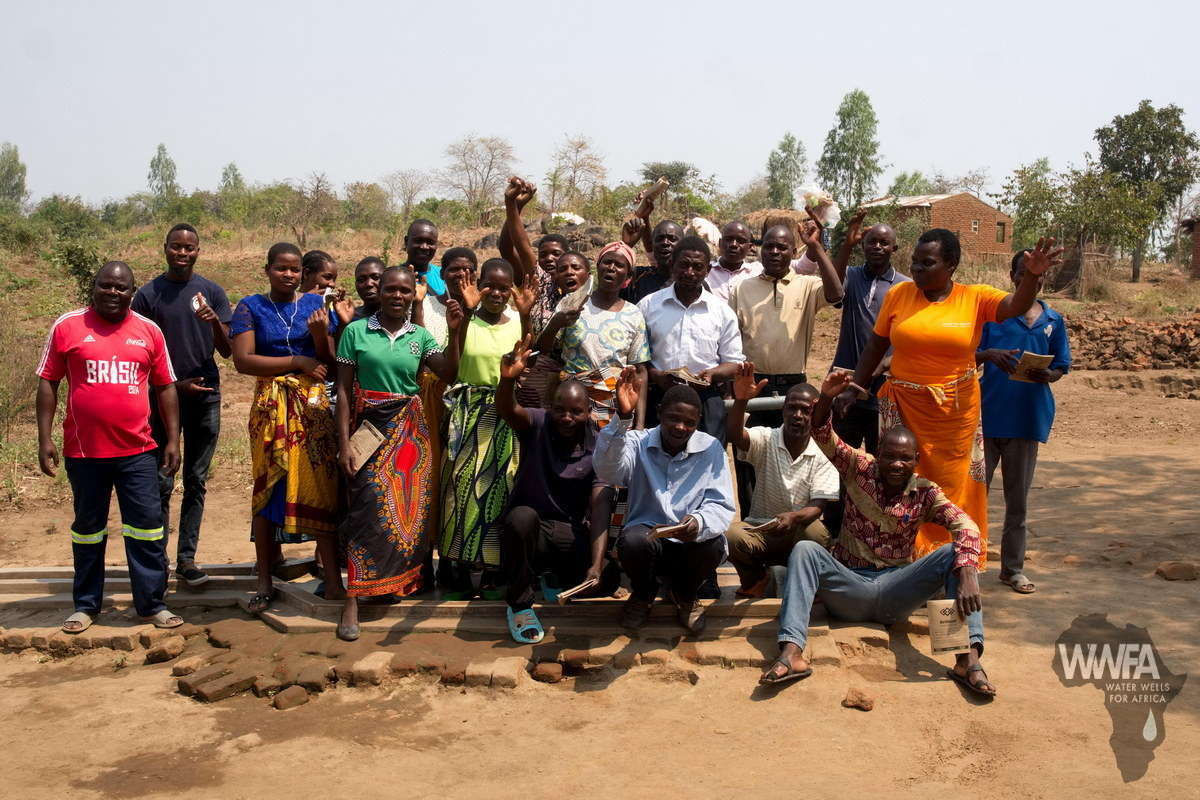
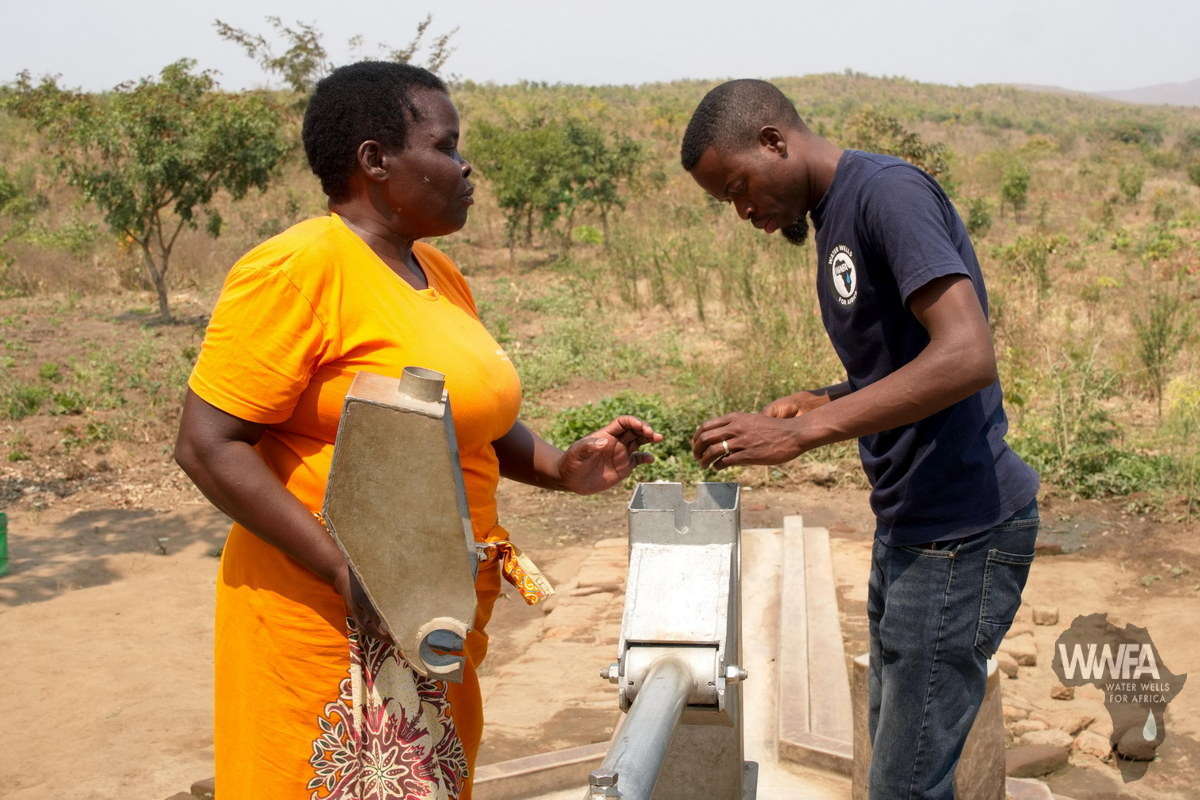
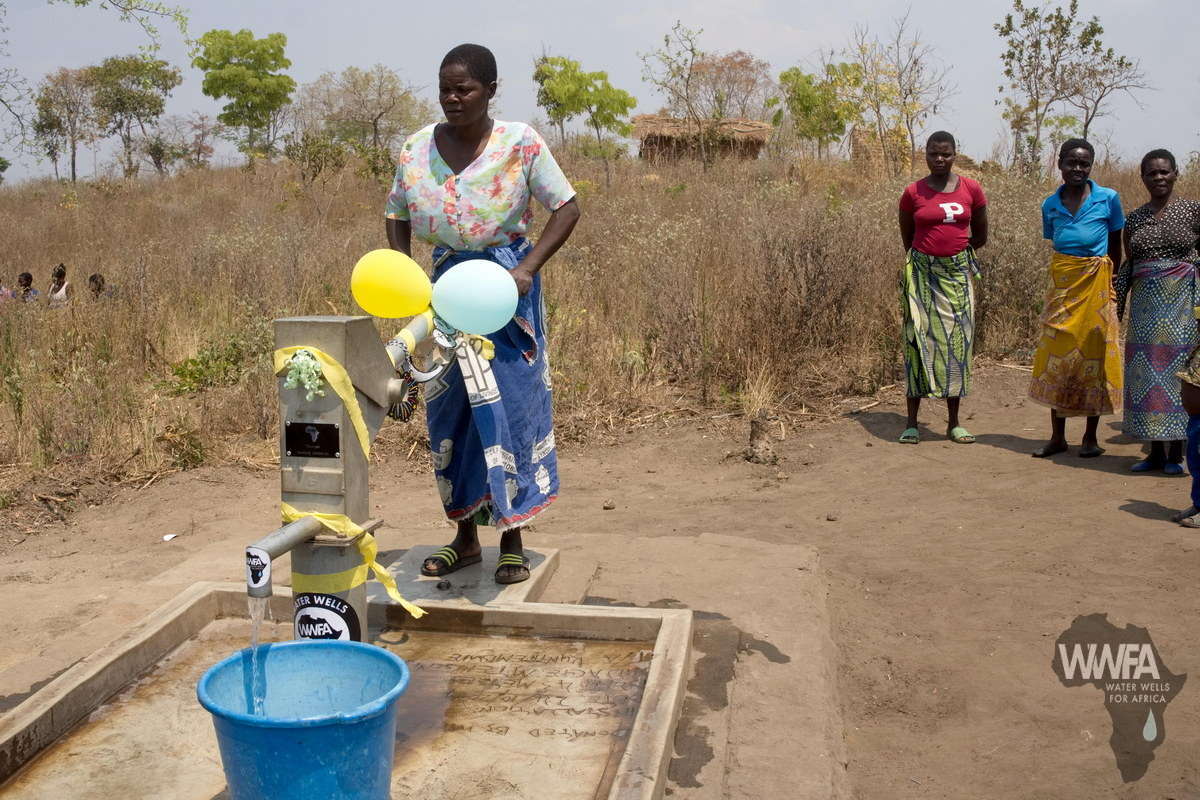
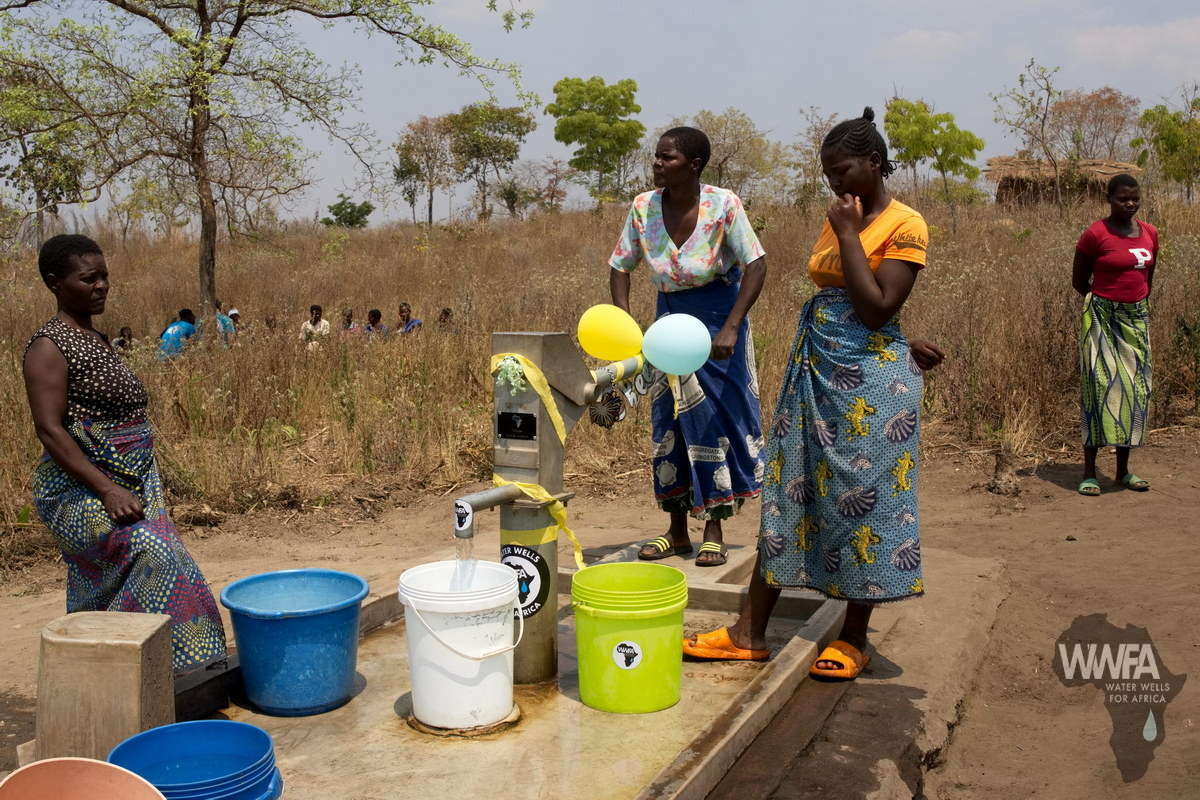
What stands out first in Mtengeleni 1 is the pride of the women who now serve in leadership for the very first time. The water committee—newly trained and newly confident—spoke openly about how empowered they feel after their CBM training, convinced they can now solve problems that once felt far beyond their reach.
Everyone here grew up in this village, and everyone shared the same memory: long walks to the river, three and a half kilometers away. There was another well in the area, but the village on the other side had priority, so most families simply gave up trying. They returned to the river even though worms lived in the water, even though the riverbed often dried so deeply that they would dig “until a person could disappear” into the trench, and even though they might walk all morning and return around noon with just one bucket.
Cholera and diarrhea swept through the community for years. Children were hit the hardest. Four villagers died. Others were carried five kilometers on homemade stretchers to reach the clinic—sometimes as often as five times in a single month.
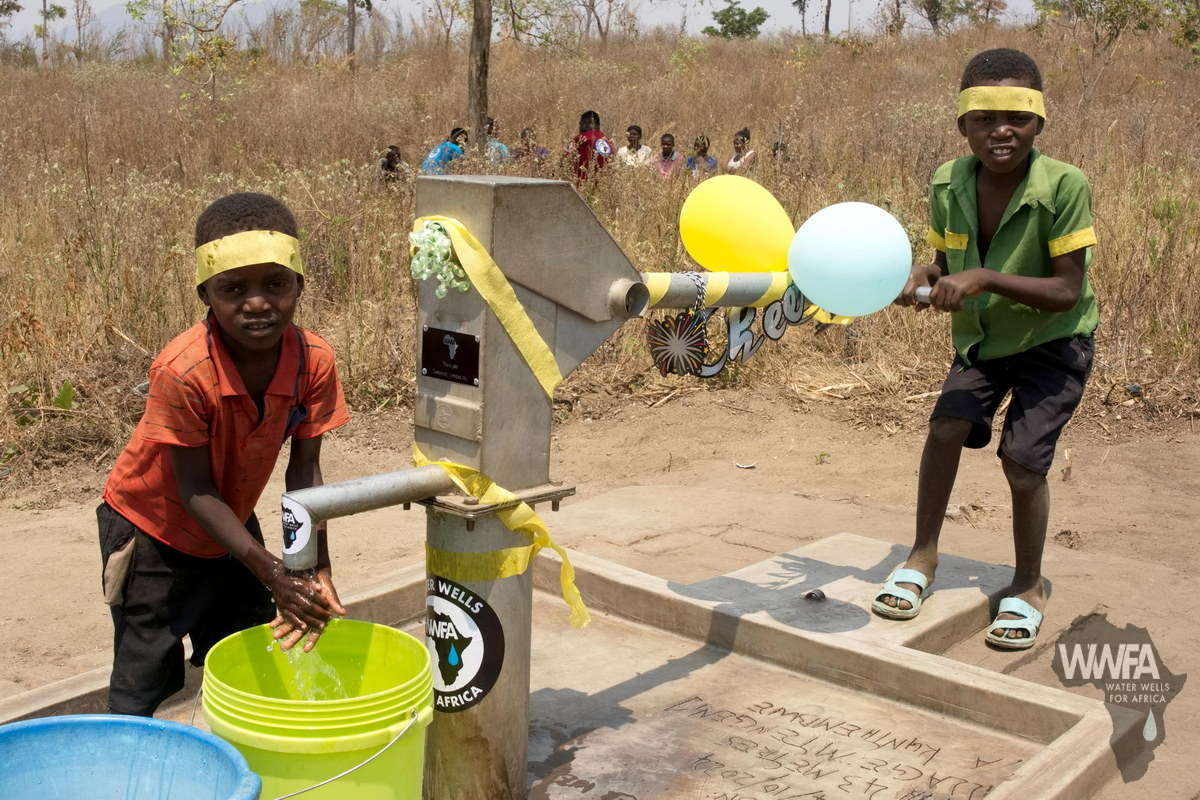
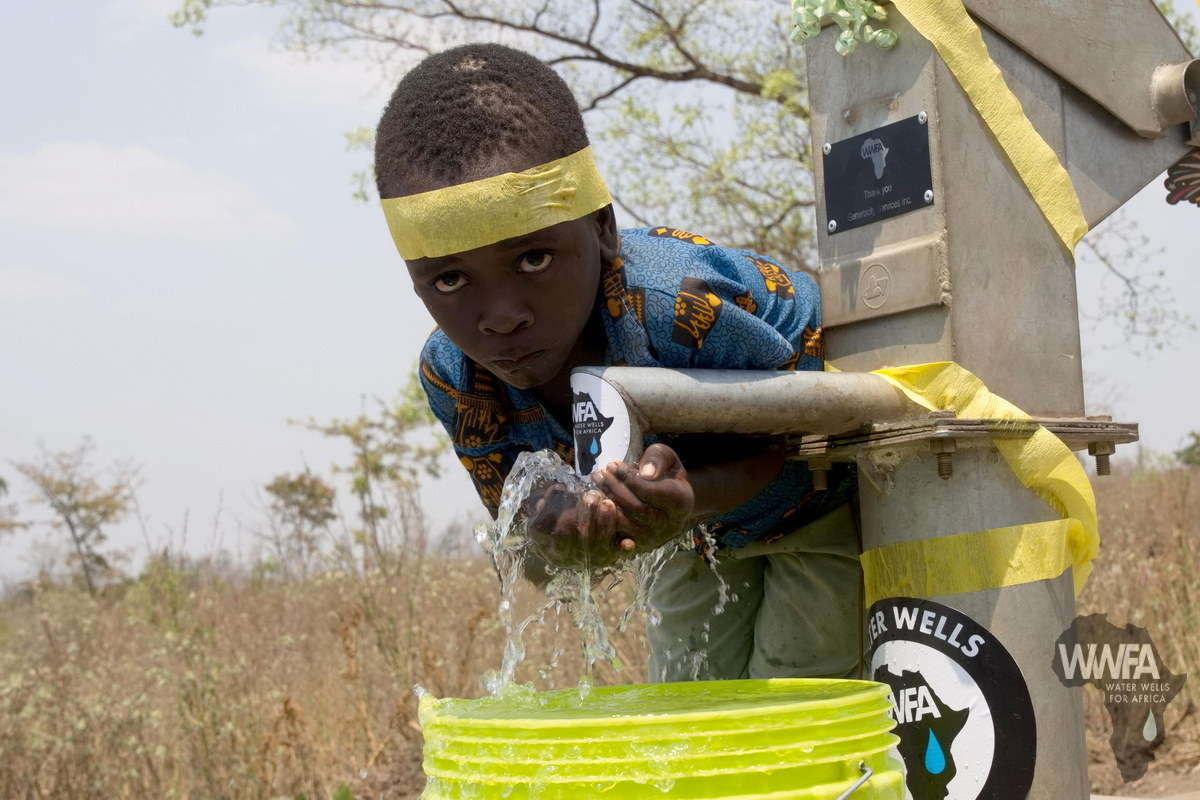
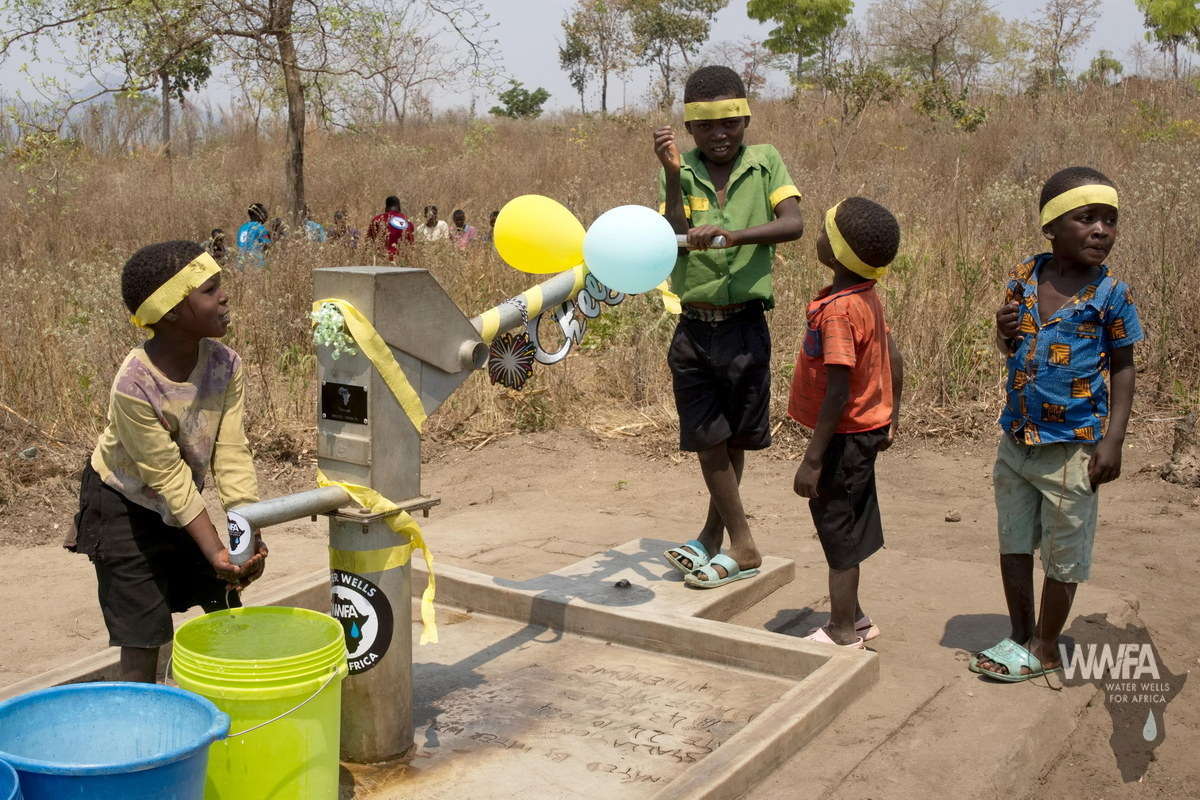
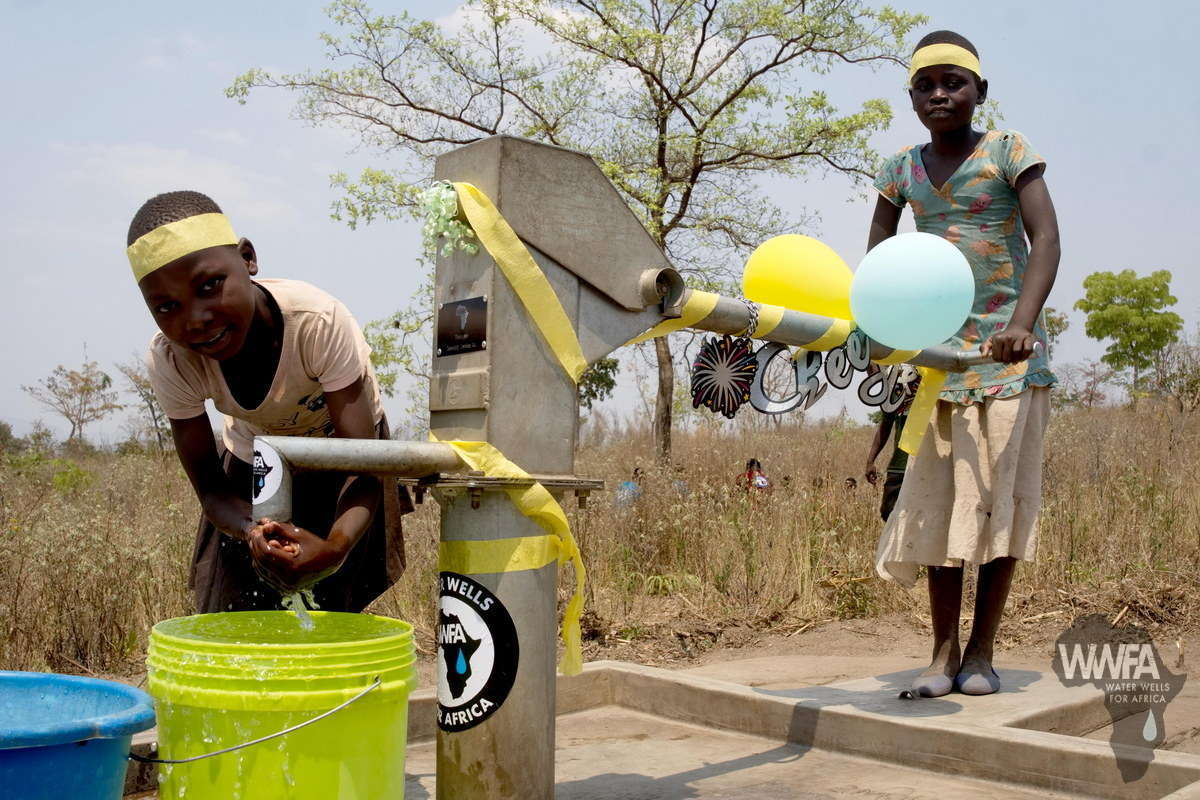
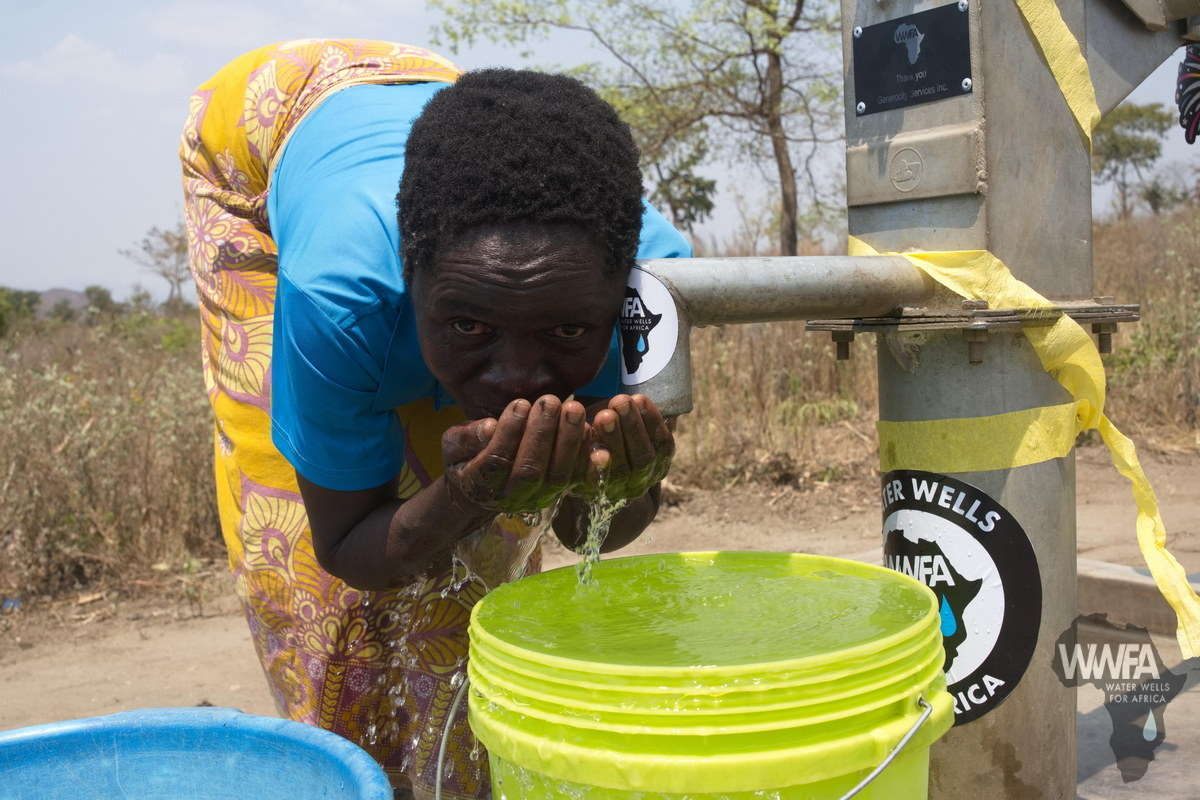
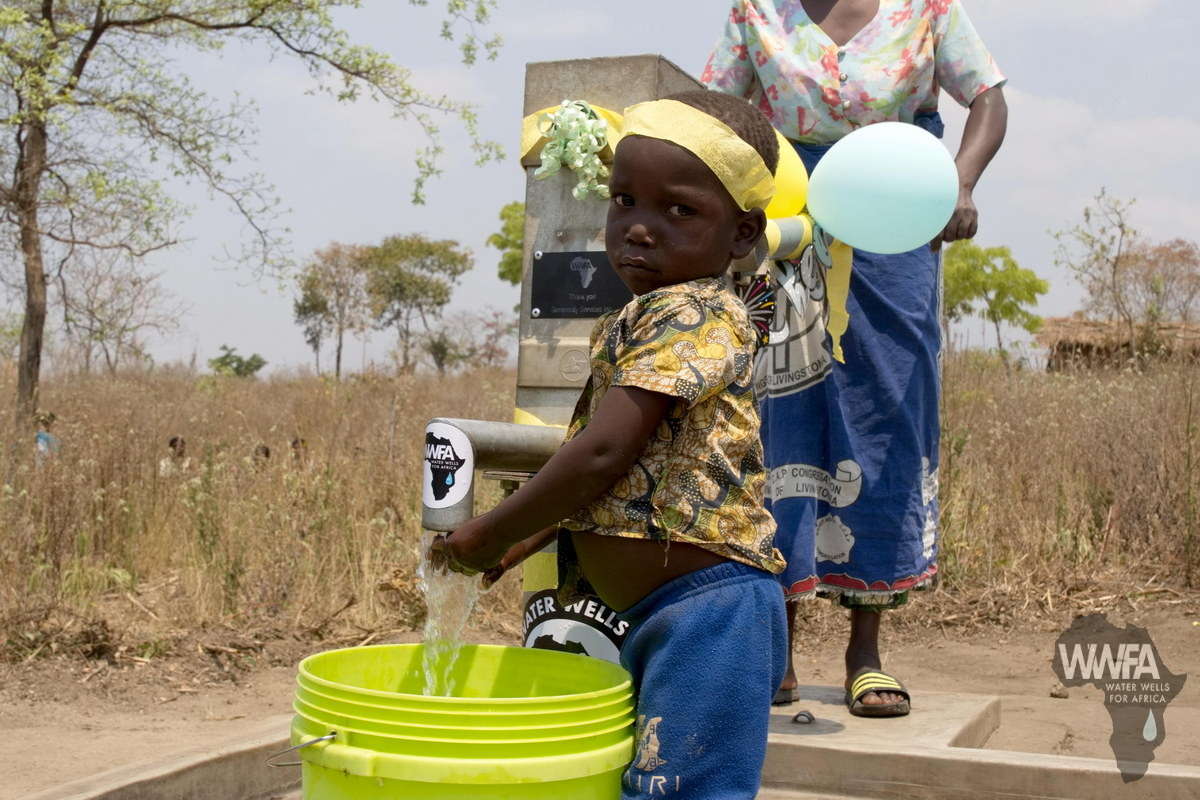
The new well has altered the rhythm of the village in ways that are visible before anyone explains them. Meals are prepared earlier. Children walk to school in clean clothes and on time. The small home gardens—mustard seed and pumpkin leaves—are thriving. There is an ease in the way people talk about their days now.
Water disputes inside the home have faded. Many of the women admitted that their husbands used to assume the long trips meant infidelity; now, with water nearby, that suspicion has dissolved. Agnes, one of the committee members, put it simply: “I feel lighter now because there is no pressure.”
Before the well, most families carried 40-liter buckets because they needed to maximize every trip. Even then, two buckets in a day was often the limit. With the well, they draw four buckets easily, using smaller, lighter containers. Bathing was once an every-few-days task—the river water smelled and never left them feeling clean. Now the village jokes about bathing three times a day simply because they can.
School attendance tells another part of the story. Before, if families failed to fetch water the day before, their children would stay home entirely. Girls were especially affected; long trips to the river kept them out of class. Now, every family reports their children attend school daily, and the girls who once missed lessons are dreaming of becoming nurses, doctors, and teachers.
The people of Mtengeleni 1 describe this chapter of life with one phrase repeated softly among the group: “We have peace.” No more waterborne illness. No more dangerous pits at the river. No more suspicion or strain within households. Just the steady comfort of water they can count on.
Video
Photos