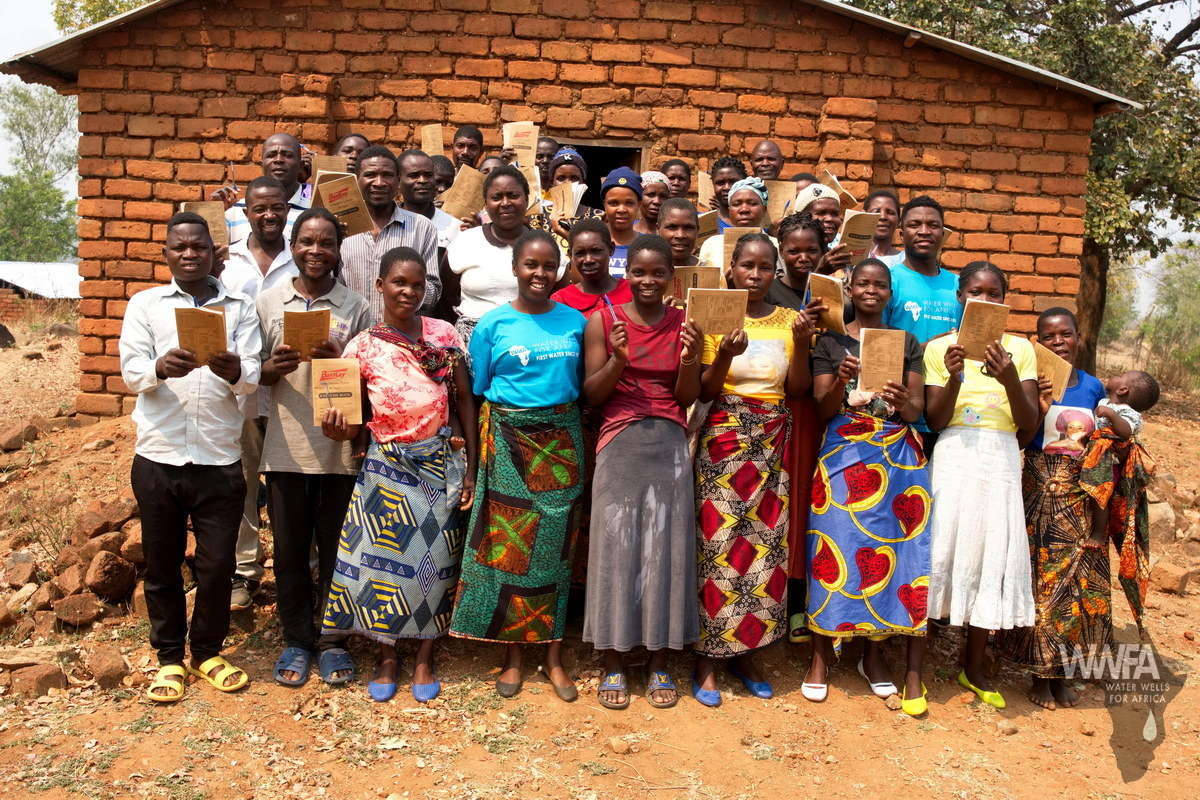
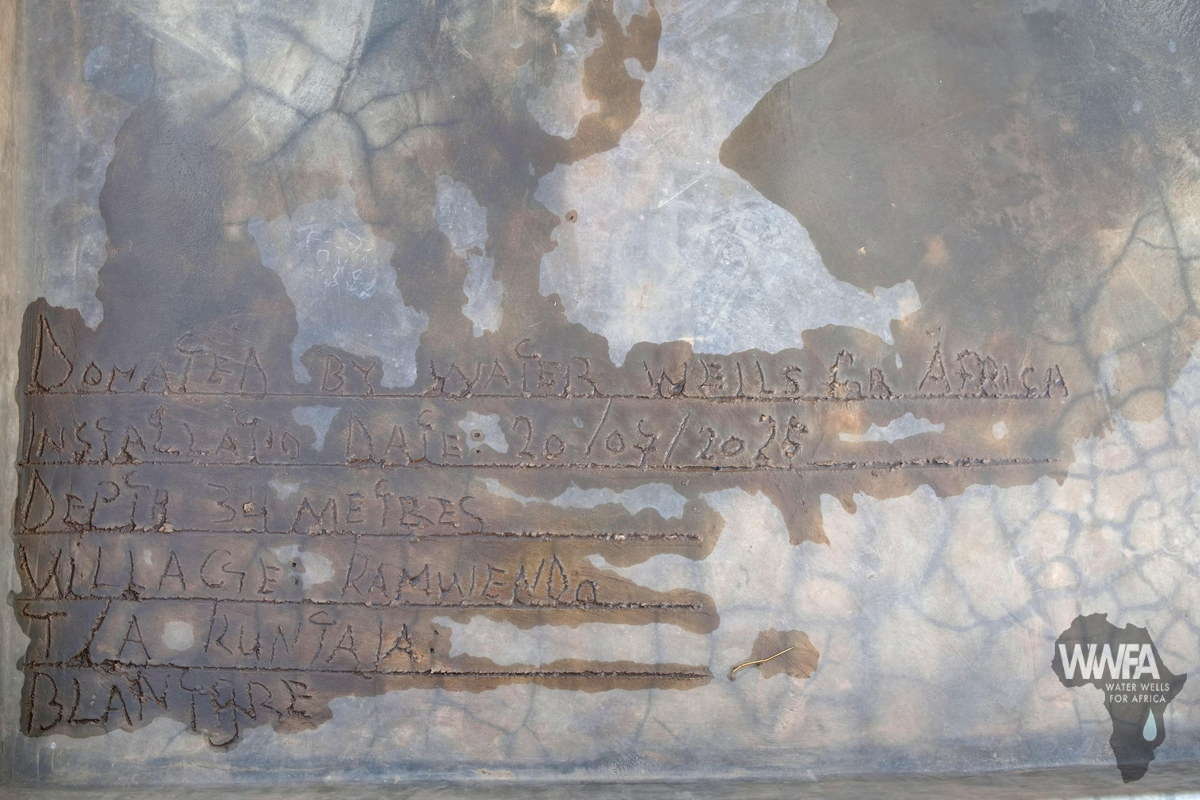
Families: 48
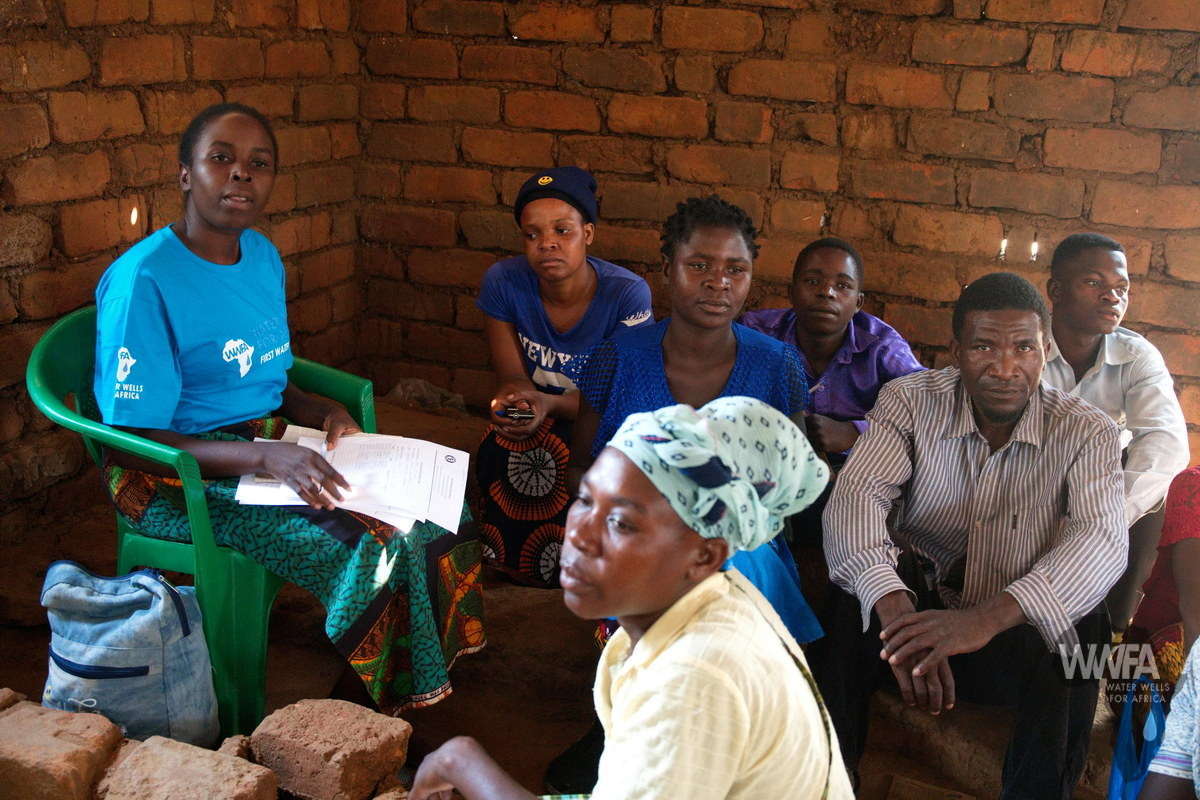
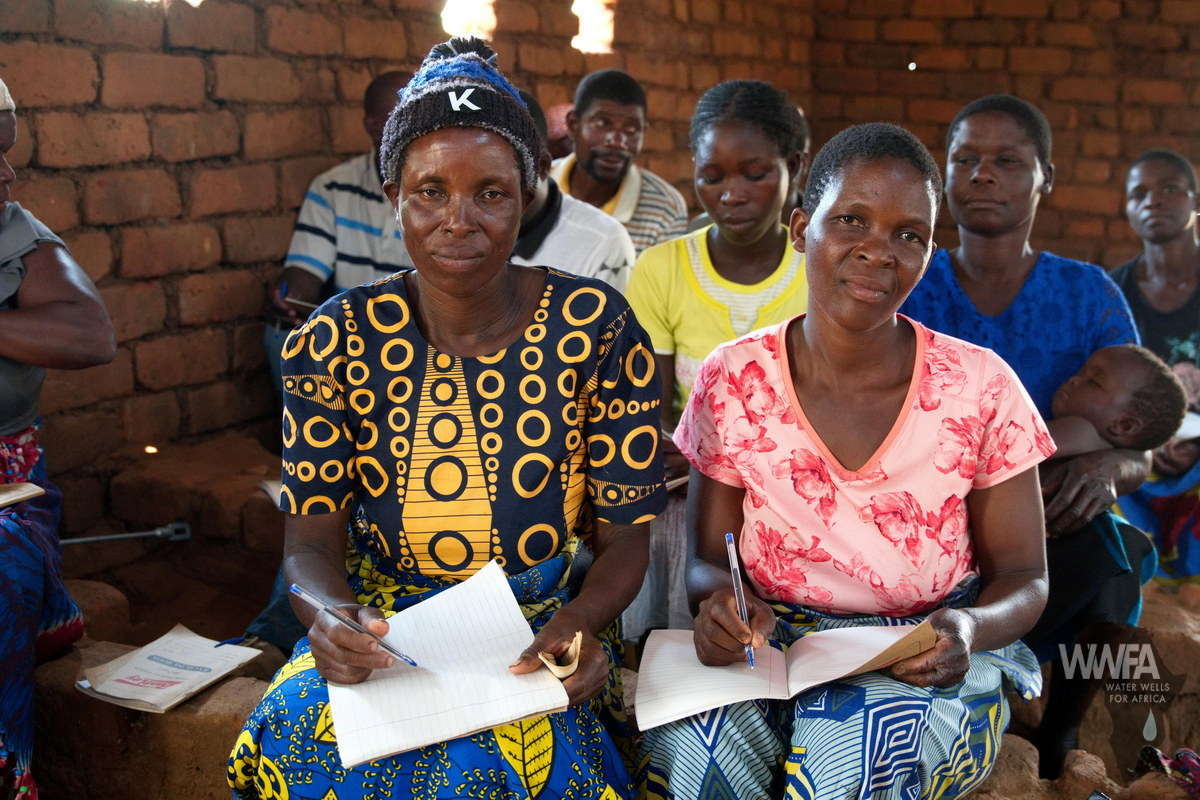
Water Committee: 4 men and 6 women
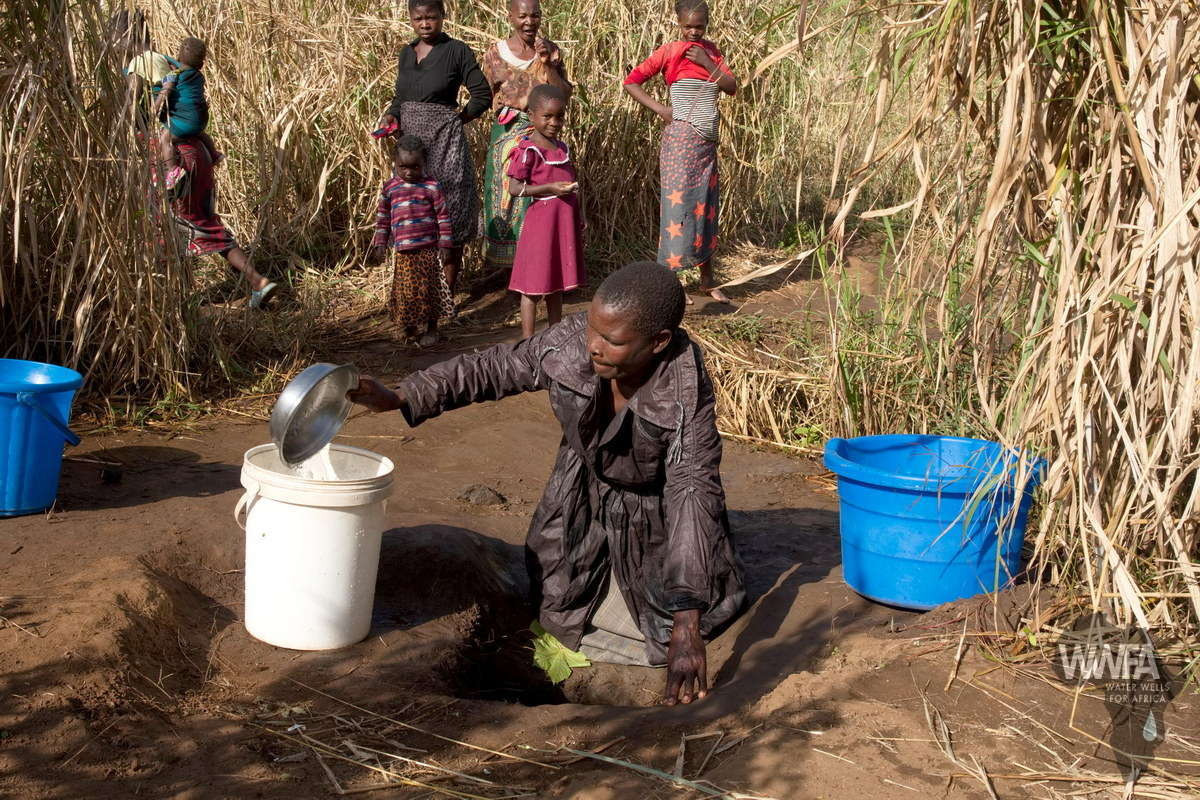
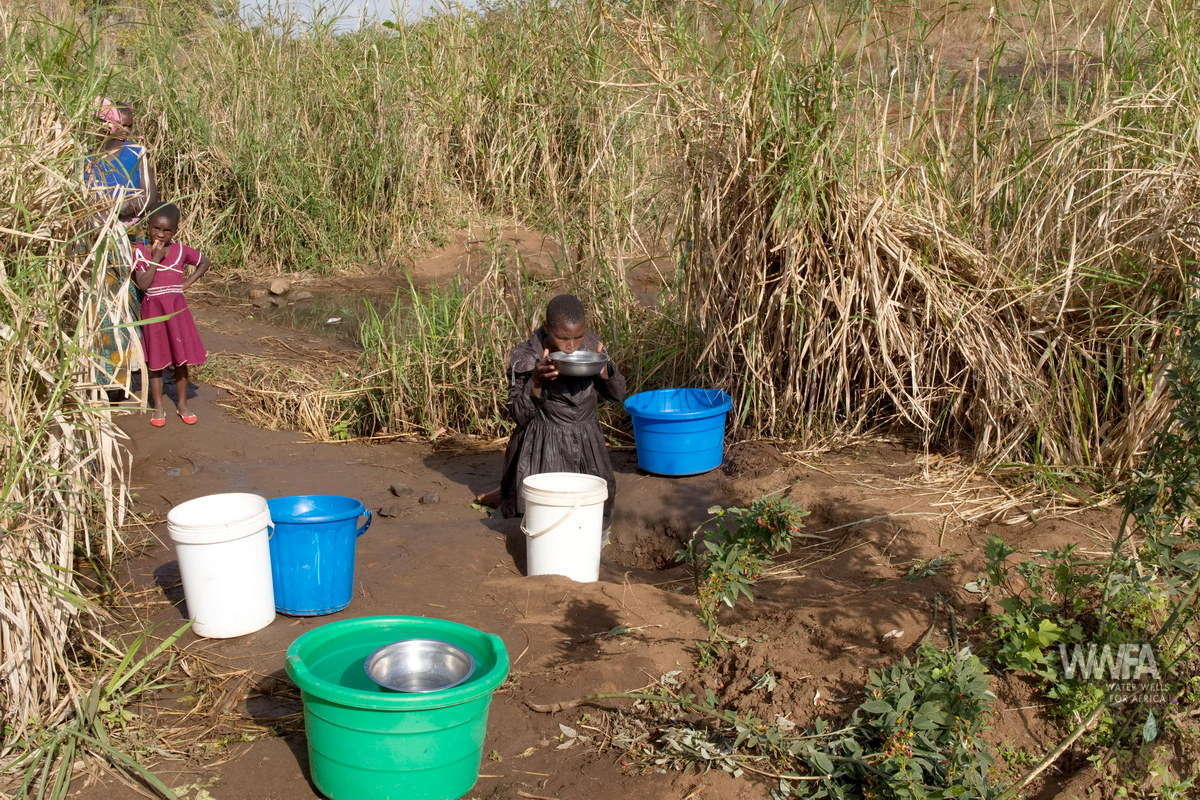
In Kamwendo 2, nearly every family can trace their roots back generations. Grandparents, great-grandparents, and those before them all lived the same way—walking an hour each direction to collect water, often three times a day. It was a routine so constant that no one imagined life could be different. The long walks brought more than exhaustion: the river water caused diarrhea, recurring skin rashes, and illnesses they simply accepted as part of life.
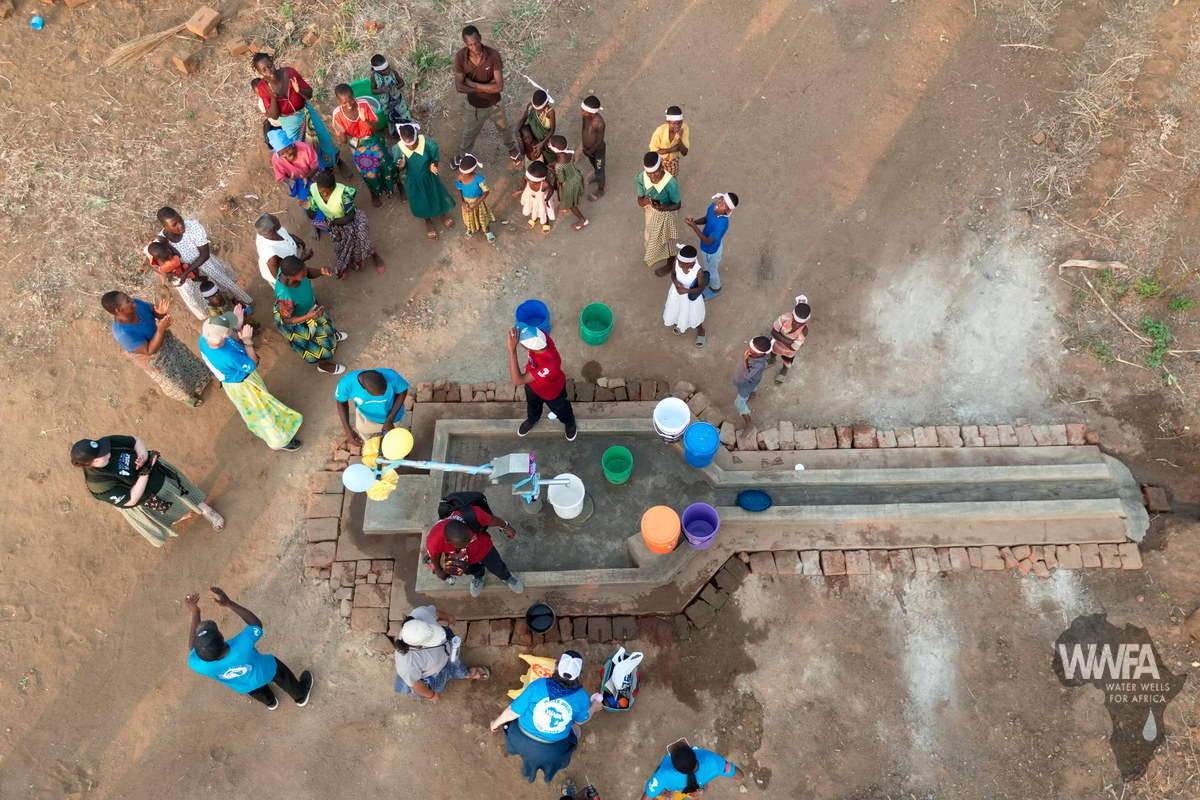
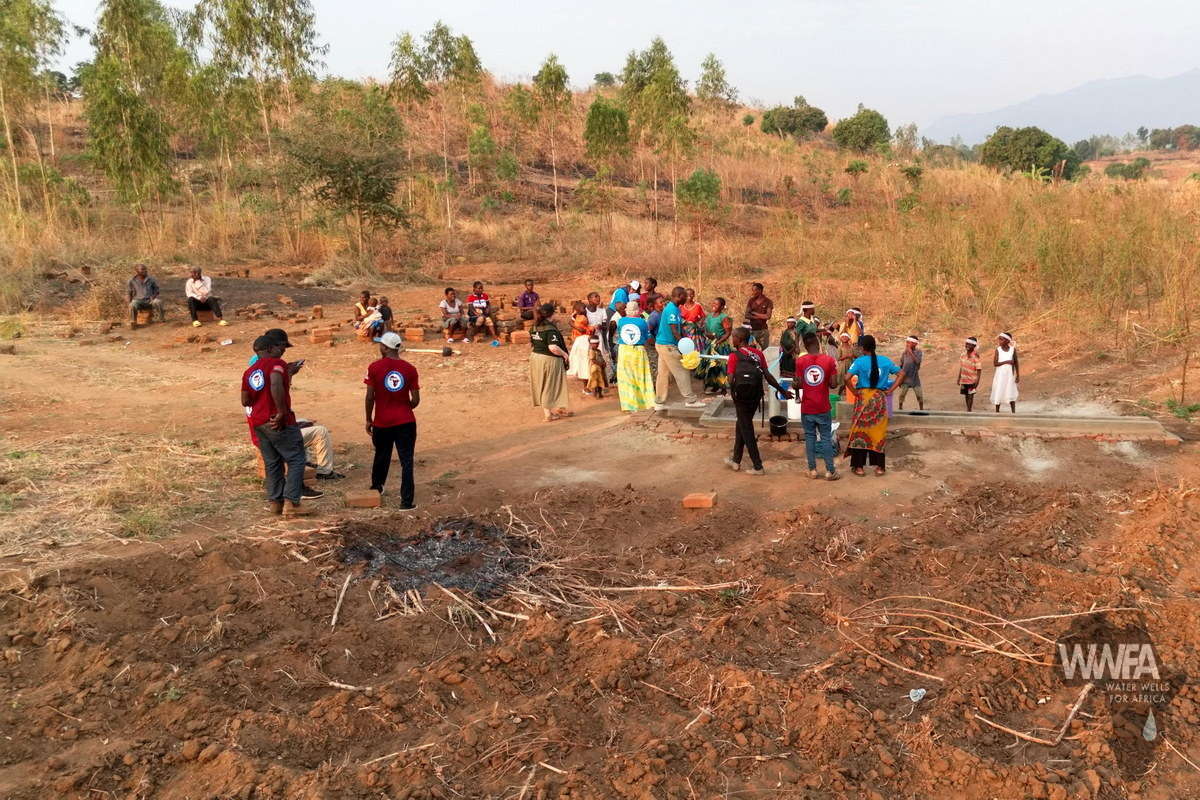
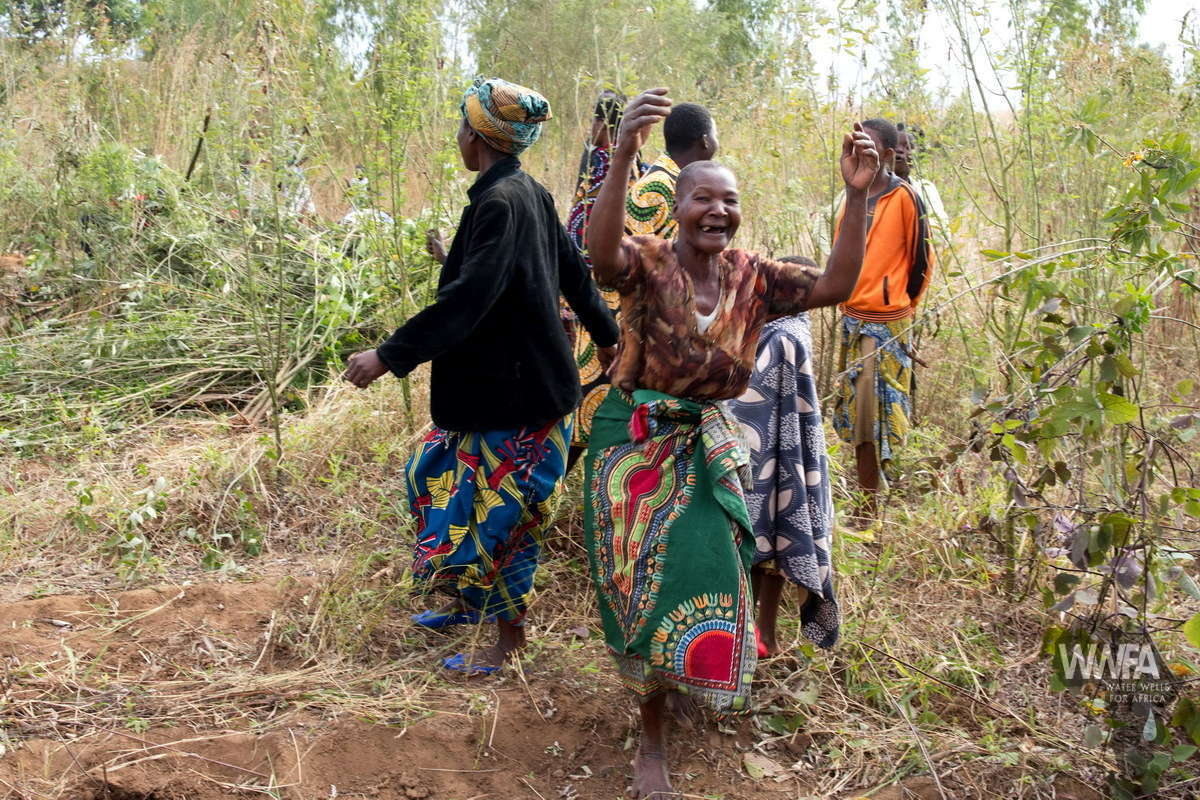
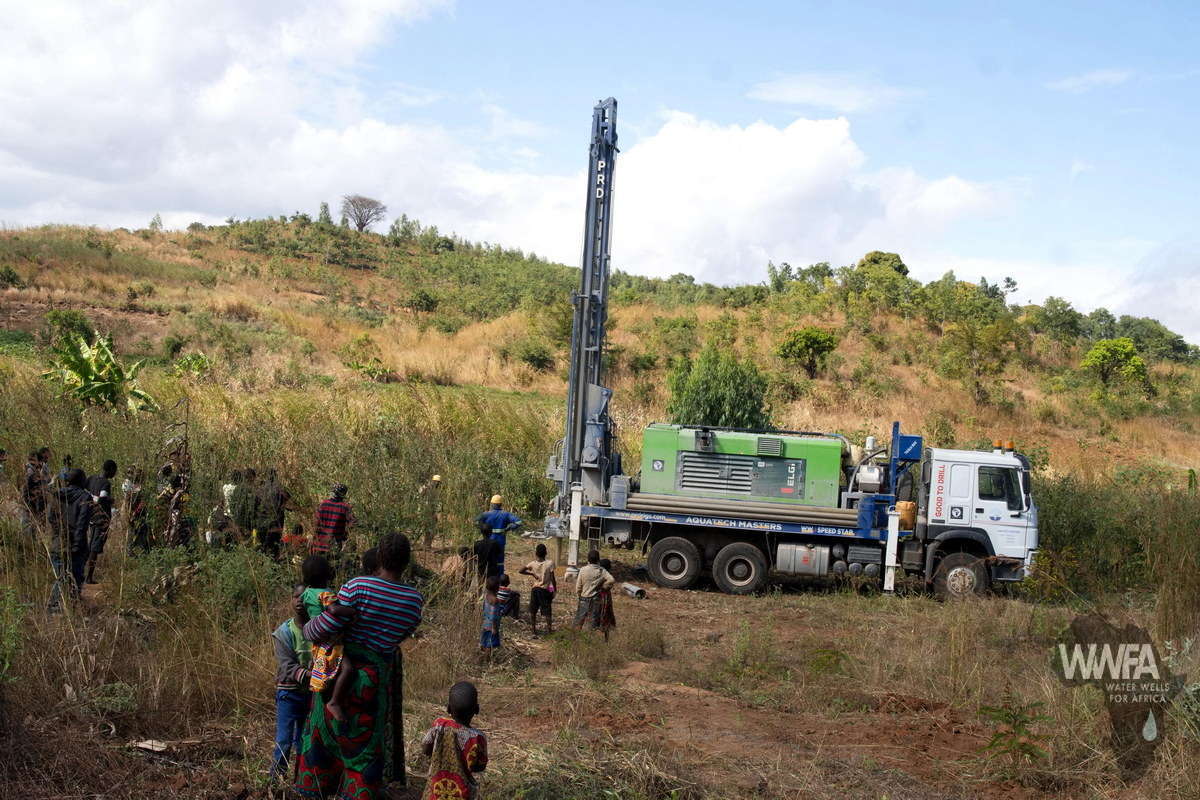
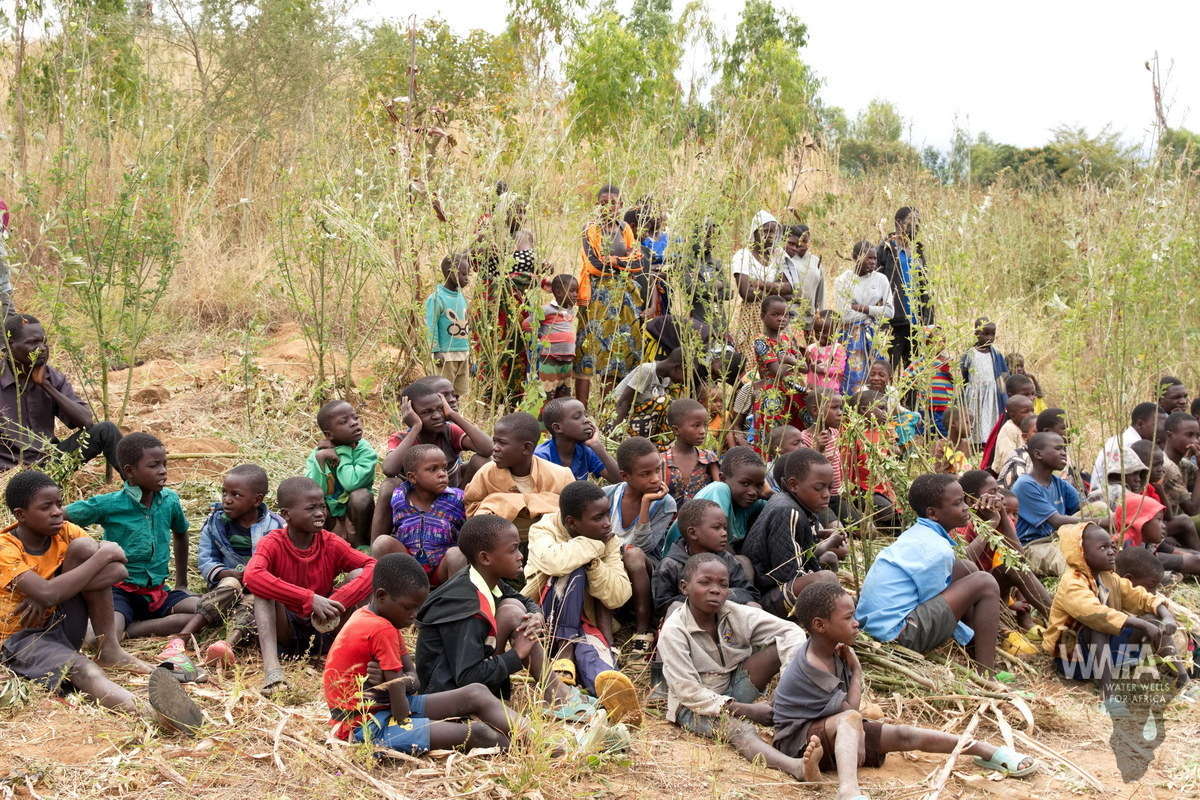
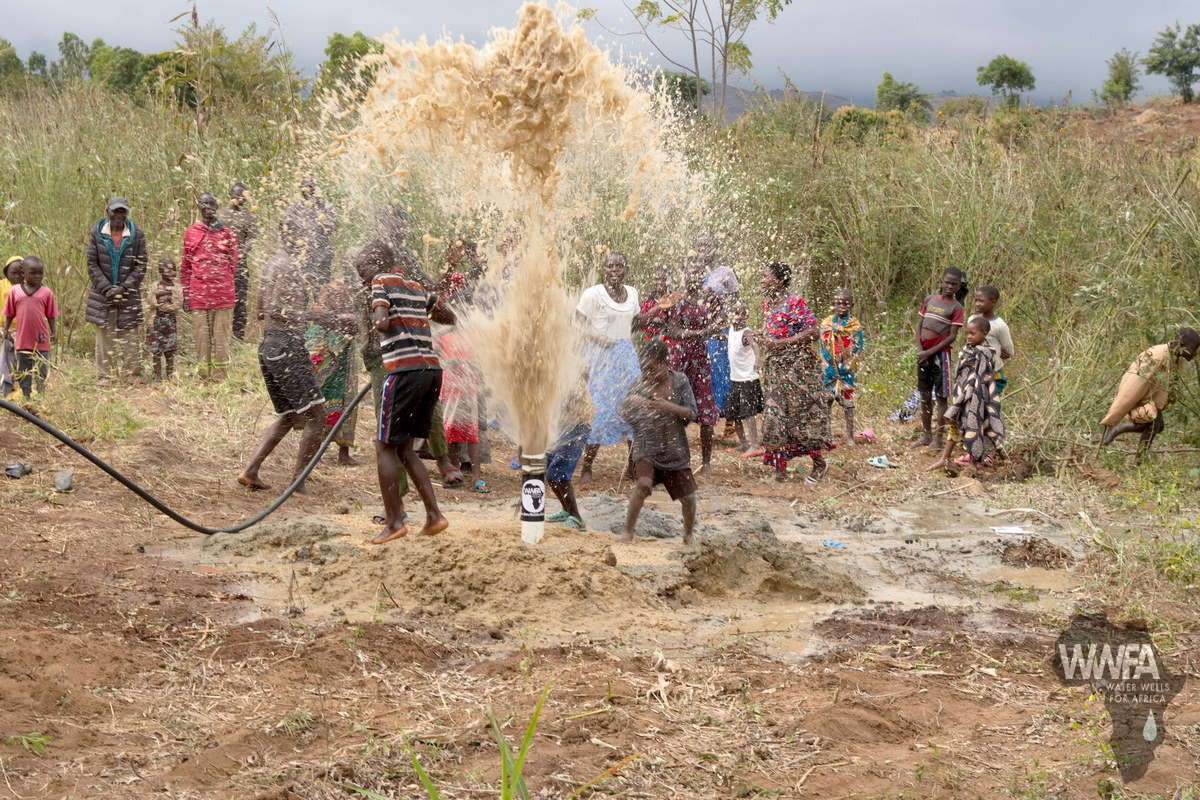
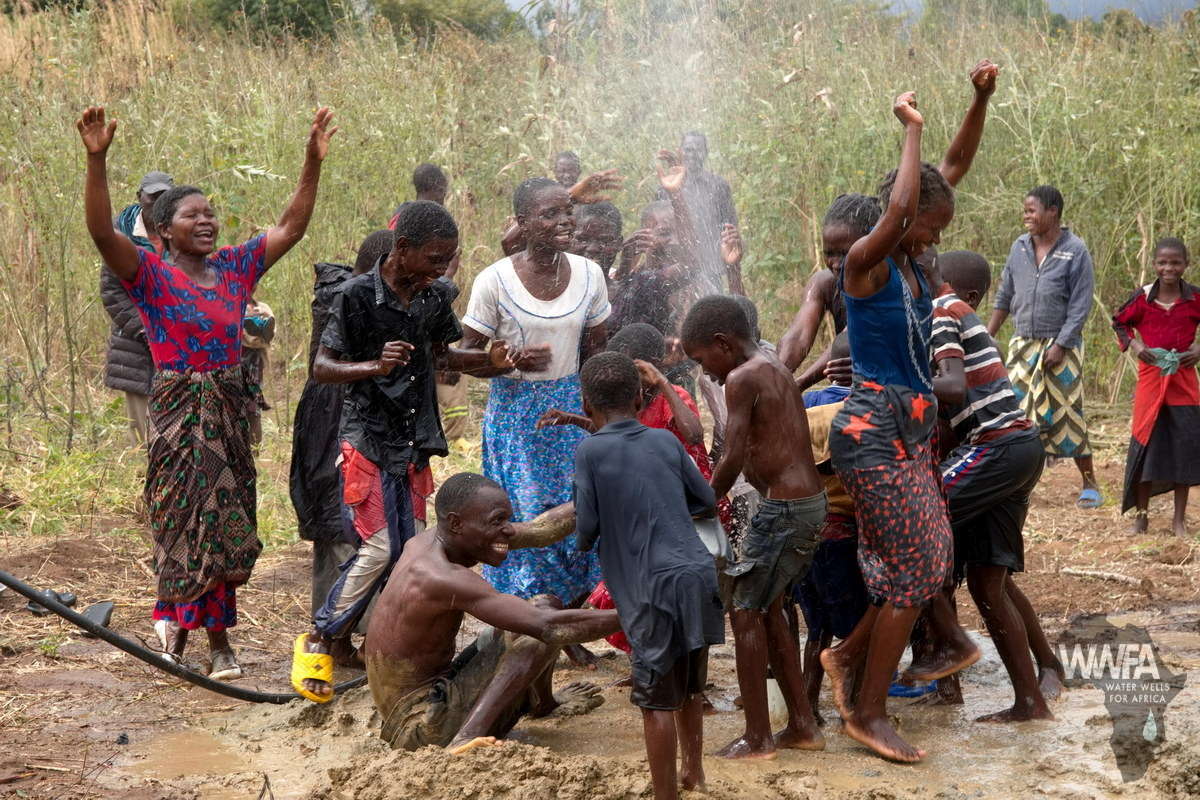
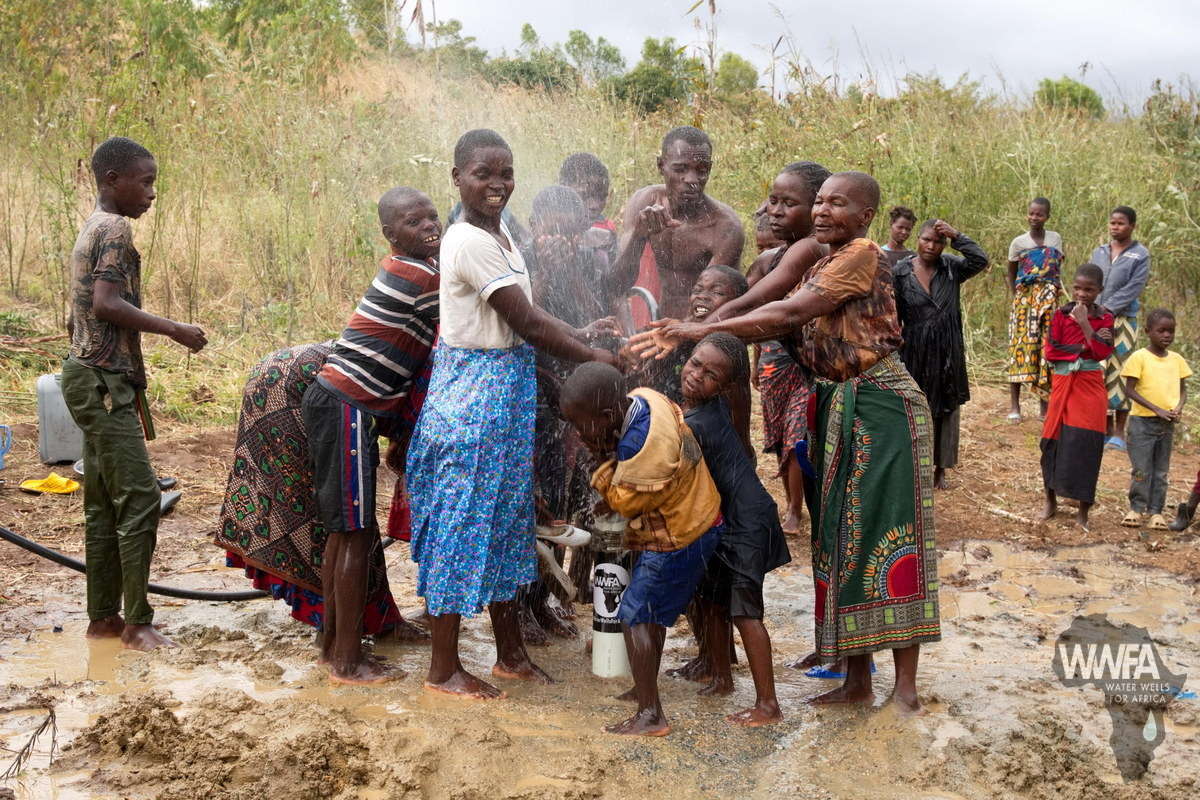
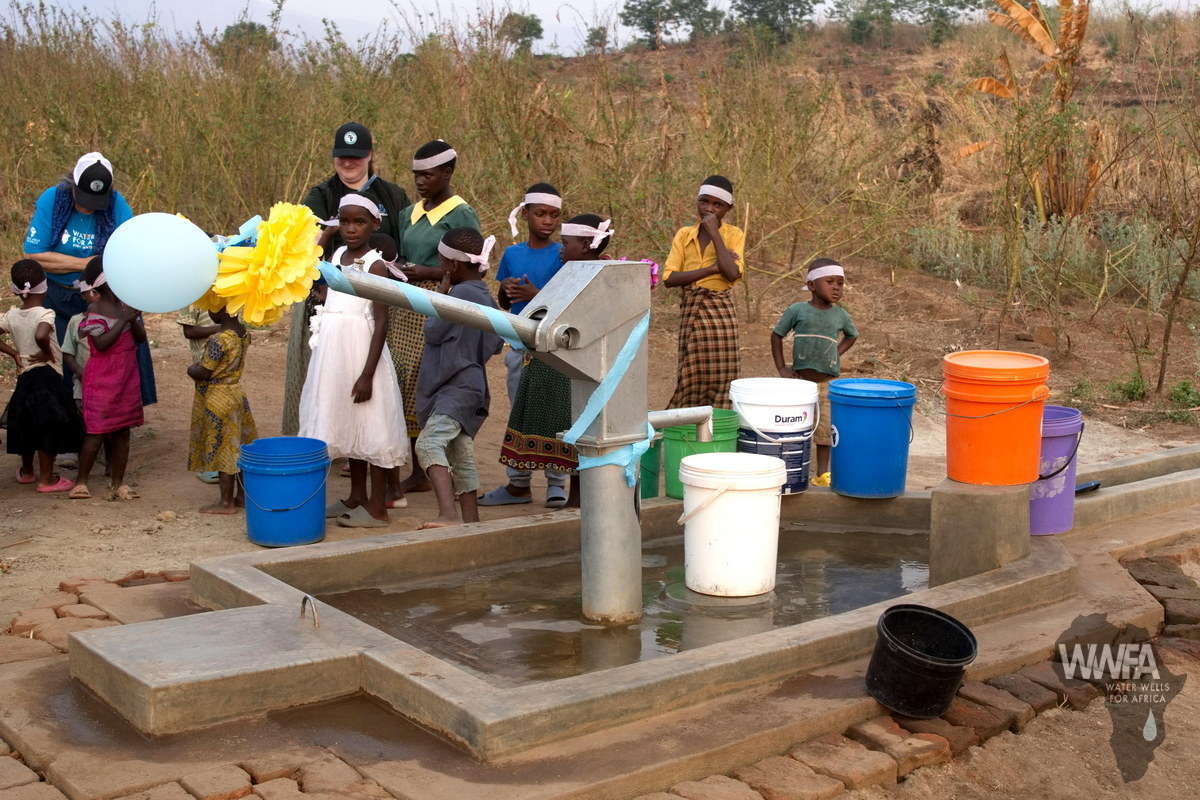
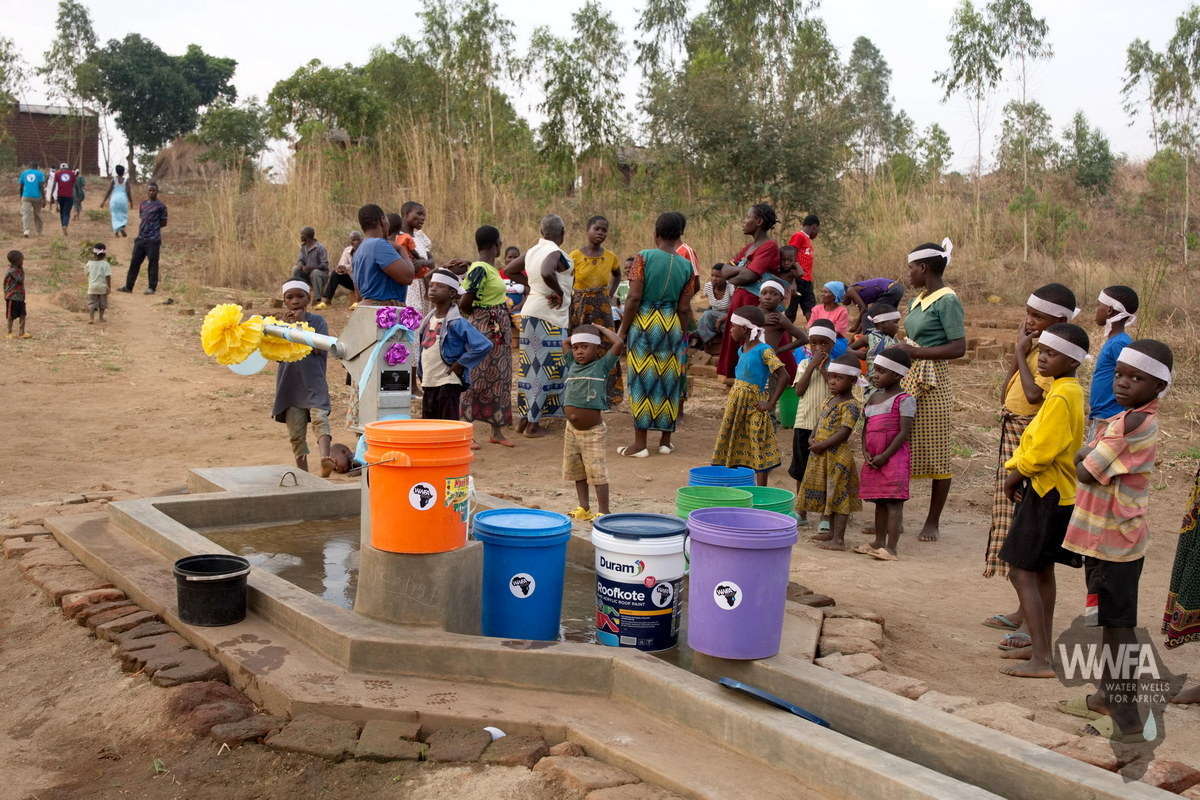
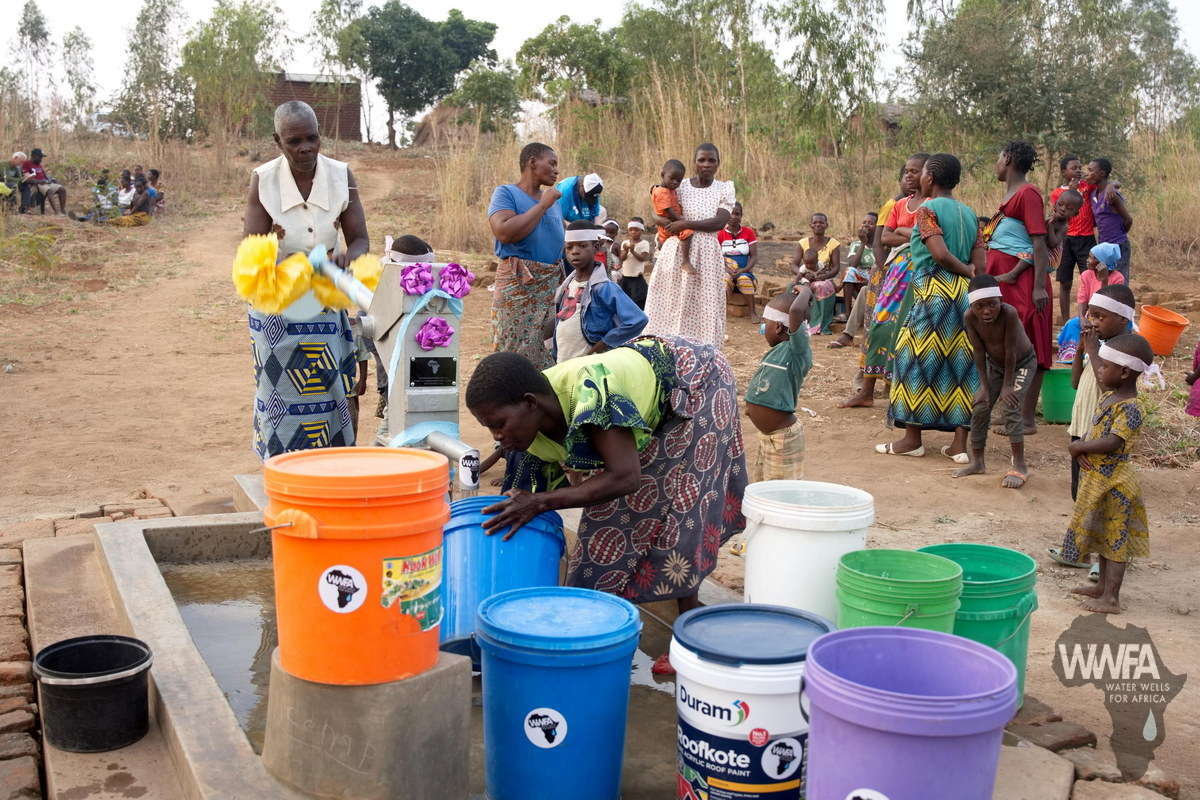
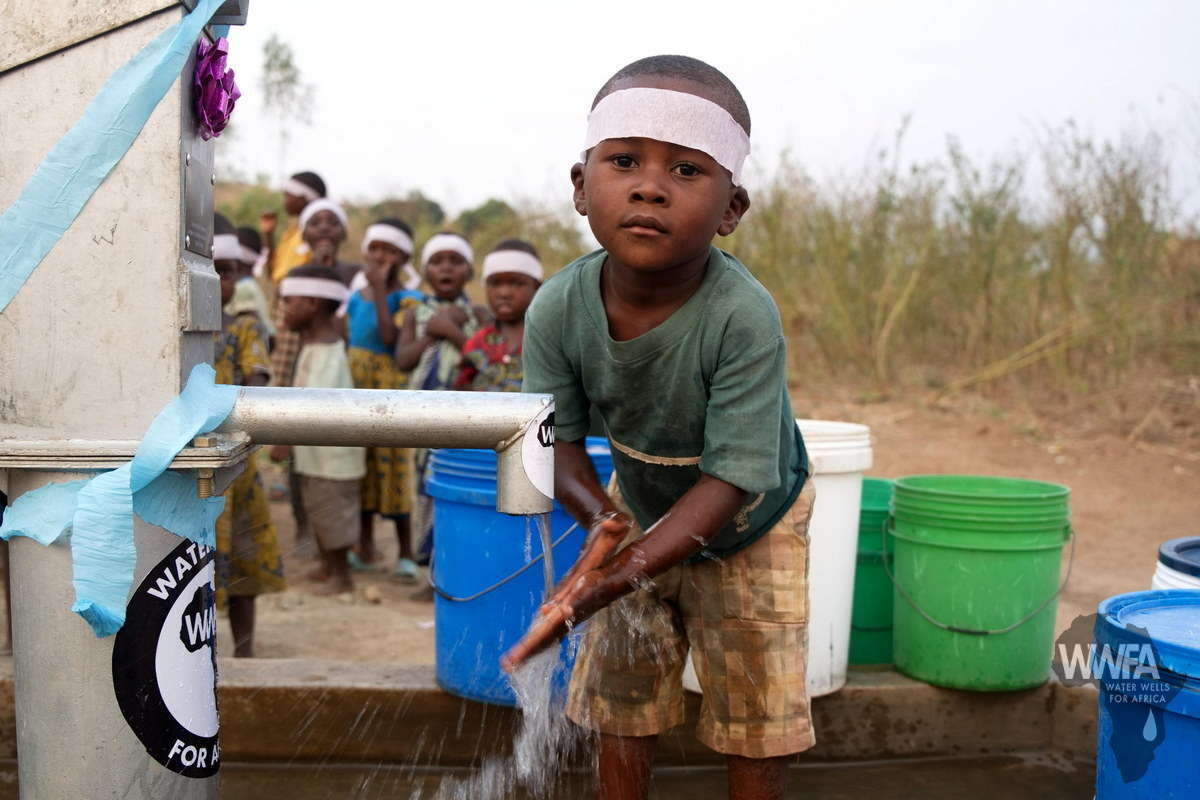
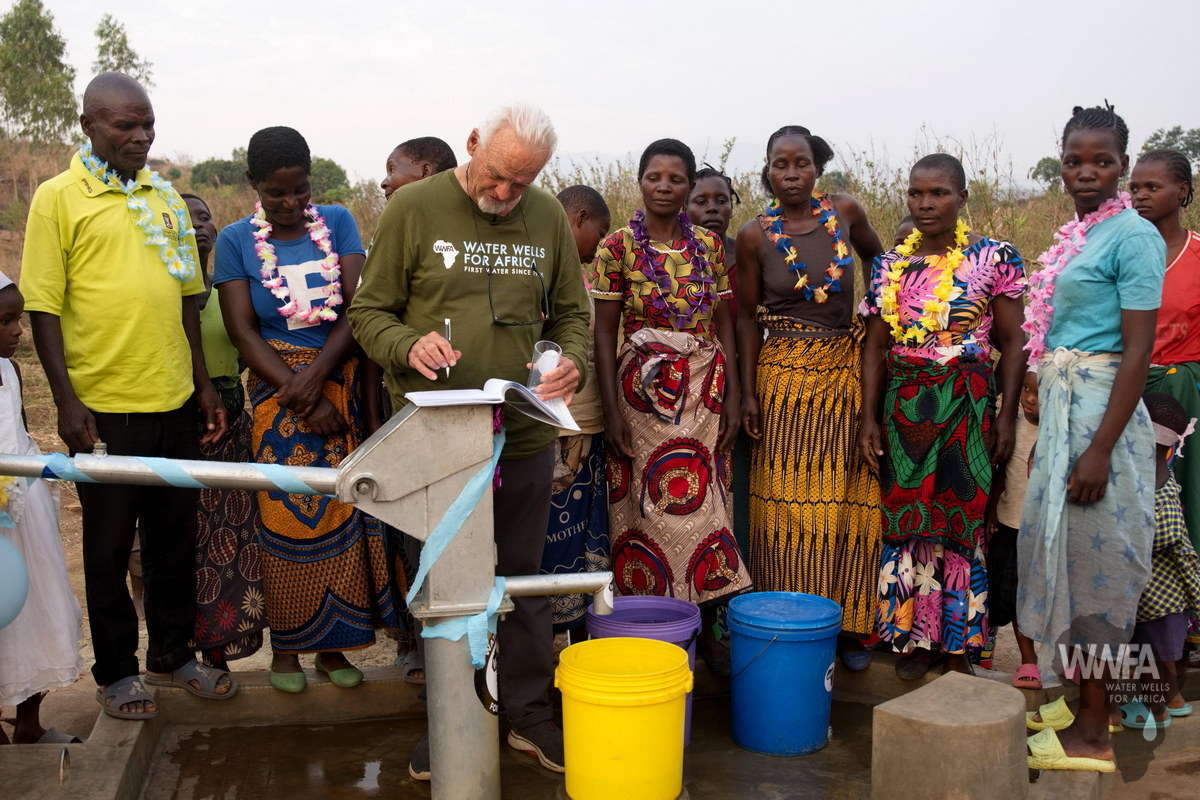
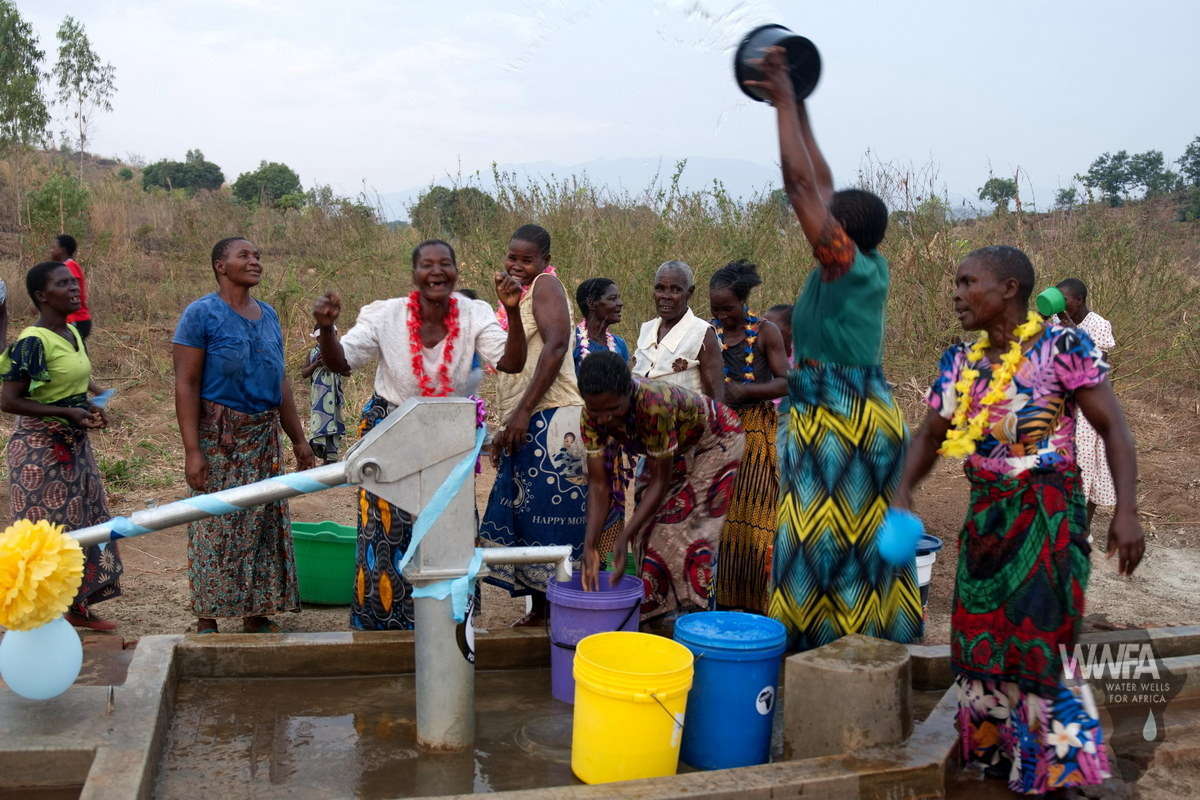
Everything began to shift when clean water reached the center of their village. Within just months, families say the sickness that once defined daily life is gone. “In three months—no scabies, no diarrhea,” one woman said, proudly noting that even the smallest children come to draw water now. The whole village laughs when someone remarks, “This water is very sweet.” And because the well is close, people are bathing three times a day—men included—something unthinkable before.
With time back in their hands, families returned to farming land they had nearly abandoned. Potatoes and cassava now grow steadily in the fields. Clothes no longer have to be carried two hours to the Khombwe River to wash; laundry is done right at home. Life is cleaner, simpler, and hopeful in ways they never anticipated.
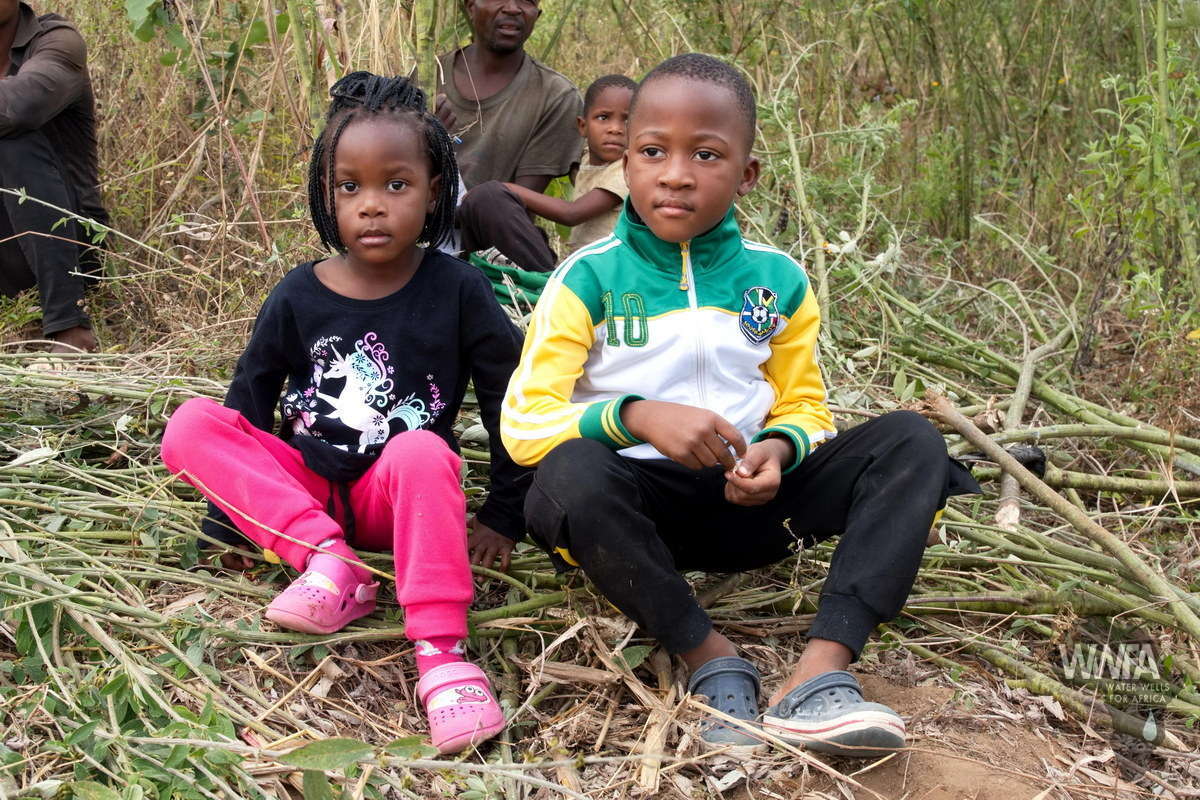
One of the most profound changes is seen in the girls of the village. Before, they missed school constantly, spending hours fetching water instead of learning. Now, every girl in Kamwendo 2 is going to school on time. Parents said, “We expect our children to do well, so they can take care of our family.” Good hygiene is something the school has always taught—but only now can the children truly practice it.
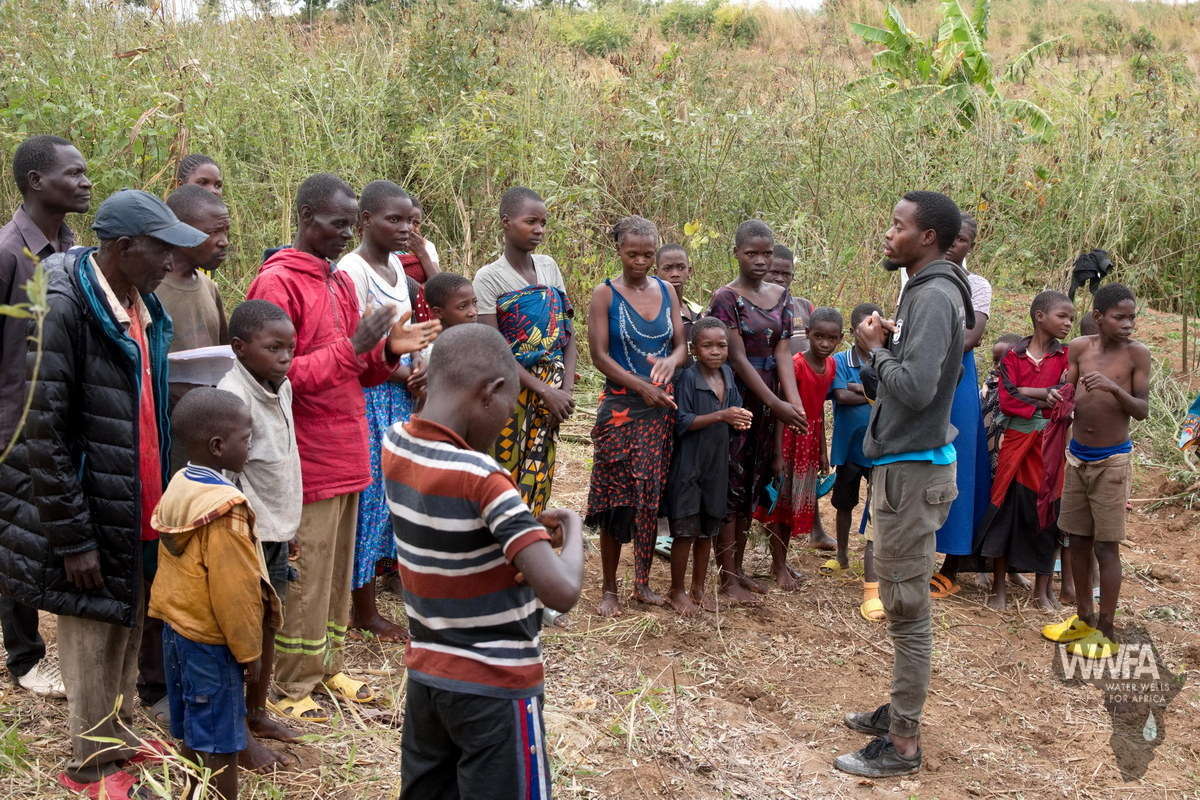
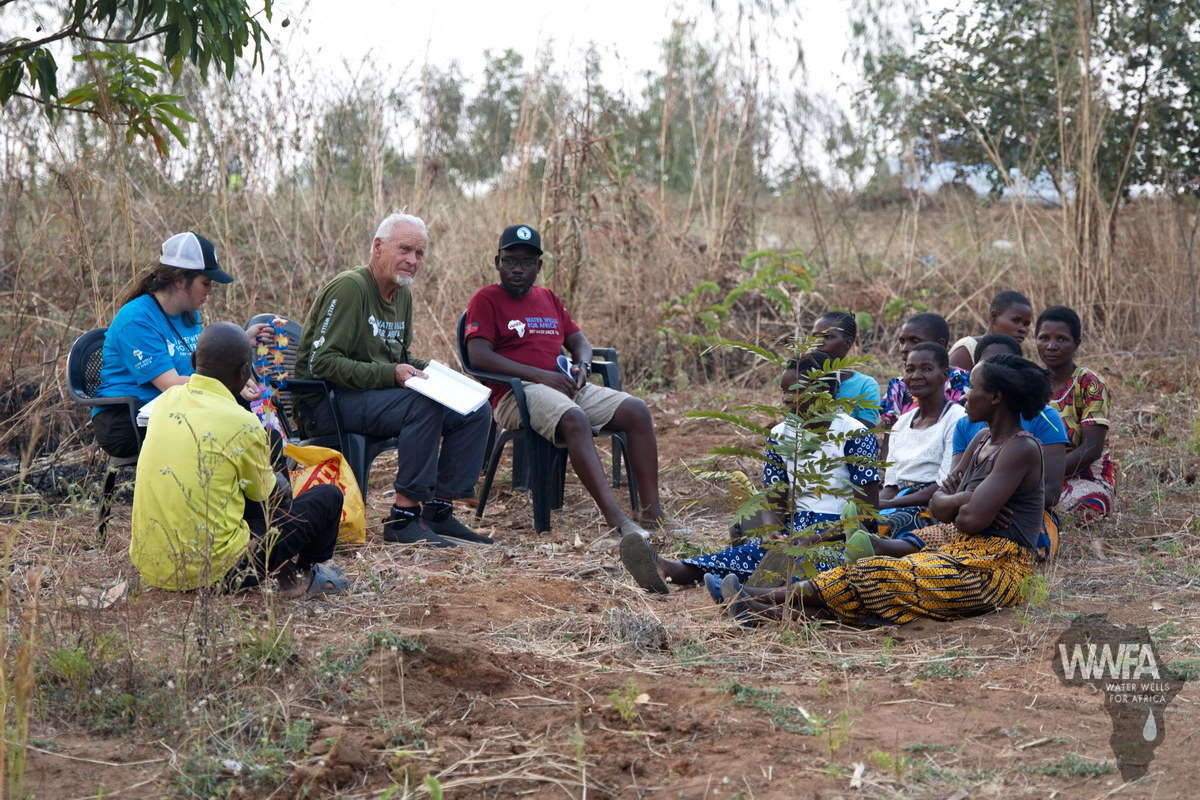
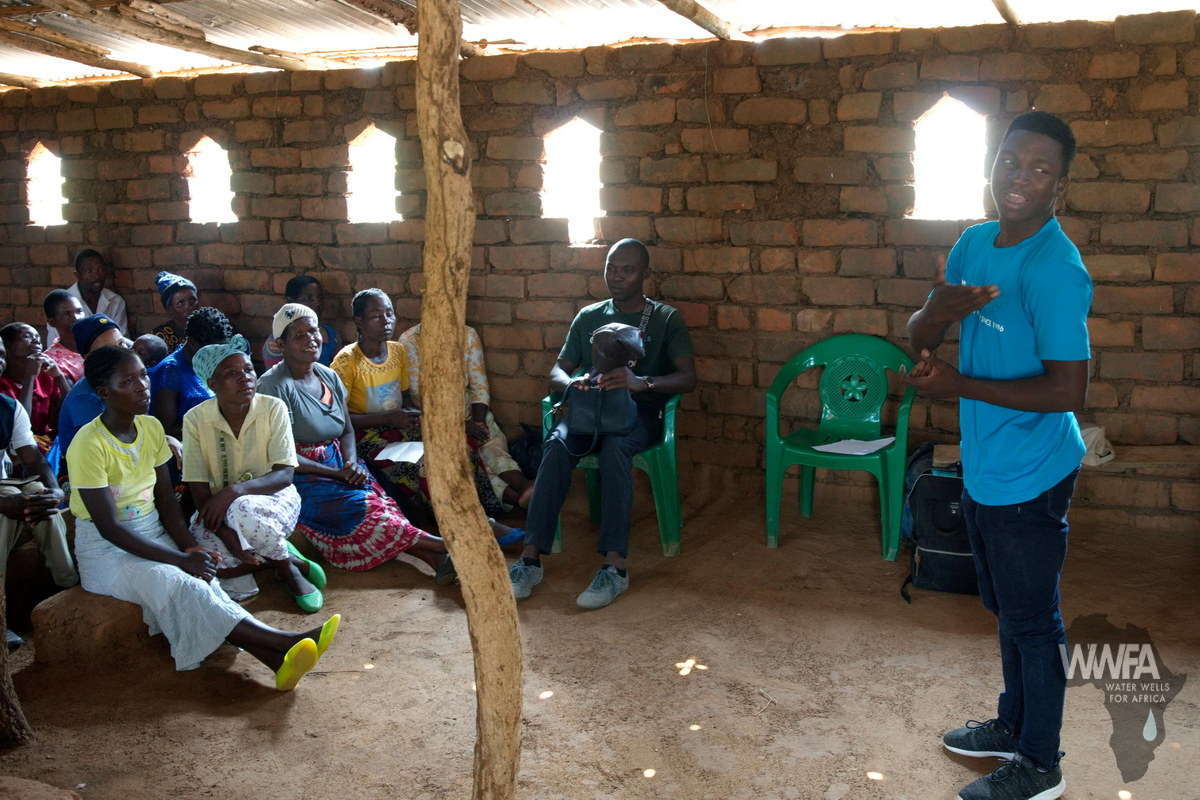
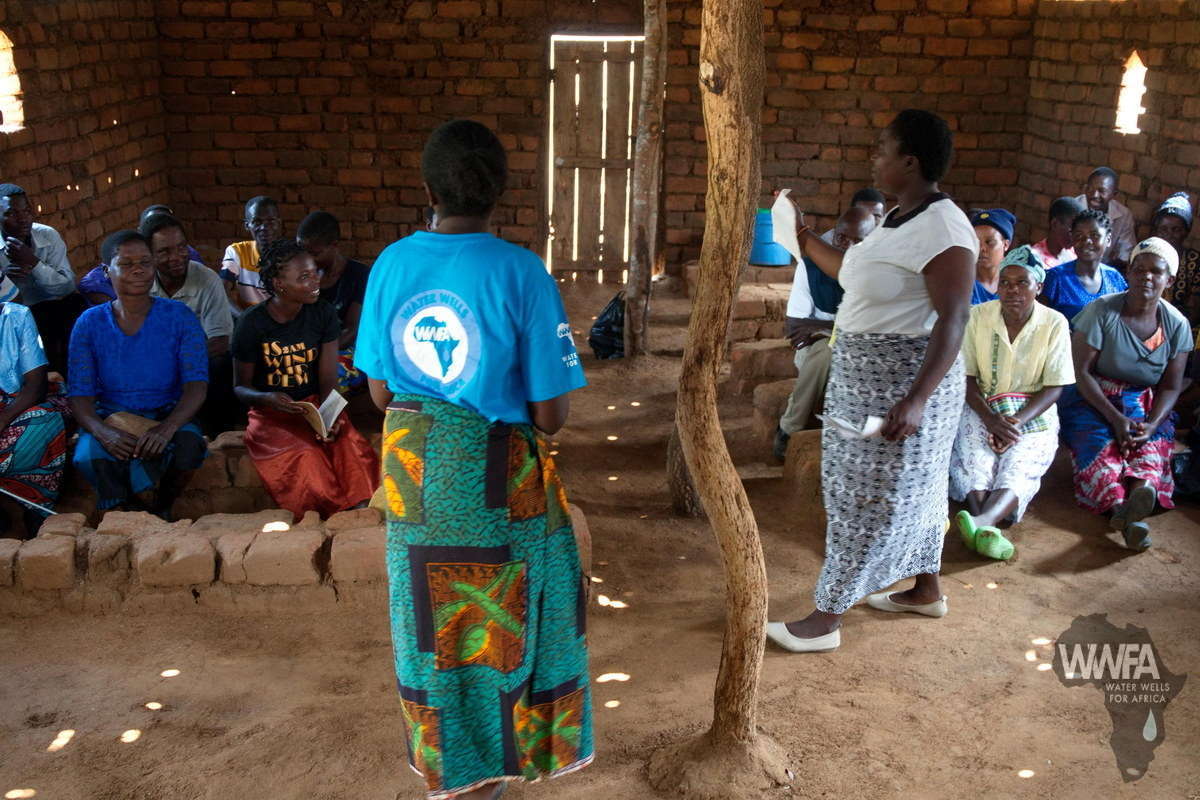
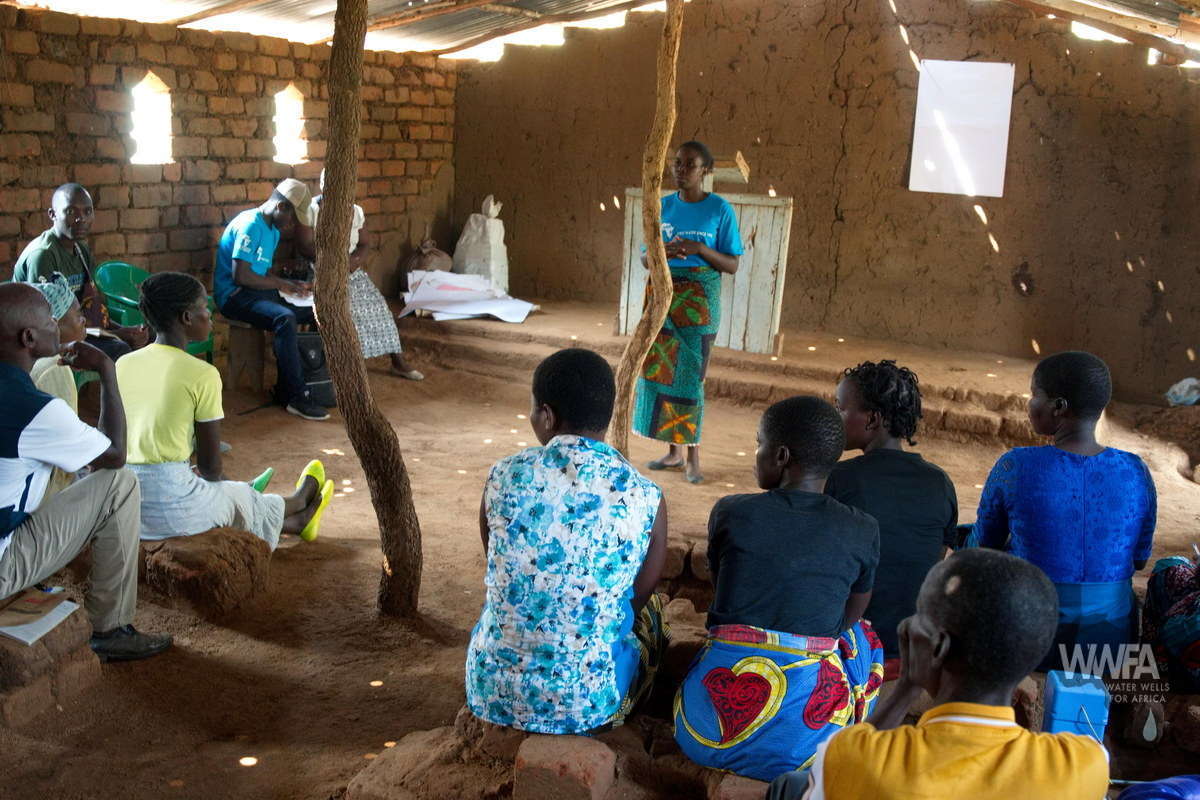
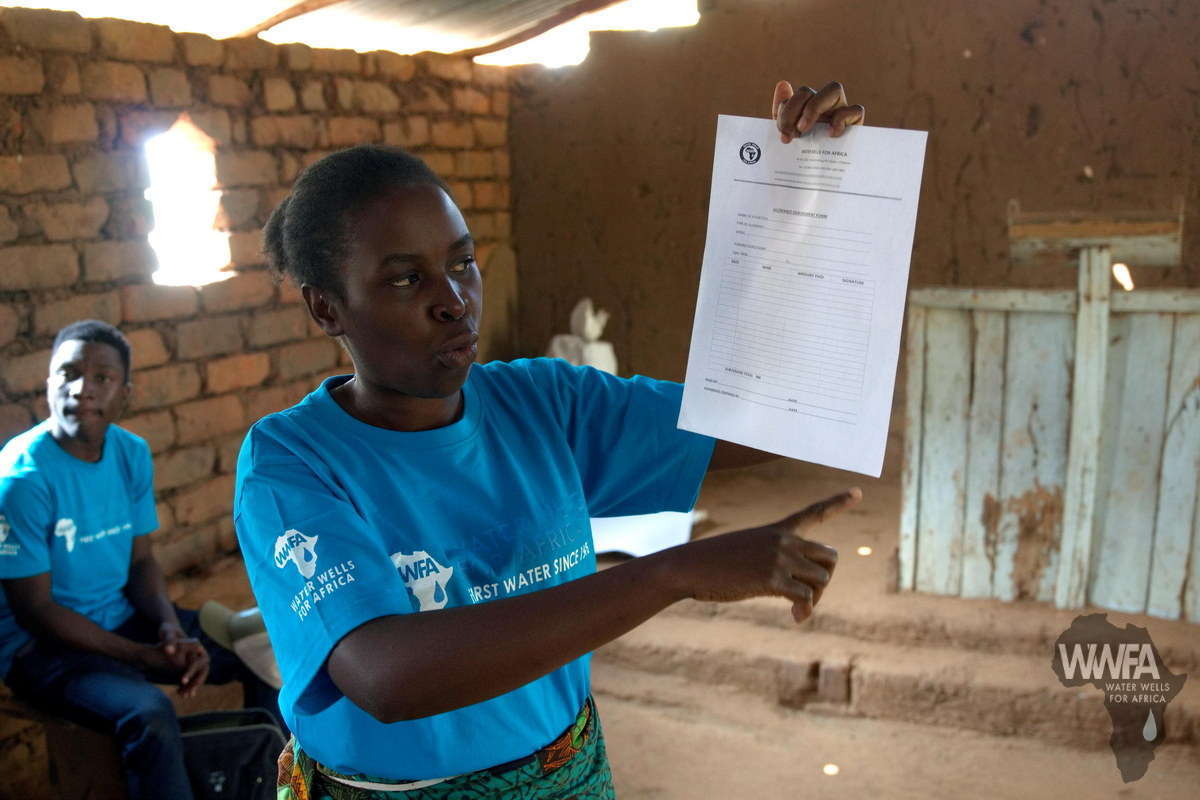
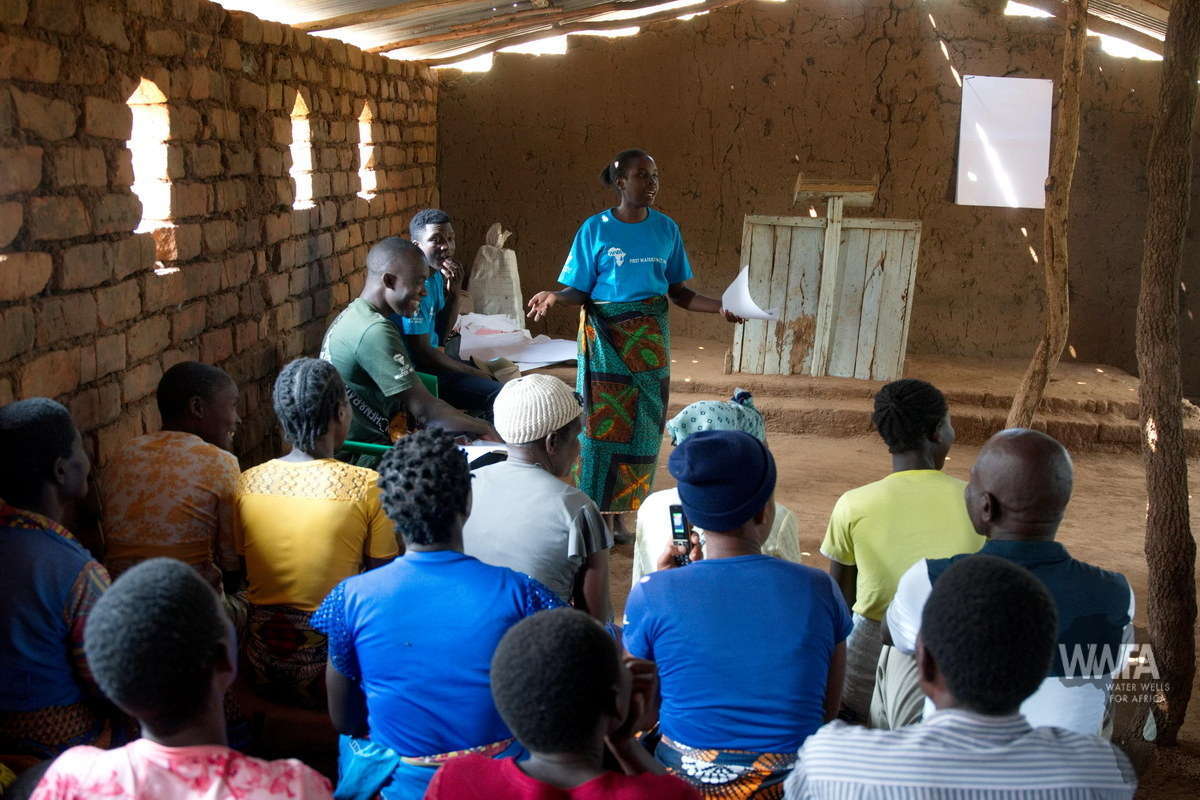
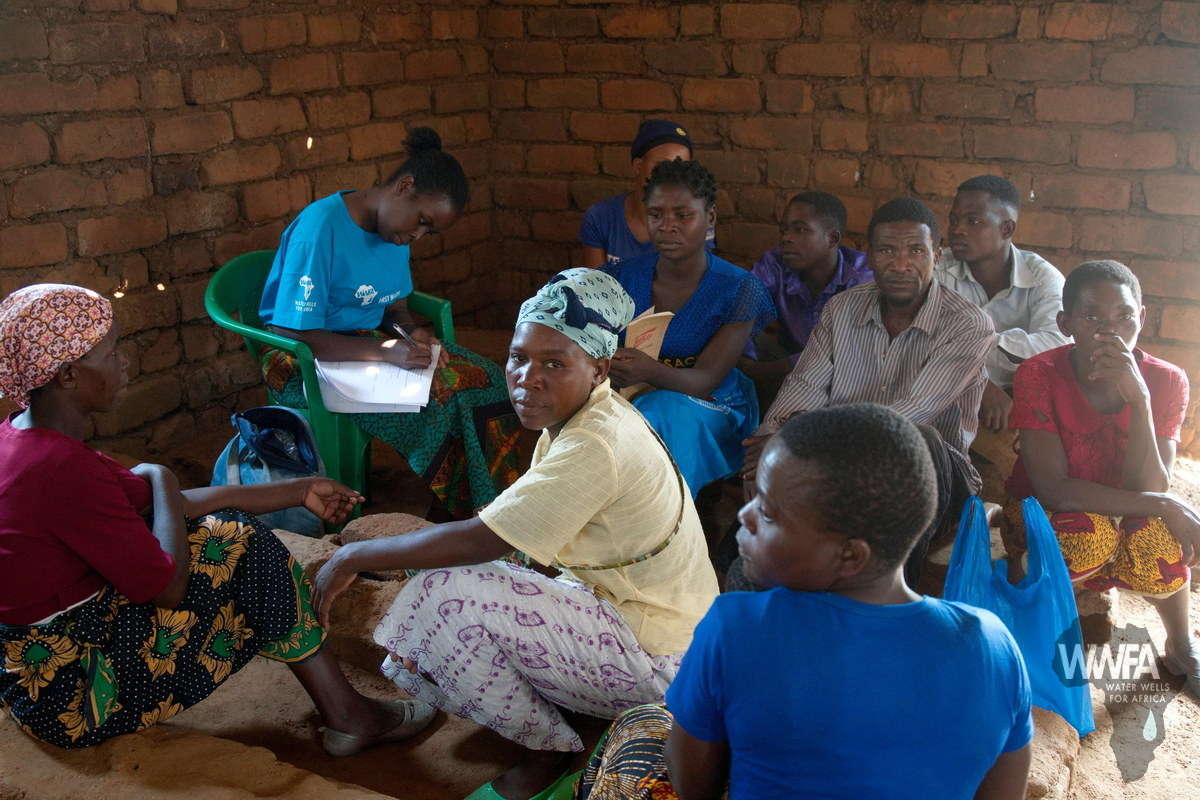
The water committee, newly and proudly elected, speaks confidently about their training and responsibilities. “Life is better now,” they told us. “We are able to farm in our spare time. We can wash clothes. We have hope for the future.”
And during the visit, Kurt Dahlin asked a simple question: If you could point to one thing that changed everything—out of all the possibilities like new buildings, money, roads, books, or libraries—what was it?
The villagers didn’t hesitate.
“It was mphatso—yopambana,” they said.
An amazing gift.
Clean water.
The one thing that changed everything.