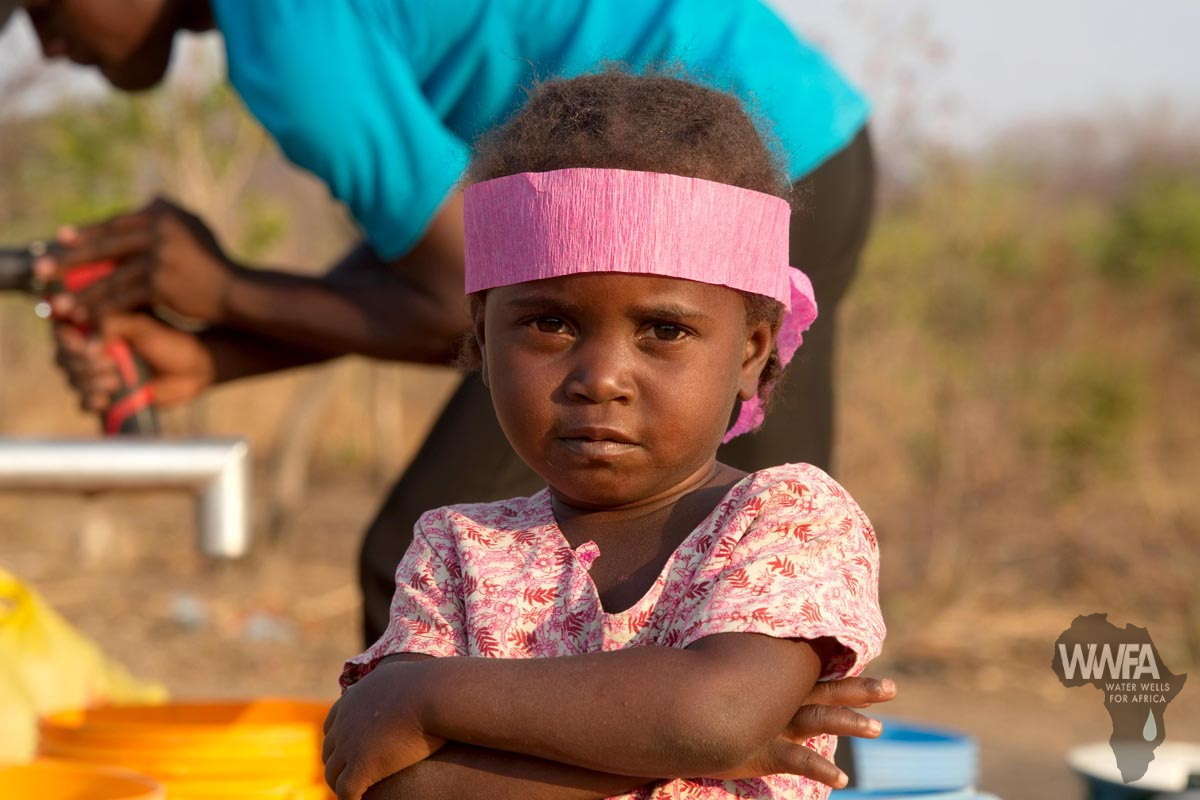

When we first visited Mvumba Village, many homes were quiet each morning because most of the women were away — walking to the Mvumba River for water. The river was their only source: an exposed place shared with cows, goats, and monkeys. Trips could take thirty minutes one way, and sometimes people spent up to four hours away from home to collect a single bucket. During the driest periods, some left as early as 3:00 a.m.
Those routines had clear consequences. Children arrived late to school or missed class. Women lost hours they might otherwise spend farming or doing small trades. Household laundry and bedding stayed unwashed. Waterborne illnesses were common. Family relationships frayed under the pressure of long absences and the daily scramble for water.
Flora Manyungwe described it plainly: “We would take mats with us because we spent more time at the river than at home. Sometimes we even braided each other’s hair while waiting for the water to collect.”
A New Reality for Mvumba
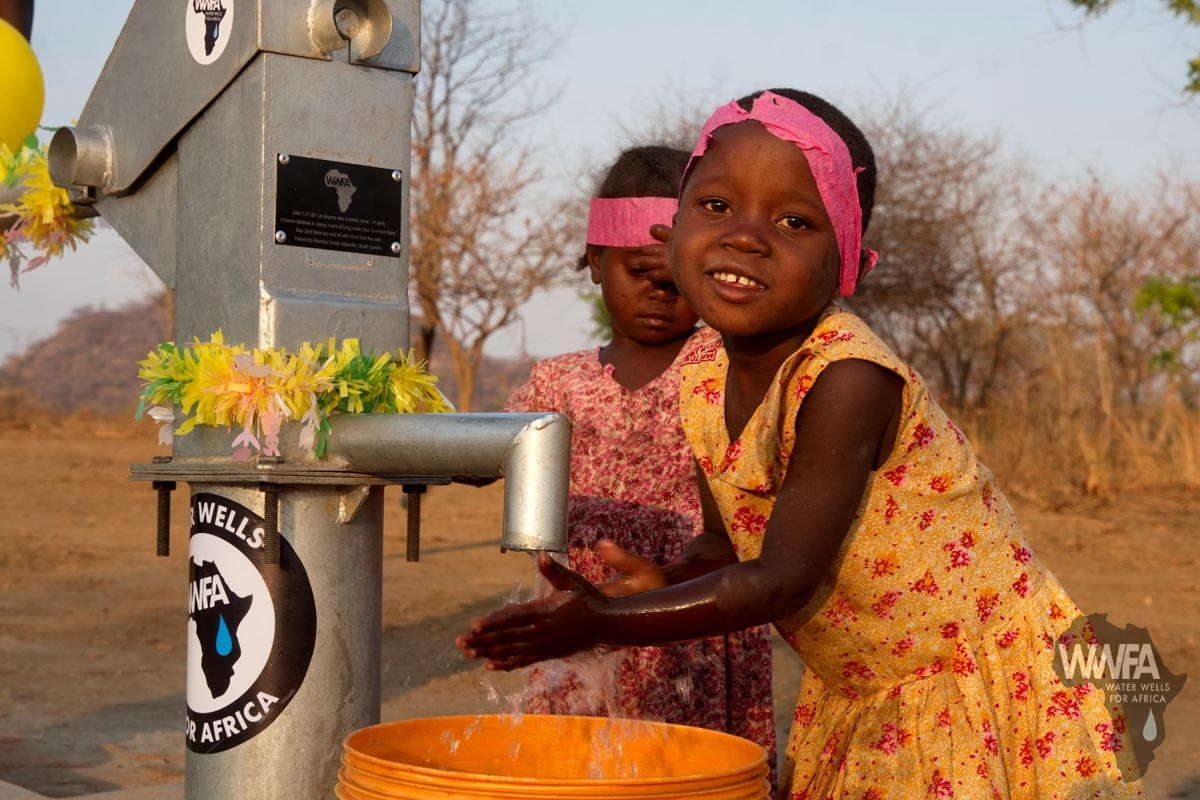
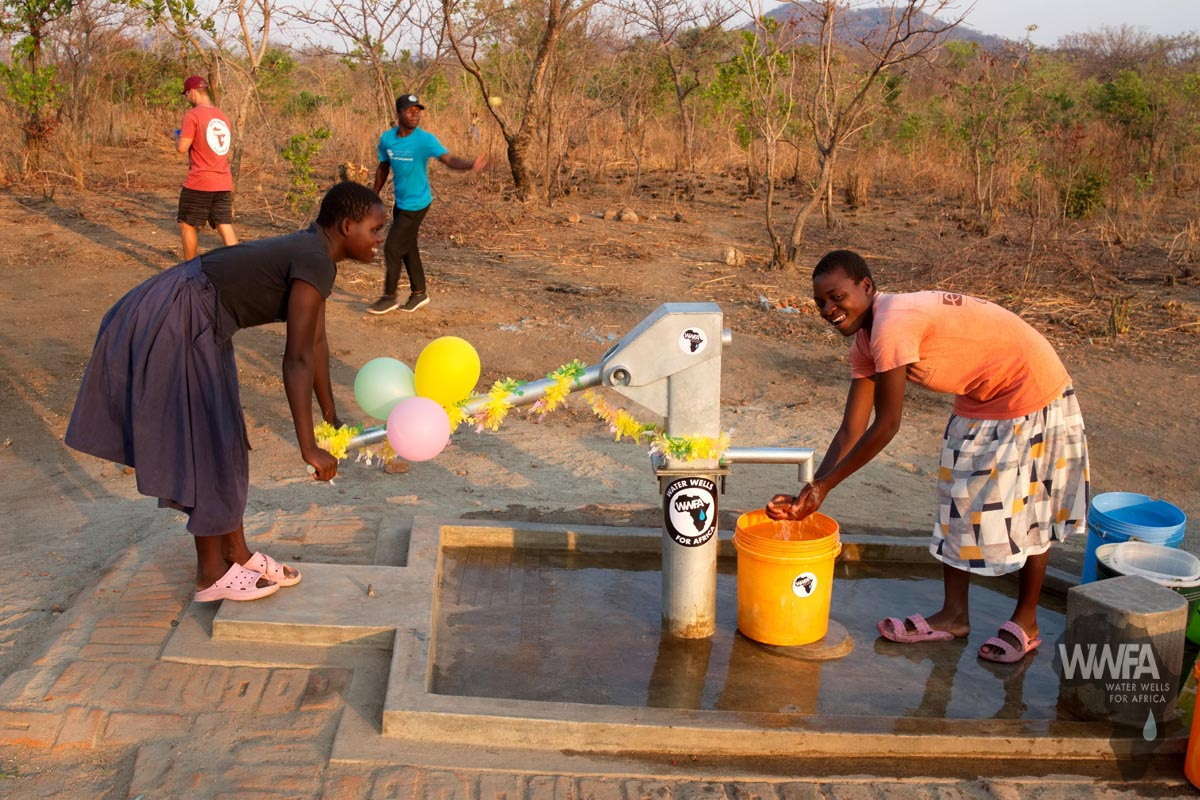
WWFA installed a clean water well in Mvumba Village in August 2025. The well now sits close to most homes and the results have been concrete and practical:
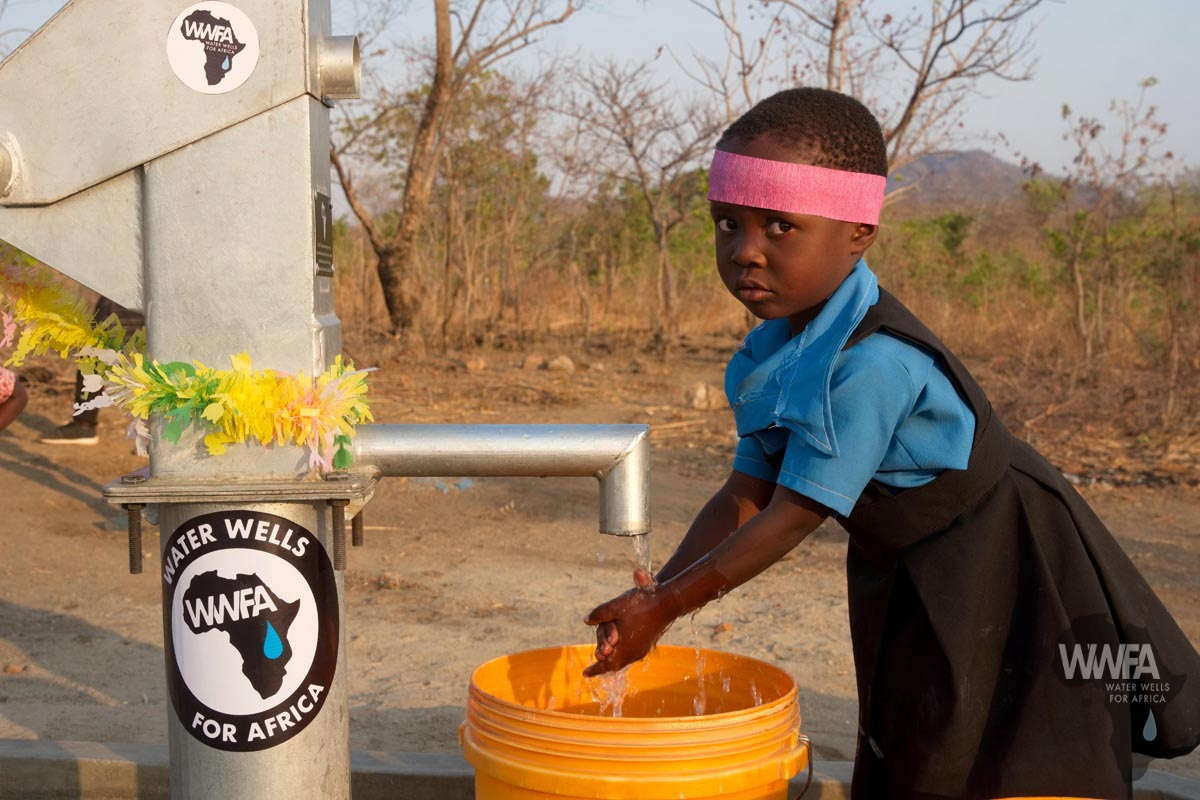
- Children now attend school regularly and arrive on time.
- Reported cases of waterborne disease have dropped to zero.
- Women are reclaiming hours previously spent fetching water and using that time for farming, small business, and community activities.
- Households keep bedding and clothing cleaner because water is available nearby.
- The surrounding villages of Lilamba, Faida, and Mvumbadzi 2 also benefit from having safe water within reach.
These are changes the community notices every day — not grand gestures, but steady improvements in how people live and work.
Personal Wins Behind the Well
Several villagers illustrate how life has shifted since the well arrived.
Agnes Tsegula (34) launched a small business selling Kalongonda (Velvet beans/Mucuna Pruriens). The extra income helps her care for her children and pay a village bank loan. In her own words:
“Ndimapeza ndalama zabwino. Tsopano ndimatha kusamalira ana, kulipira ngongole ya banki la mudzi, komanso moyo wakunyumba wasintha.”
(“I am earning good money. Now I can care for my children, pay off my village bank loan, and life at home has changed.”)
She also shared a small, joyful observation about daily life since the well was installed:
“Tikamagona ndi abambo, chofunda chikununkhira bwino—tulo kuchita kukoma ngati usadzuke.”
(“When my husband and I sleep, the bedding smells good—sleep feels so sweet as if you don’t want to wake up.”)
Margret Pharaoh turned access to water into a practical food source: she planted a backyard garden using water near her home and now eats vegetables she grows. As she put it:
“A garden was once a dream. Today we eat what we grow, and we save money because we no longer buy vegetables every day.”
A Stronger Path Forward
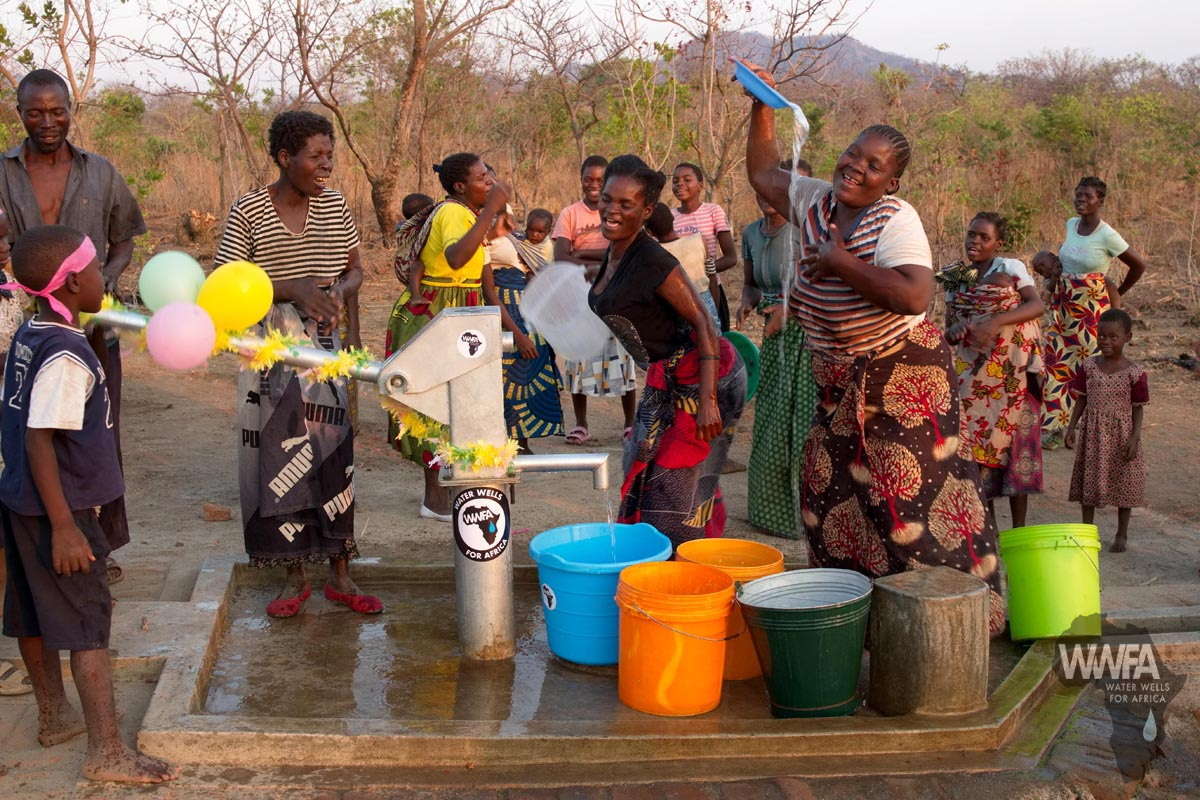
Mvumba is not finished building its future, but the presence of a reliable water source has shifted daily life in measurable ways: children are in class, families are healthier, women have time for income-generating work and village savings, and gardens that were once impossible now provide food and savings.
For the 35 households of Mvumba — and neighbors in Lilamba, Faida, and Mvumbadzi 2 — the well is not just infrastructure. It creates daily change: fewer sick days, more predictable routines, and reclaimed hours that are now spent on learning, working, and being together.
Thank you for caring about people in need and for your partnership in delivering clean water!